








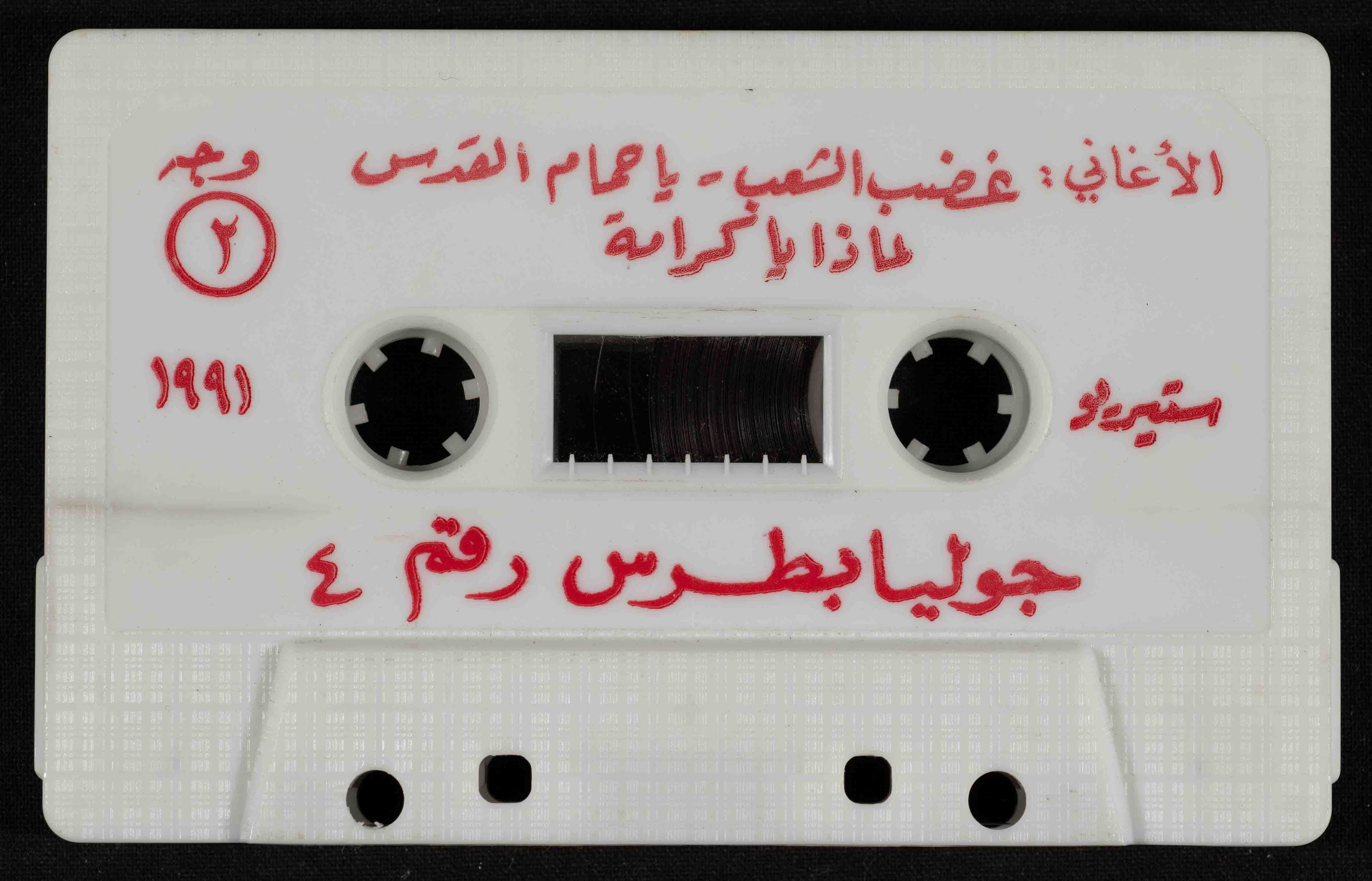
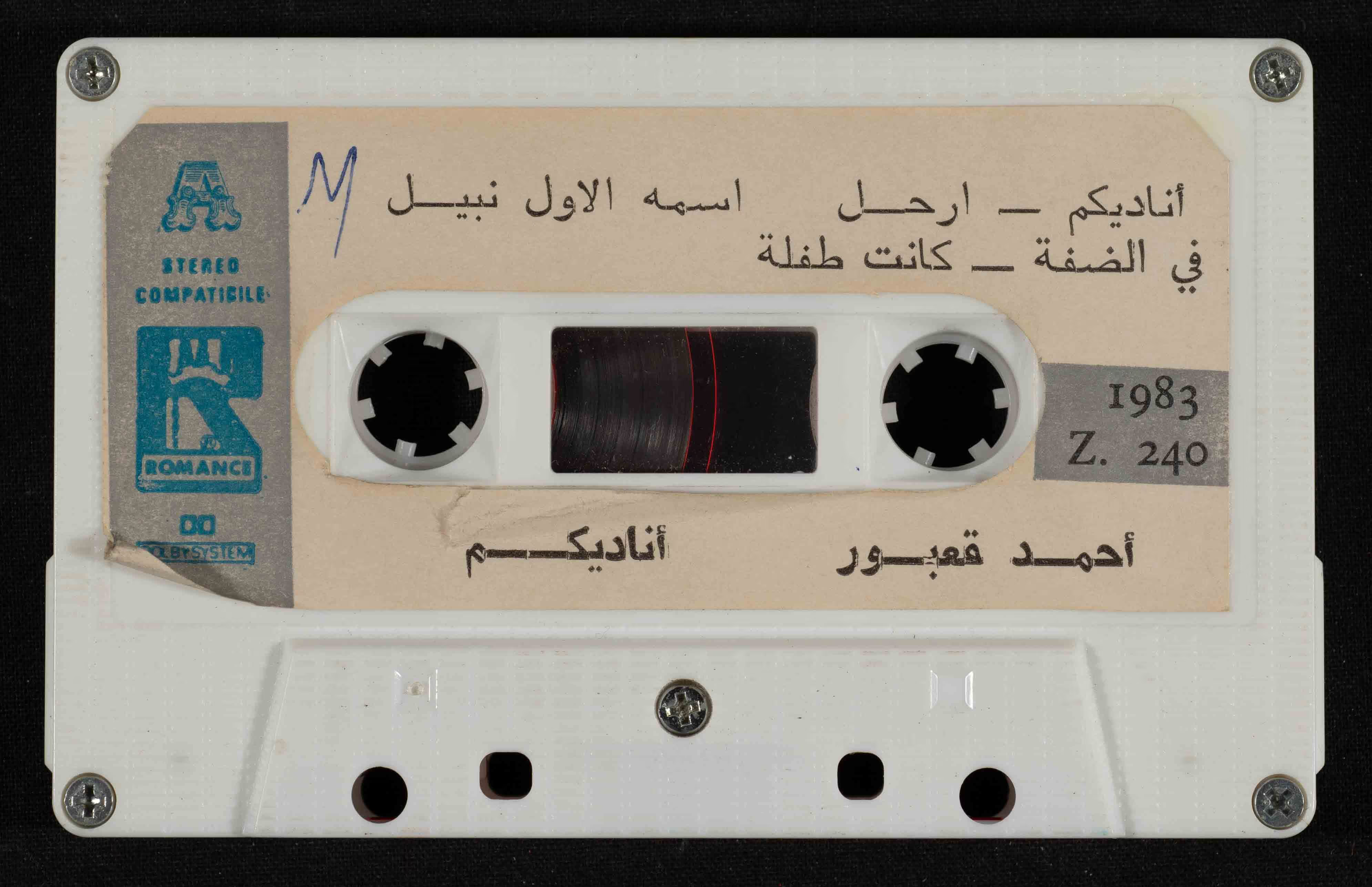
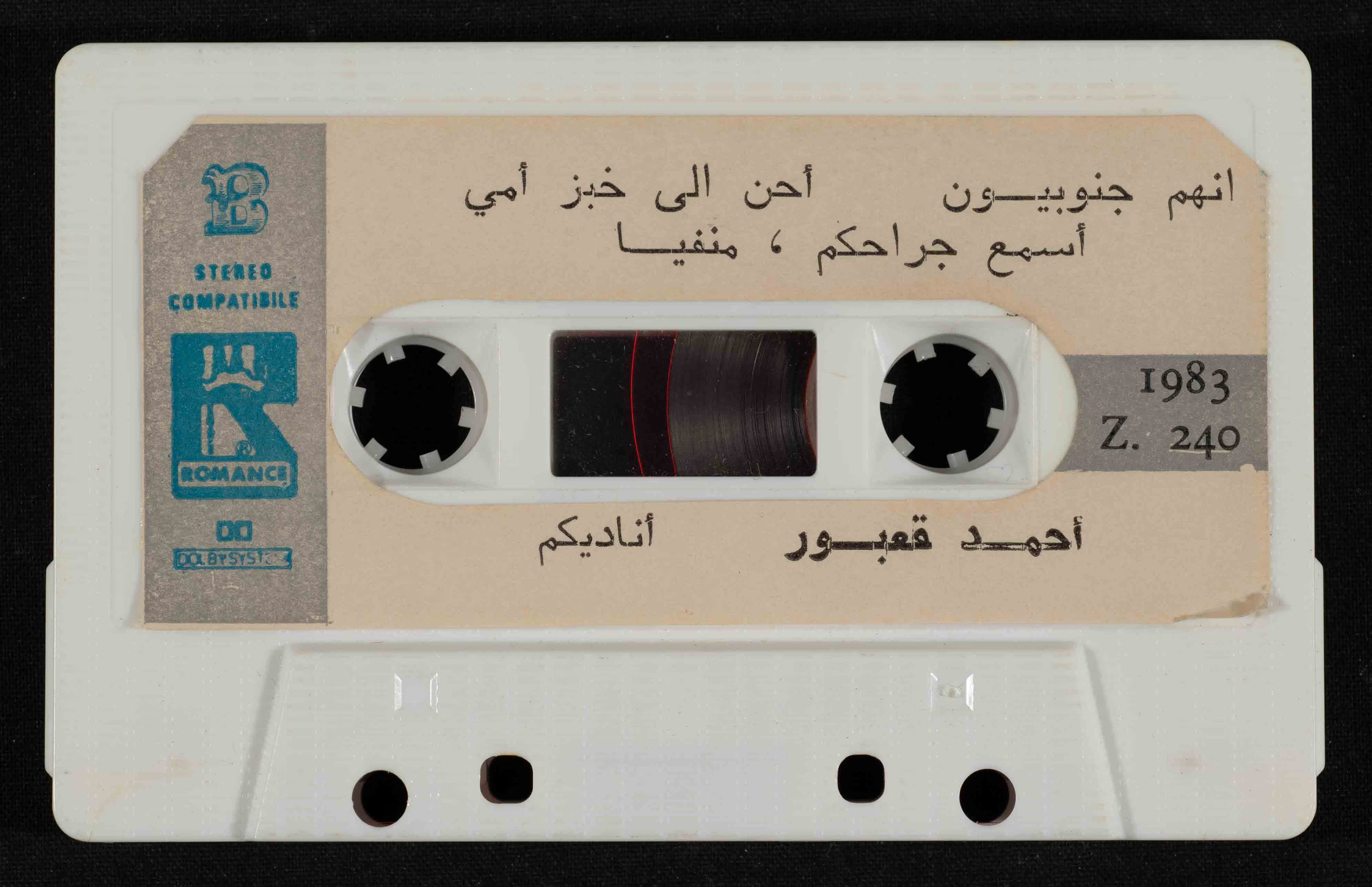




The Deferred Zaffa
Song between Martyrdom and Continuity
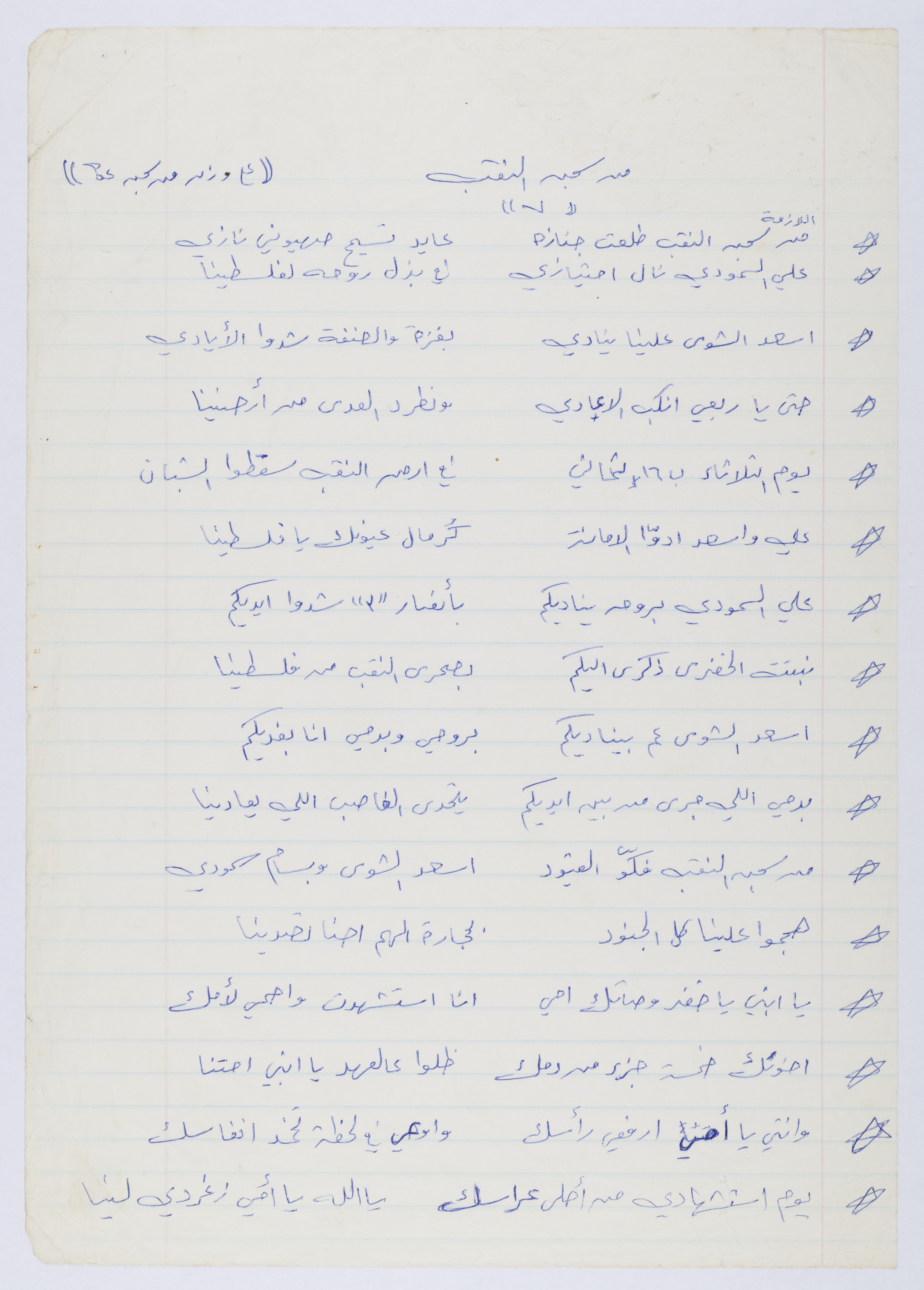
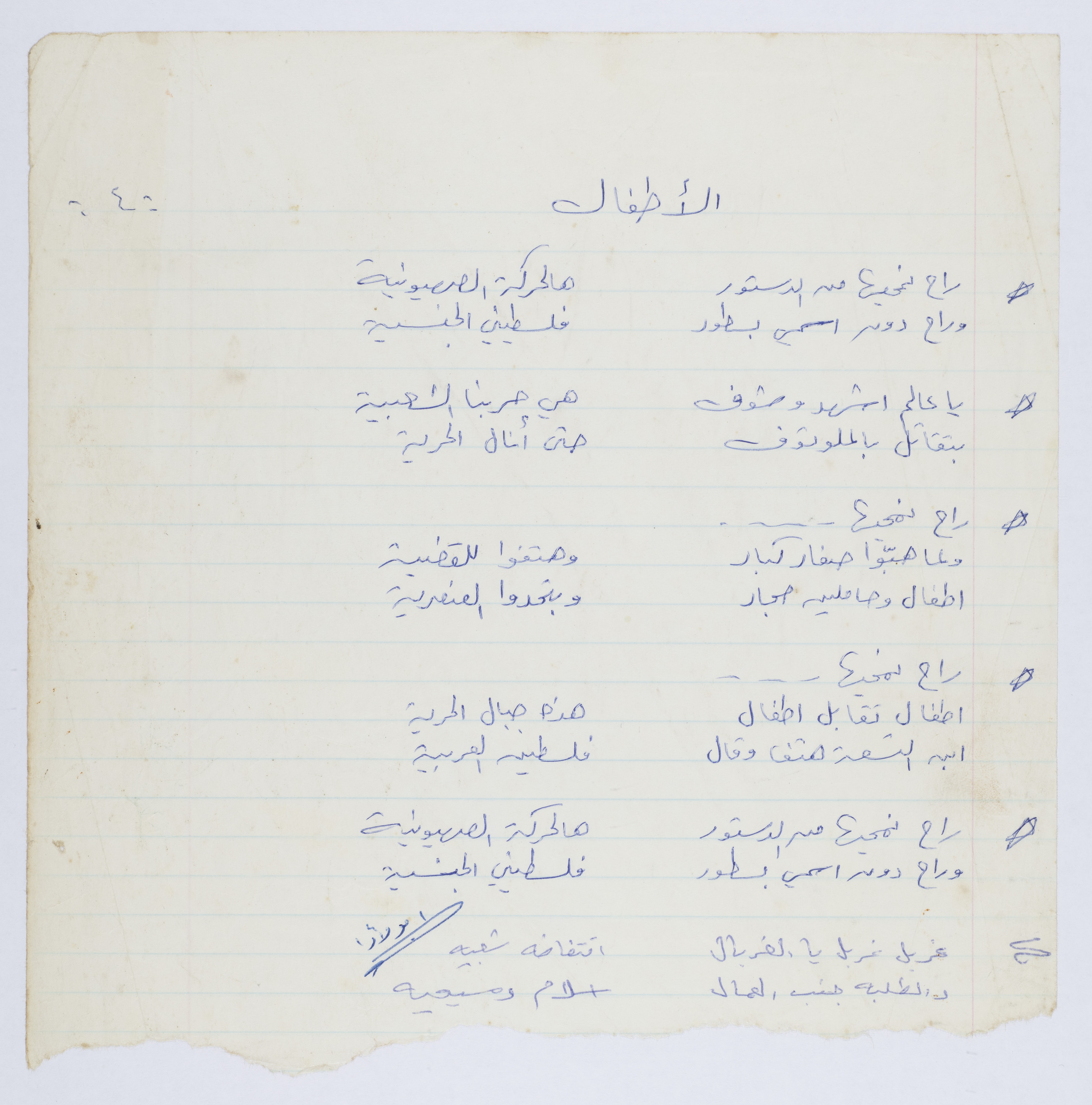
In Palestine, song emerges at the most extreme thresholds of time, where life reaches its peak and where life is forcibly taken. Weddings and seasonal celebrations on the one hand, and funerals of martyrs on the other, are seen not as opposing contexts, but as moments in which the collective experience of continuity becomes most concentrated. Song does not function as an accompaniment to these events, but as a tool that organises time itself through spaces where grief and joy intertwine, preventing it from collapsing into a single meaning.
In the context of a wedding, the voice opens time to what is to come. The zaffa (a wedding chant and transitional ritual) is a forward movement, a collective declaration of the continuation of lineage and of the enduring relationship between body and land. Similarly, in the cycles of the seasons, this idea of continuation is reaffirmed repeatedly; songs celebrating abundance—such as those accompanying harvest, olive picking, and agricultural labour—also speak to the cyclical rhythms of life, its return, and its capacity for renewal despite rupture. Here, time is not measured by the event, but by the cycle, and sound becomes a sign that life, even when disrupted, does not cease to reproduce itself.
In the funeral ceremonies of martyrs, song and collective chanting focus on shifting the direction of time in a continuation of life. Voice accompanies the body being carried, bidding farewell to the deceased, and also reinserting their story into a narrative that does not end with death. The songs invoke vocabulary associated with joy—reworking the words within the moment of loss and thereby transforming the funeral into a deferred zaffa—a spiritual wedding. This redefines martyrdom as a transition within collective time rather than an exit from it.
The entanglement of joy and loss, wedding and funeral arose not from an accidental overlap between distant rituals but from a historical need for a language capable of containing pain without allowing it to dominate meaning. The coded words in popular songs that speak of the groom, the road, or the awaited moment do not conceal reality, but reconfigure it: looking to a horizon capable of continuity. Marrying the martyr in song becomes a profoundly temporal act, inserting death into the rhythm of life and binding it to continuing movement, without disruption or end.
In celebrations of marriage and the seasons, and at funerals, song functions as a space of suspension: a suspension of final judgement, of definitive endings, and of the authority that the occupation seeks to impose on the meaning of loss. By holding space for multiple meanings, songs have emerged that place the martyr among the saints, refusing to leave them without creating a continued path. These are songs that preserve continuity as a collective act, an act practised through voice and reproduced each time history attempts to close in on itself.
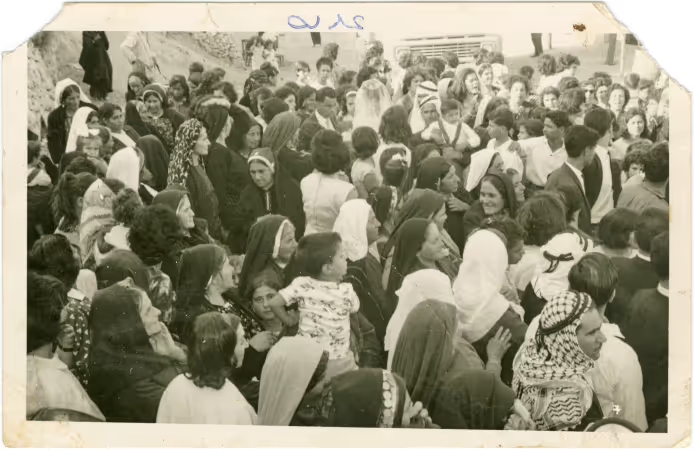
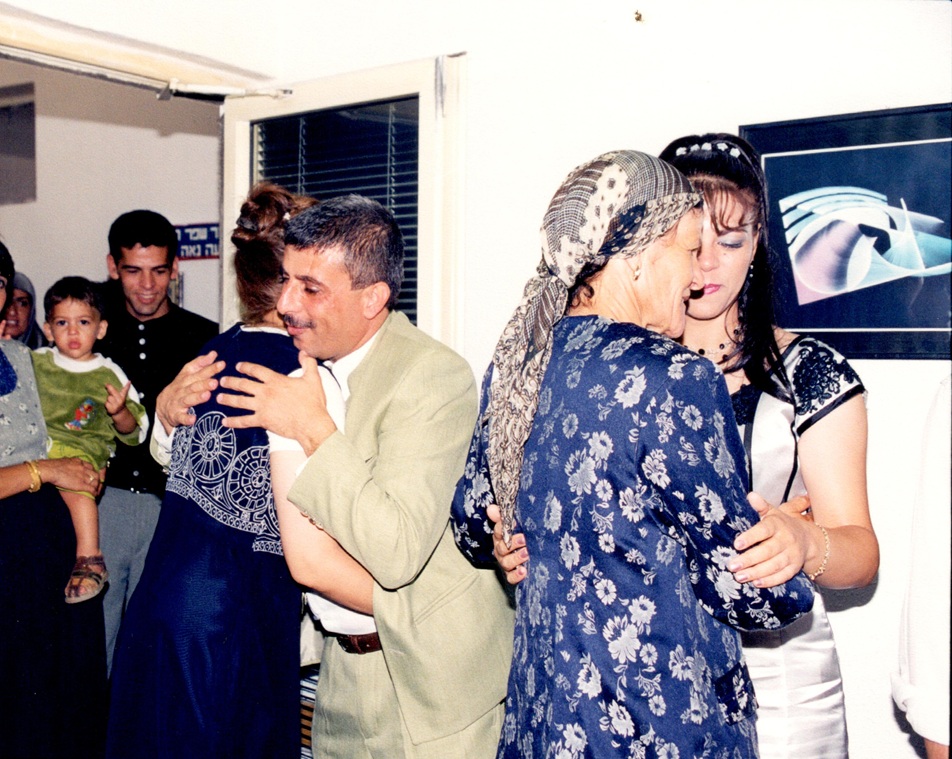
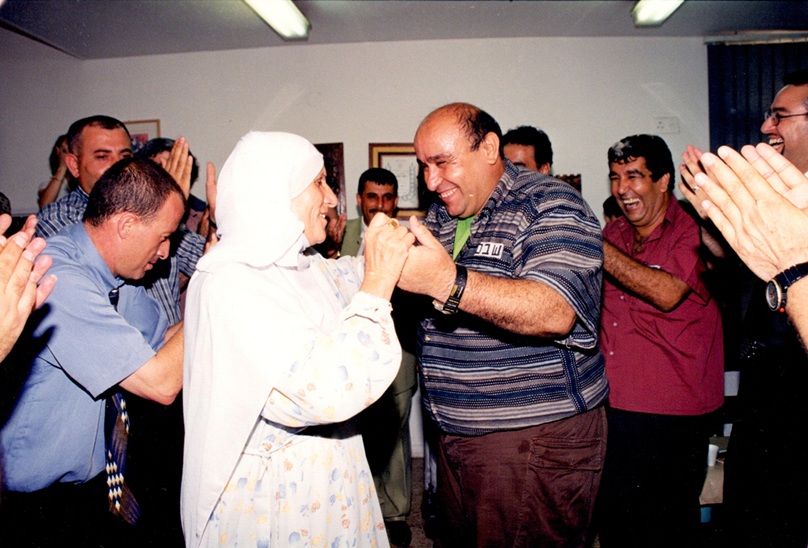
William Farah Abdullah and Adla Zayed Butrus’s wedding- William Farrah Group
William Farah Abdullah and Adla Zayed Butrus’s wedding celebration in al-Taybeh, 1965. William Farah Collection, the Palestinian Museum Digital Archive.
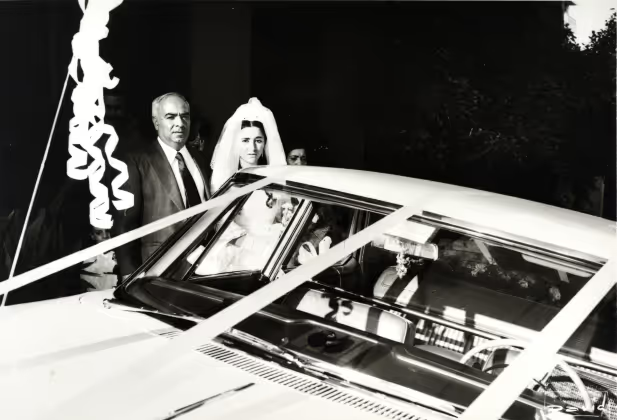
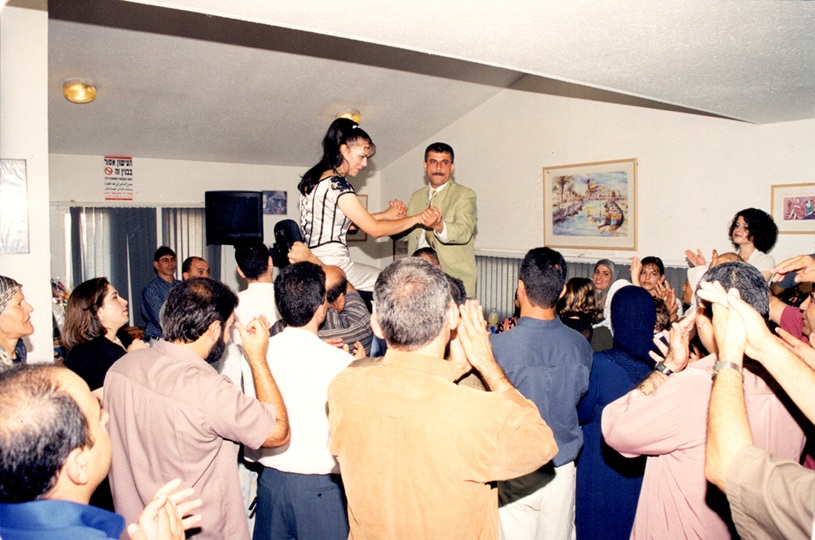
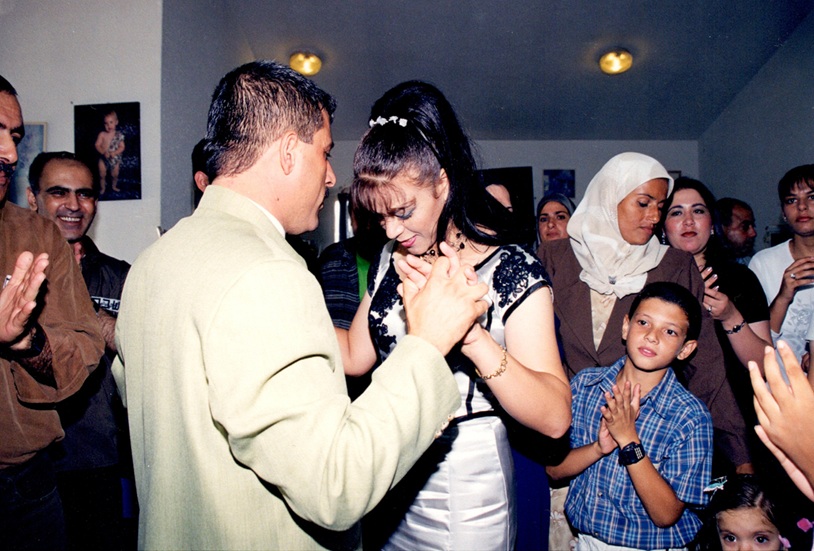
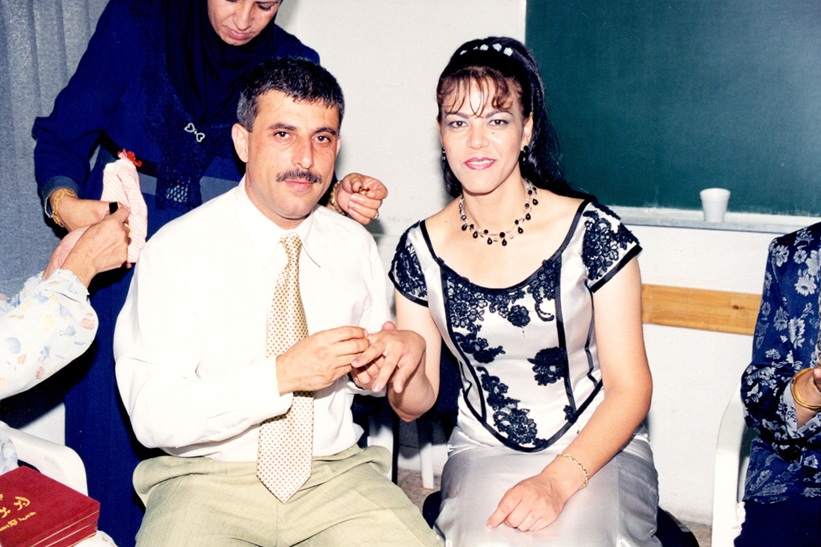
Nazih and Nahla Qourah on their wedding day - Nahlah Qura collection
Nazih and Nahla Qourah on their wedding day in Beirut, 1973. Nahla Qourah Collection, the Palestinian Museum Digital Archive.
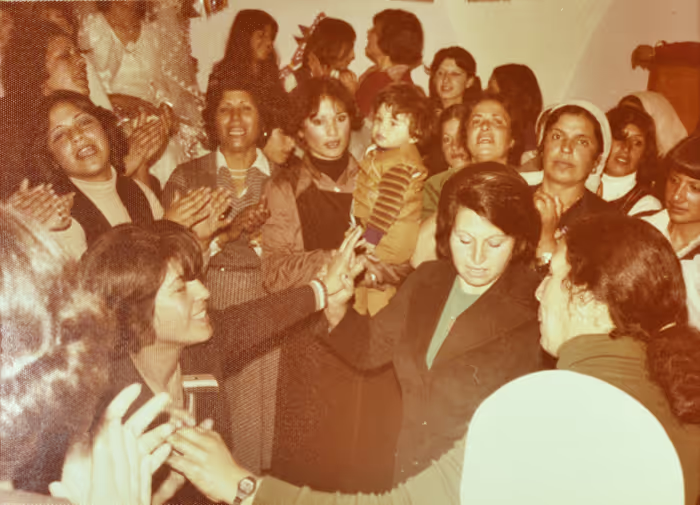
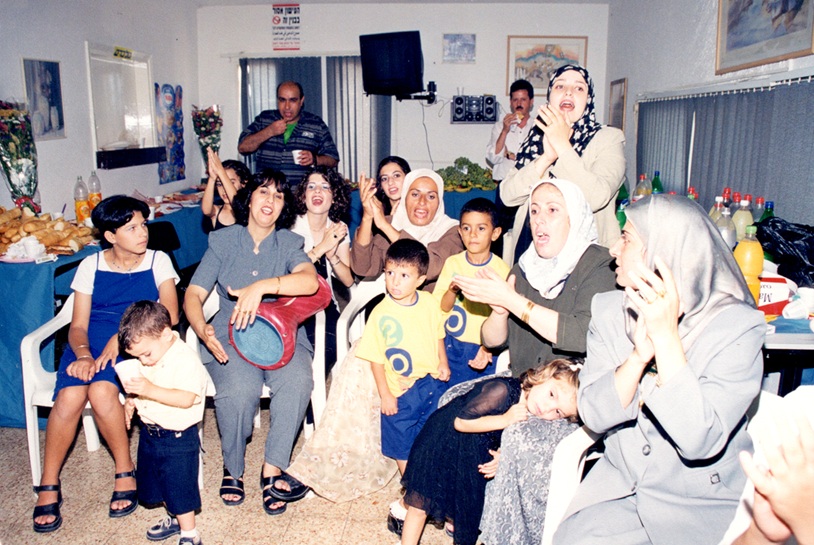
Women dance among guests - Mustafa Othman Collection
Women dance among guests at Mustafa Othman’s wedding in the village of Beit Safafa, Jerusalem district, 1978. Mustafa Othman Collection, the Palestinian Museum Digital Archive.
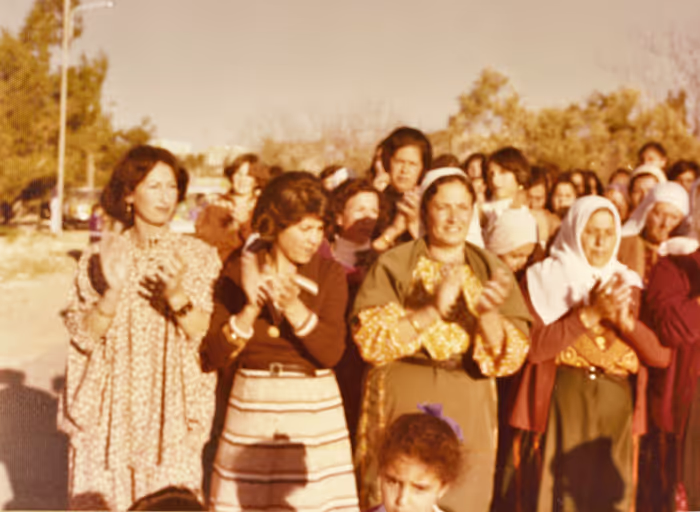
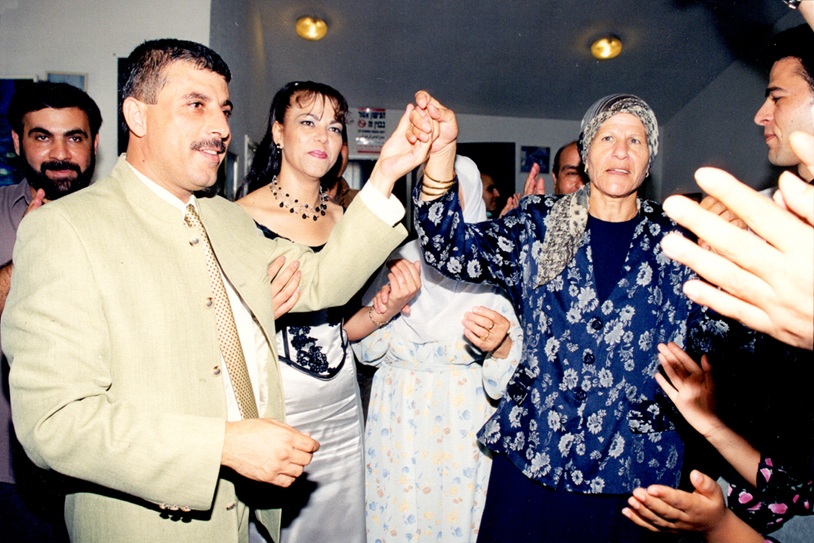
Women from the village of Beit Safafa - Mustafa Othman Collection
Women from the village of Beit Safafa, Jerusalem district, during Mustafa Othman’s wedding zaffa, 1978. Mustafa Othman Collection, the Palestinian Museum Digital Archive.
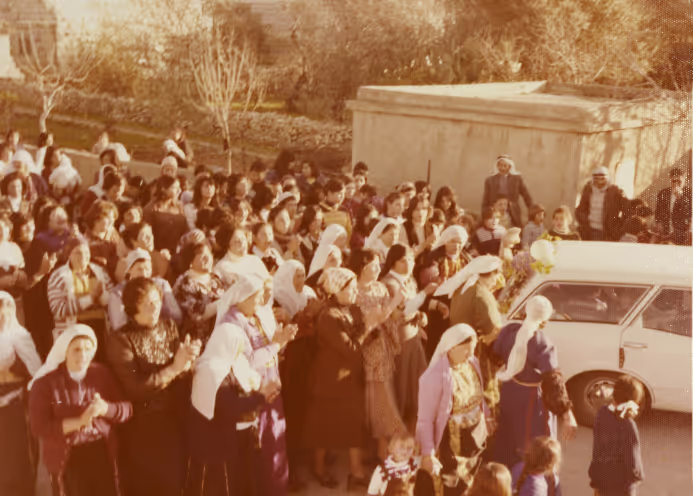
Women from the village of Beit Safafa - Mustafa Othman Collection
Women from the village of Beit Safafa, Jerusalem district, during Mustafa Othman’s wedding zaffa, 1978. Mustafa Othman Collection, the Palestinian Museum Digital Archive.
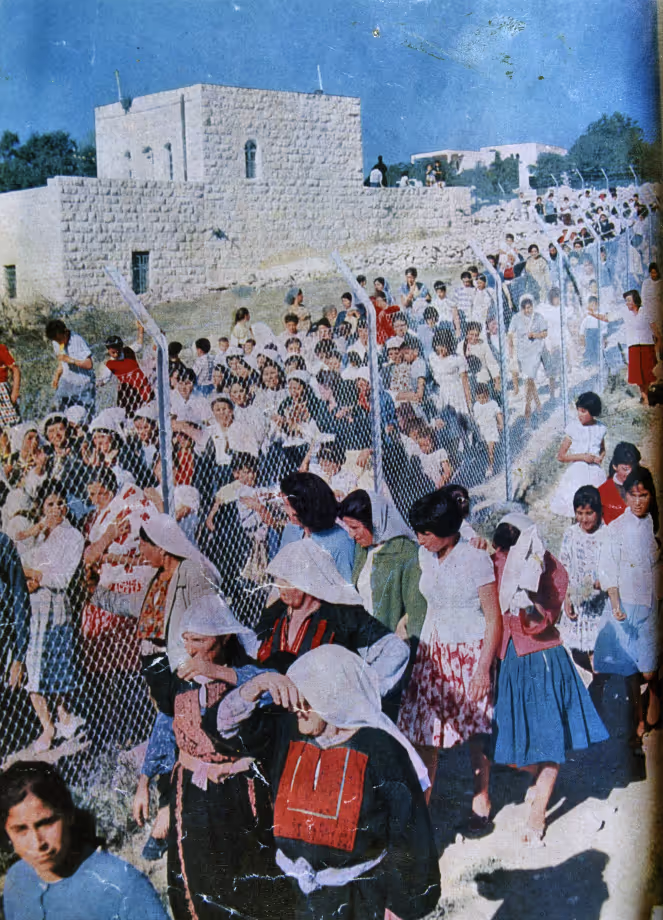
A Palestinian wedding on either side of the barbed-wire Mustafa Othman Collection
A Palestinian wedding zaffa march on either side of the barbed-wire fence marking the 1949 Armistice Line, which divided the village of Beit Safafa, Jerusalem district, between Jordanian rule and Israeli occupation, 1962. Mustafa Othman Collection, the Palestinian Museum Digital Archive.
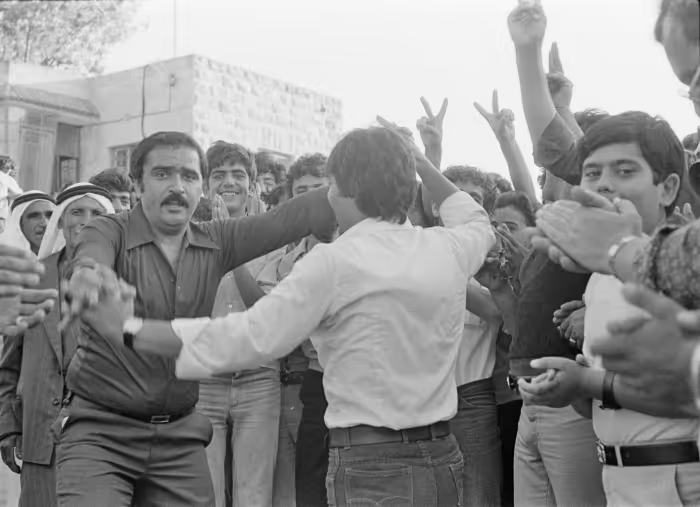
Men clap and dance -Emil Ashrawi Collection
Men clap and dance during a wedding zaffa in Abu Shkheidem, 1970–80. Emile Ashrawi Collection, the Palestinian Museum Digital Archive.
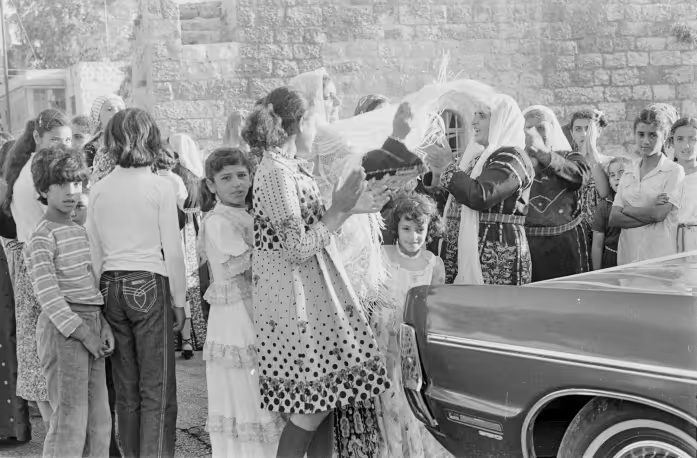
Women dance beside a car - Emil Ashrawi Collection
Women dance beside a car as children and villagers gather during a wedding zaffa in Abu Shkheidem, 1970–80. Emile Ashrawi Collection, the Palestinian Museum Digital Archive.
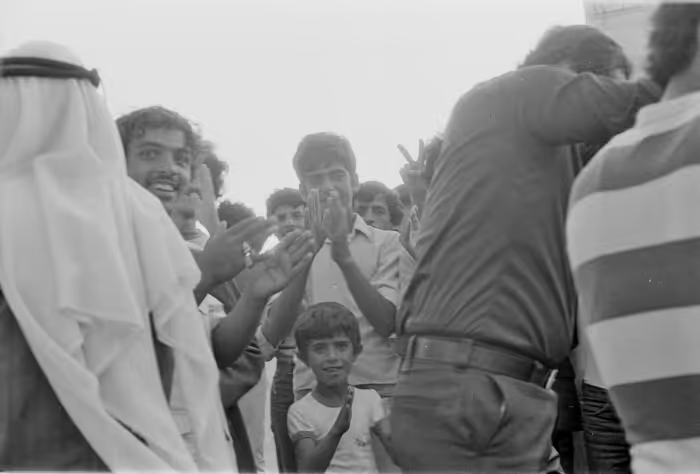
Men and boys clap - Emil Ashrawi Collection
Men and boys clap around dancers during a wedding zaffa in Abu Shkheidem, 1970–80. Emile Ashrawi Collection, the Palestinian Museum Digital Archive.
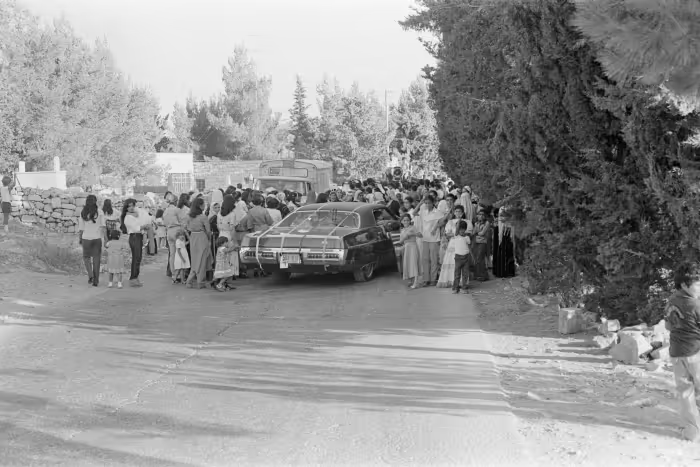
A decorated car passes through villagers - Emil Ashrawi Collection
A decorated car passes through villagers and children during a wedding zaffa (procession) in the village of Abu Shkheidem, near Ramallah. Emile Ashrawi Collection, the Palestinian Museum Digital Archive.
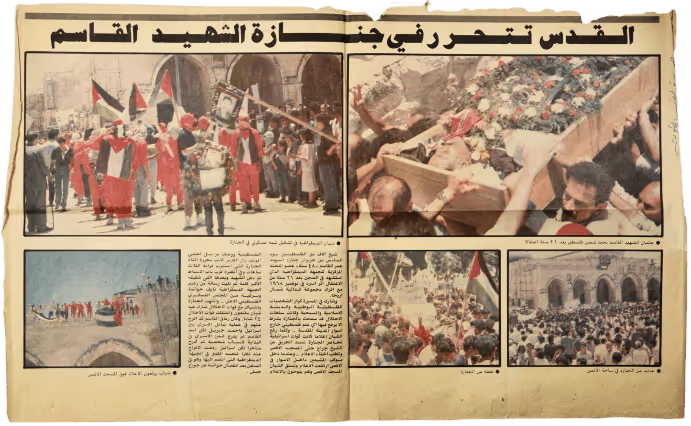
Double-page newspaper spread with an illustrated report headlined “Jerusalem liberated at the funeral of martyr Omar al-Qasim”, showing Omar al-Qasim’s funeral procession through Jerusalem, June 1989. Omar al-Qasim Collection, the Palestinian Museum Digital Archive.
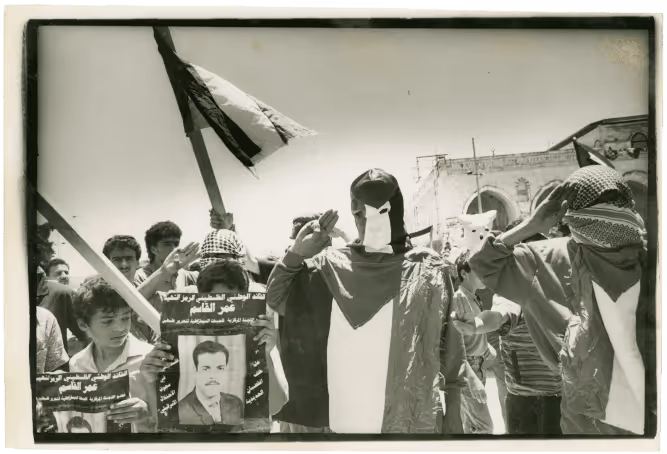
Children and young men, some masked, hold posters with images of martyr Omar al-Qasim and Palestinian flags as his funeral procession moves through Jerusalem, 6 June 1989. Omar al-Qasim Collection, the Palestinian Museum Digital Archive.
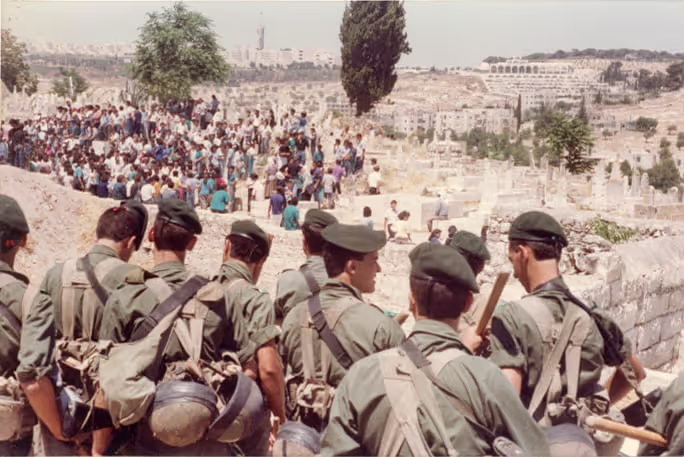
Israeli occupation soldiers take positions along the wall of al-Yusufiya Cemetery, where martyr Omar al-Qasim was buried, 6 June 1989. Omar al-Qasim Collection, the Palestinian Museum Digital Archive.
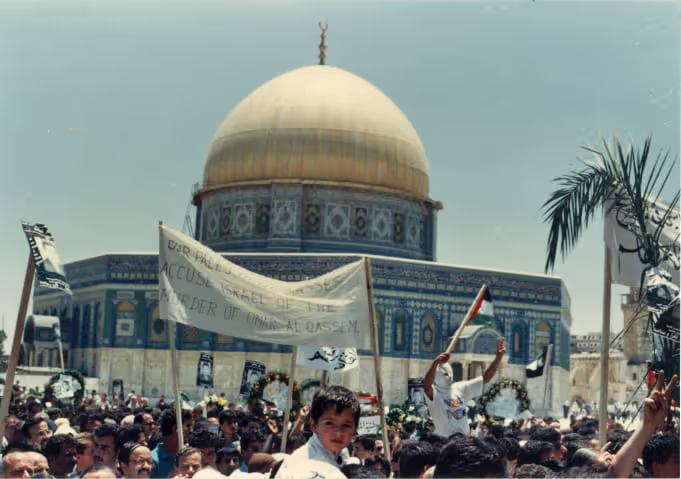
Omar al-Qasim’s funeral within the al-Aqsa Mosque precinct, Jerusalem, 6 June 1989. Omar al-Qasim Collection, the Palestinian Museum Digital Archive.
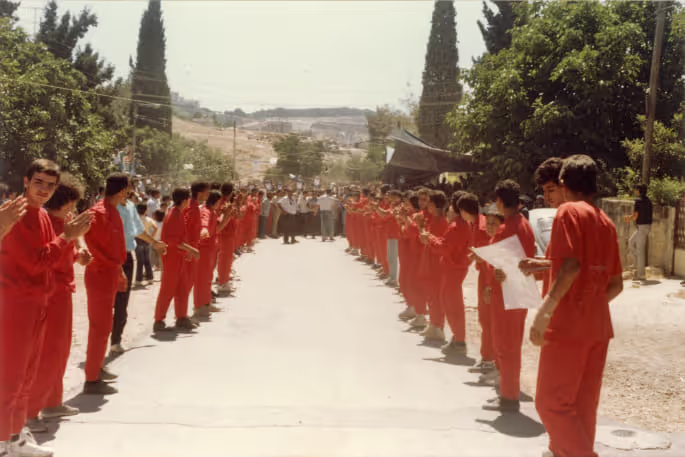
Dressed in red, young members of the Strike Force, an organised Palestinian grouping active in street confrontations and popular resistance during the first intifada, gather in Jerusalem to receive Omar al-Qasim’s coffin as his funeral procession passes through the city, 6 June 1989. Omar al-Qasim Collection, the Palestinian Museum Digital Archive.
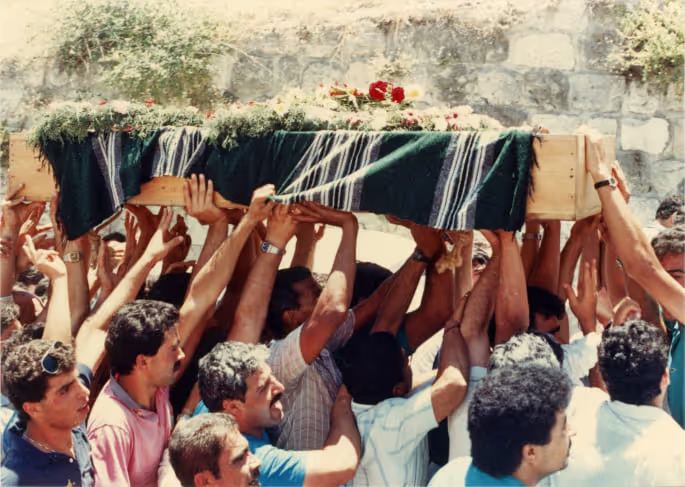
Martyr Omar al-Qasim’s coffin is borne aloft as his funeral procession moves through Jerusalem, 6 June 1989. Omar al-Qasim Collection, the Palestinian Museum Digital Archive.
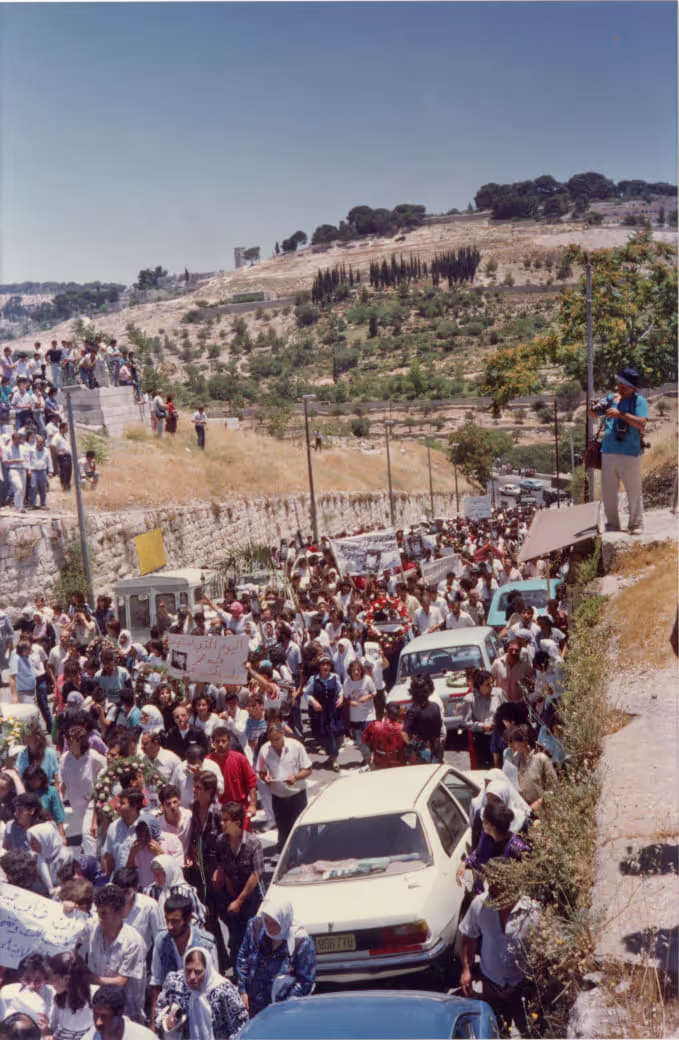
Omar al-Qasim’s funeral procession through the streets of Jerusalem, 6 June 1989. Omar al-Qasim Collection, the Palestinian Museum Digital Archive.
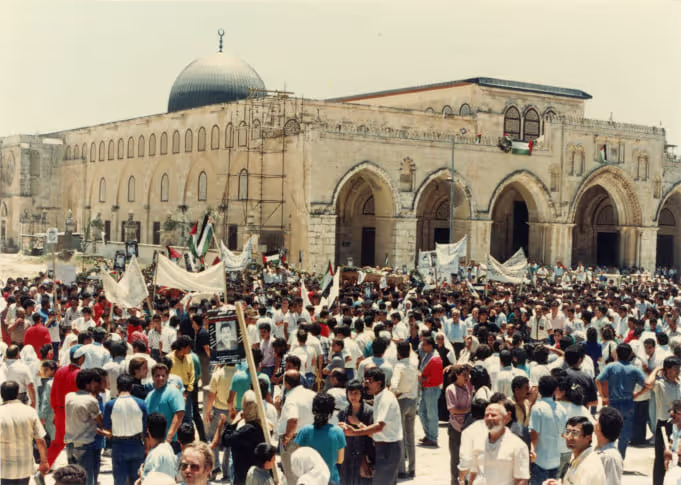
Omar al-Qasim’s funeral within the al-Aqsa Mosque precinct, Jerusalem, 6 June 1989. Omar al-Qasim Collection, the Palestinian Museum Digital Archive.
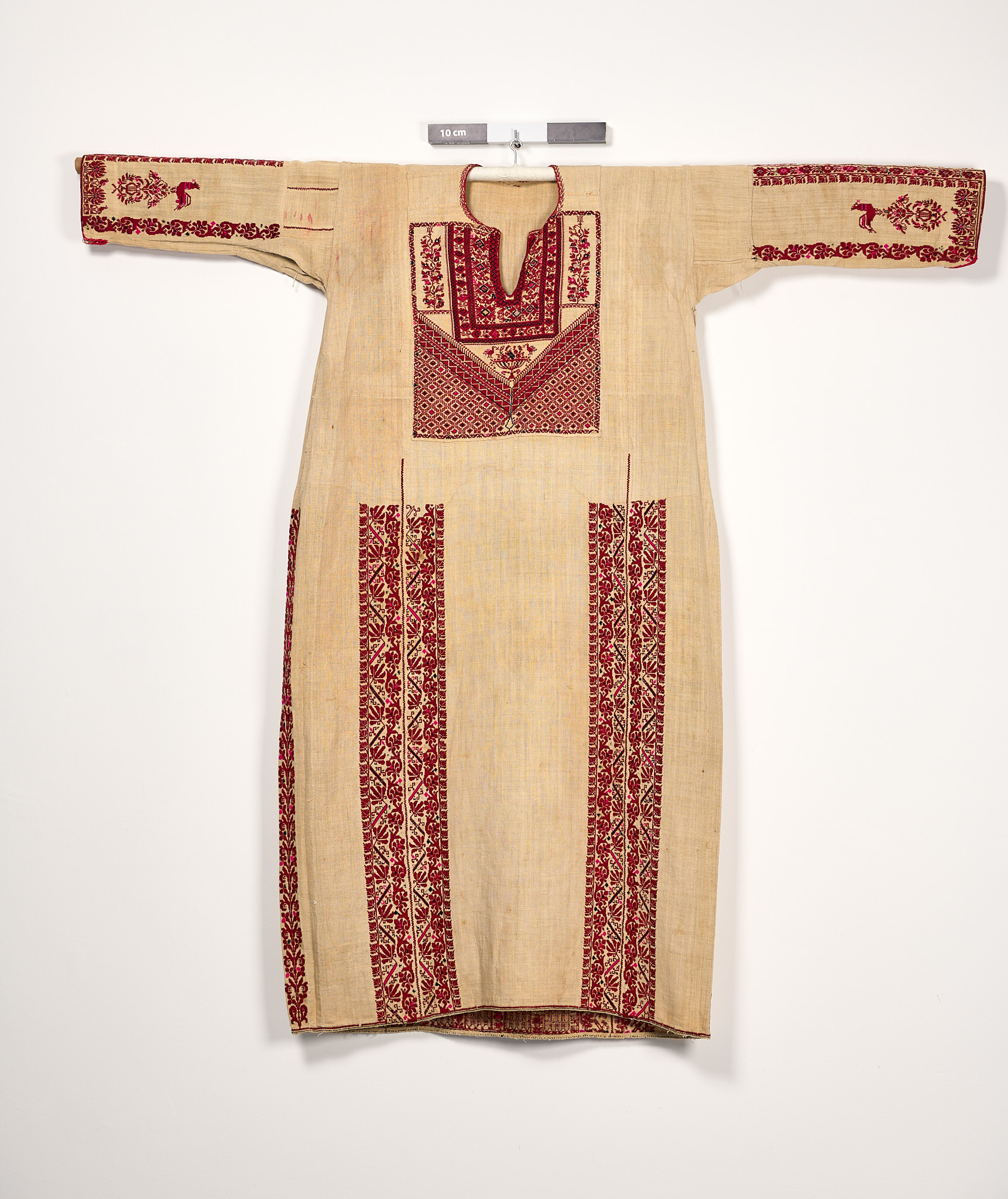
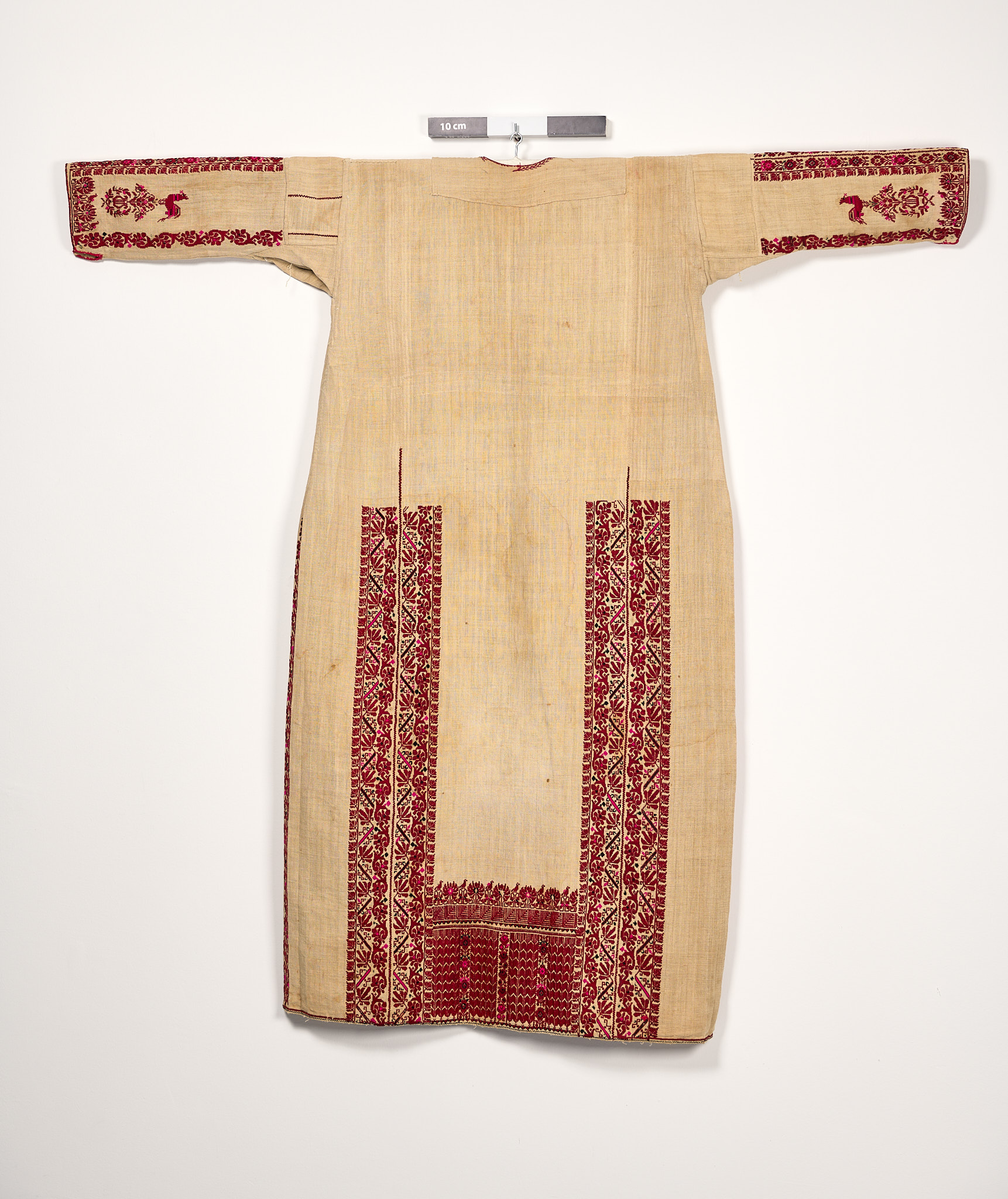
Wedding Thobe from the Ramallah Area.
The Palestinian Museum Permanent Collection.
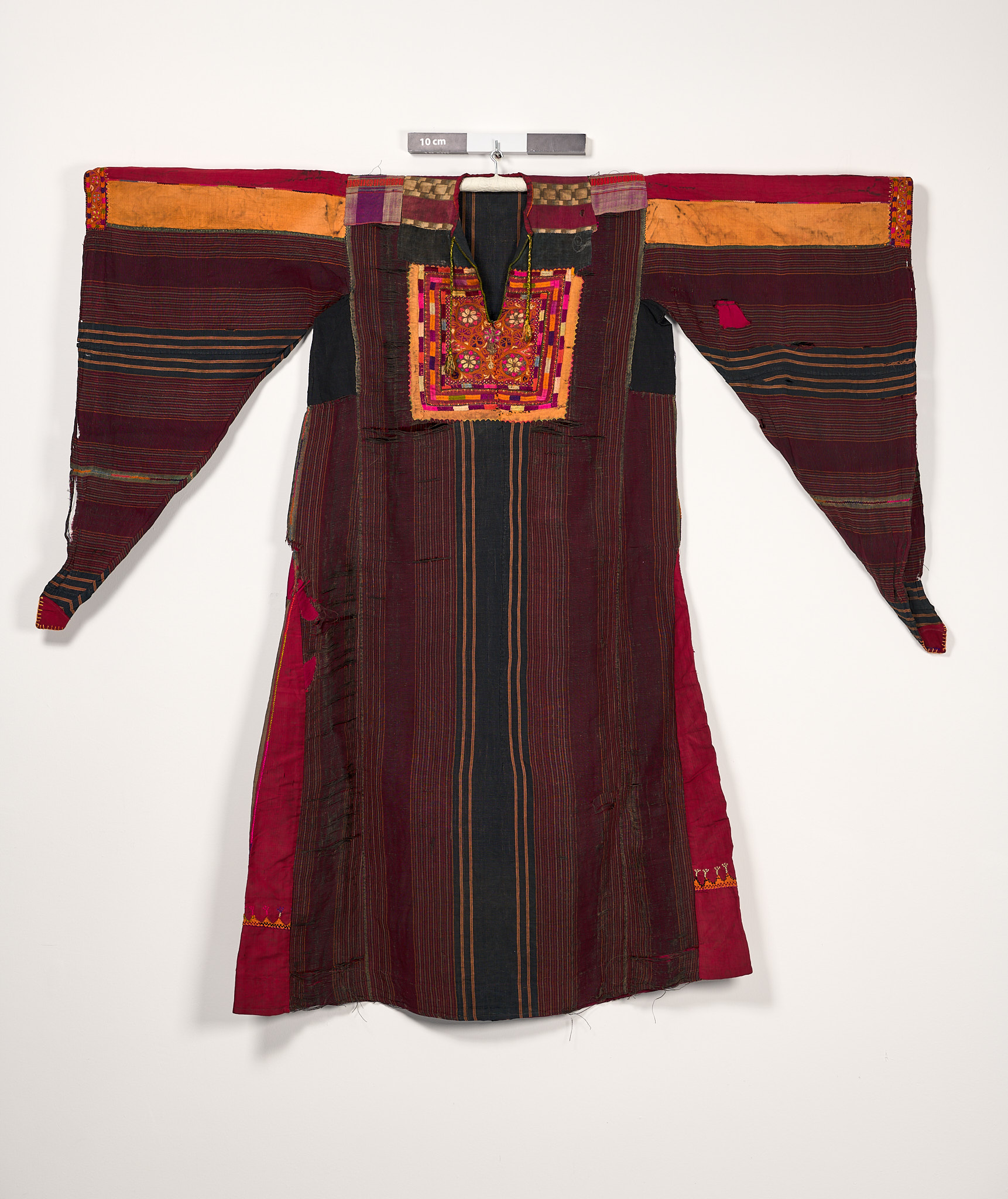
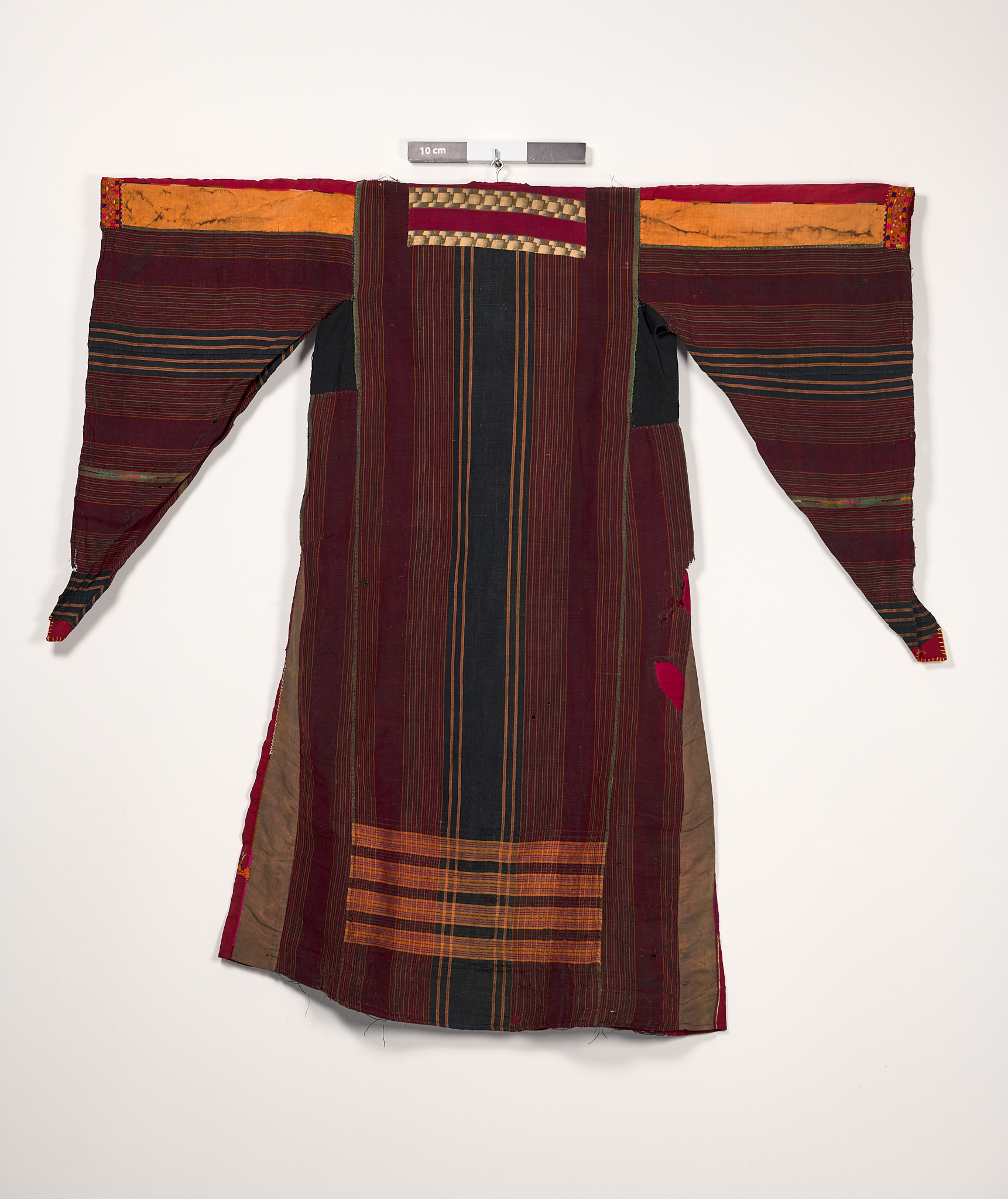
Malak Thobe from the Bethlehem Area.
The Palestinian Museum Permanent Collection.
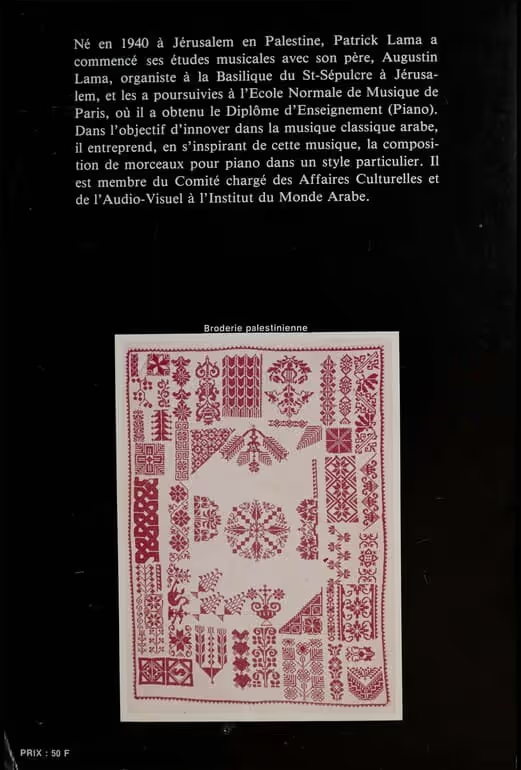
A white Rumi thobe from the Ramallah area, made of white Rumi fabric and embroidered with predominantly red and pink silk threads using the fallahi cross-stitch technique. The chest panel is embroidered with plant, geometric, and animal motifs, while the shoulders and back yoke are left unembroidered, and the sleeves feature vertical embroidered bands of plant and animal motifs, including a rooster motif associated in Christian tradition with the story of Saint Peter’s denial of Christ three times before the rooster crowed. The front and back panels display dense embroidery in four identical vertical bands of plant motifs, bordered by a feather-pattern band, while dense geometric embroidery appears at the lower back panel (al-Dhayl). The side panels (al-Banayiq) are decorated with two embroidered bands of varied plant motifs. Circa 1920–30.
A Malak (King) thobe (dress) from the Bethlehem area, made of fabric woven on a handloom in al-Majdal and embroidered with predominantly red silk threads, alongside the use of gilded metallic thread. The chest panel is embroidered with the manajil (sickles) motif and plant motifs using laff and tahriri stitches, while the shoulders (al-Nayashin) and the back yoke are left unembroidered and are made of different fabrics; the shoulders are made of Abu Wardeh fabric, while the back yoke is composed of a textile in maroon, brown, and beige tones and attached to the thobe. The mradan sleeves are made of Hermazi silk in orange and red, and the cuff is embroidered with the same motifs as the chest panel. No tatreez (embroidery) appears on the front or back panels, while horizontal orange threads appear at the lower back panel (al-Dhayl). The side panels (al-Banayiq) are made of red Hermazi silk, attached to the thobe, and lightly decorated with geometric tatreez (embroidery)
The significance of this thobe lies in its story; although the Malak thobe is traditionally considered a wedding and festive garment in Palestine, this particular example was used as a mourning garment. A vertical tear extending from the chest panel downward is visible and was later stitched; this tear is known as al-Qadd (the tear), and the thobe is therefore also referred to as a “maqdoud” thobe, referring to the act of a woman tearing her garment as an expression of intense grief over the loss of a loved one. The Palestinian Museum Permanent Collection.
Rajeh al-Salfiti performing at Bilal Odeh’s wedding sahra and zaffa, Salfit, 1986, video, 29 seconds.
Courtesy of the Rajeh al-Salfiti Collection. The Palestinian Museum Digital Archive.
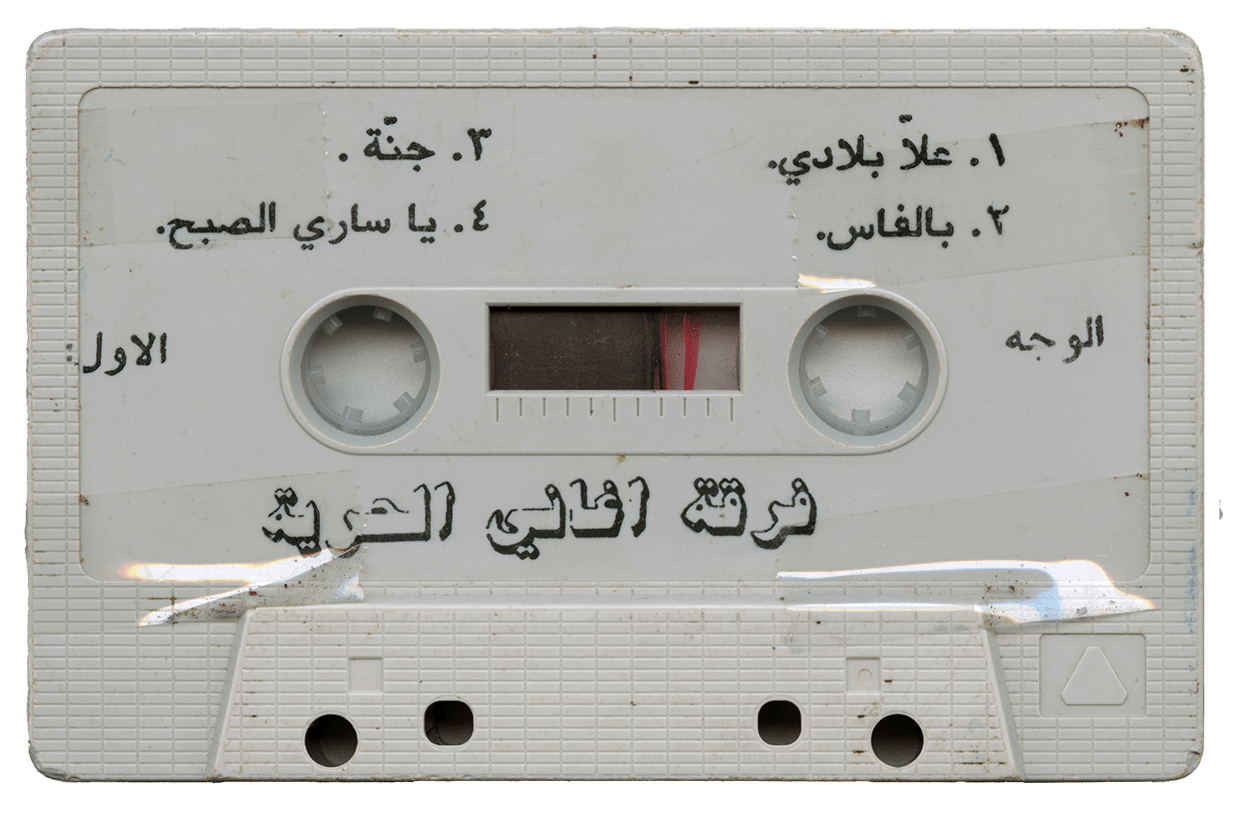
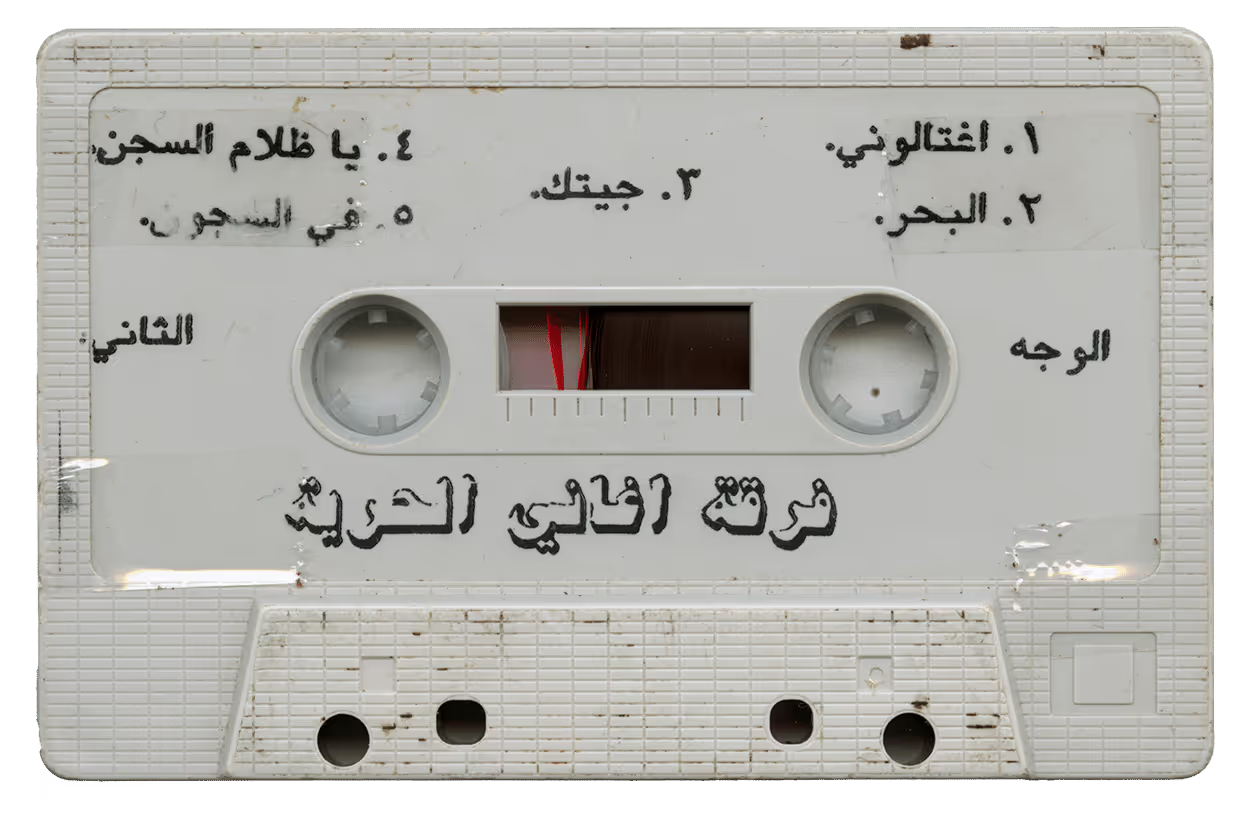
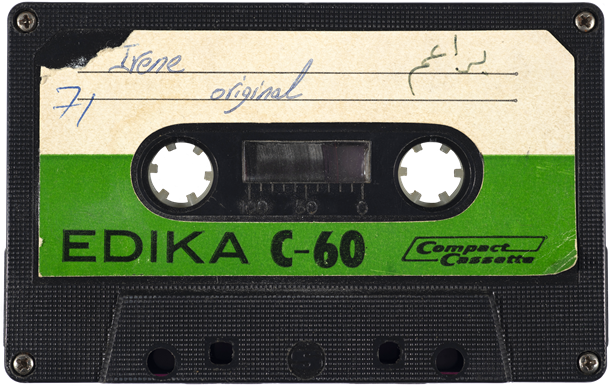
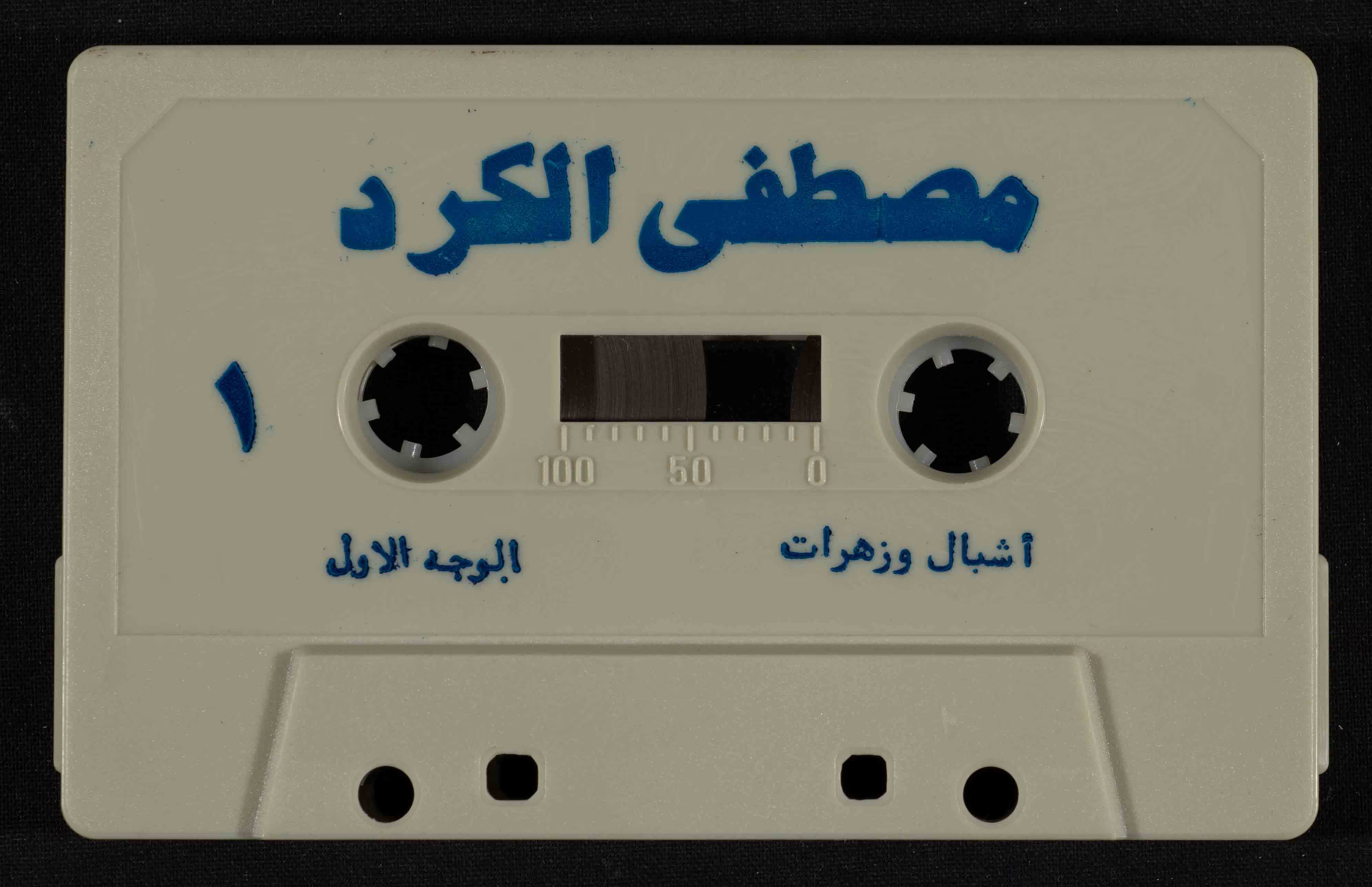
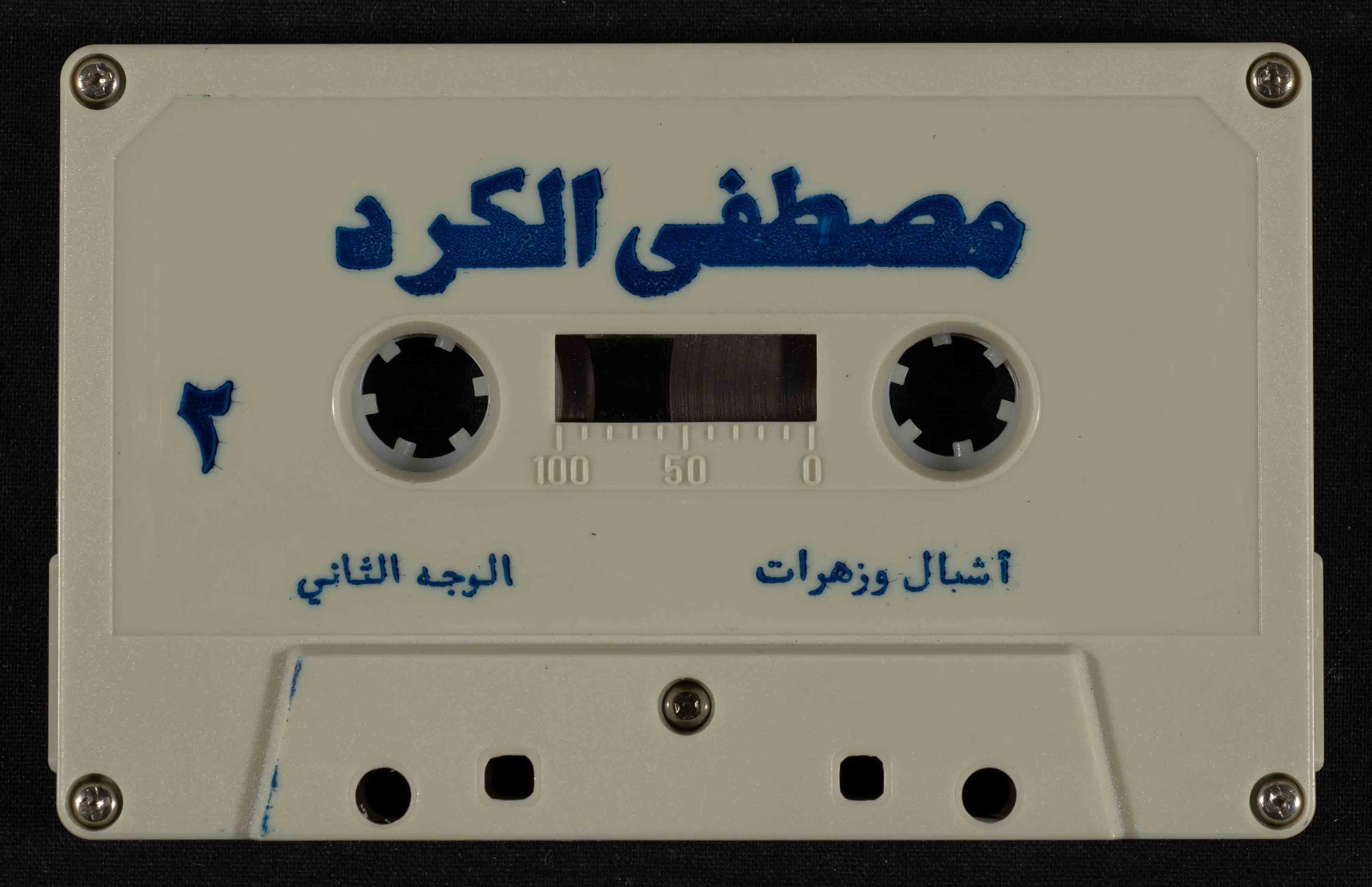
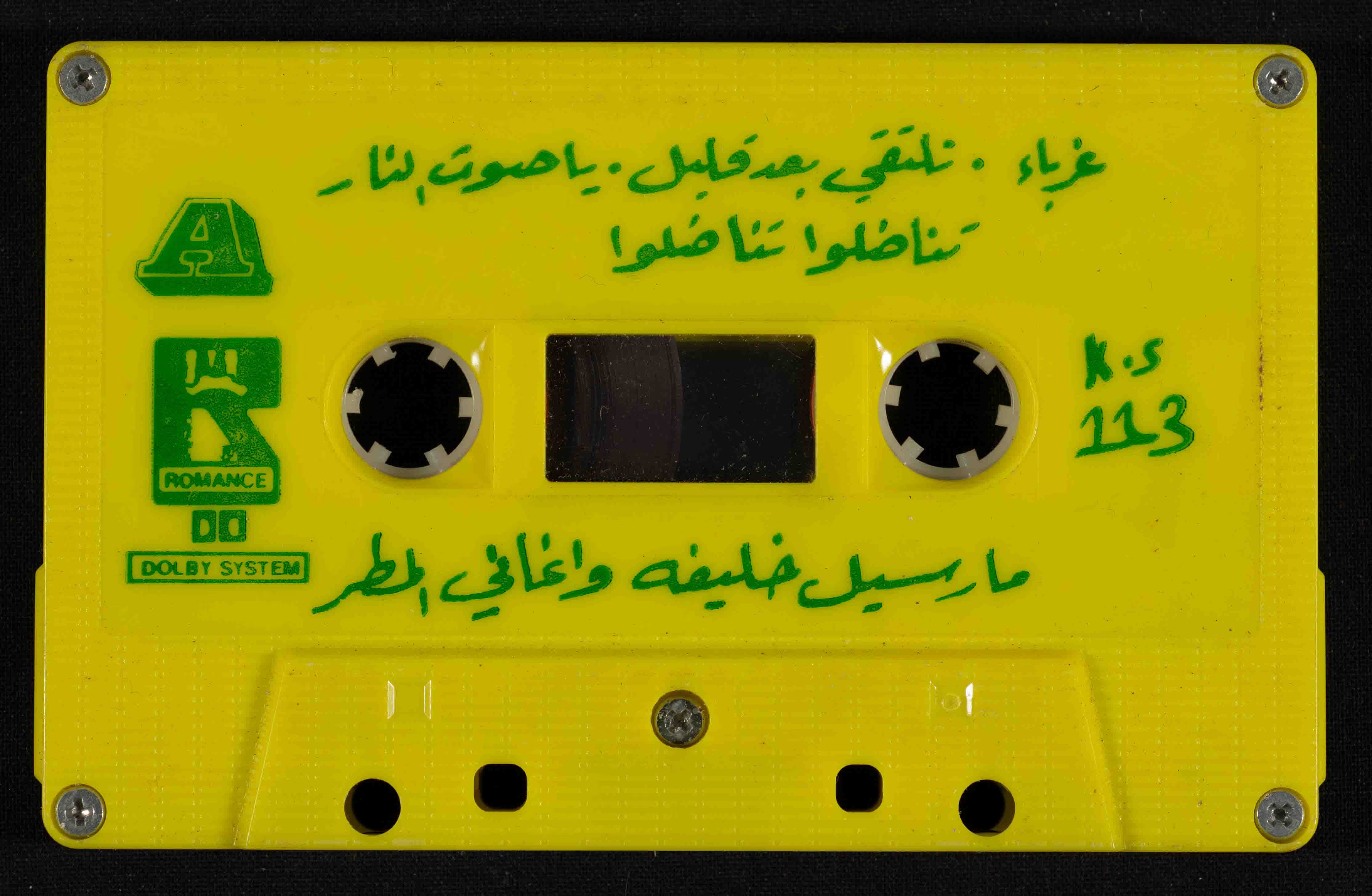
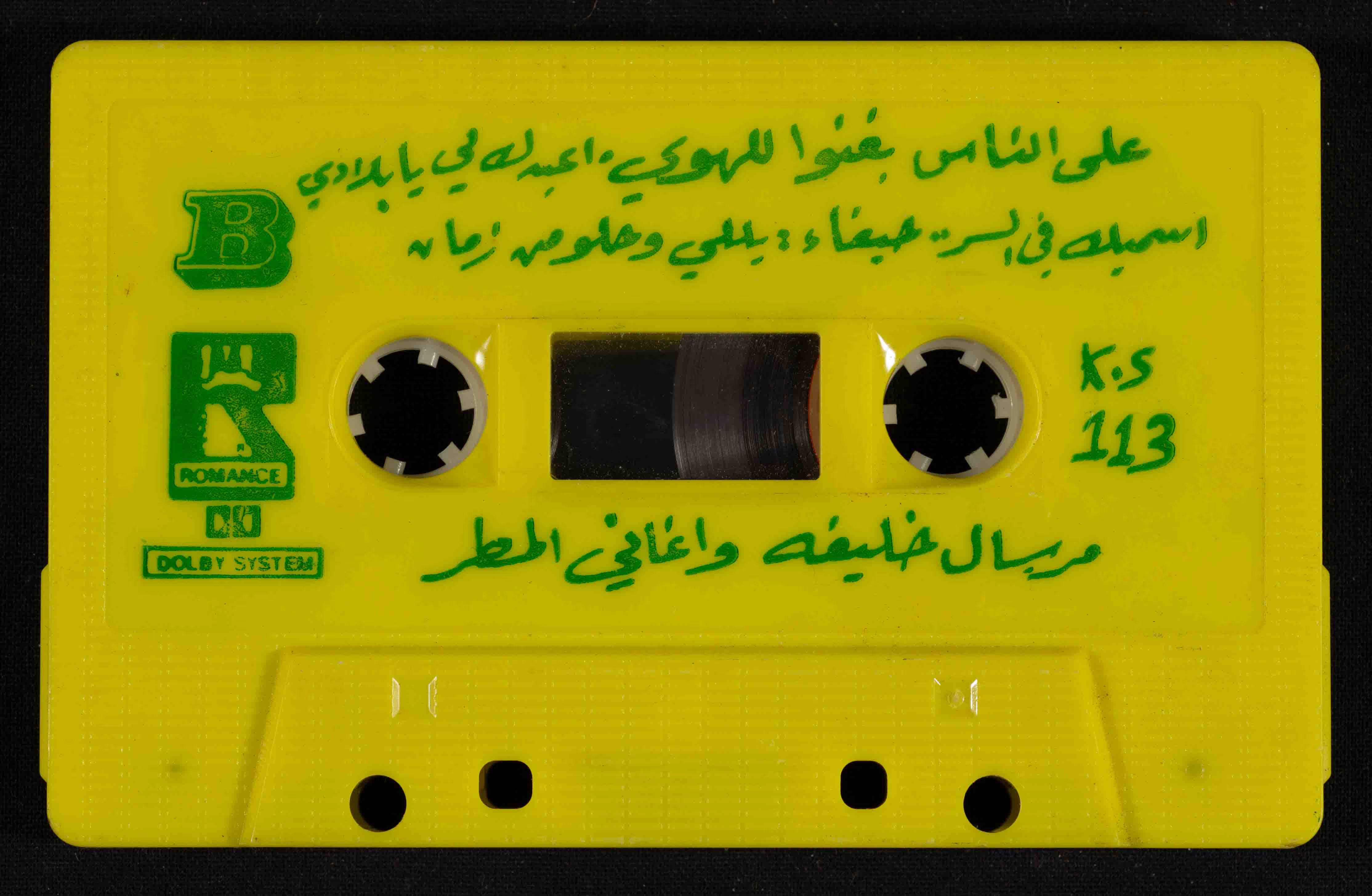
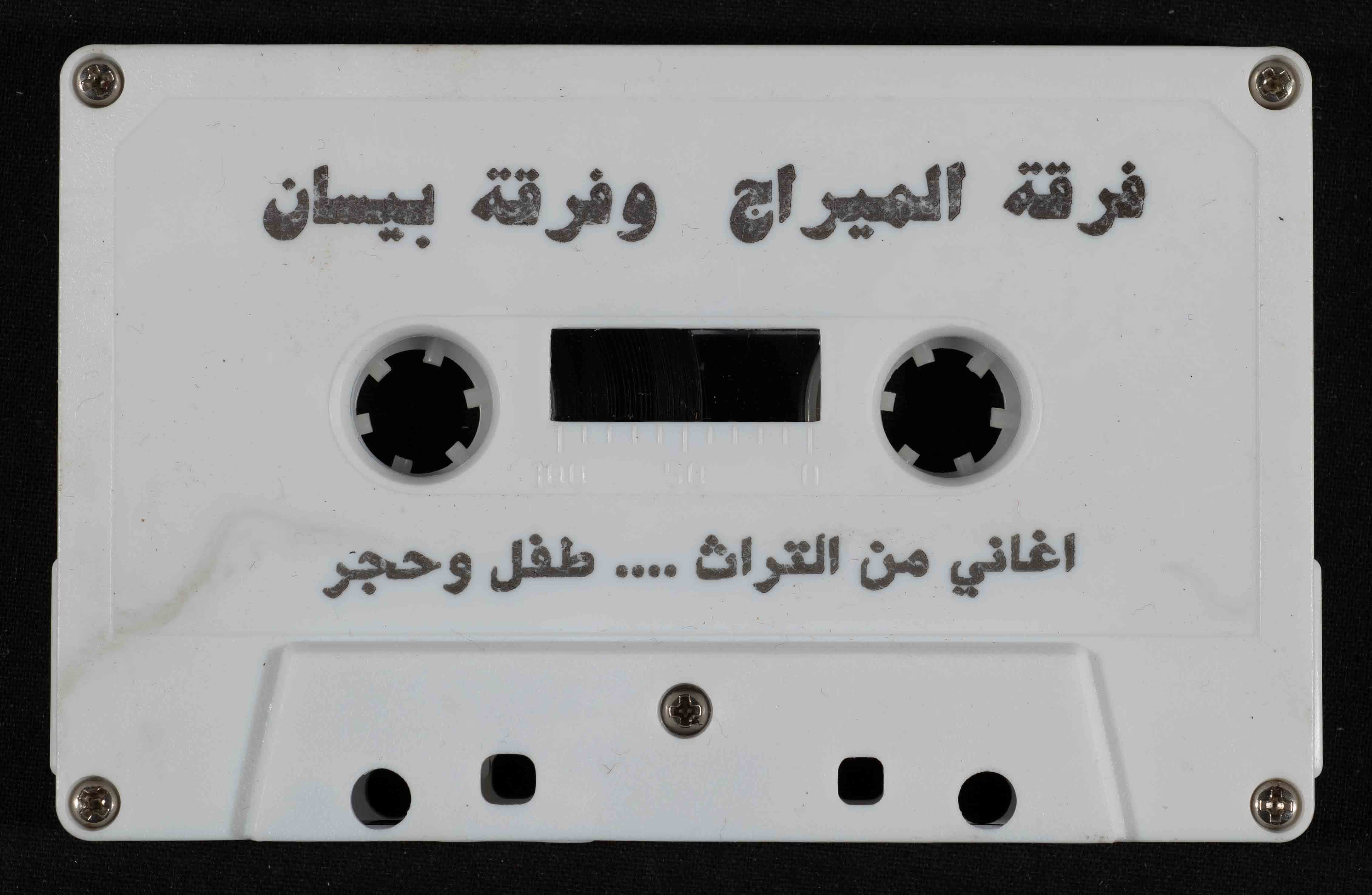
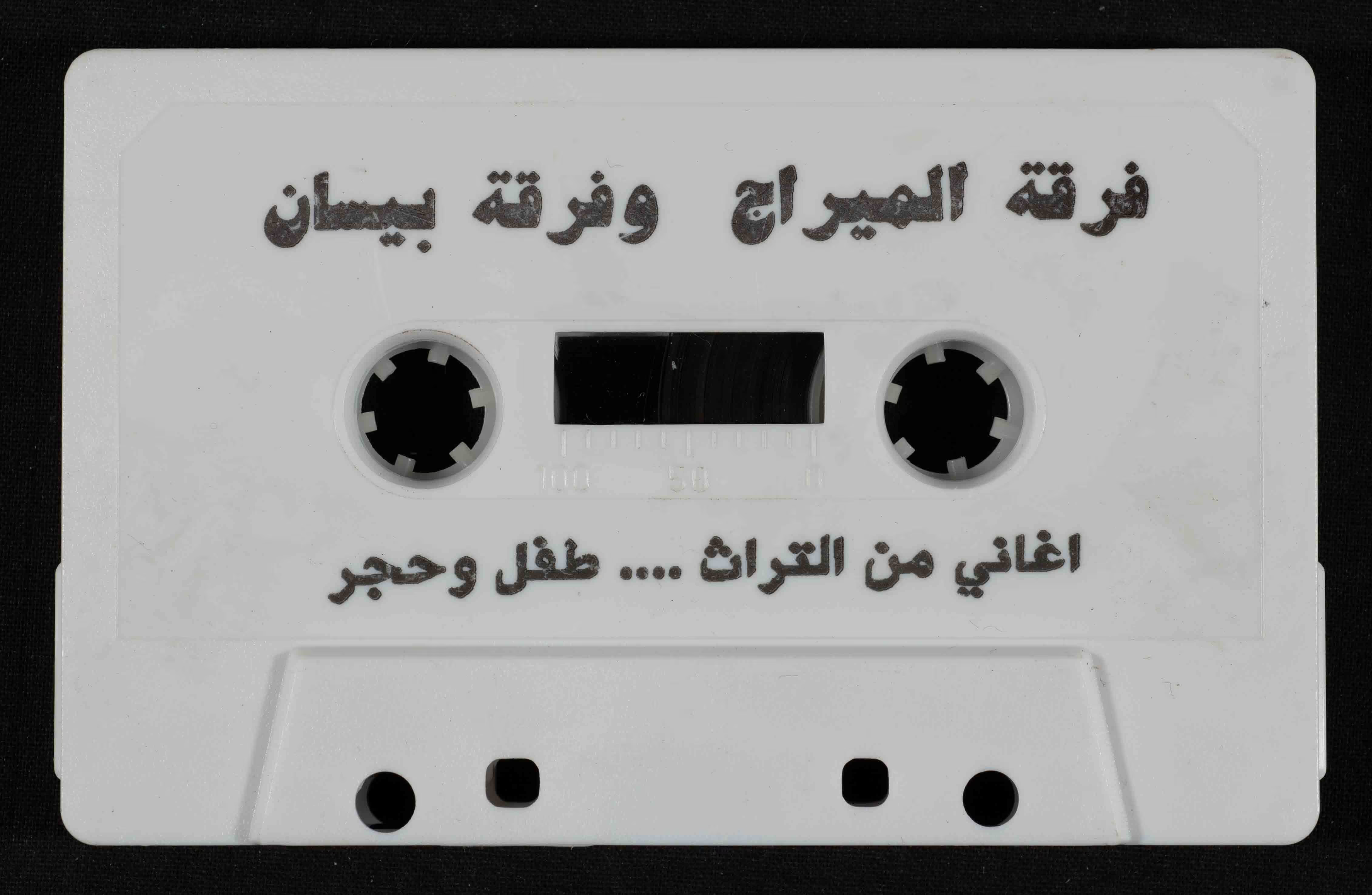
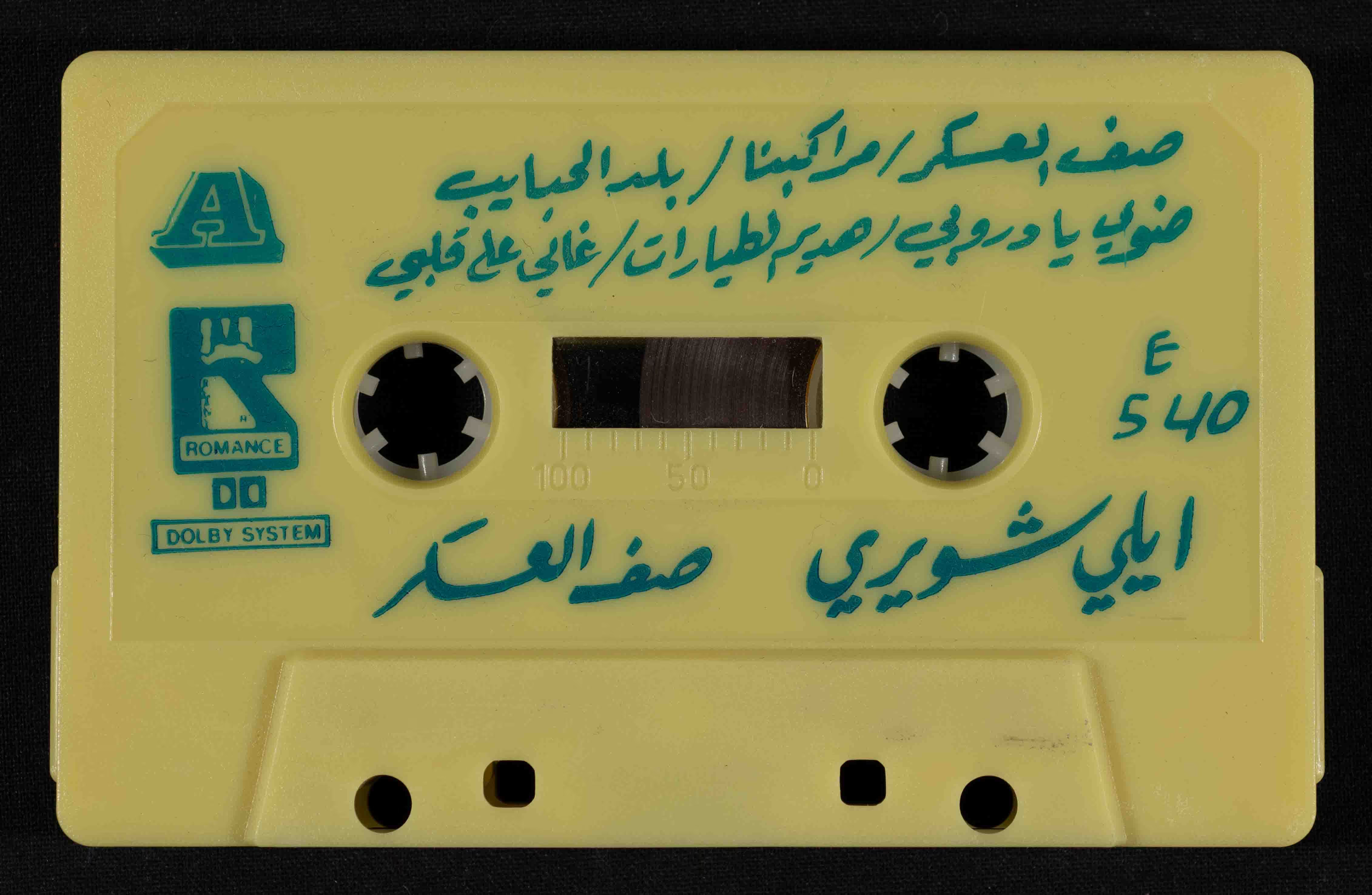
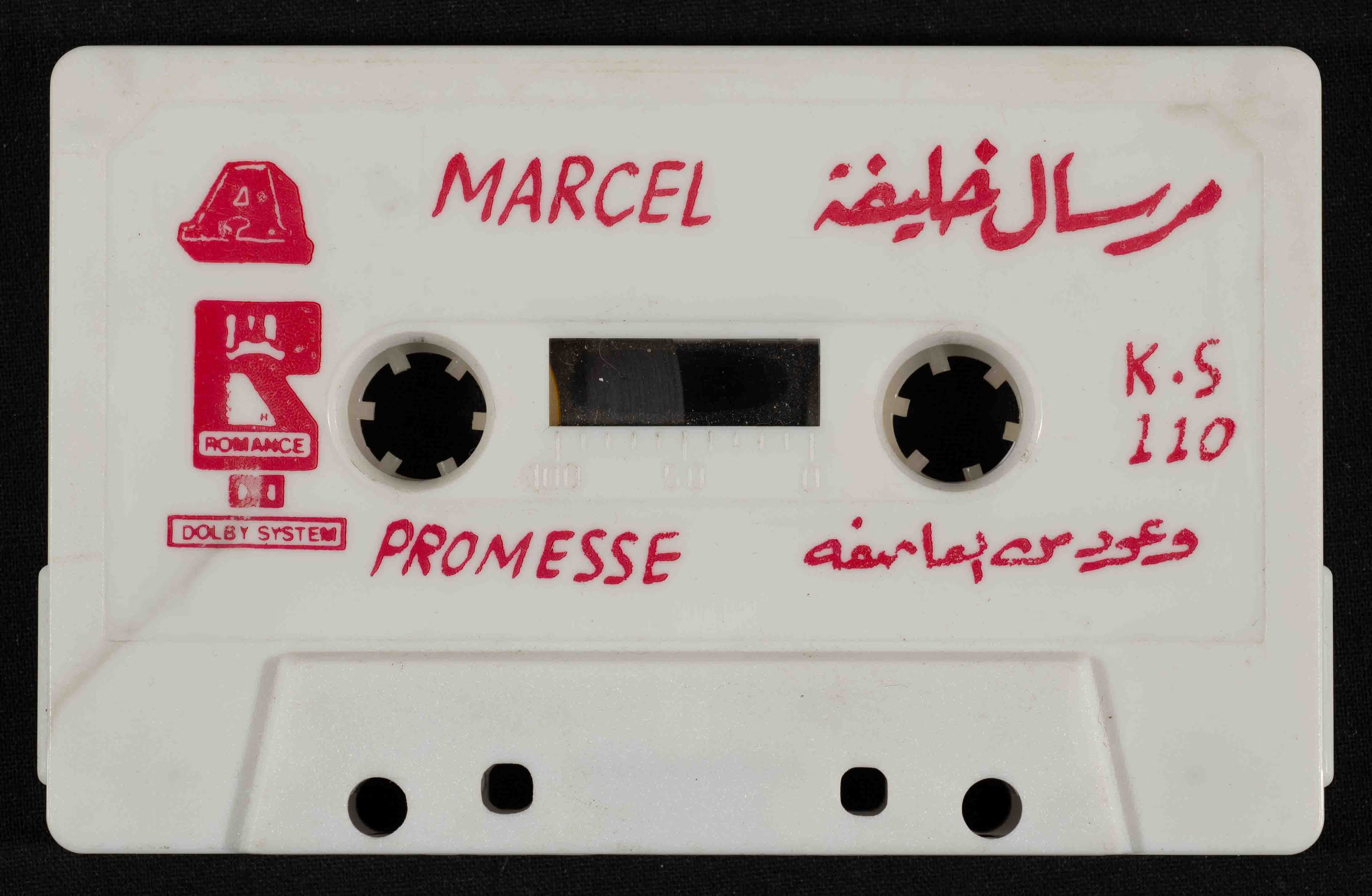
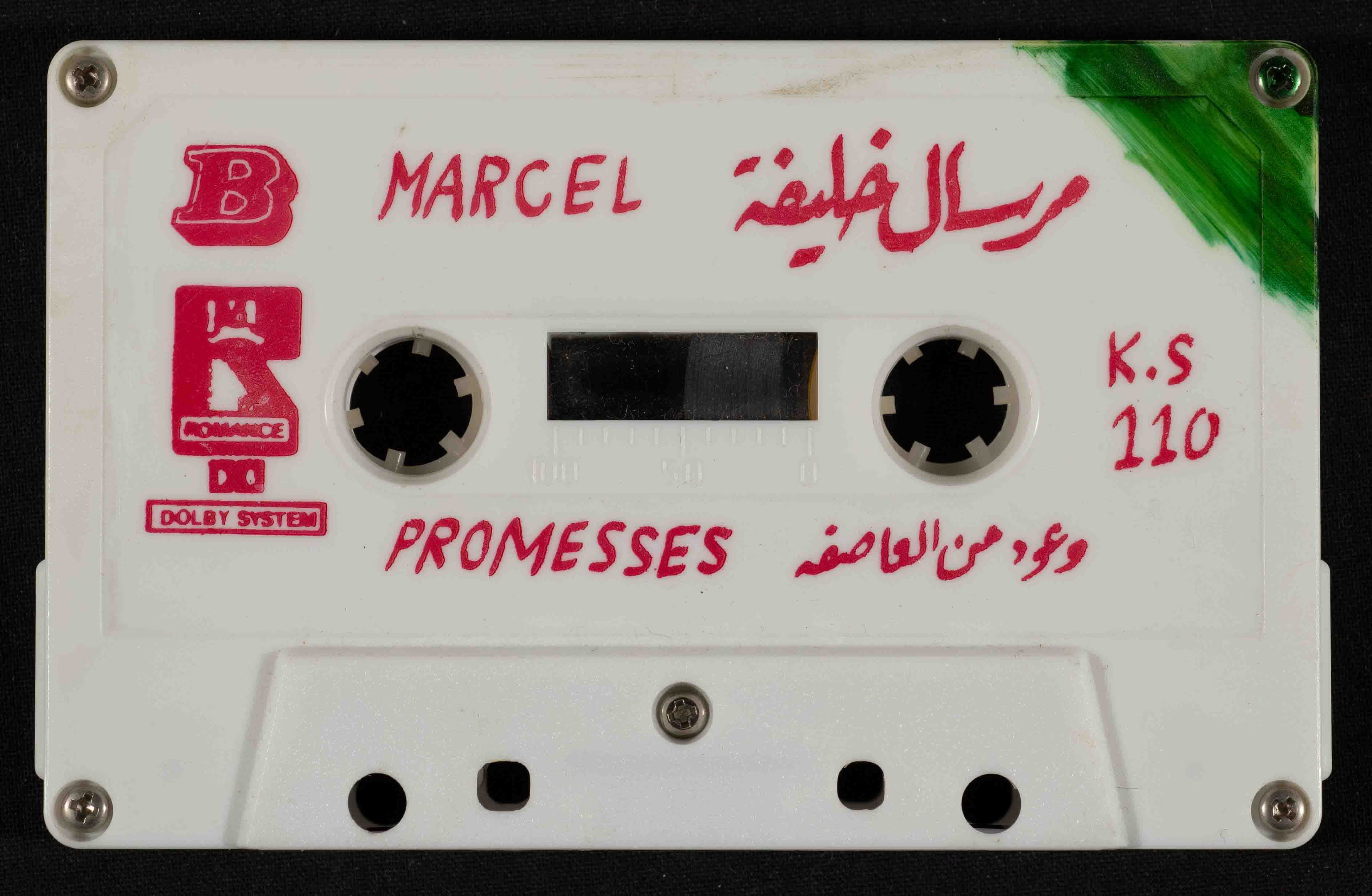
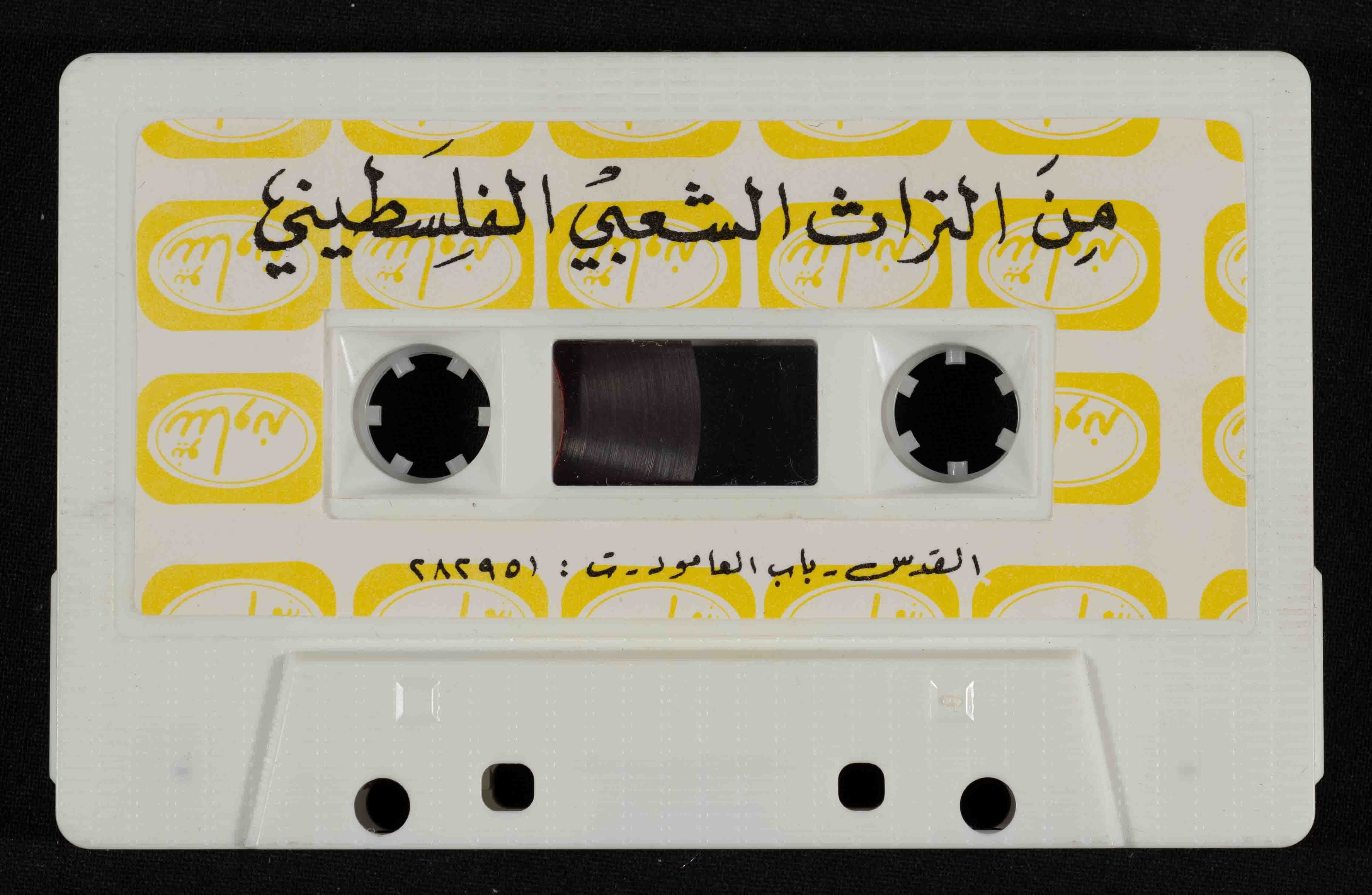
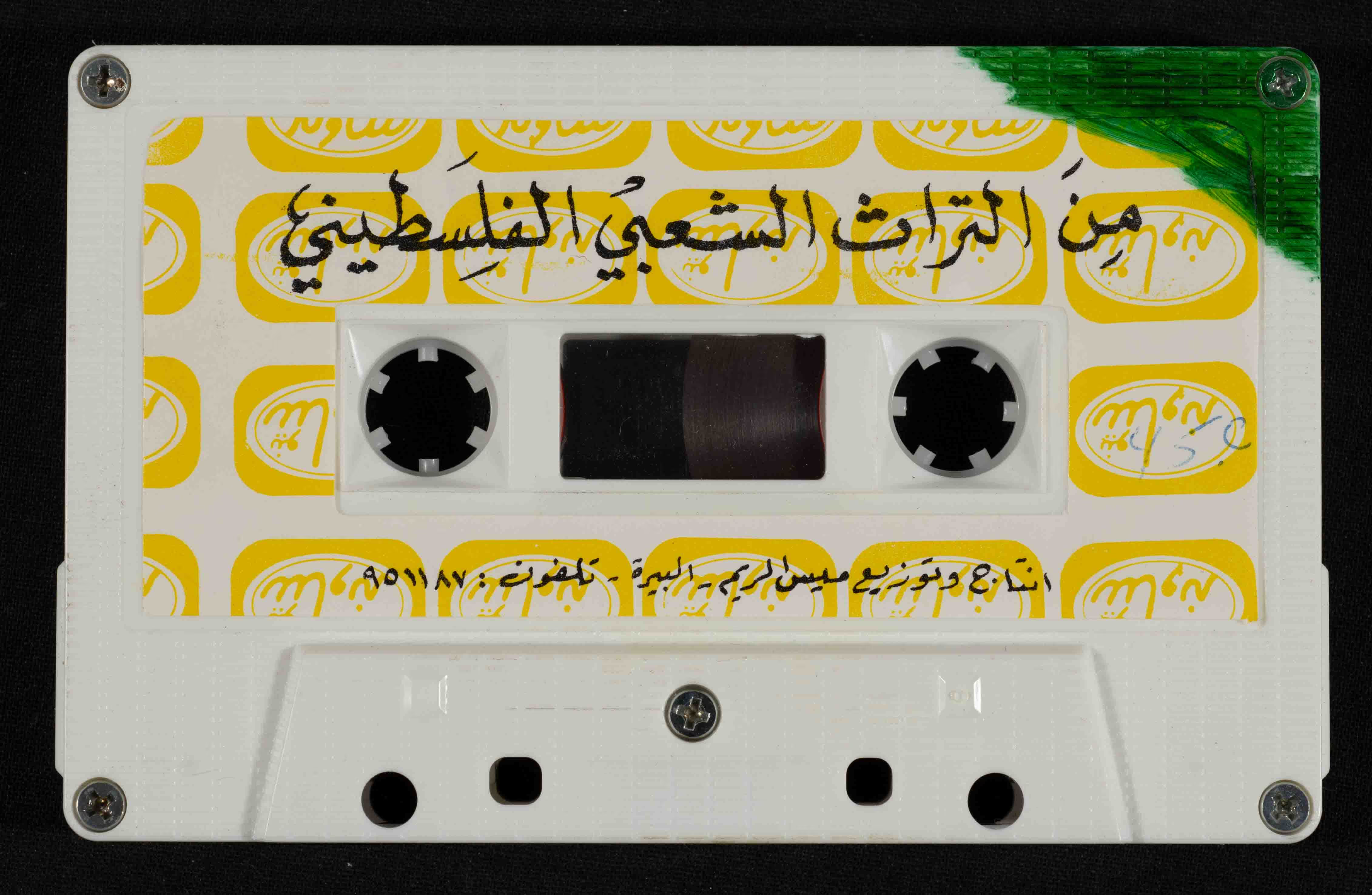
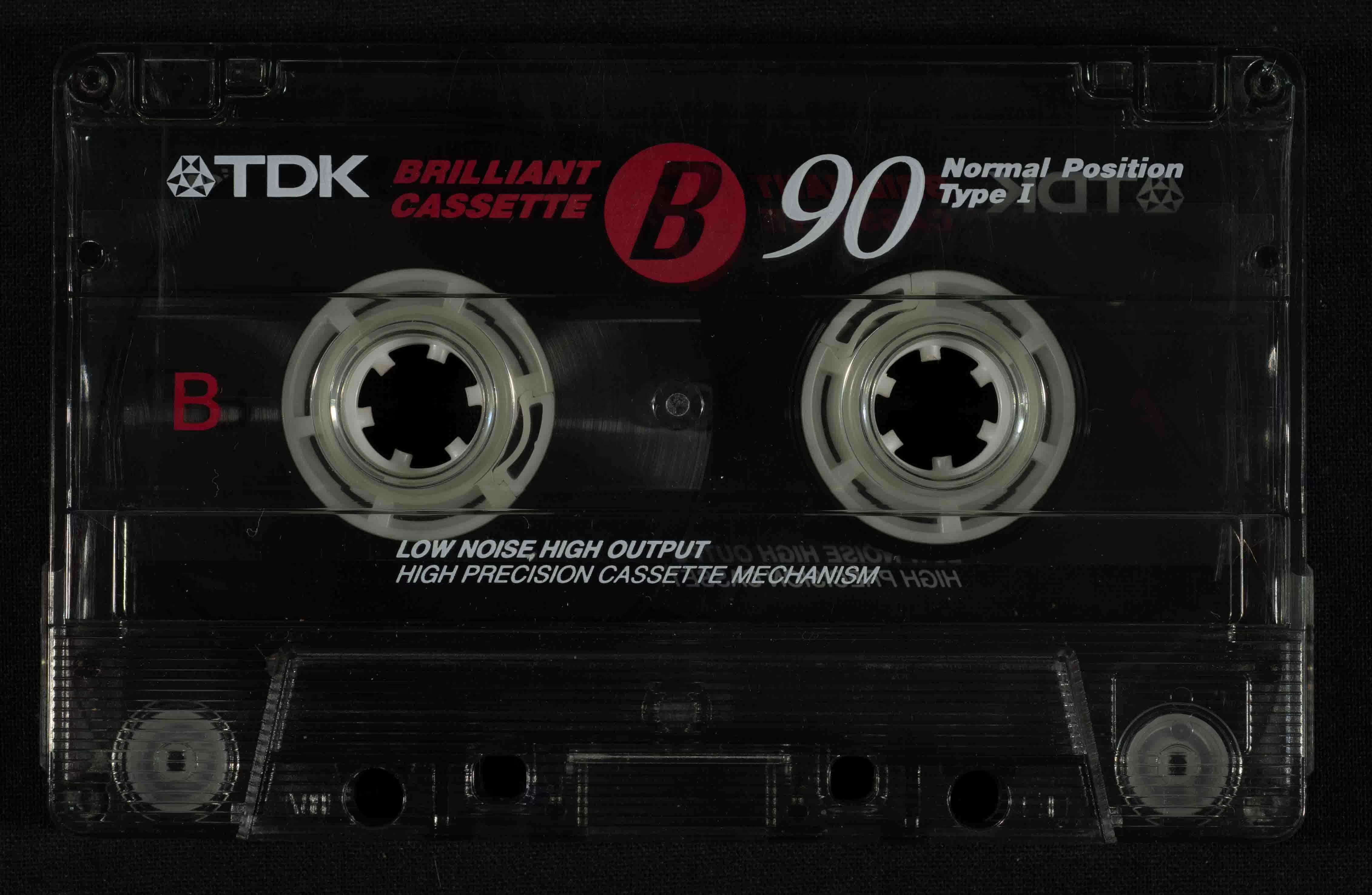
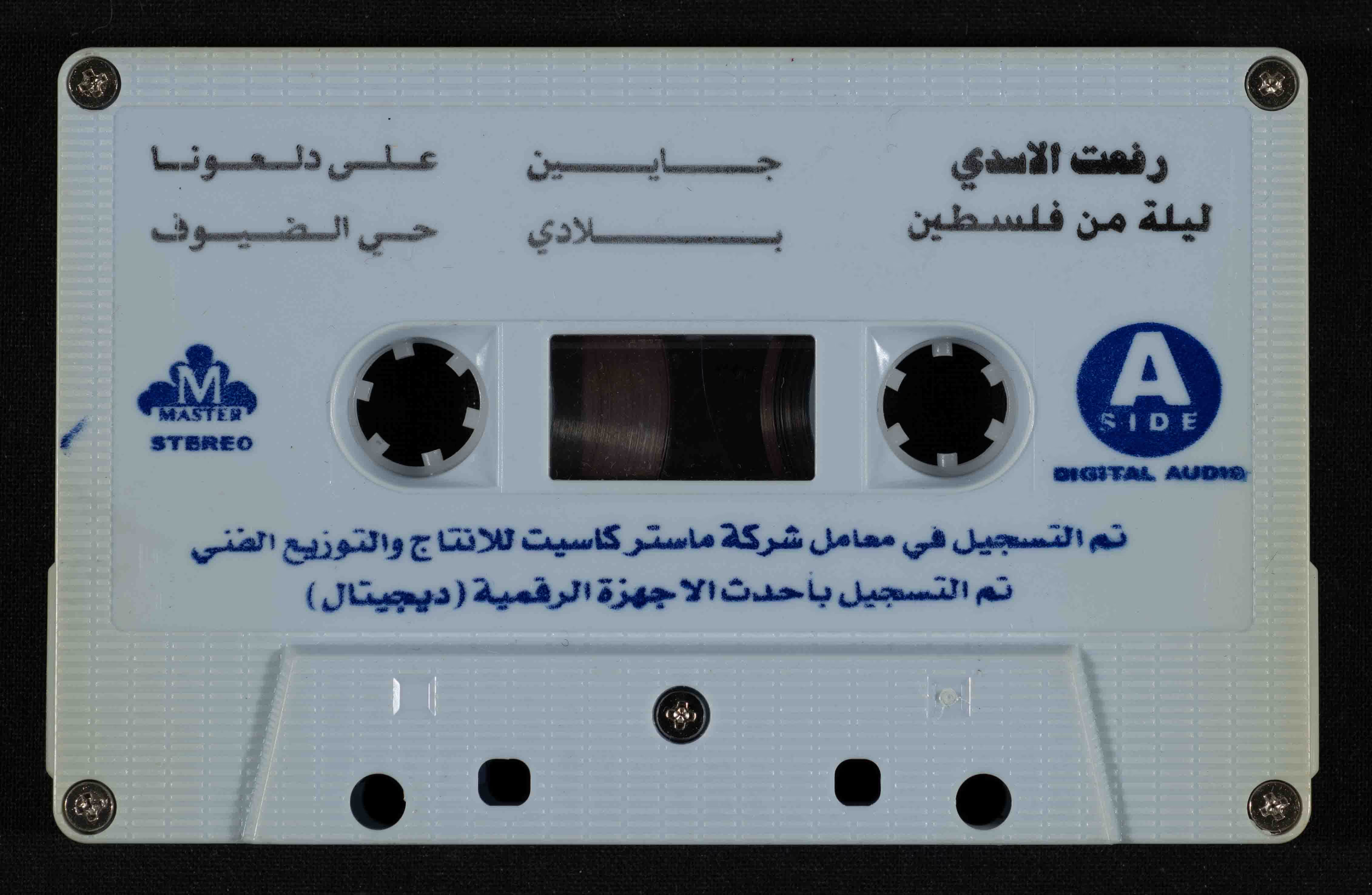
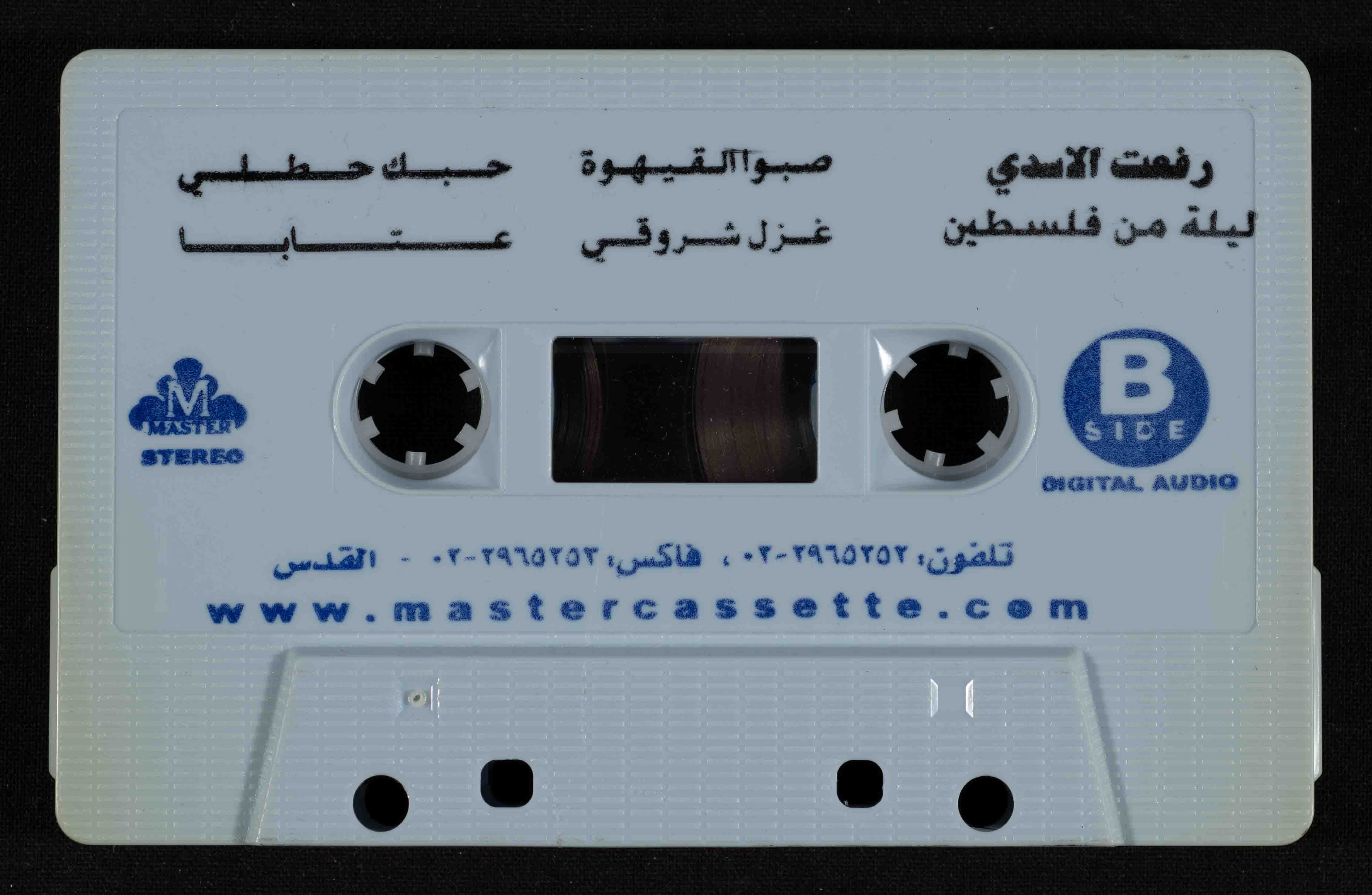
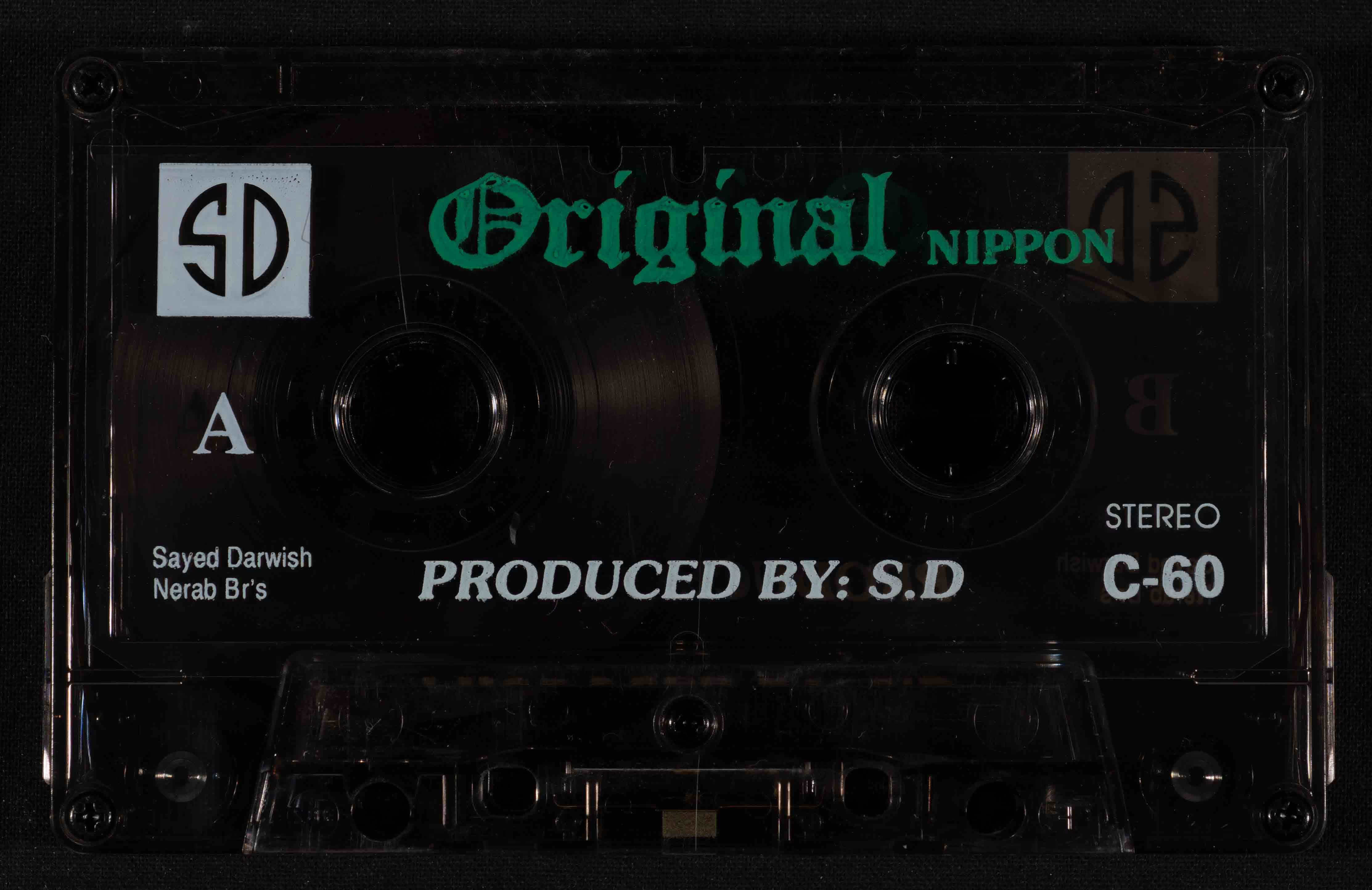
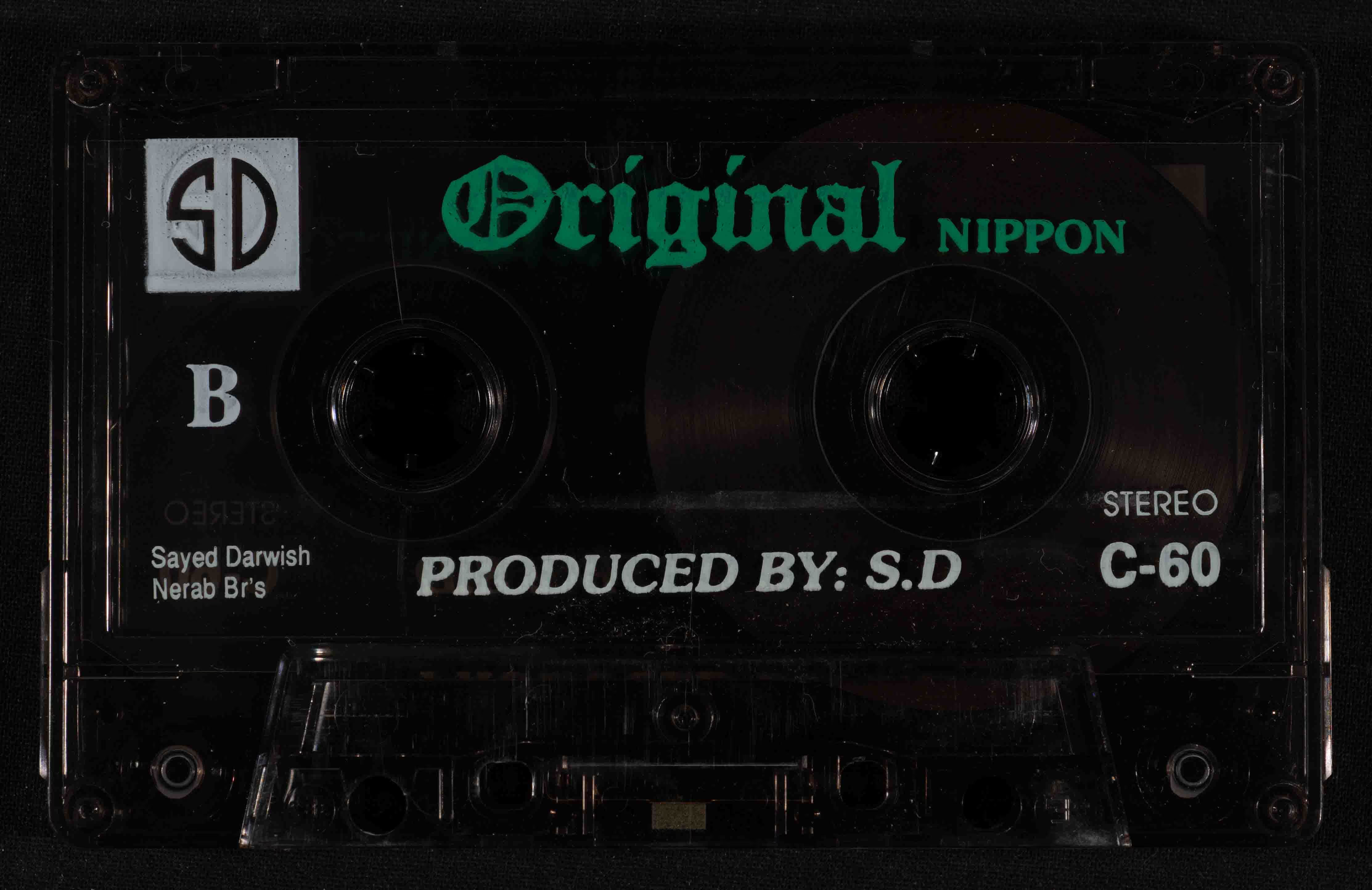
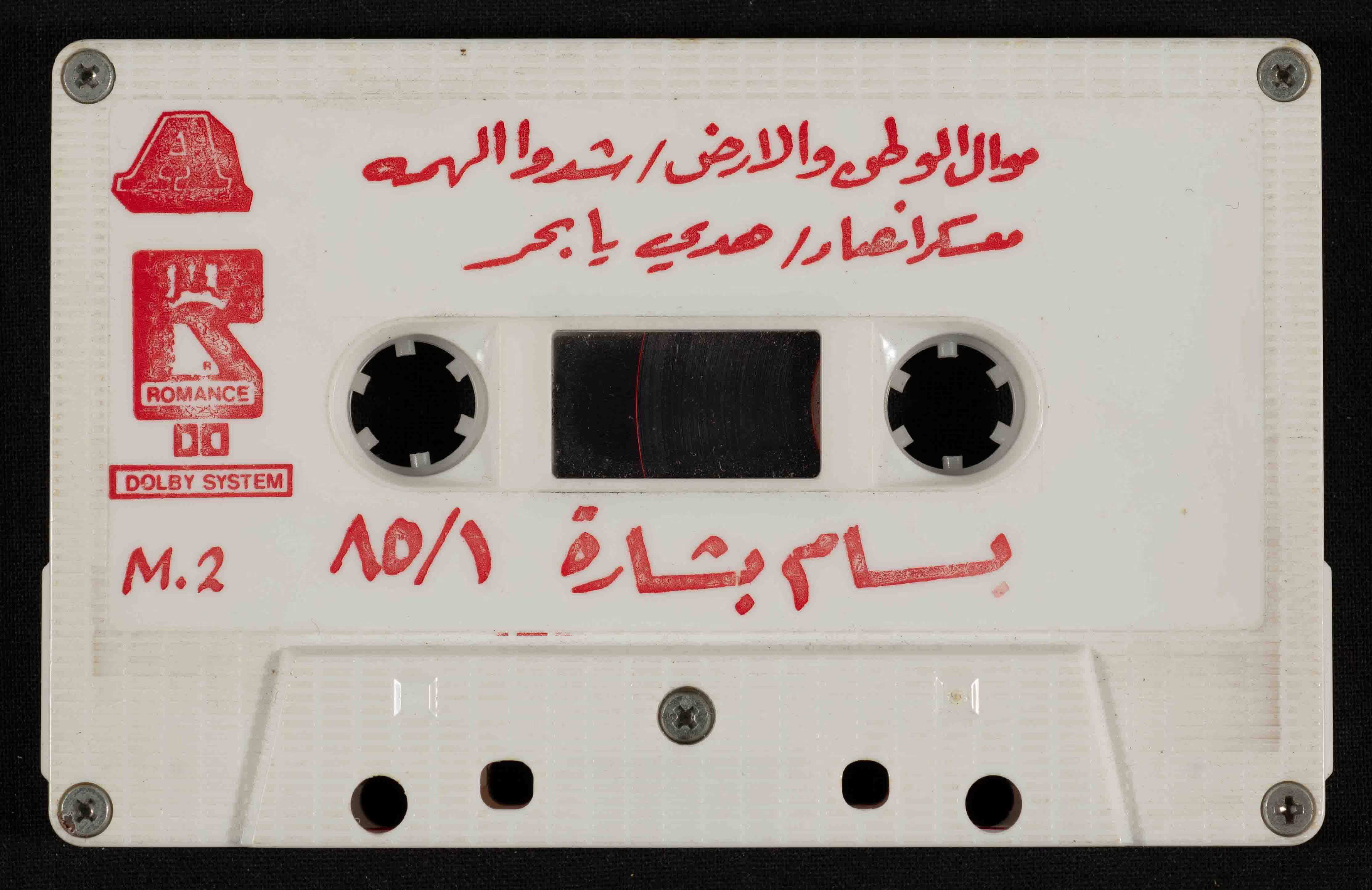
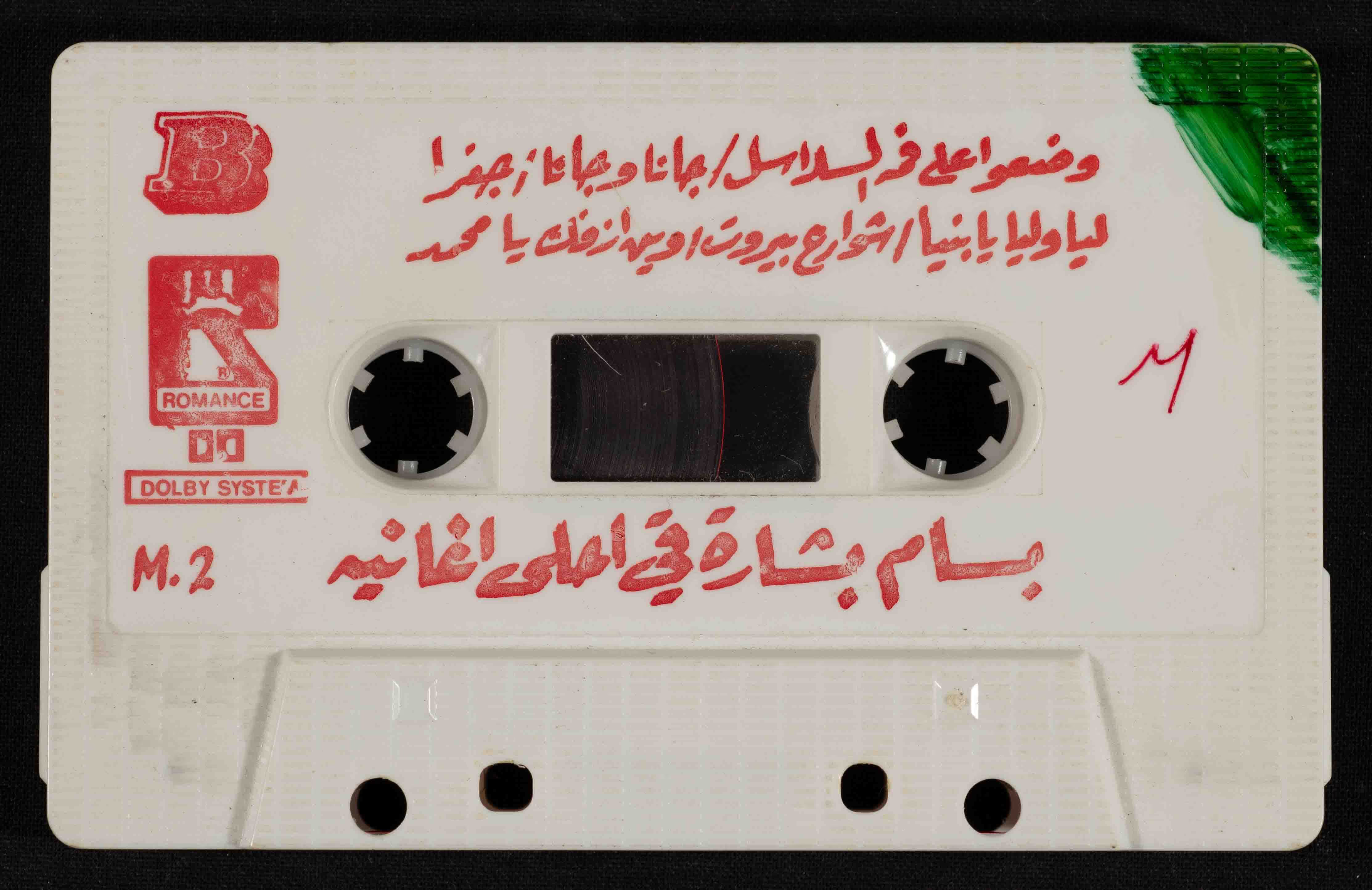
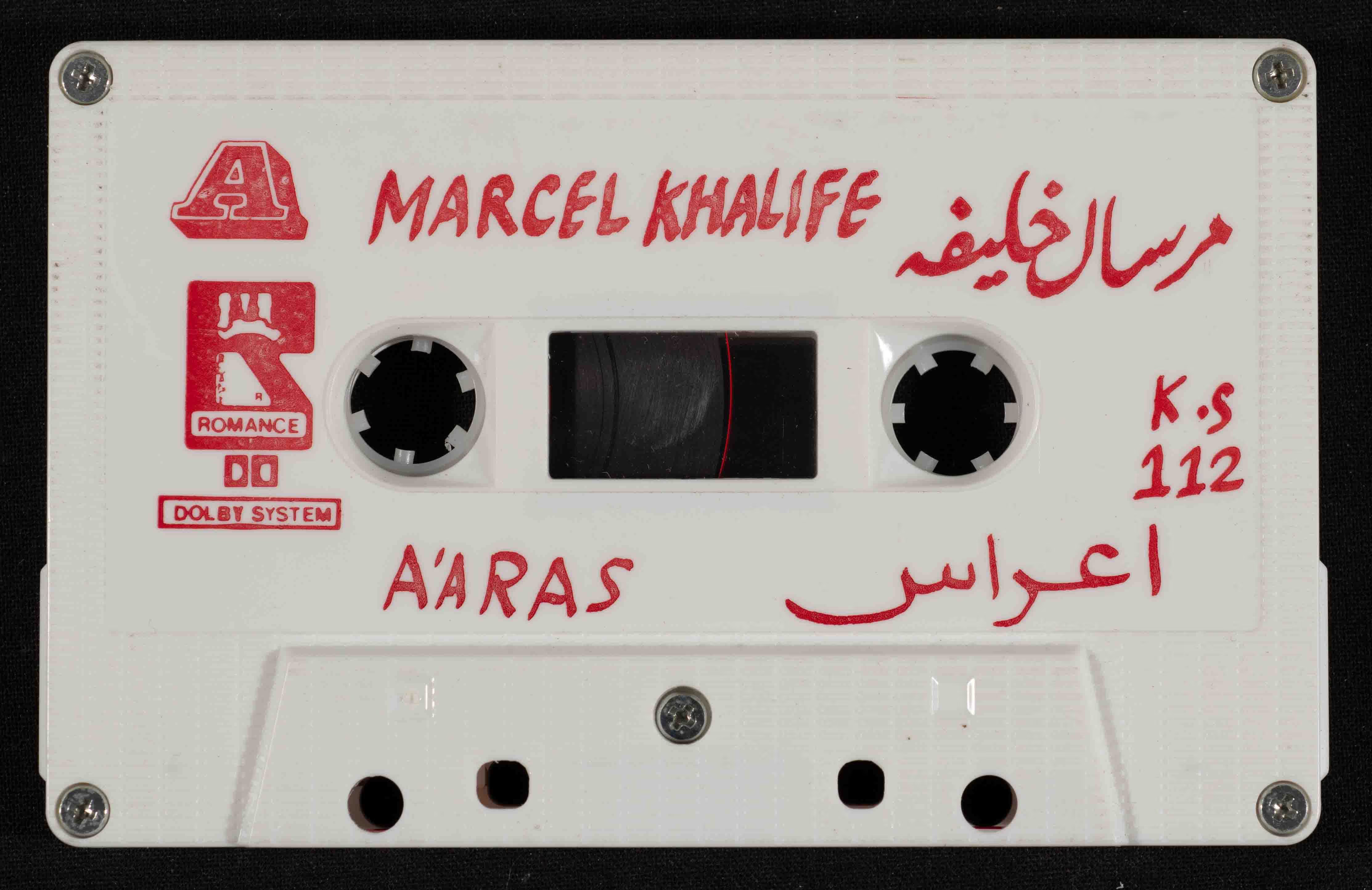
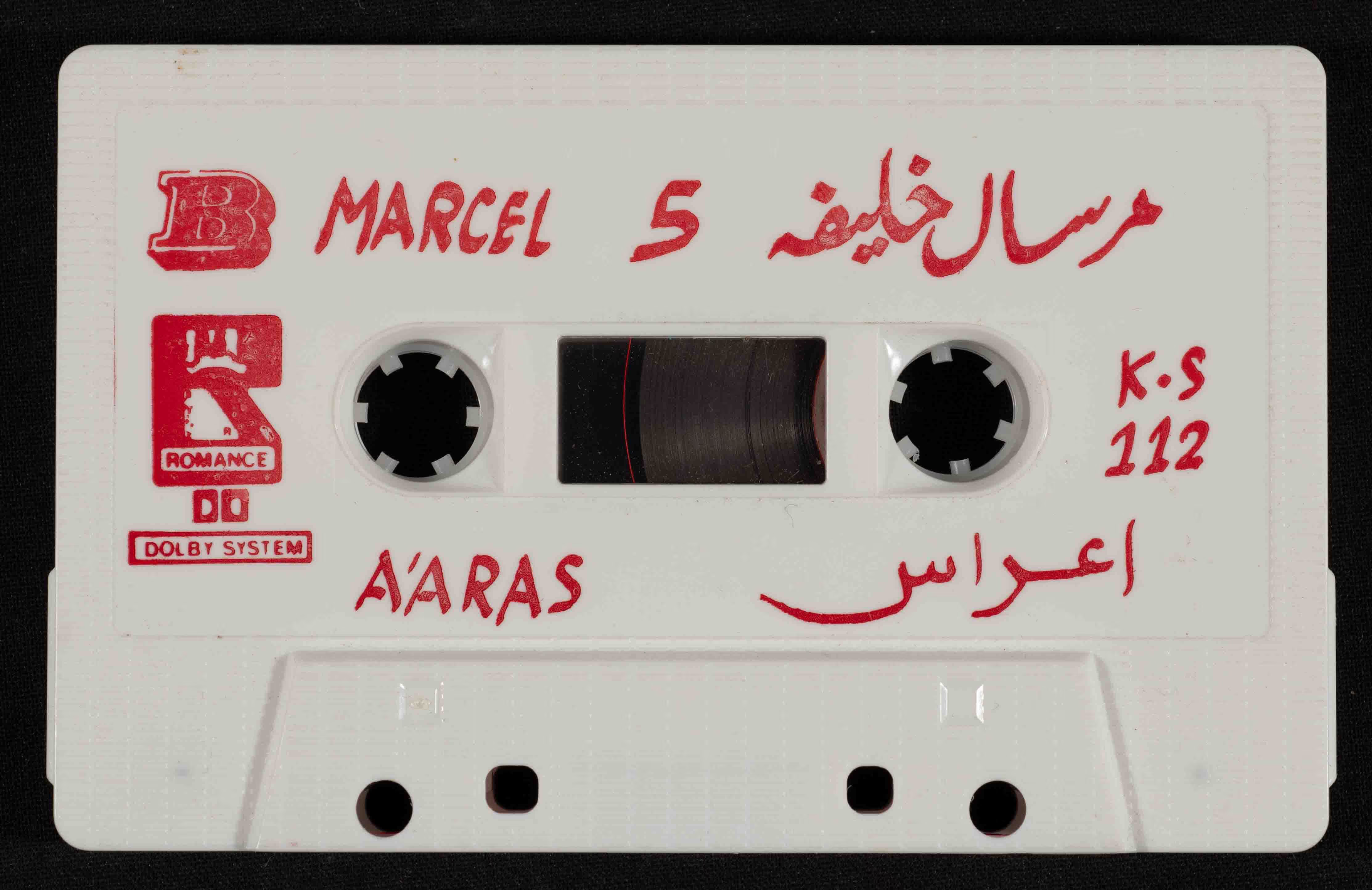
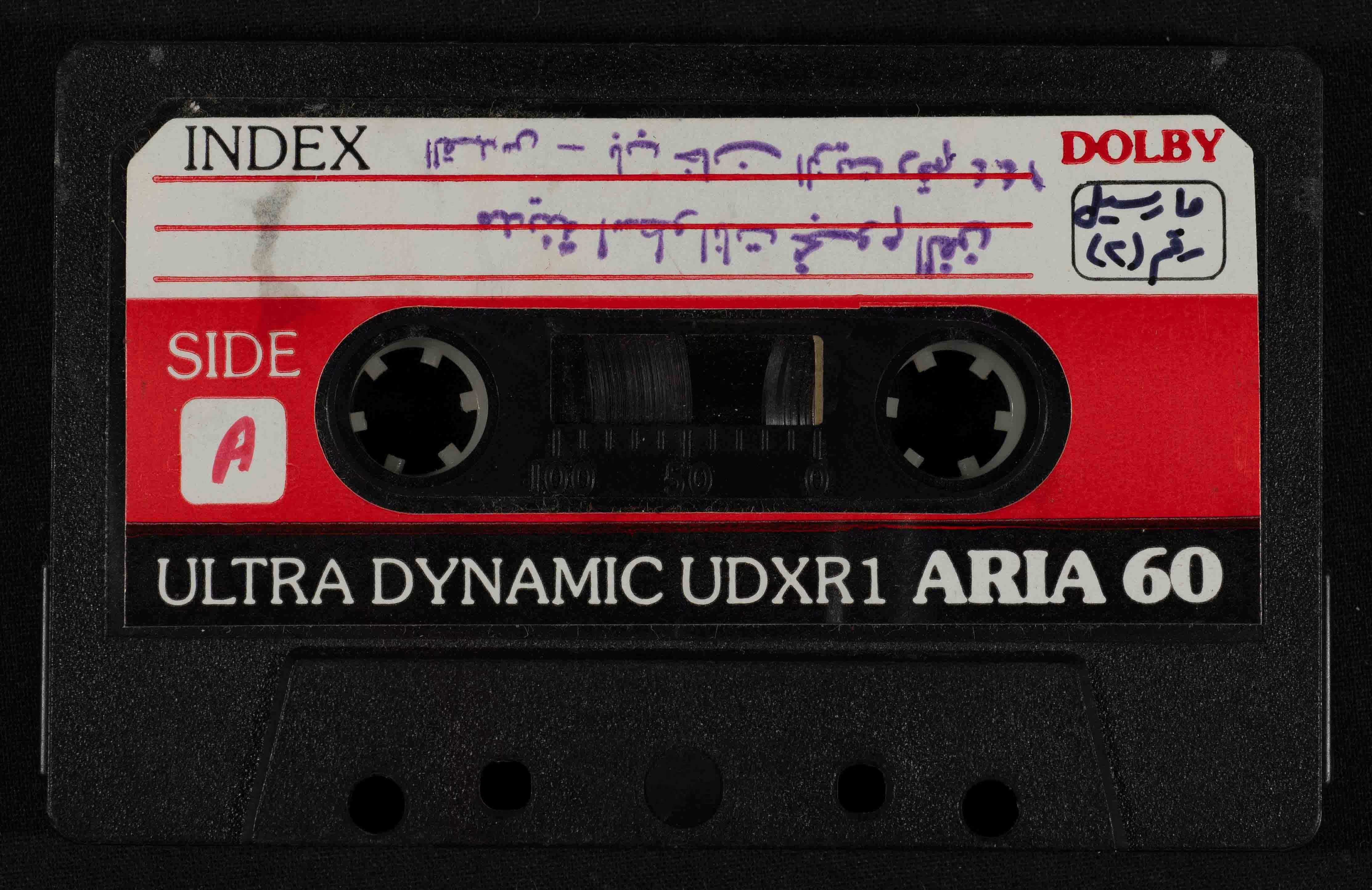
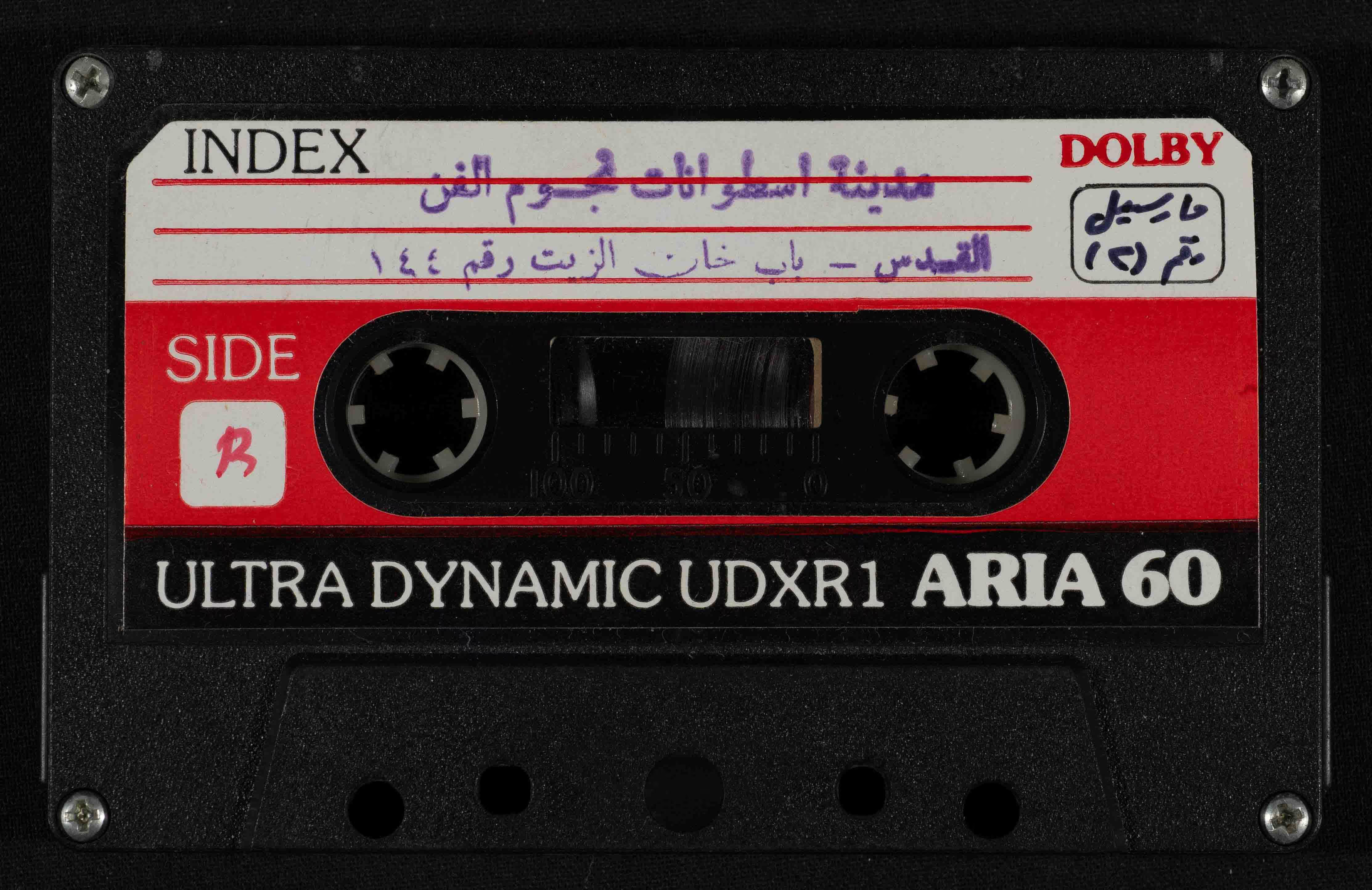
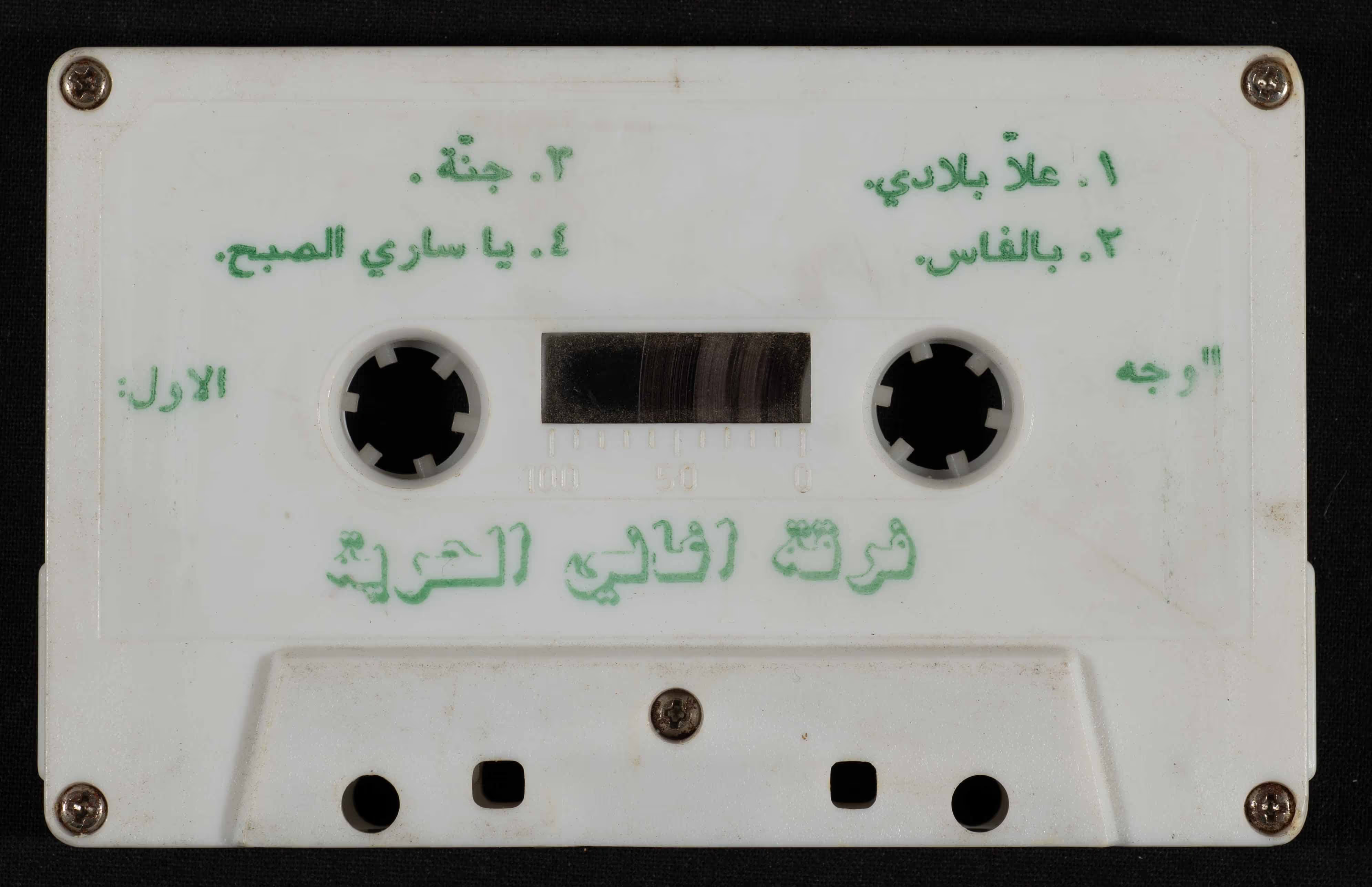
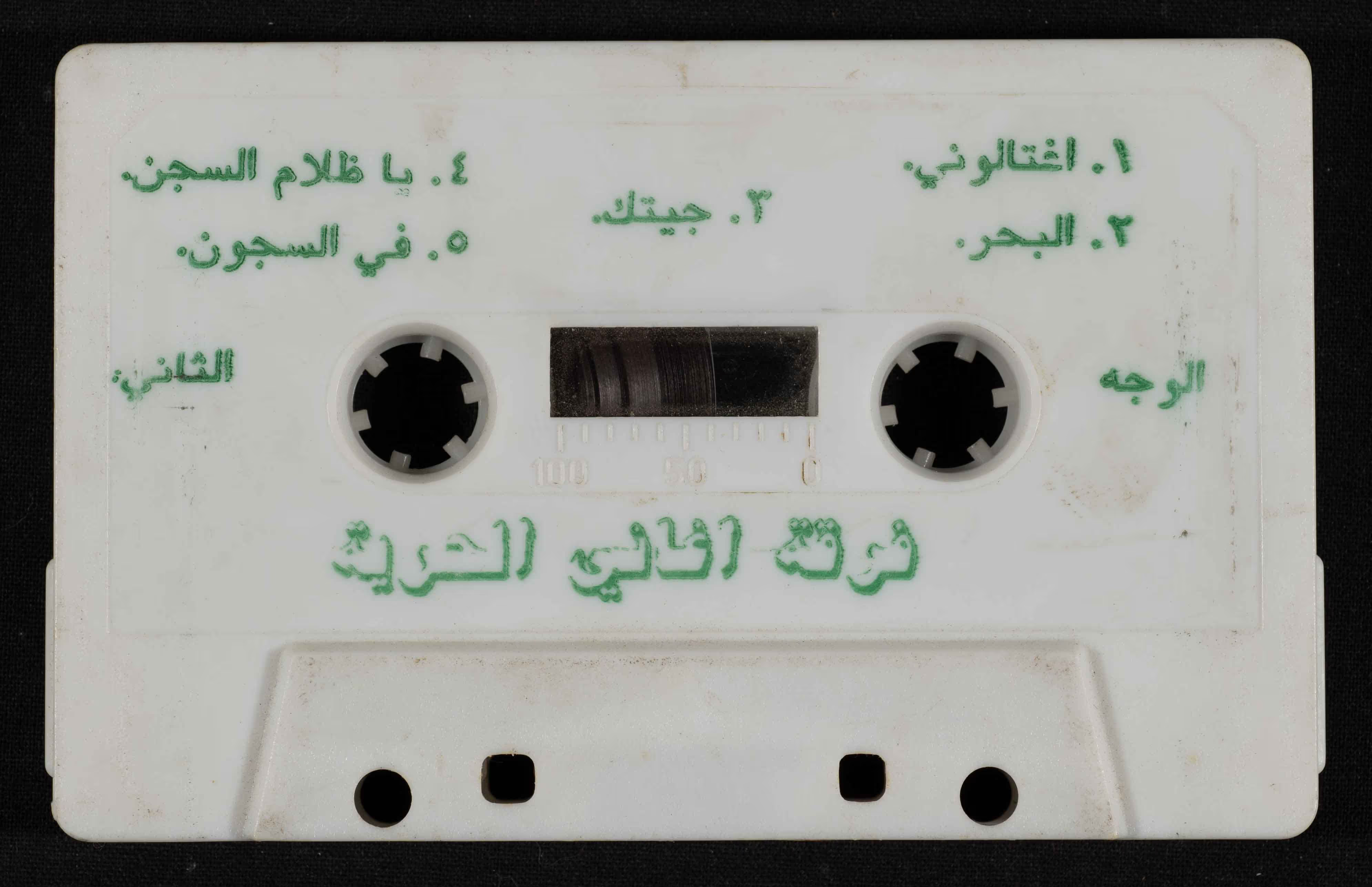
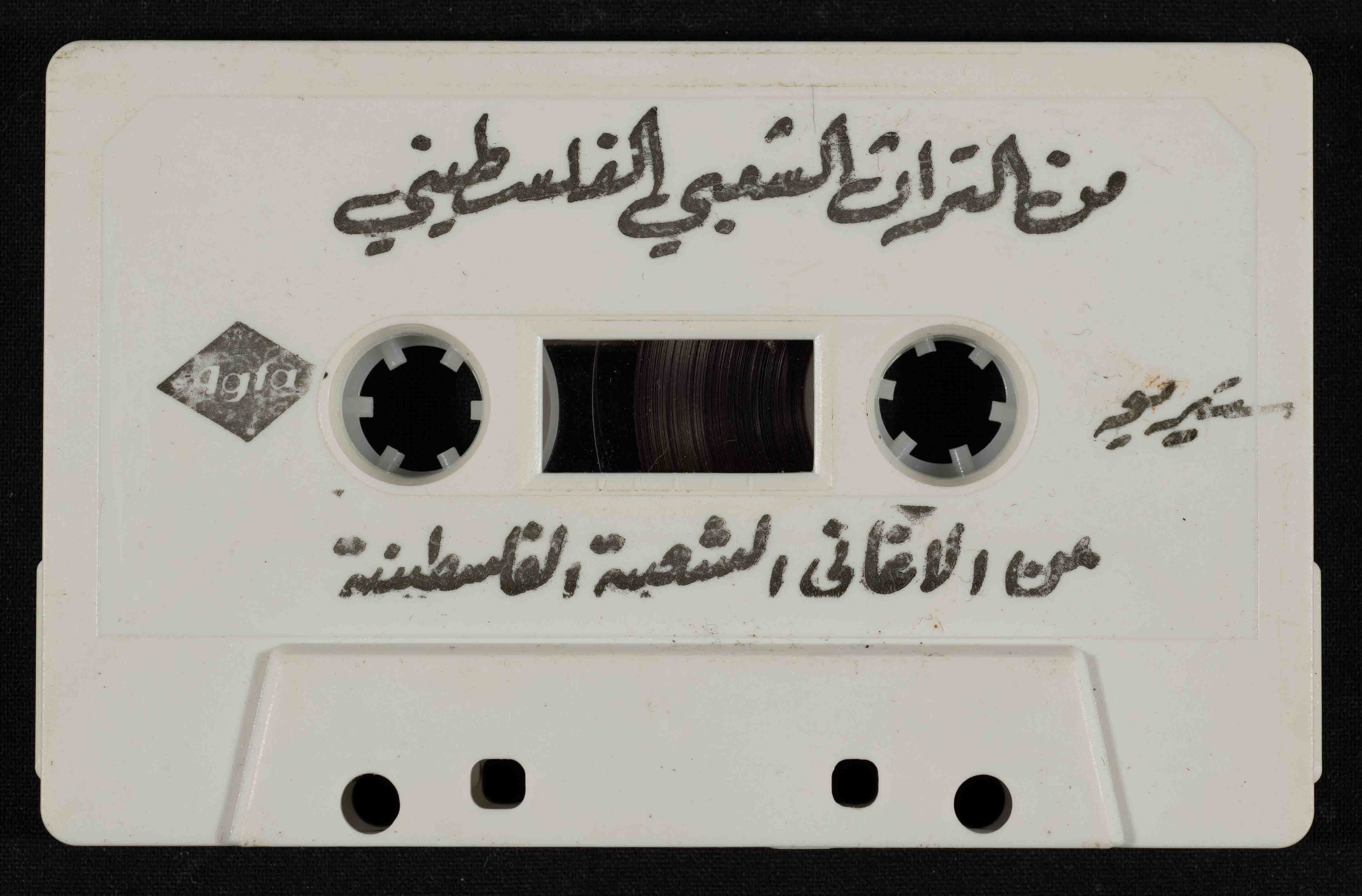
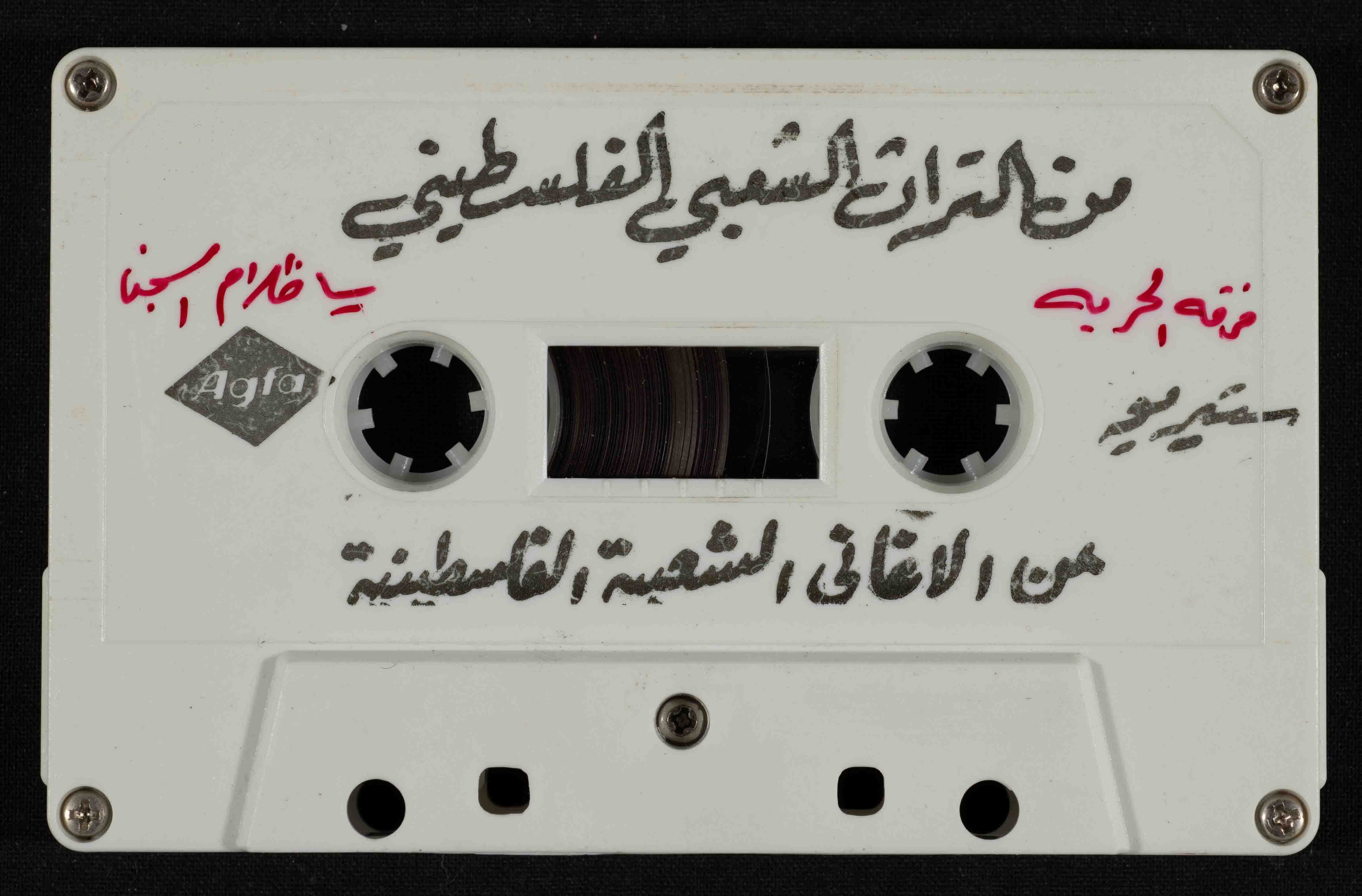
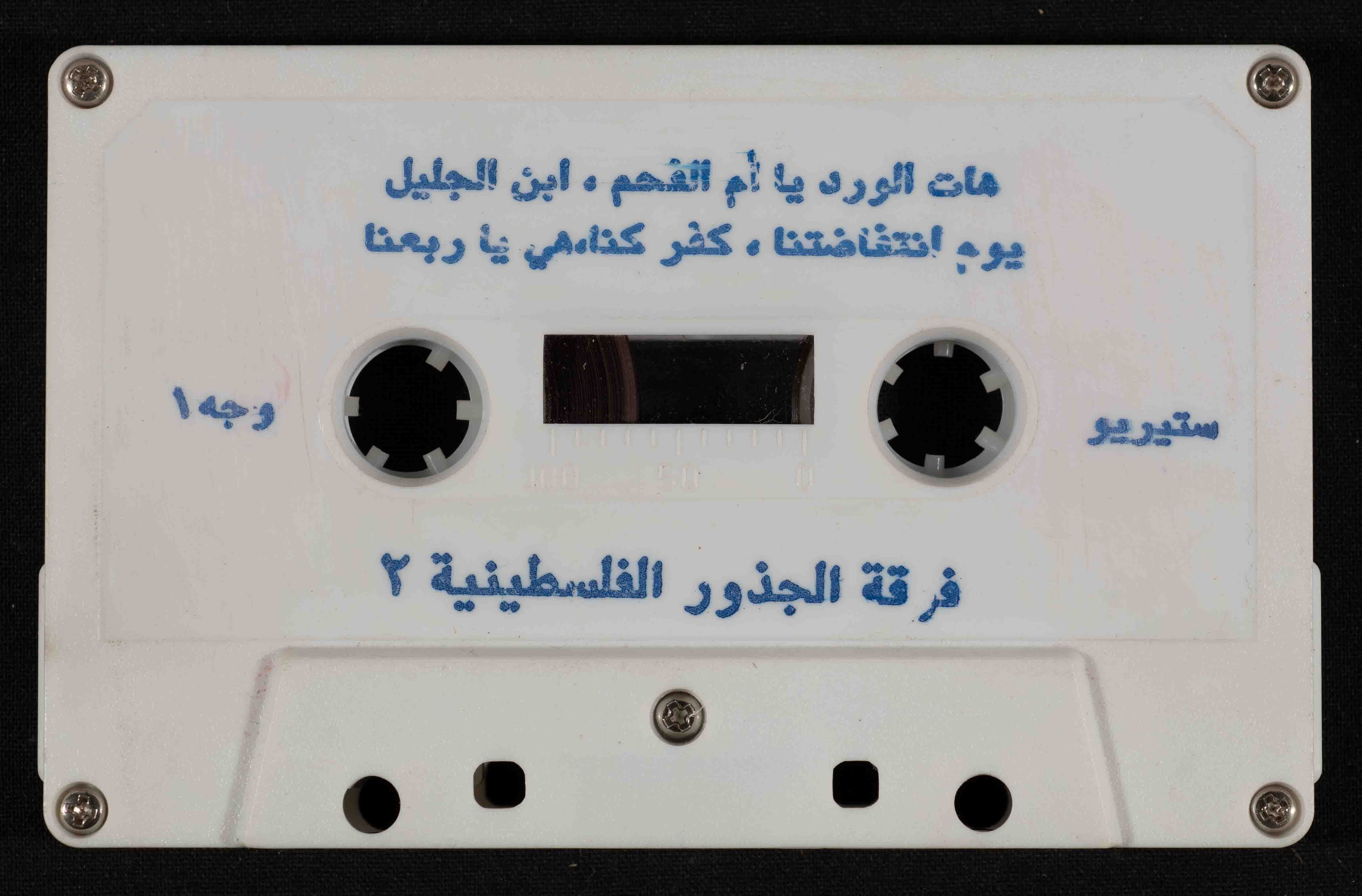
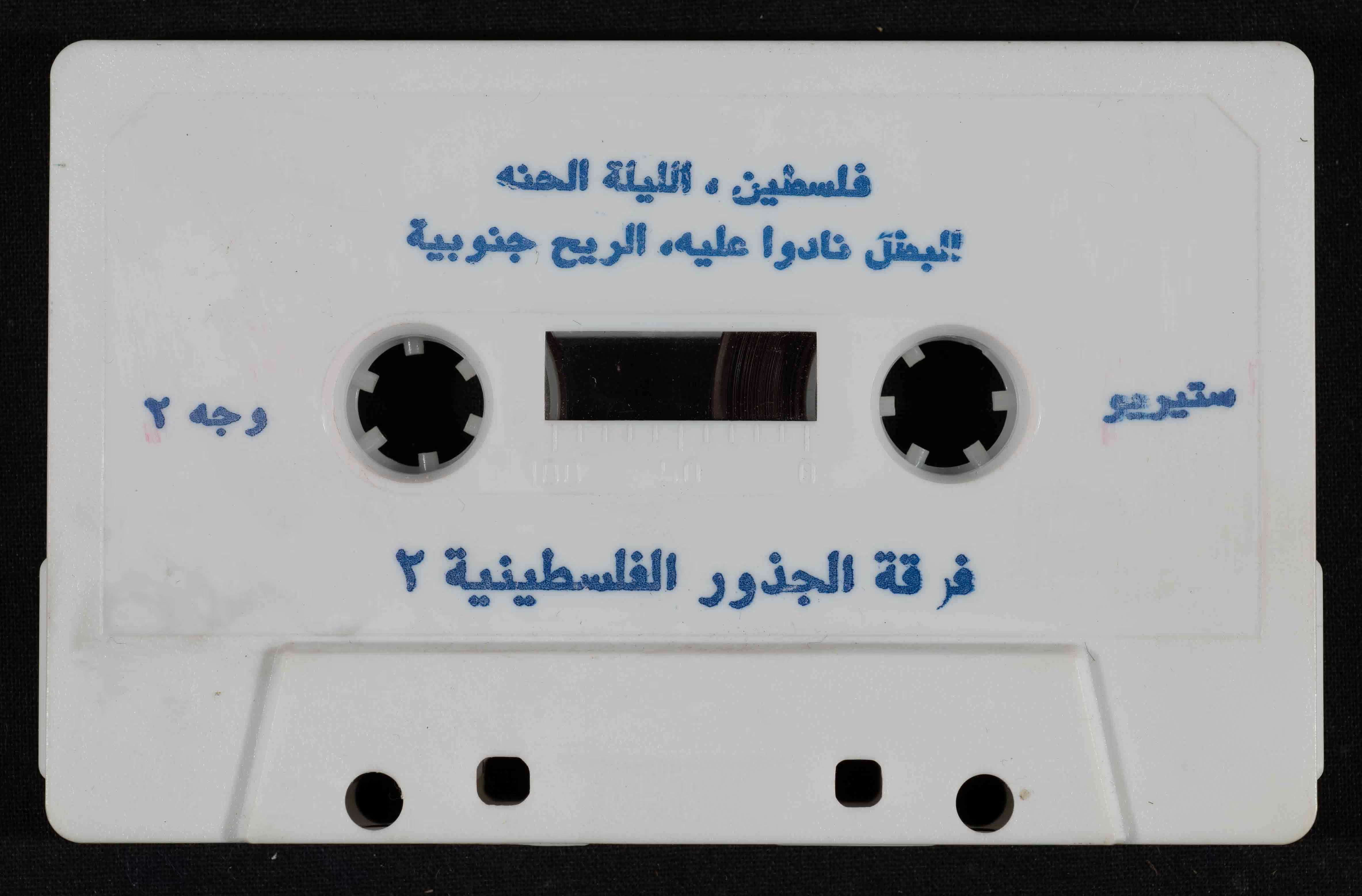
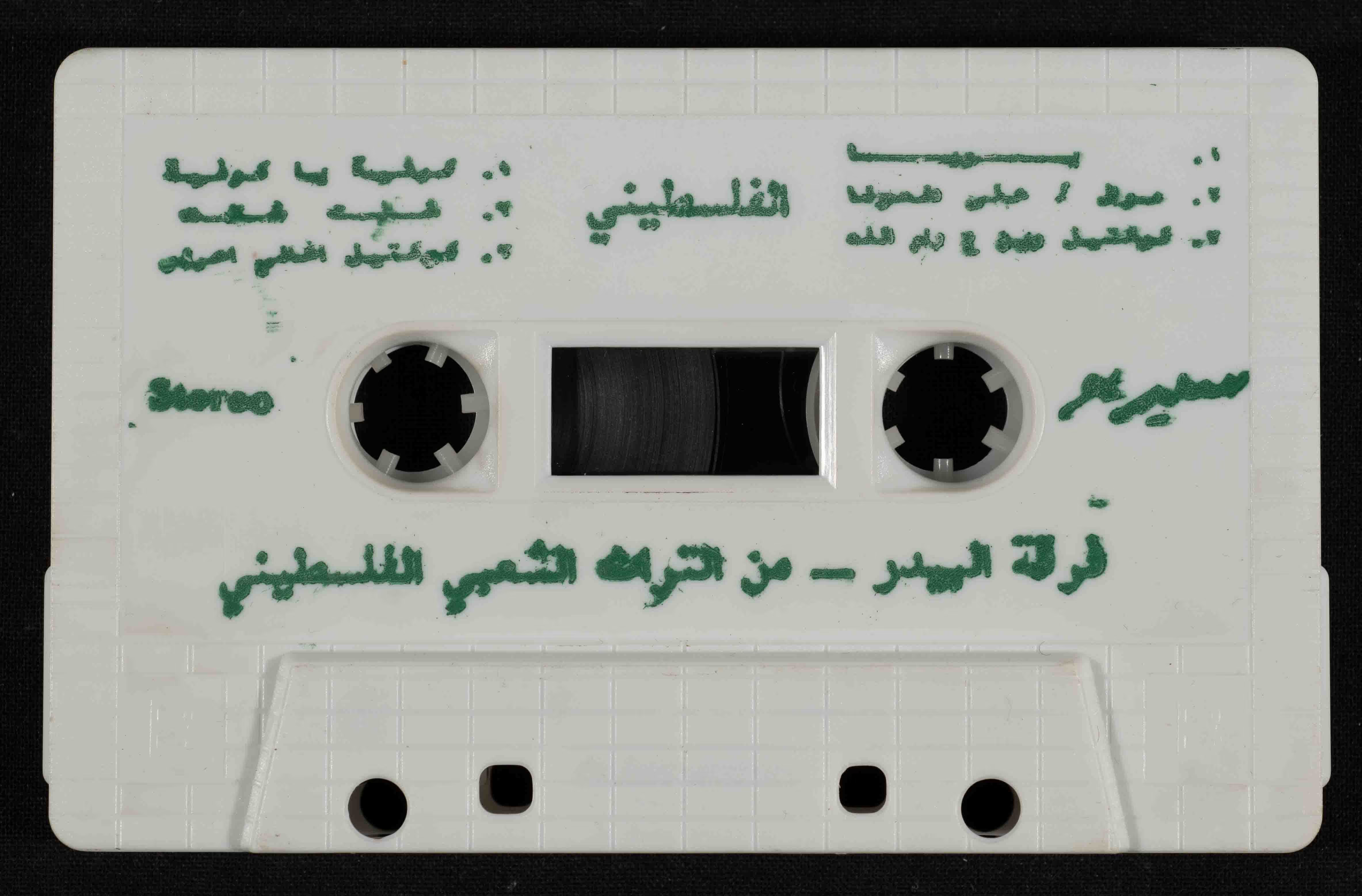
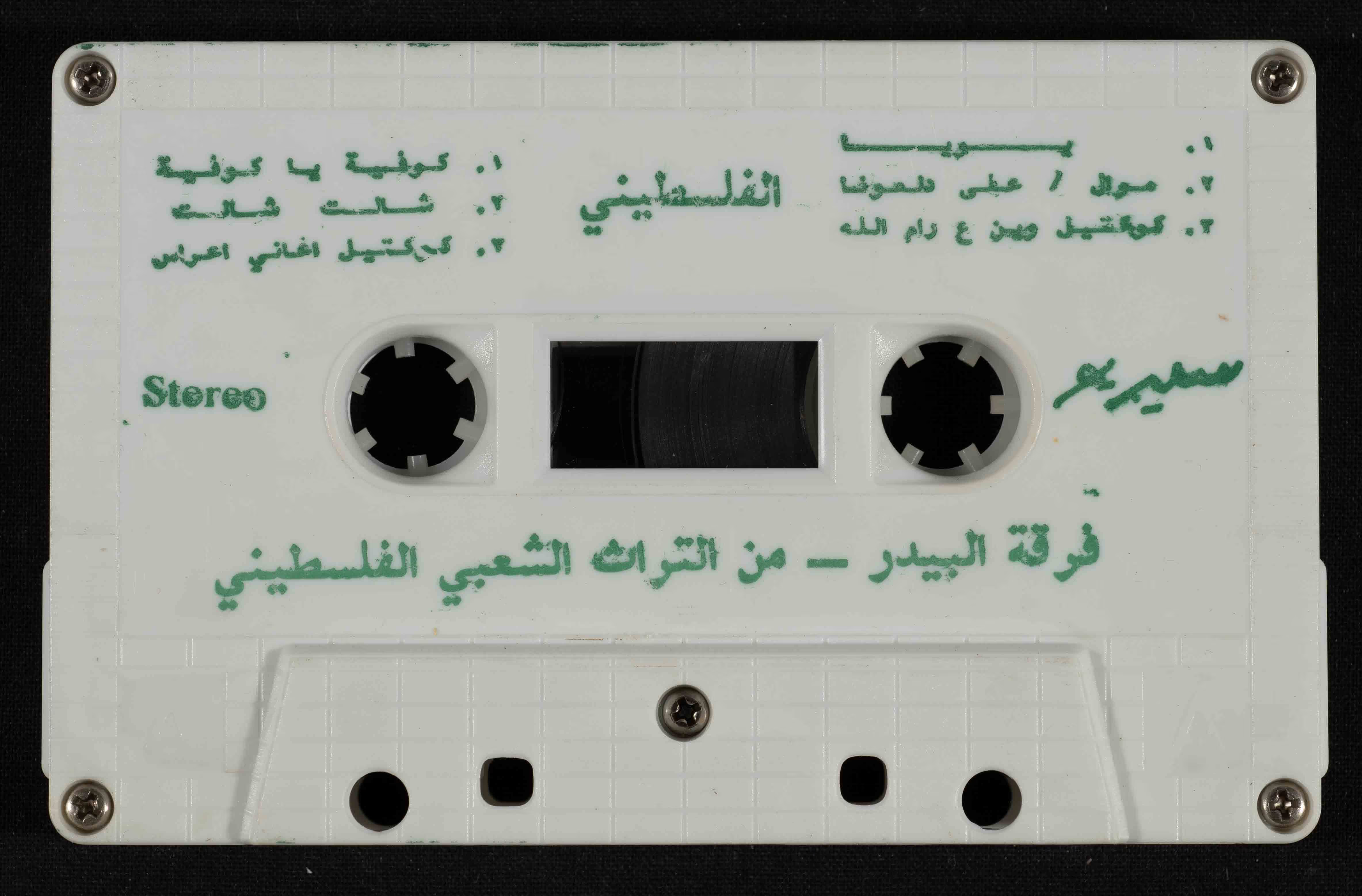
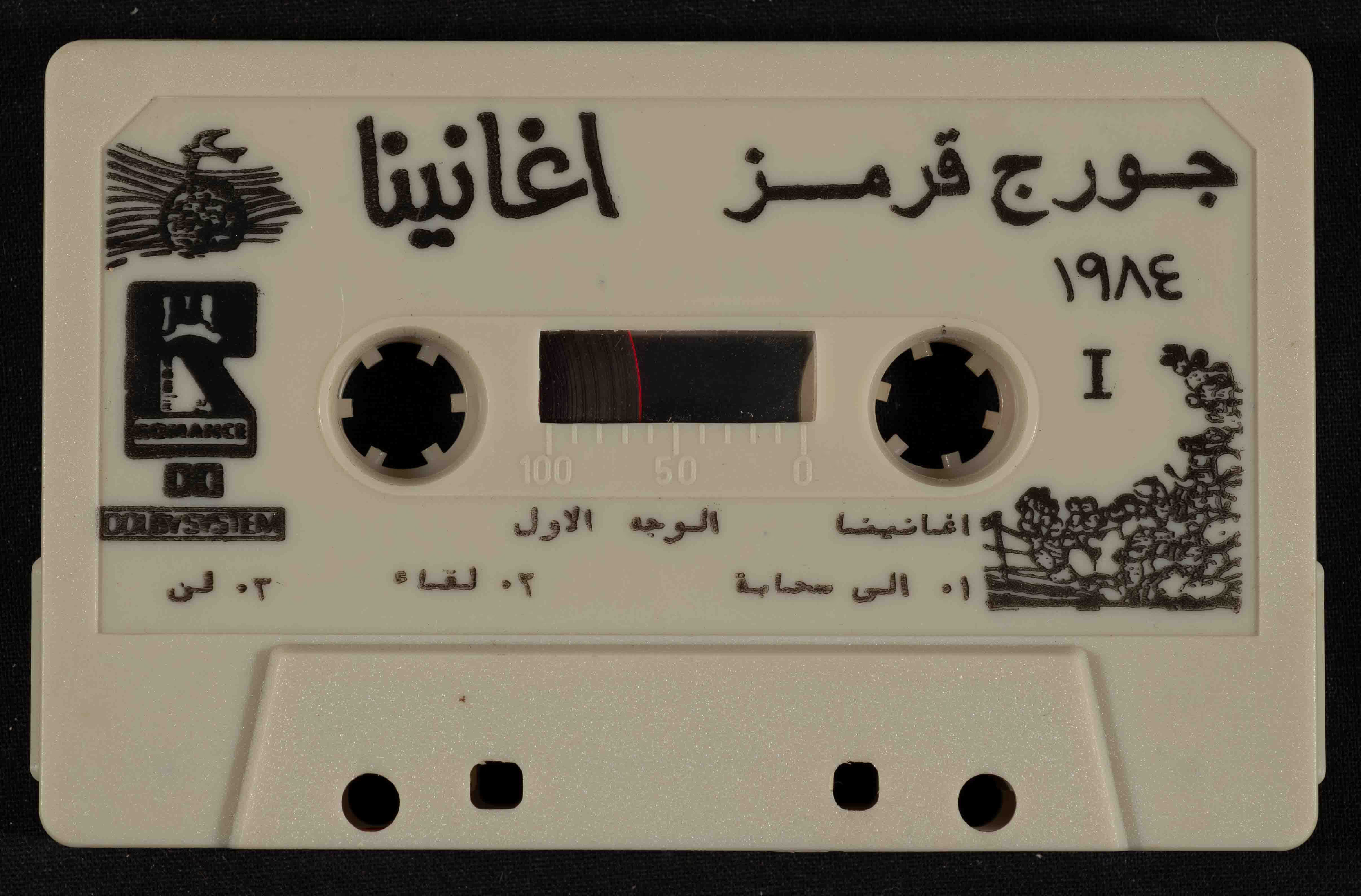
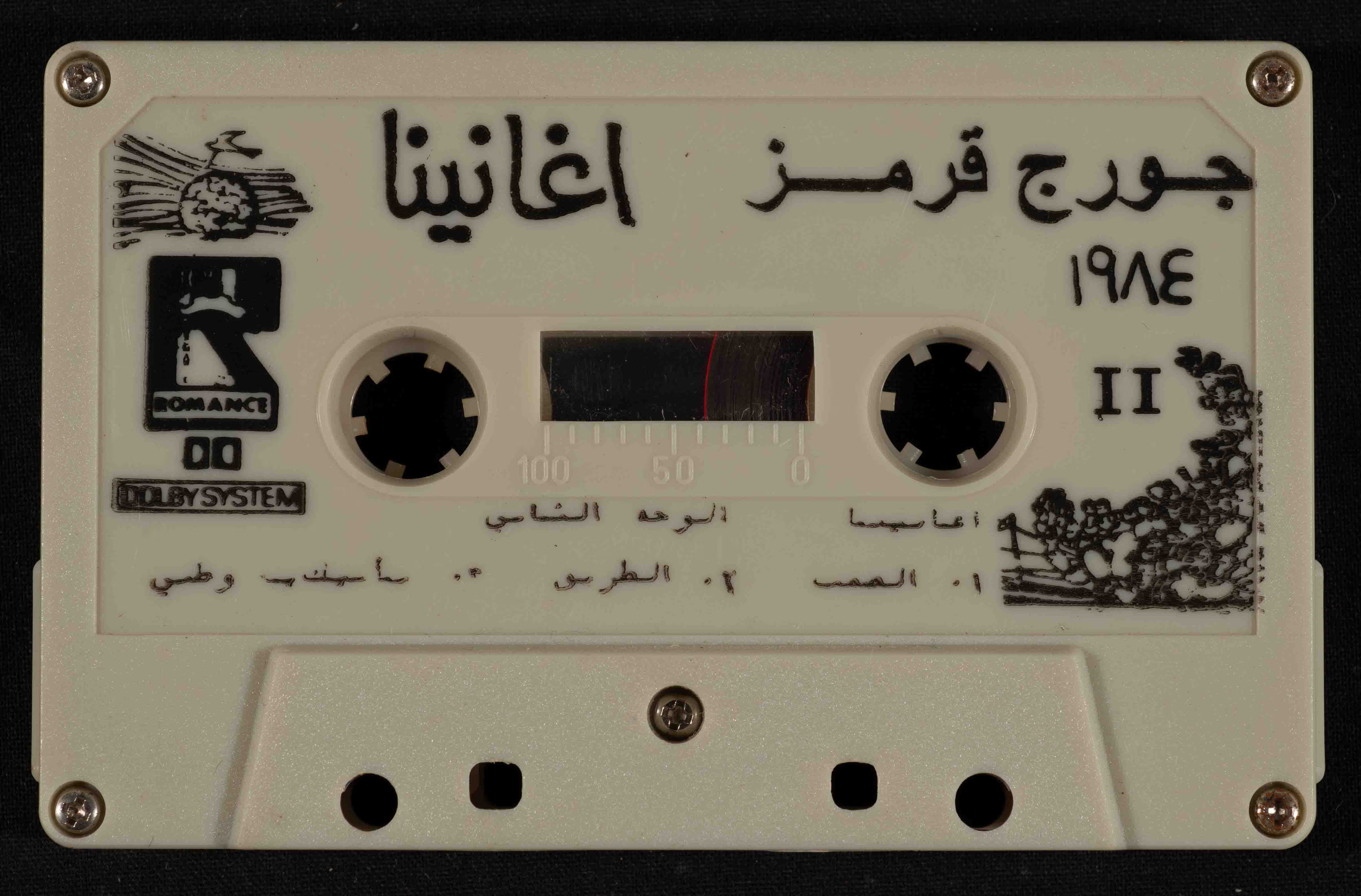
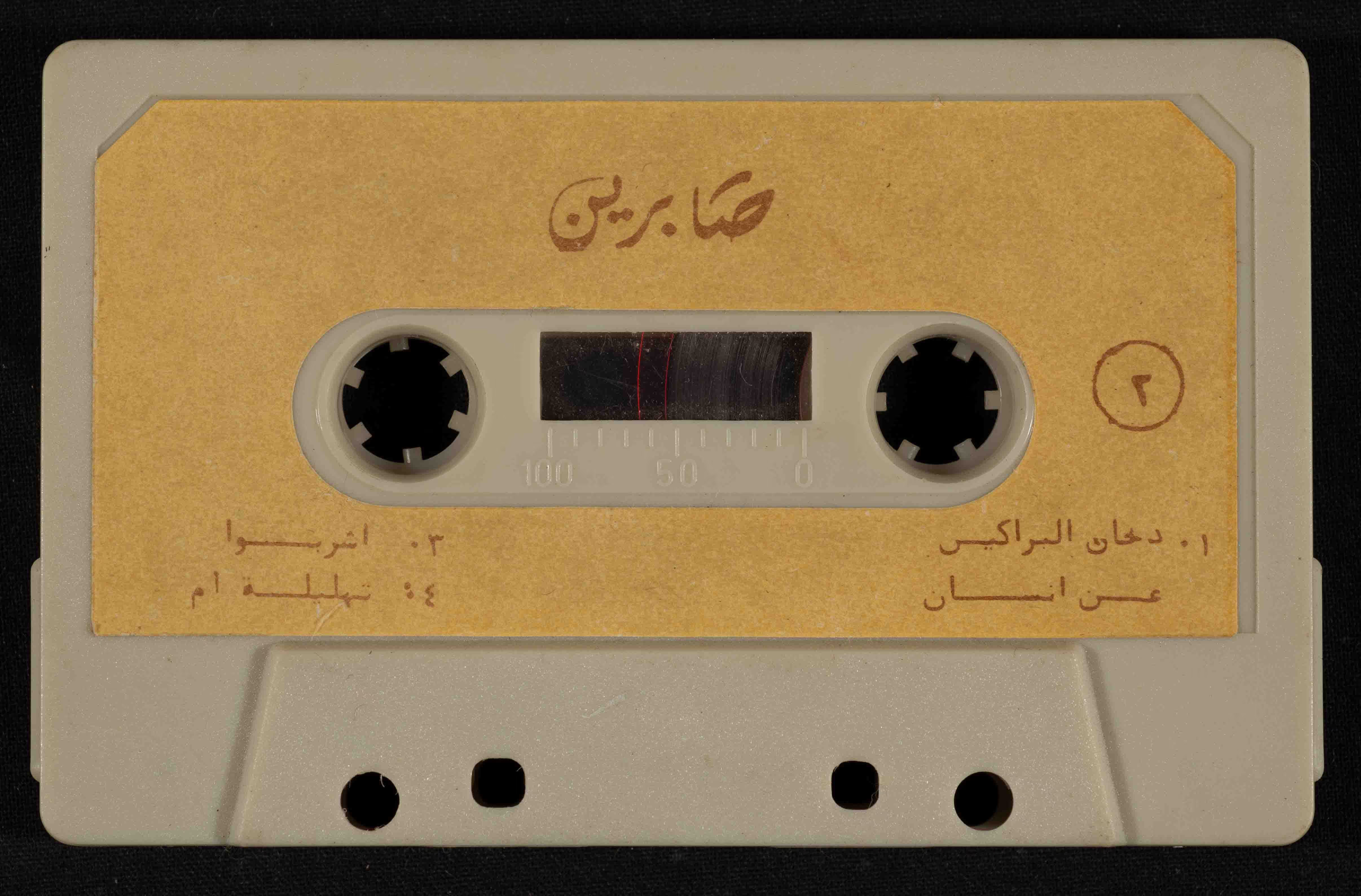
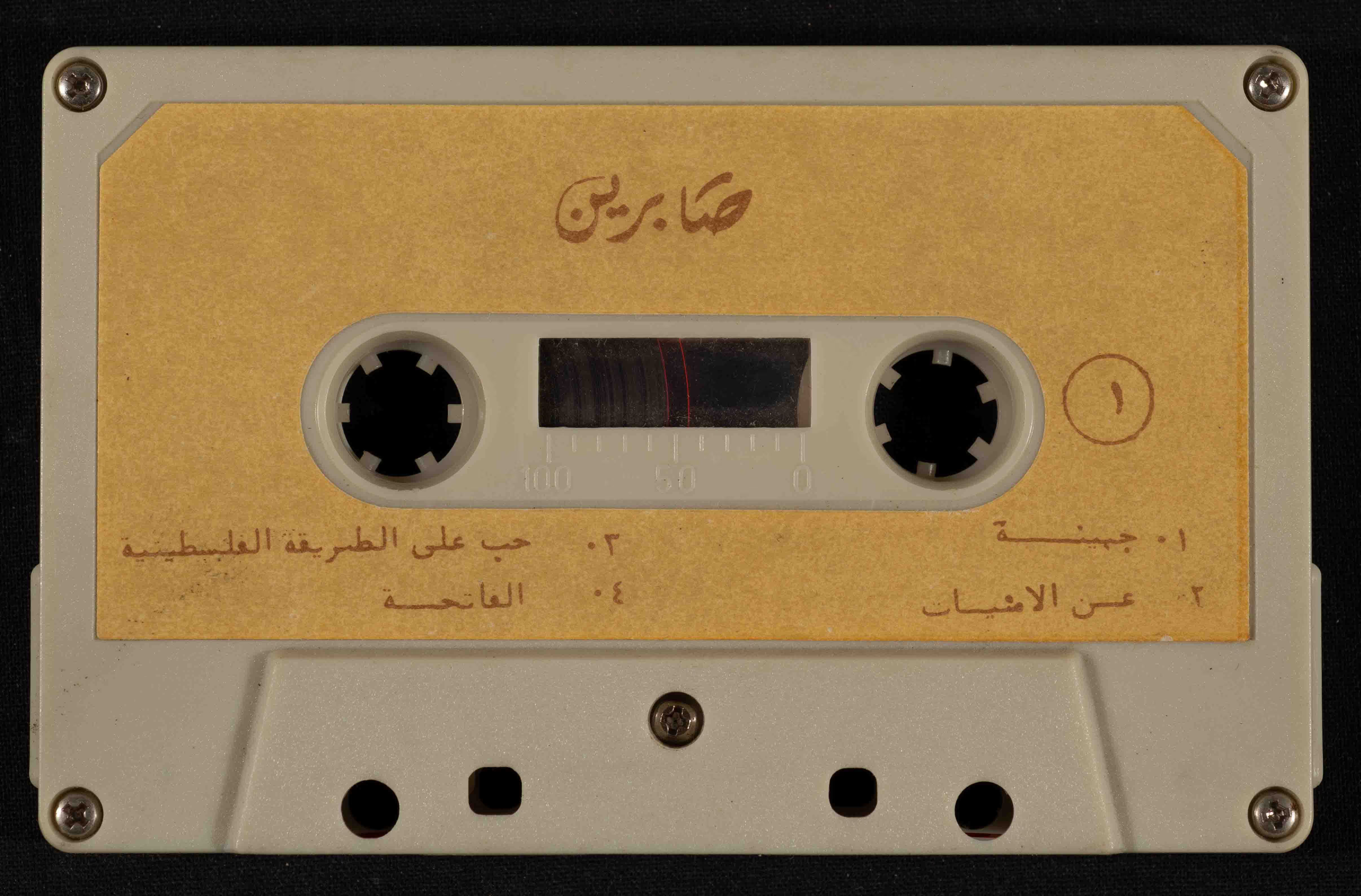
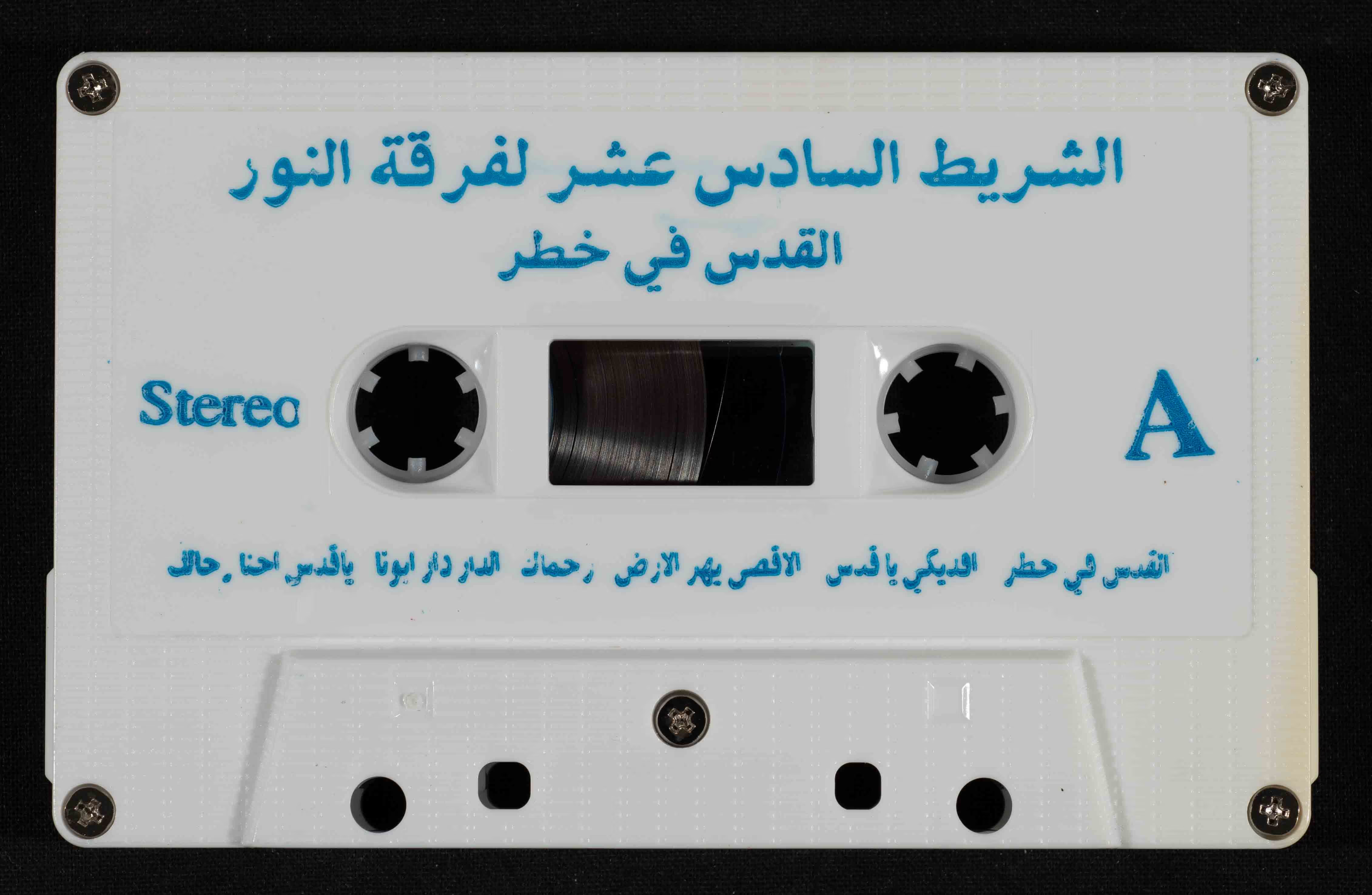
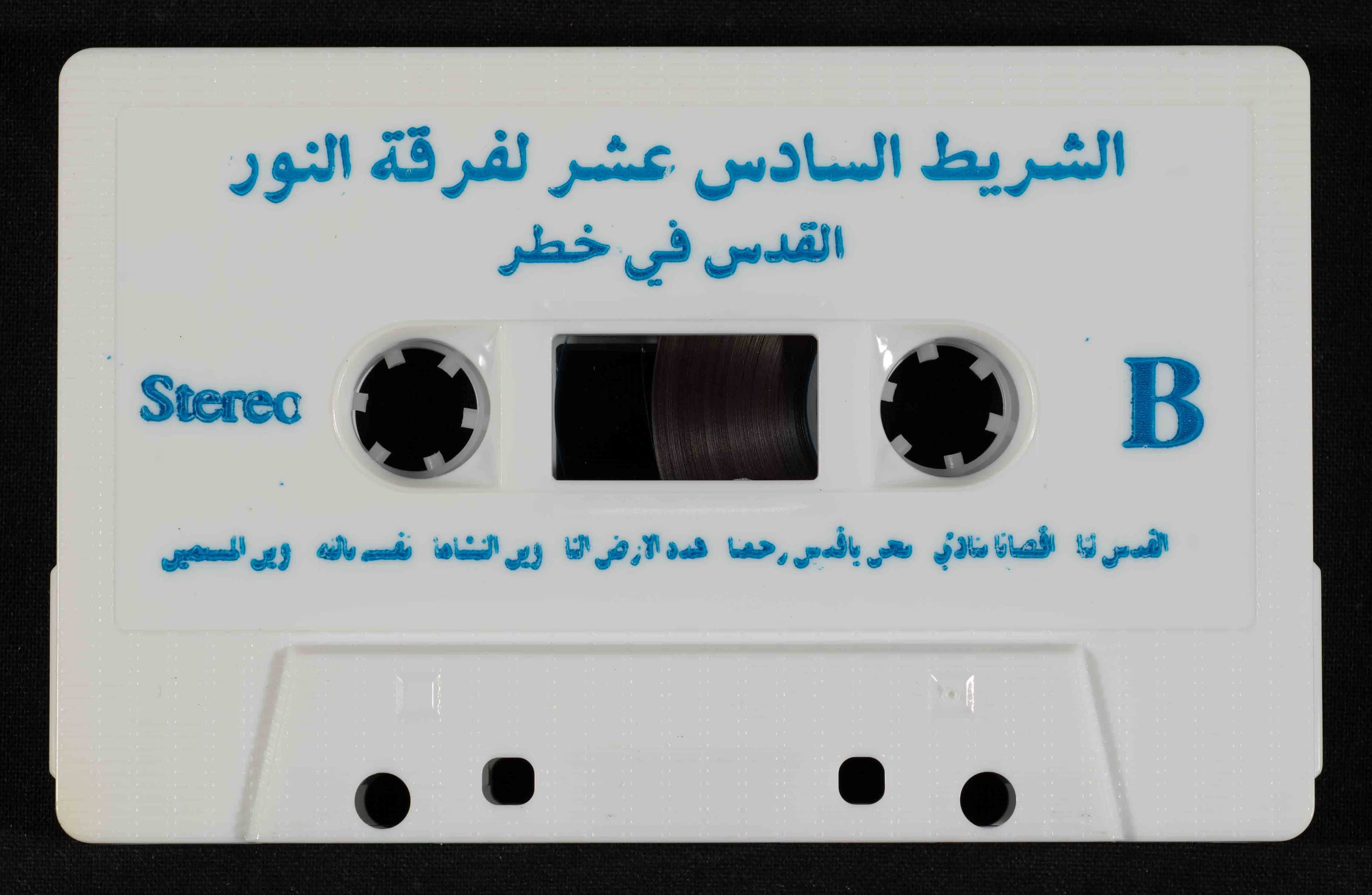
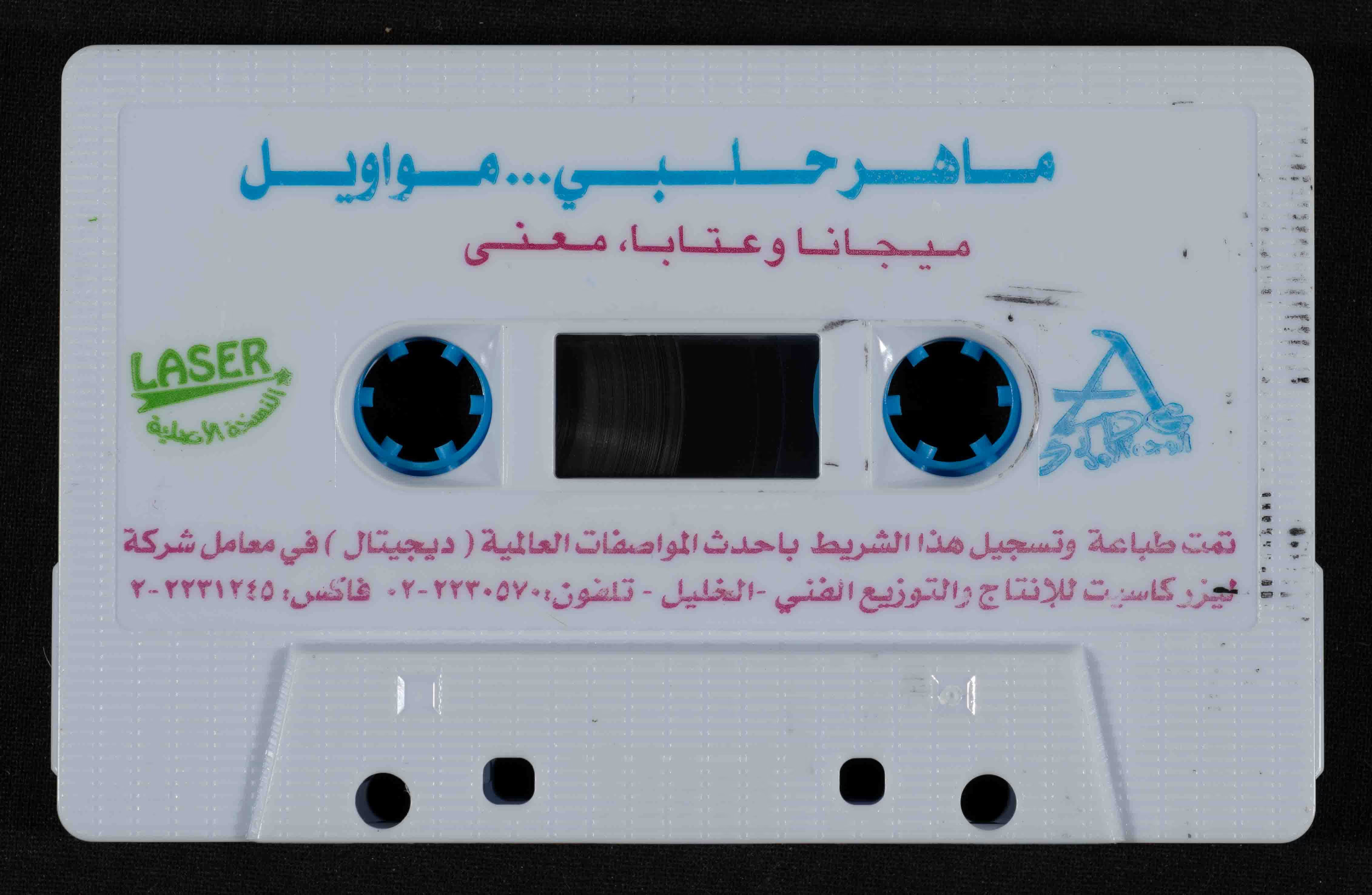
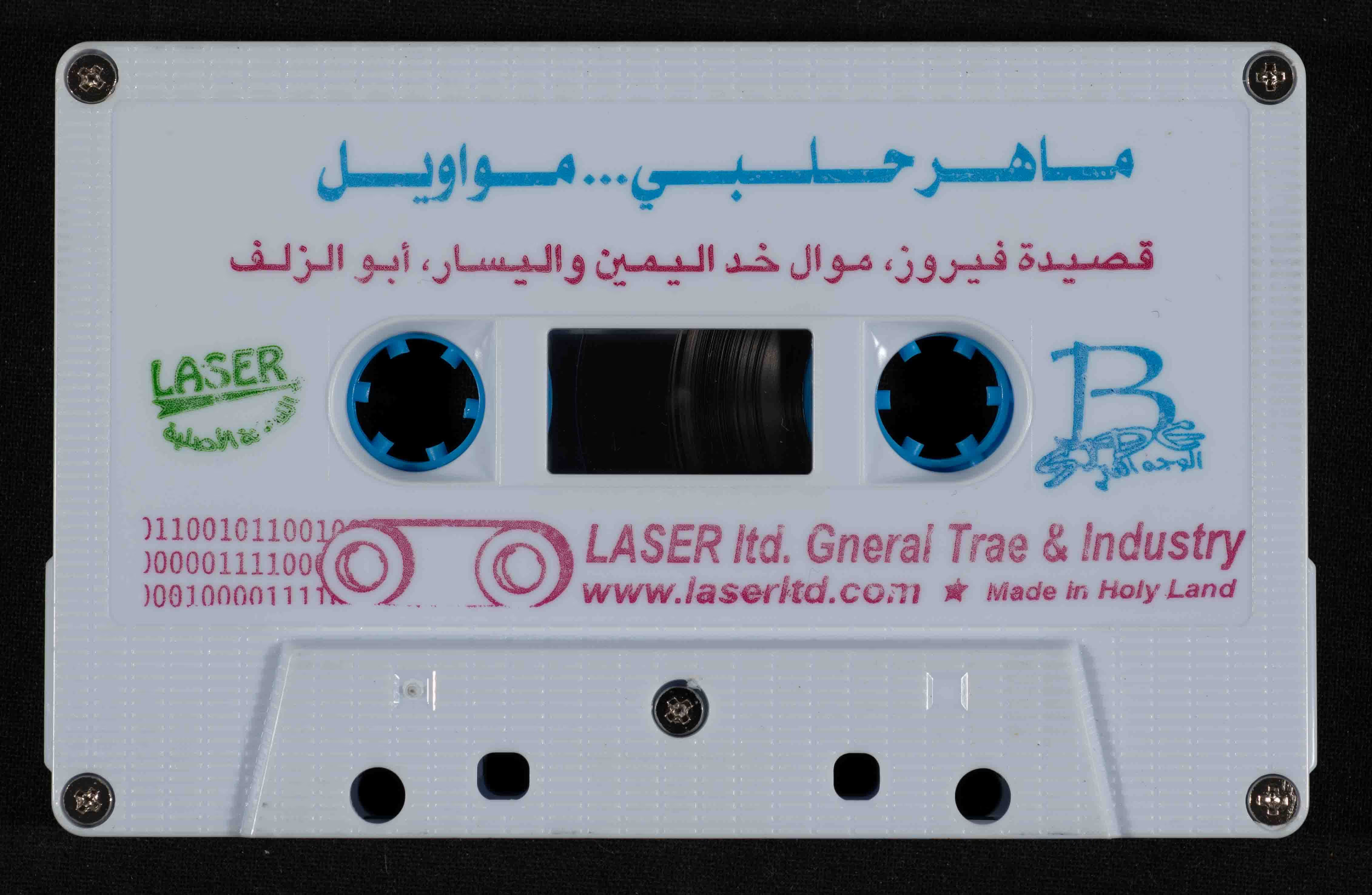
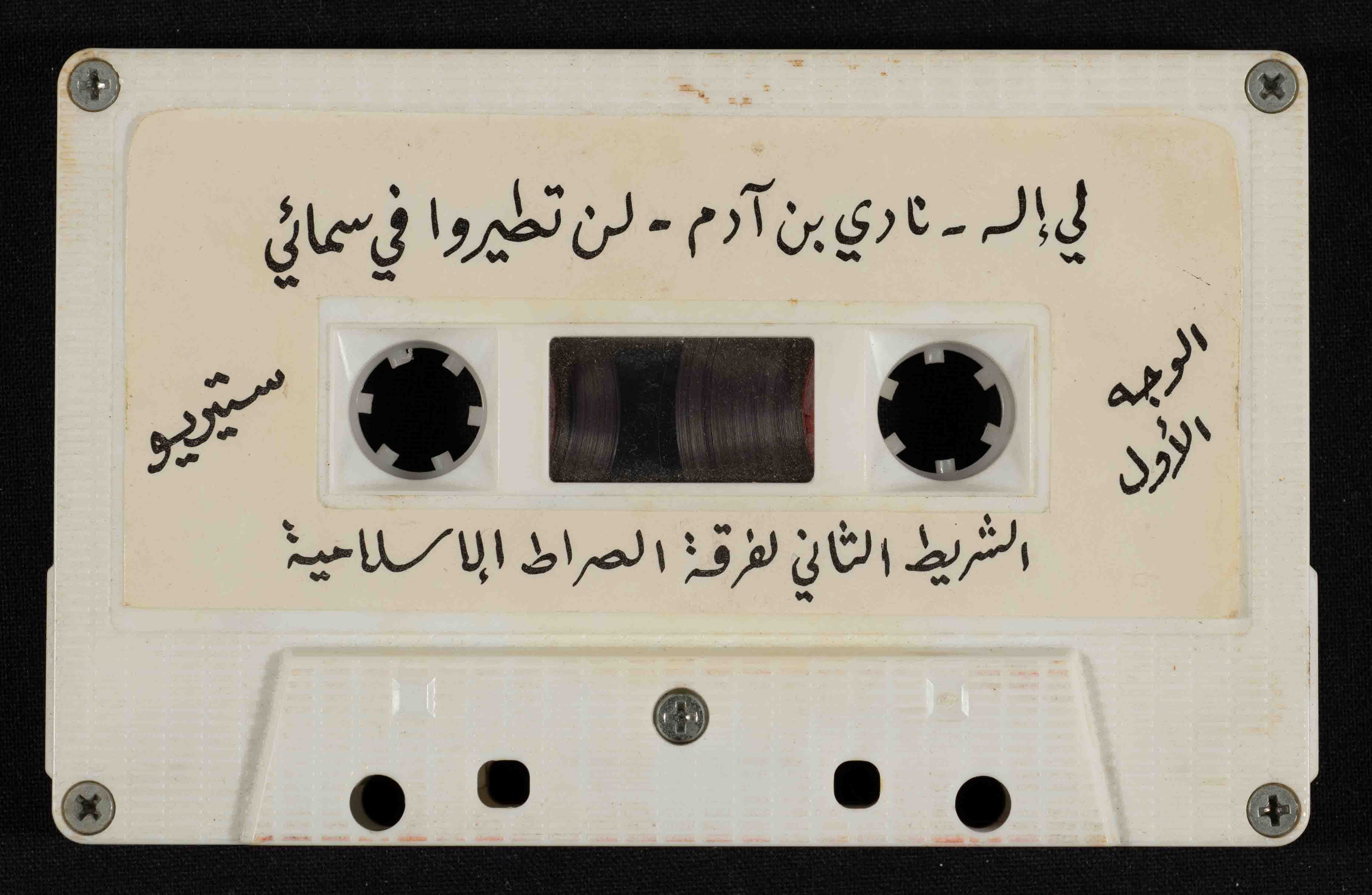
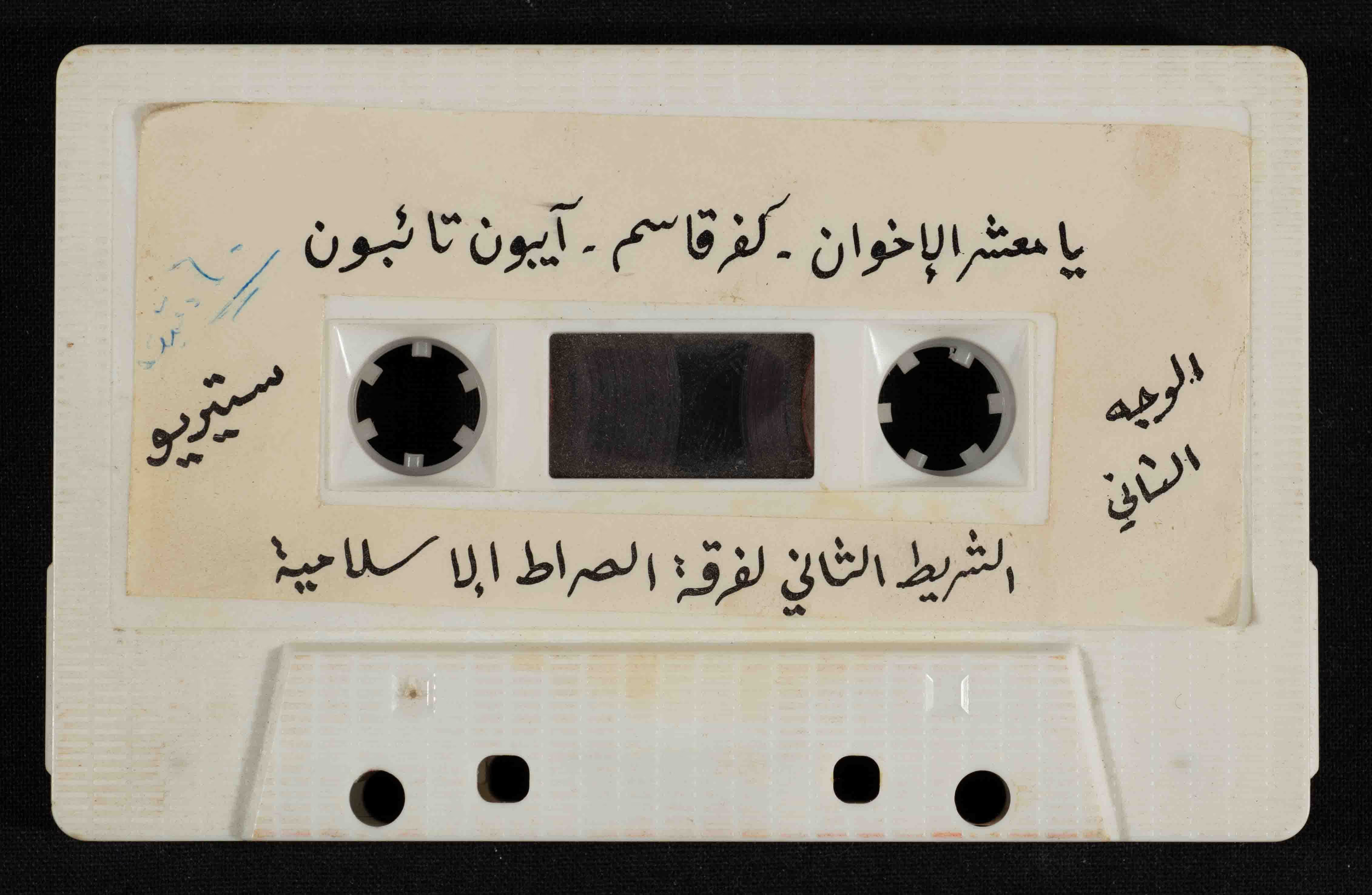
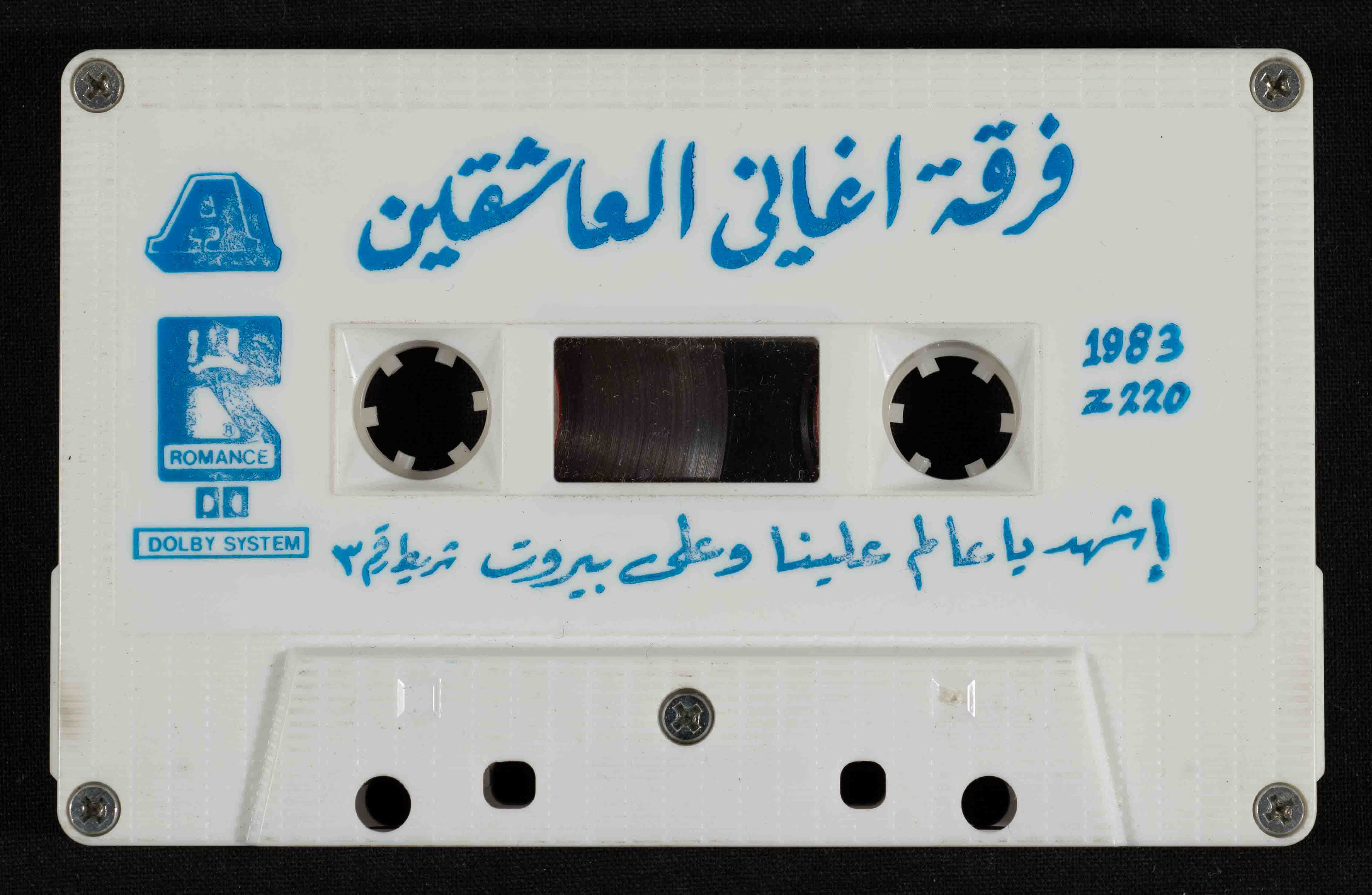
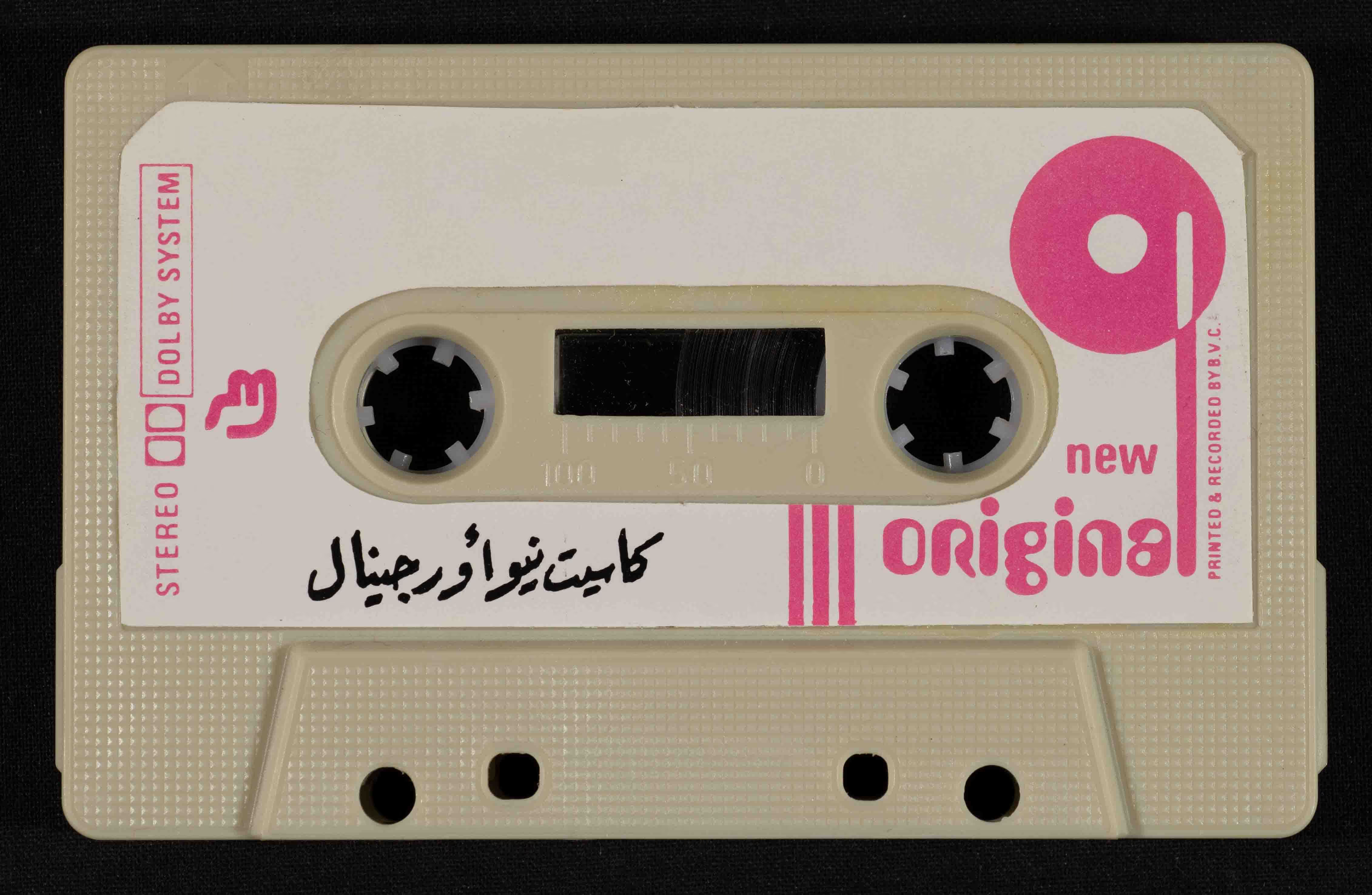
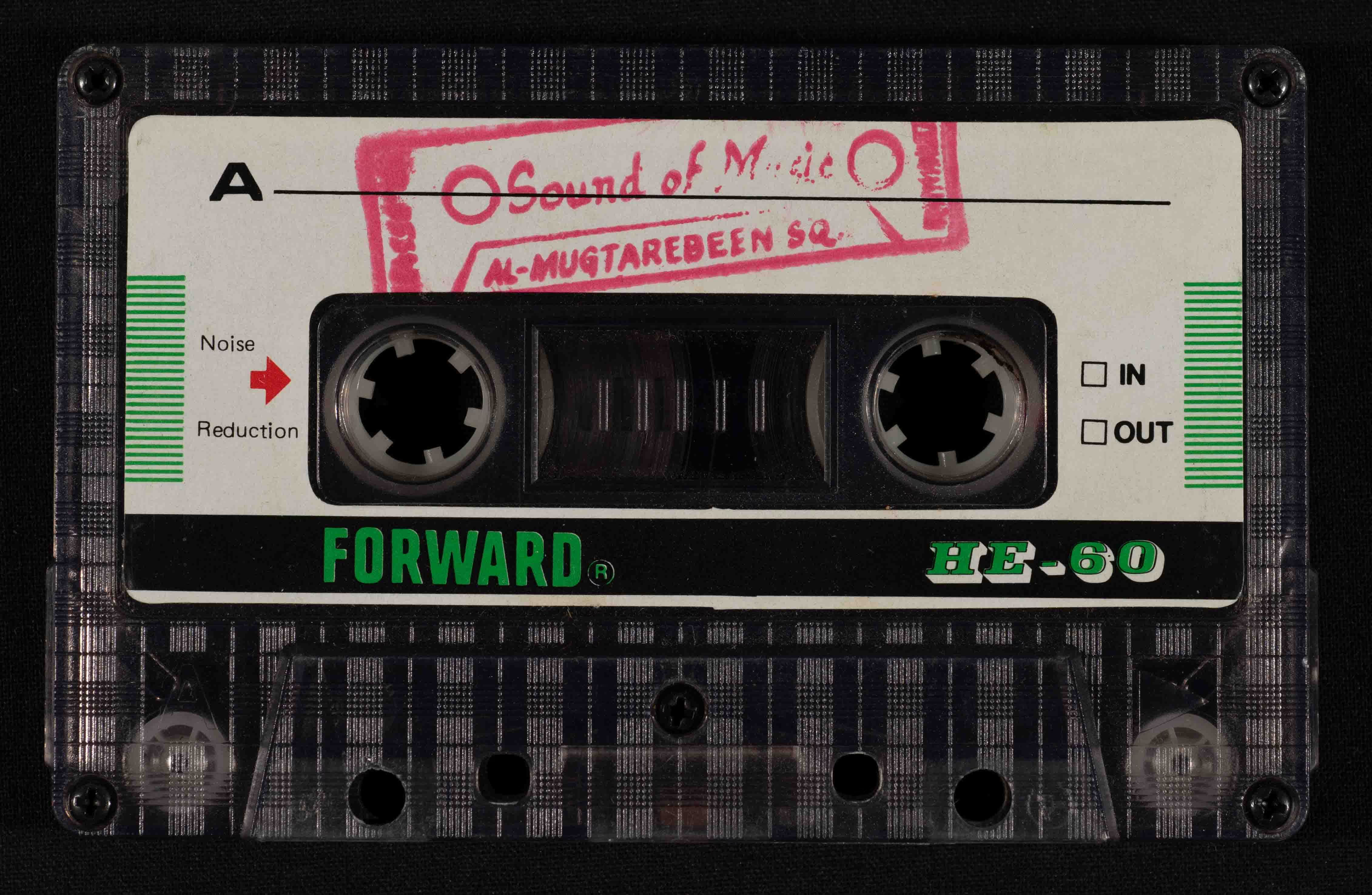
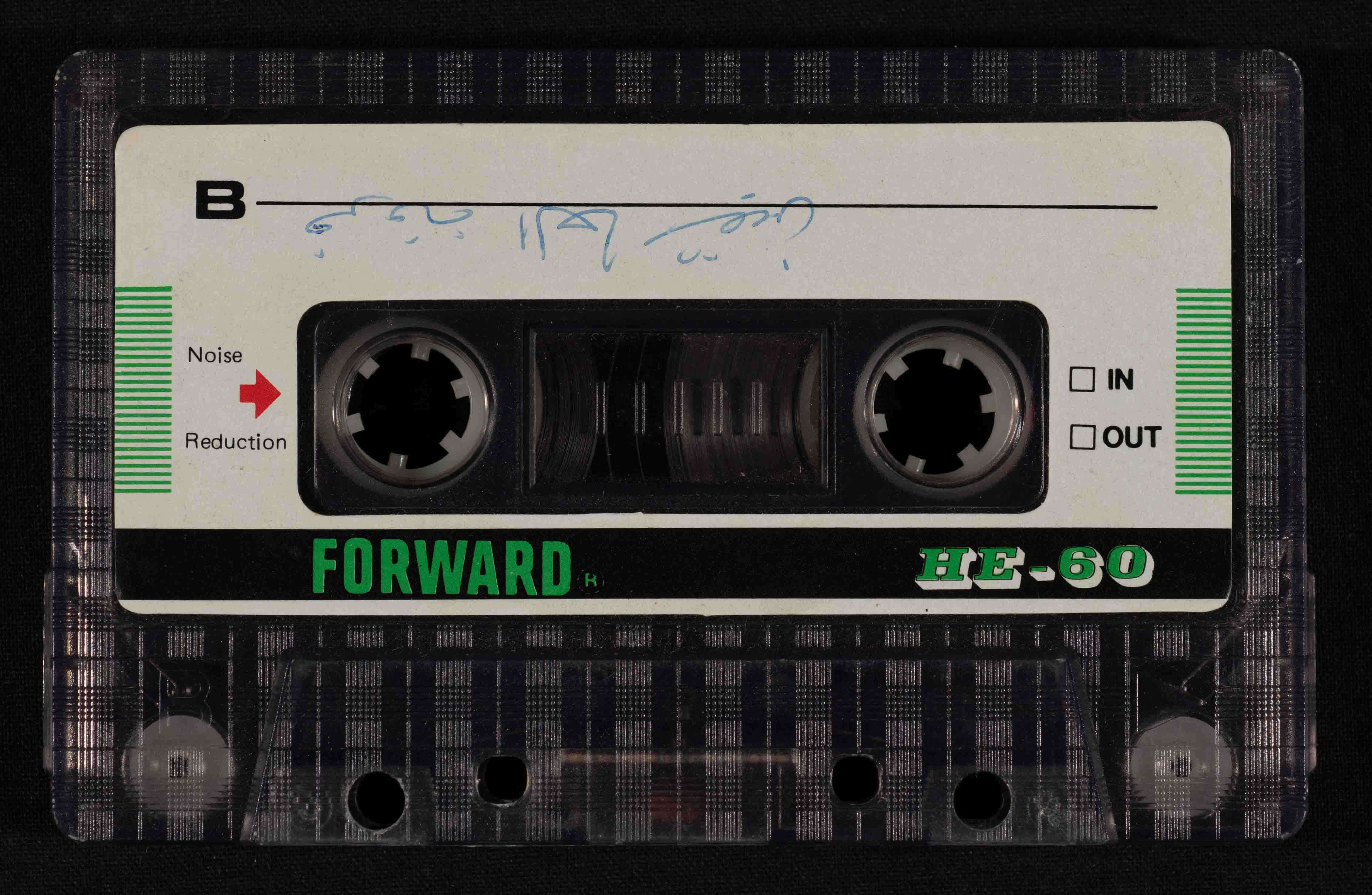
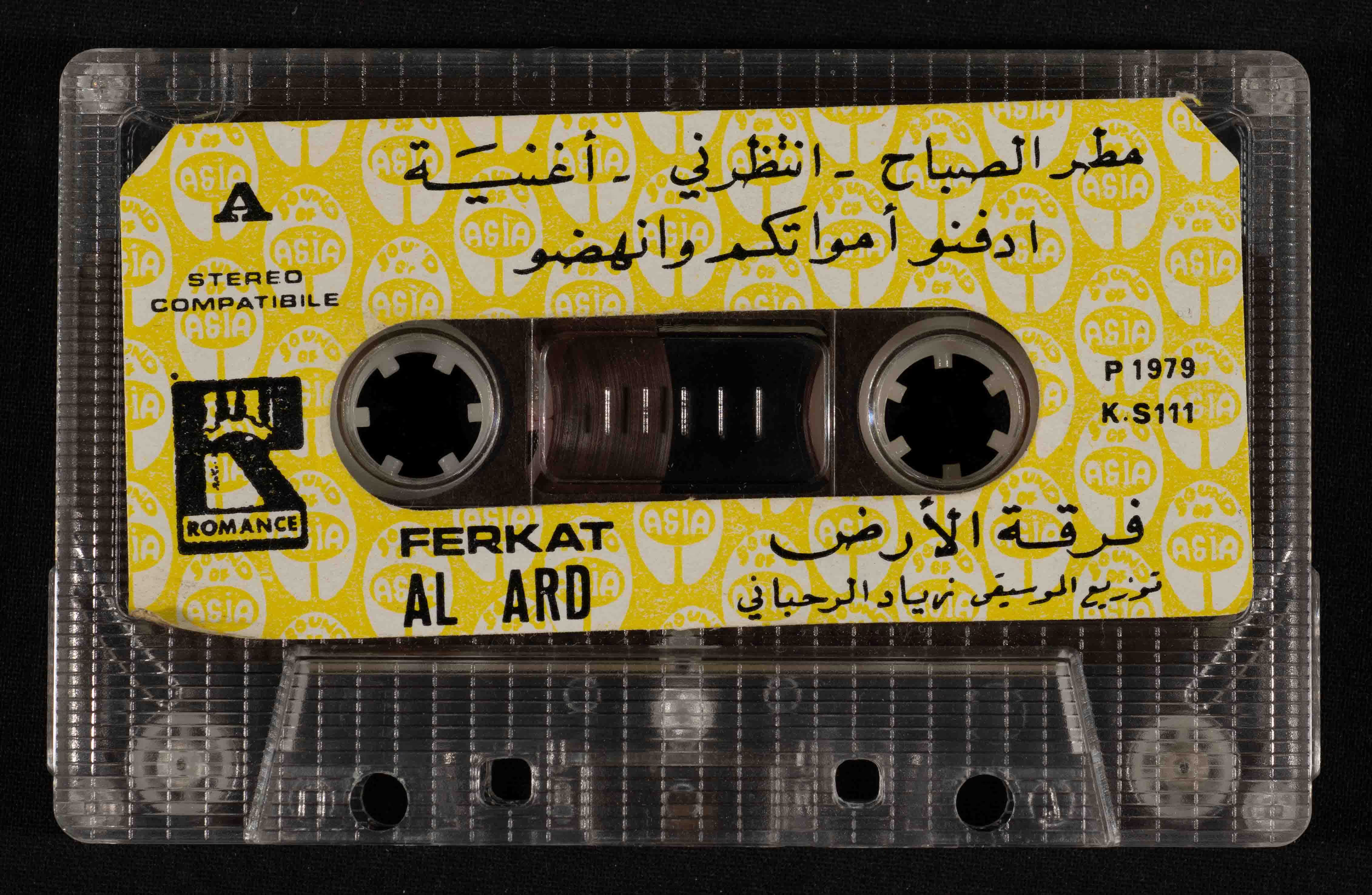
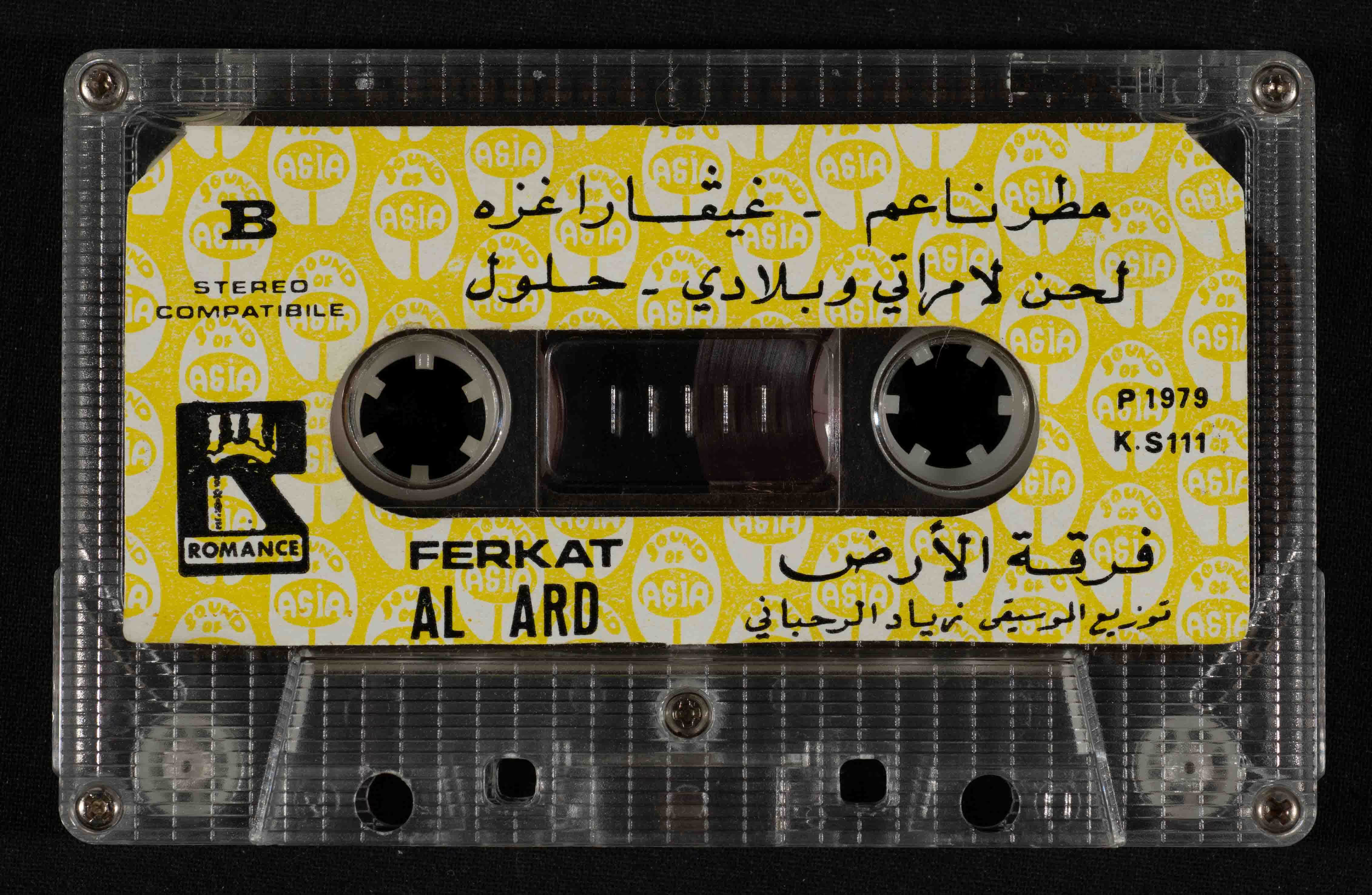
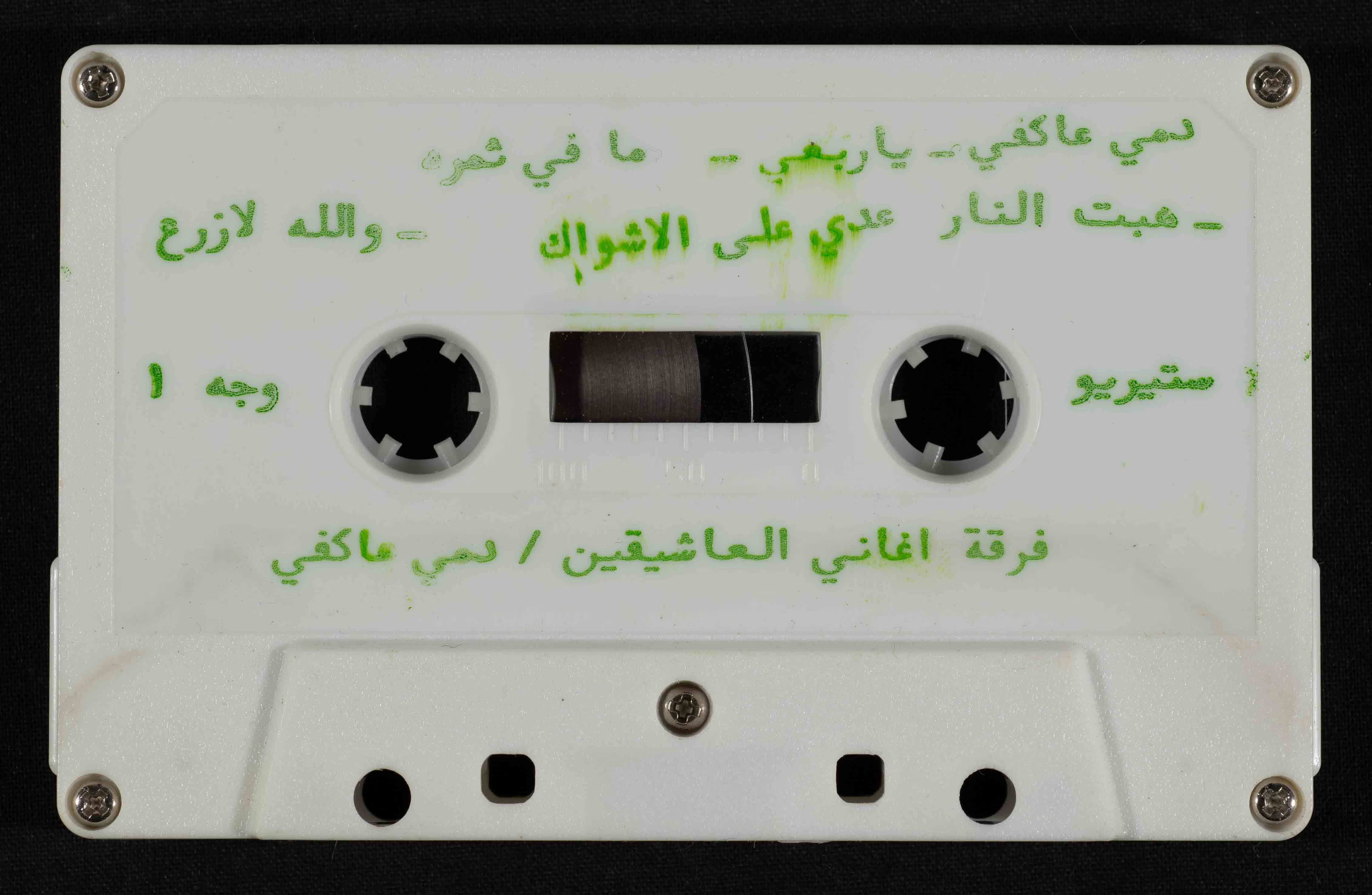
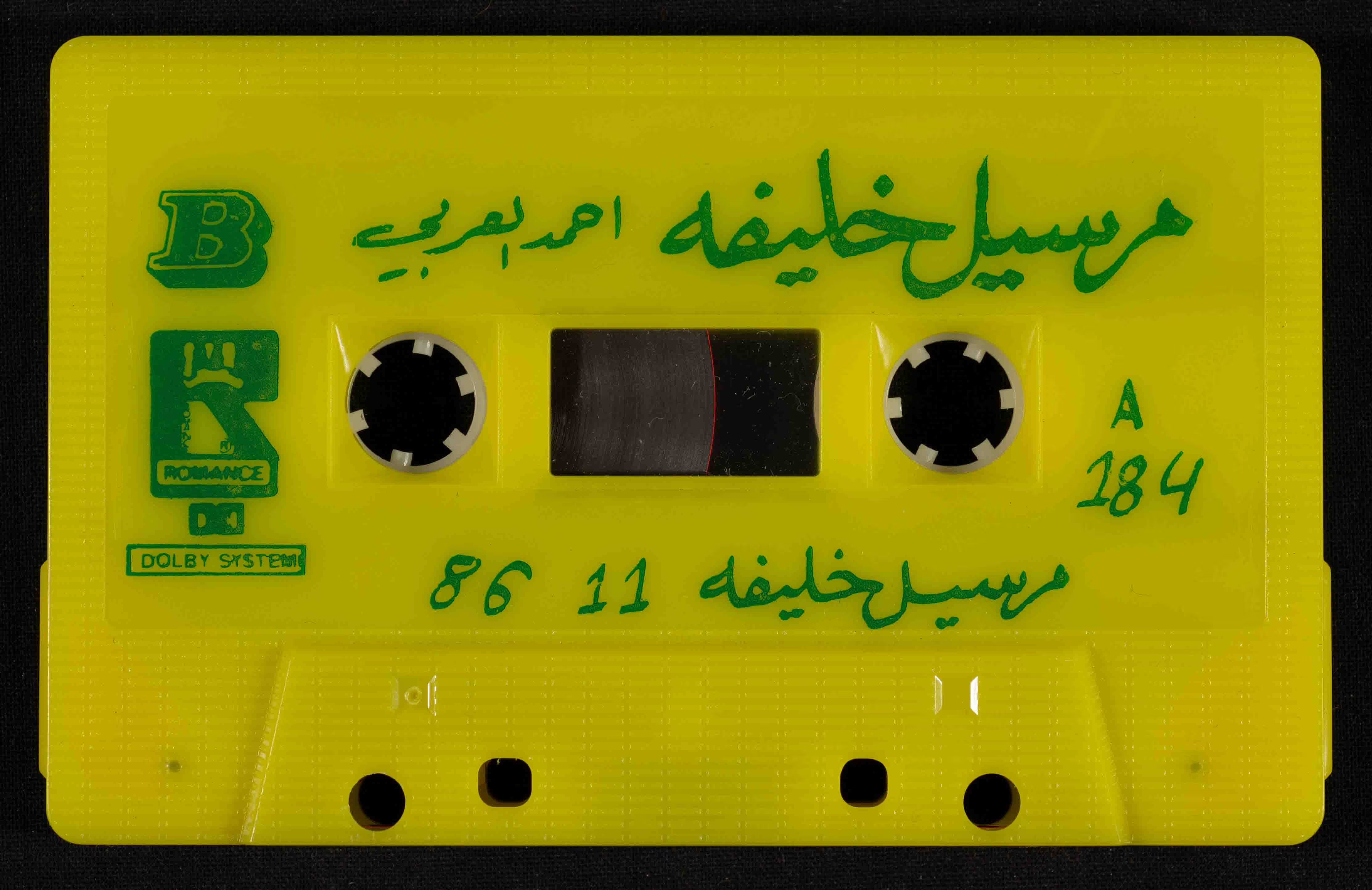
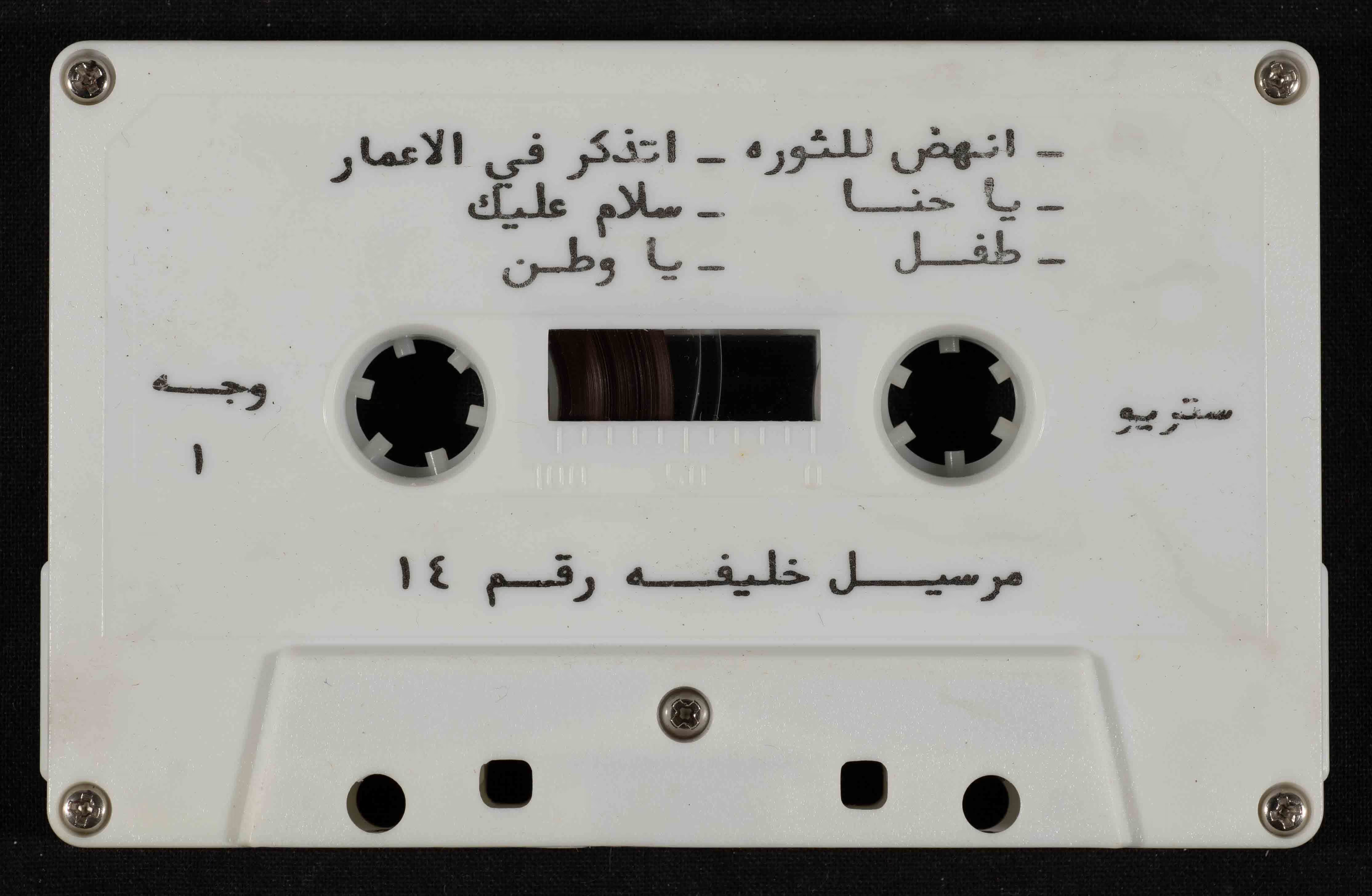
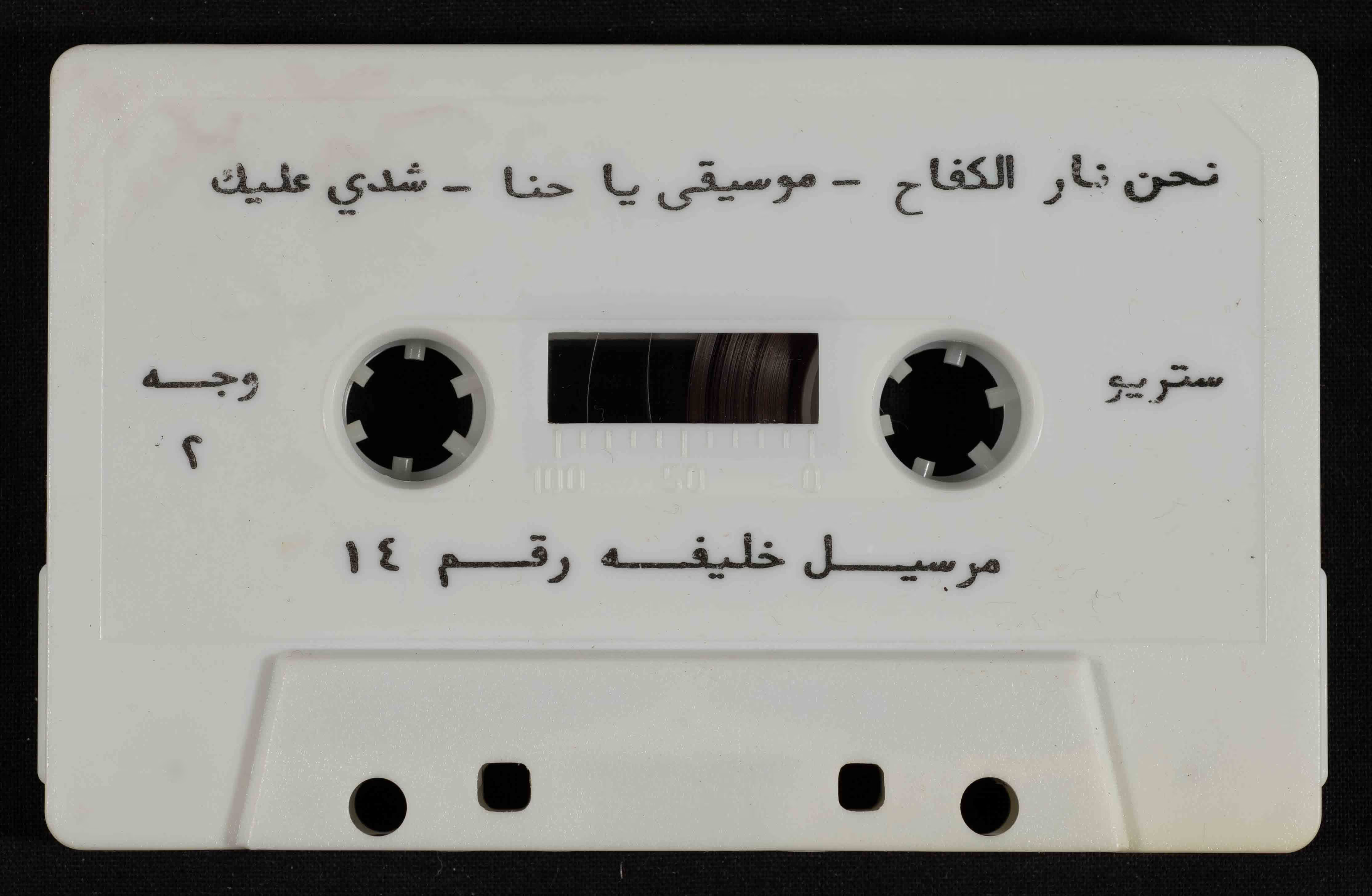
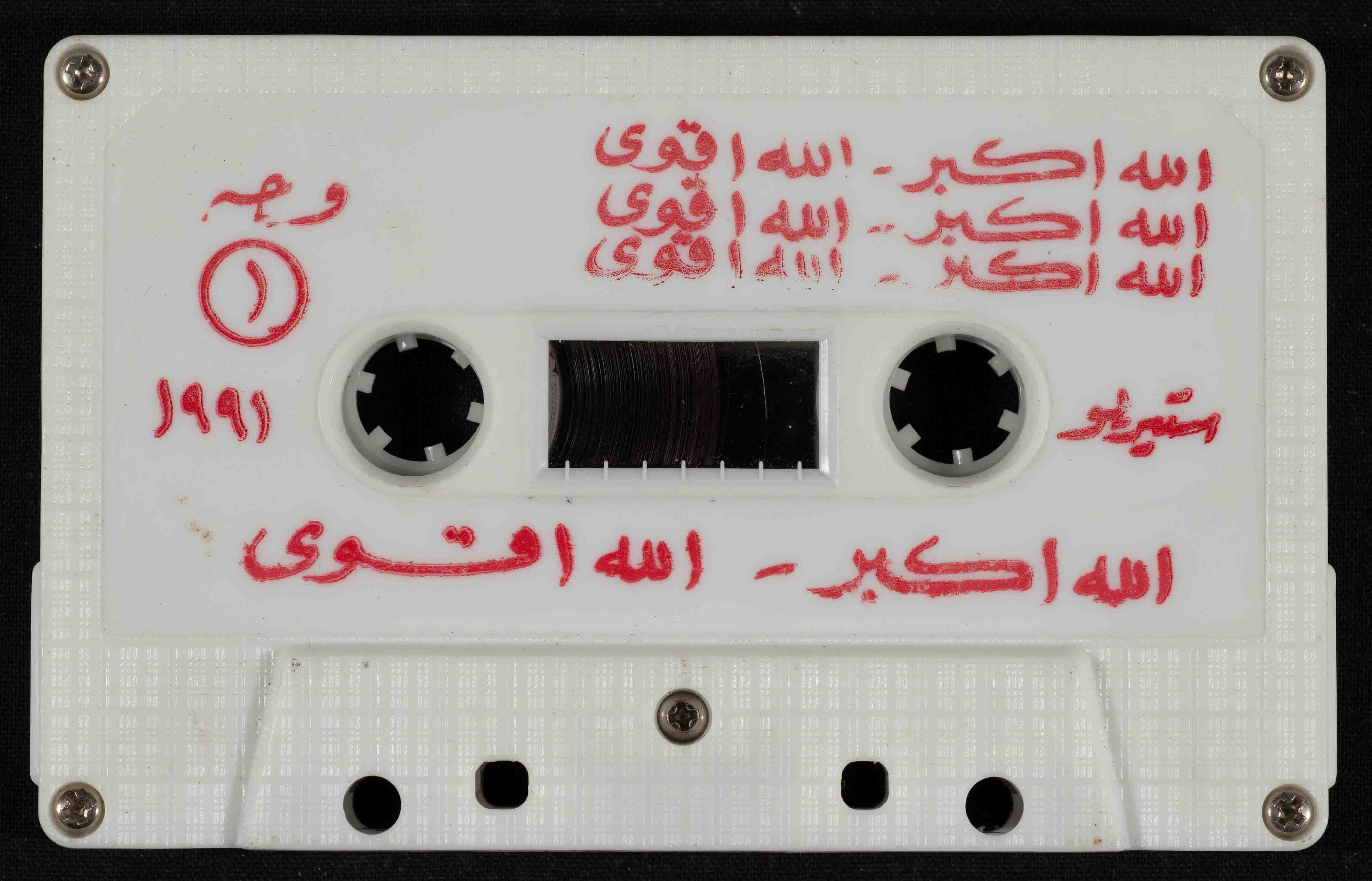
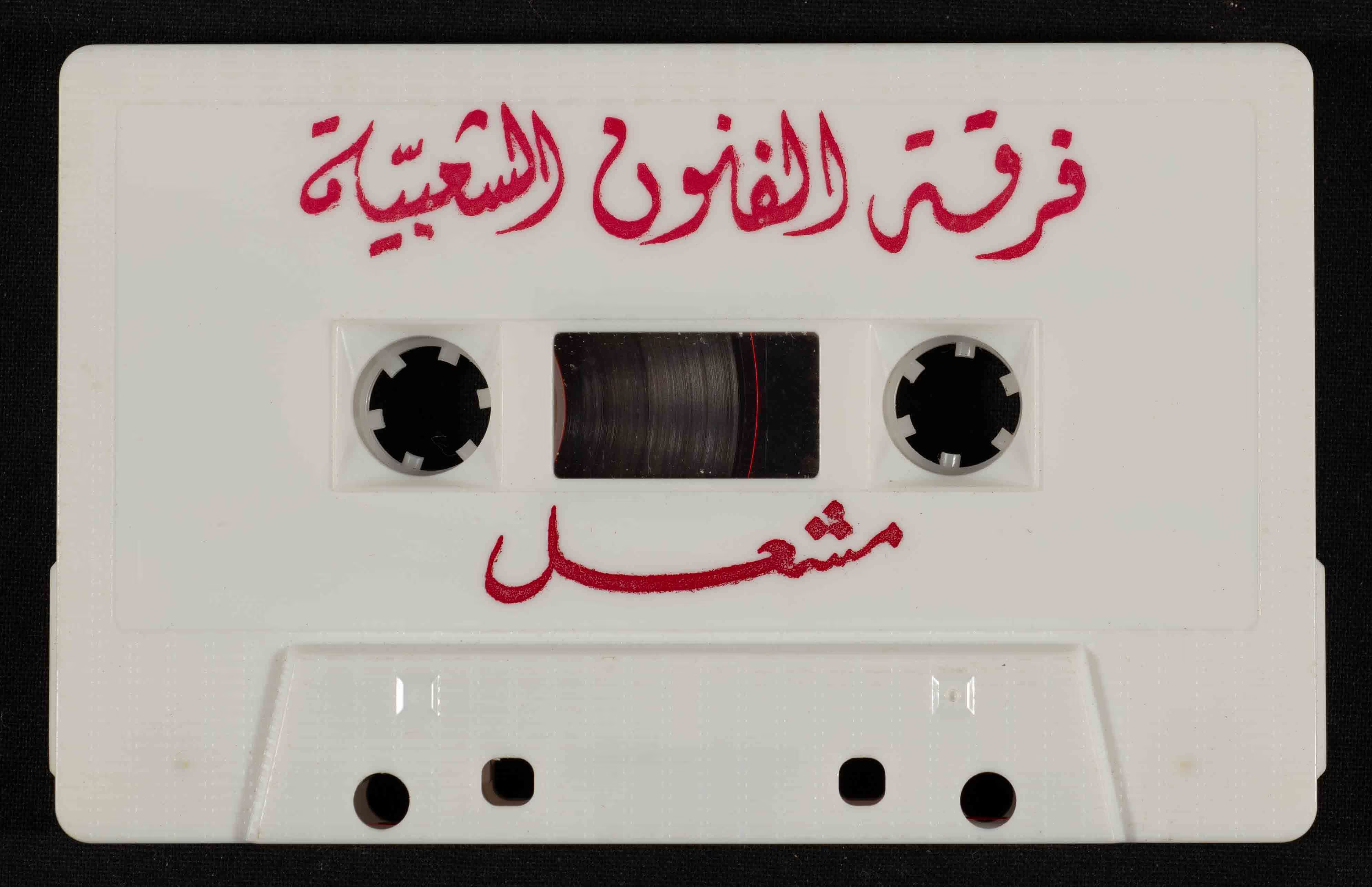
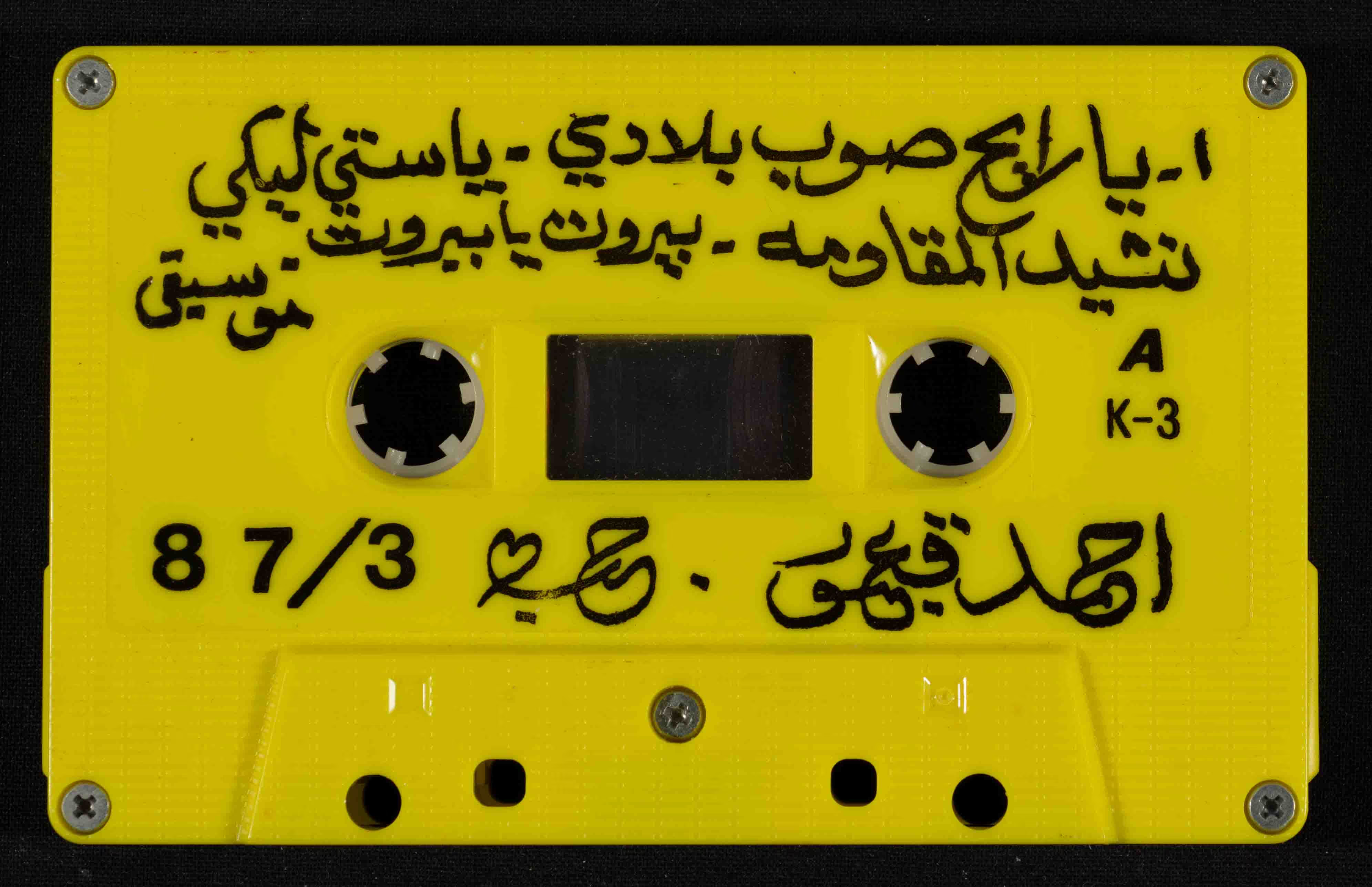
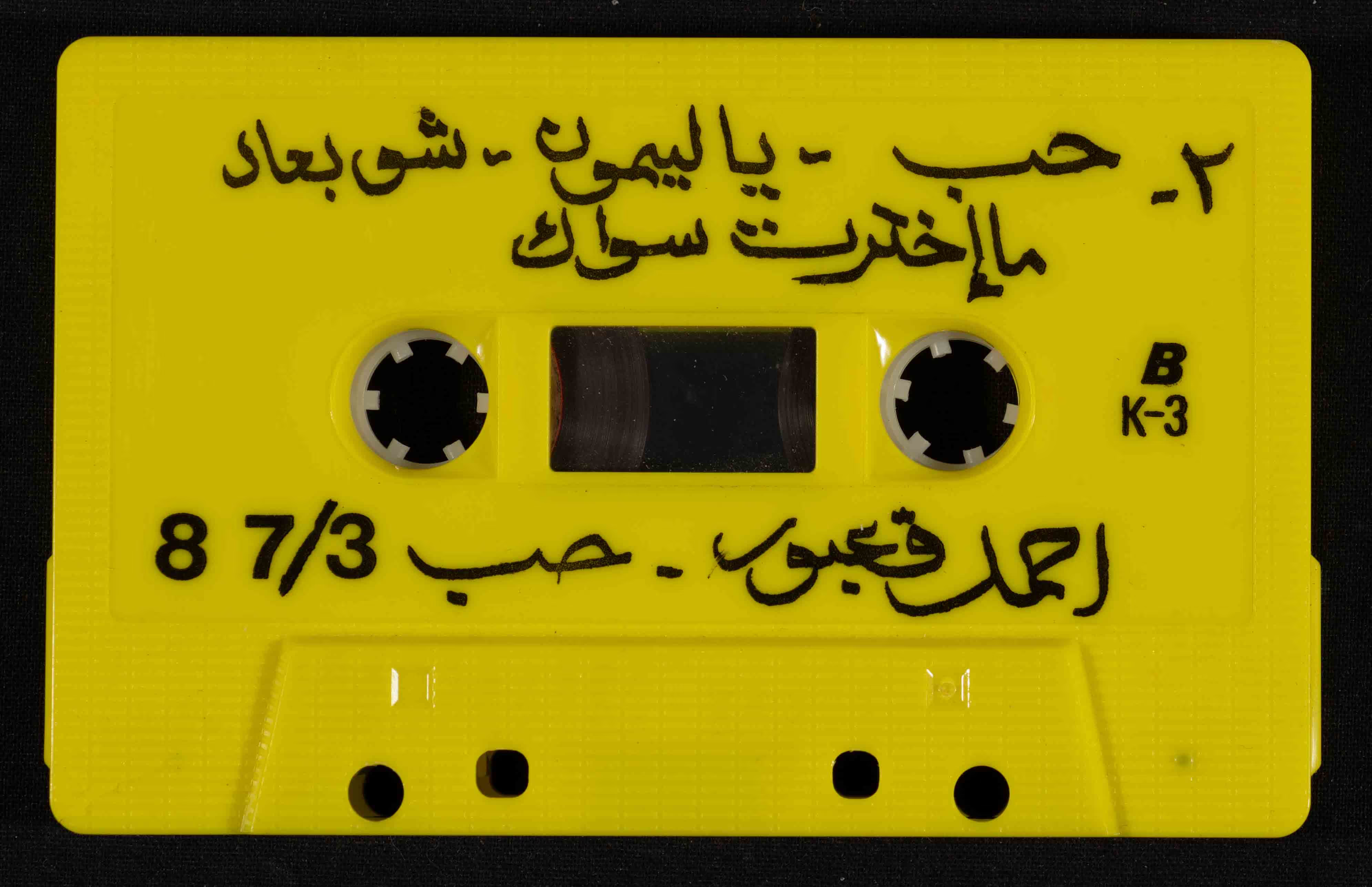
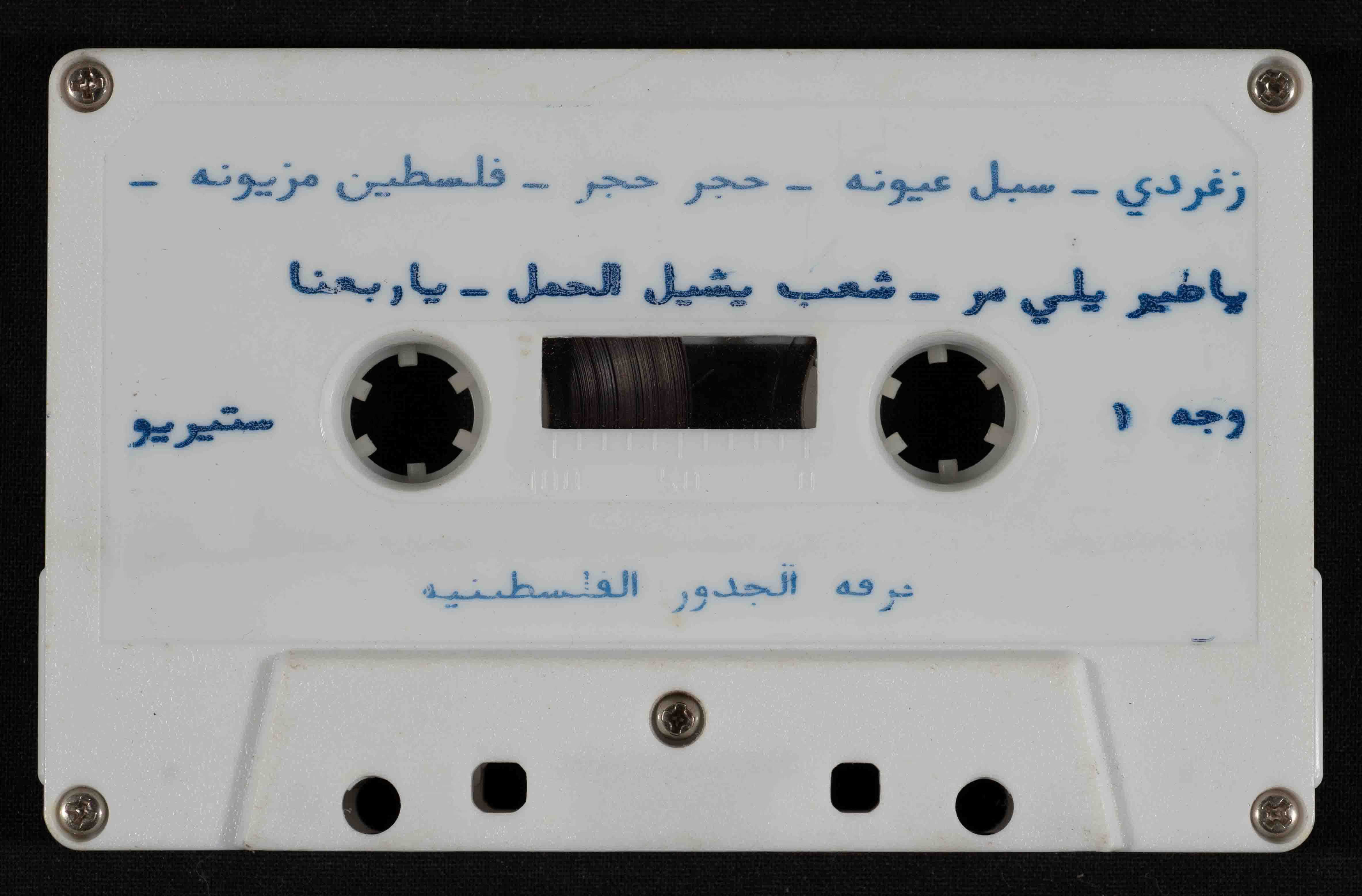
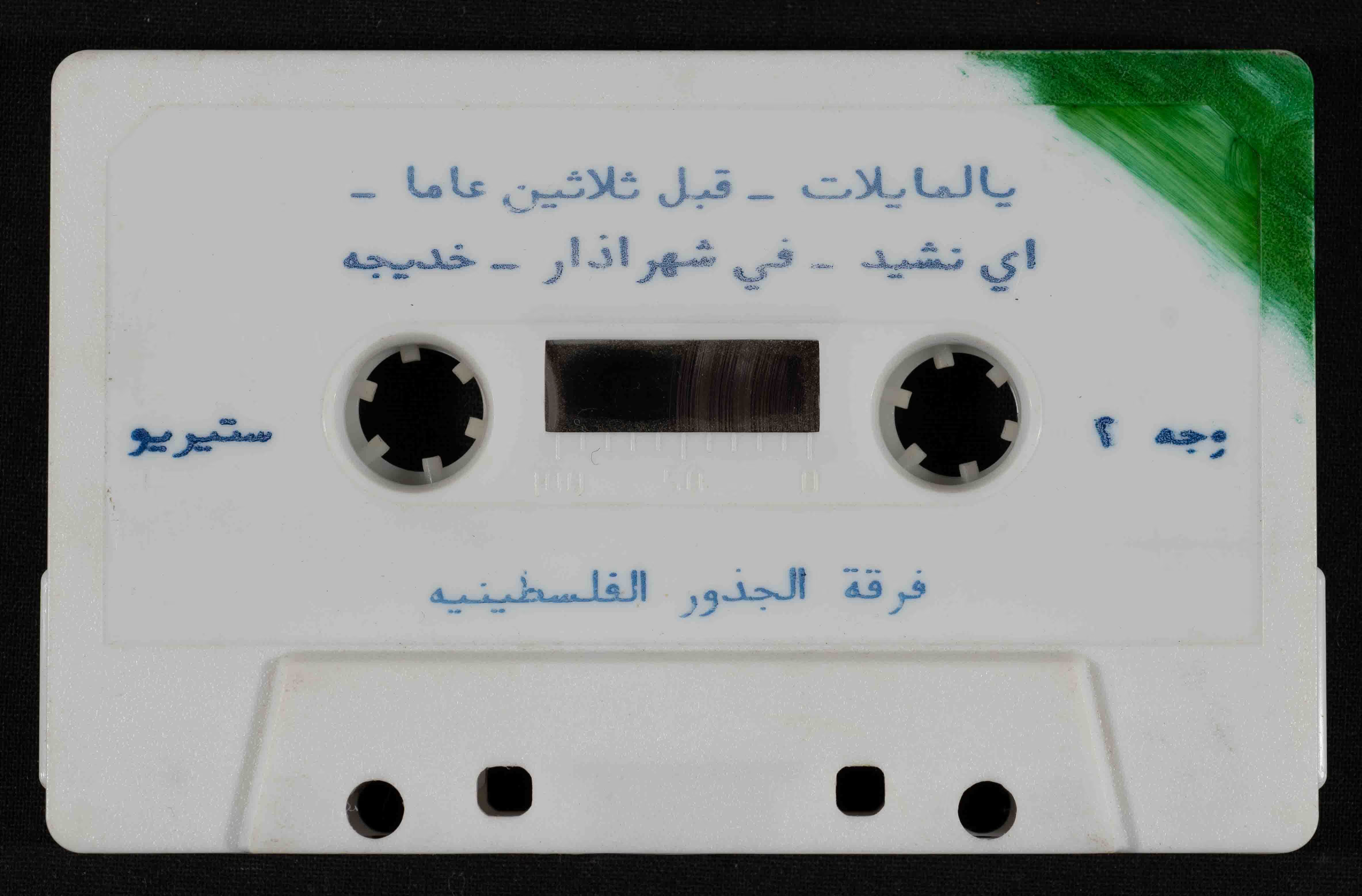
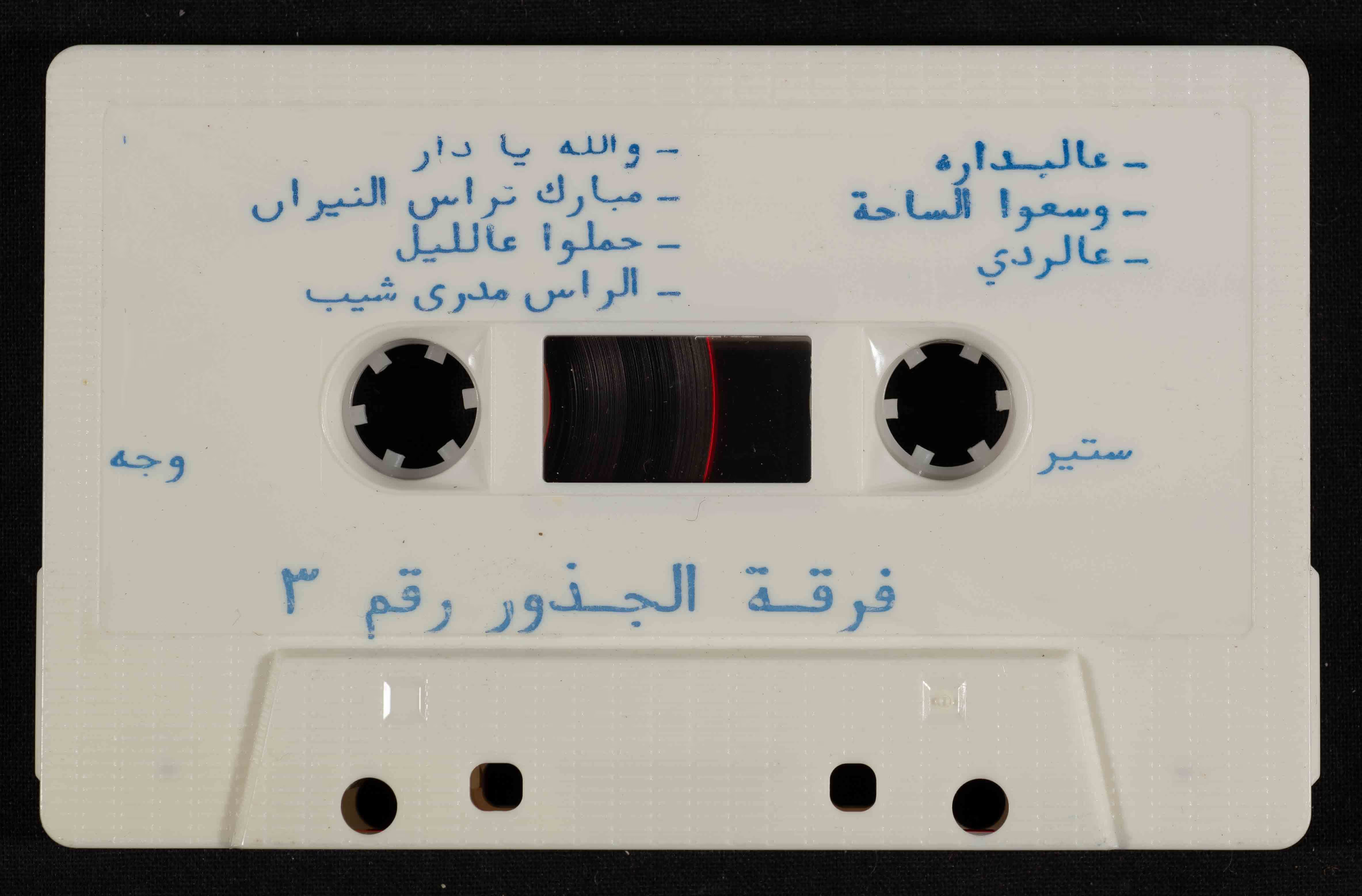
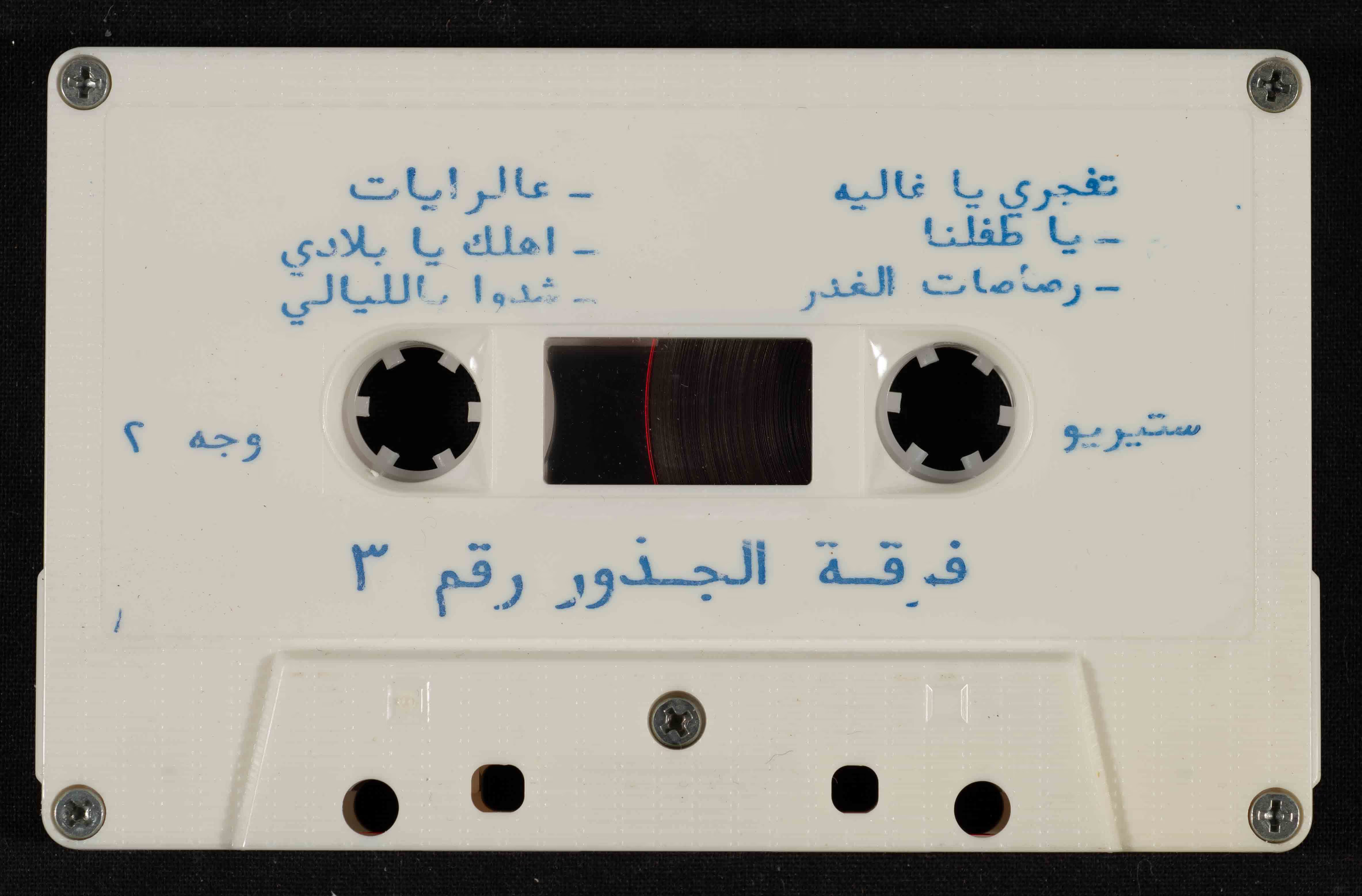
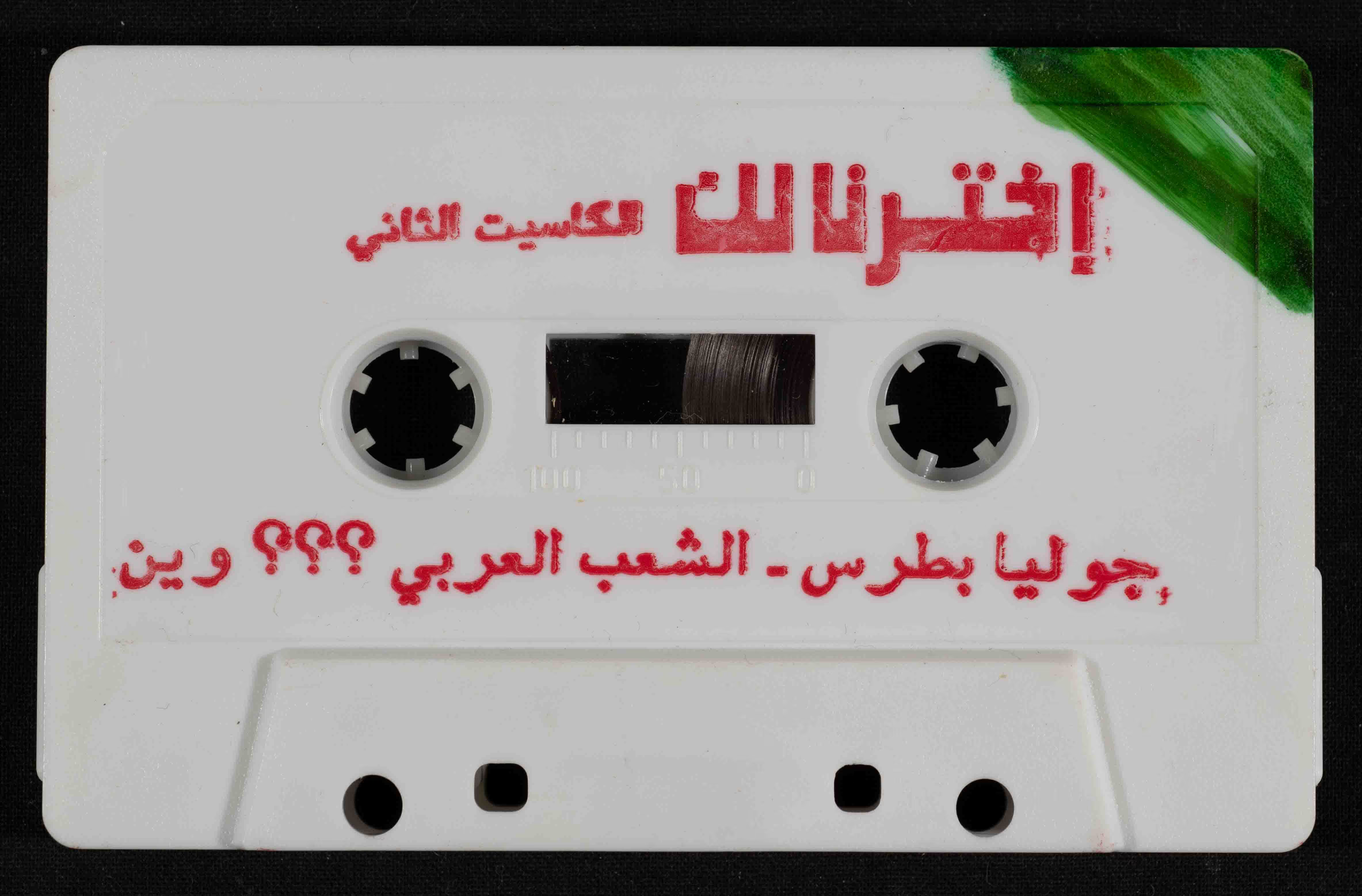
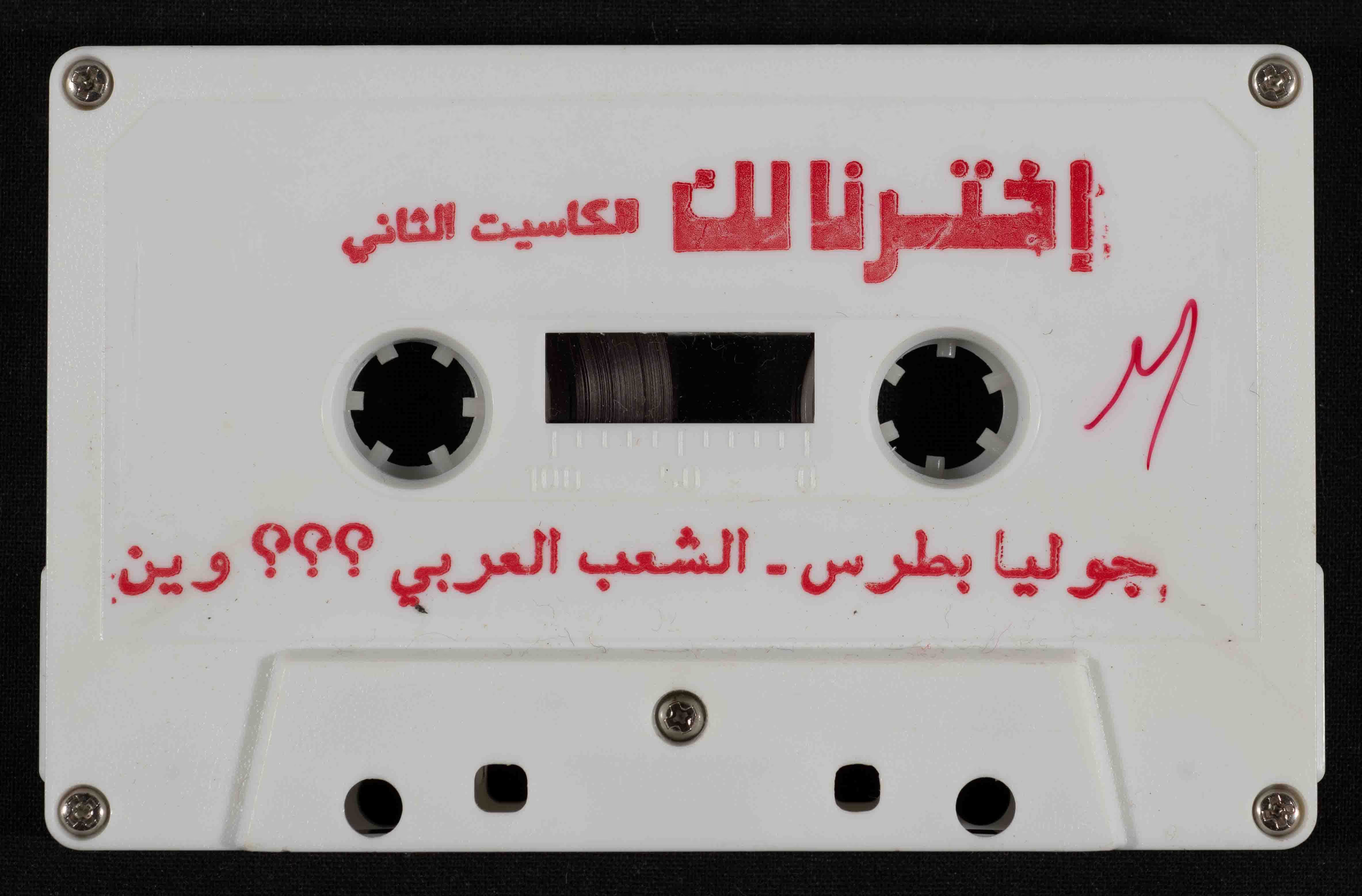
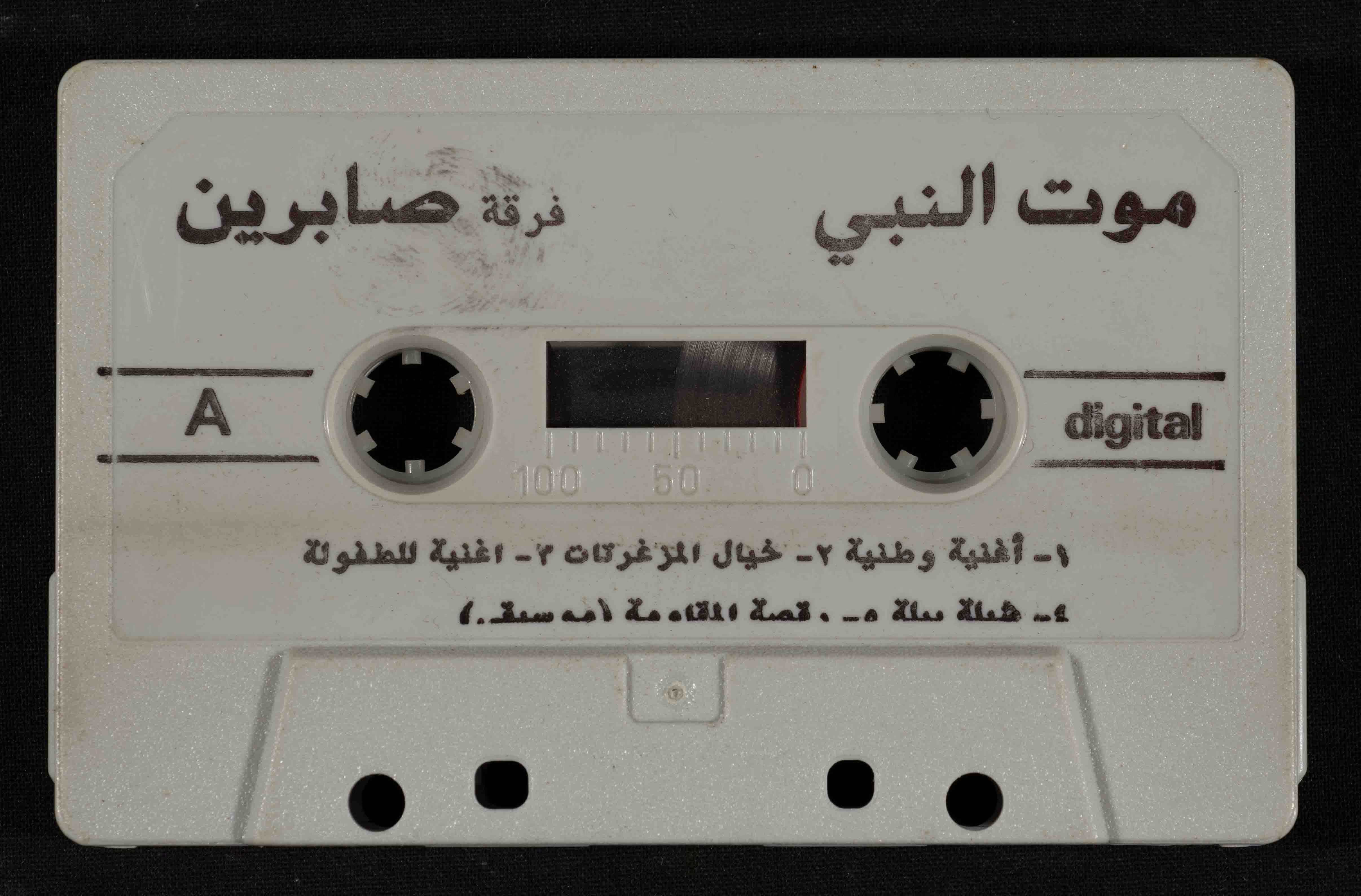
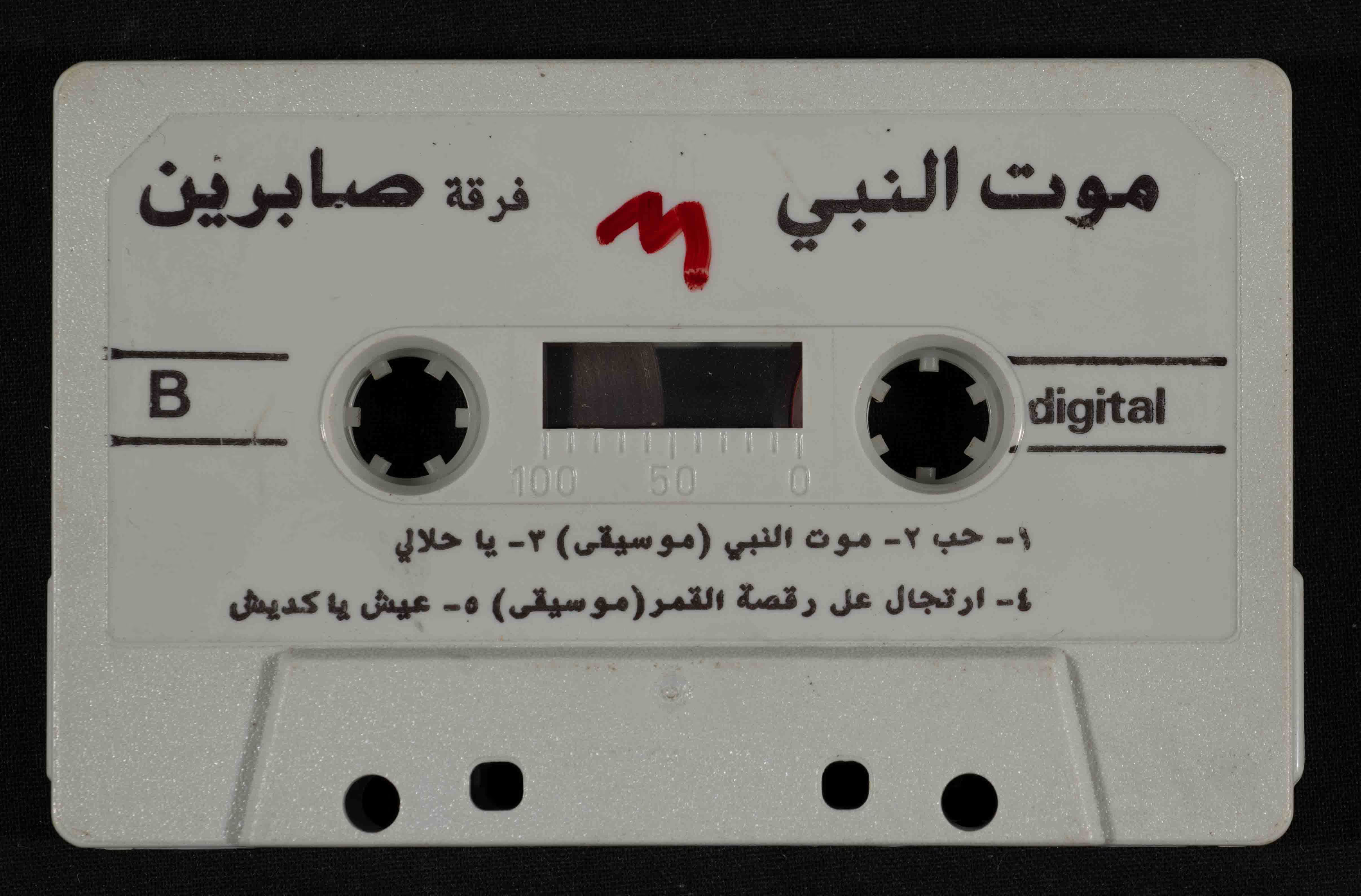
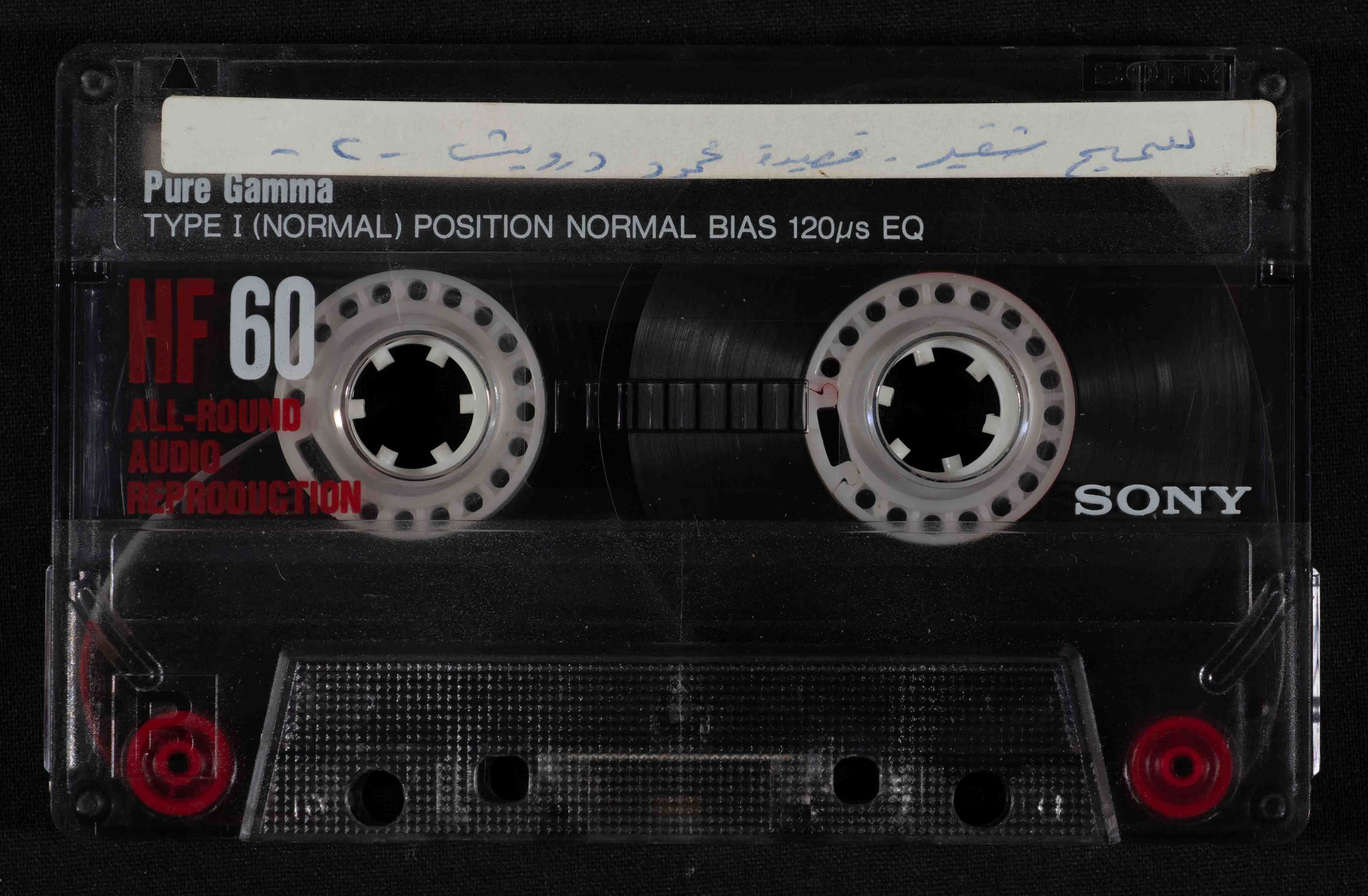
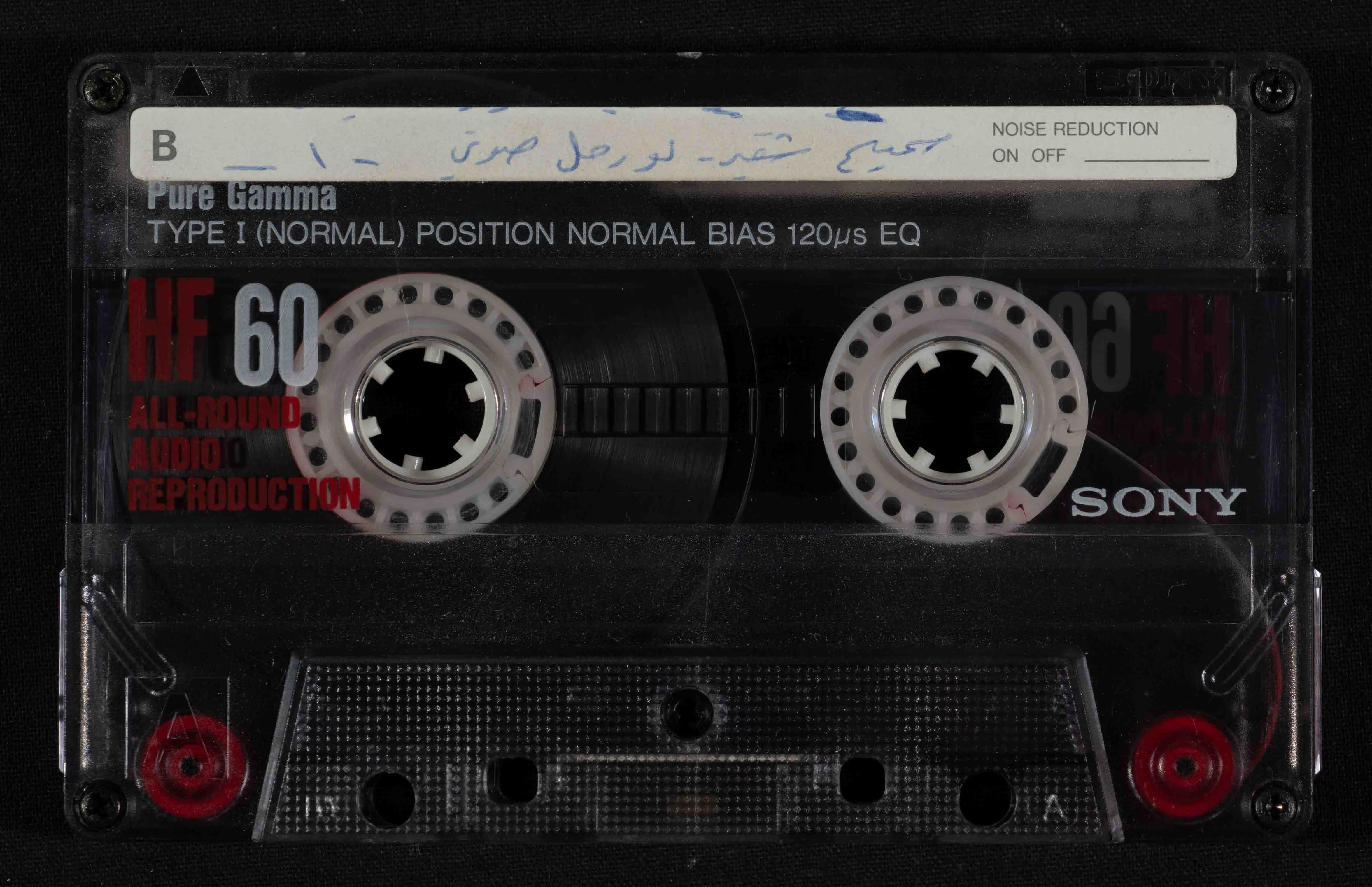
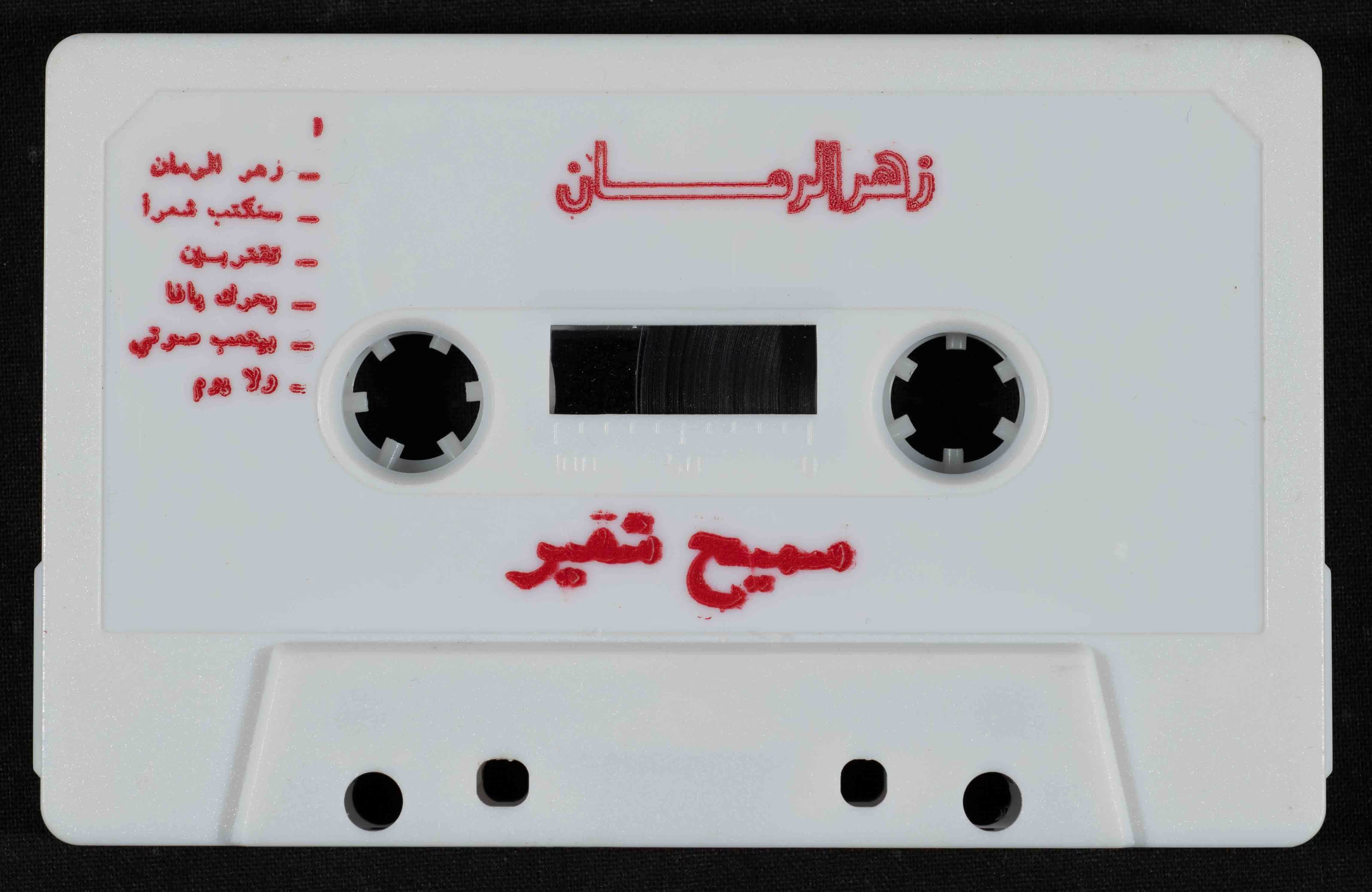
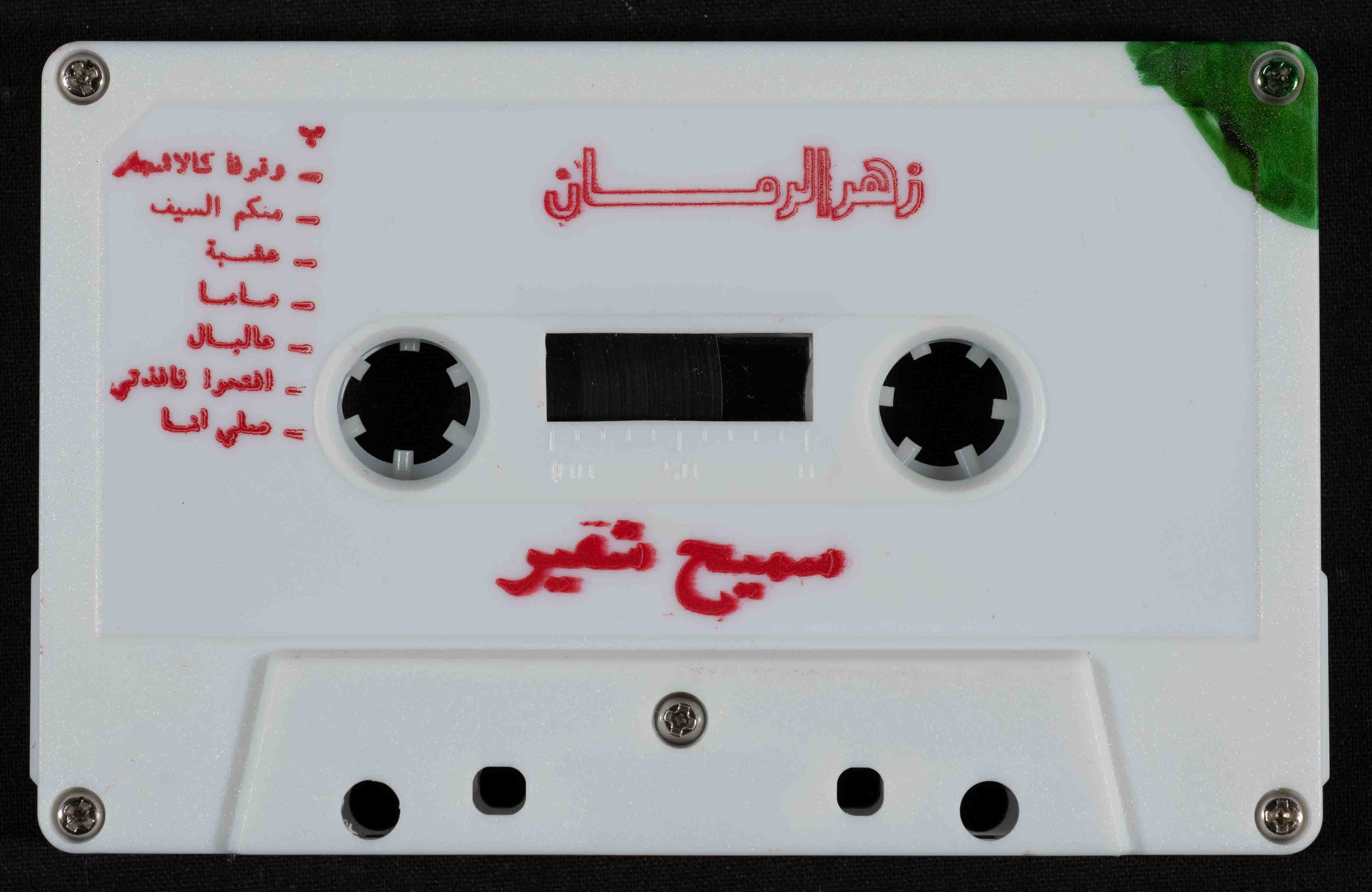
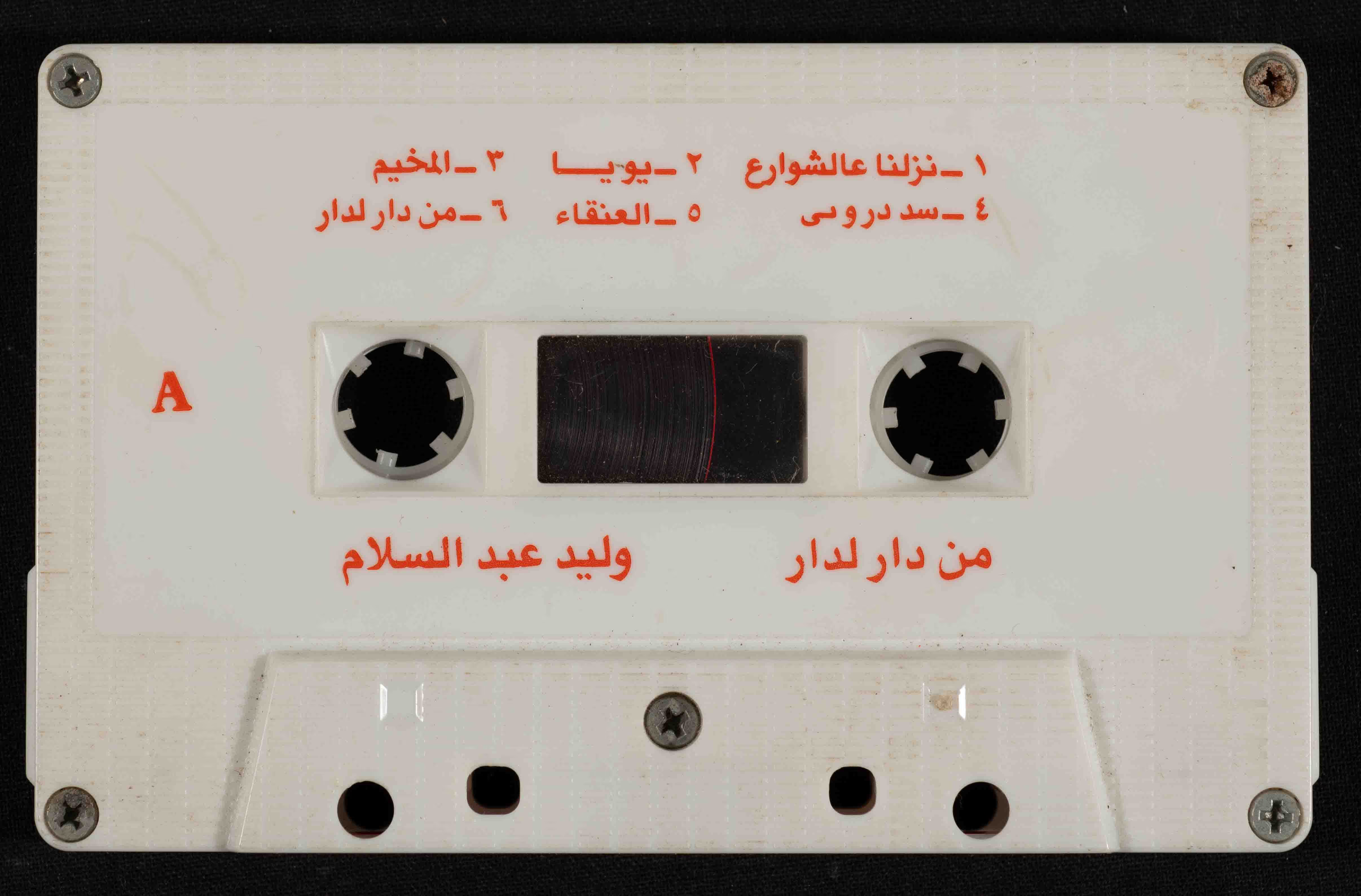
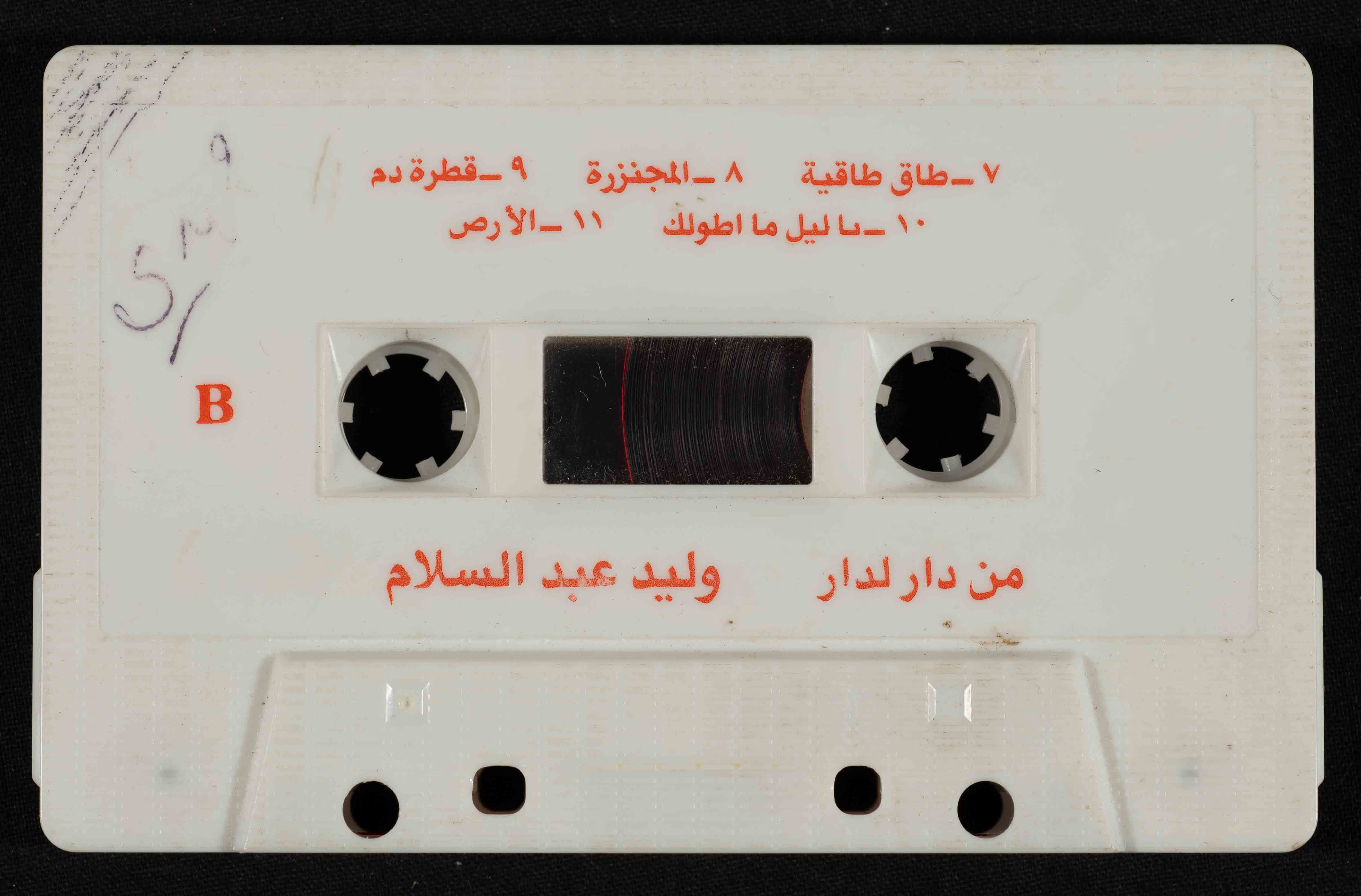
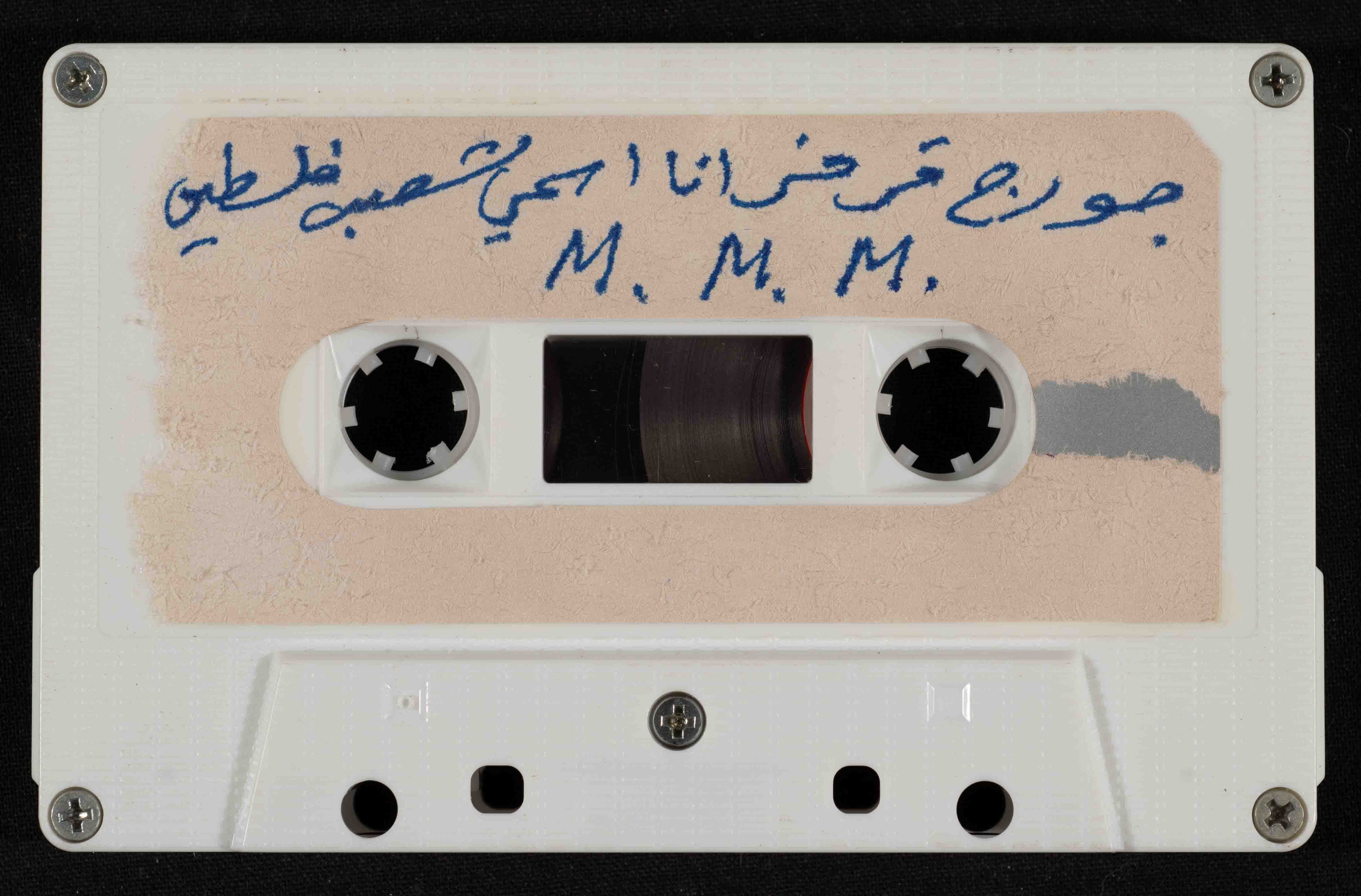
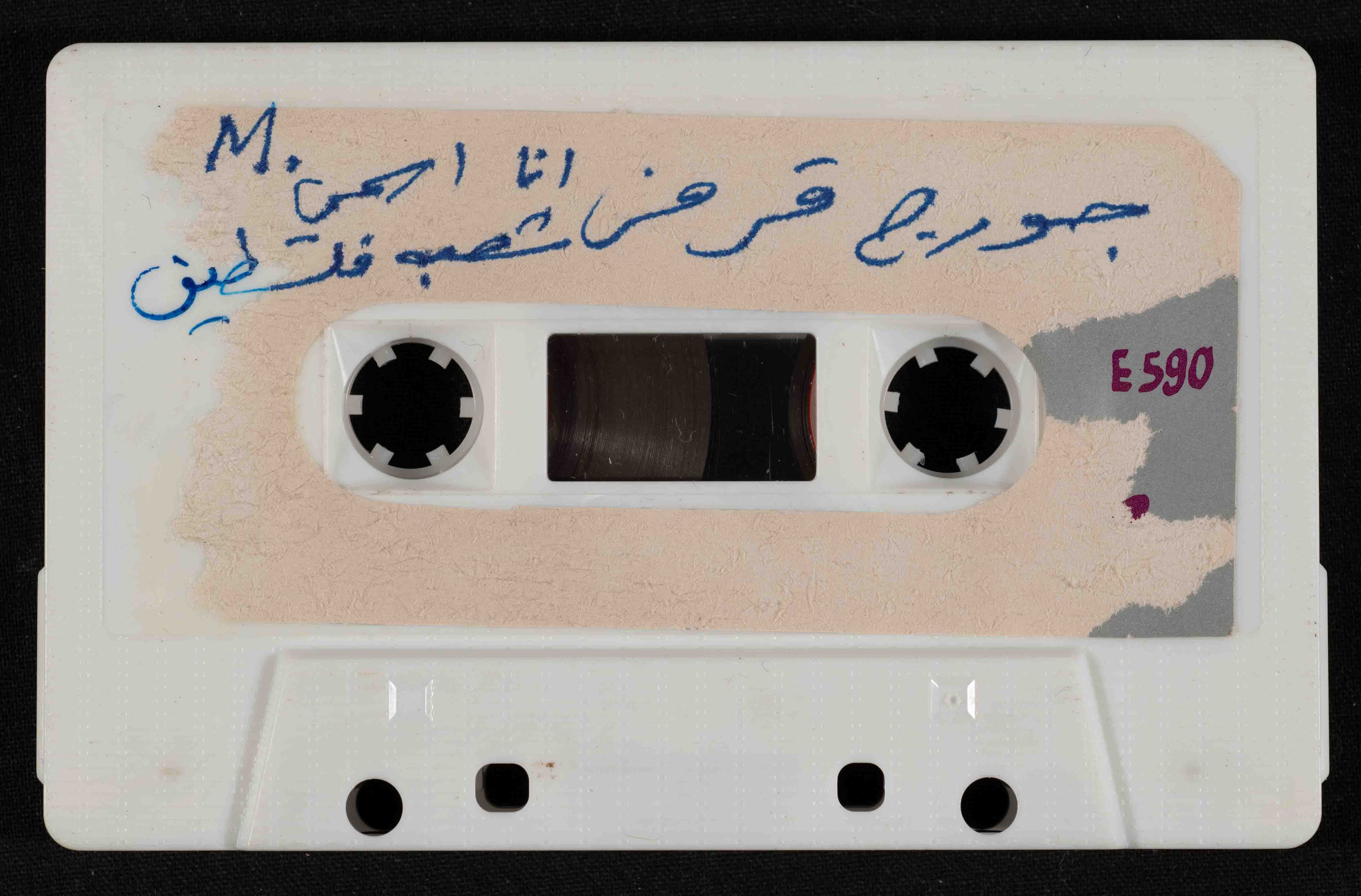
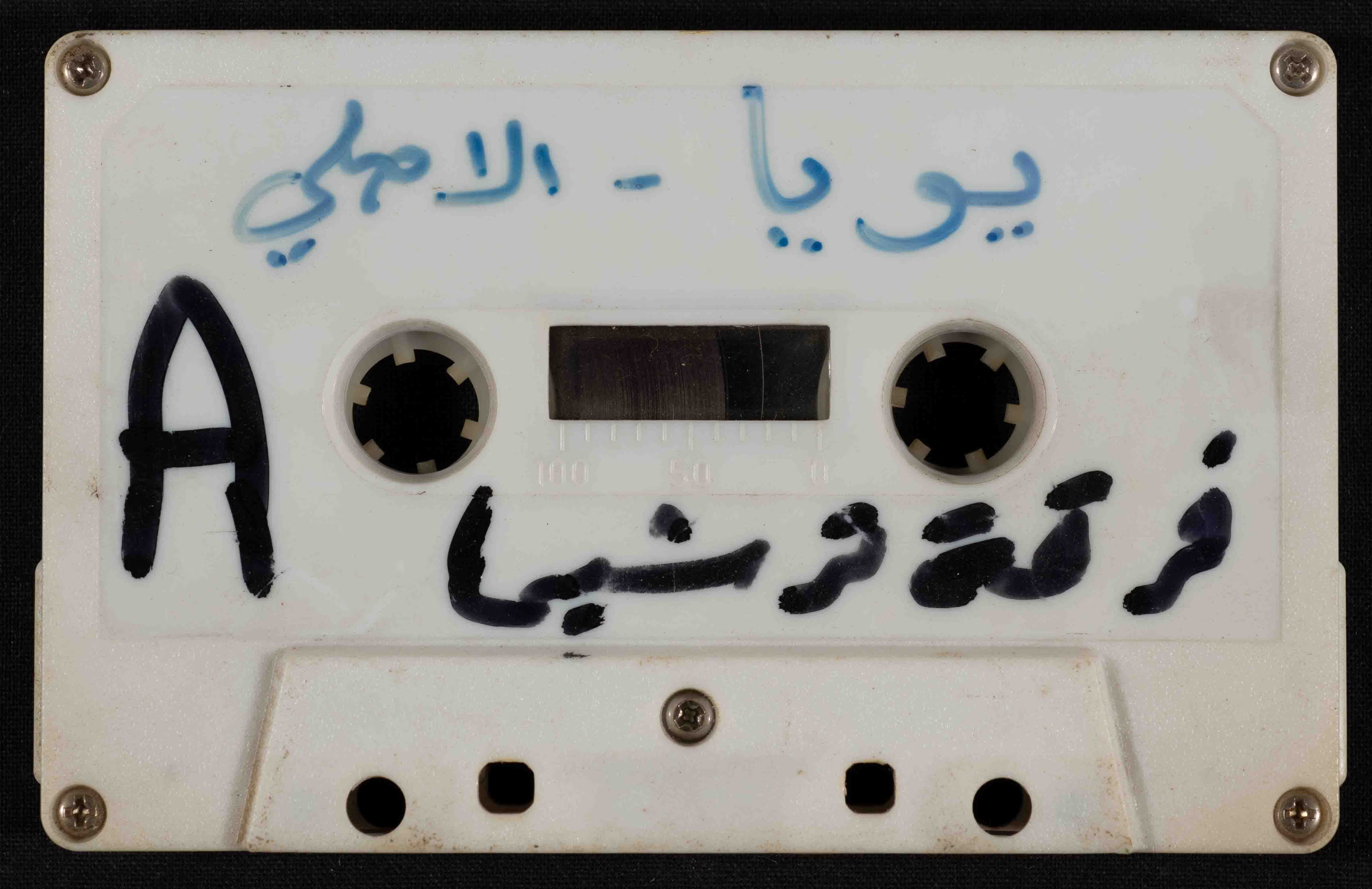
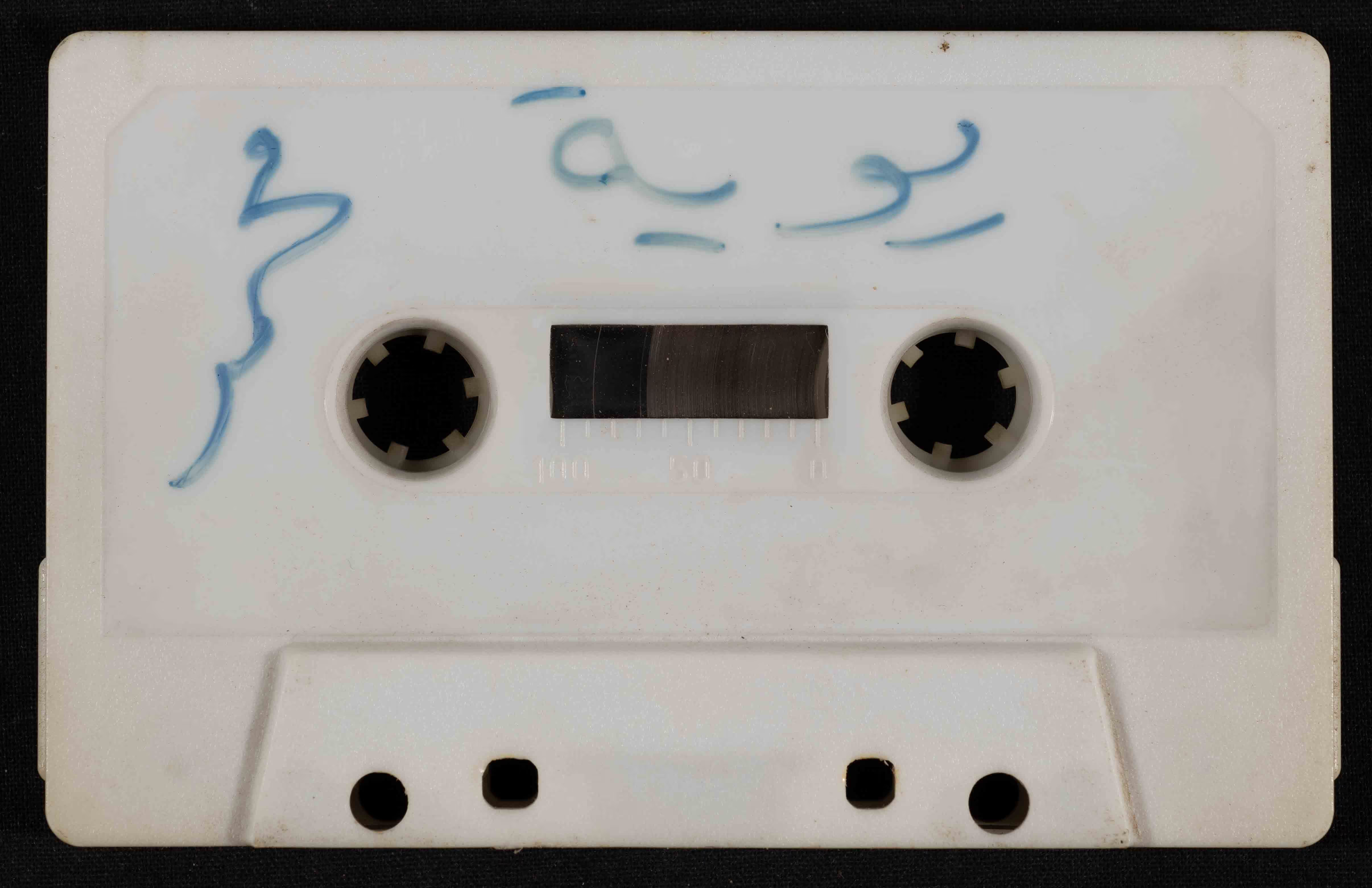
Rajeh al-Salfiti was one of the Palestinian zajal performers whose voices became inseparable from the first intifada. His sung verse travelled across Palestine; he was arrested repeatedly for his national activism, and a bullet lodged near his lungs left him with chronic illness. Rooted in everyday life and in moments of political and social change, Palestinian popular zajal became, in al-Salfiti’s voice, a language of national and revolutionary expression, heard at weddings and community gatherings where sung verse met dabke, stamped rhythms, and collective chanting. Weddings became at once sites of celebration, mobilisation, and mourning. Al-Salfiti recorded many prewedding sahras and wedding zaffas on cassette tapes that later circulated across Palestine.
This video shows al-Salfiti performing at the wedding sahra and zaffa of his grandson Bilal Odeh in Salfit in 1986. Across the gathering and procession, he performs traditional and nationalist songs interwoven with zajal verse.

Fatima Al-Muhib
Fatima Ibrahim Al-Muhib (1927–2006)The artist Fatima Ibrahim Al-Muhib was born on January 10, 1927, in the Hawsh Al-Shawish neighborhood within the walls of the Old City of Jerusalem. She grew up in humble circumstances and lost her father at a young age, but she managed to complete her secondary education in Jerusalem. Her talent for drawing blossomed from childhood, challenging the traditional view of art at that time.
From her early years, her exceptional ability to express herself through color and line was evident. She painted a portrait of King Farouk, which she sent to him, leading to her receiving a scholarship to Cairo, making her the first Palestinian woman to travel to study art. She enrolled in the Higher Institute of Fine Arts before continuing her studies in the United States, where she was admitted directly into her third year due to her academic excellence.
She graduated in 1947 with honors.
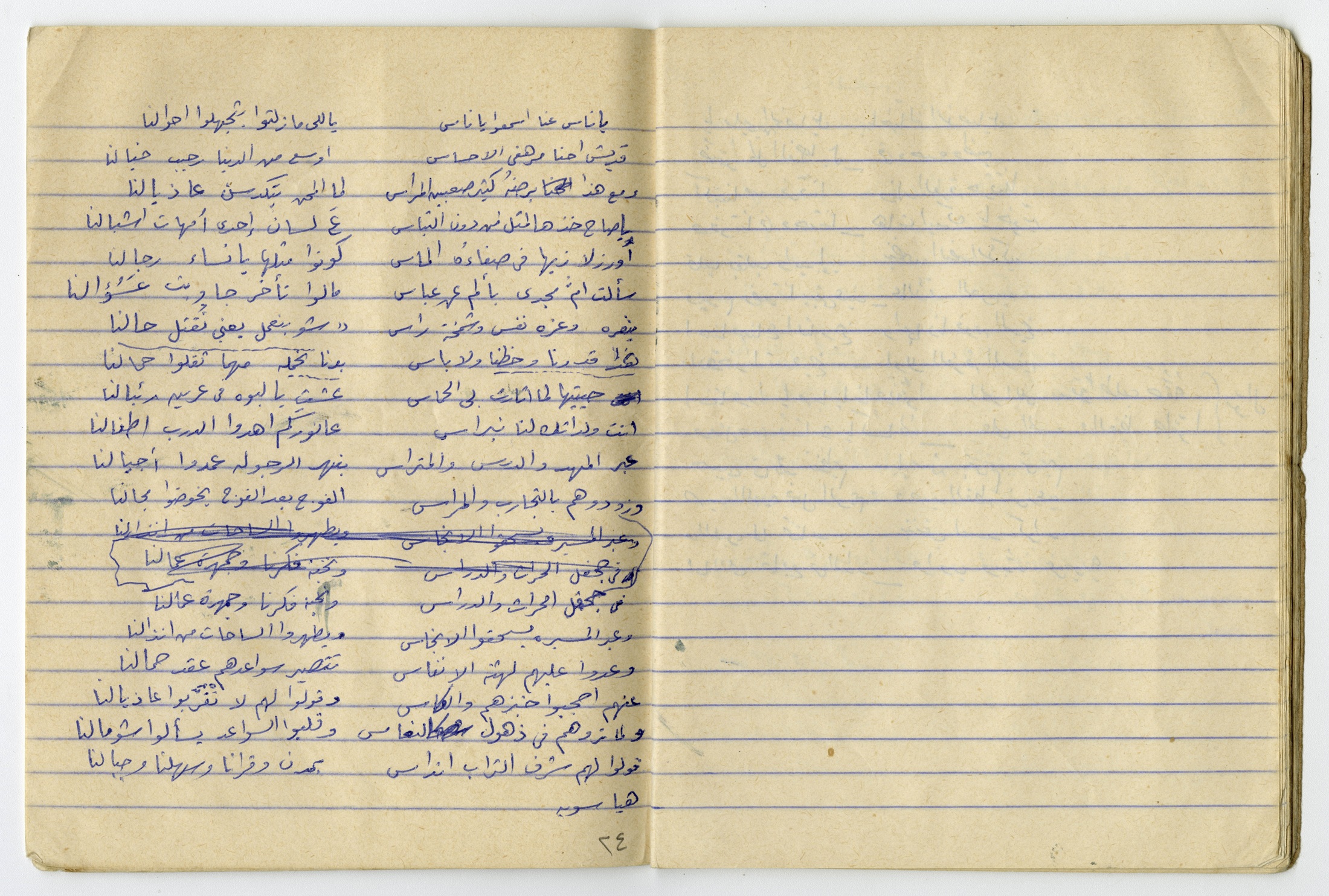
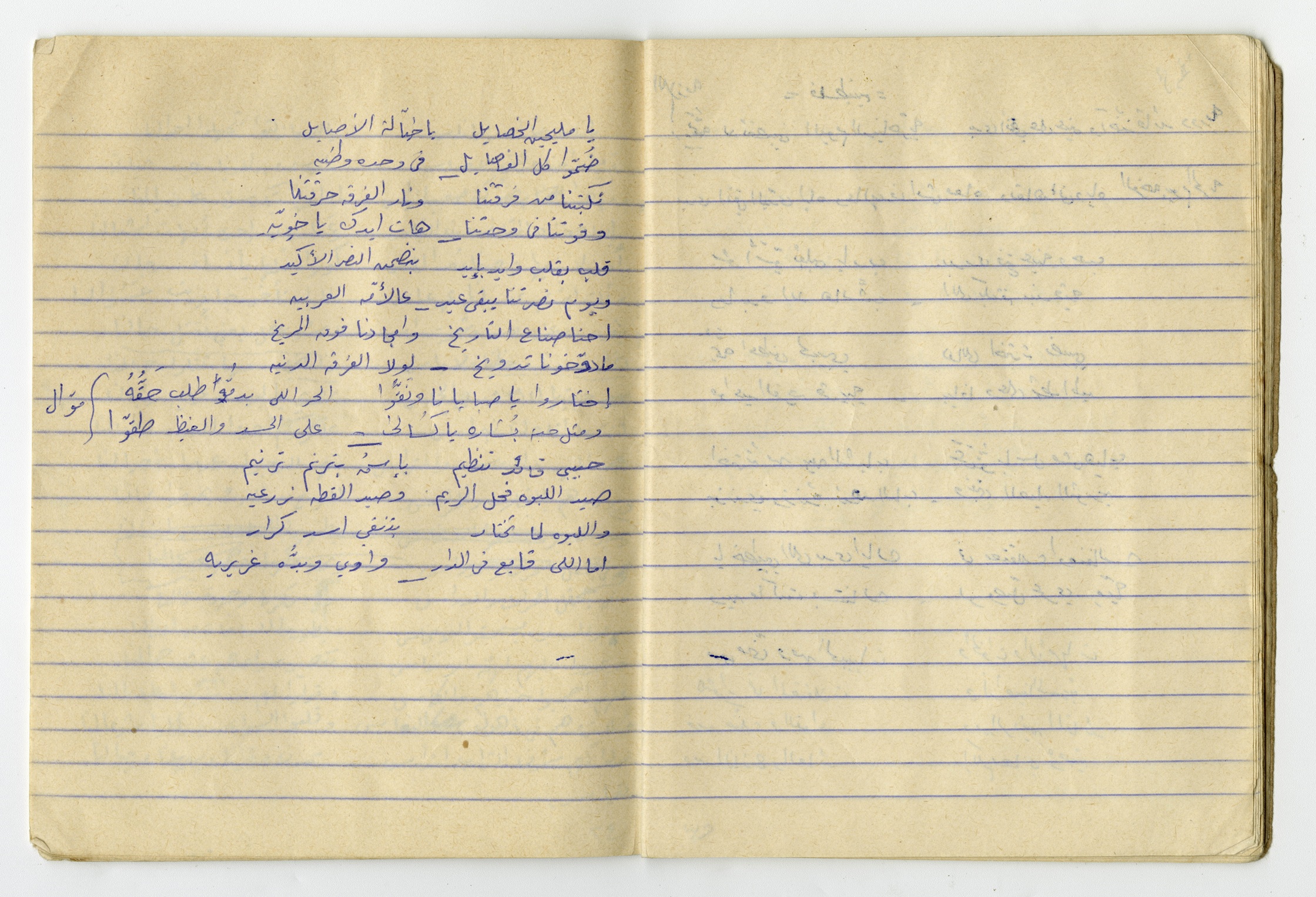
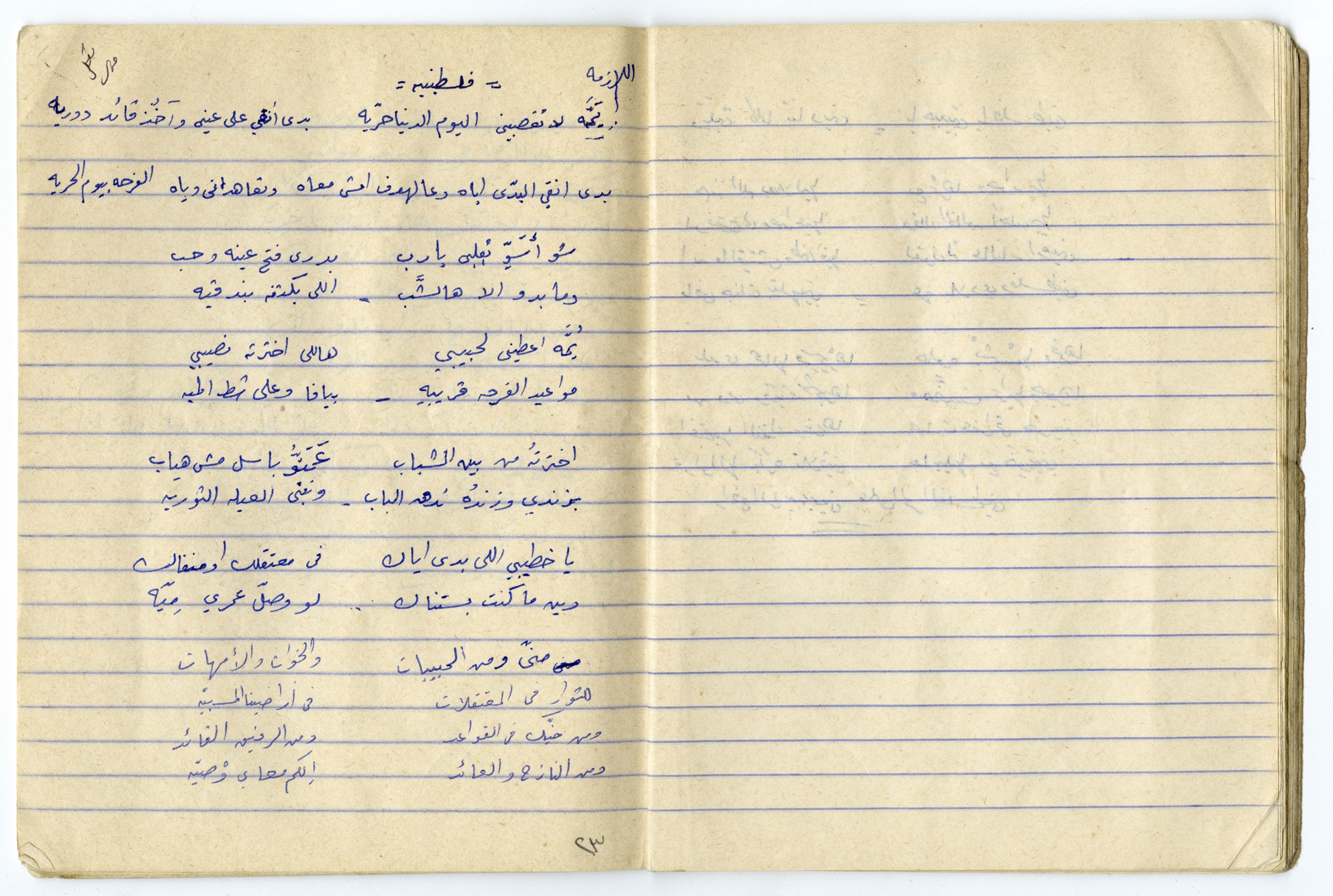
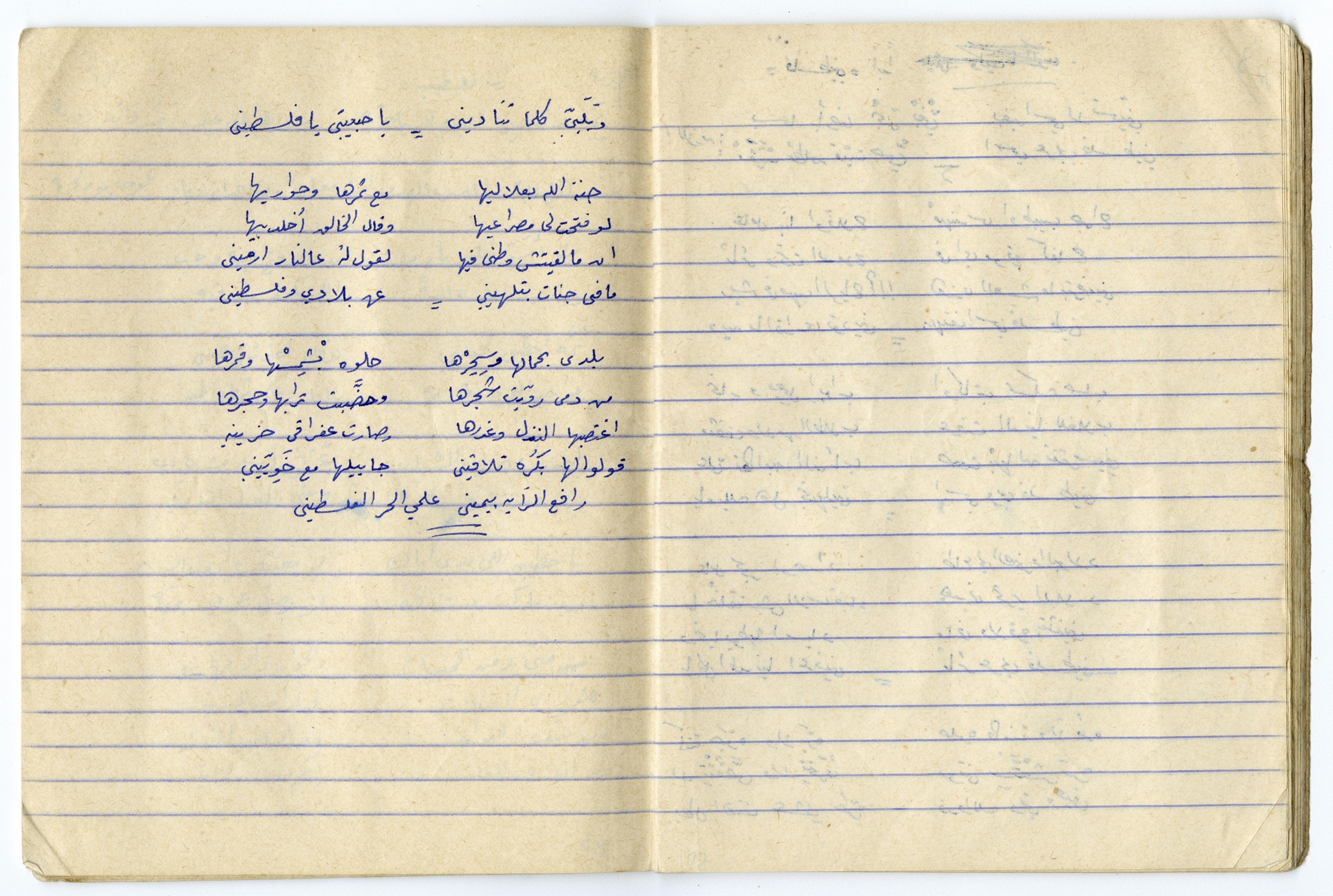
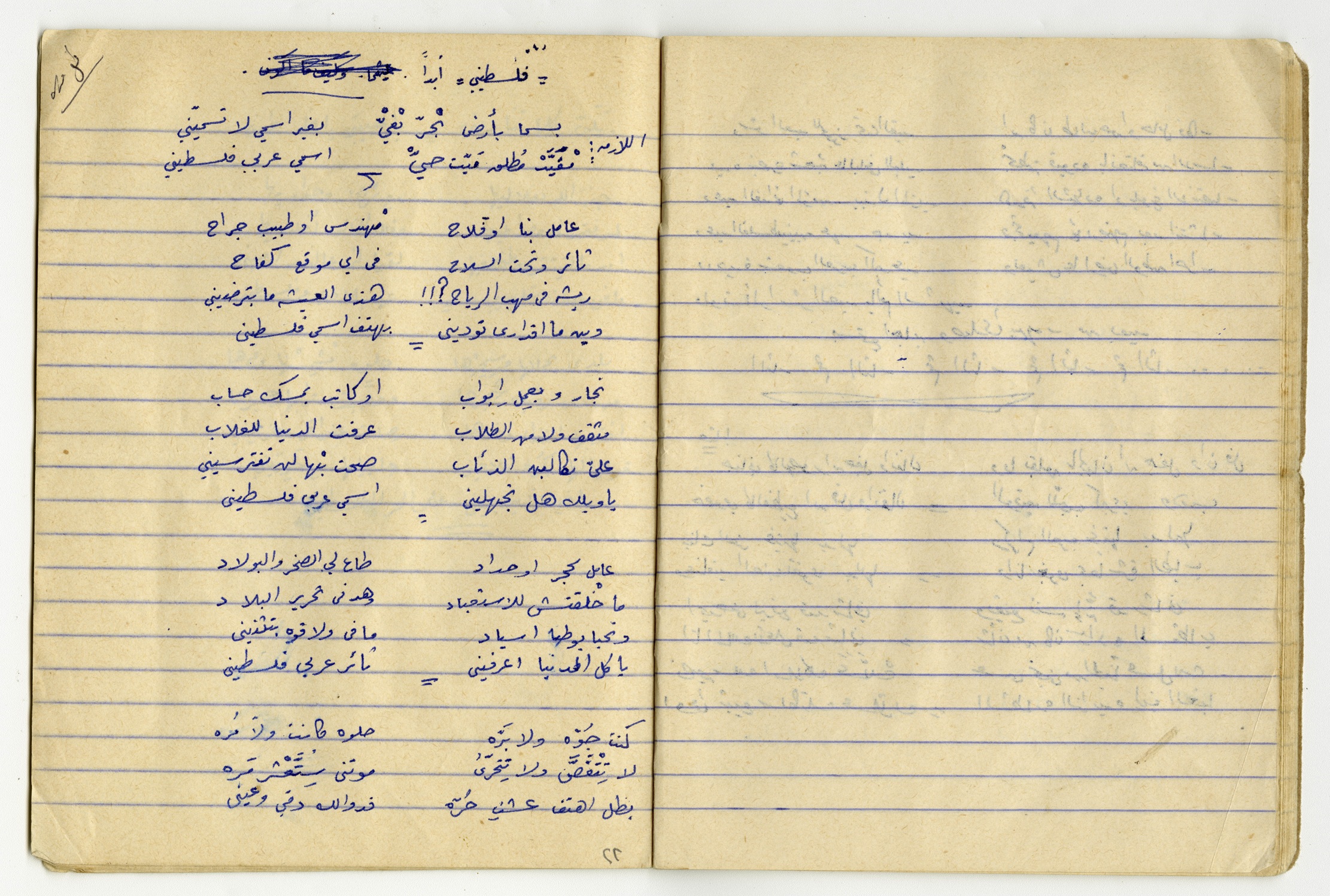
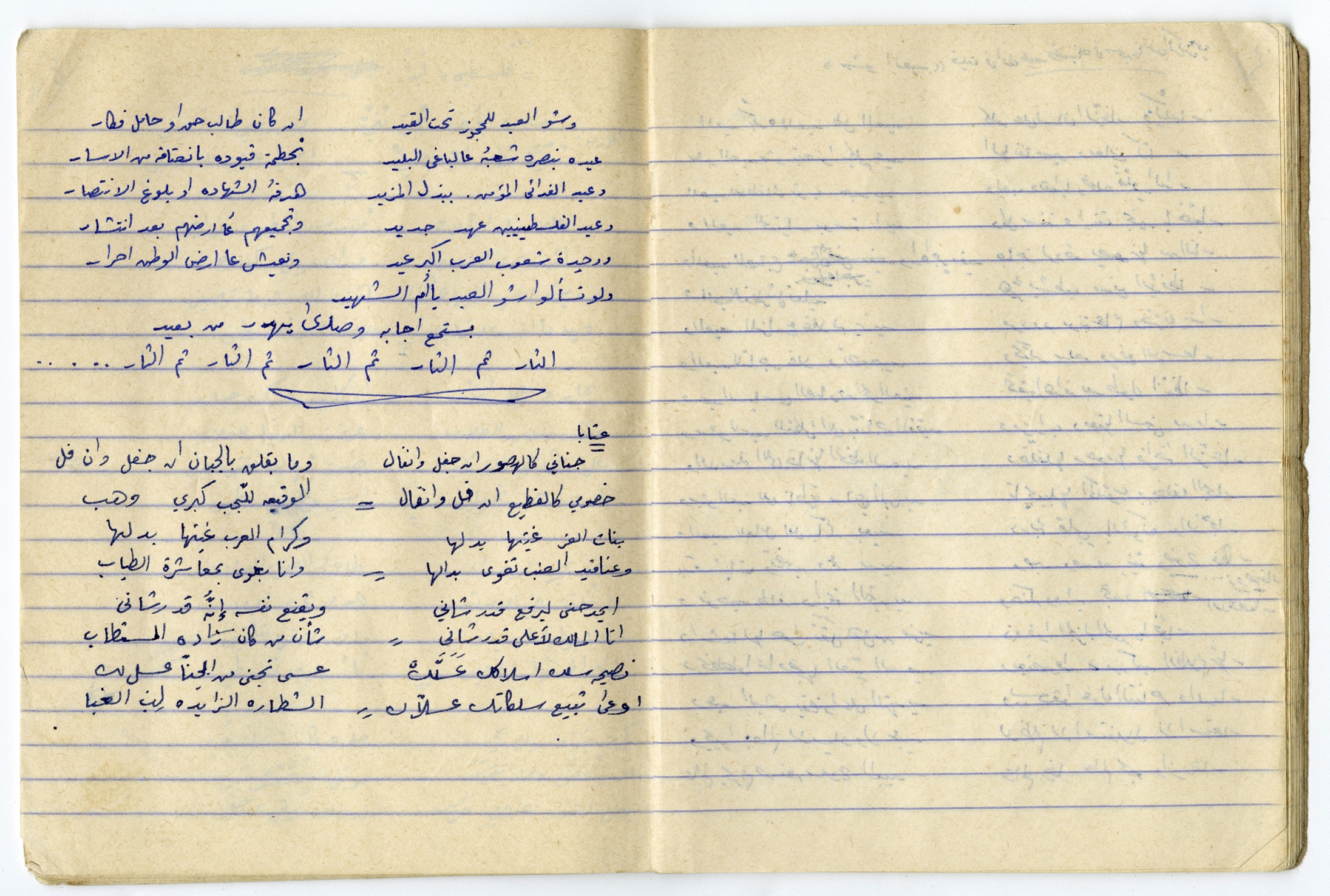
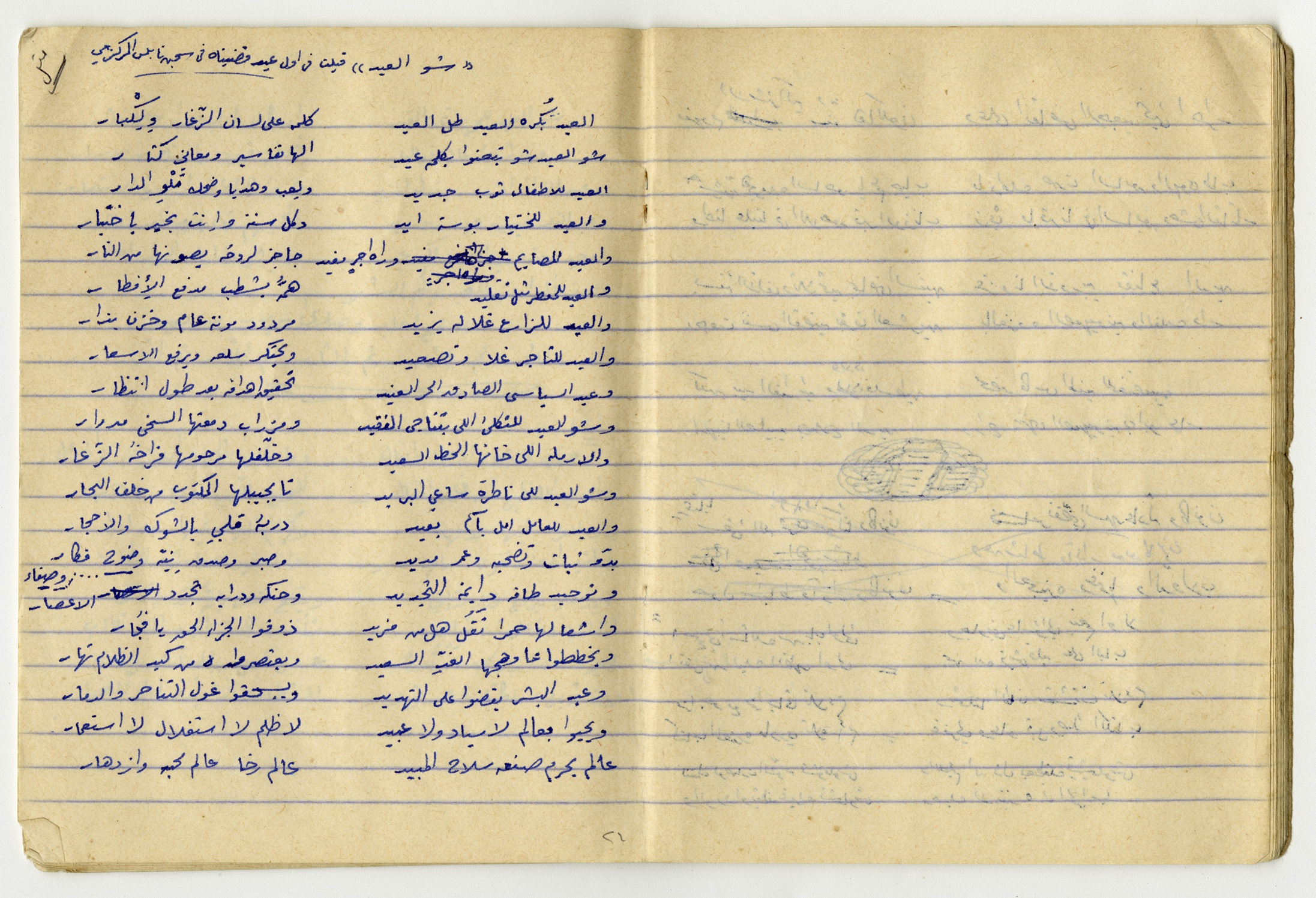
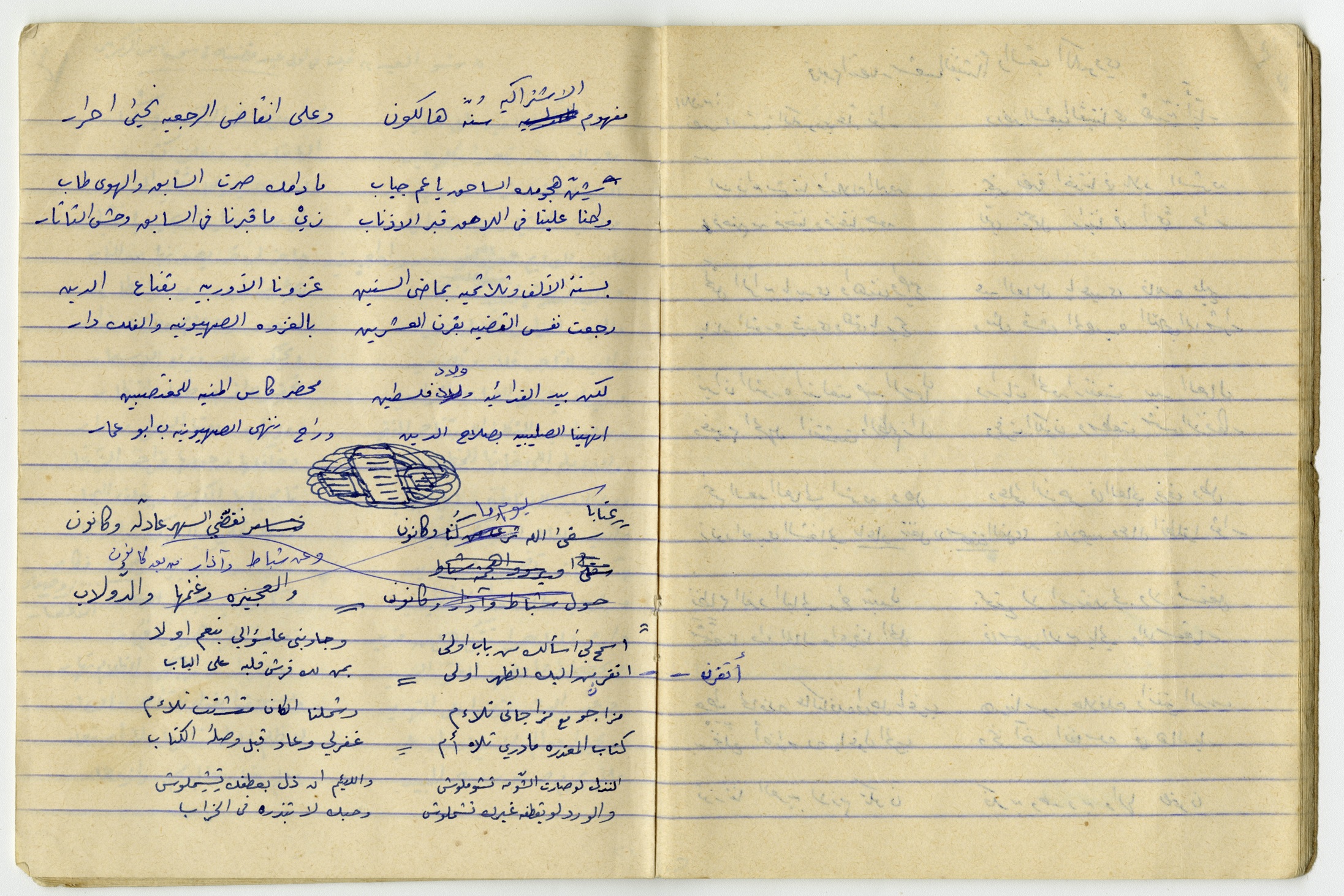
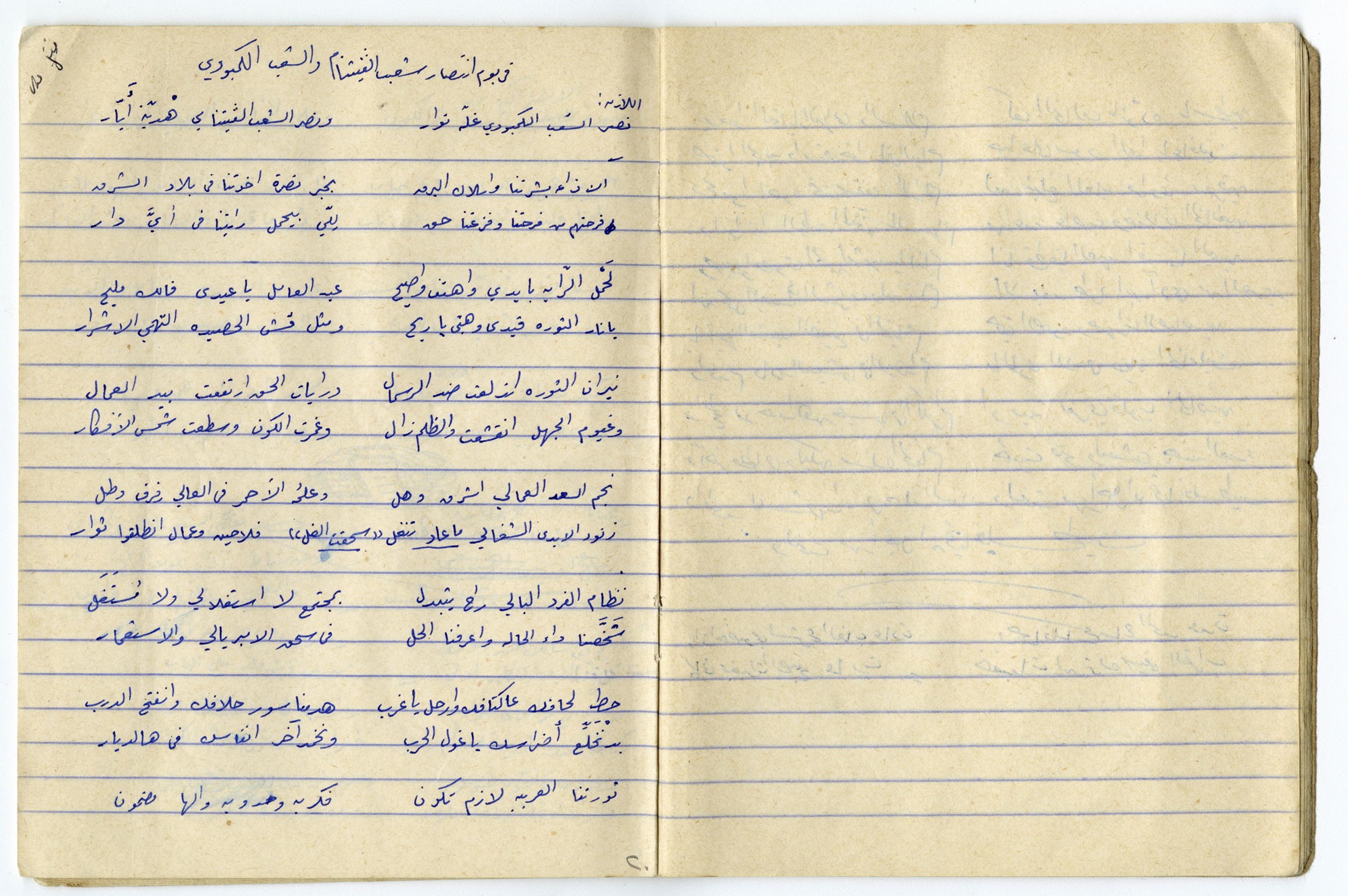
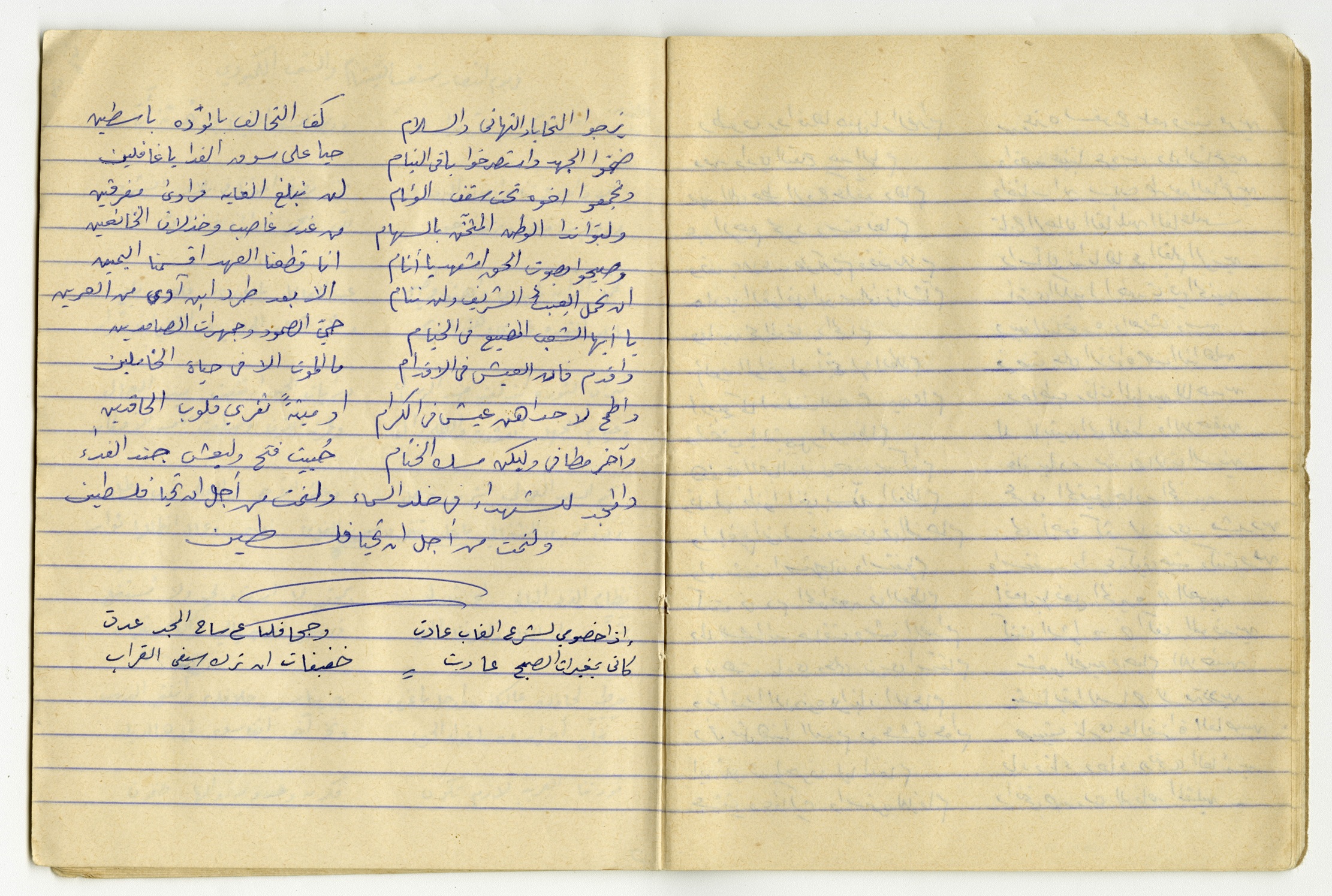
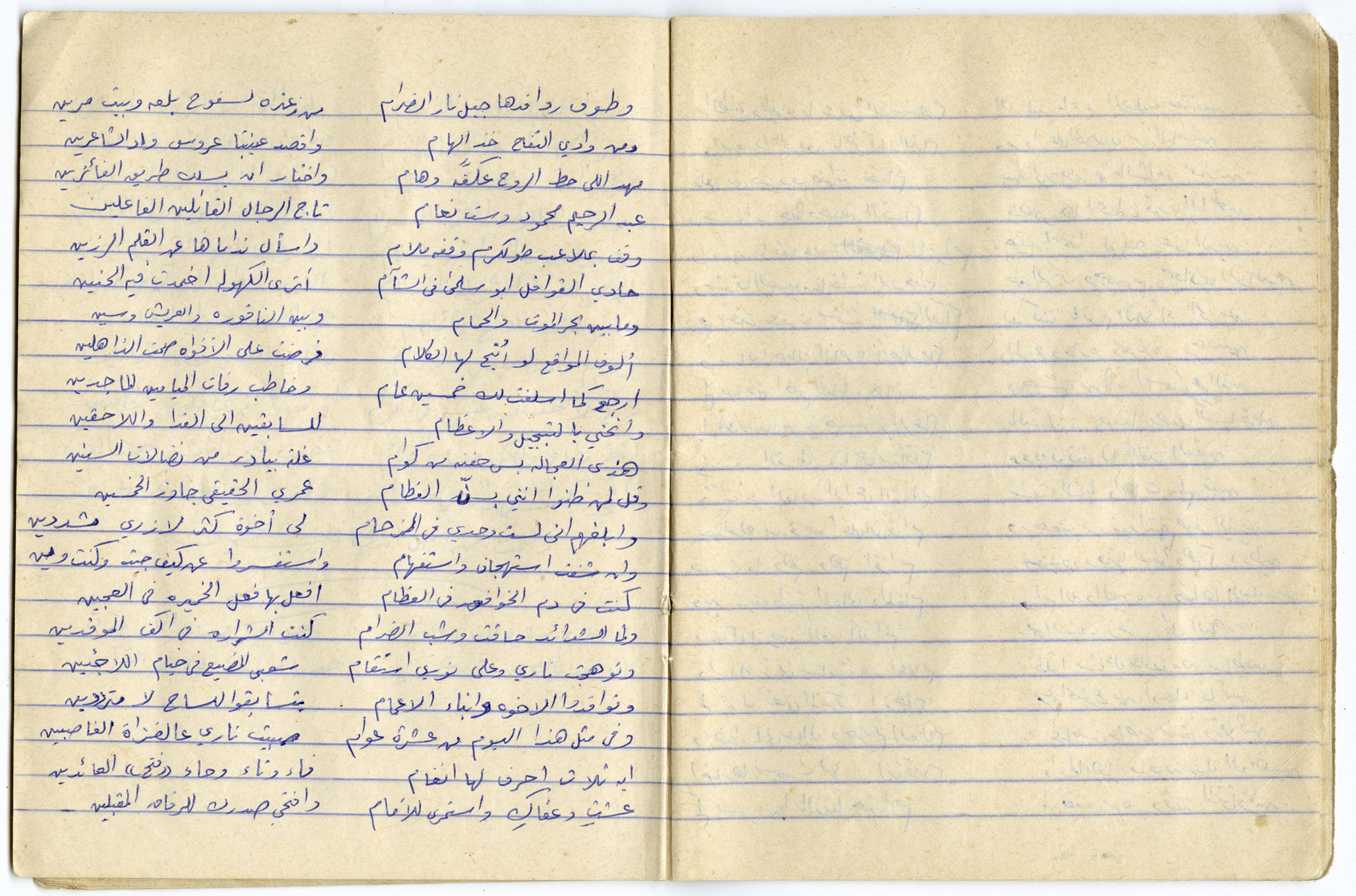
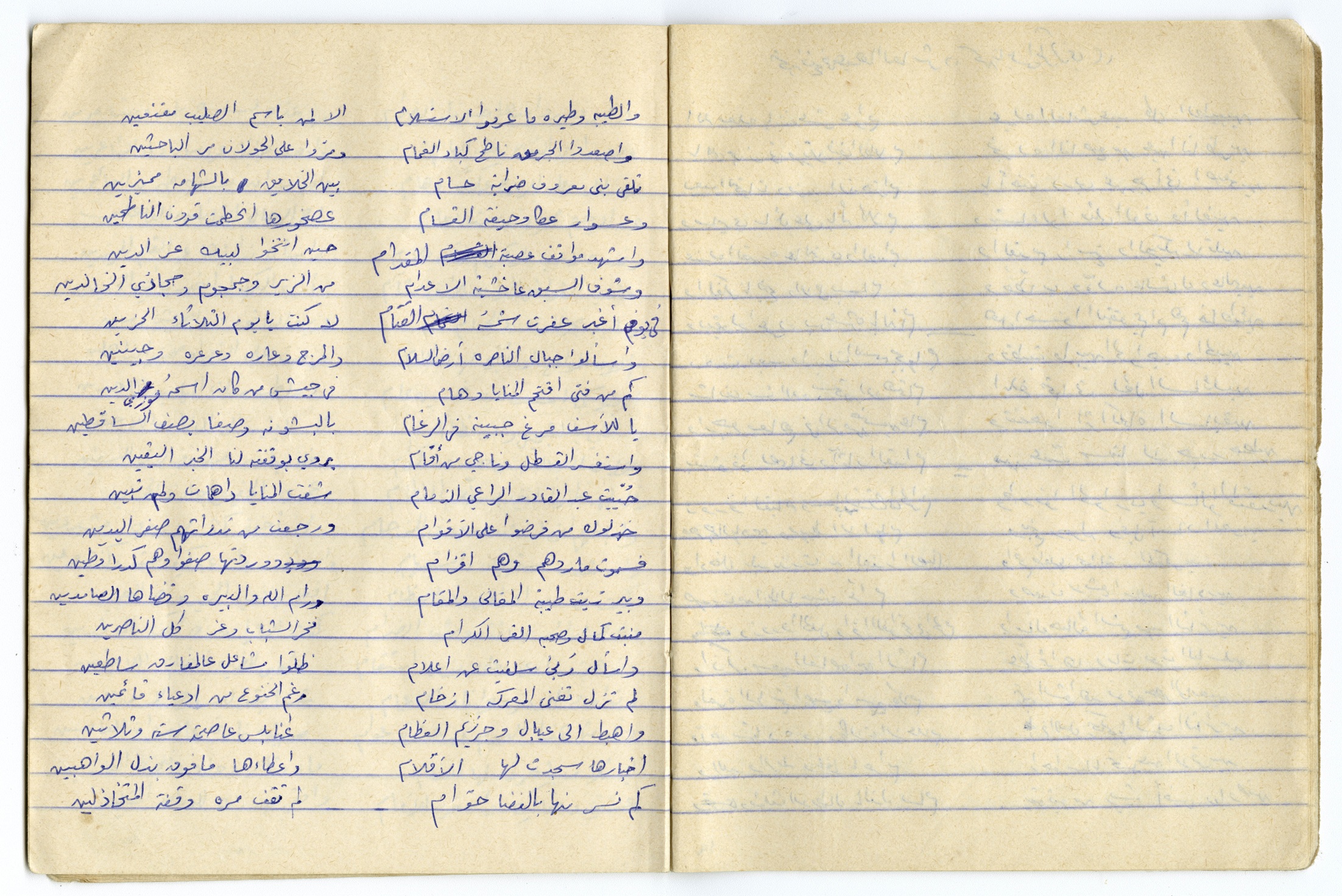
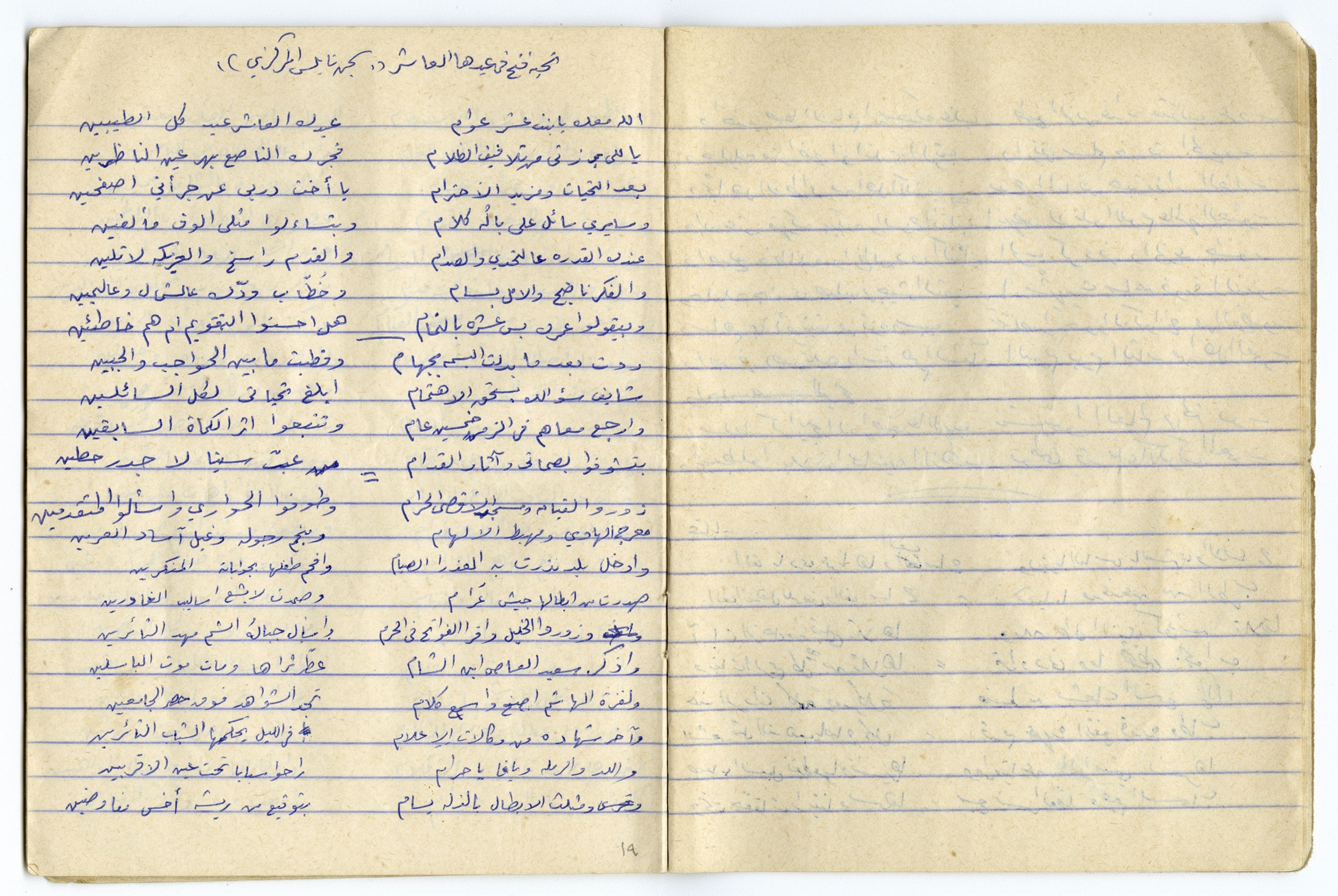
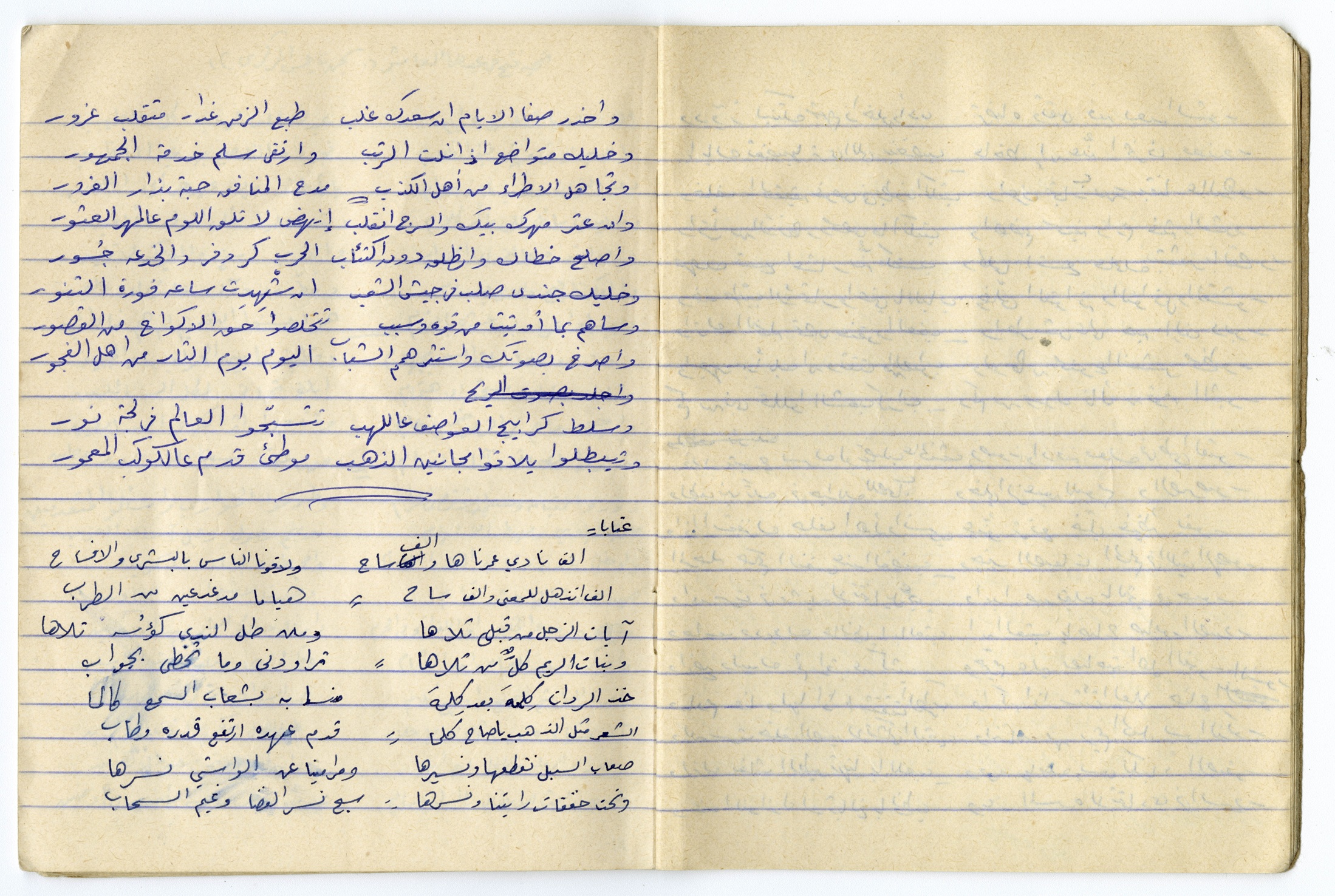
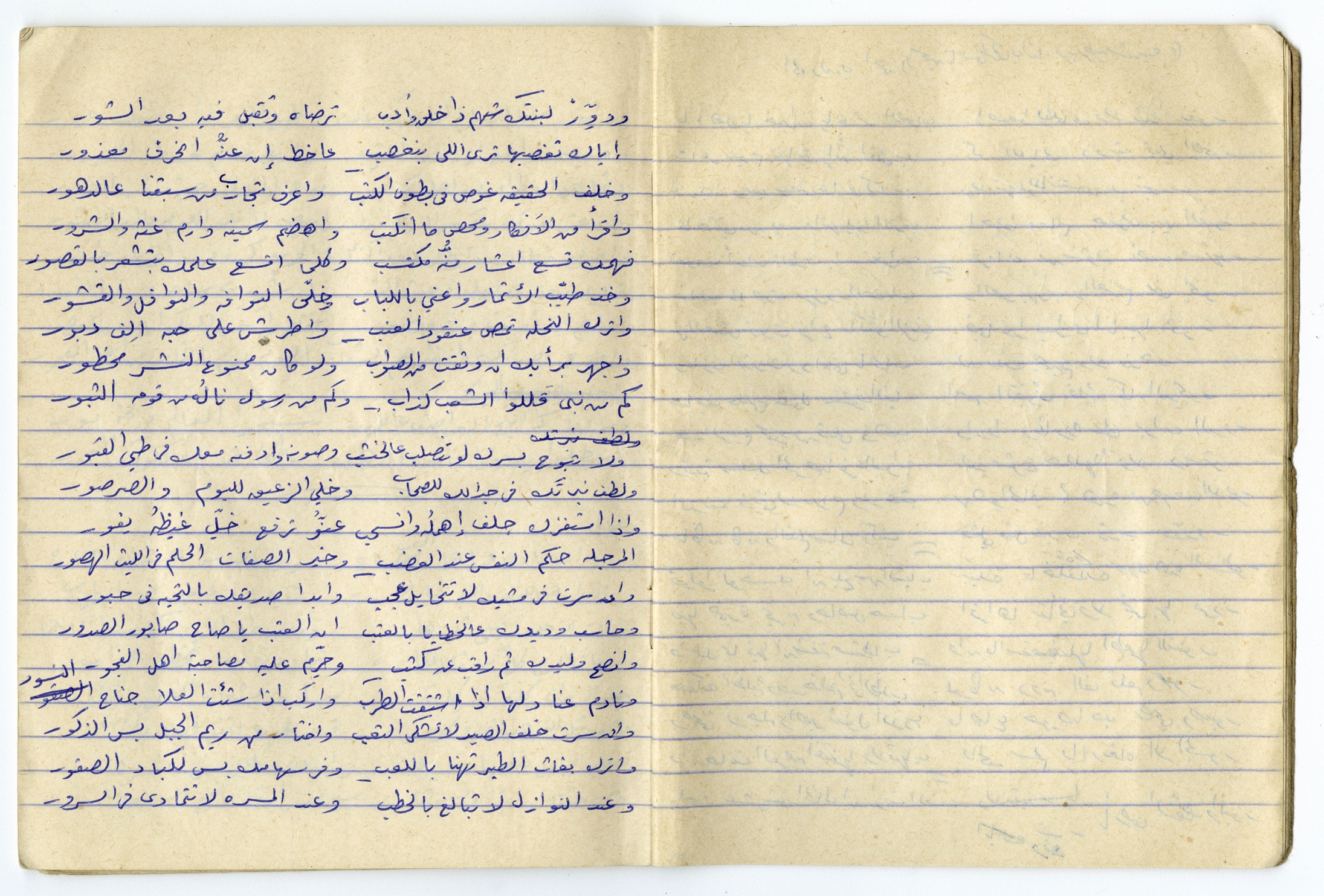
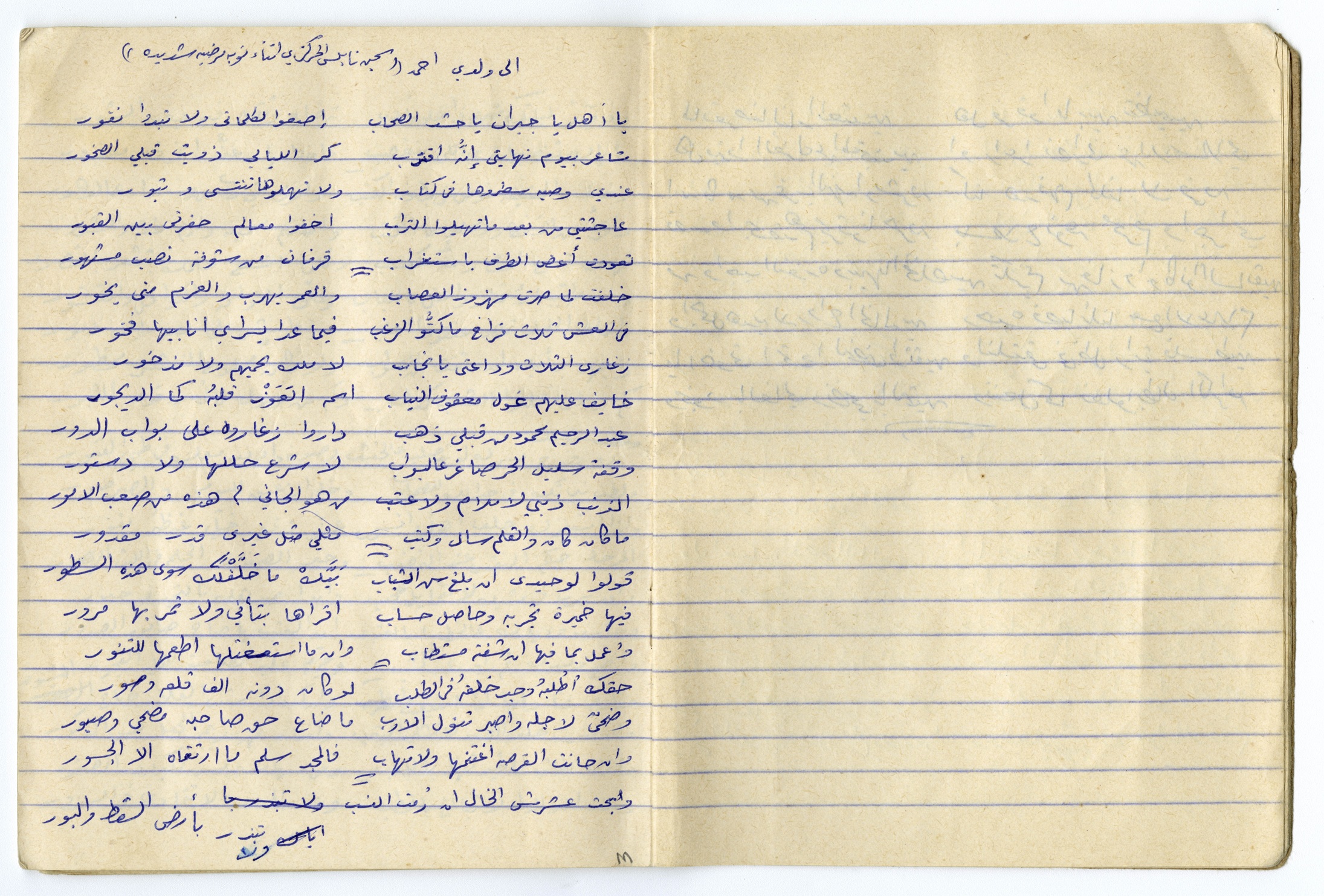
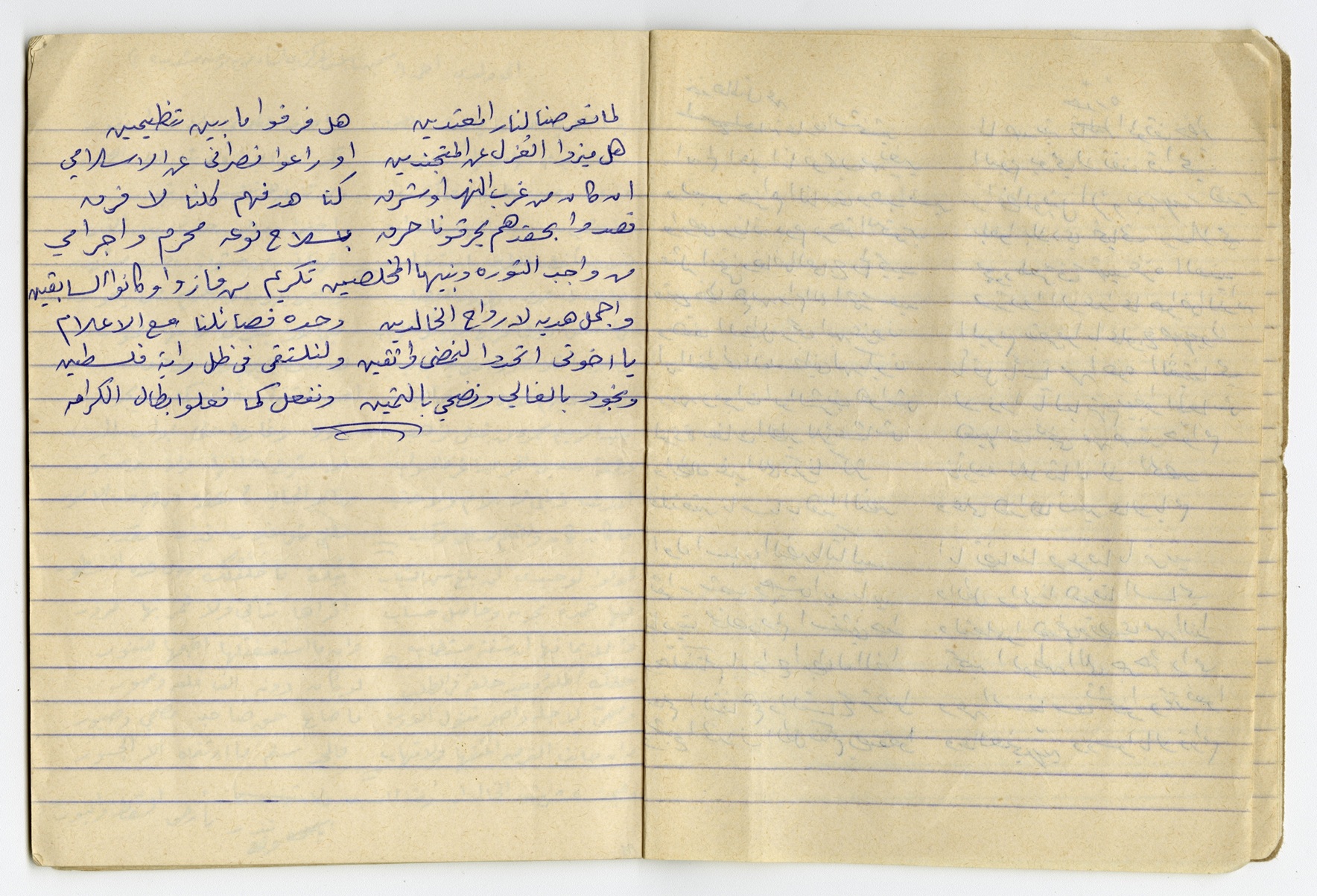
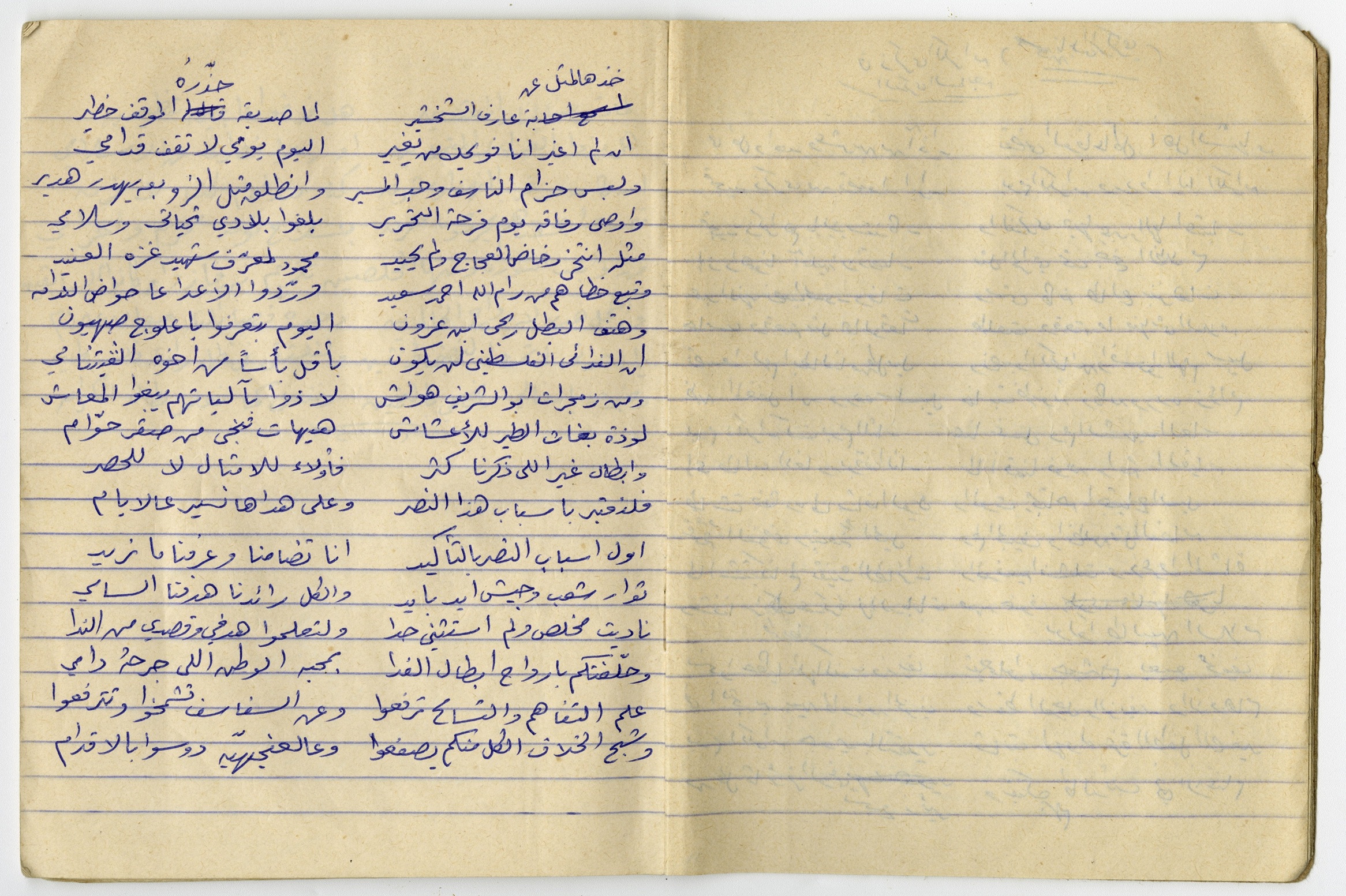
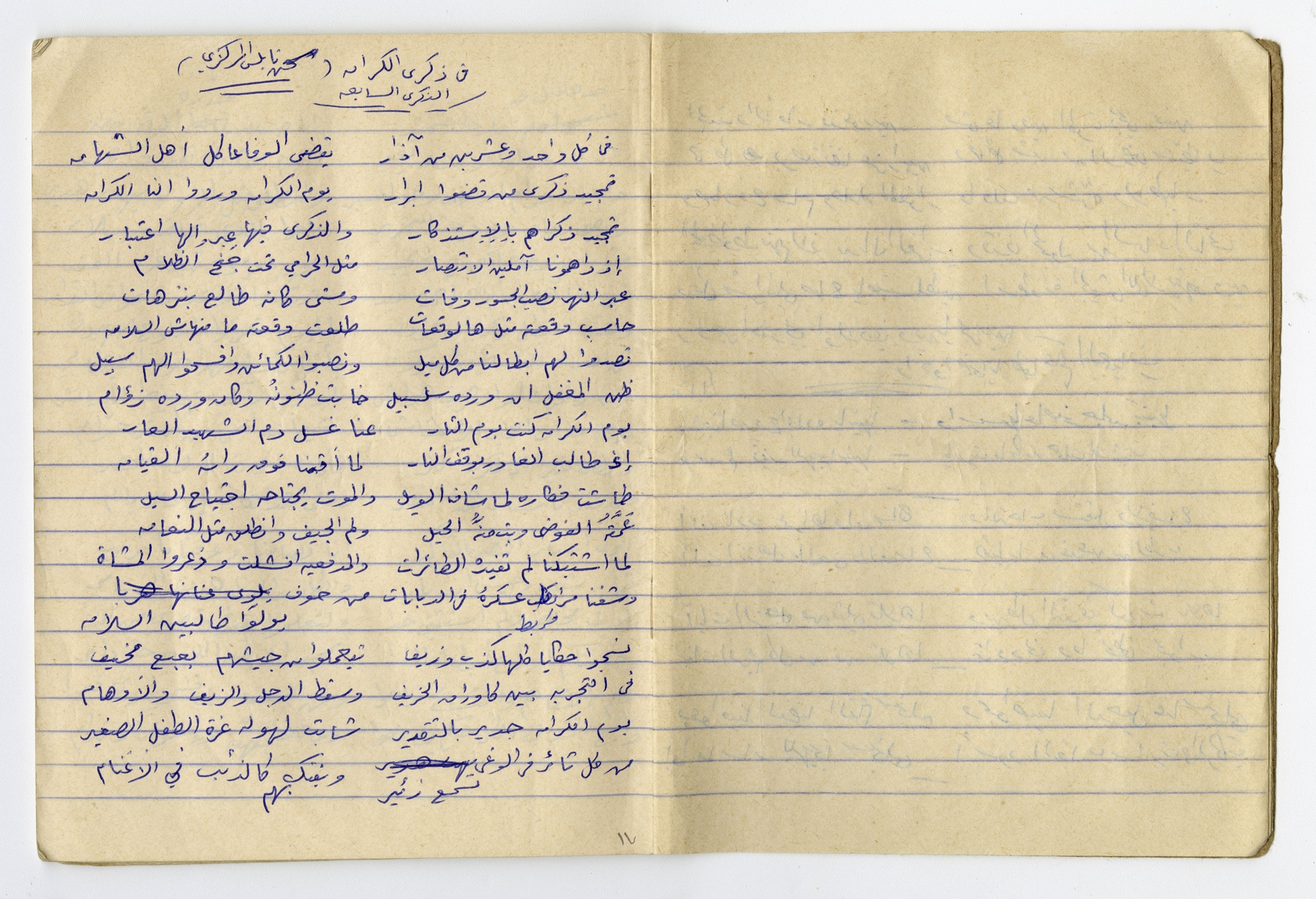
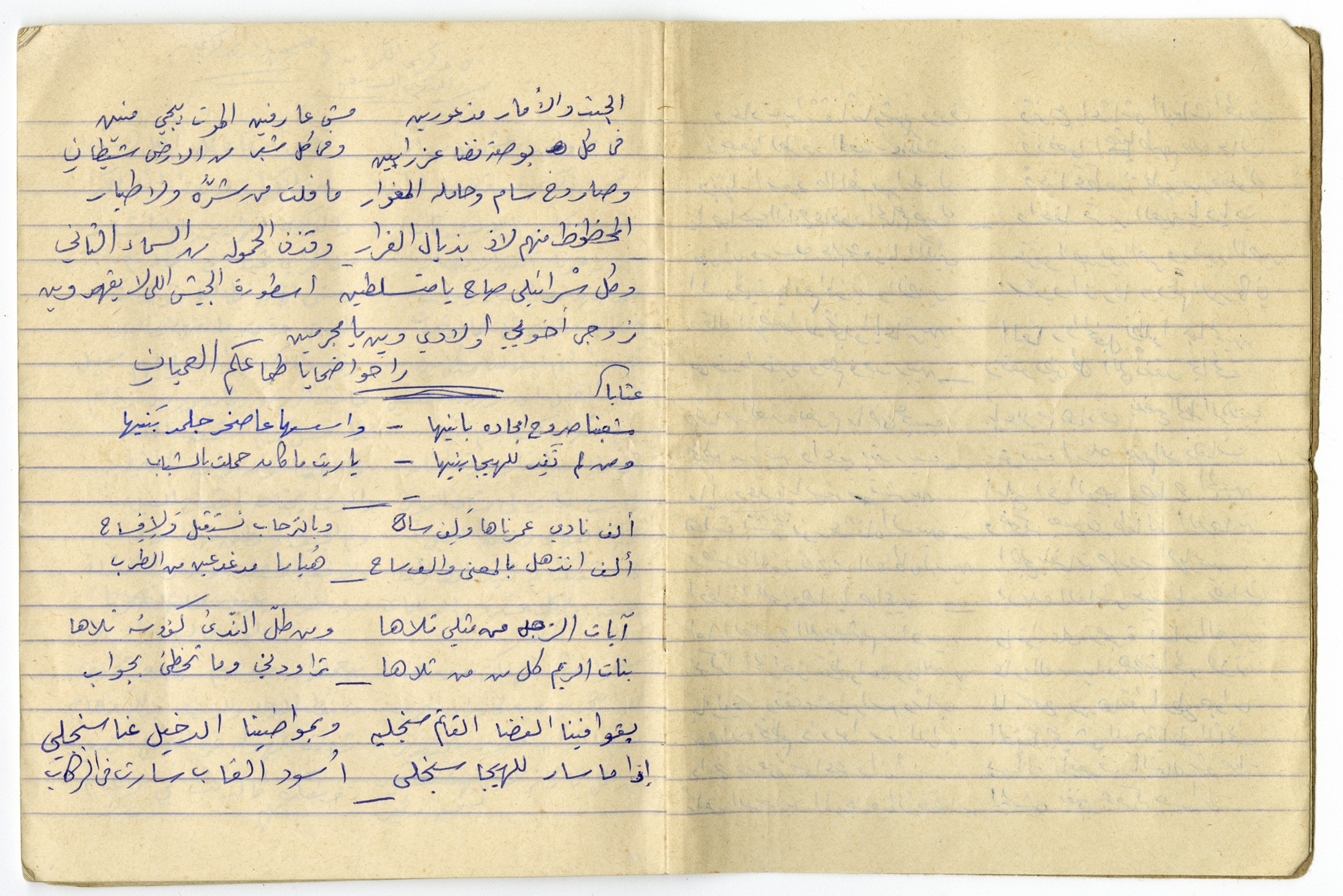
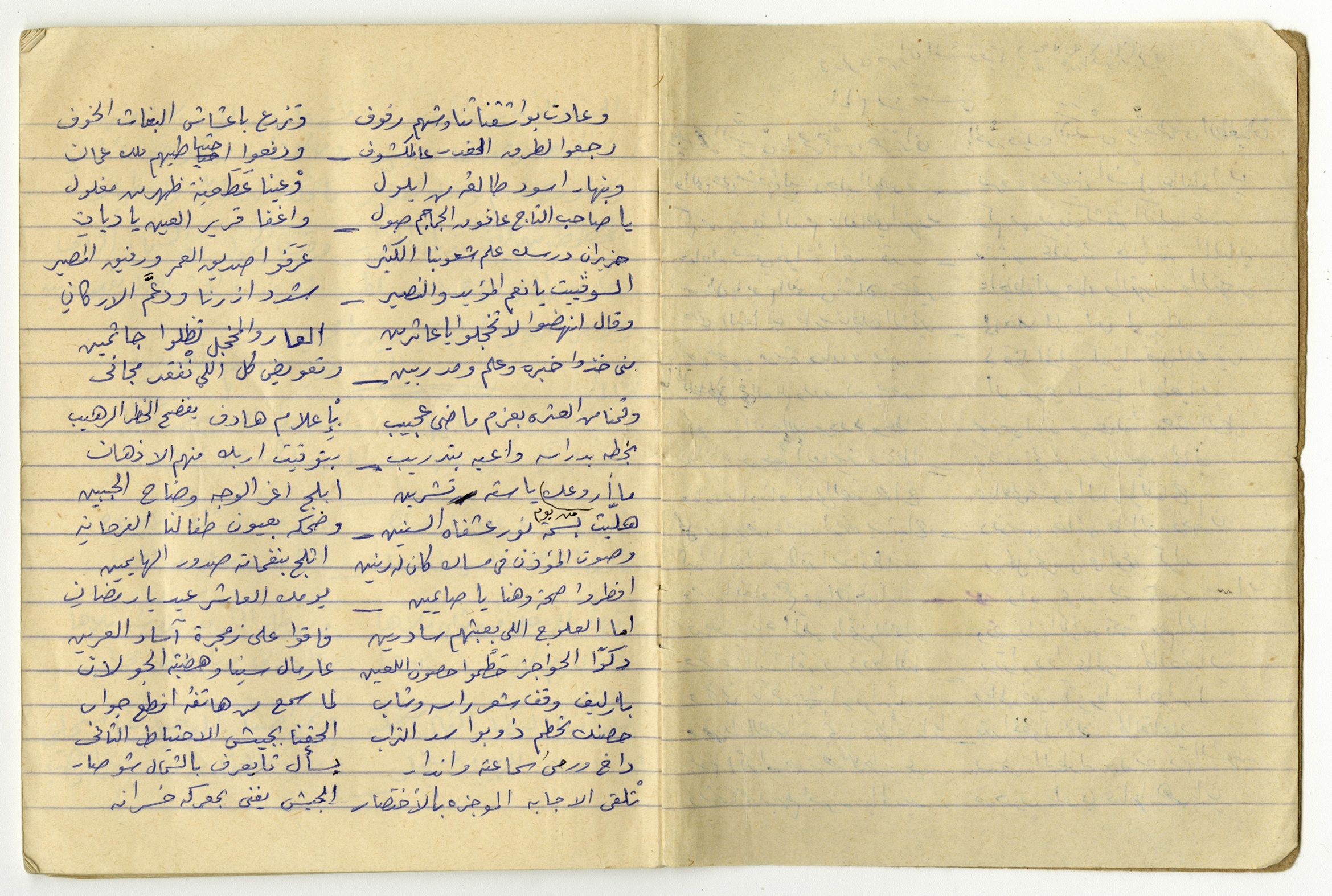
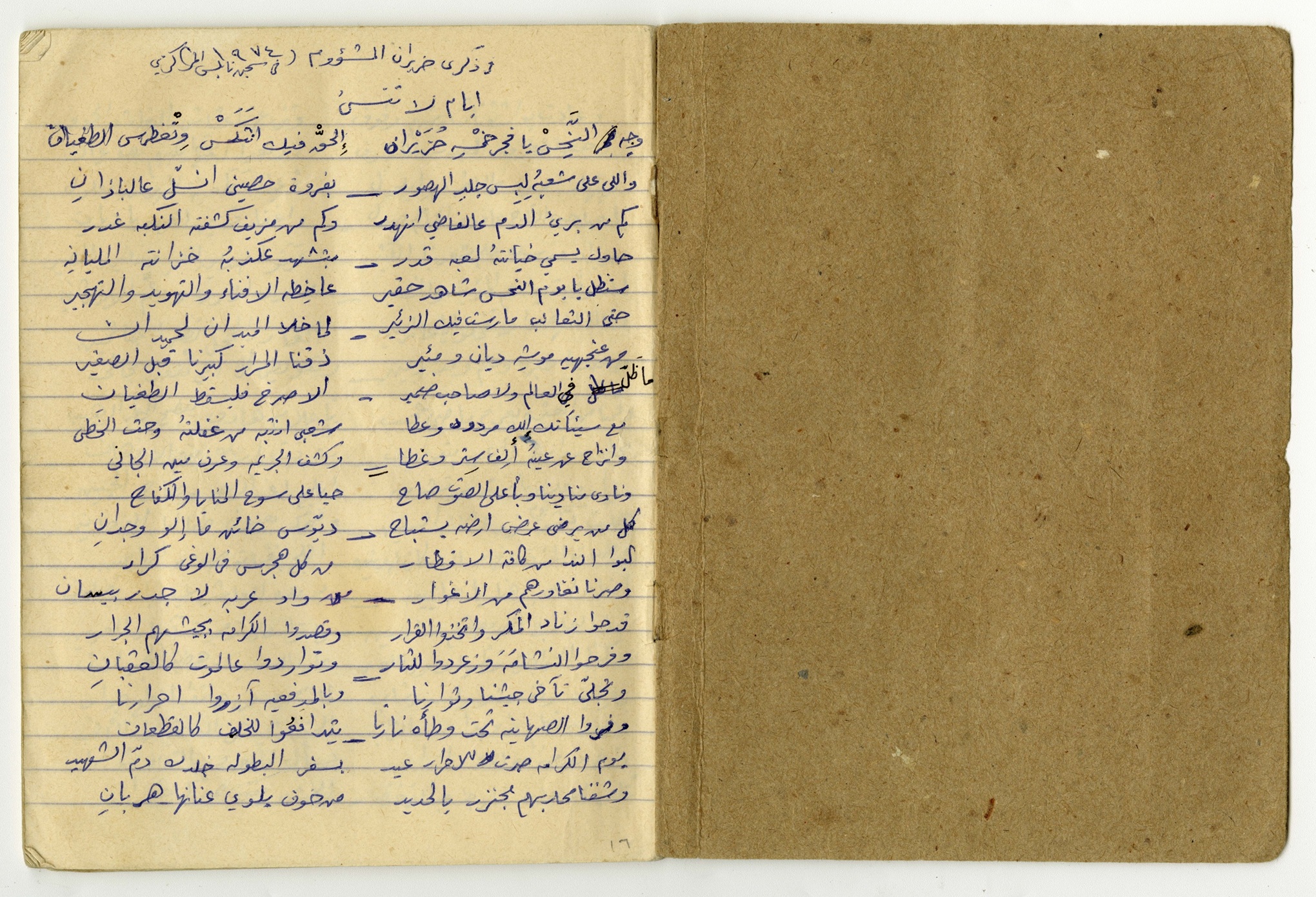
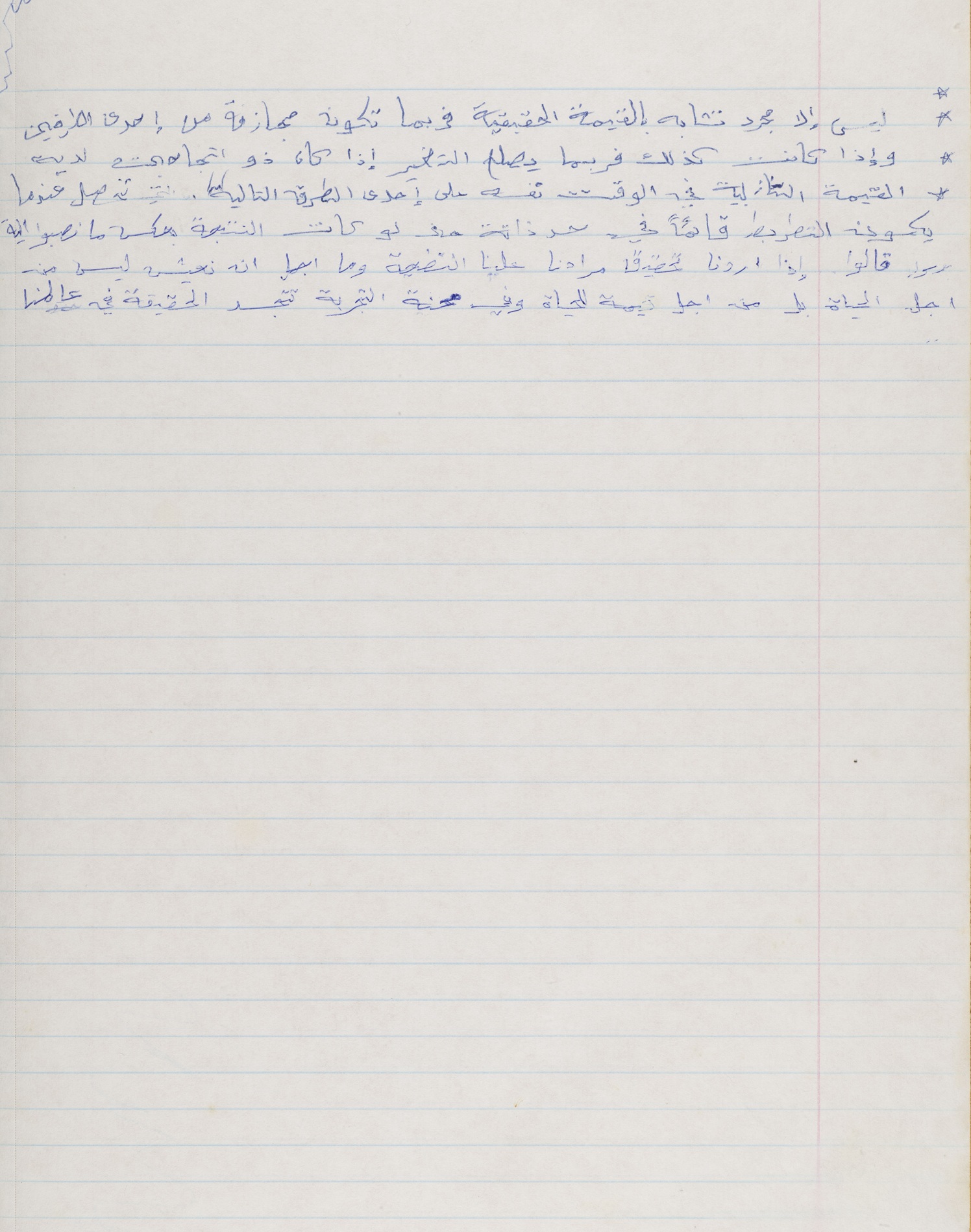
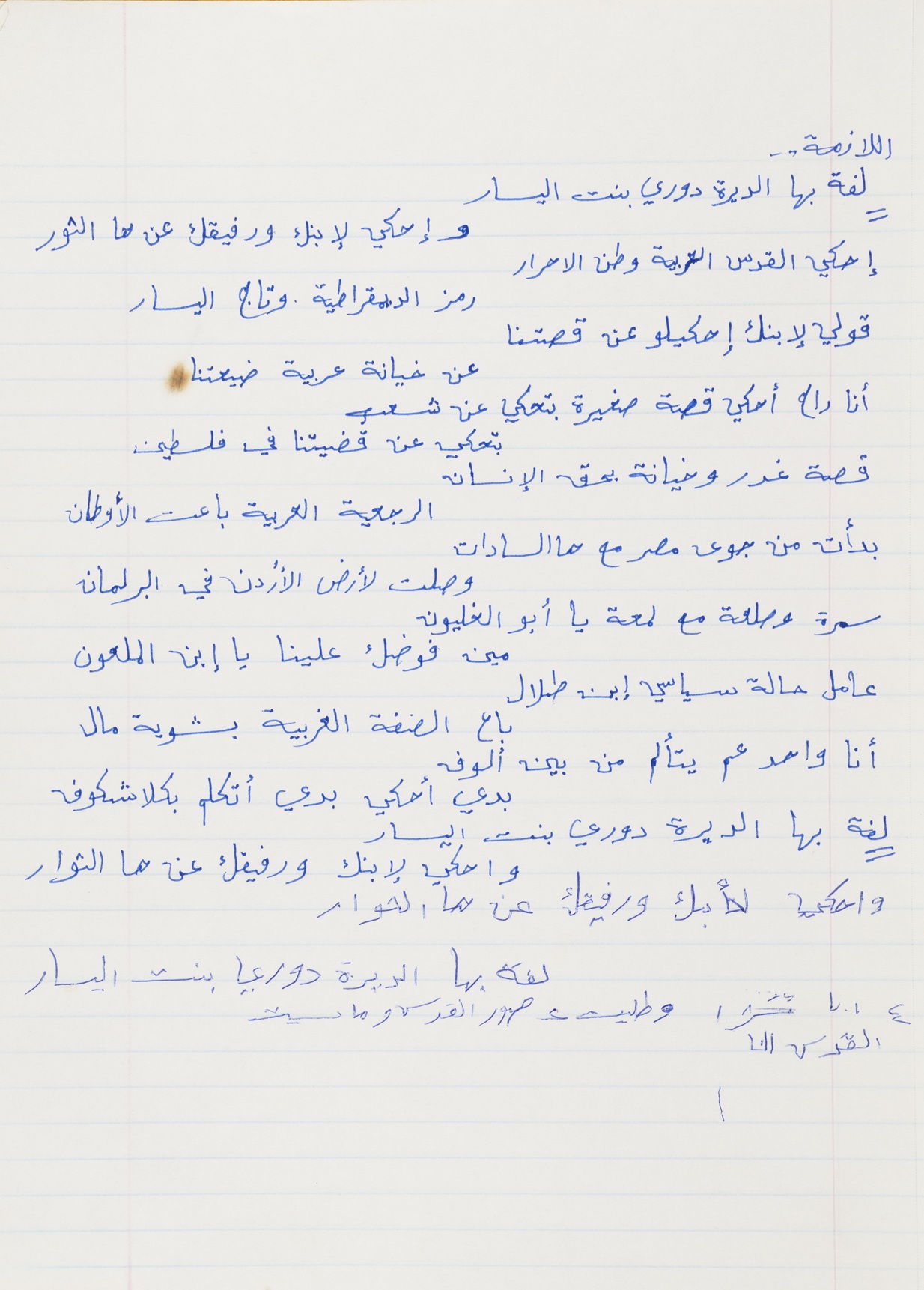
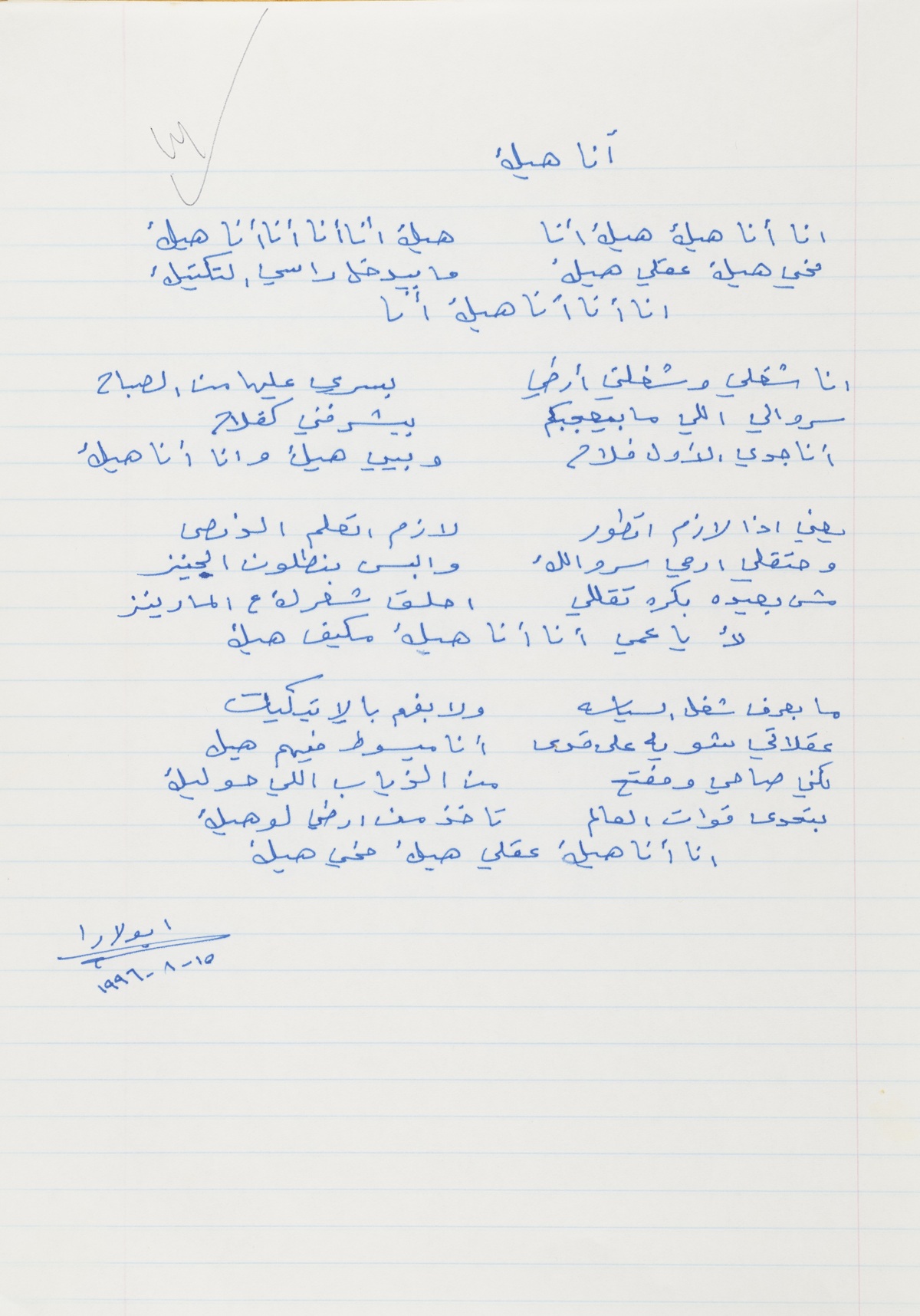
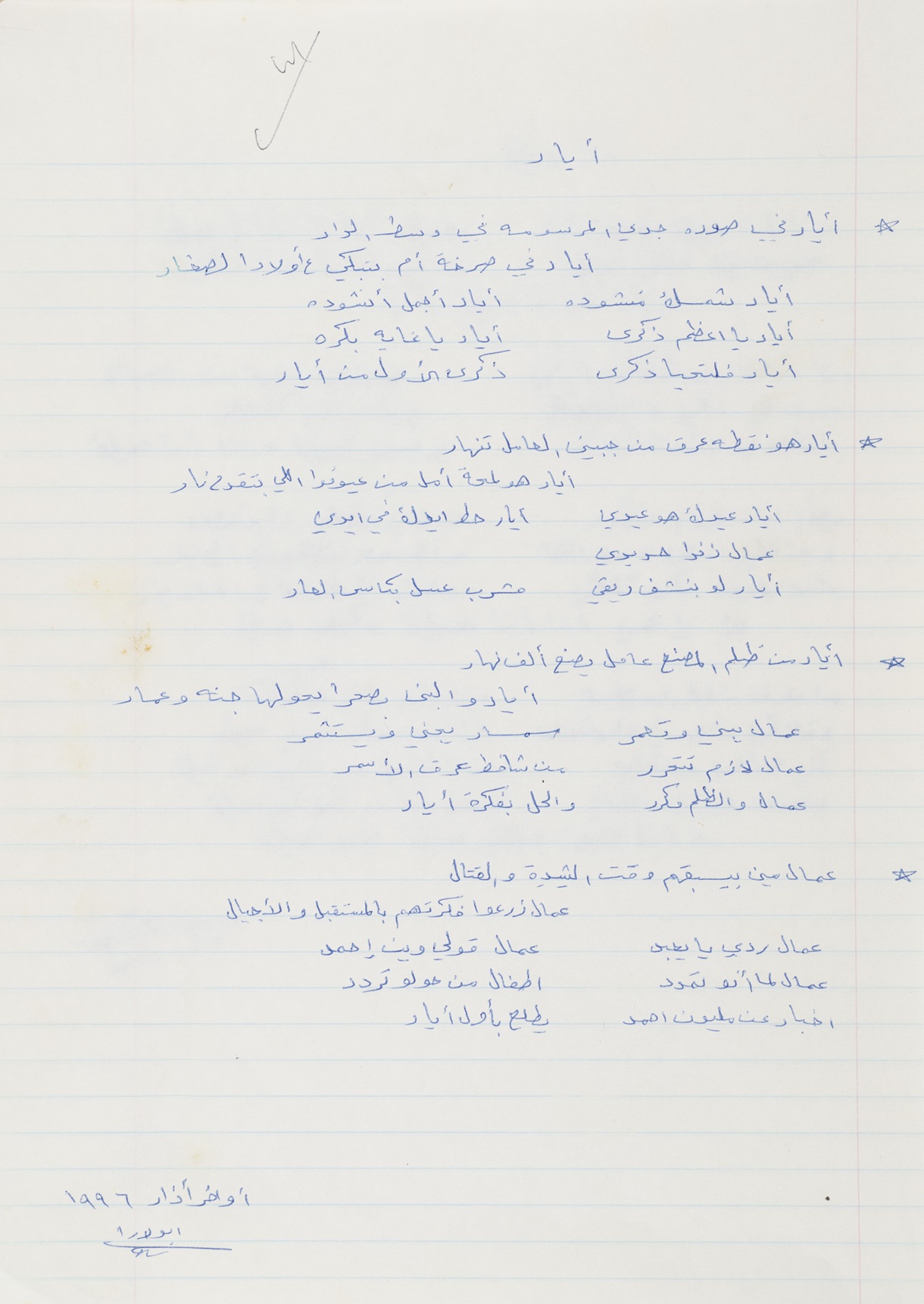
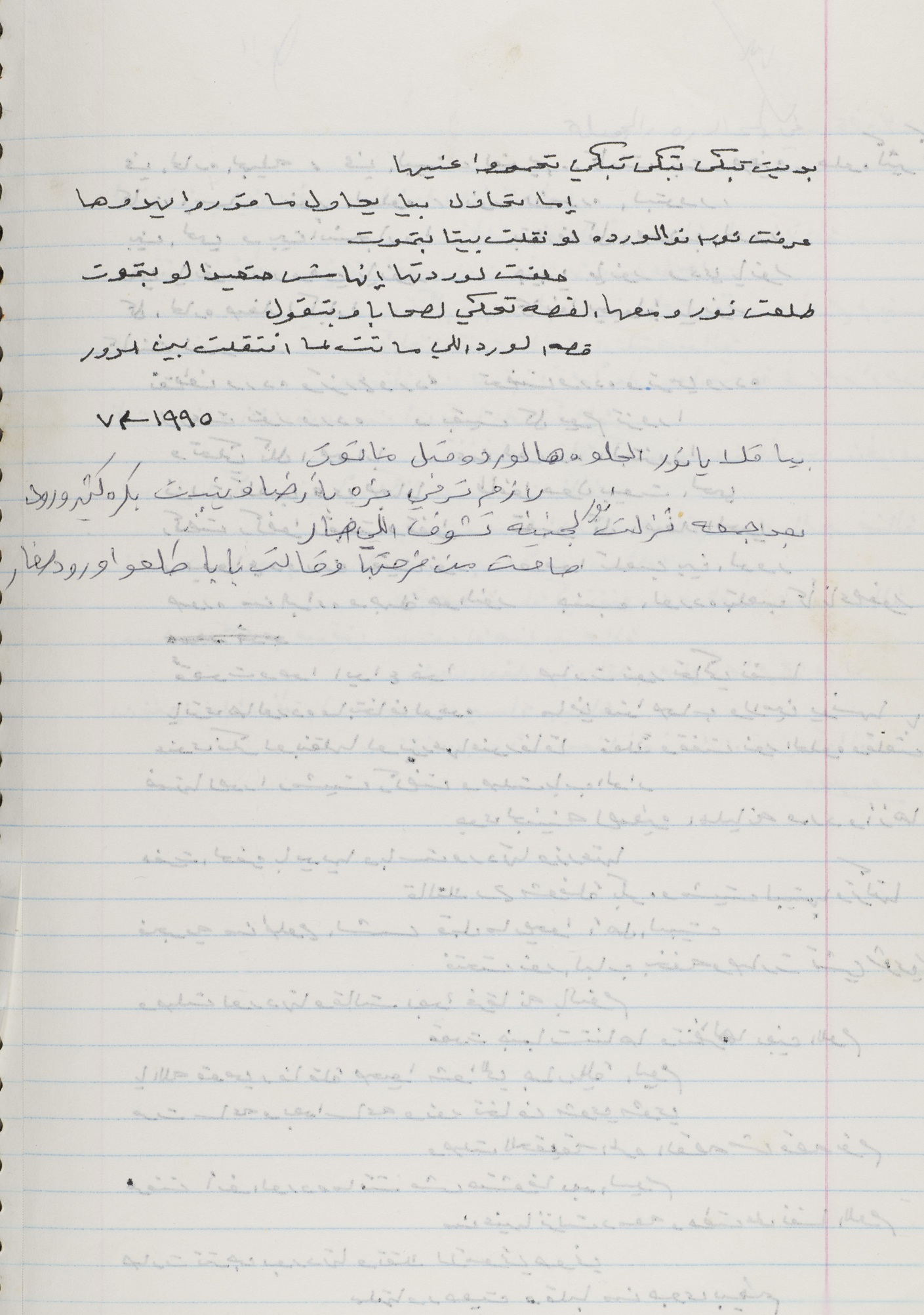
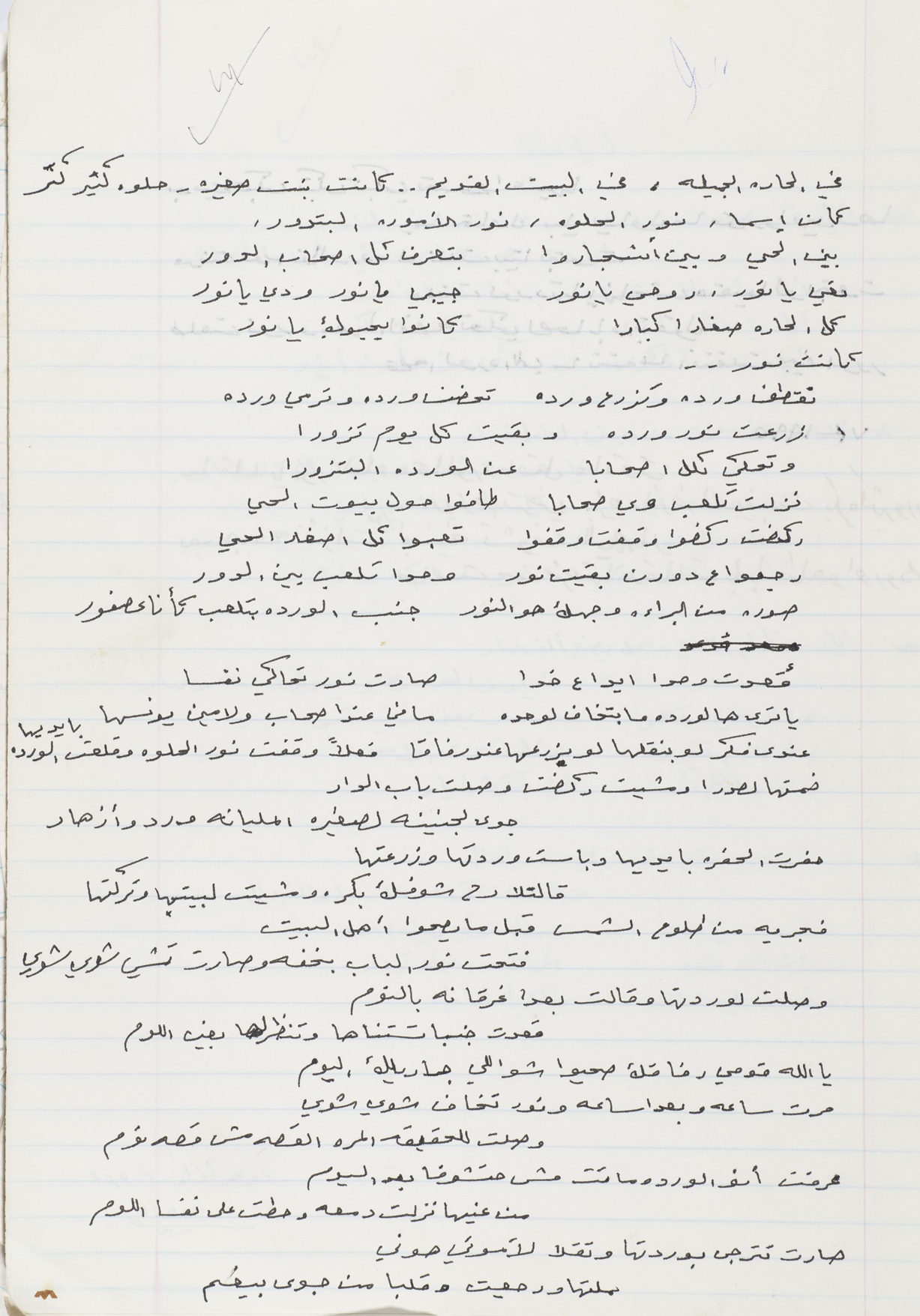
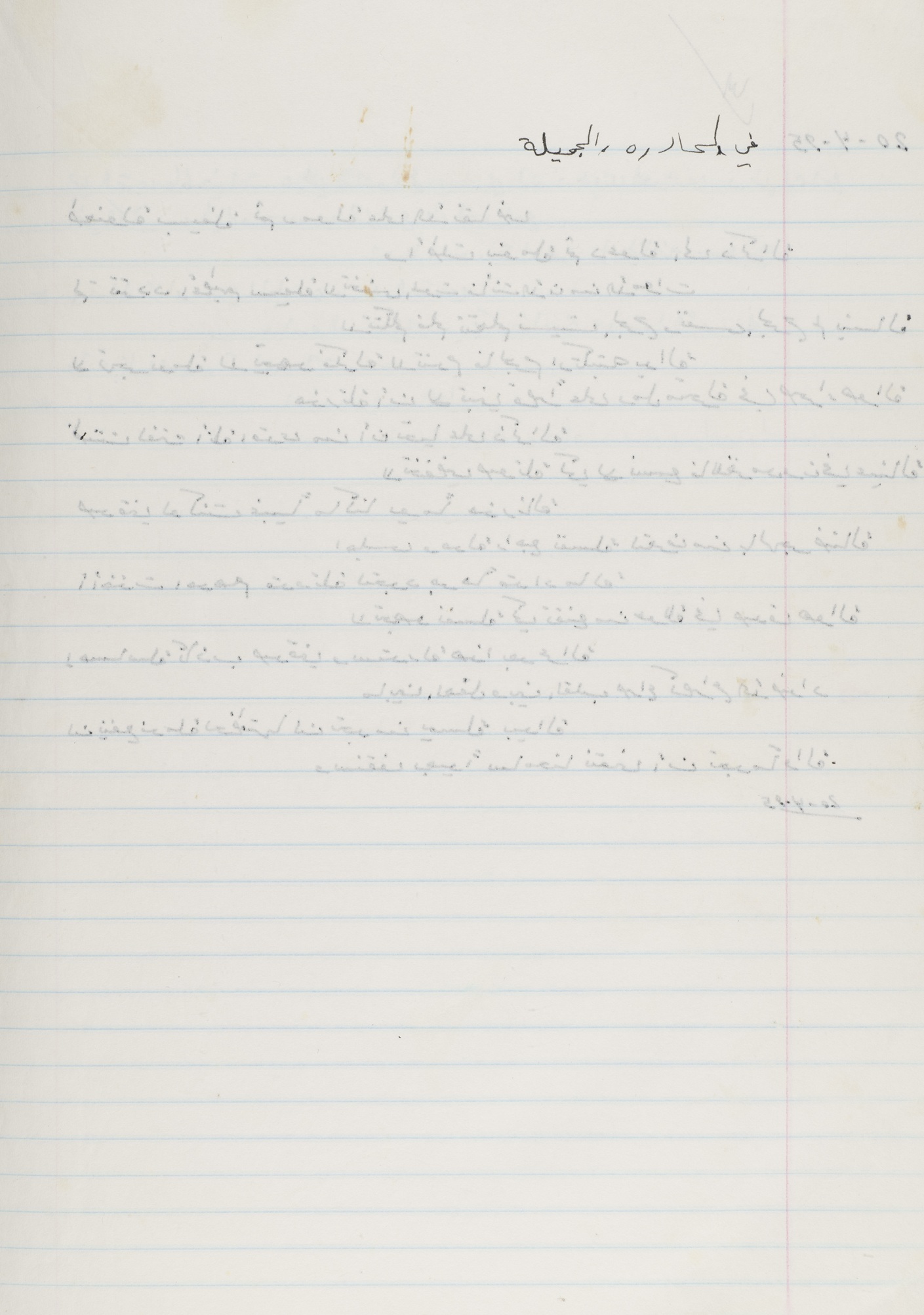
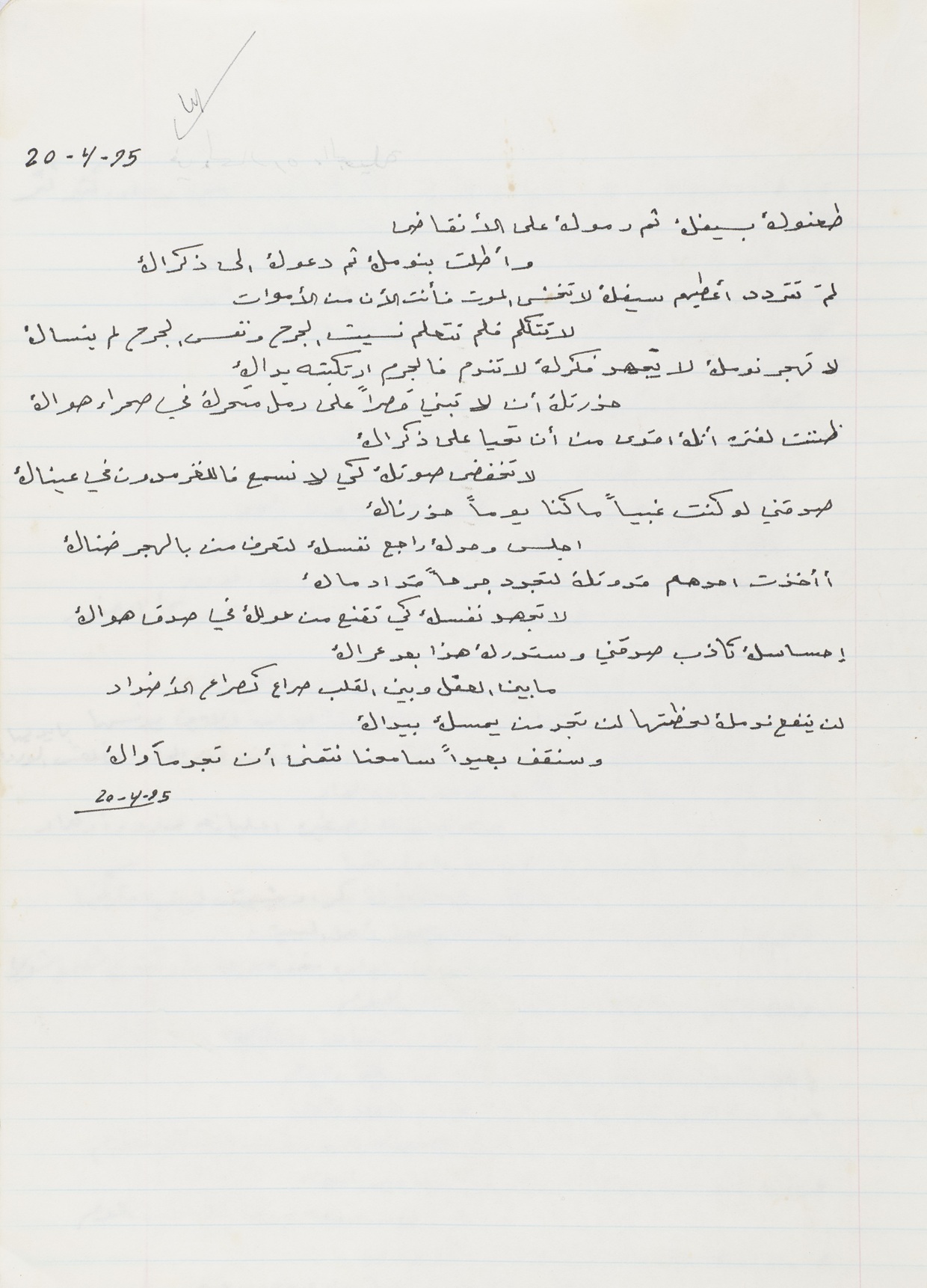
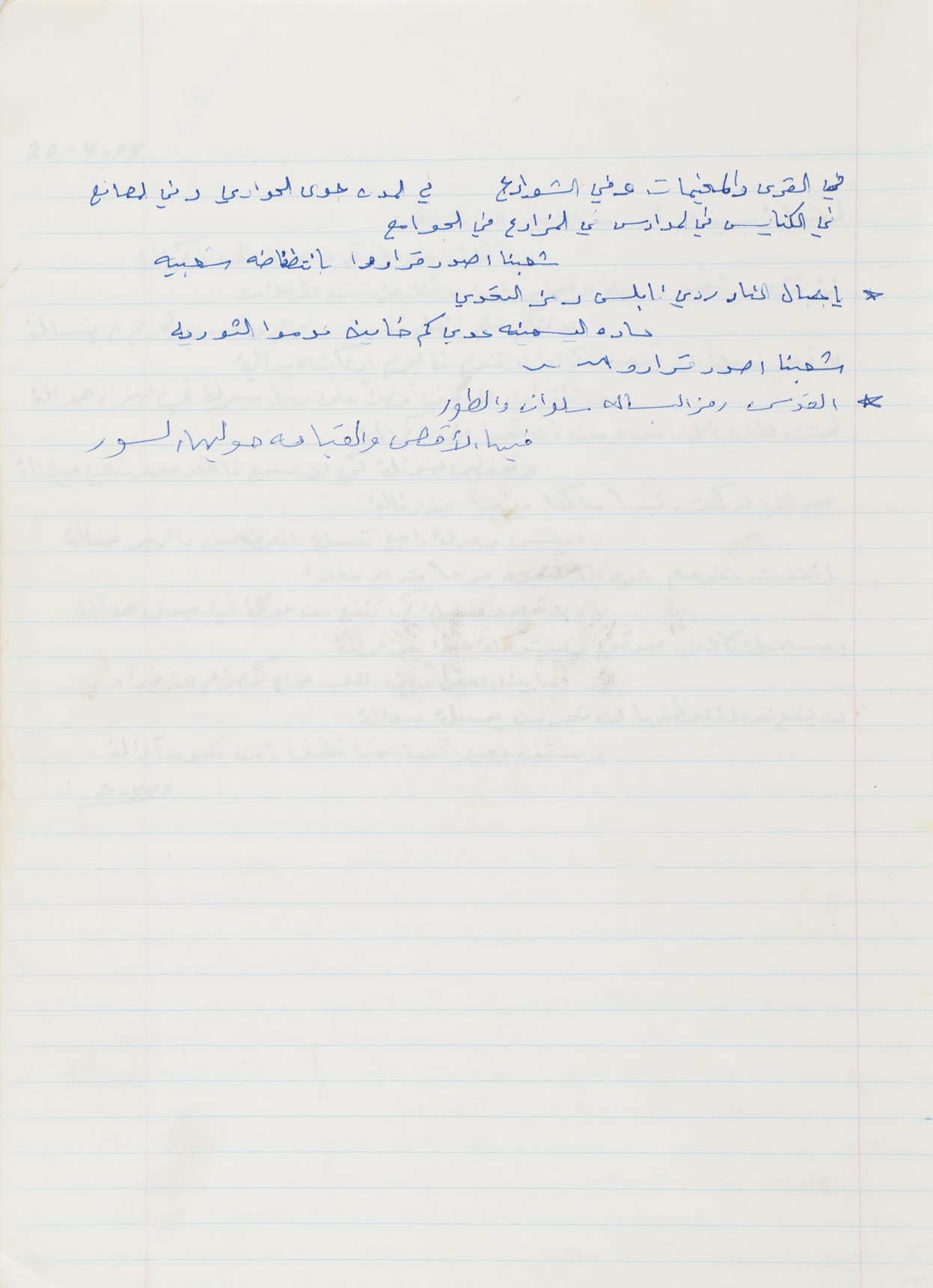
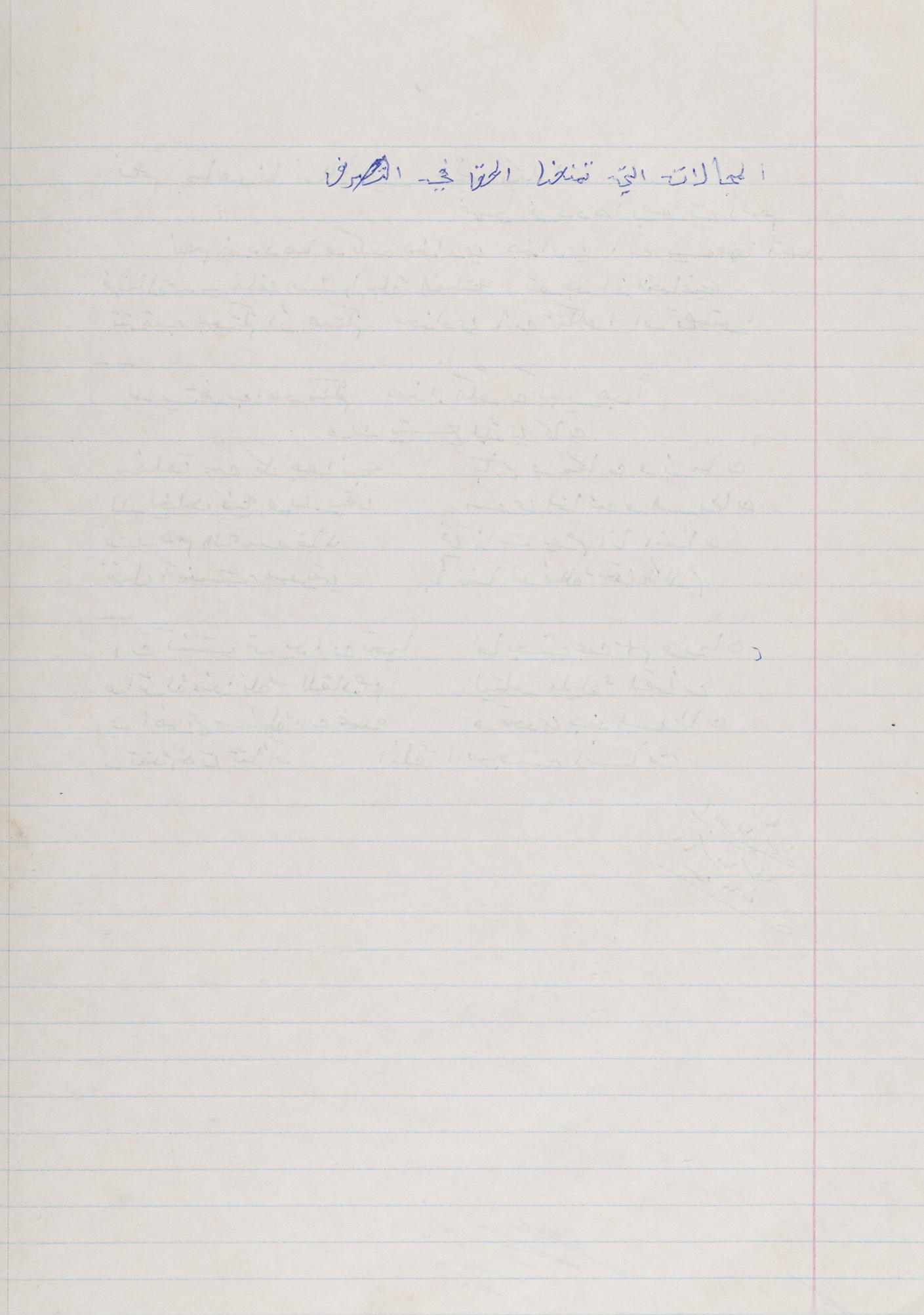
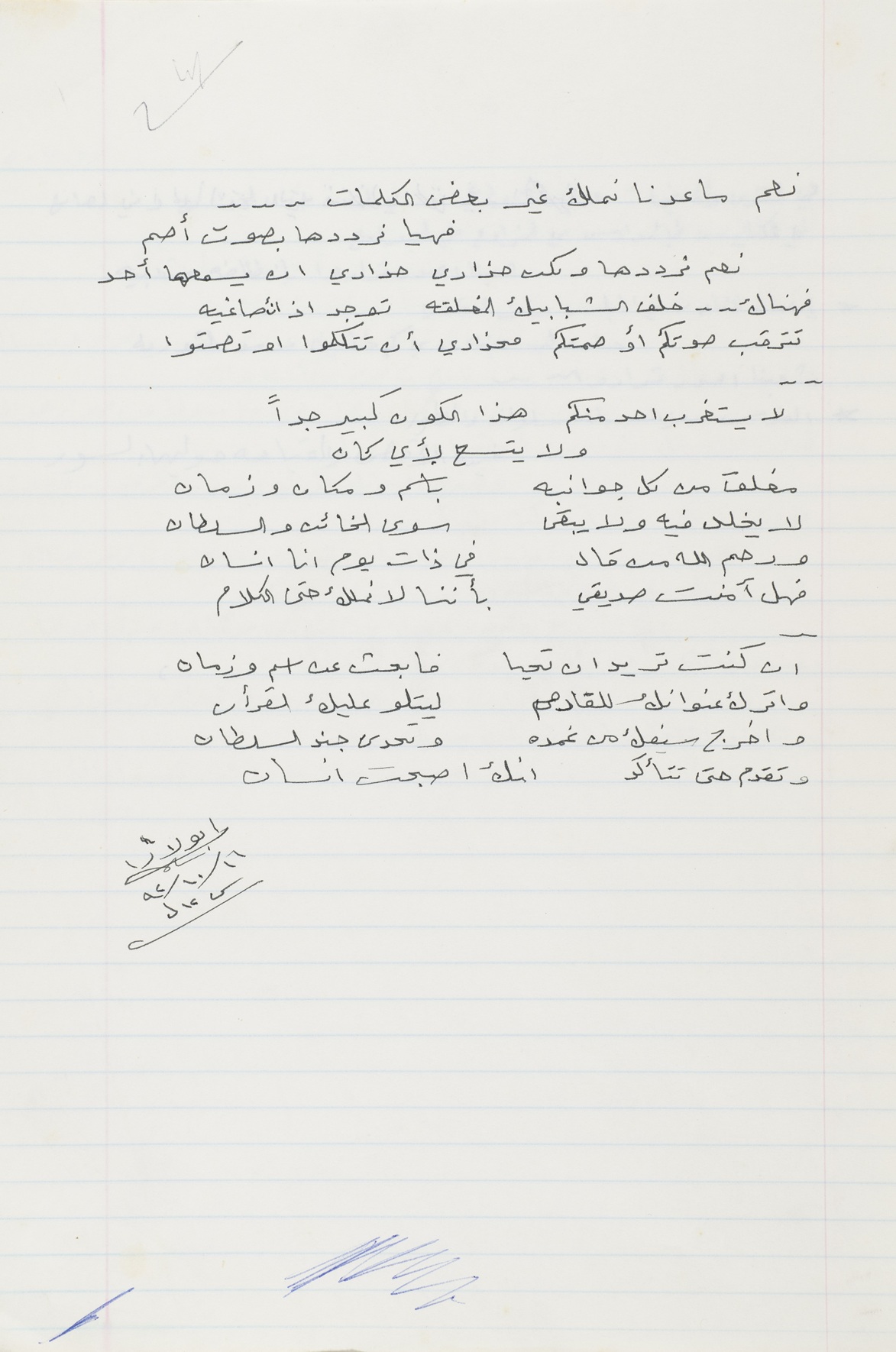
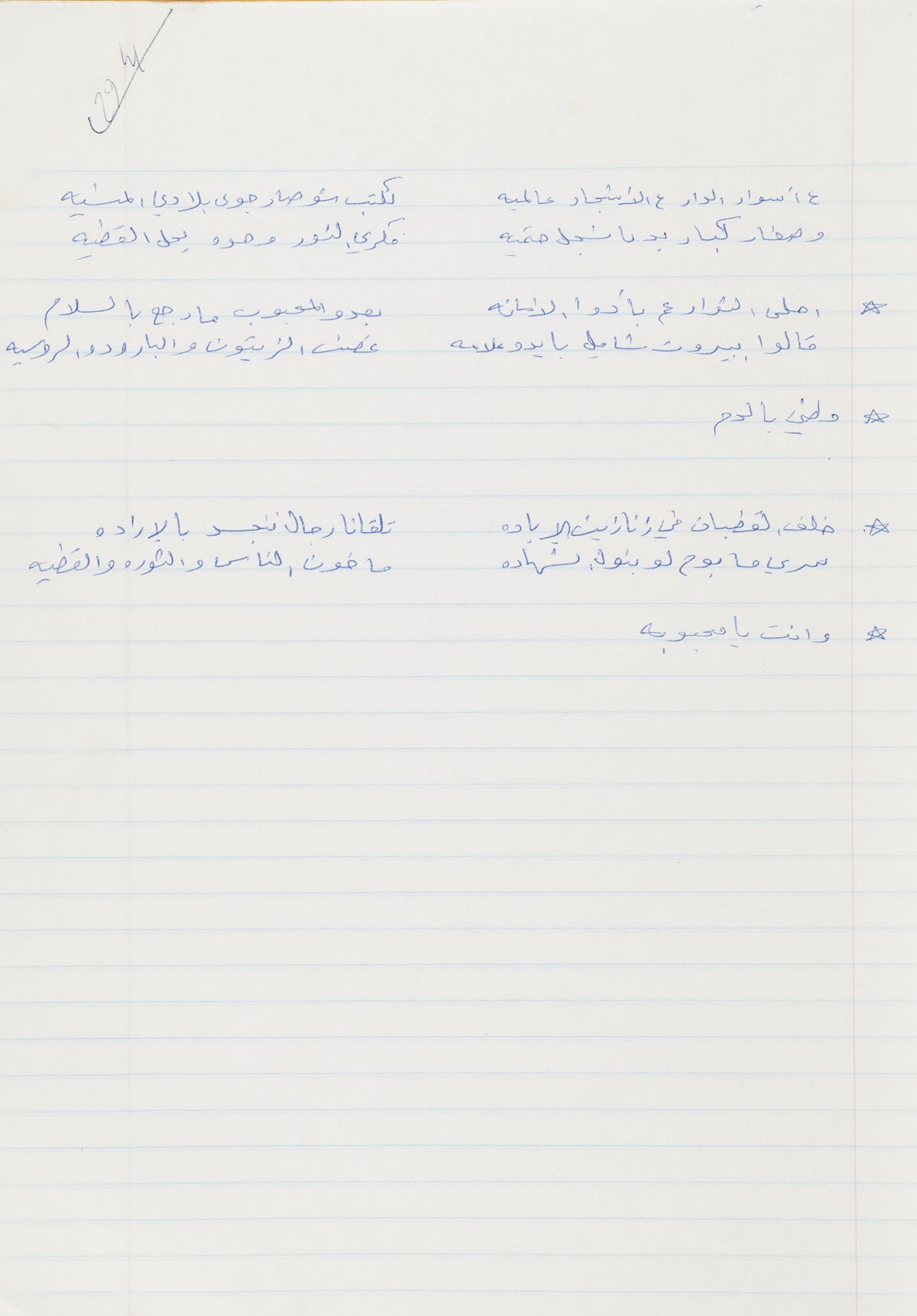
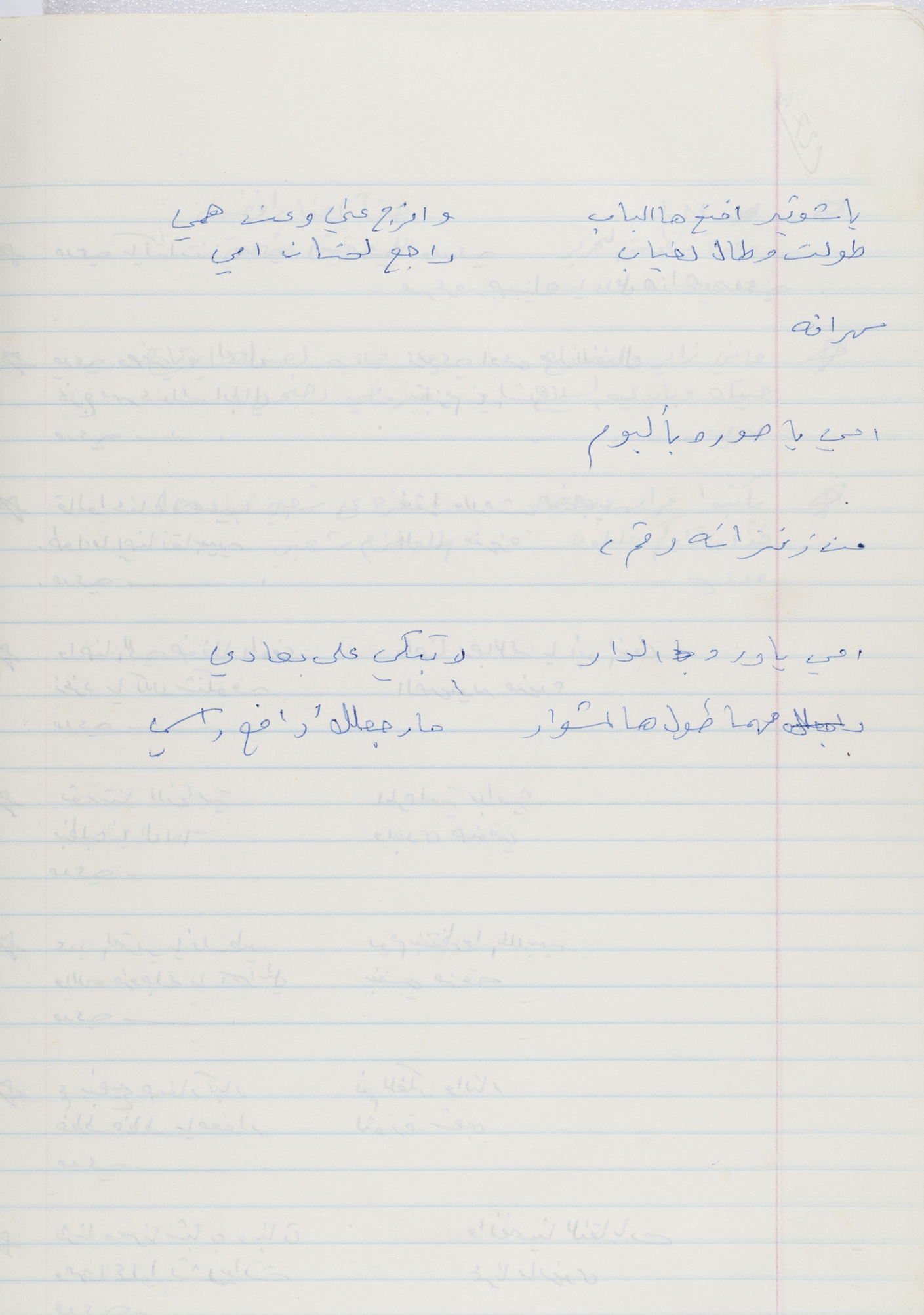
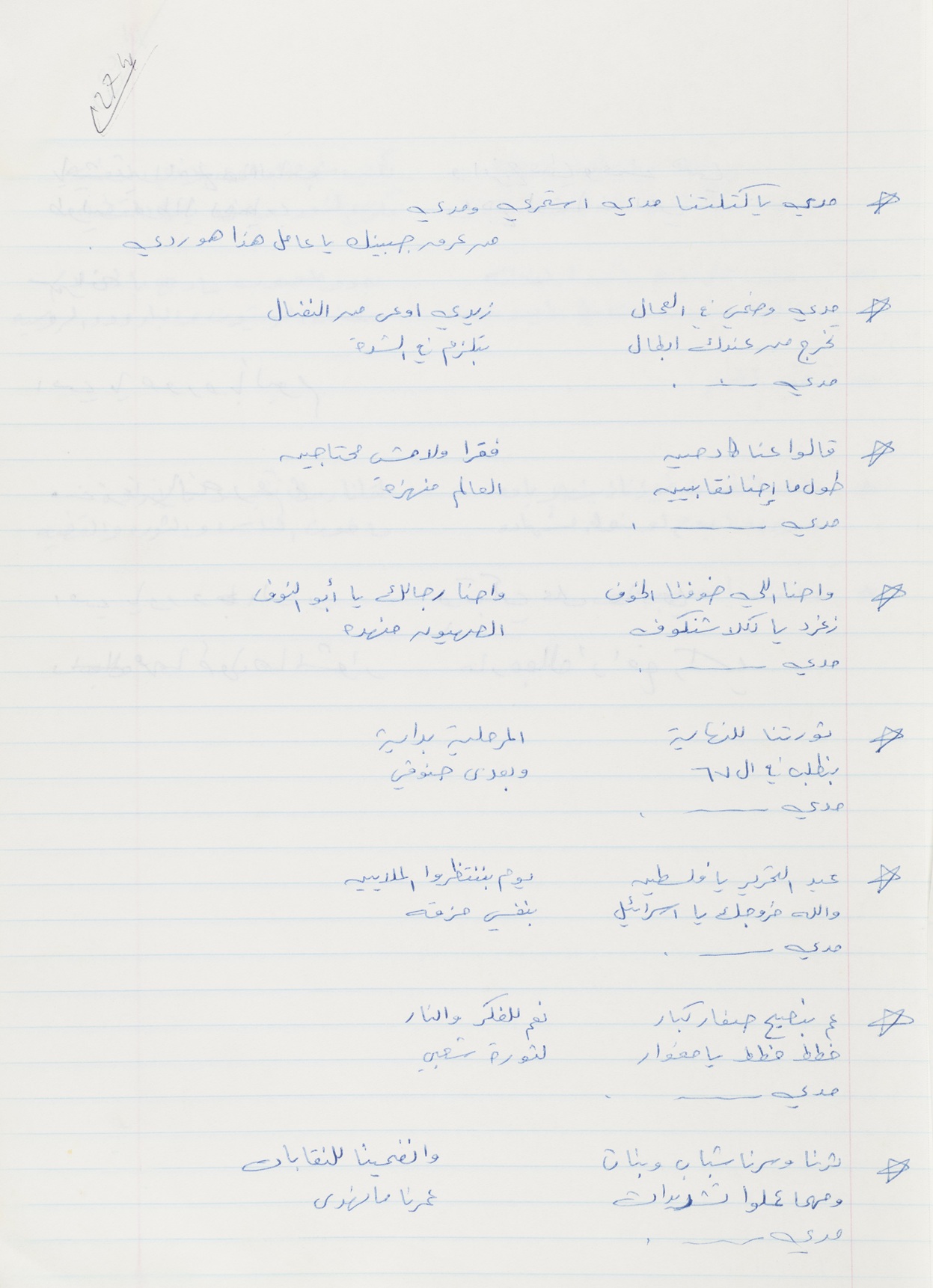
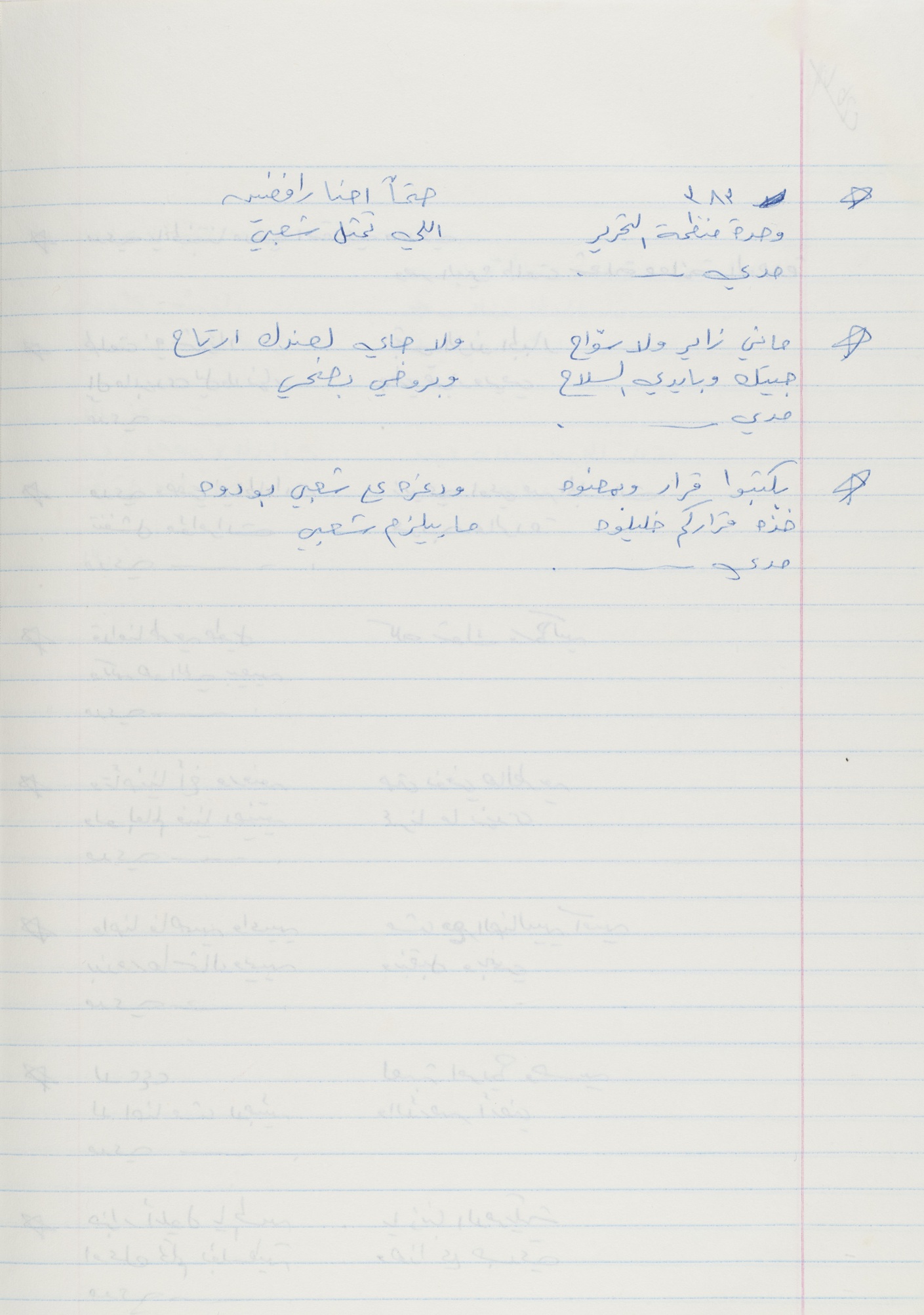
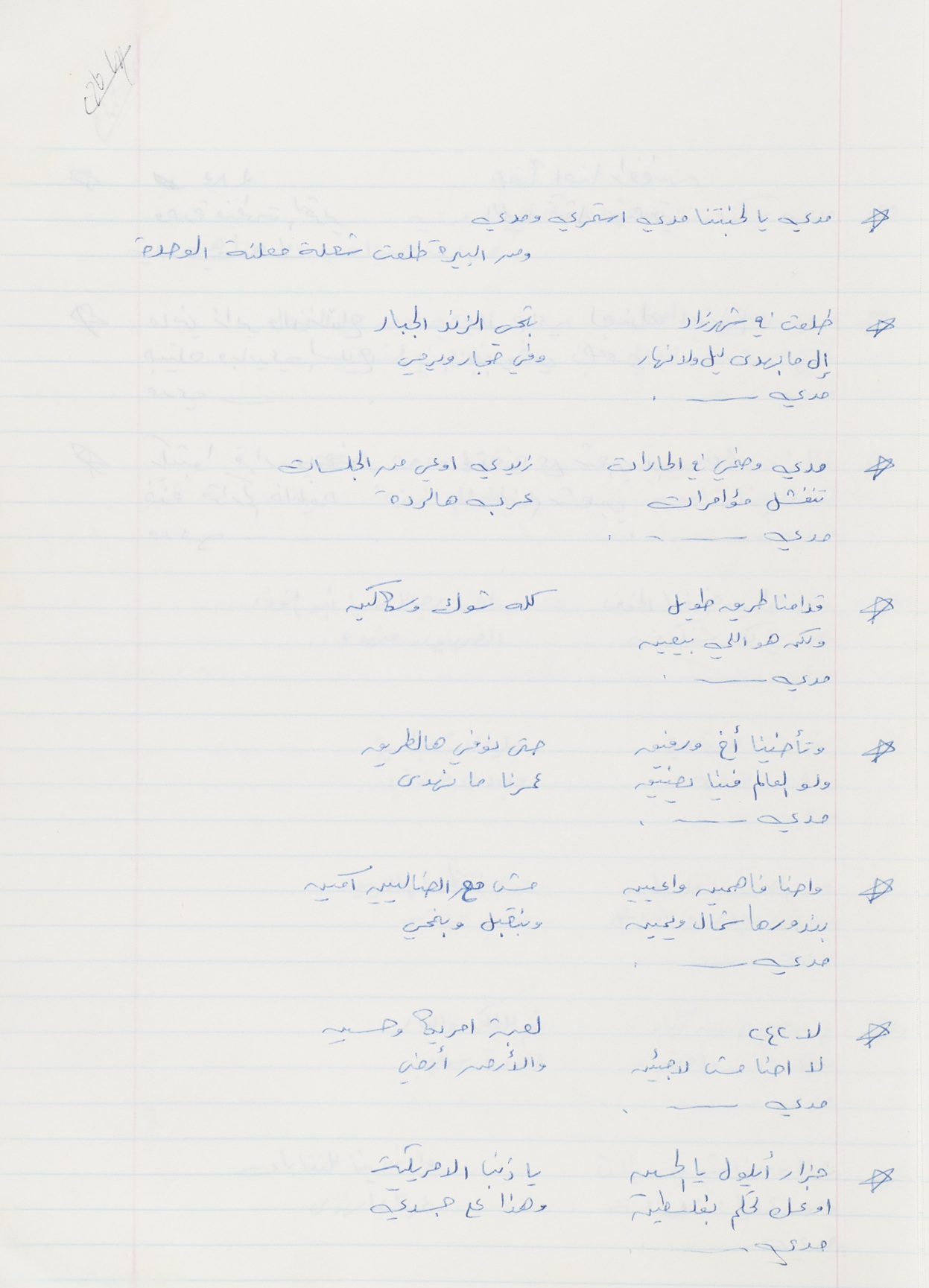
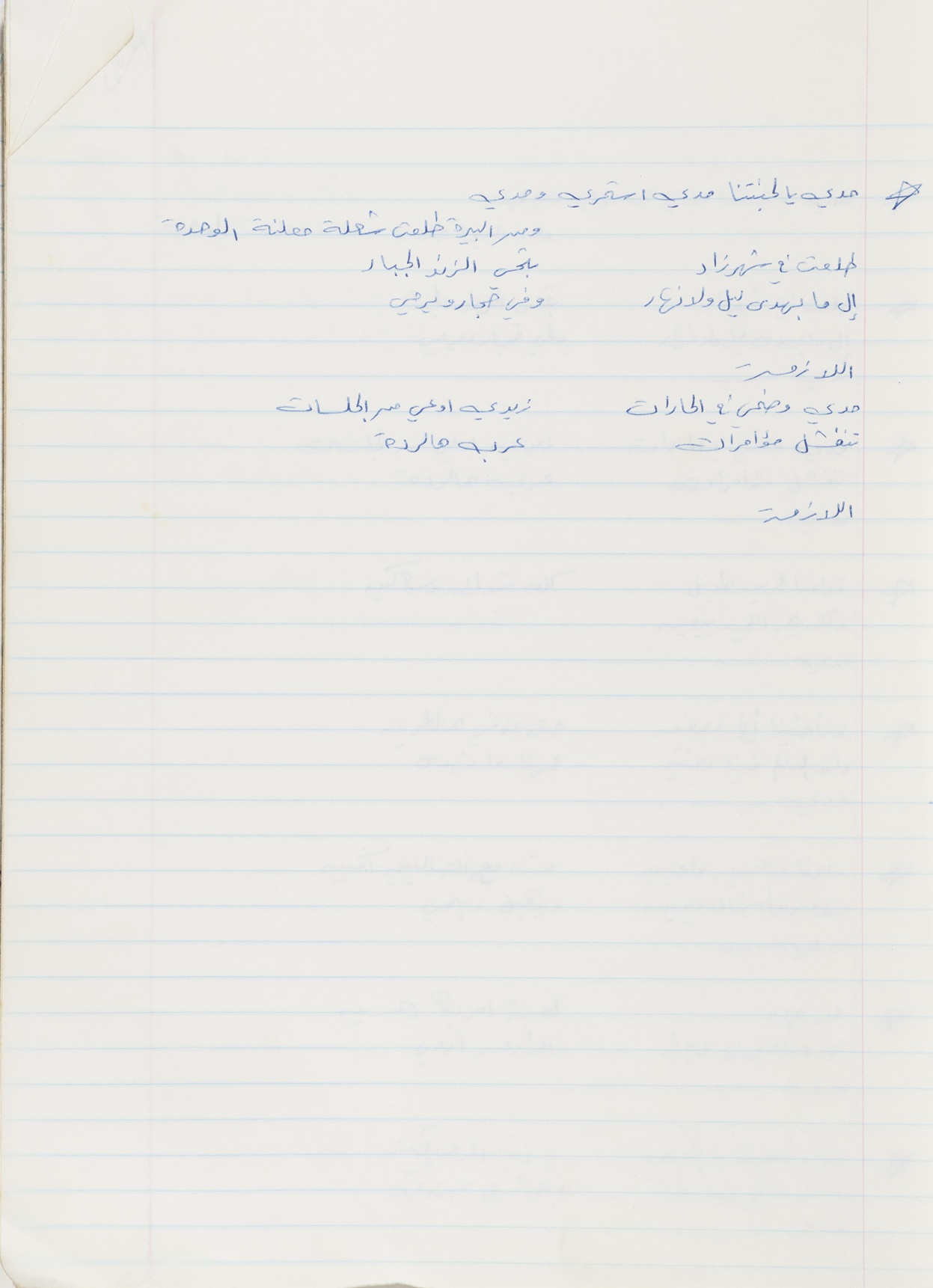
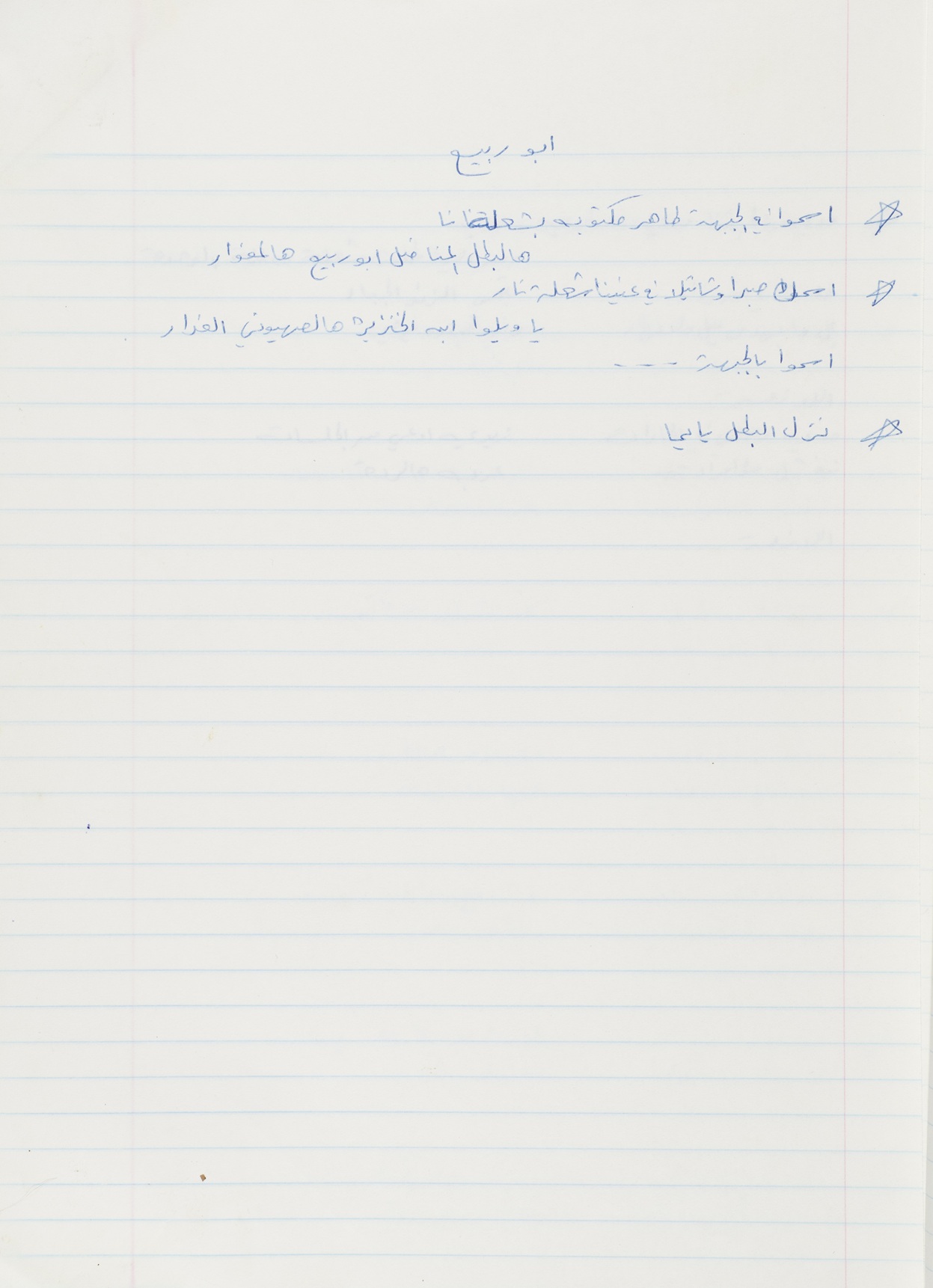
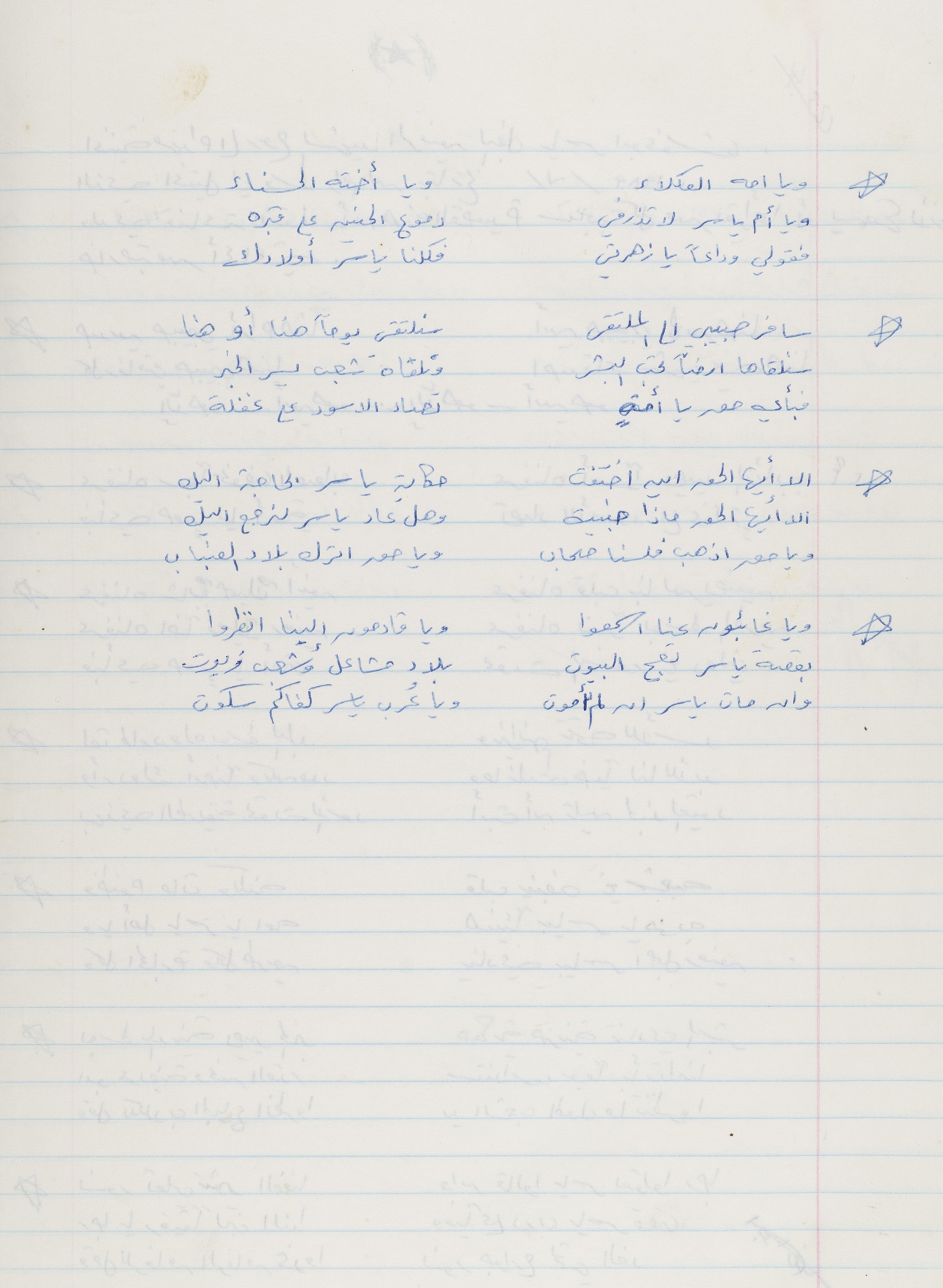
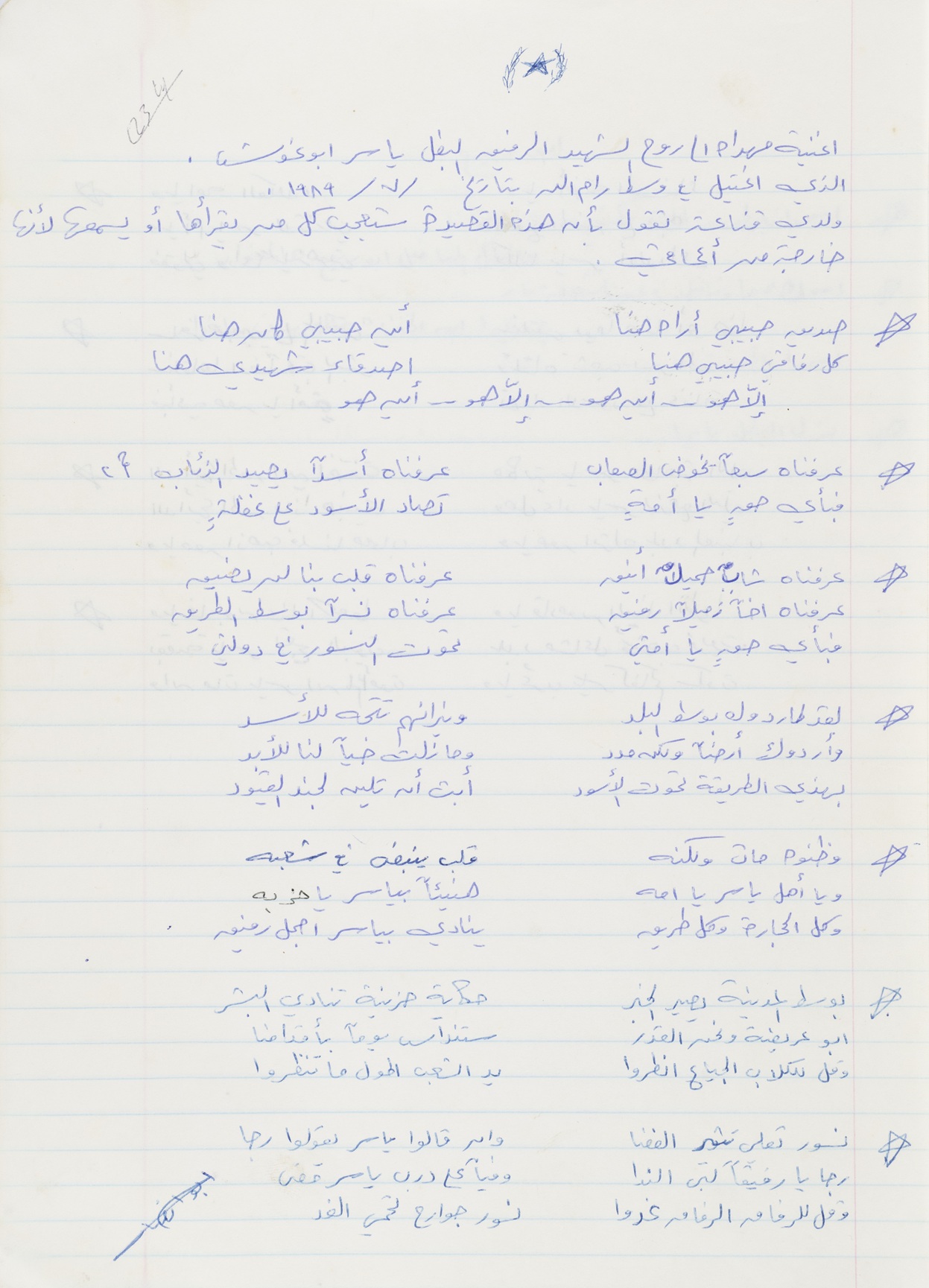
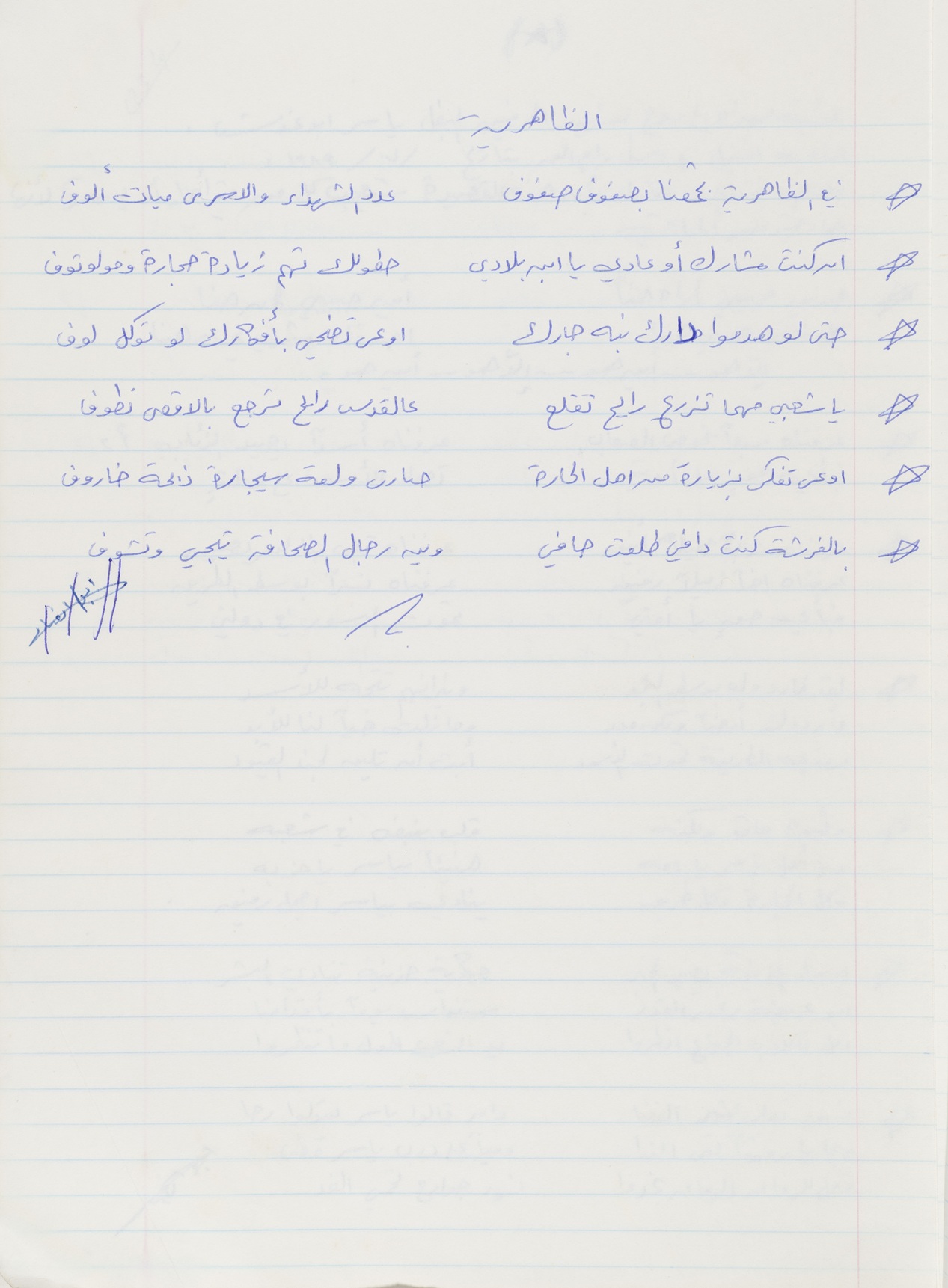
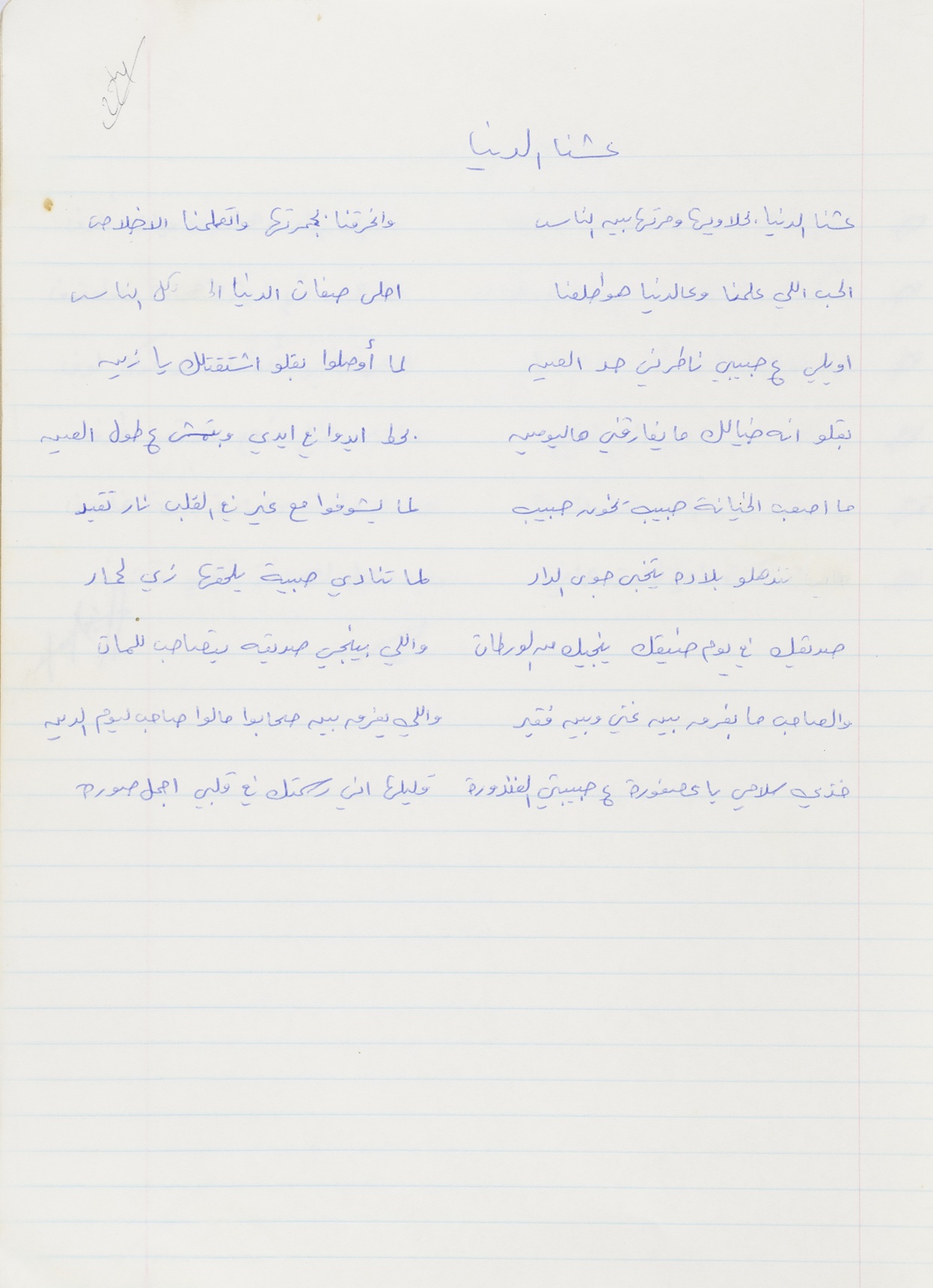
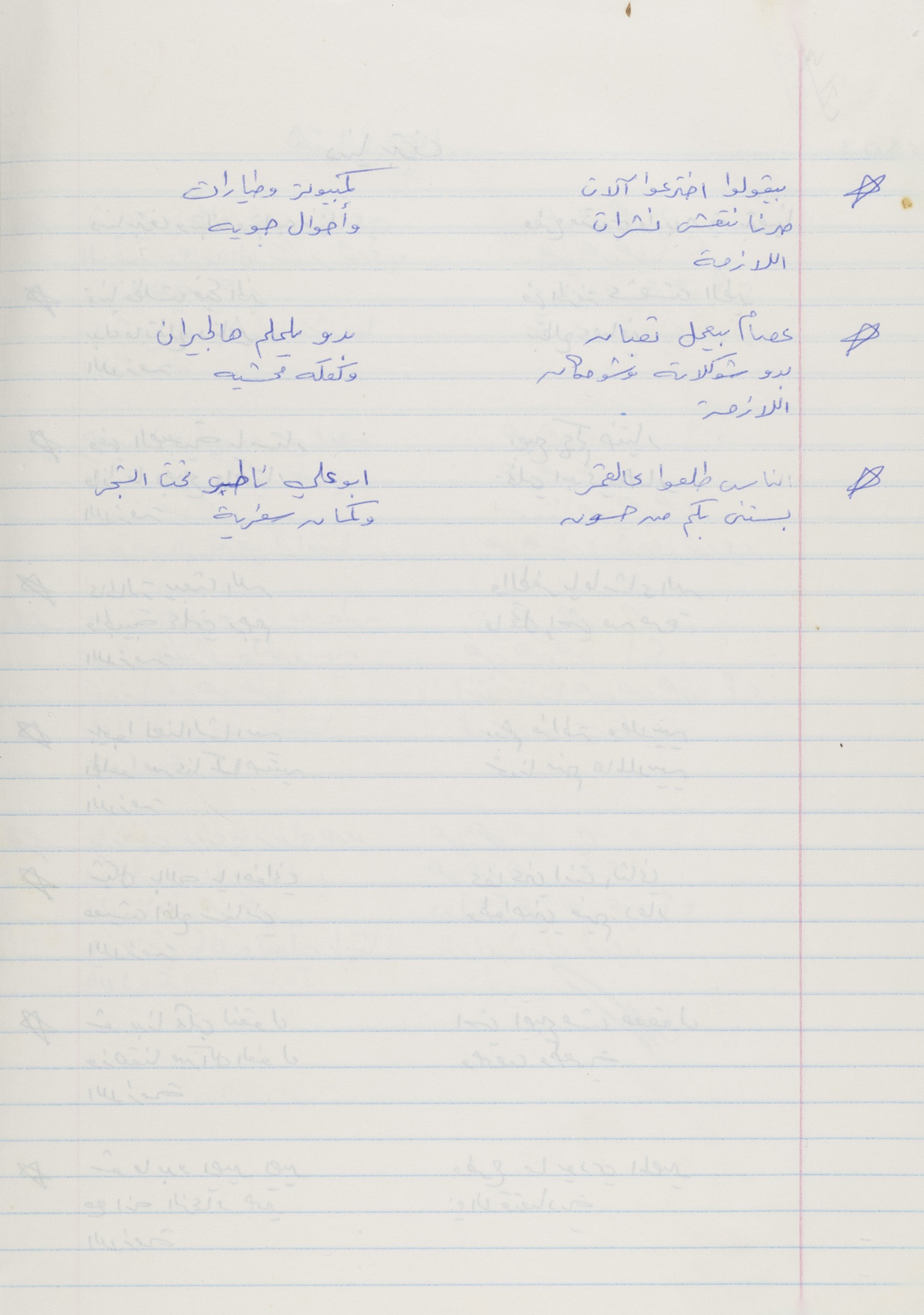
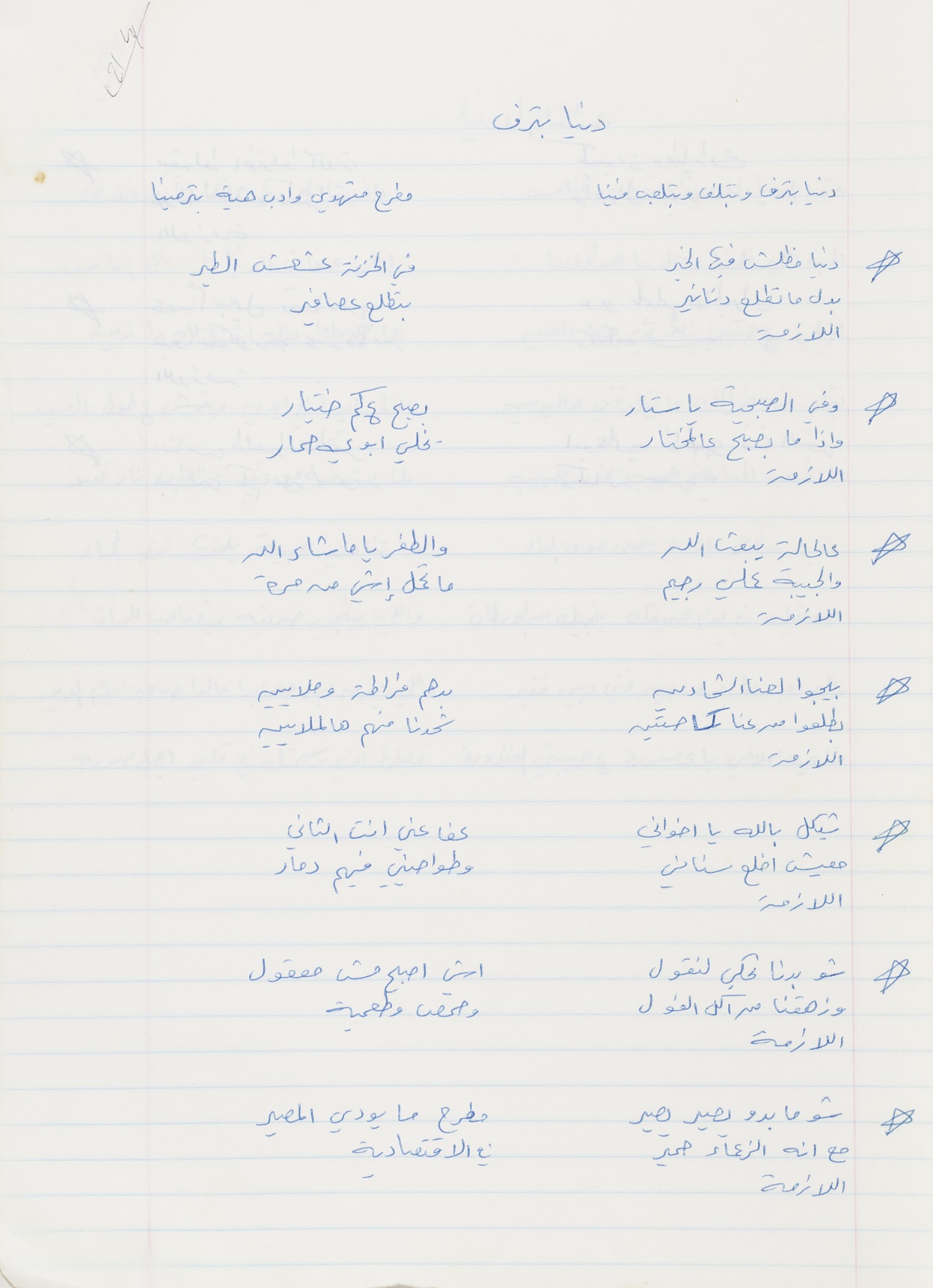
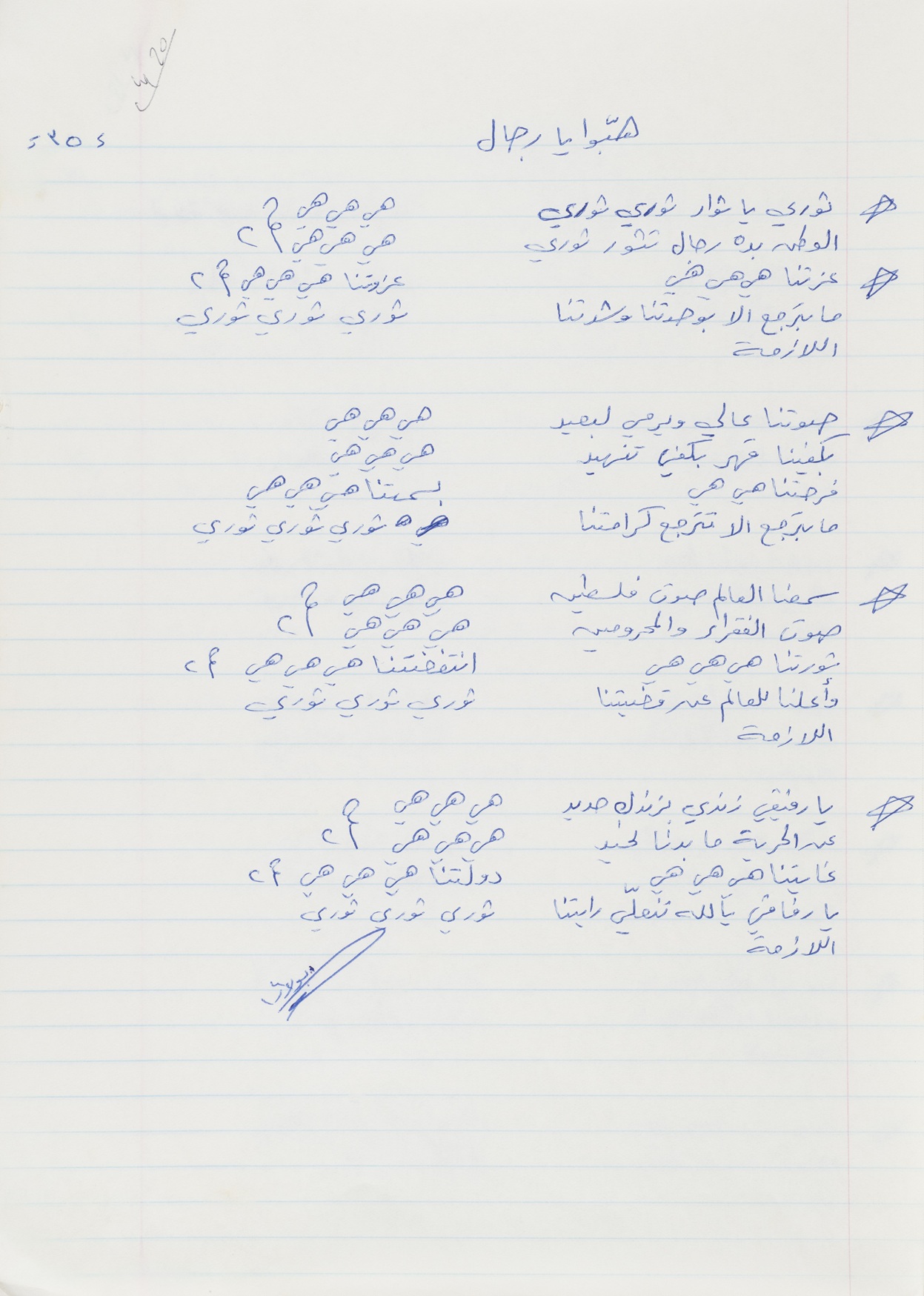
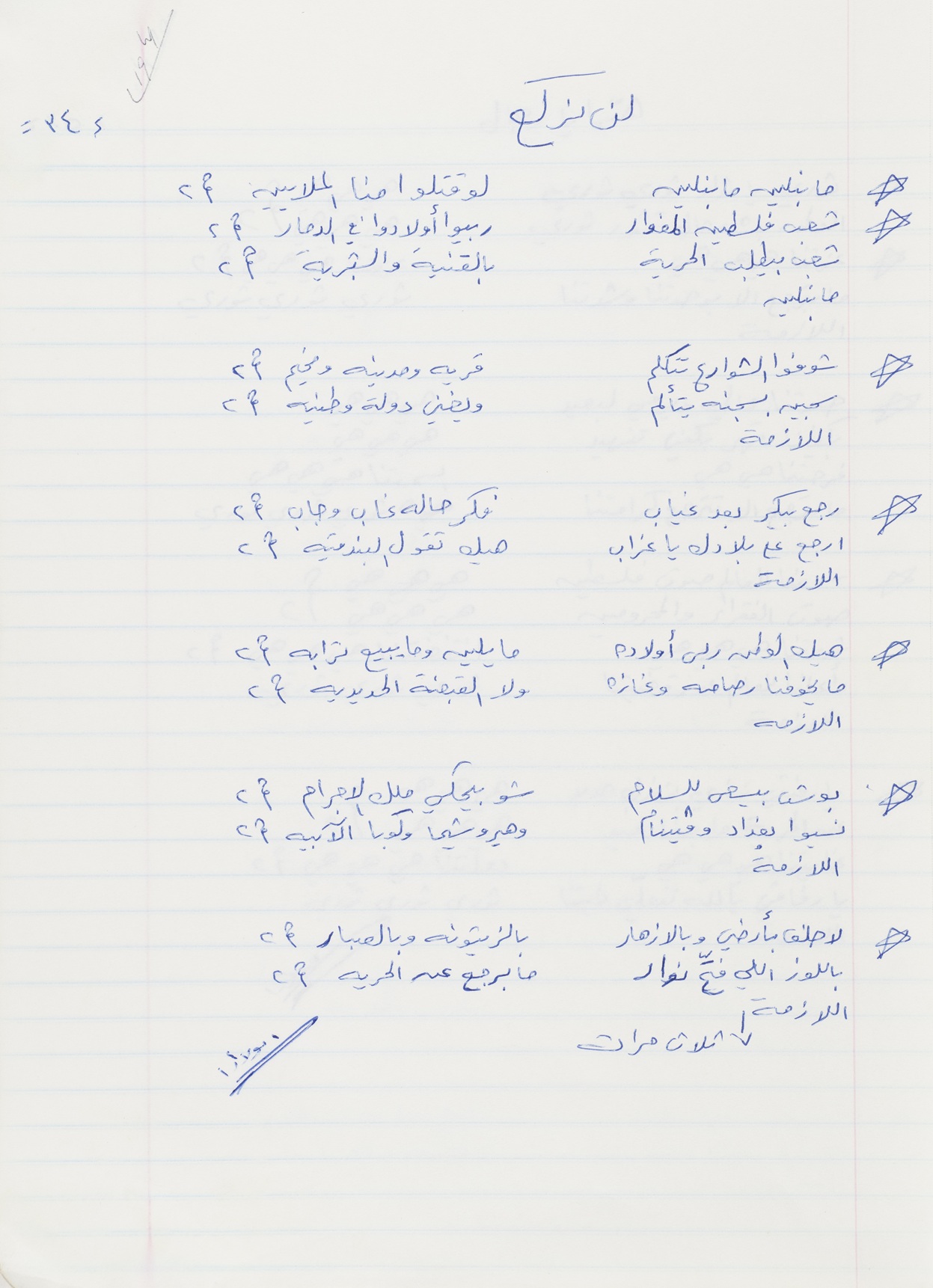
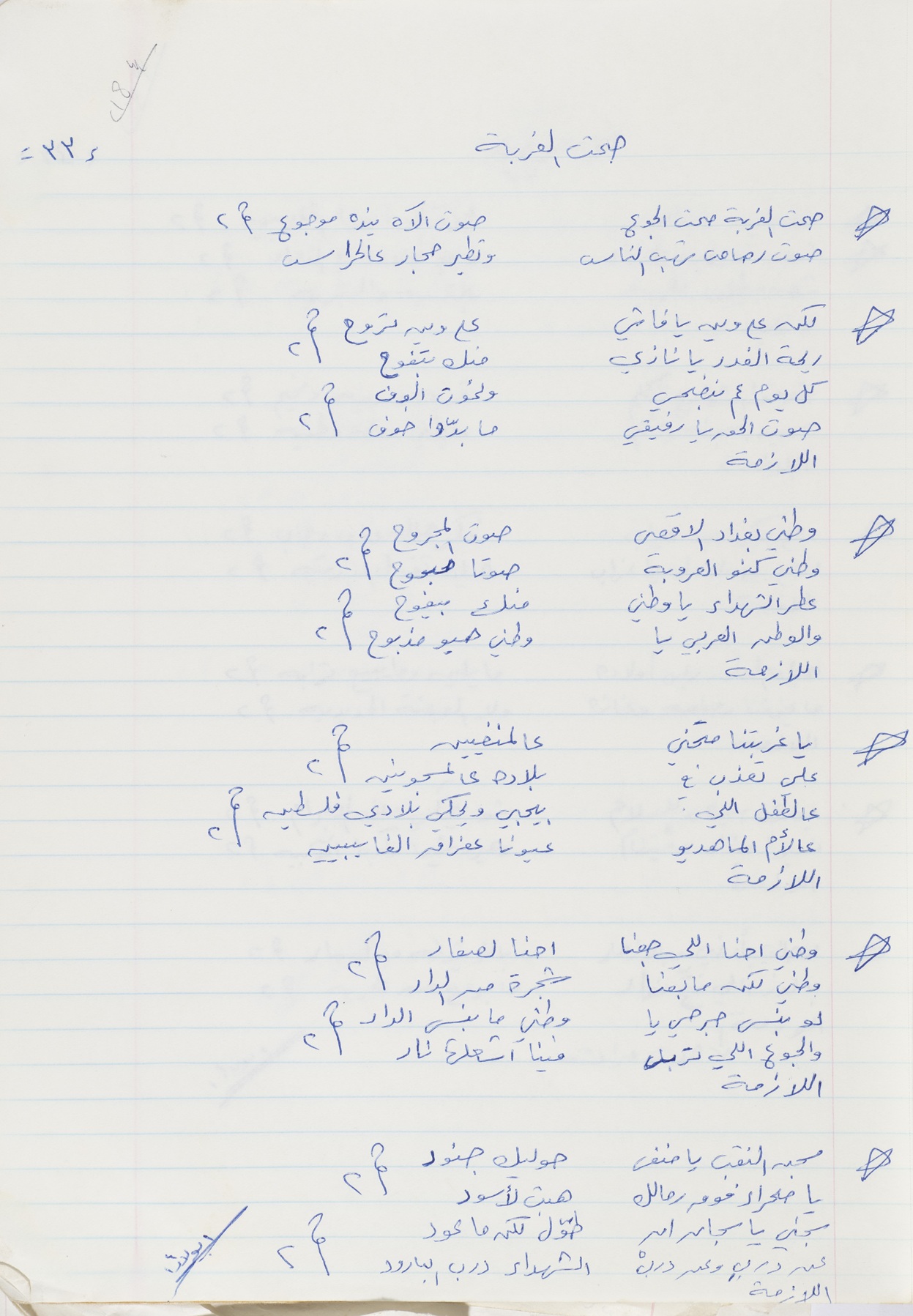
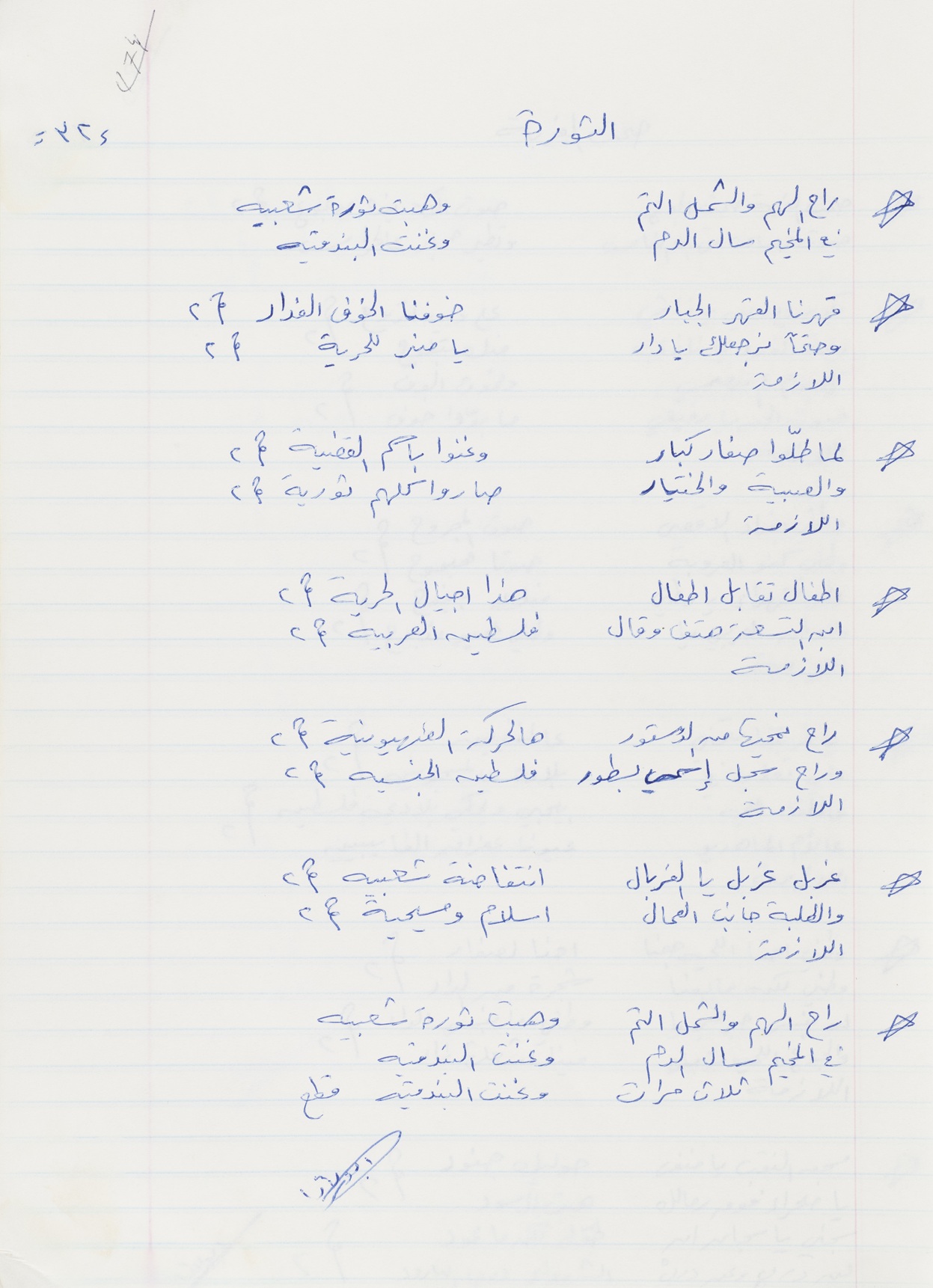
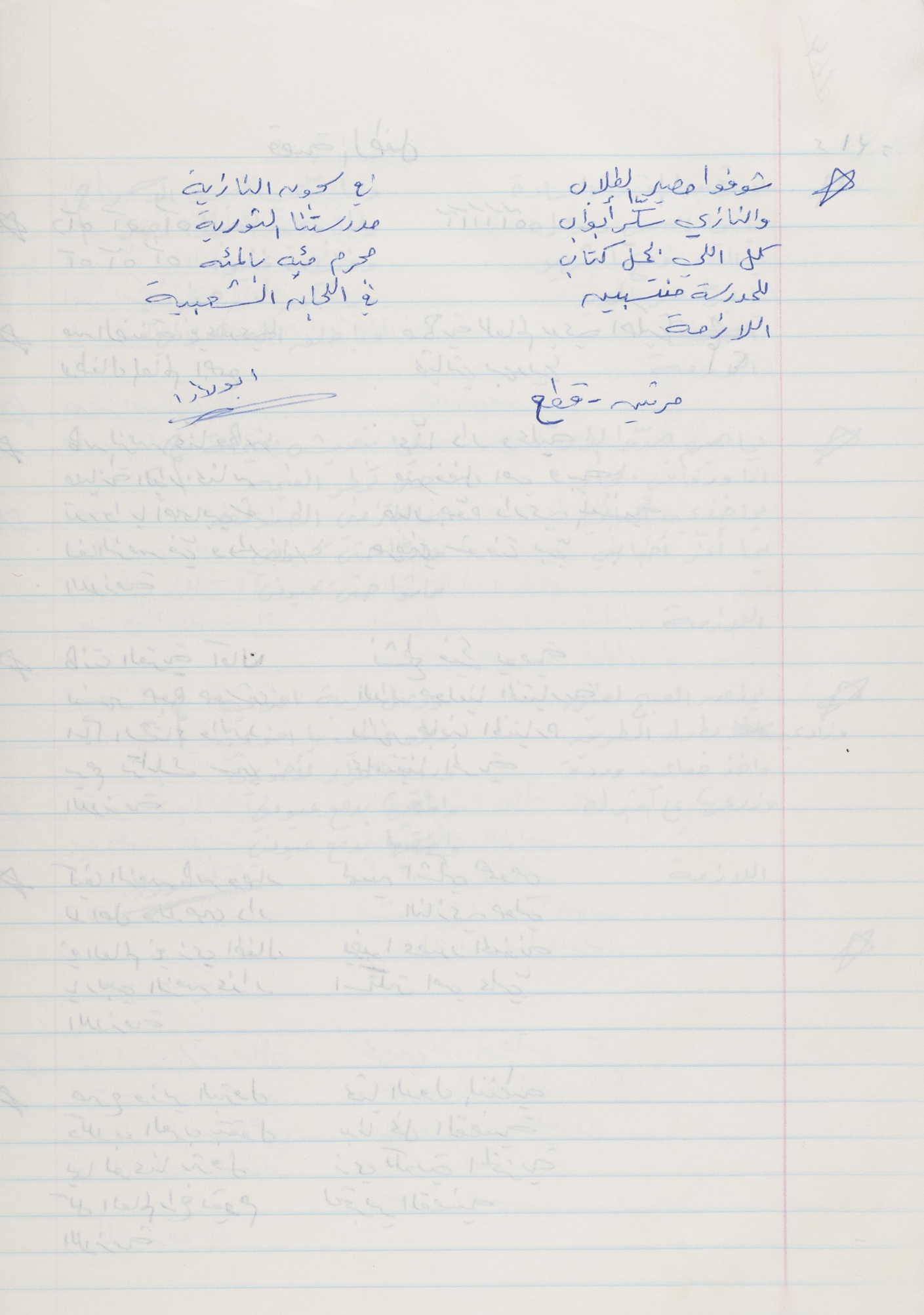
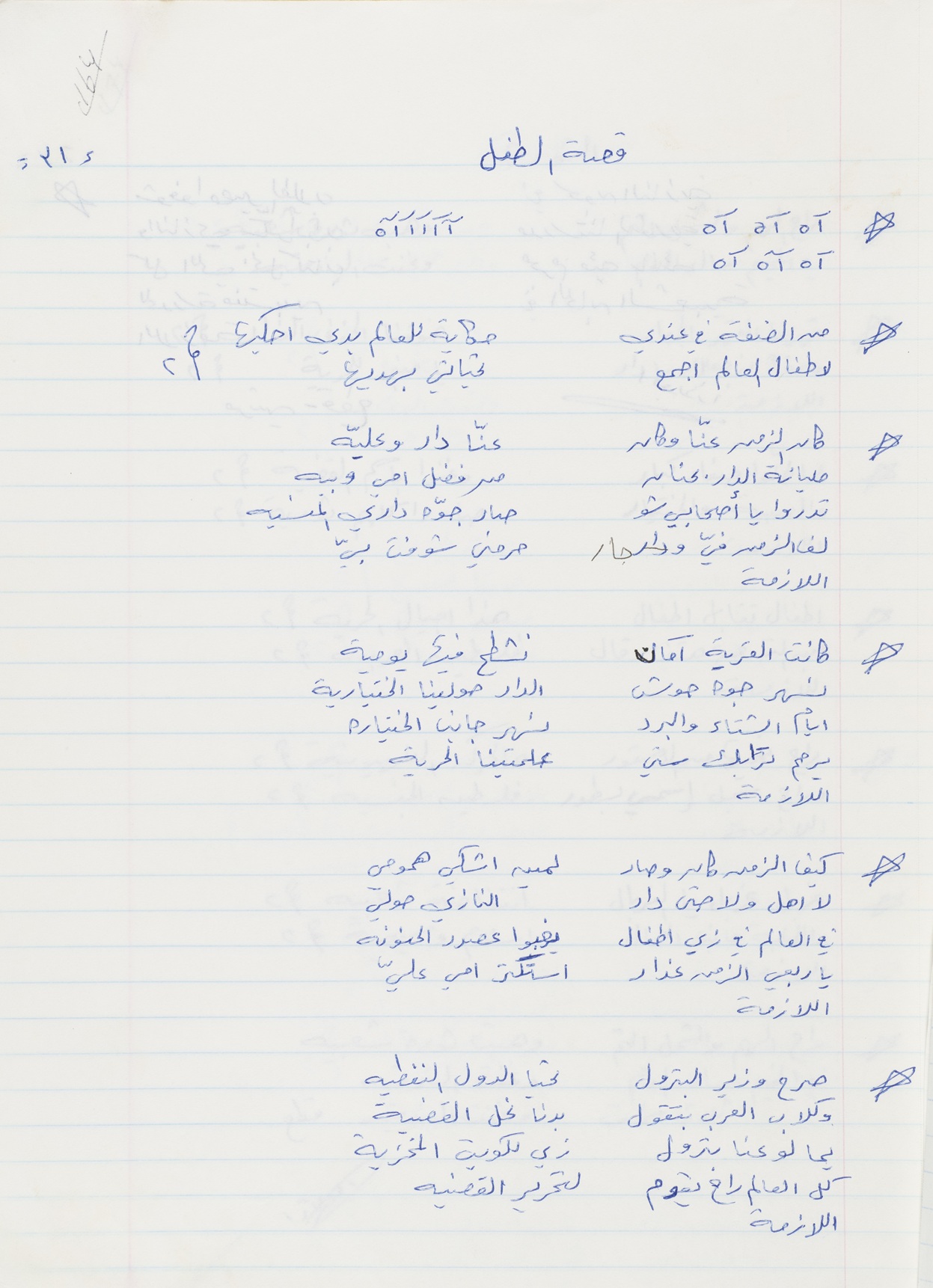
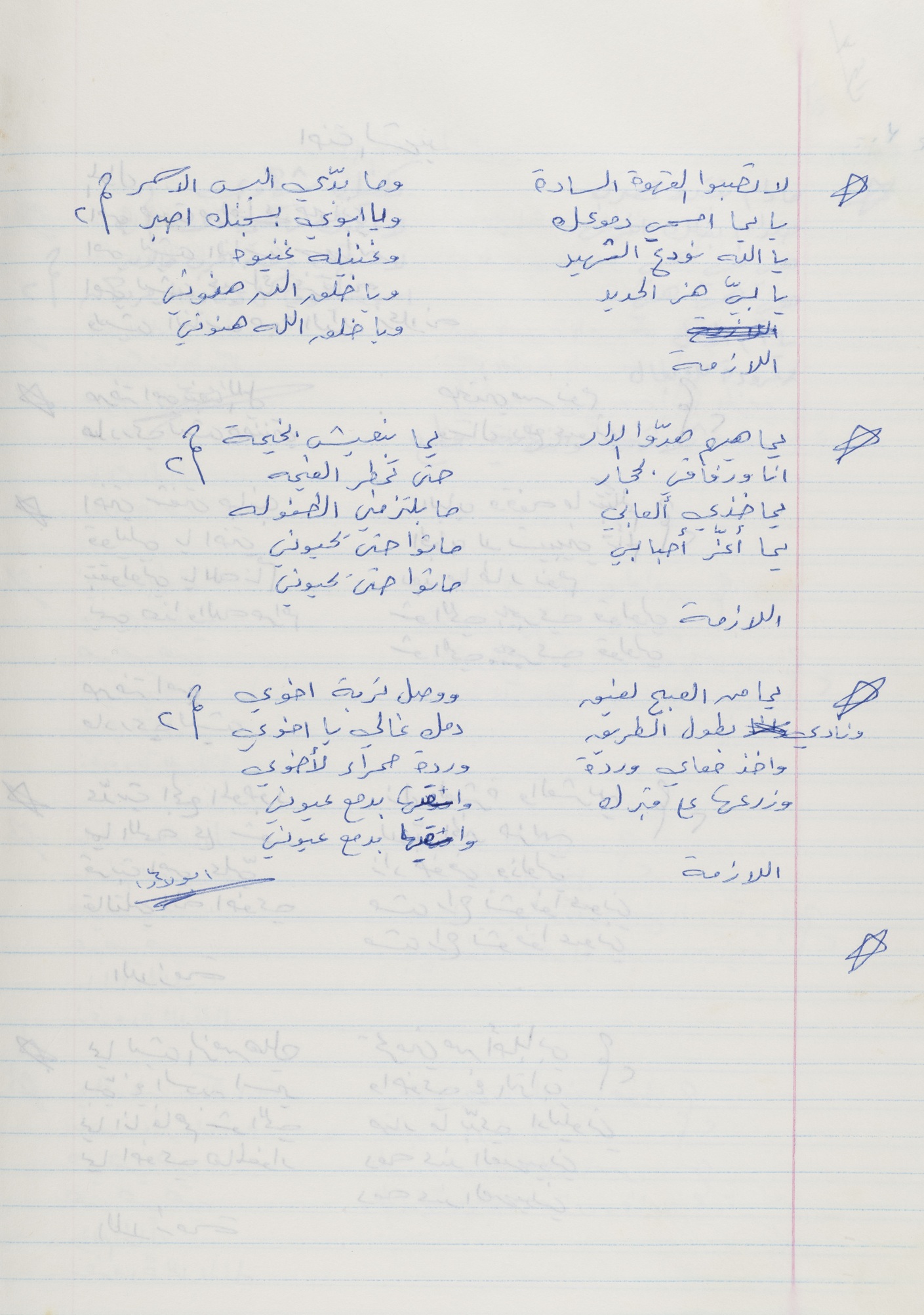
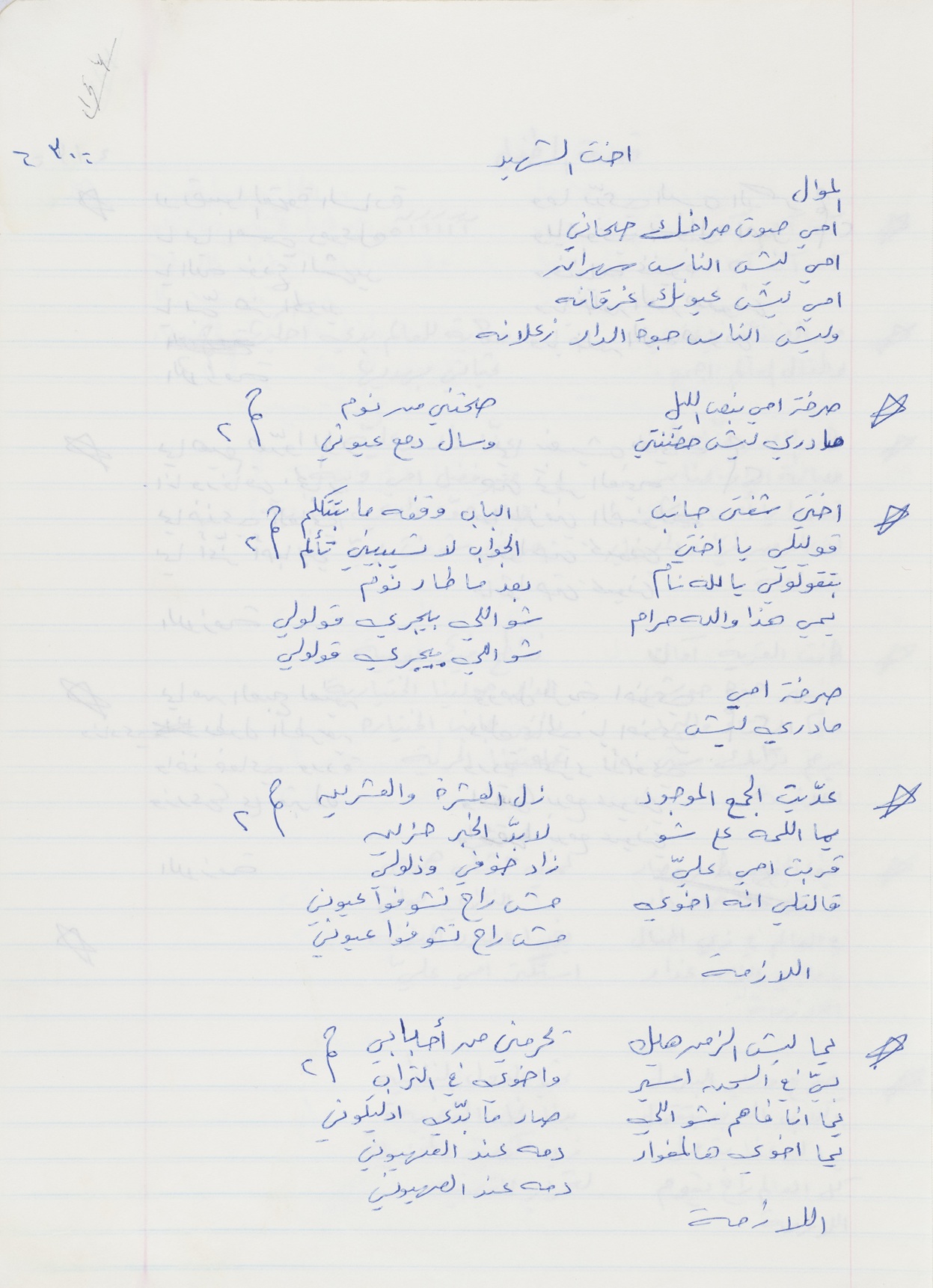
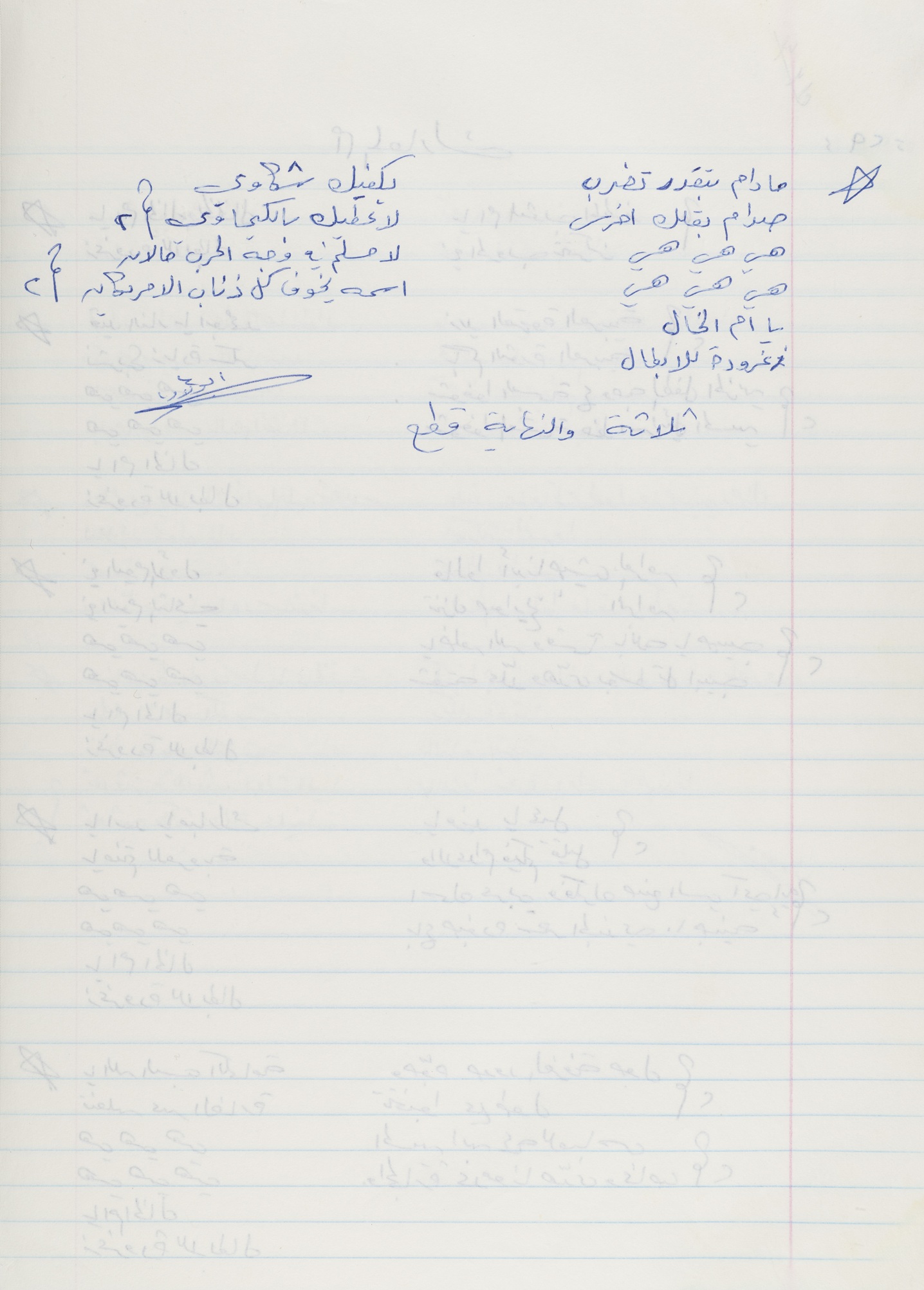
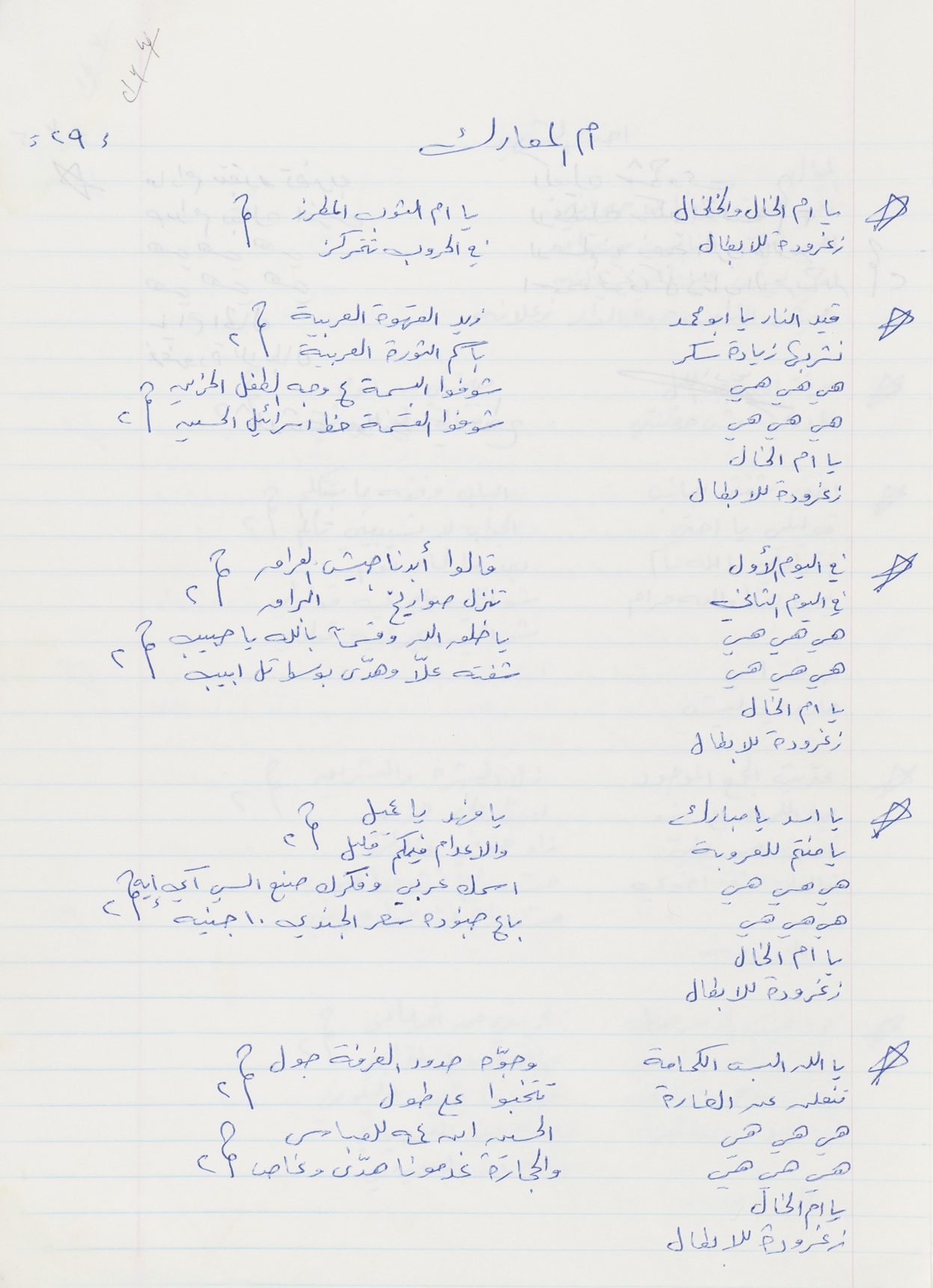
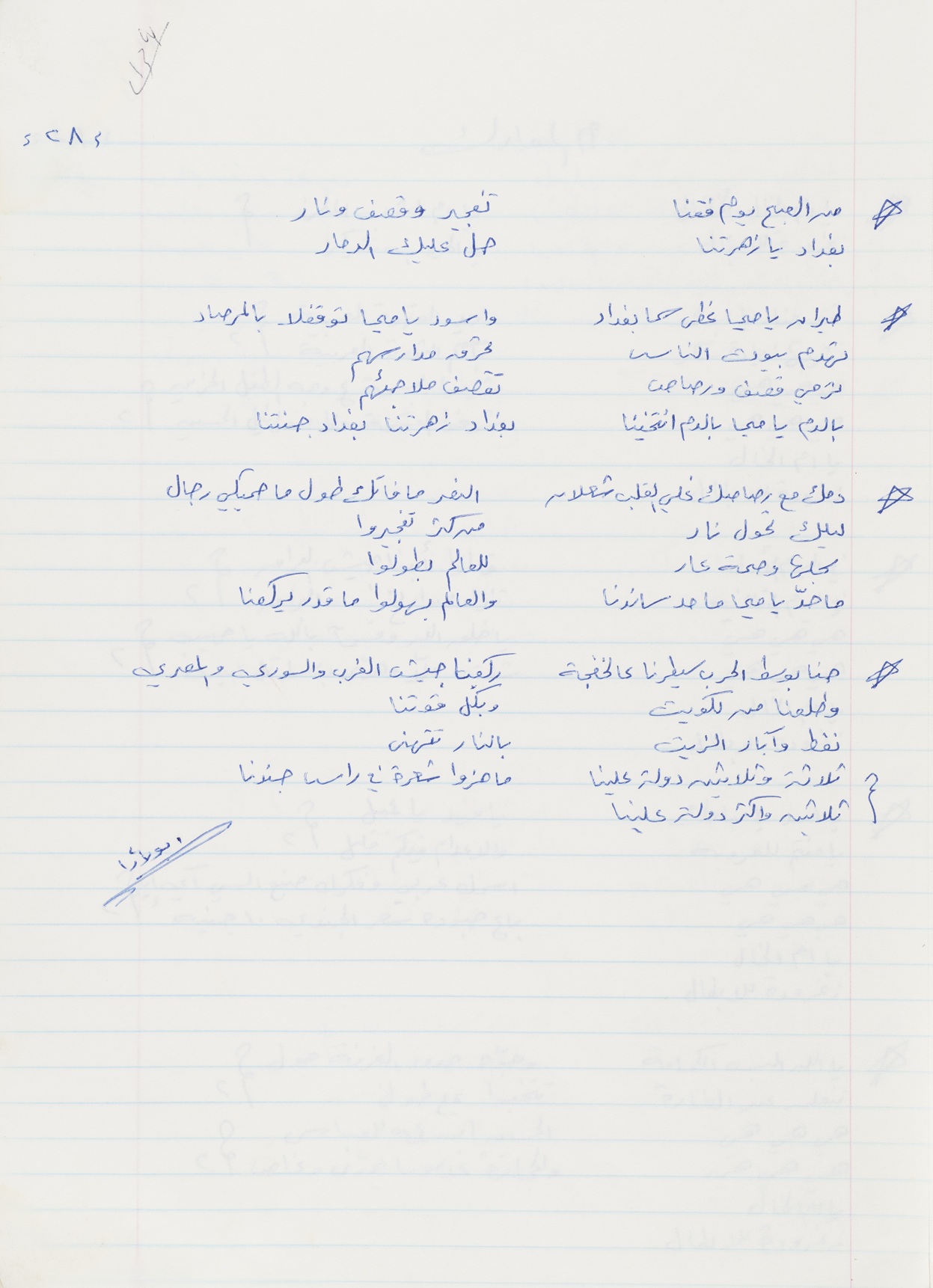
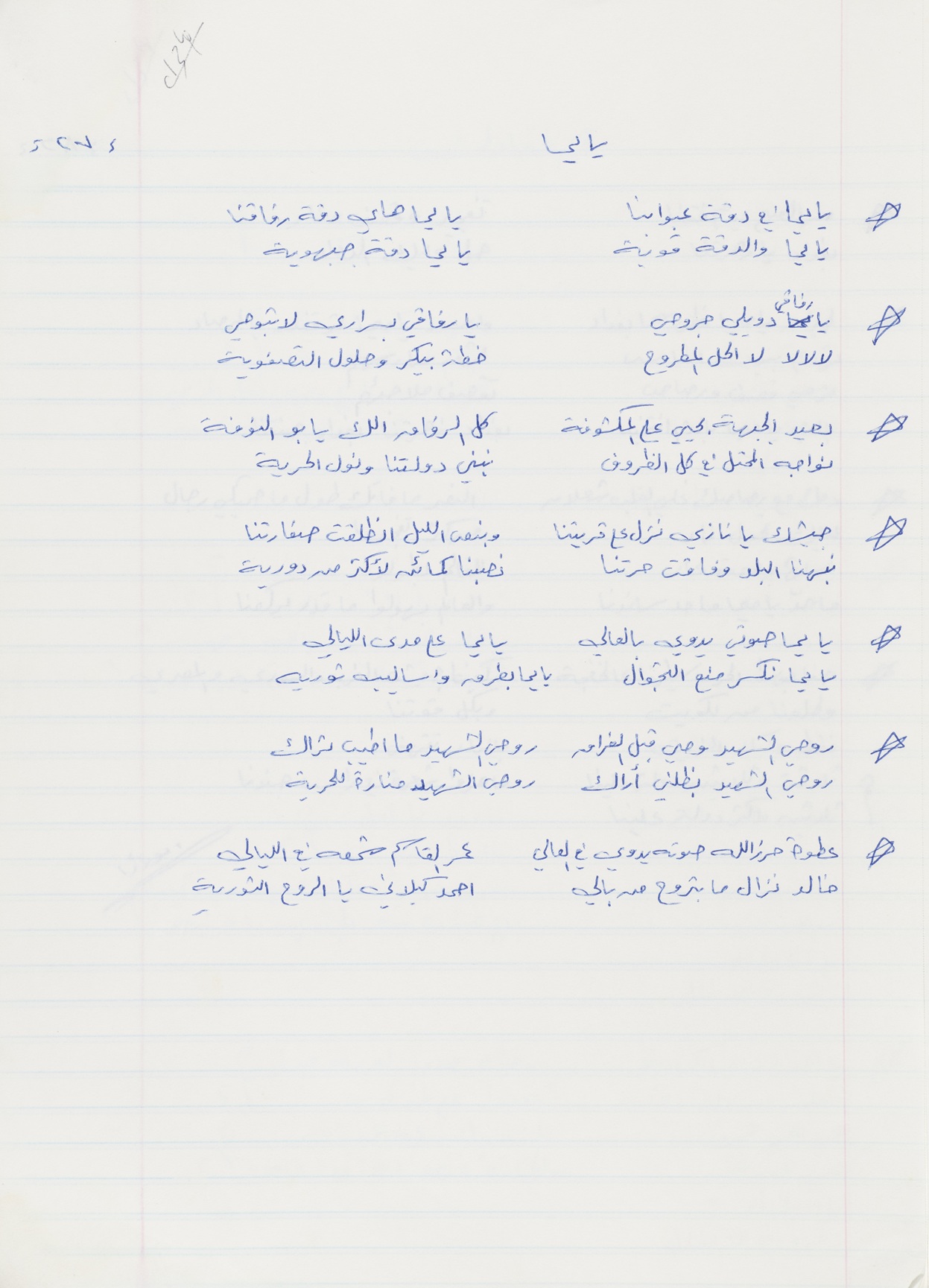
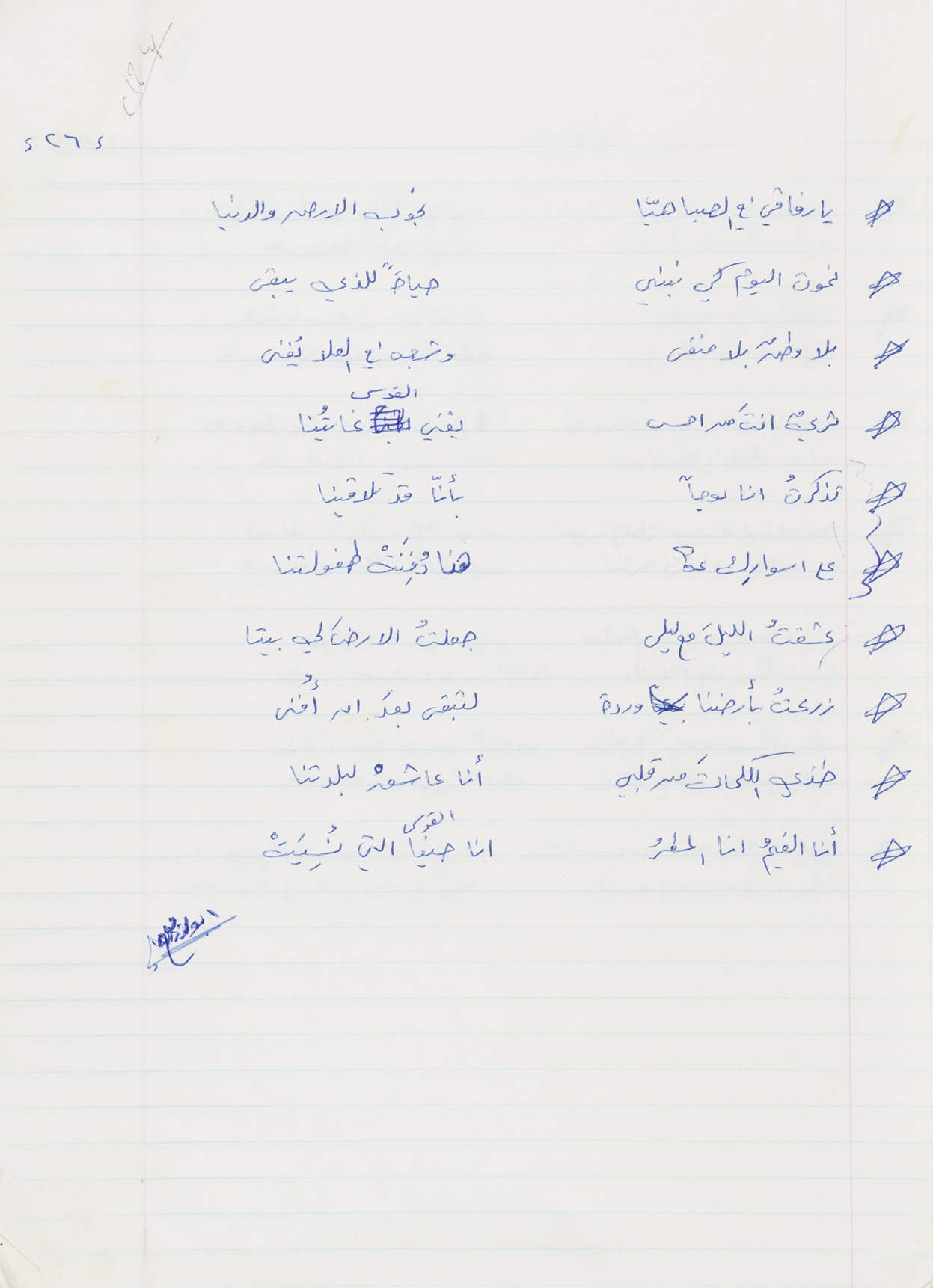
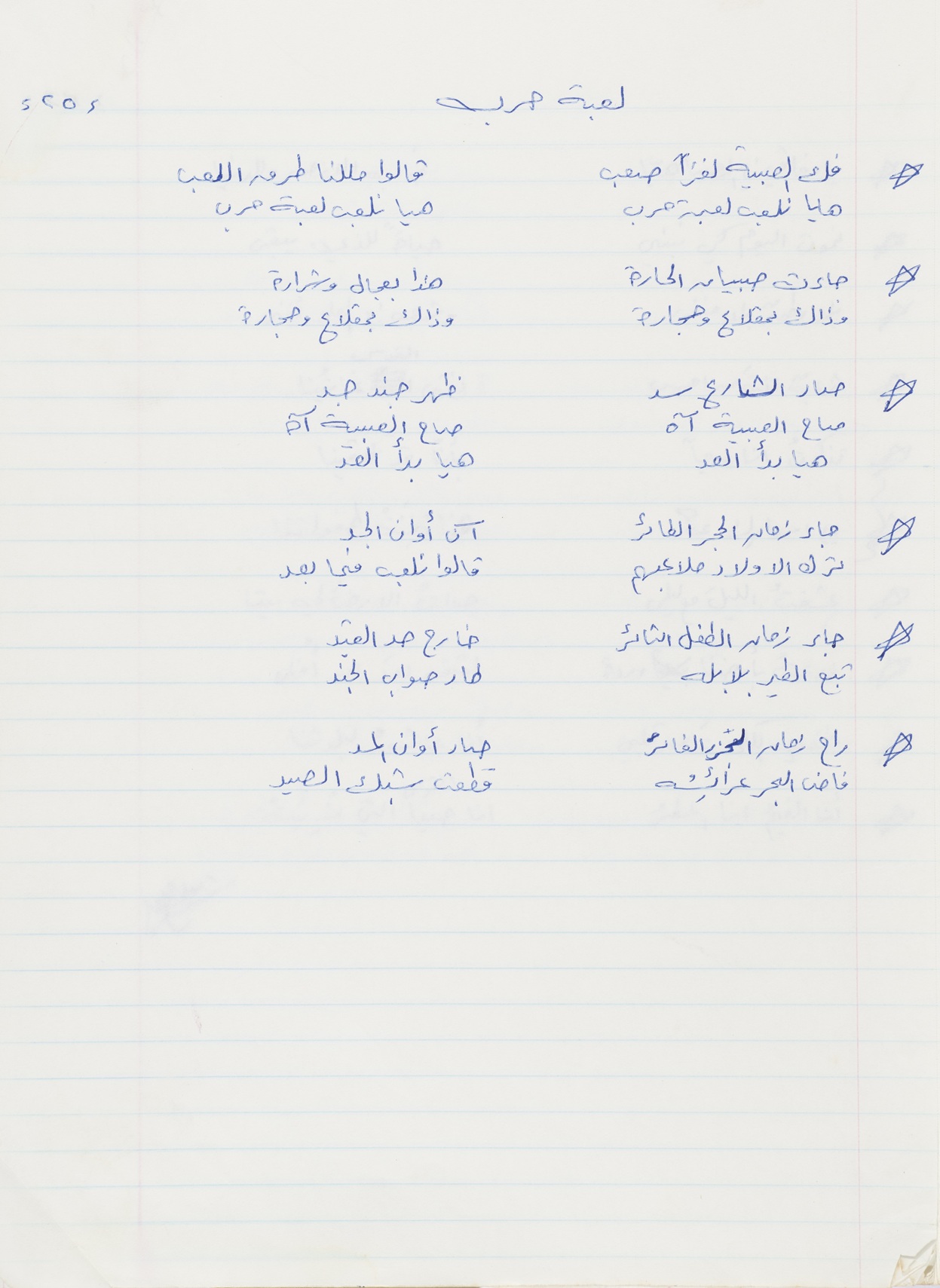
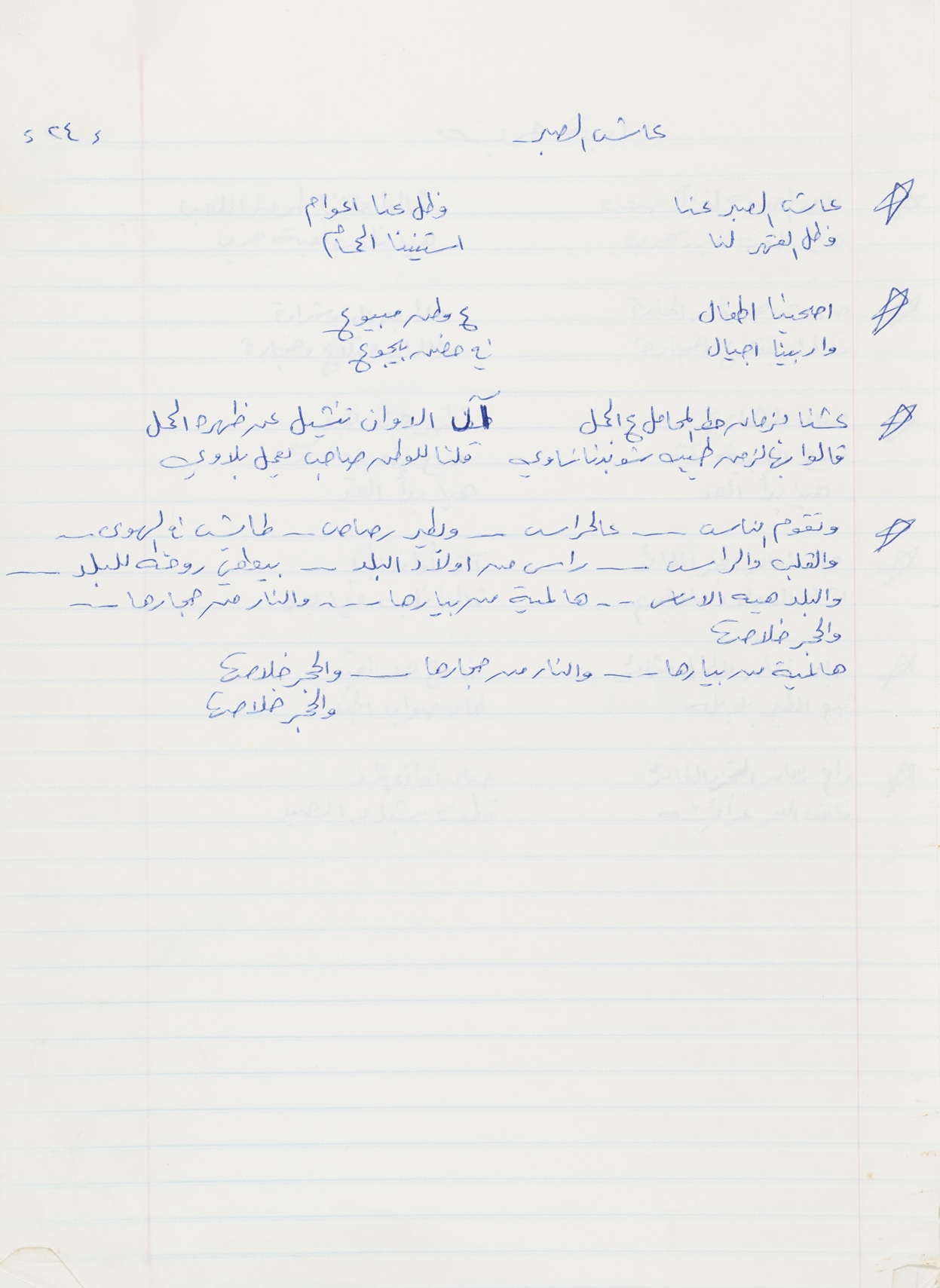
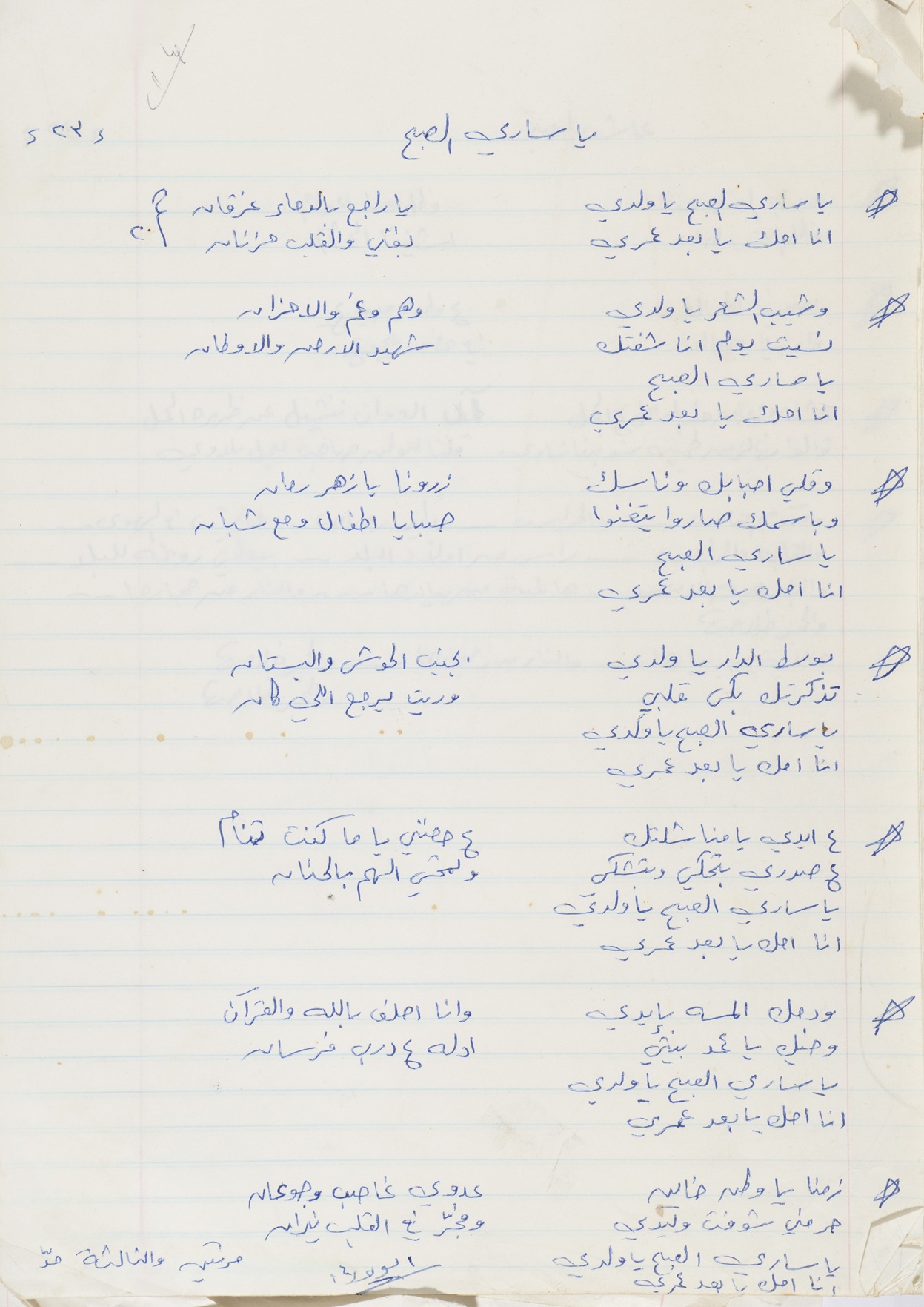
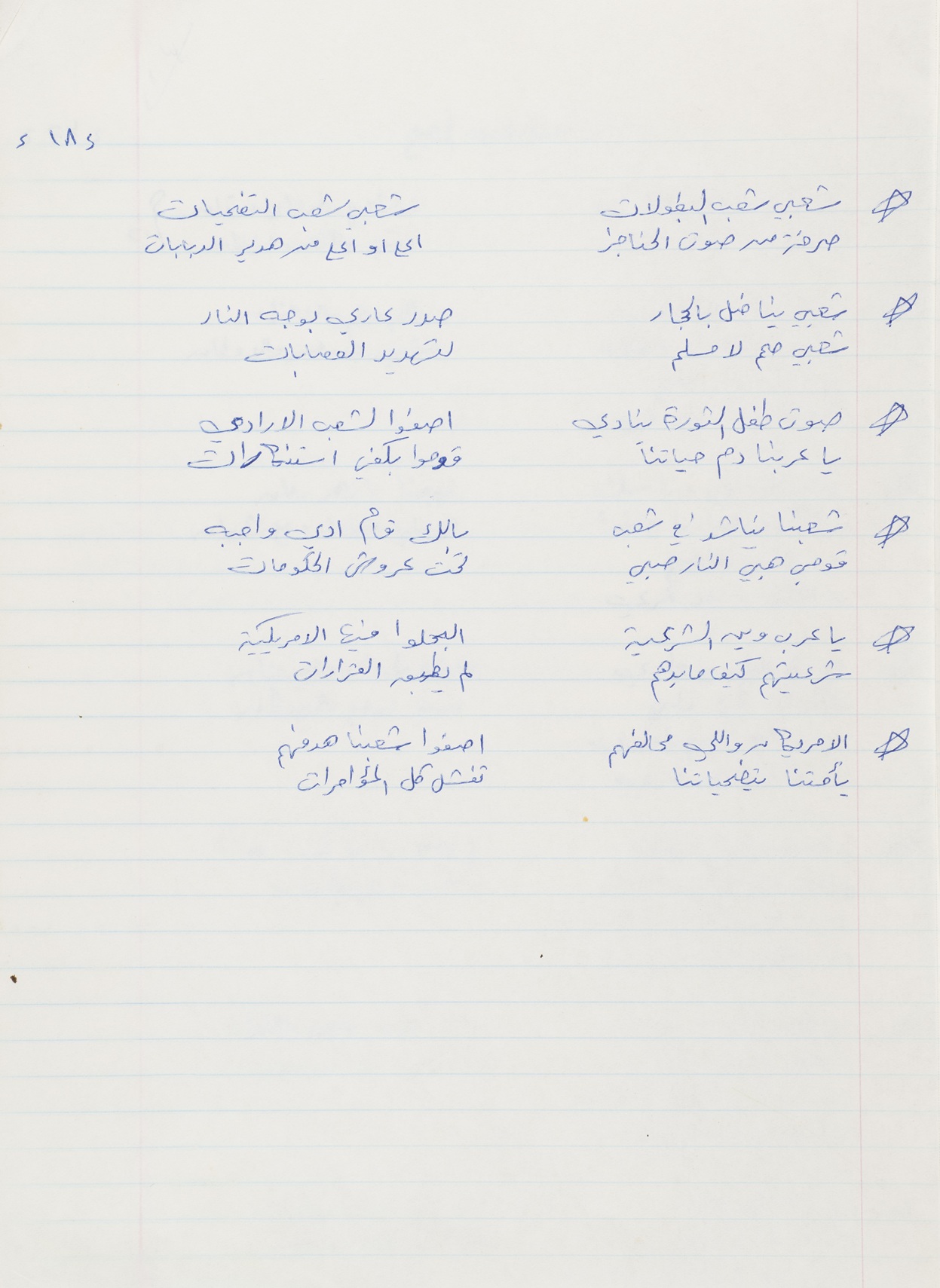
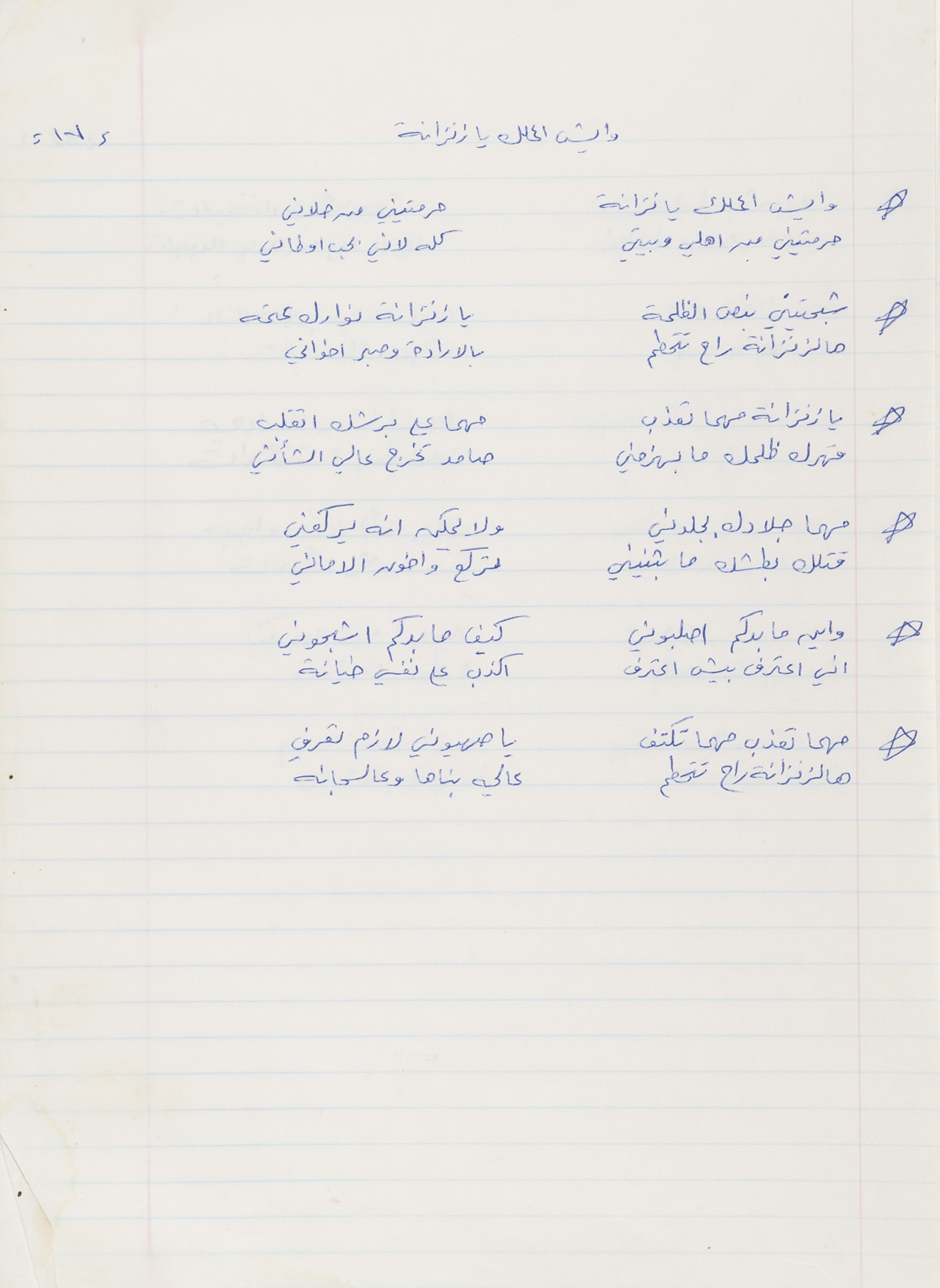
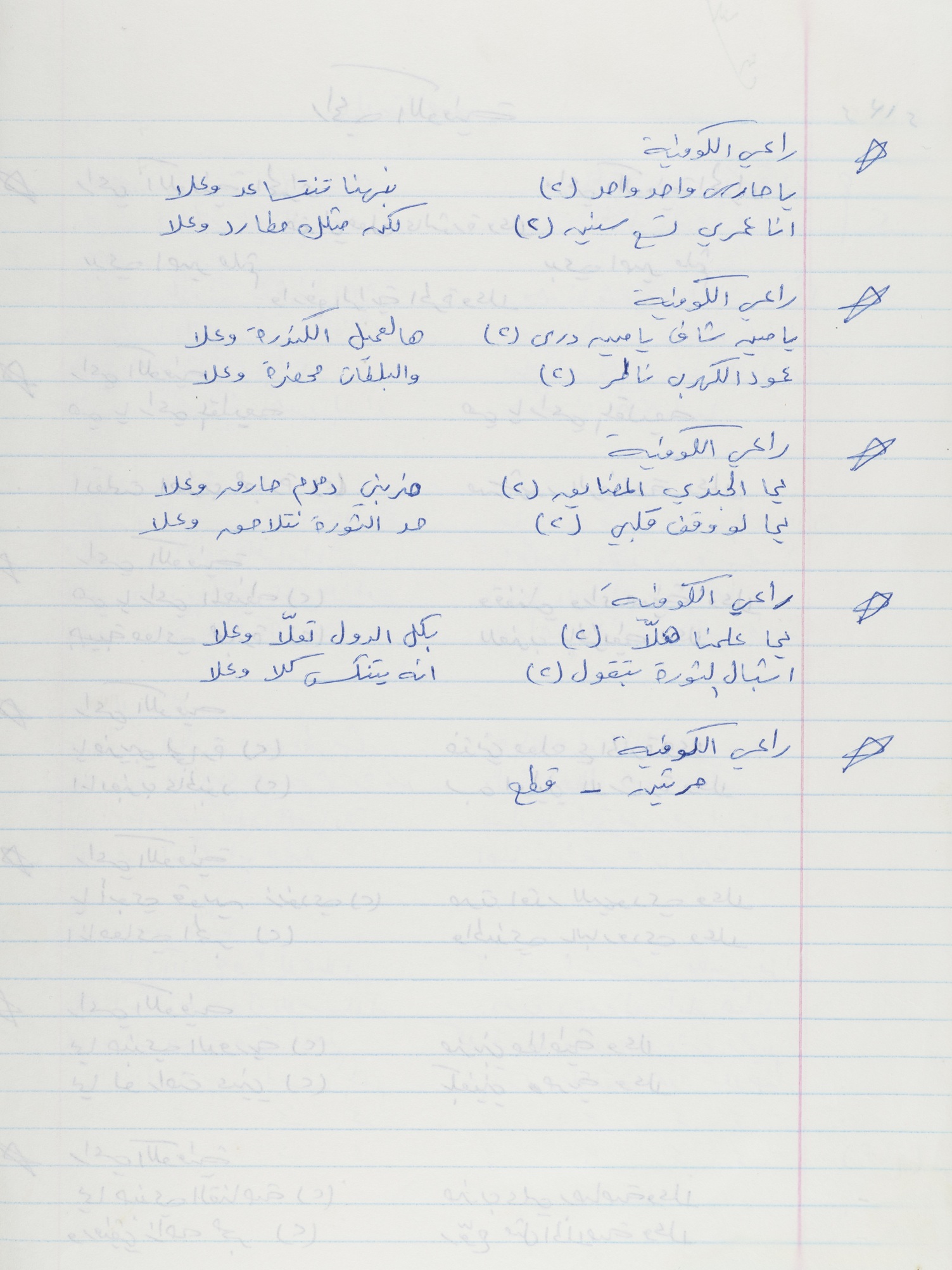
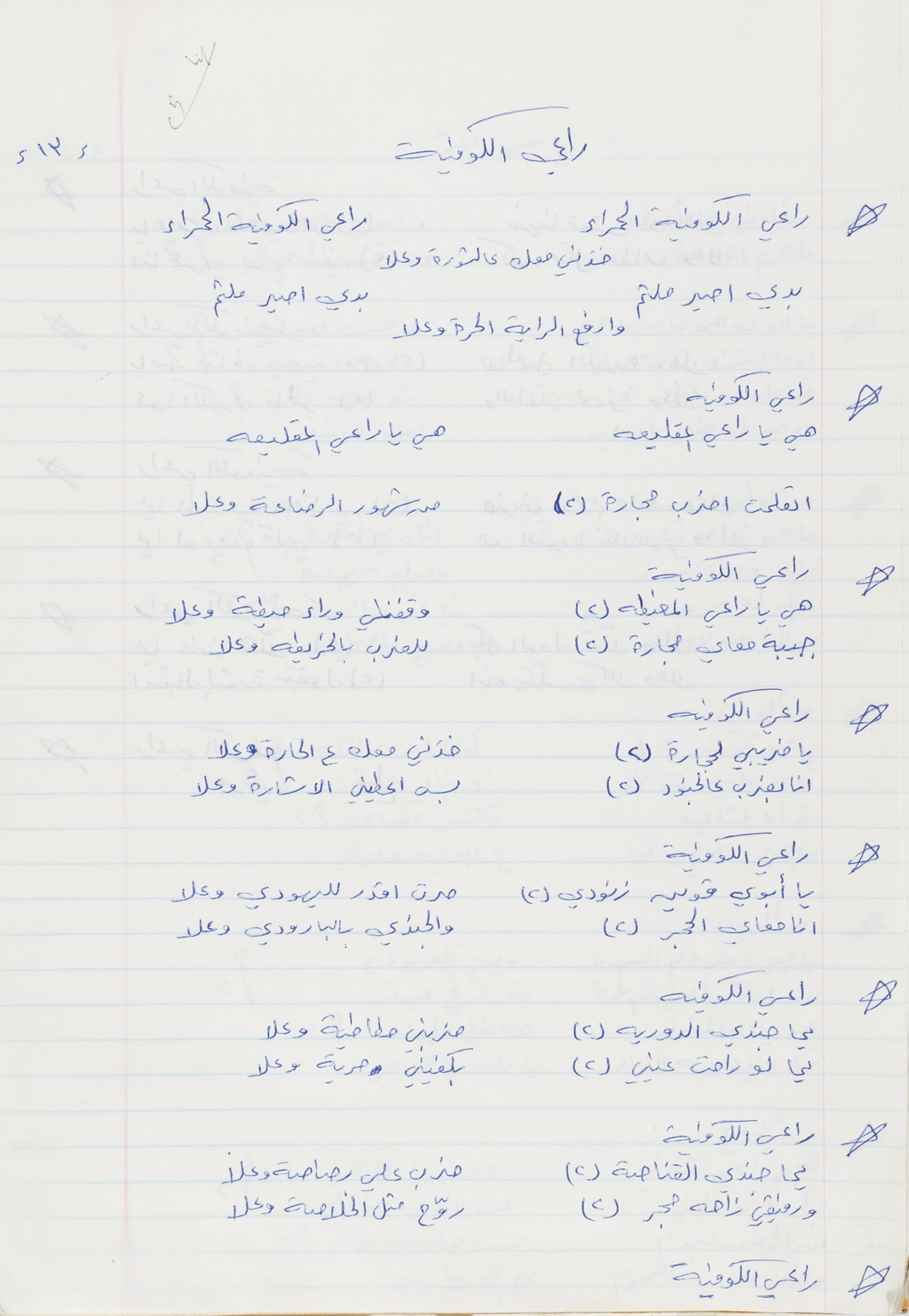
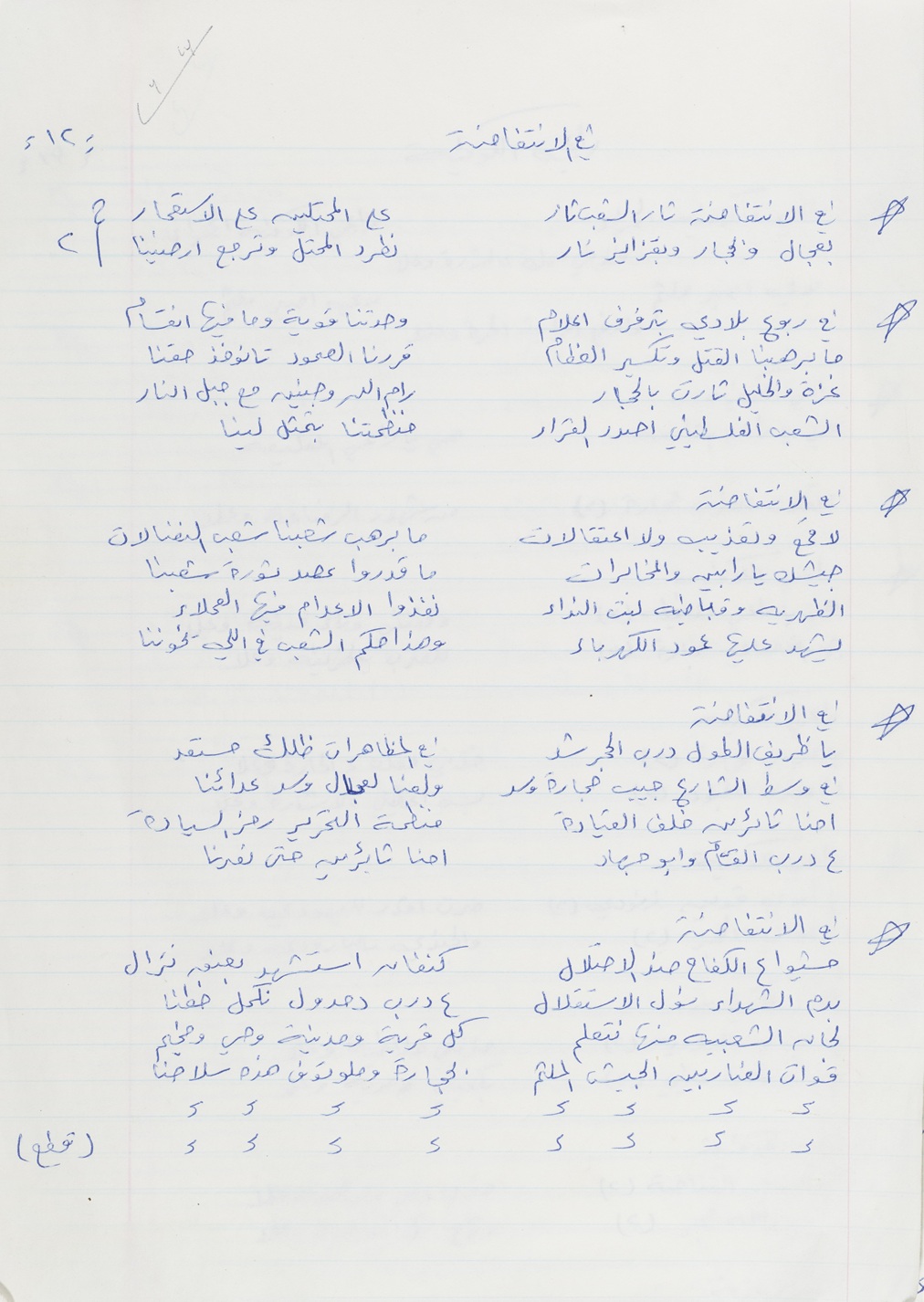
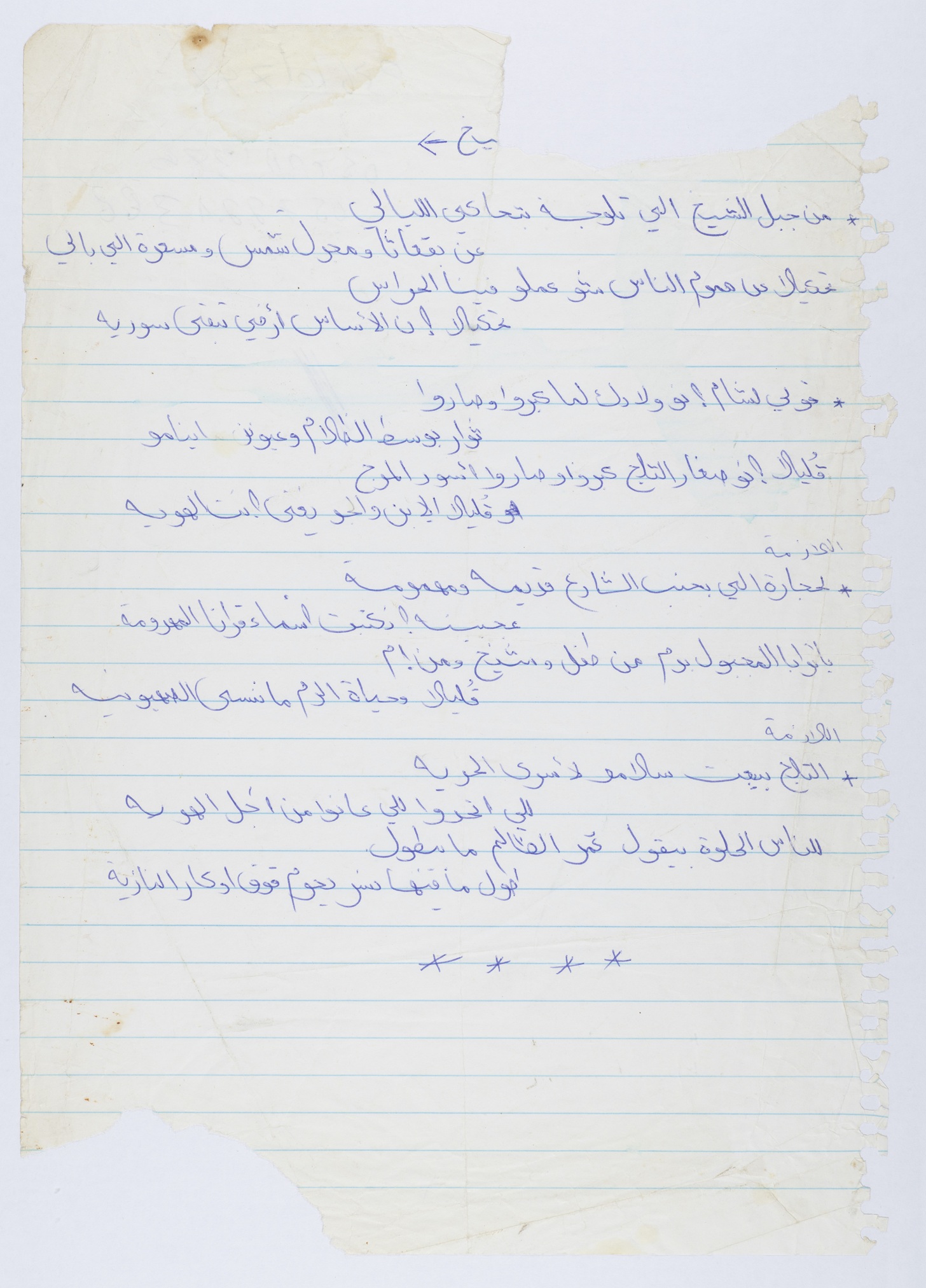
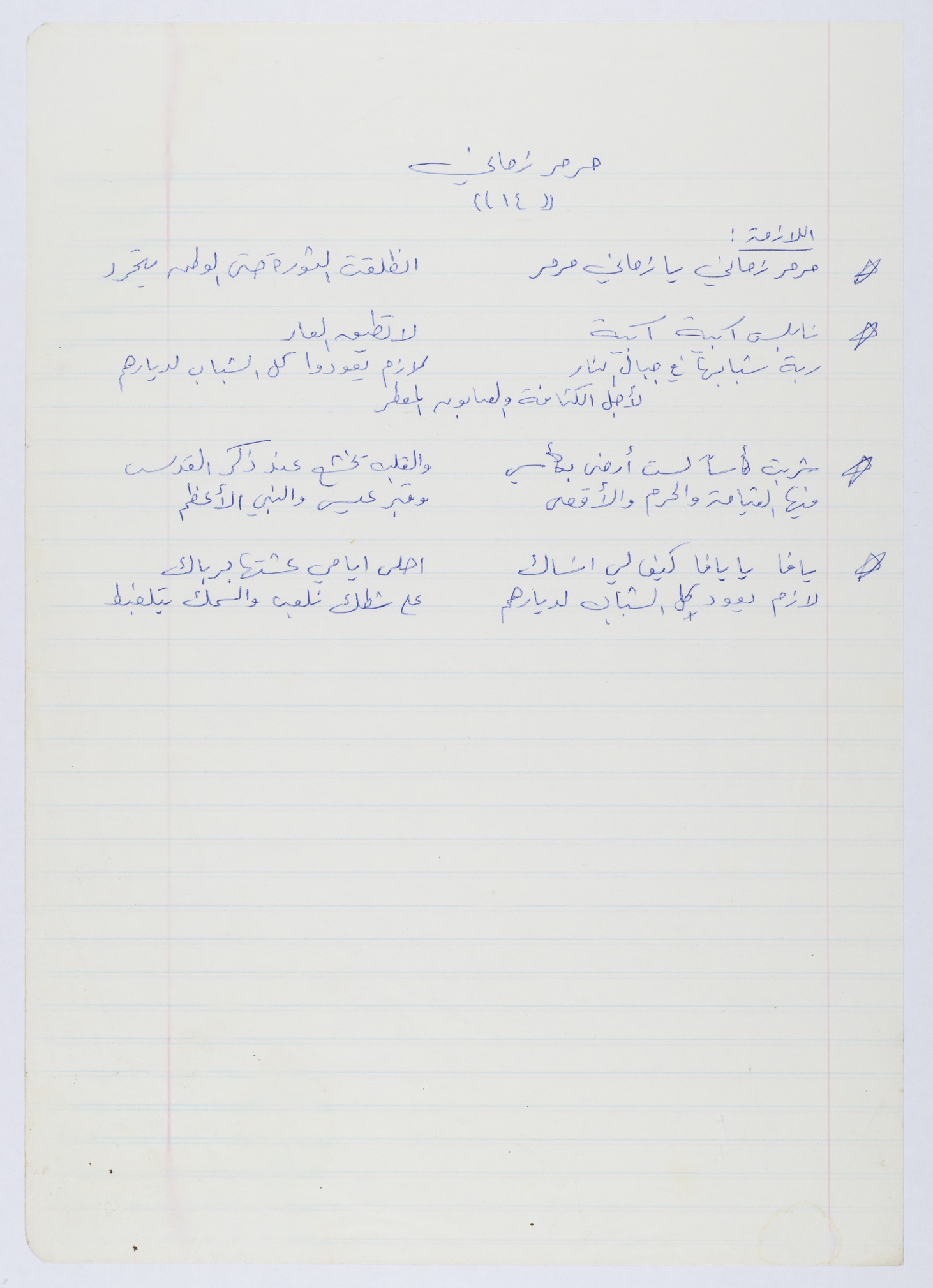
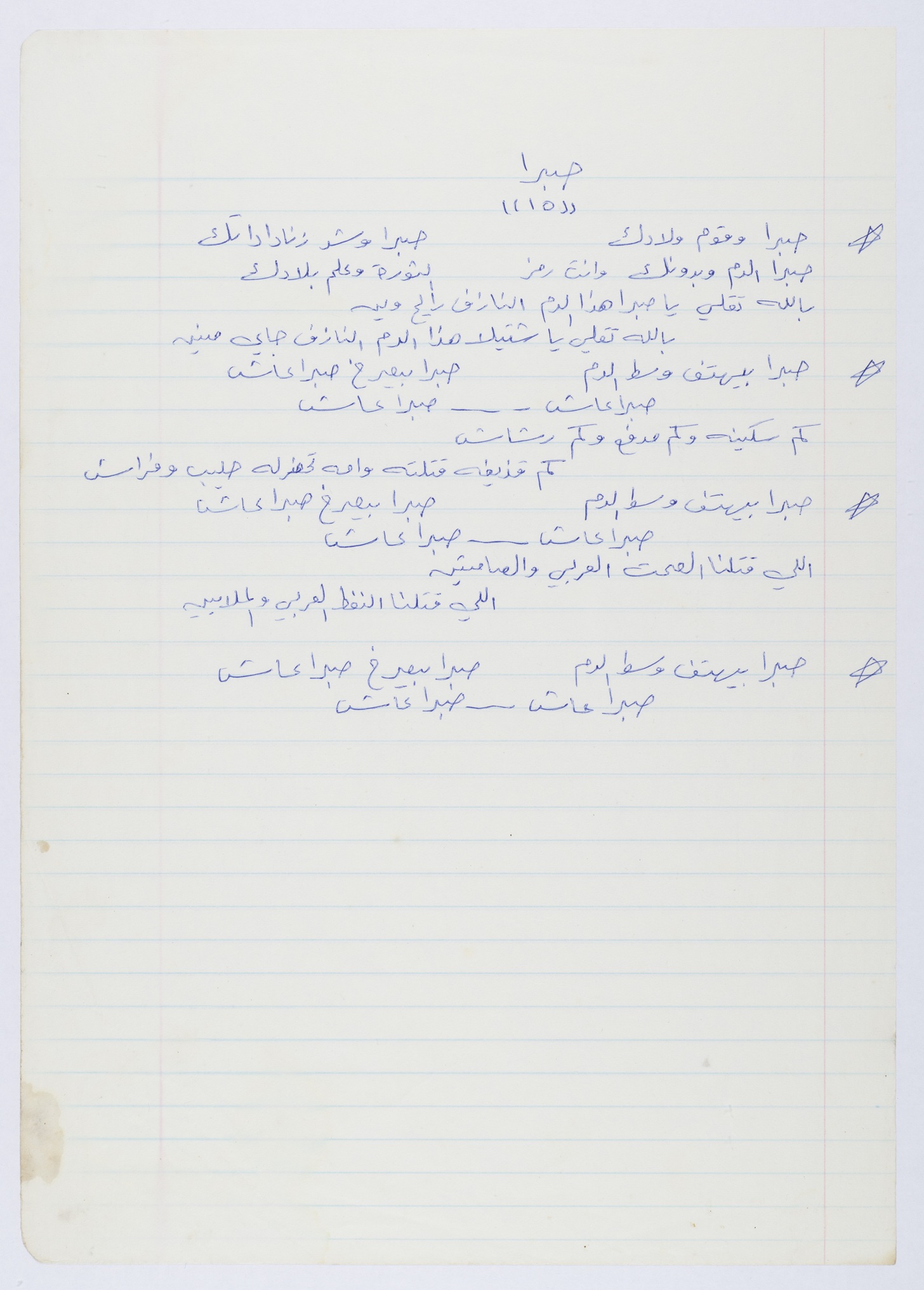
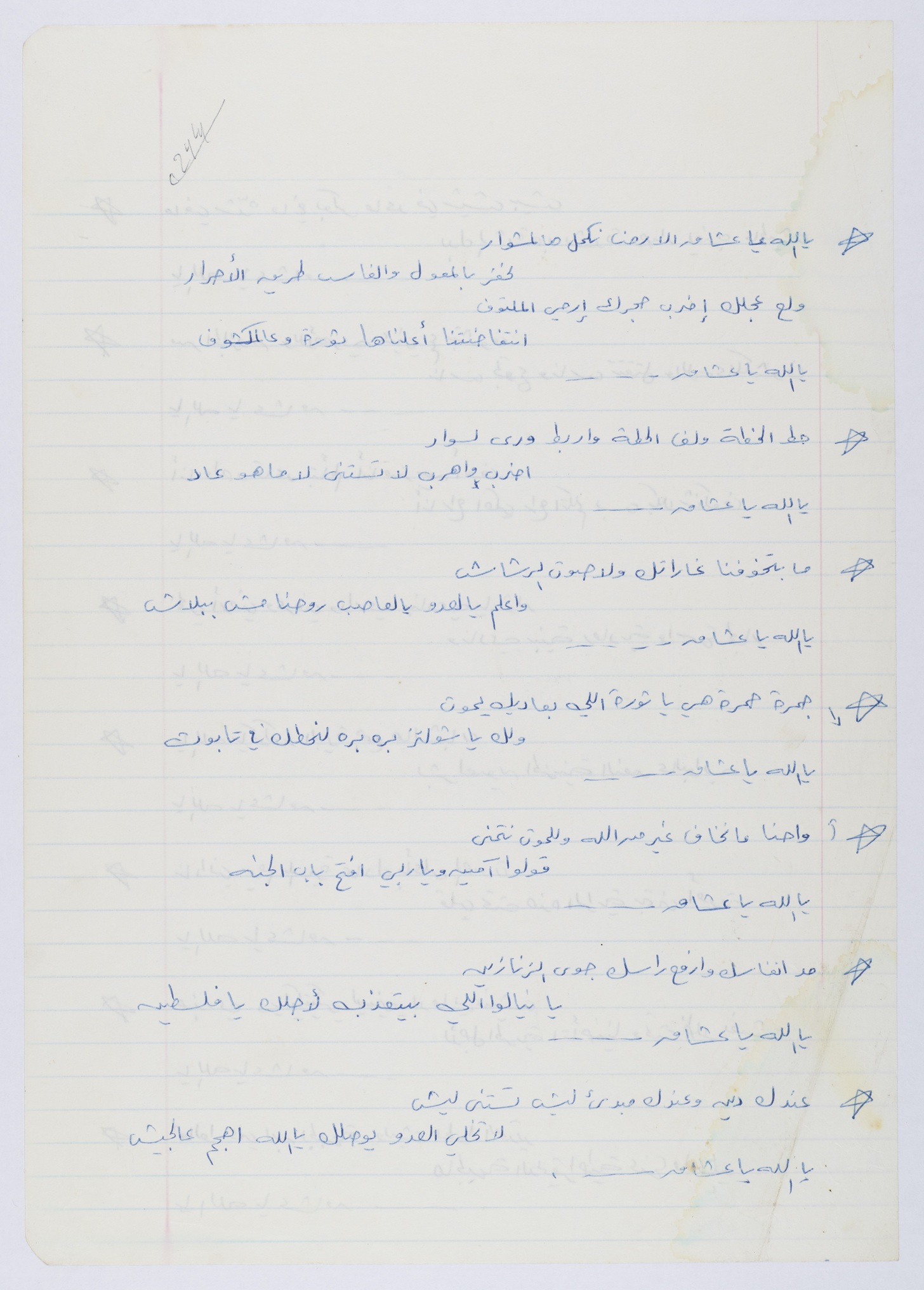
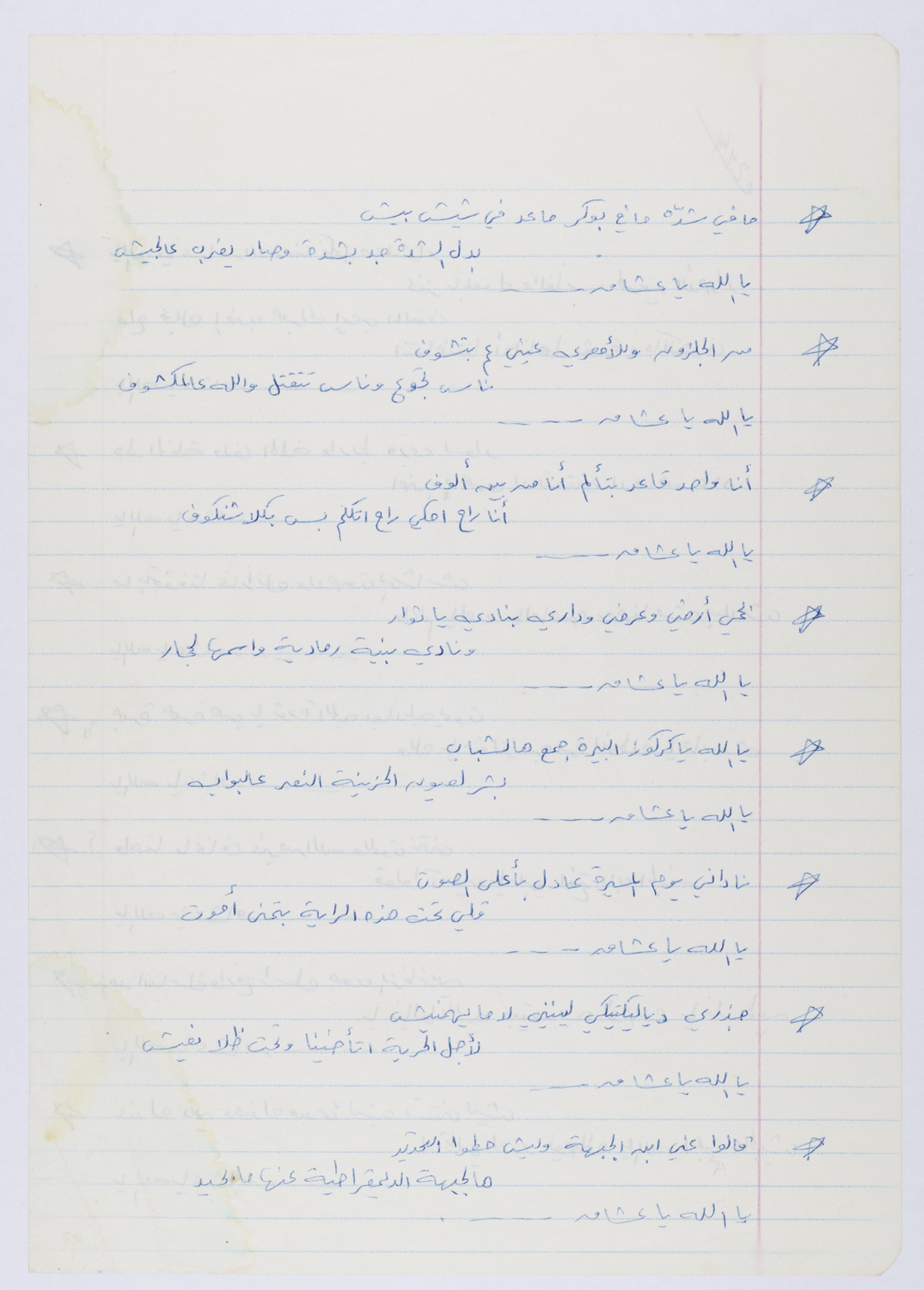
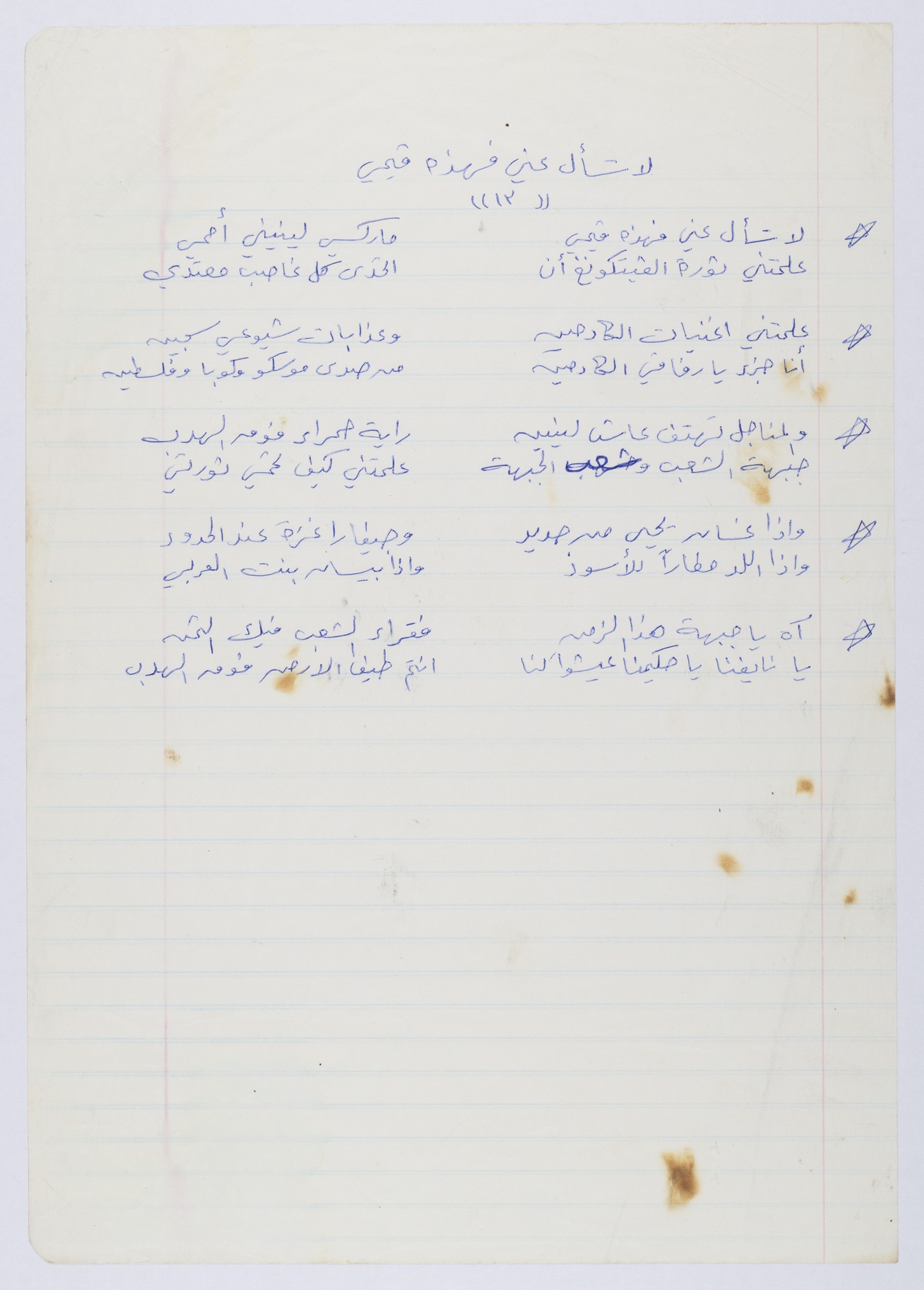
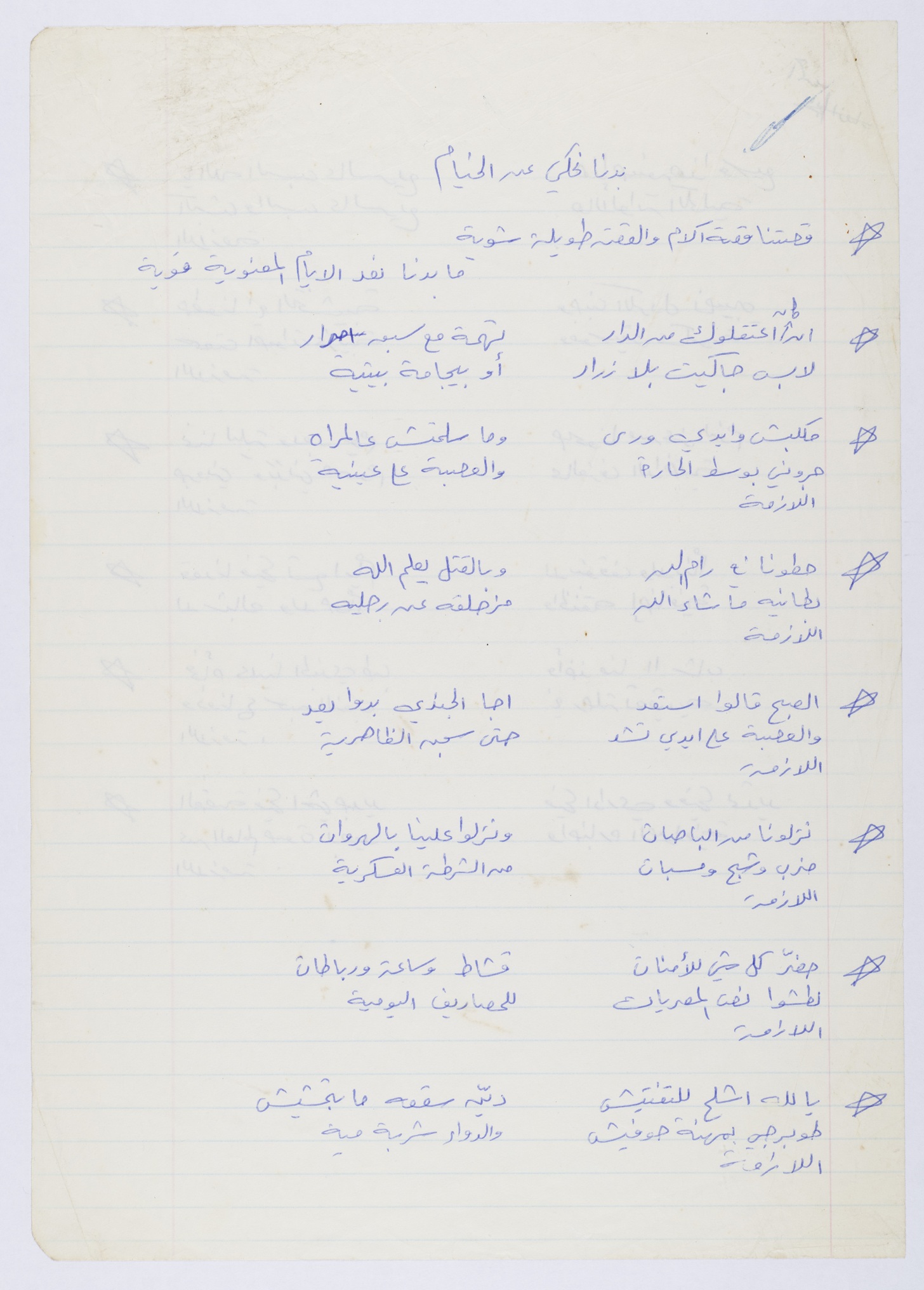
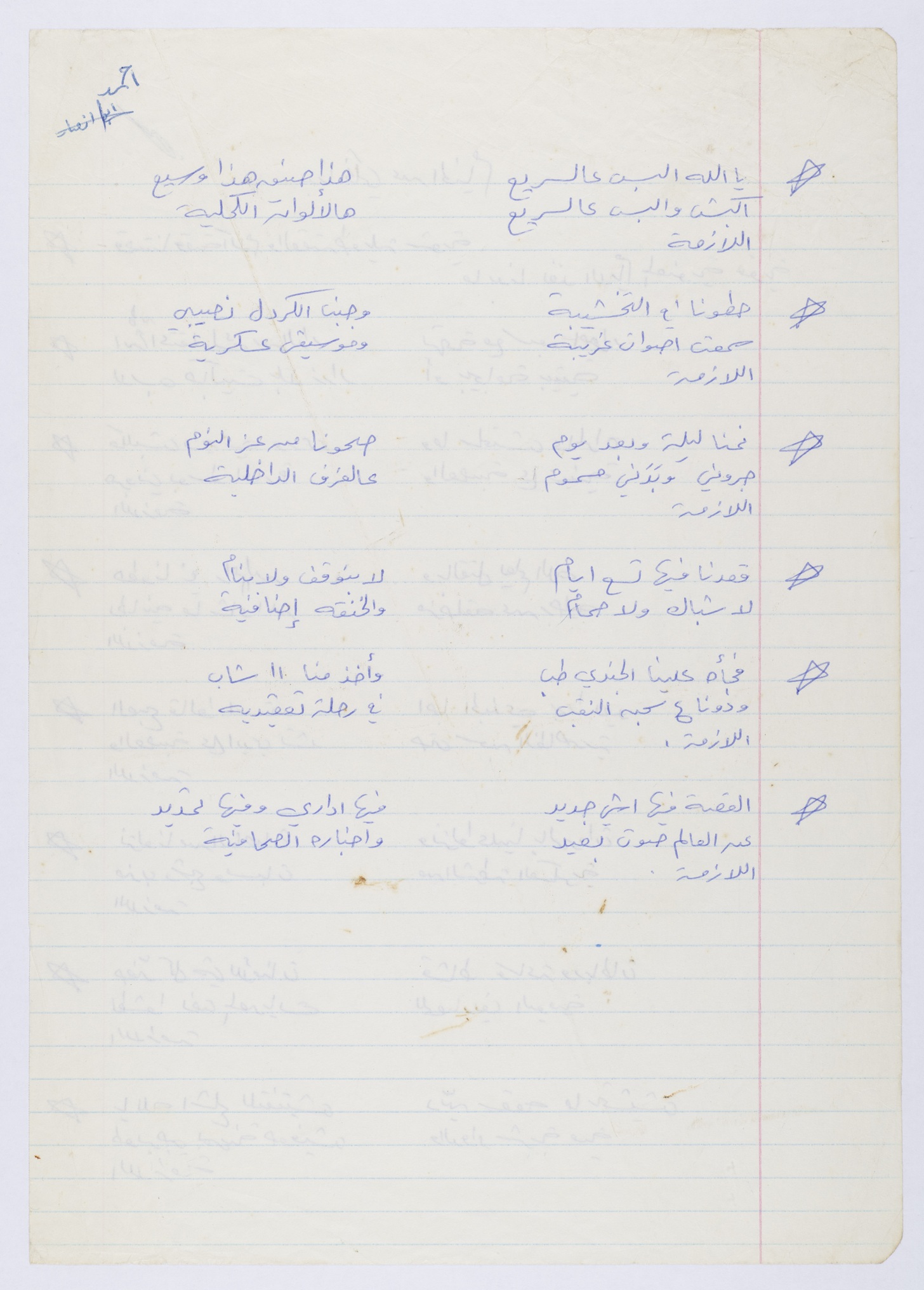
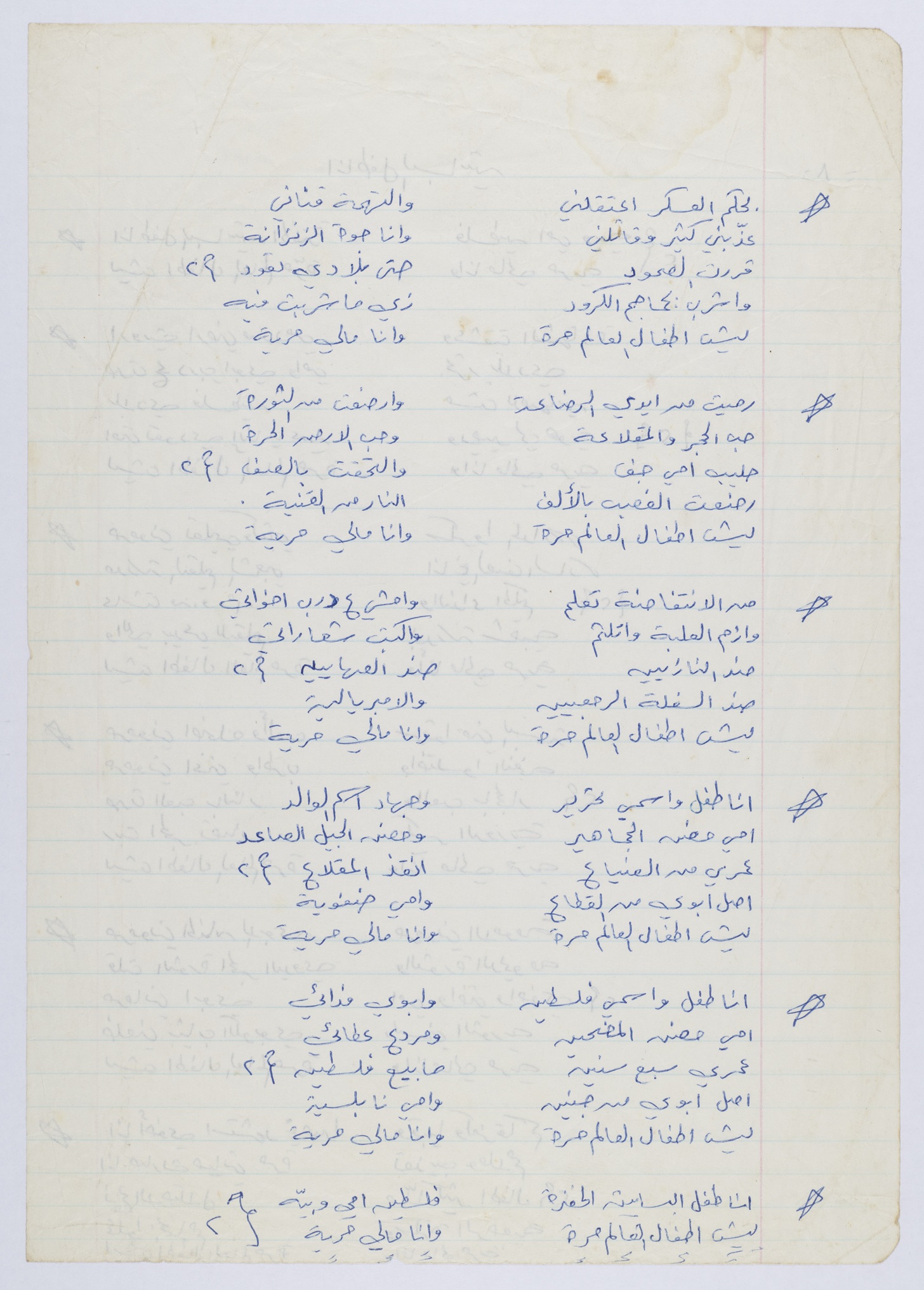
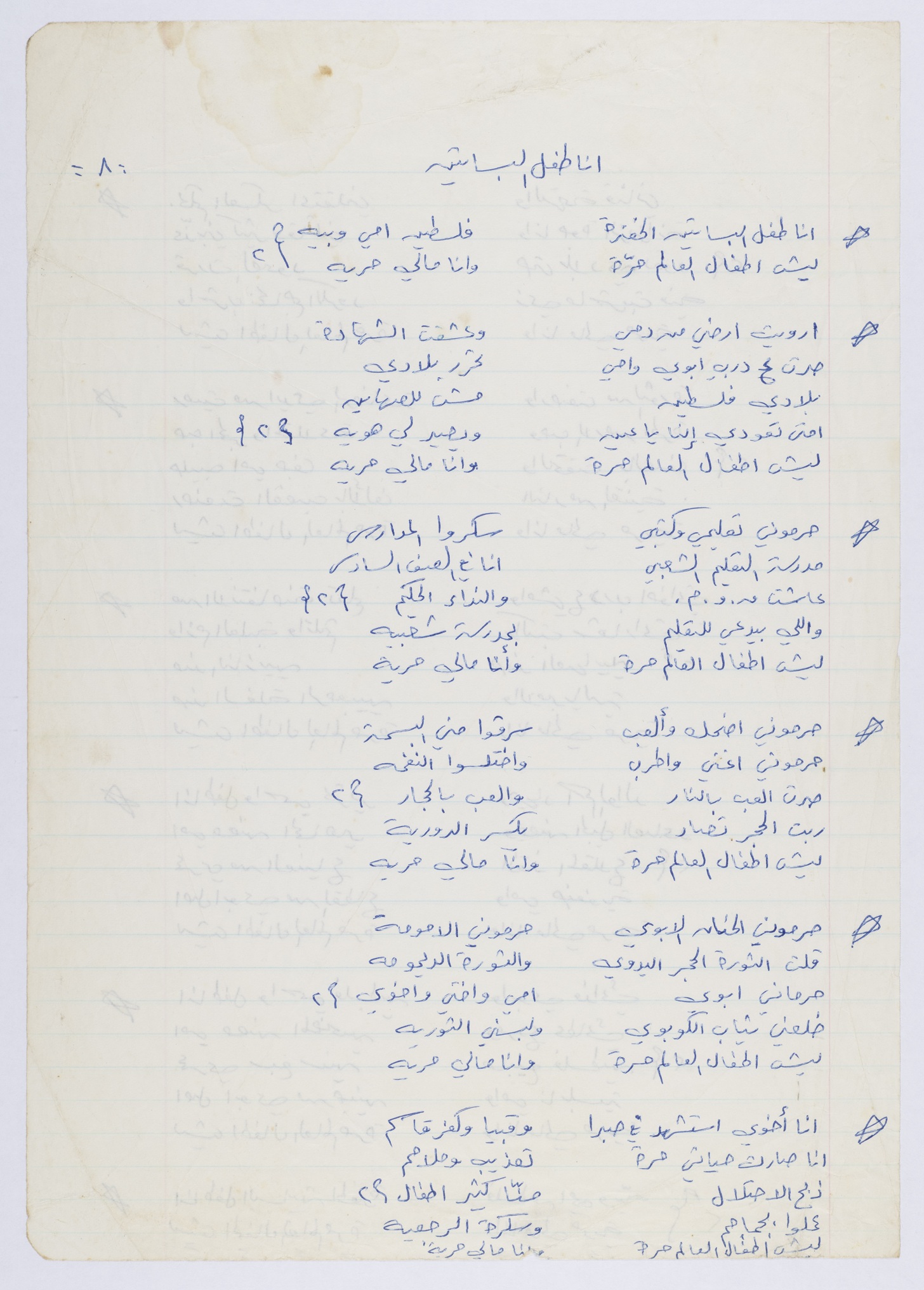
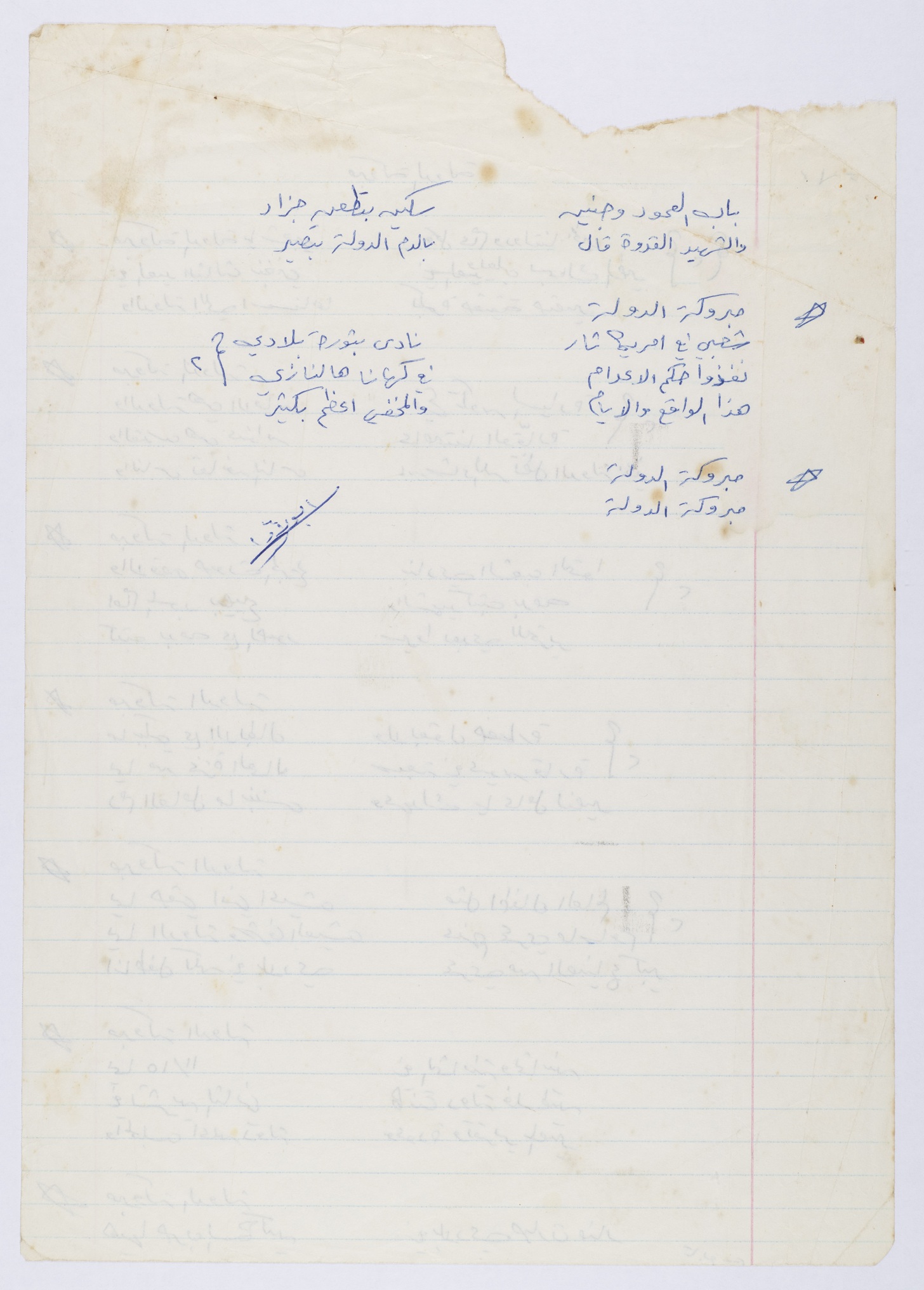
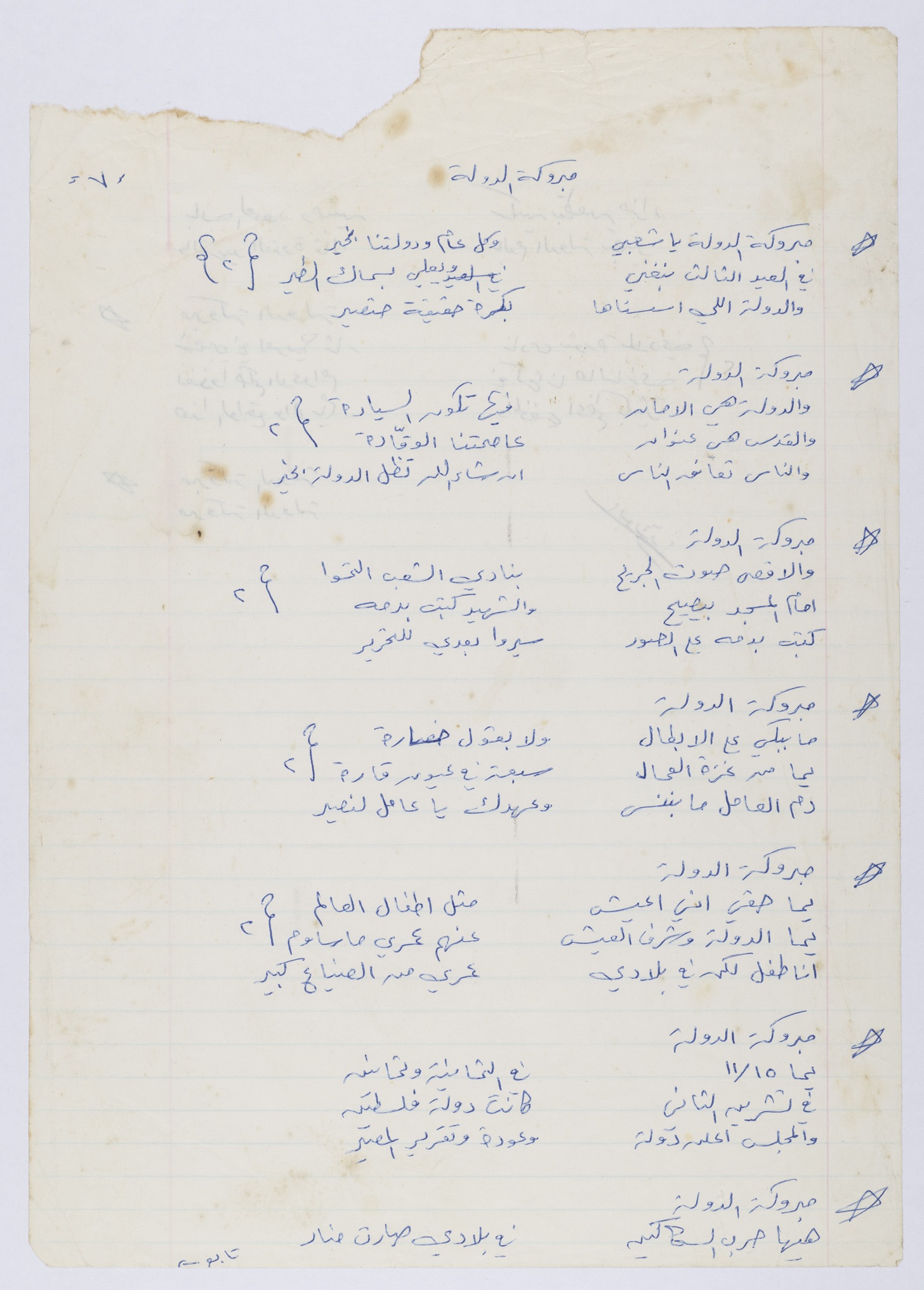
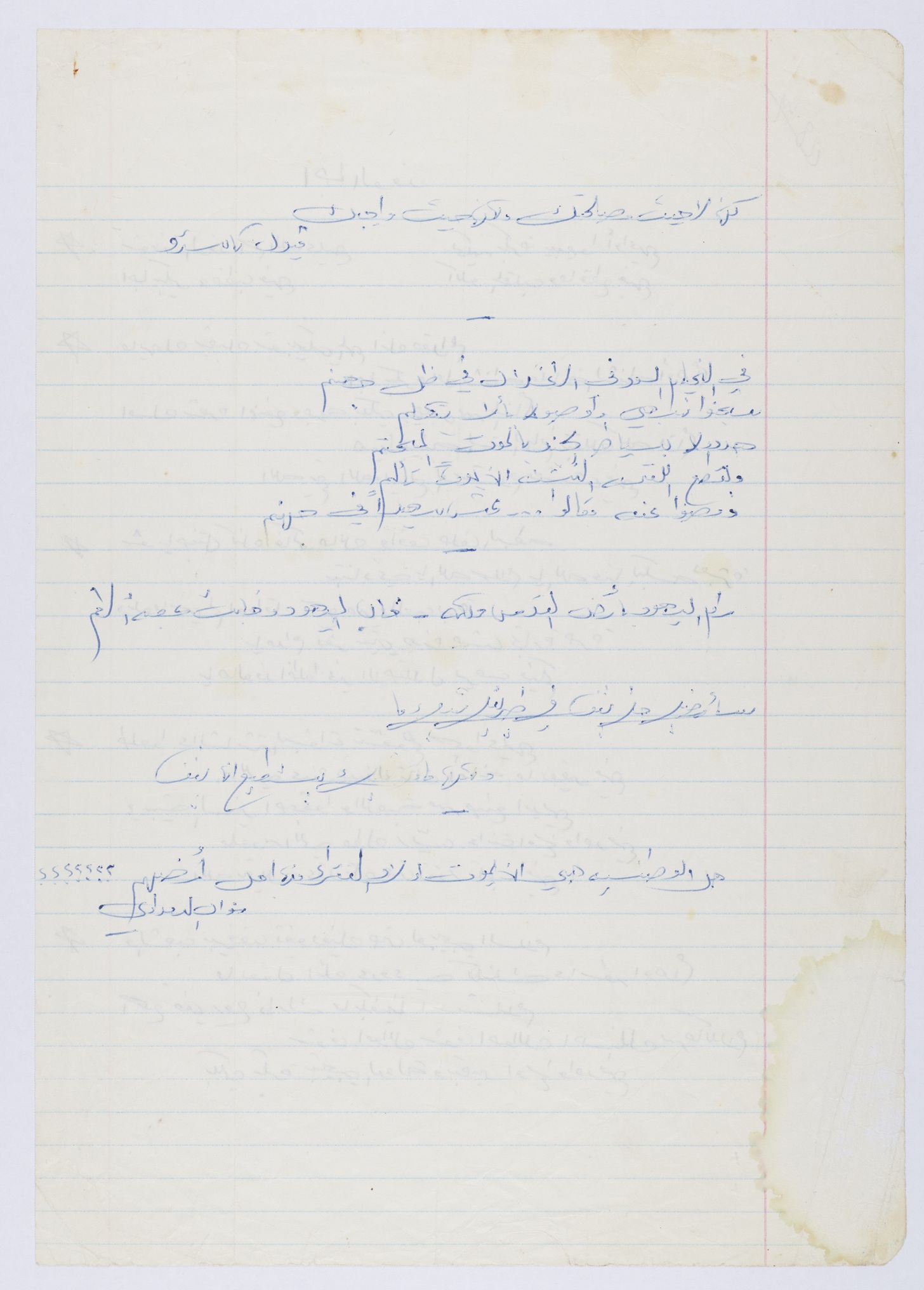
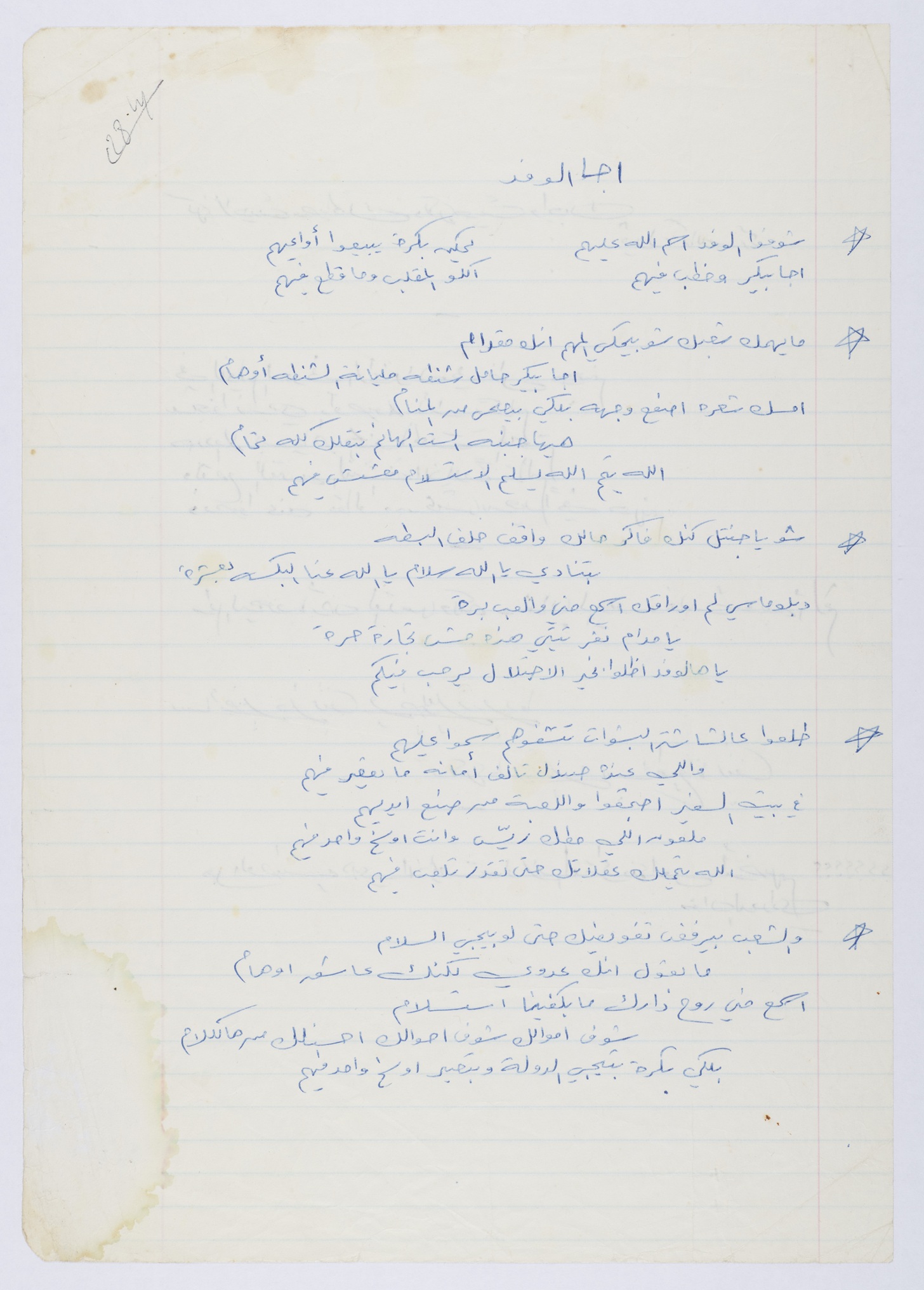
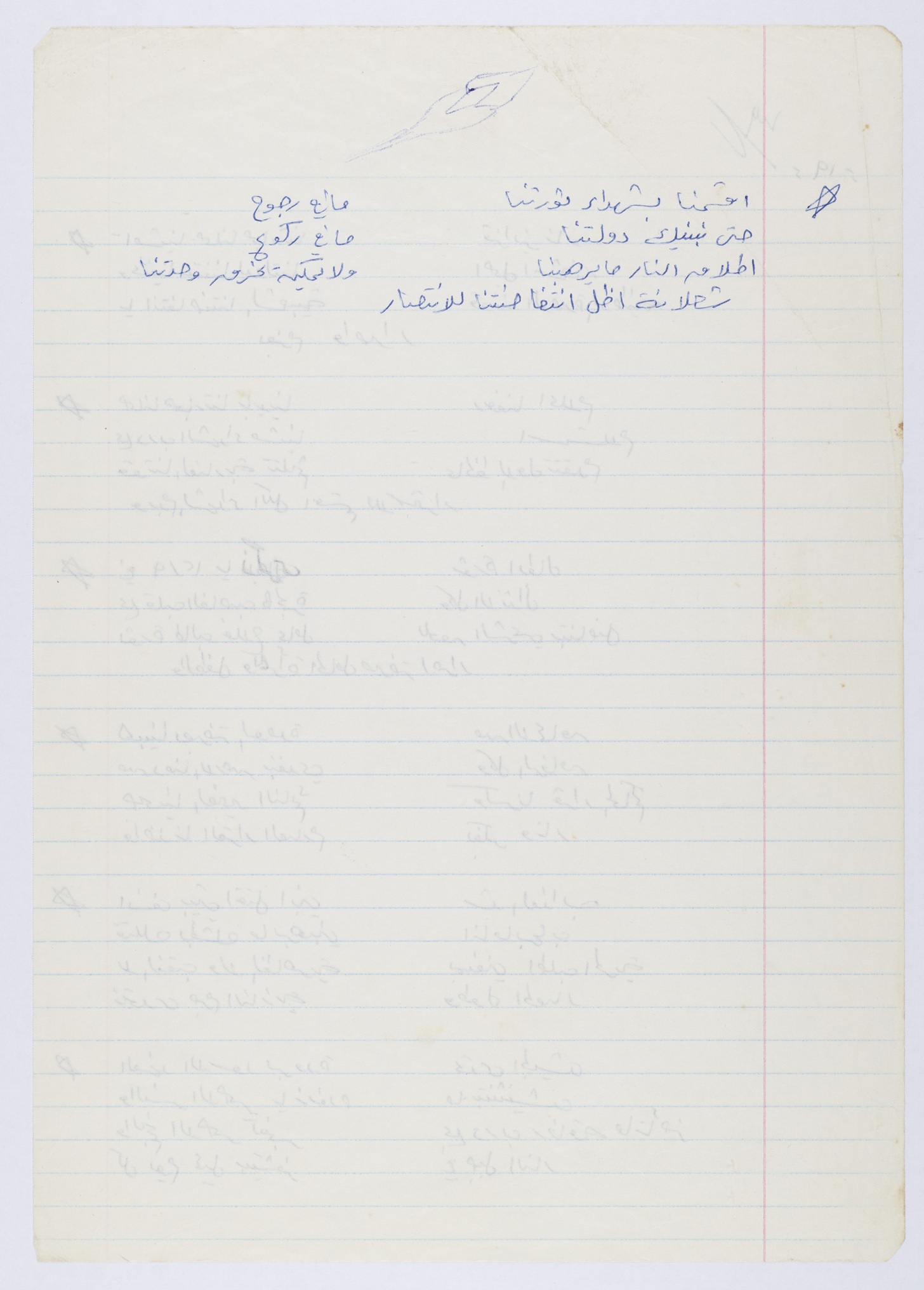
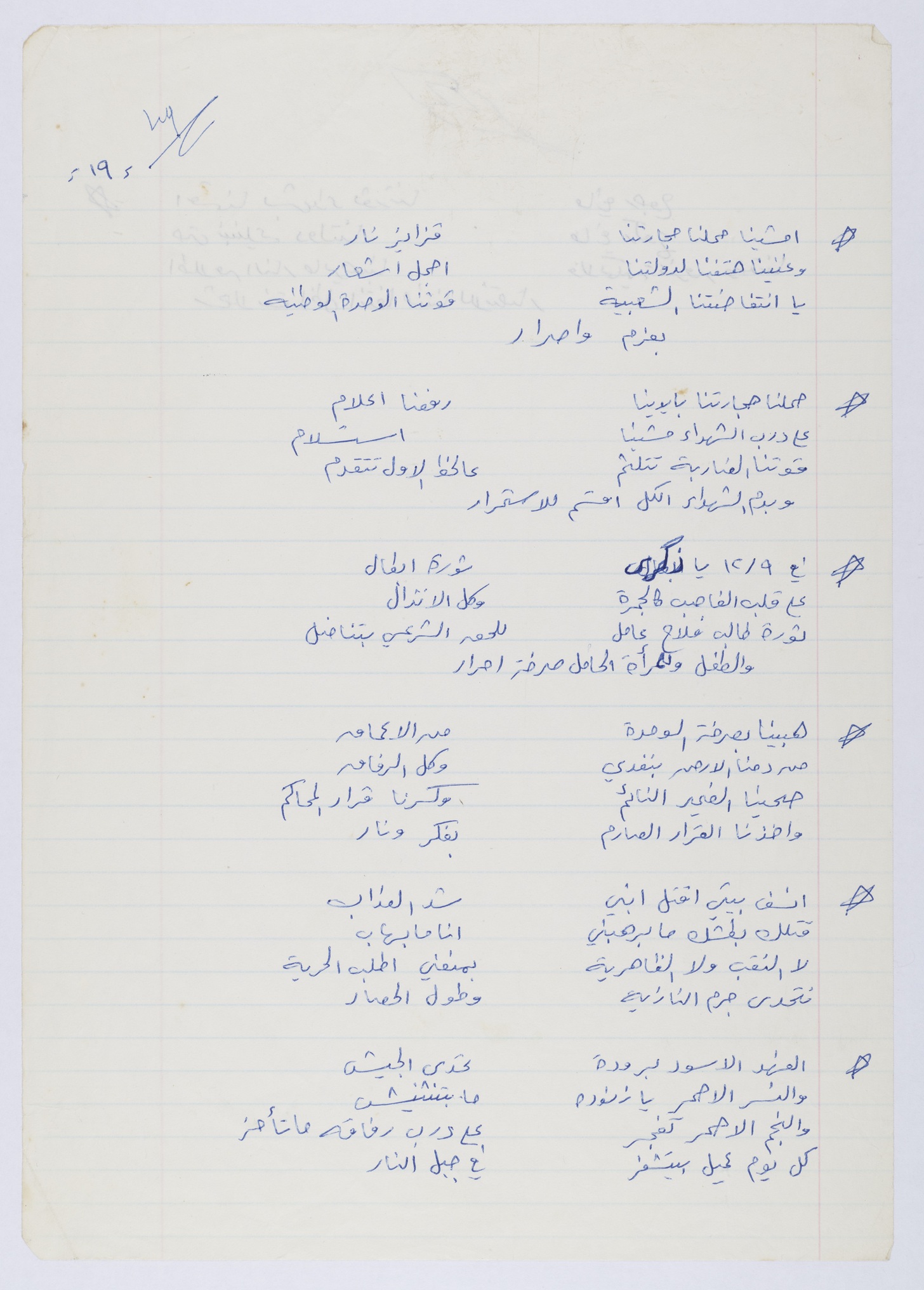
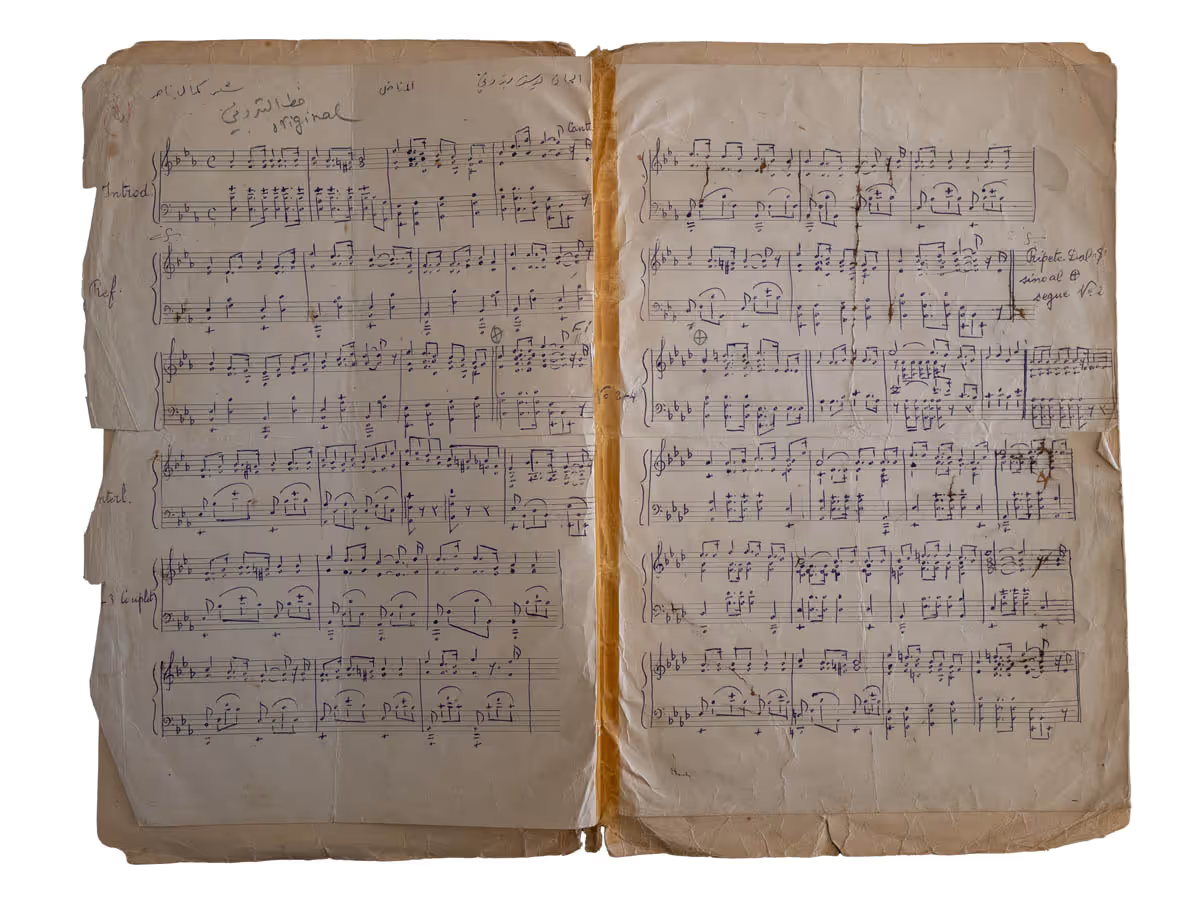
Rajeh al-Salfiti notebook. Courtesy of the family of Rajeh al-Salfiti.
Notebook kept by zajal performer Rajeh al-Salfiti, with zajal texts and performance sets associated with weddings and national occasions.
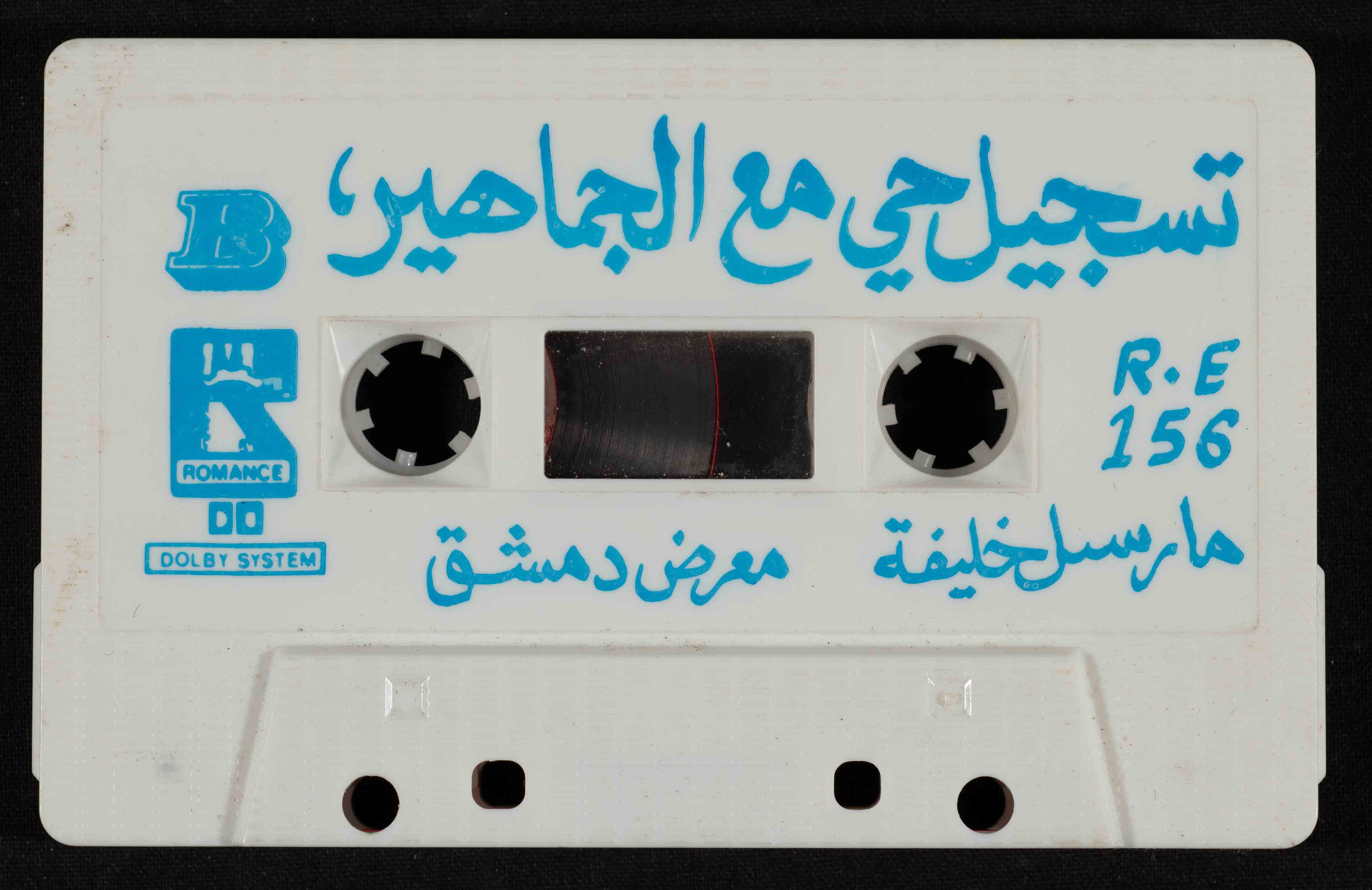
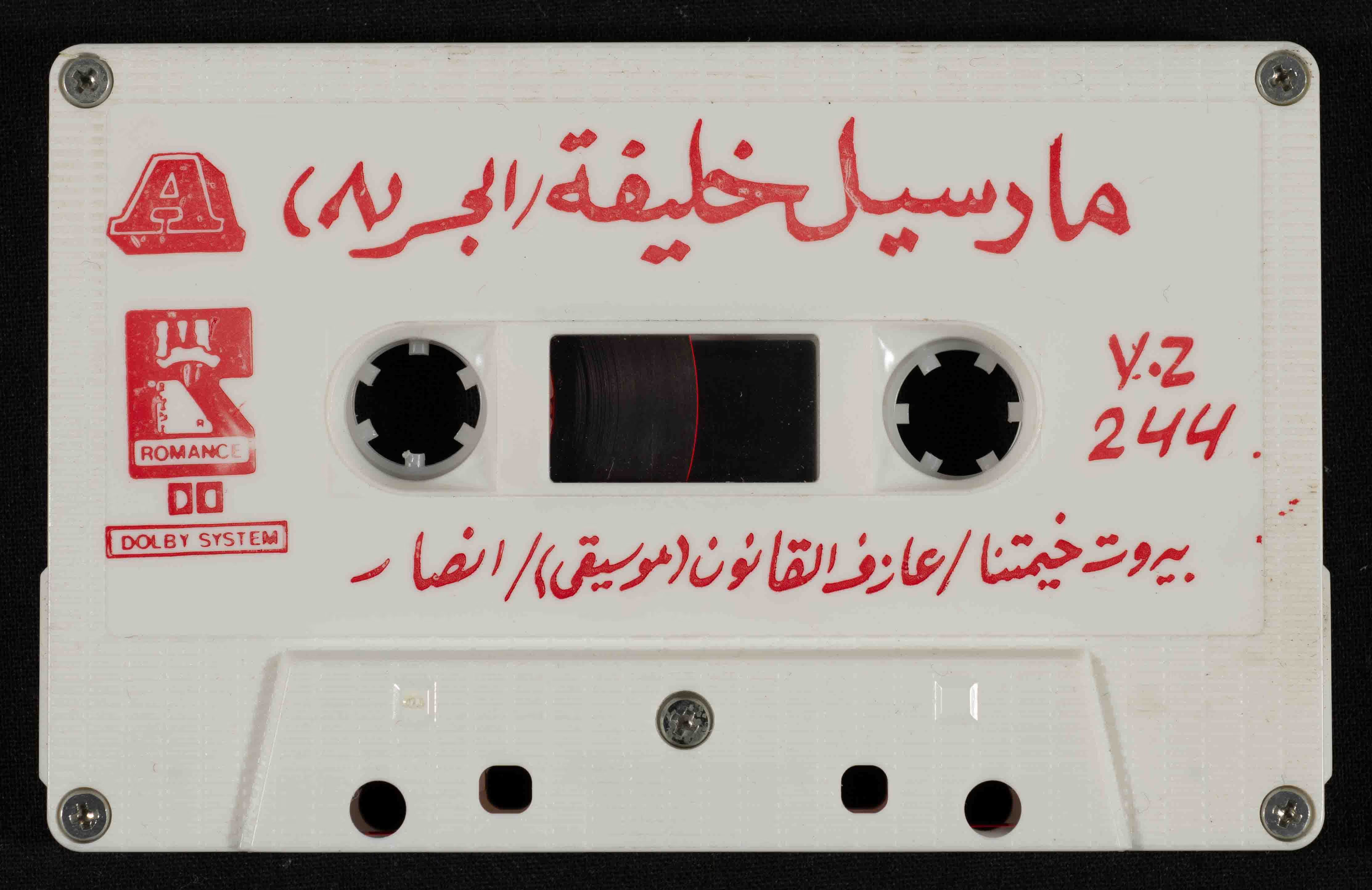
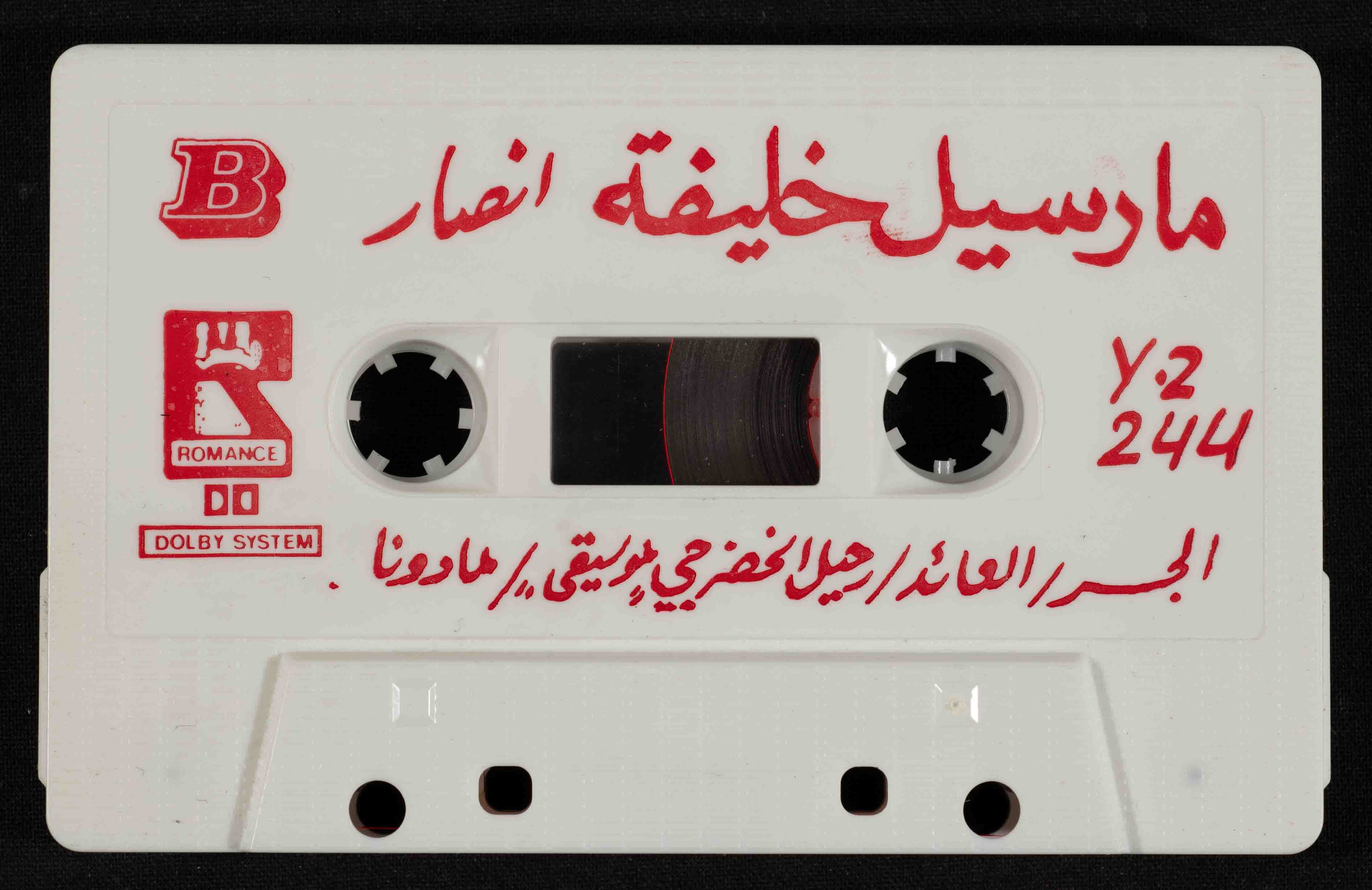
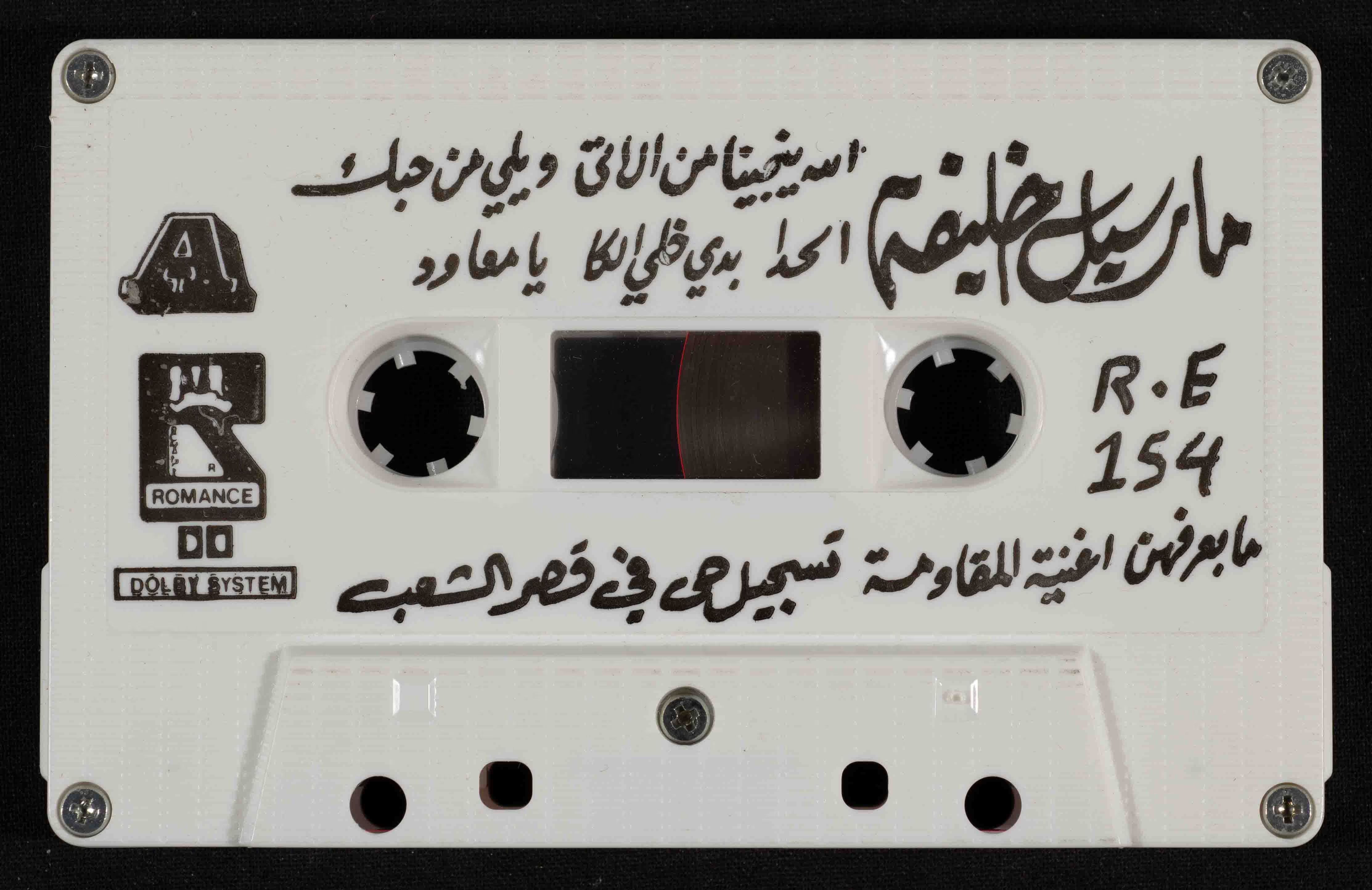
Sabbal ʿuyūnuh wa-madd īdu yiḥannūnuh
“Sabbal ‘uyunuh wa-madd idu yihannunuh” (sleepy-eyed, hand out for henna) became bound up with Palestinian martyrdom rites. In Palestine, wedding processions and martyrs’ funerals have come to mirror one another: wedding songs turn into elegies, and the groom carried on shoulders becomes the martyr carried on shoulders.
The boy who once crawled, walked, and grew into youth leaves home beyond his mother’s gaze for another, distant embrace. At a wedding, joy in the son who has become a man is shadowed from the start: he leaves the house, and his mother is no longer his only beloved. Palestinian women’s wedding songs so often carry joy steeped in sorrow—a wordless catch in the throat. For Palestinian mothers, the martyr too is a groom led to another “woman,” no longer his mother’s beloved alone.
Thobes
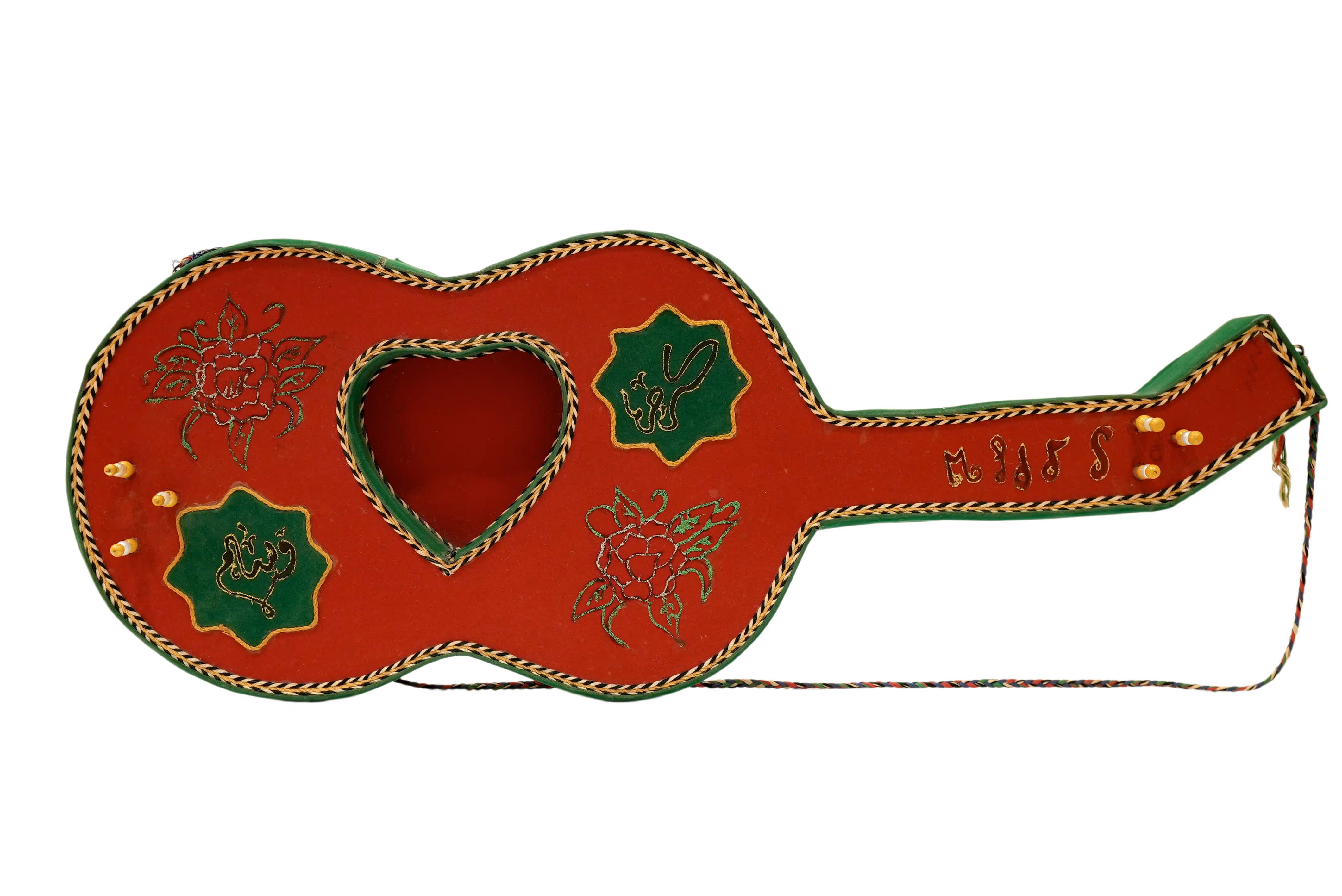
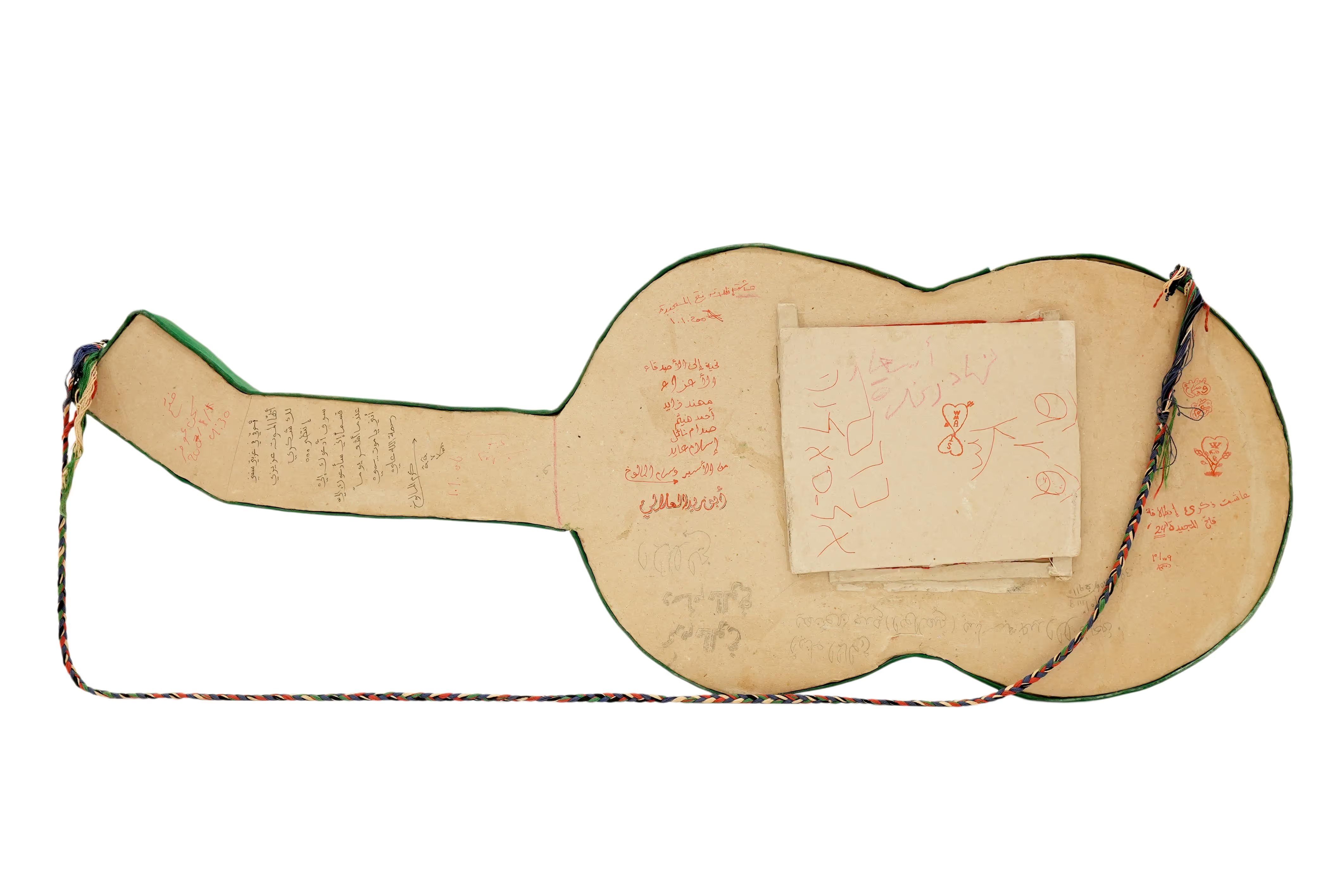
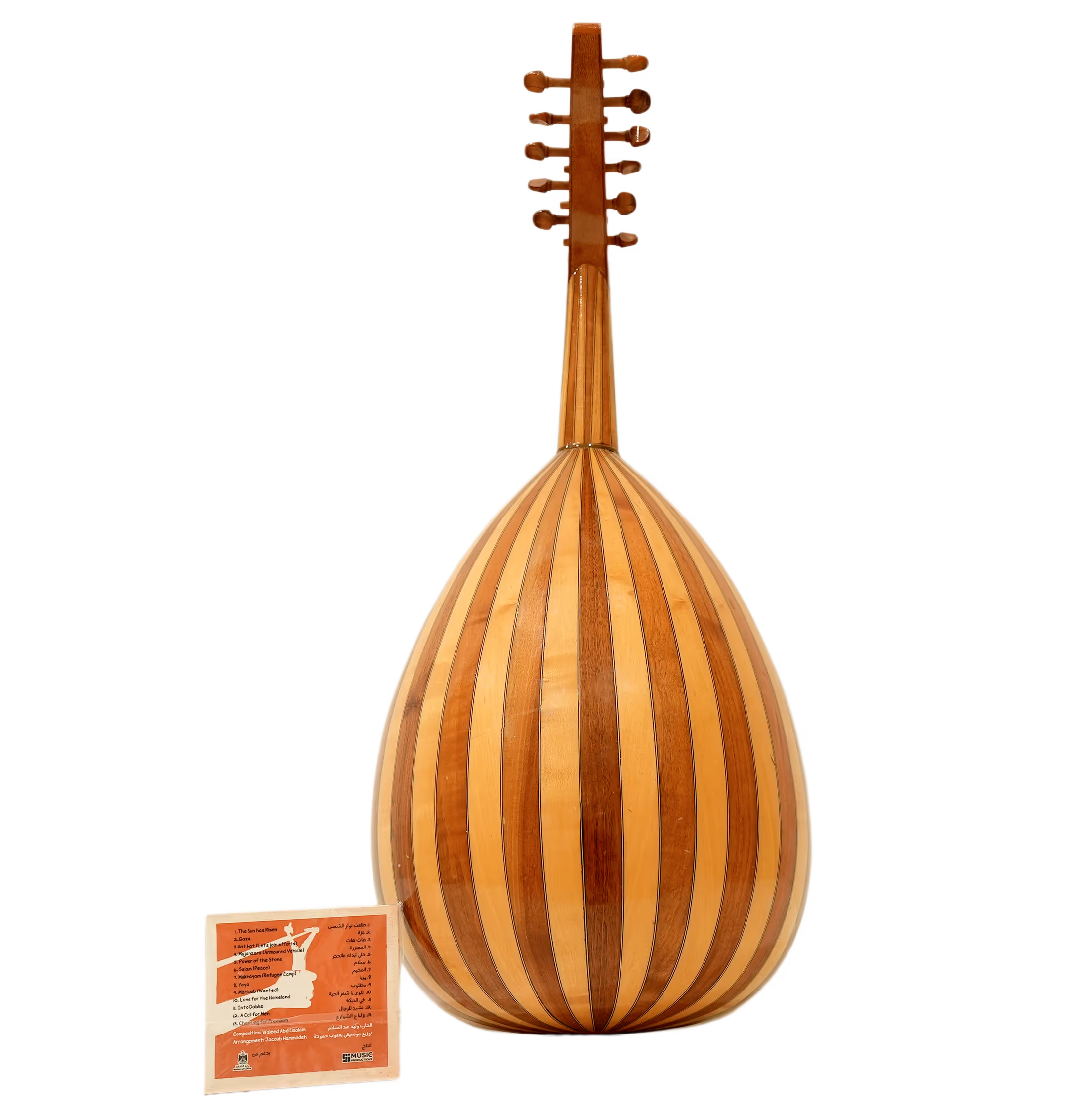
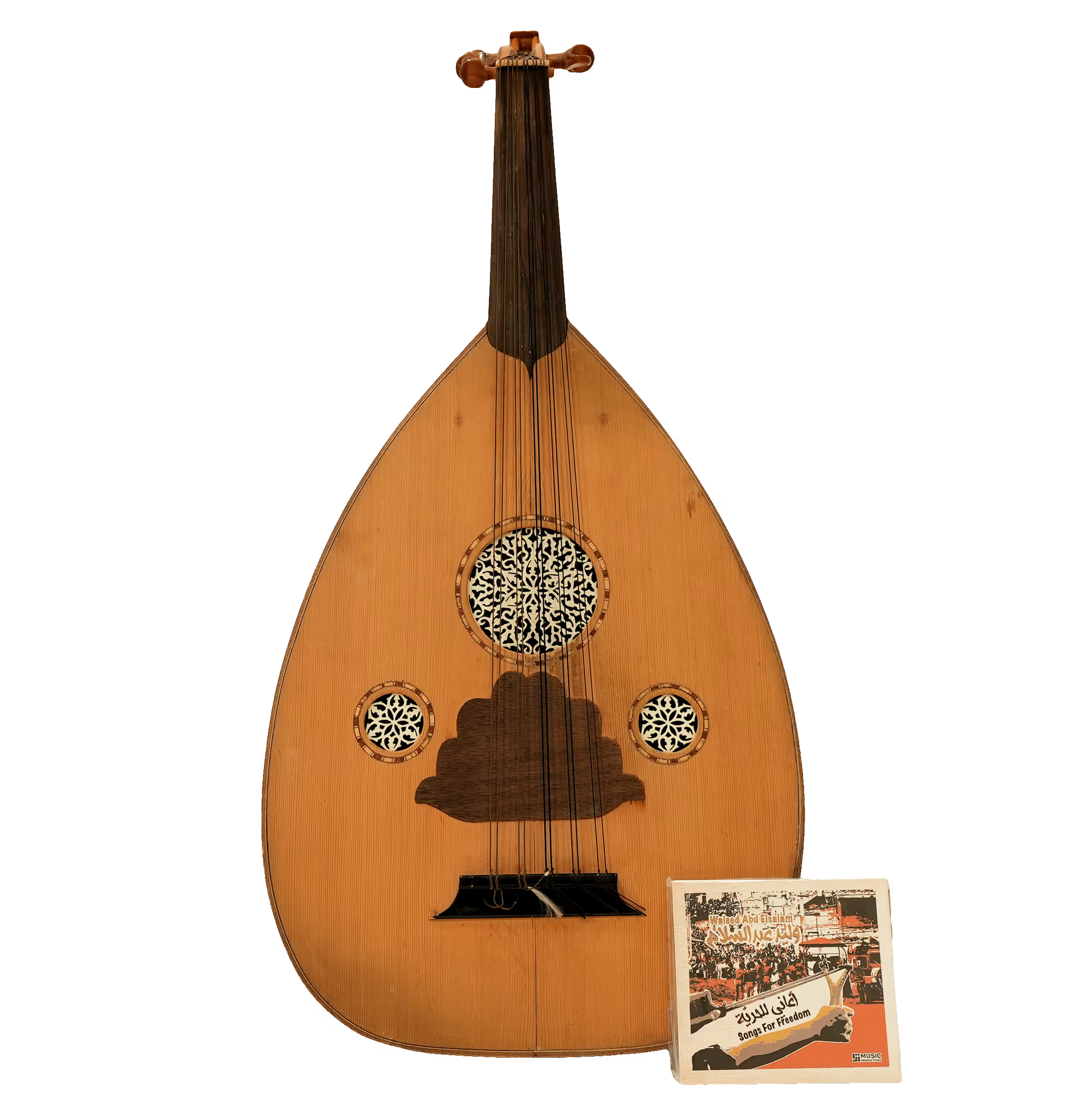
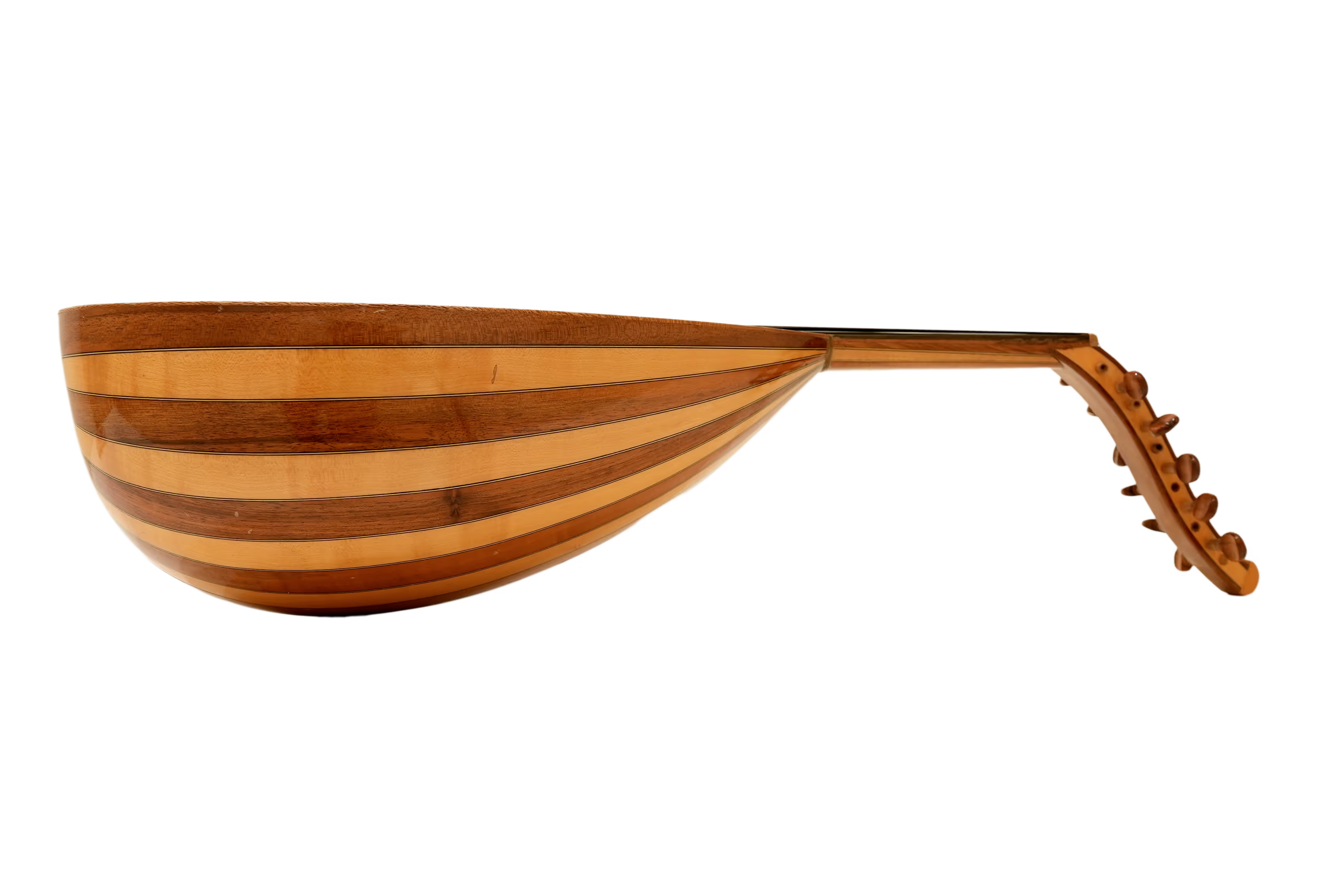
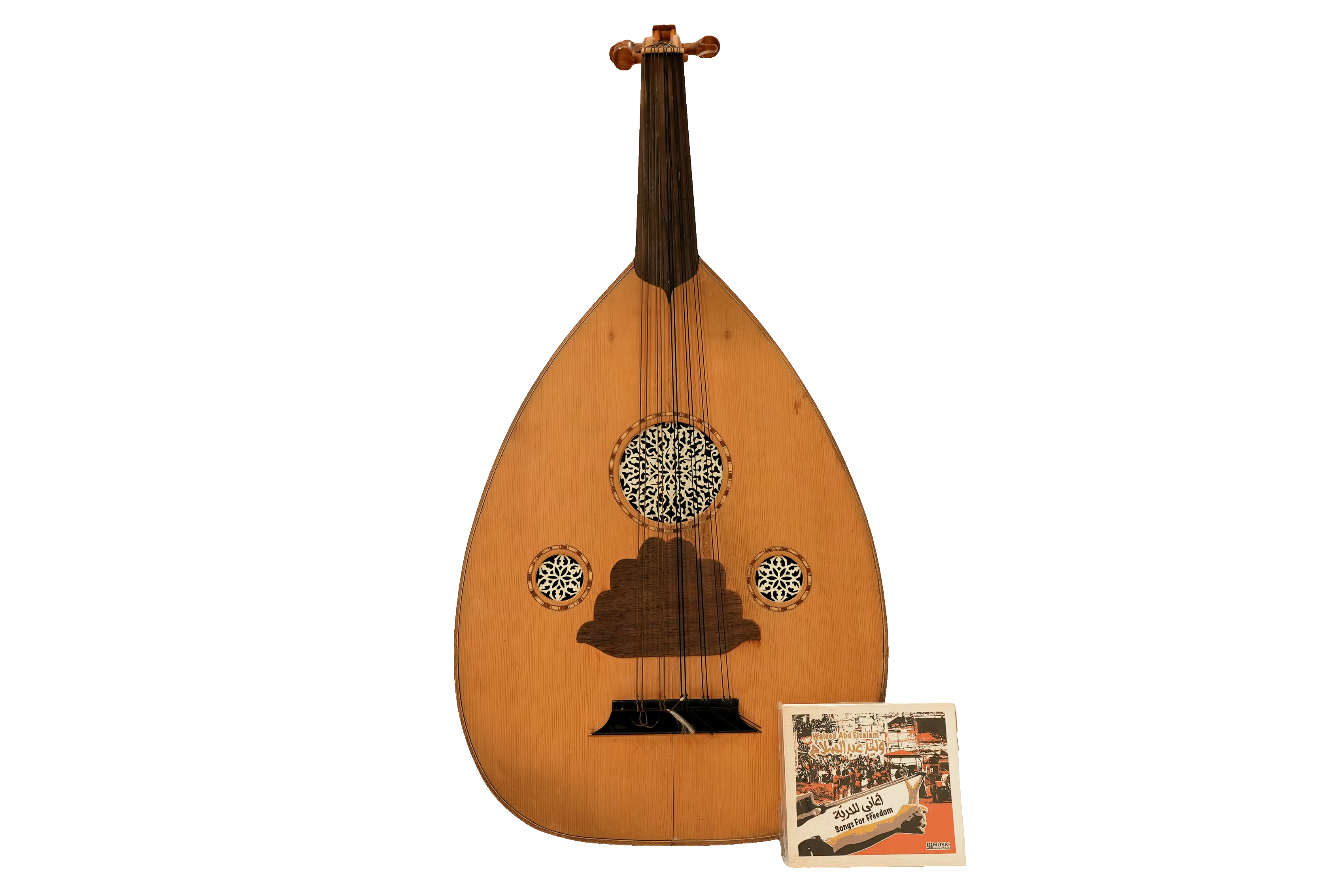
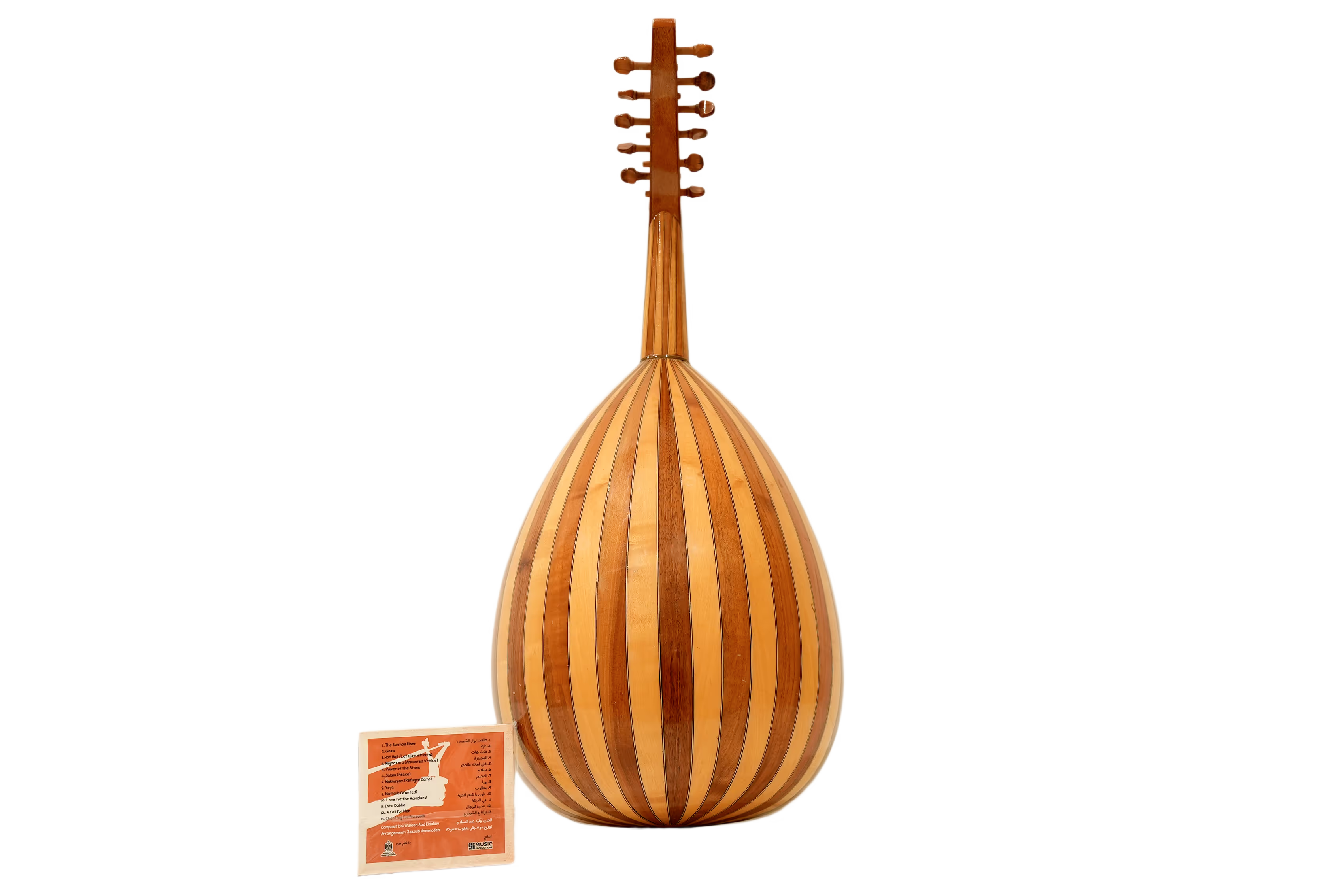
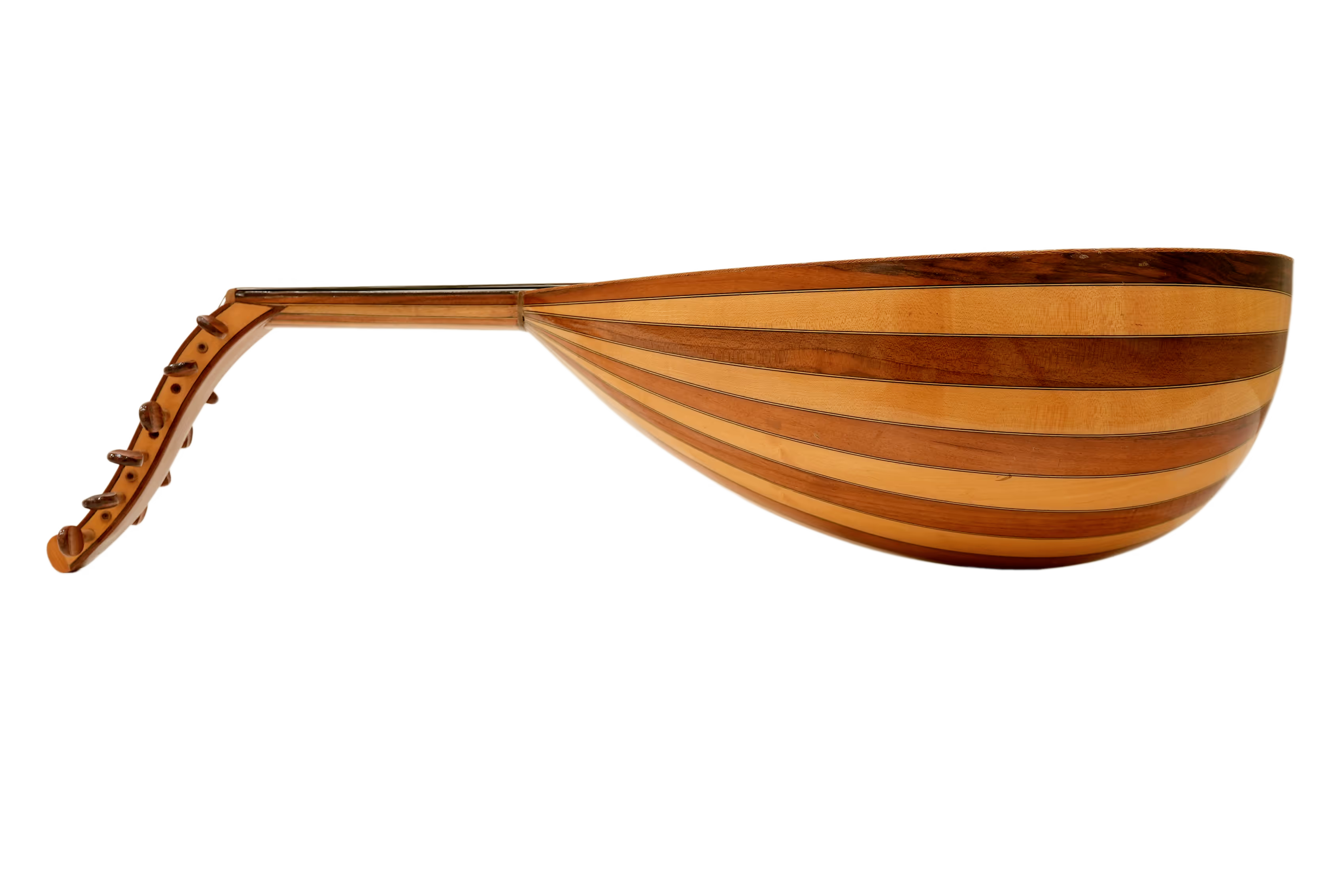
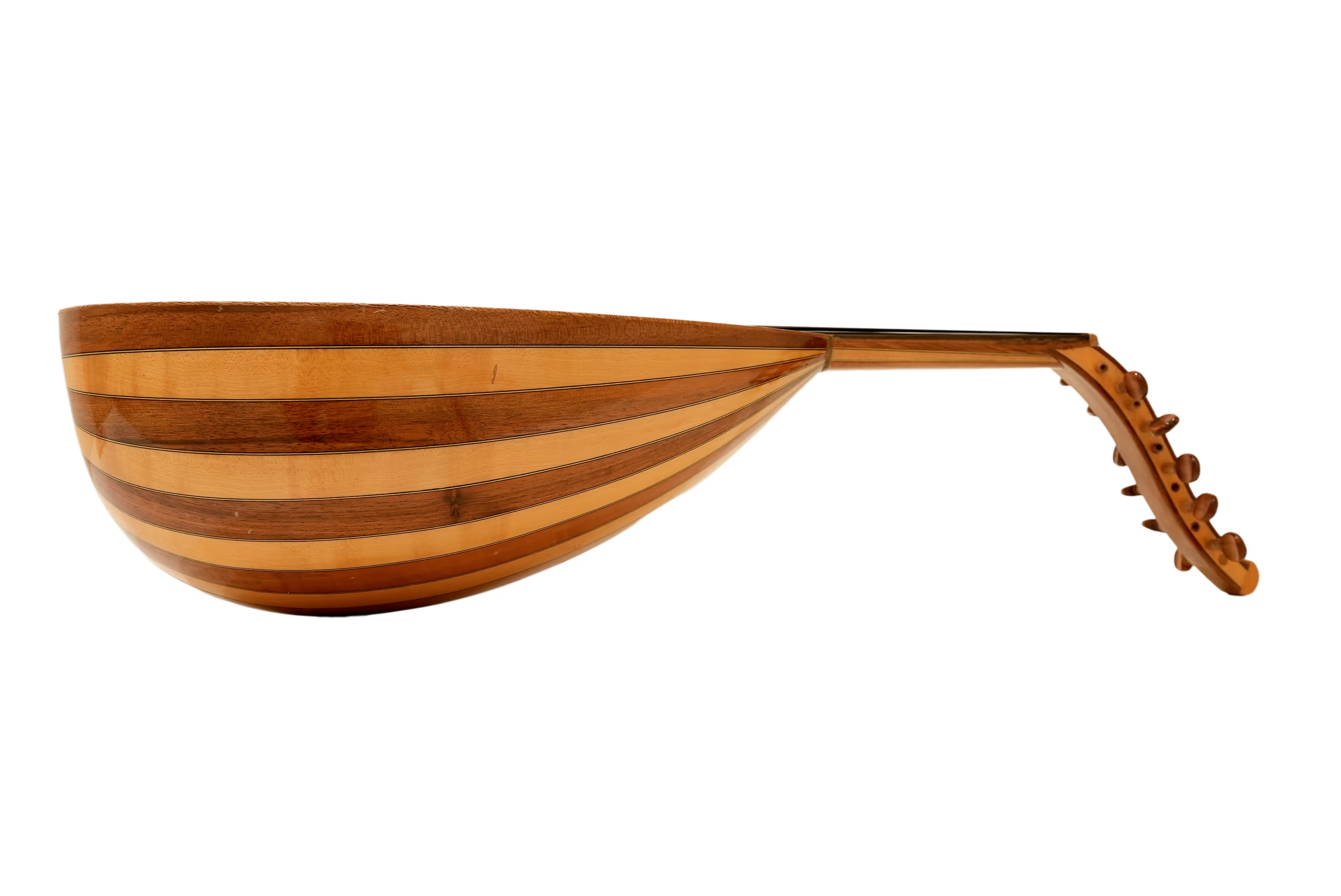
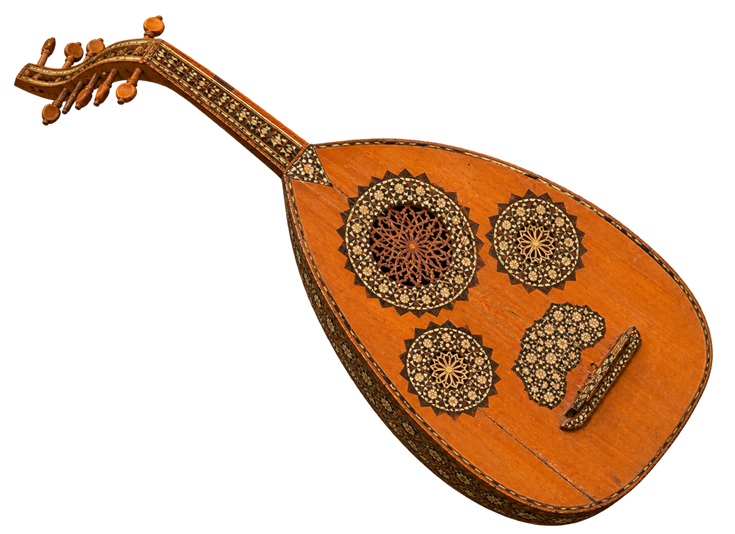
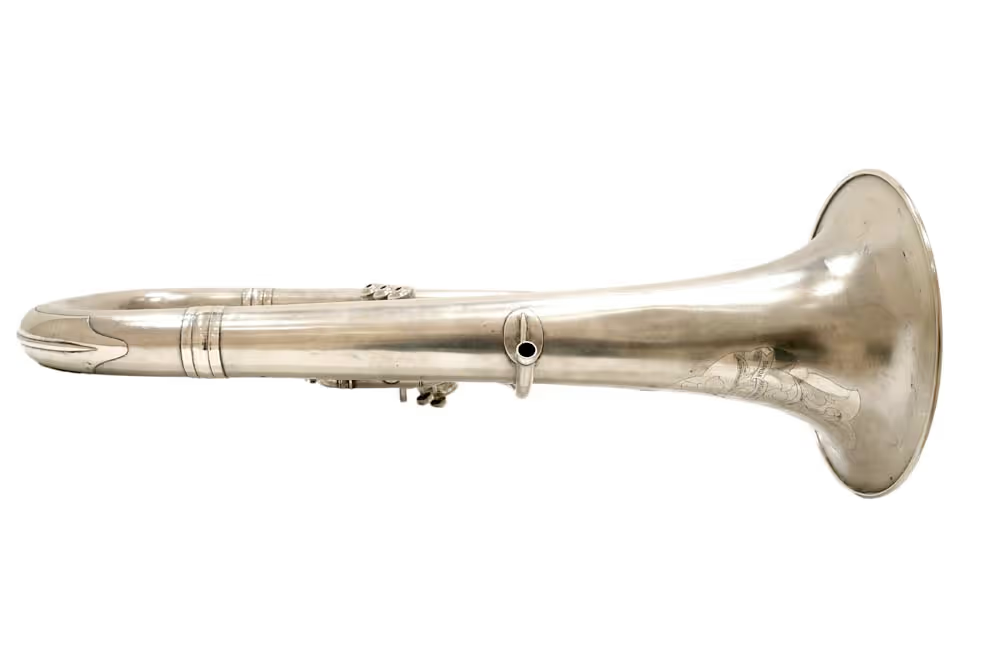
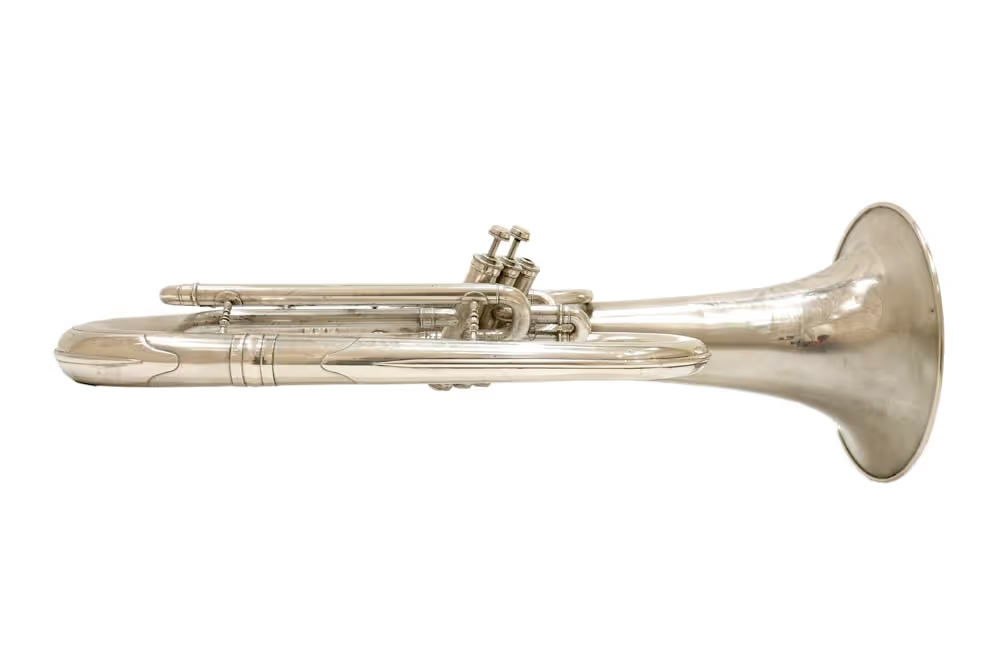
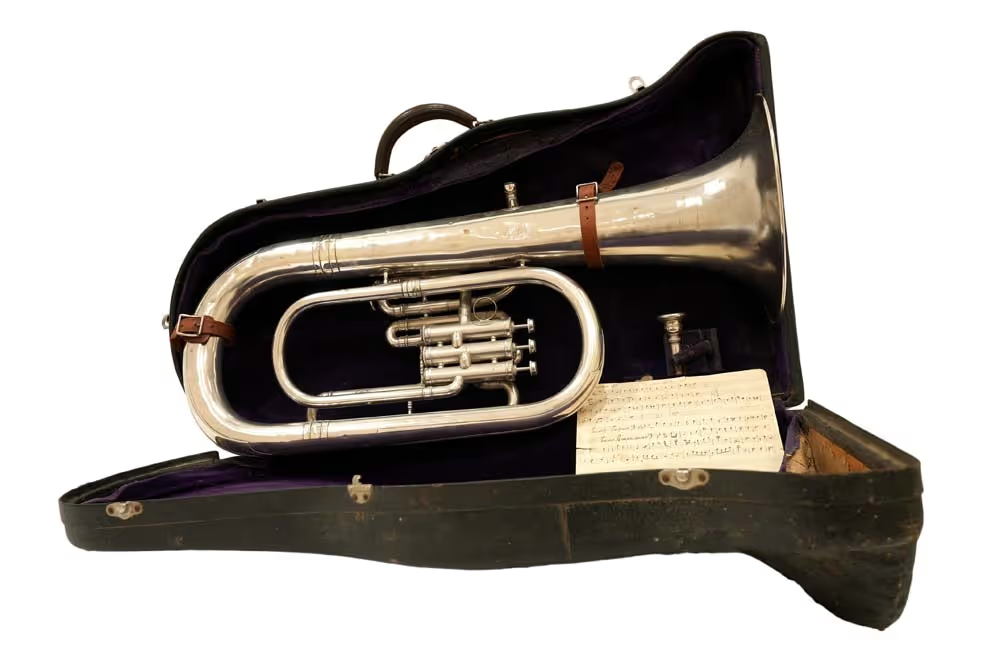
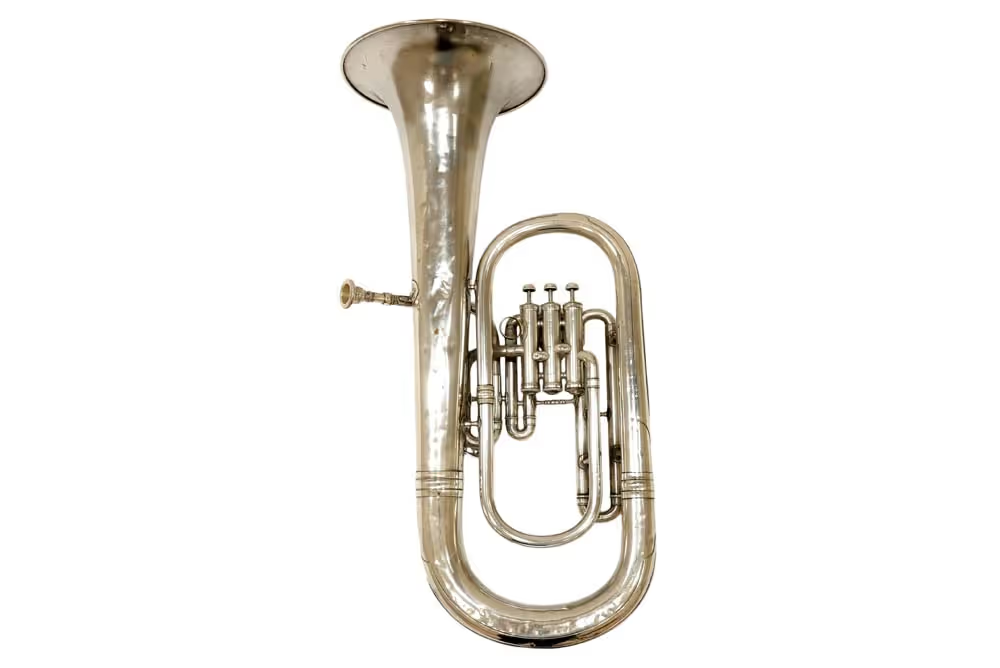
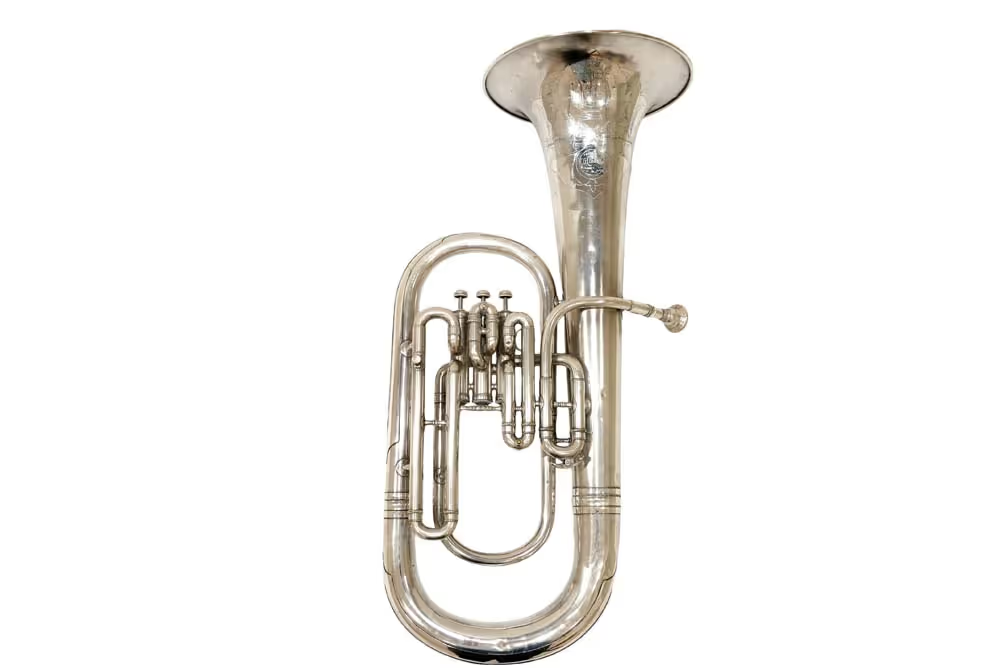
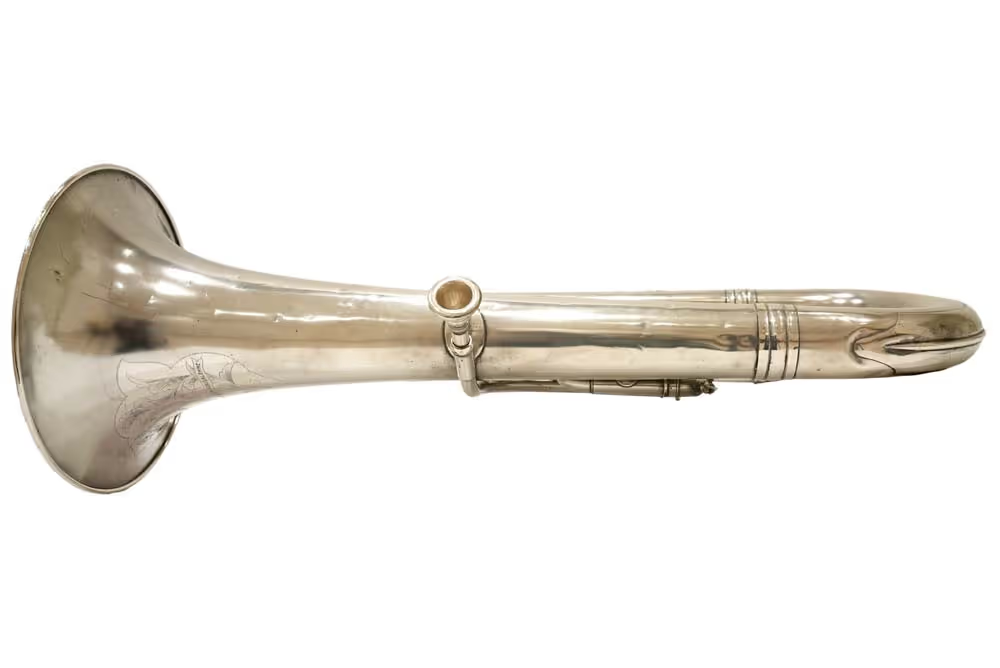
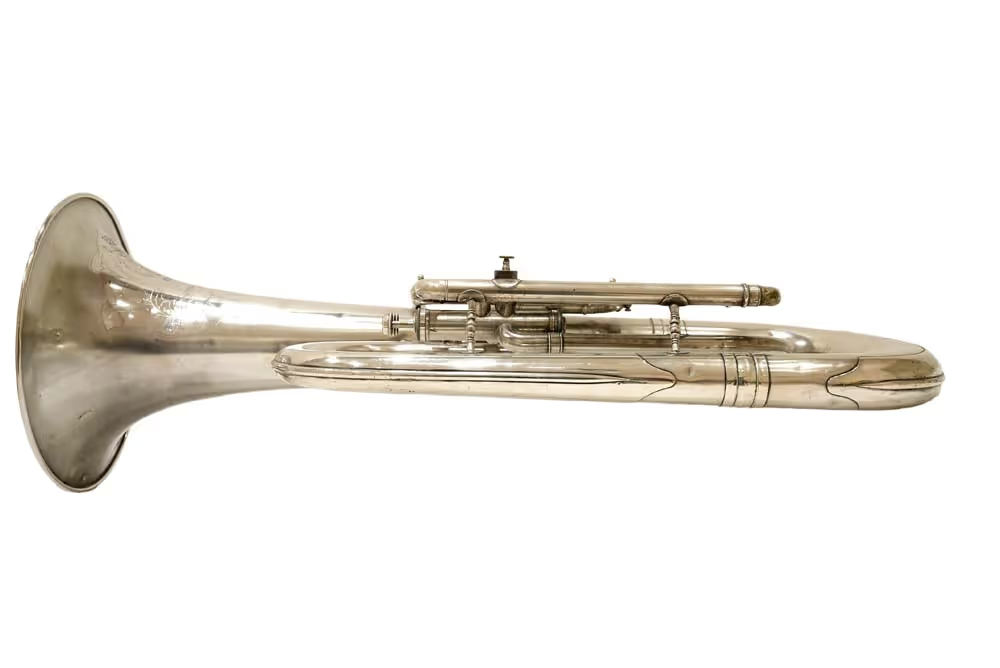
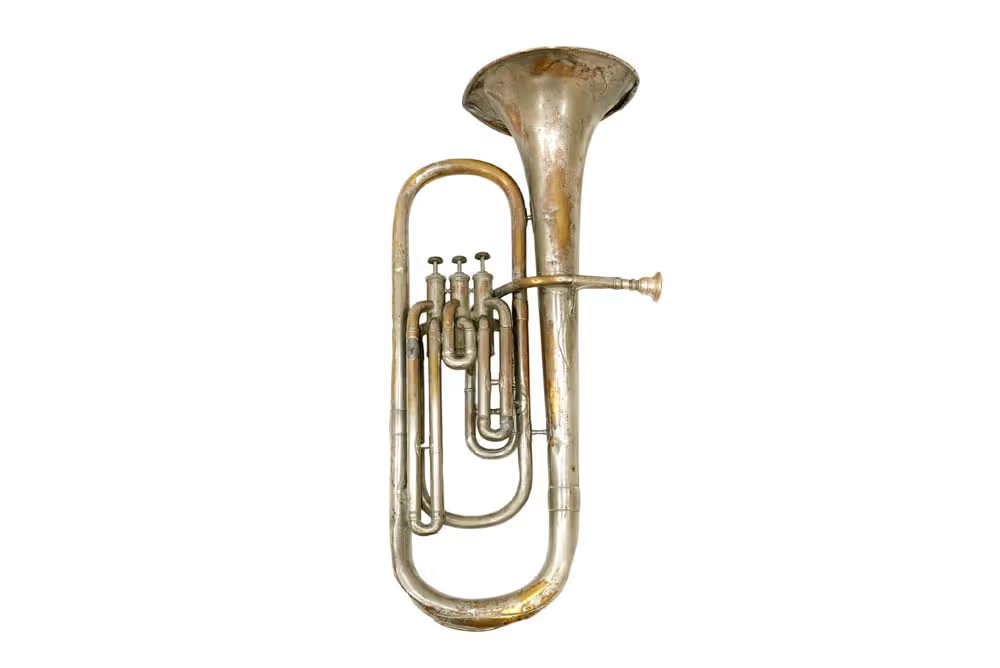
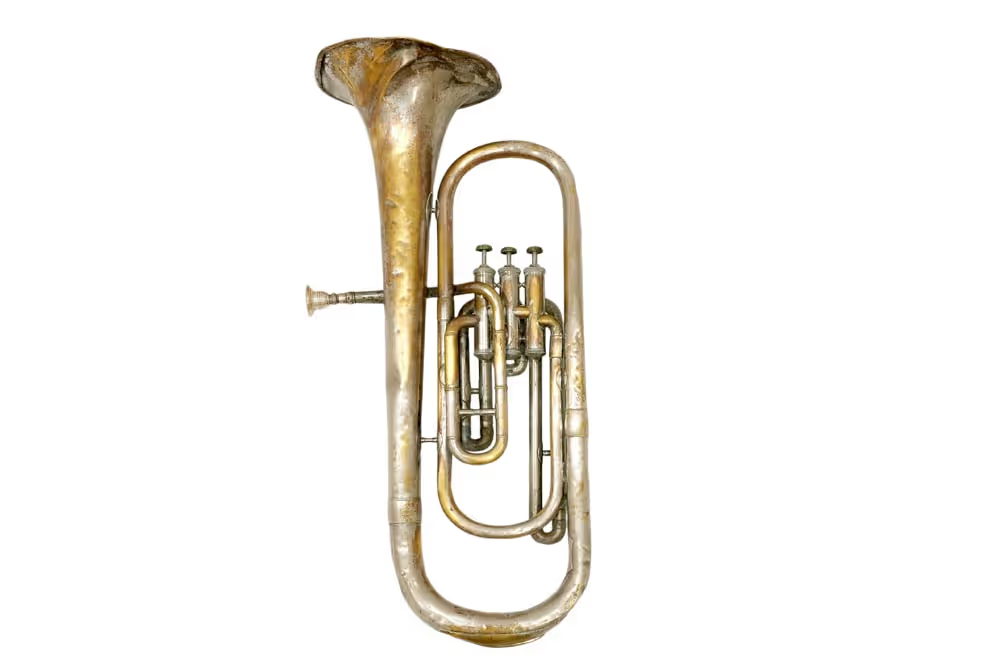
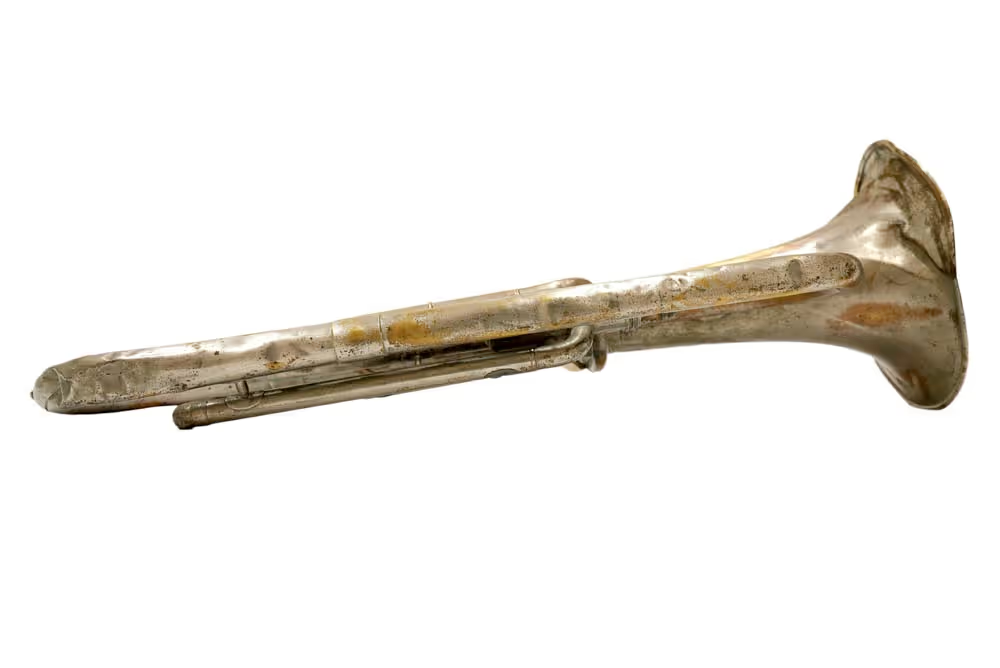
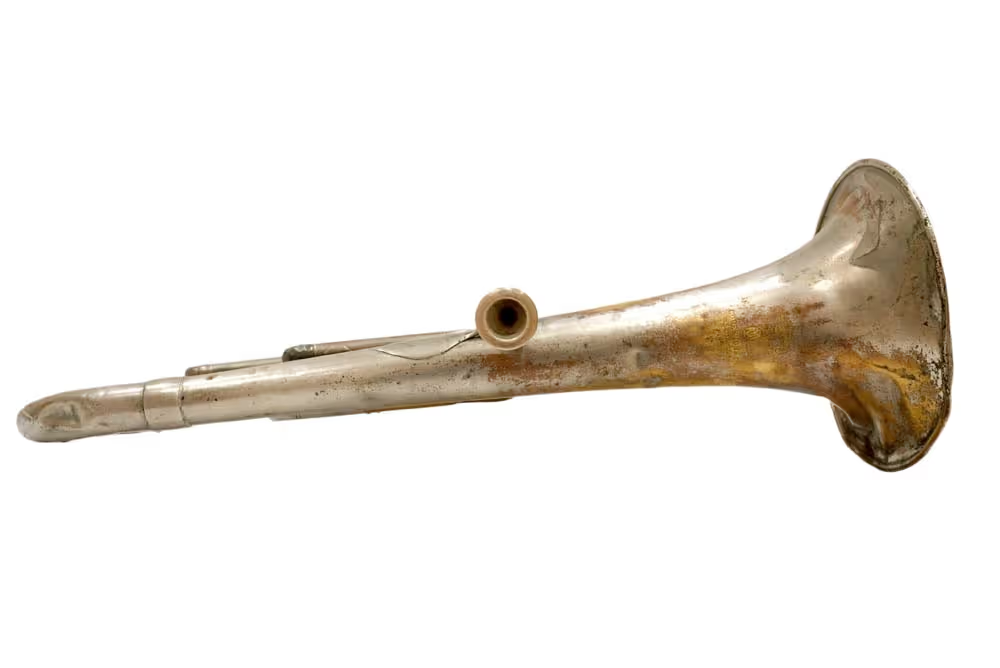
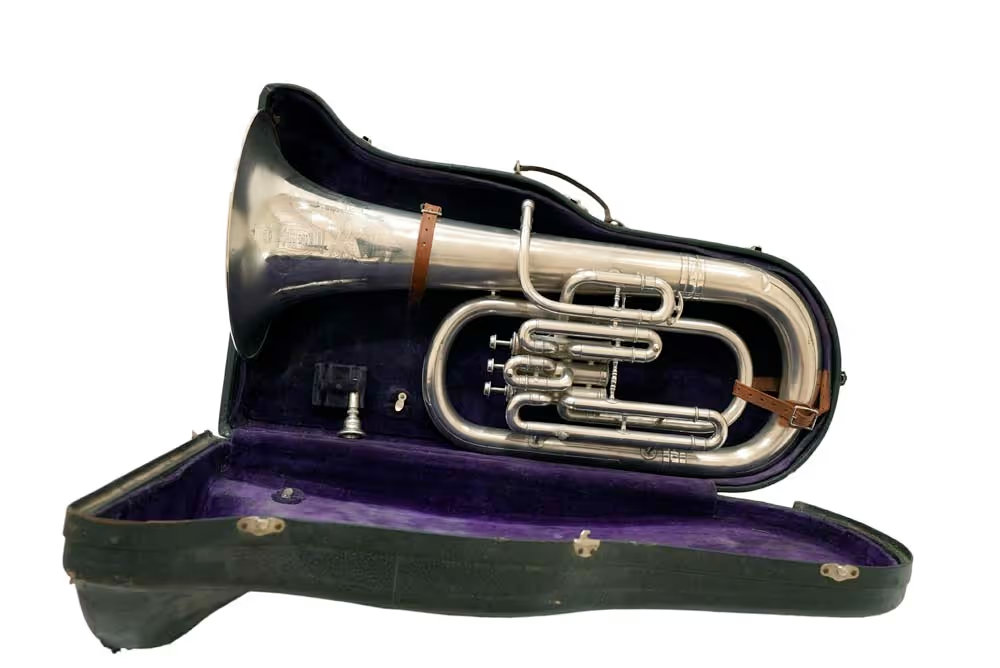
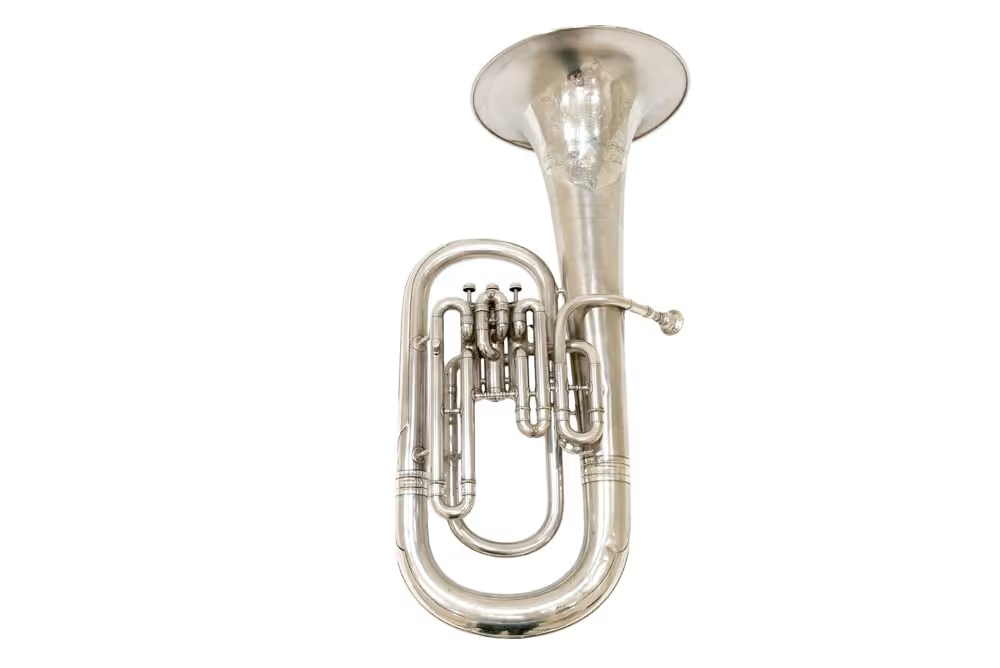
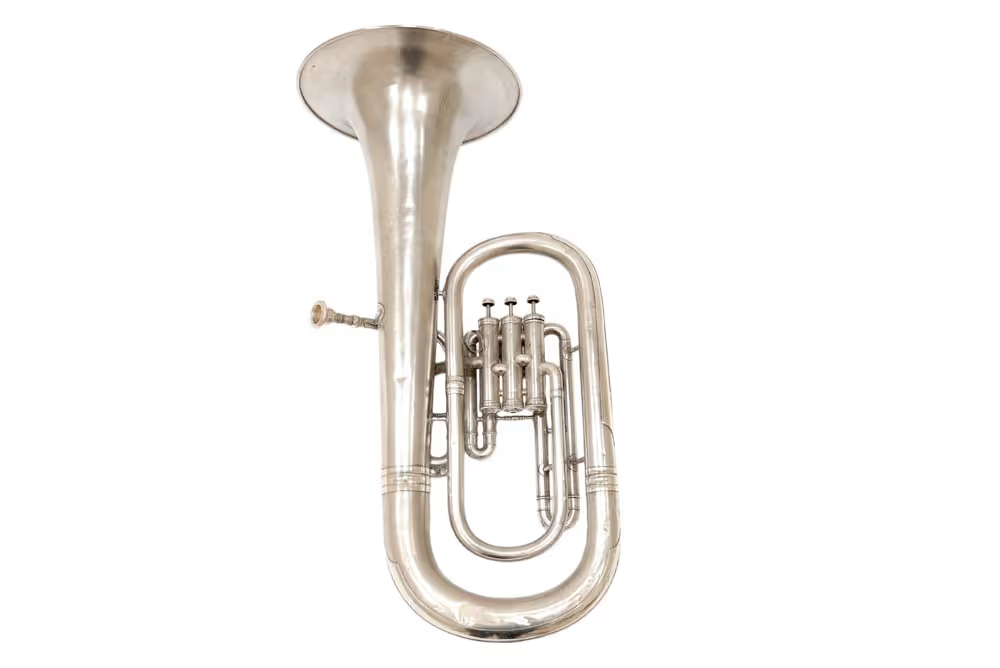
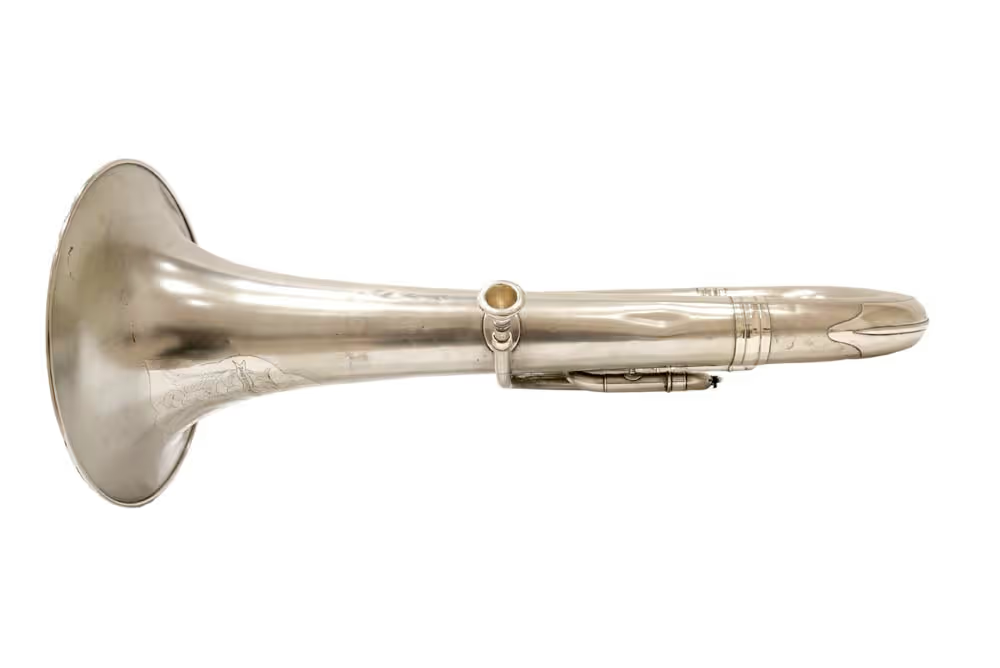
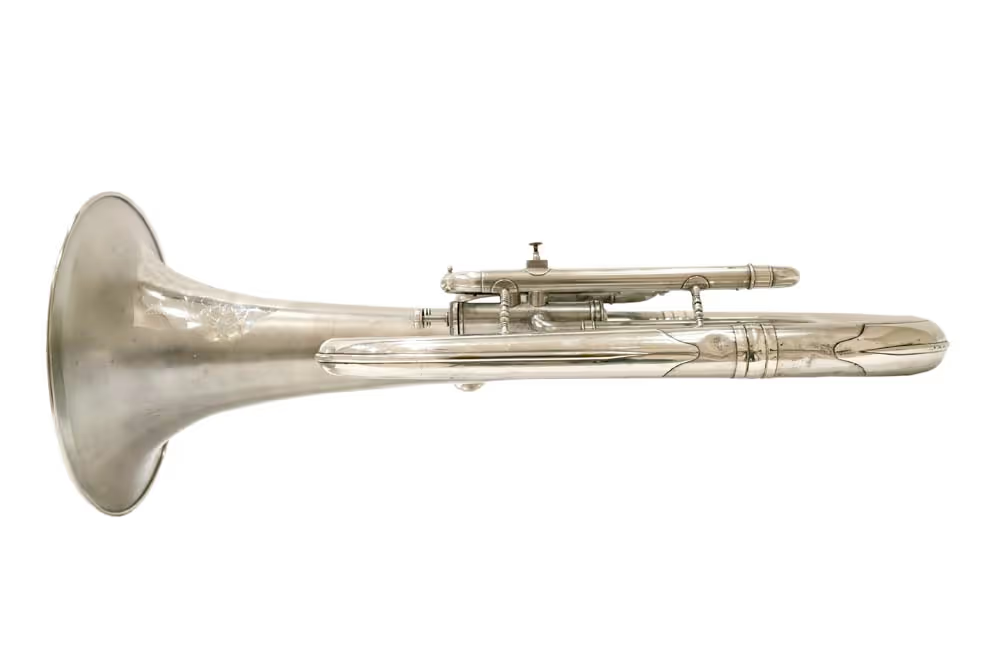
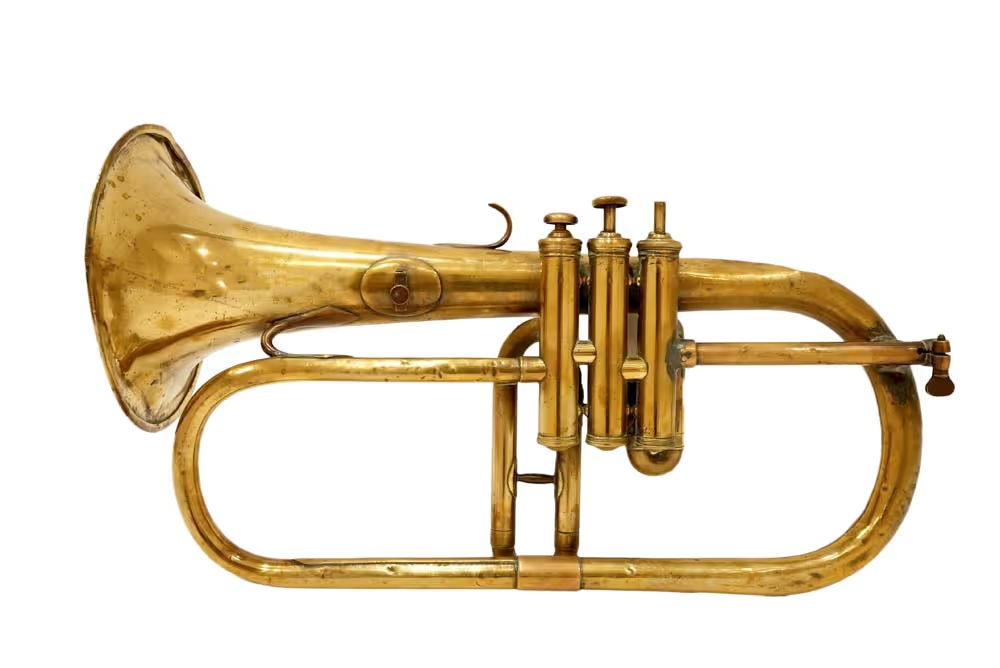
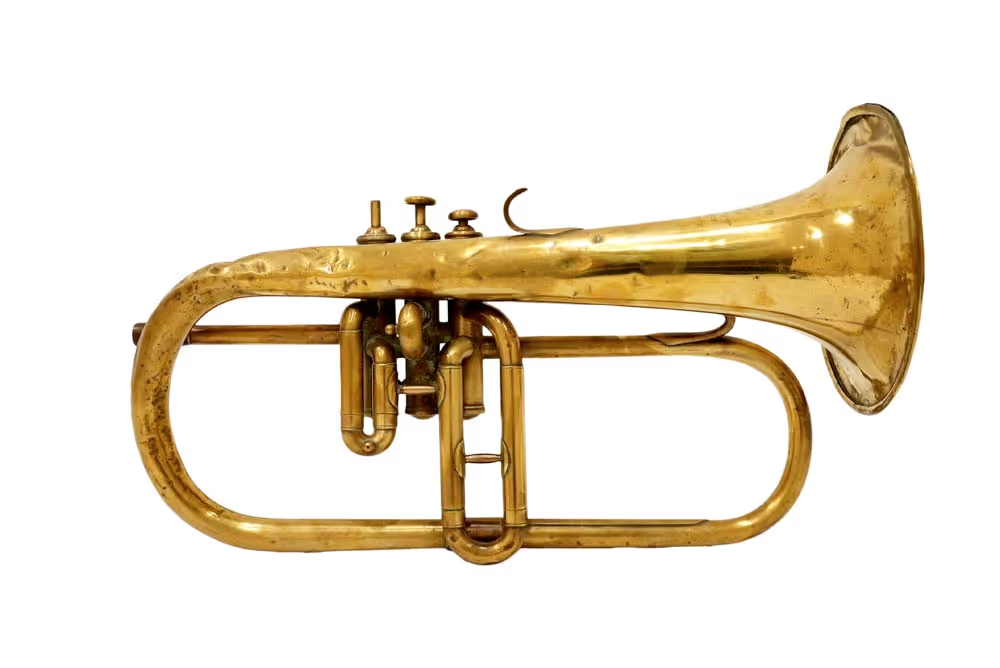
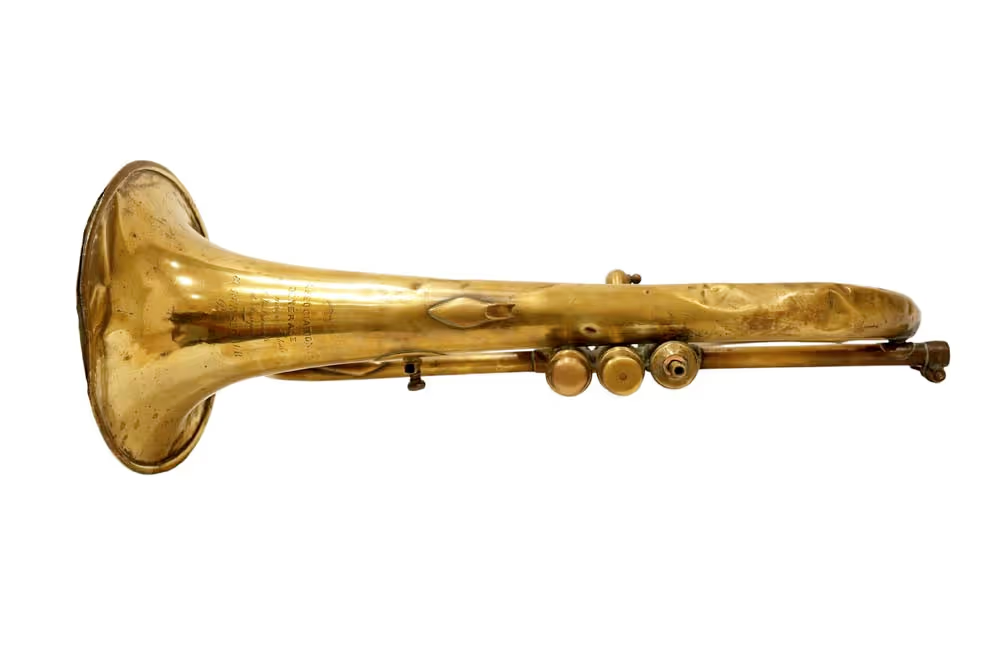
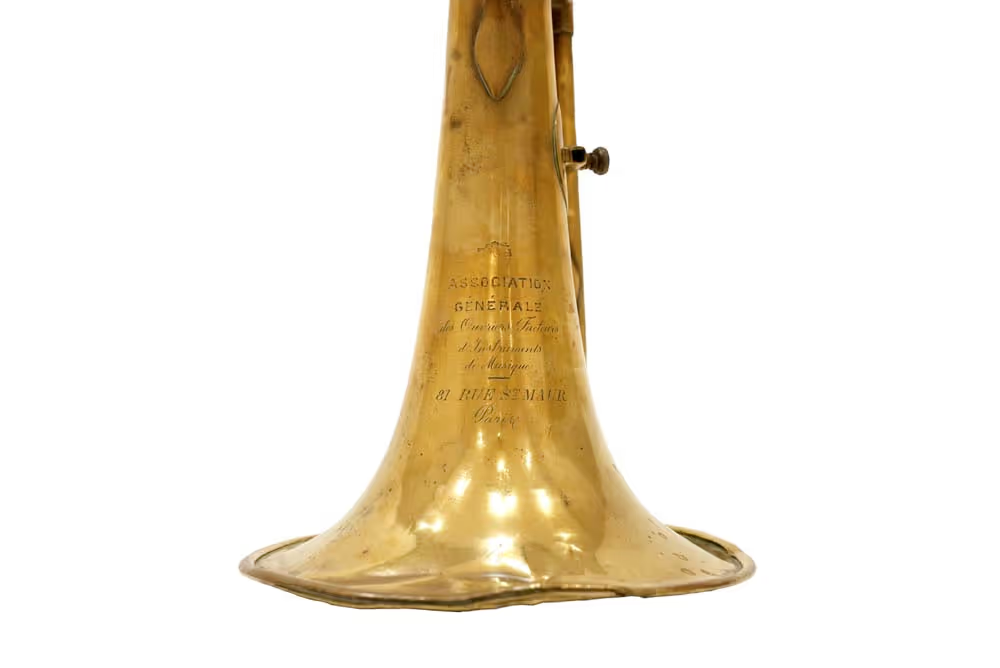
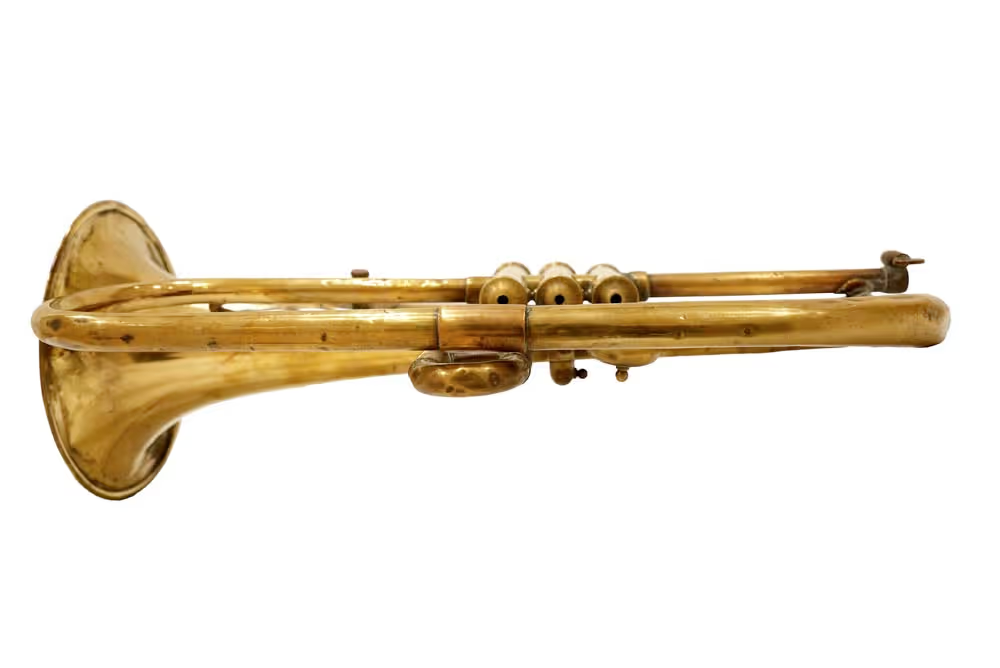
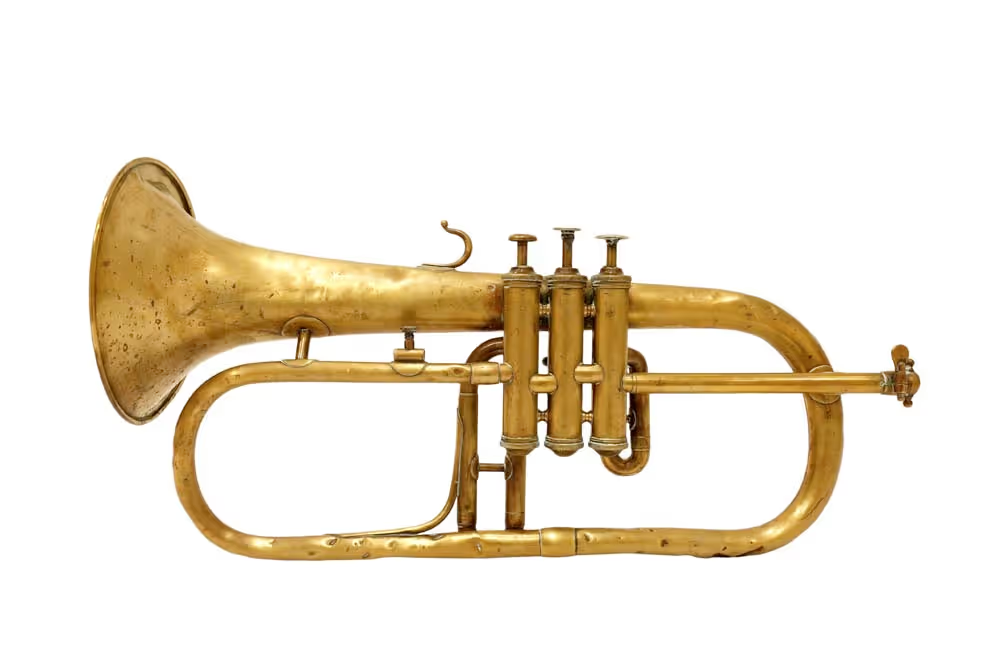
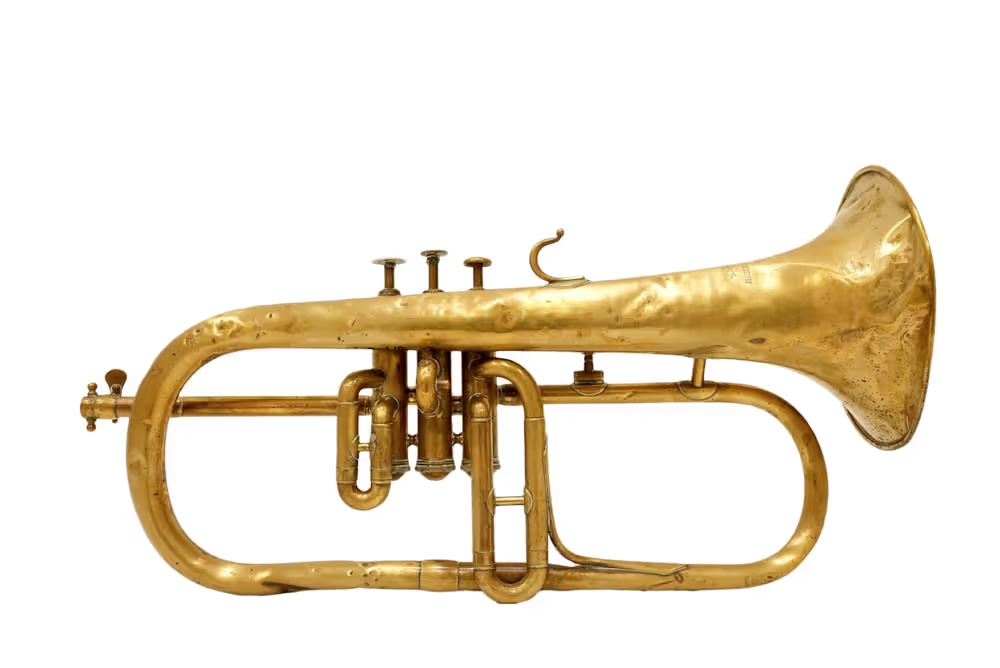
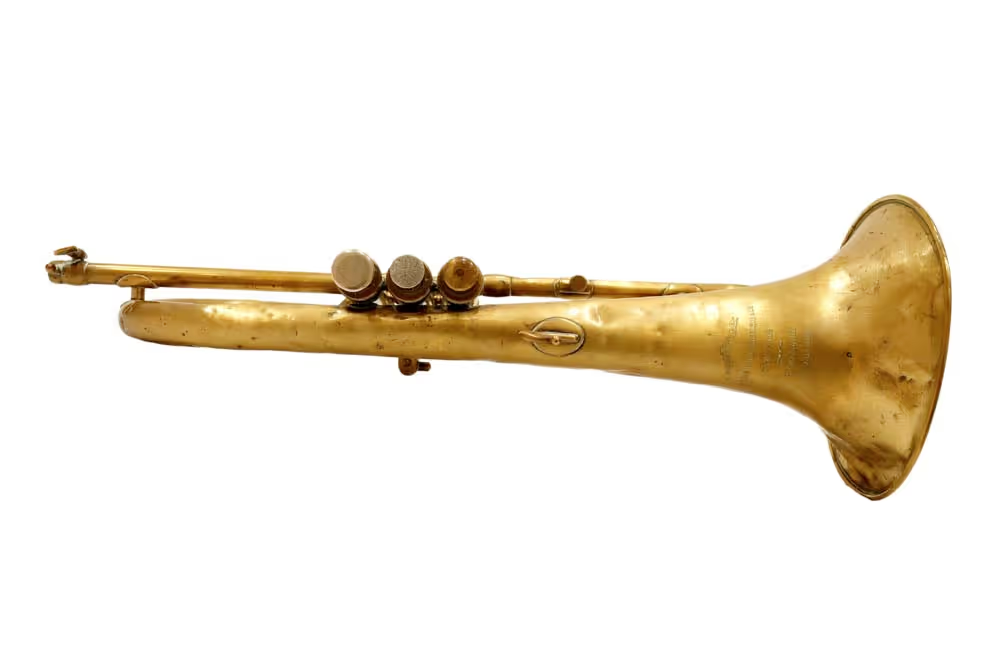
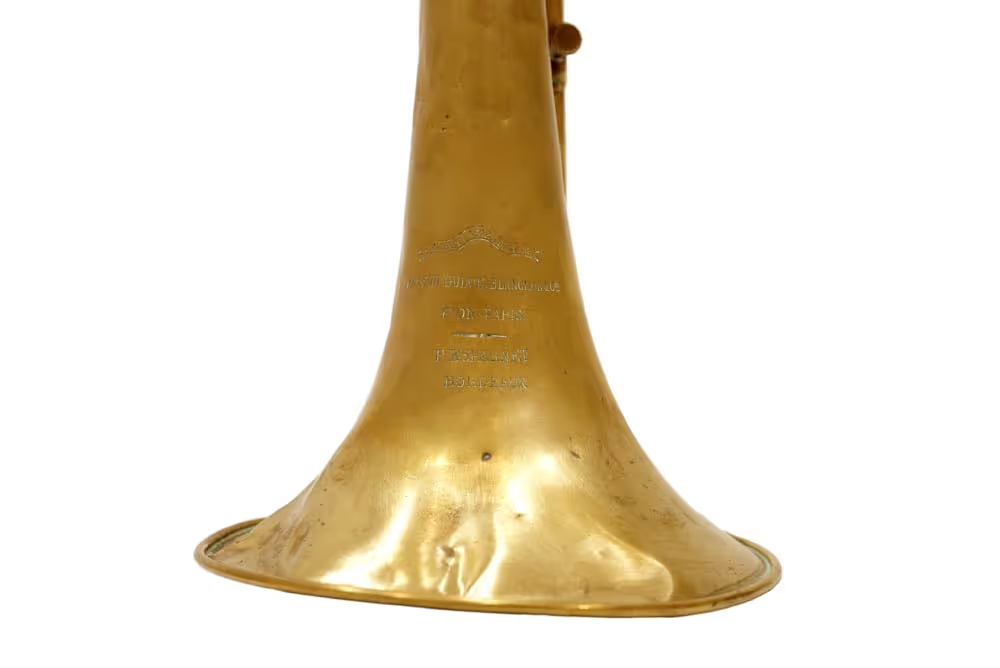
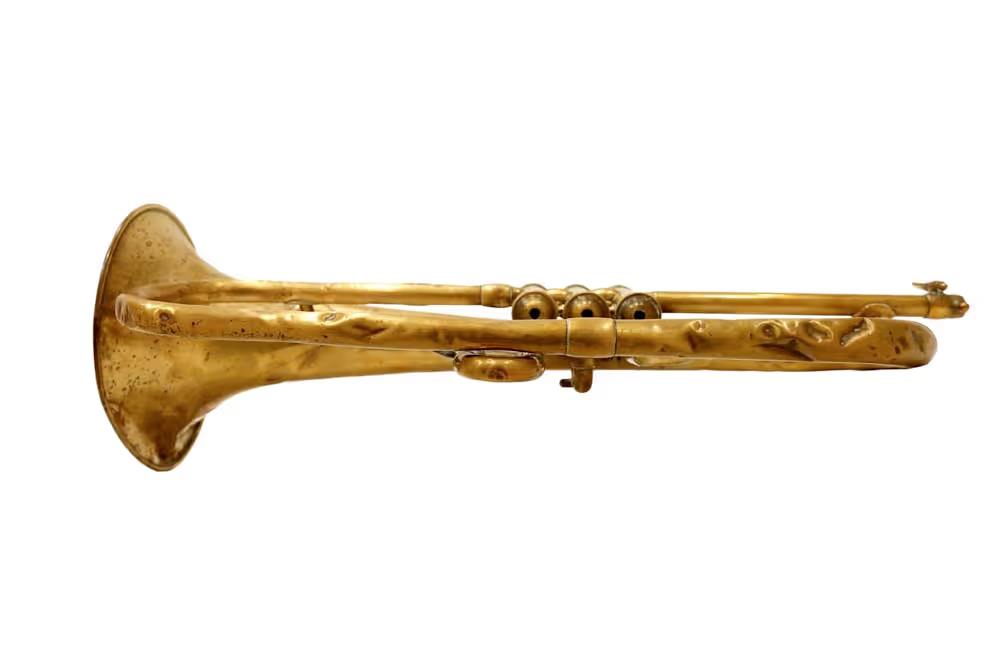
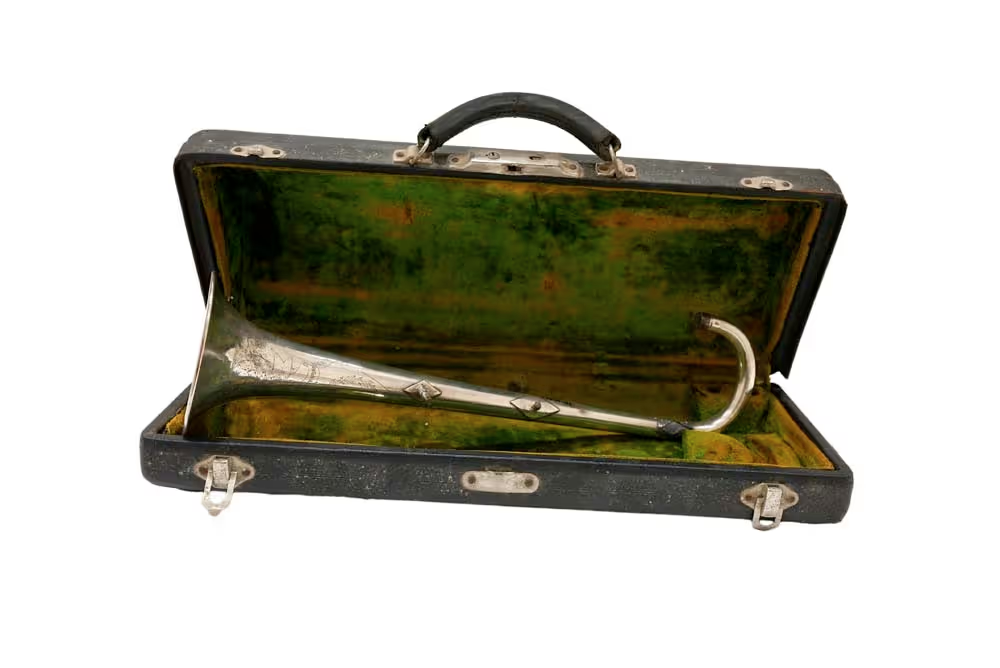
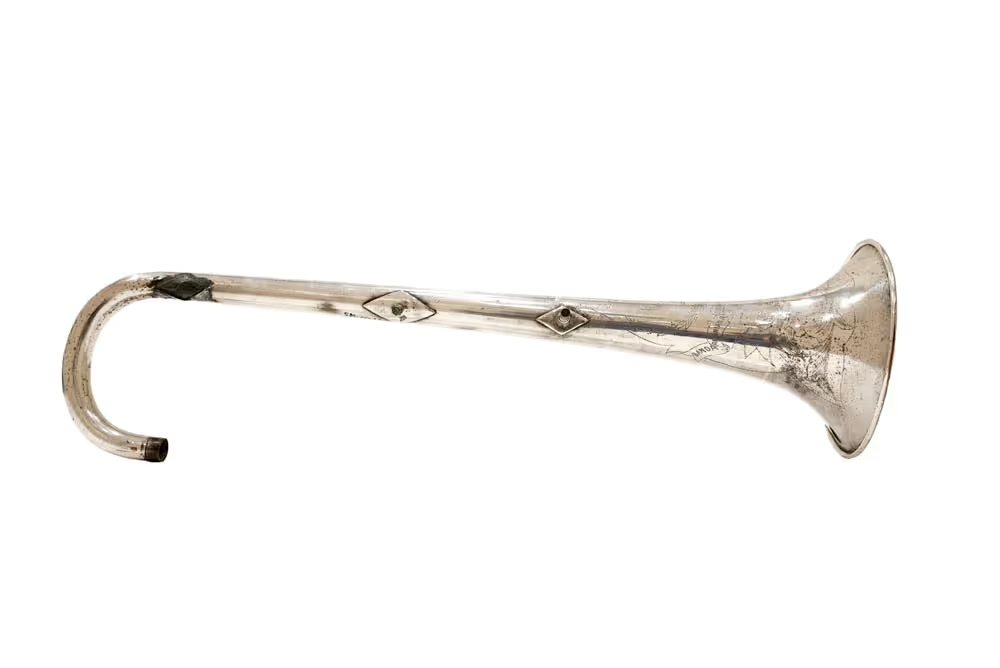
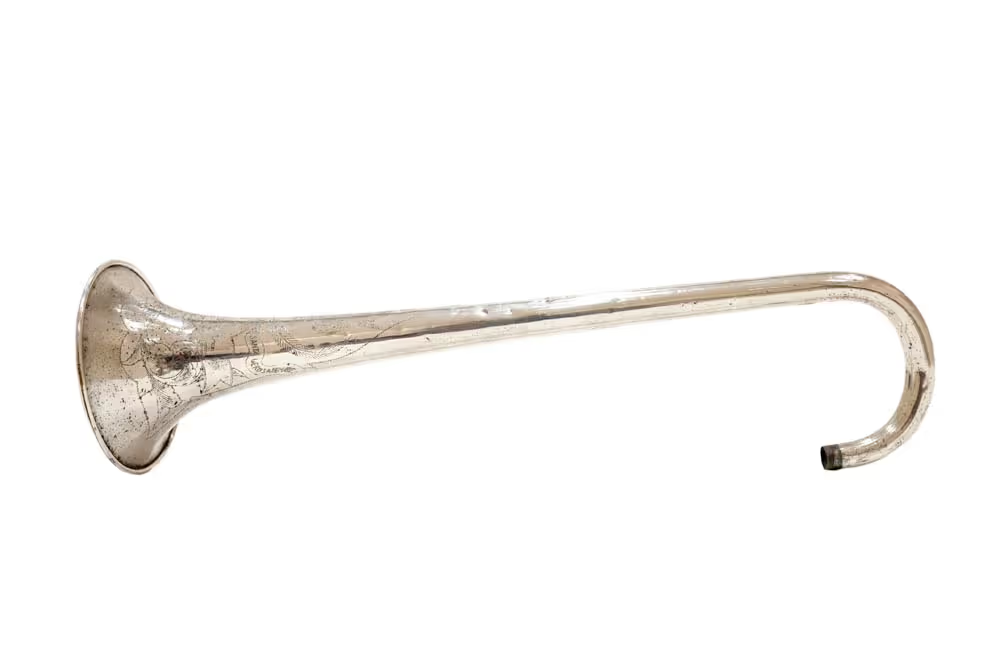
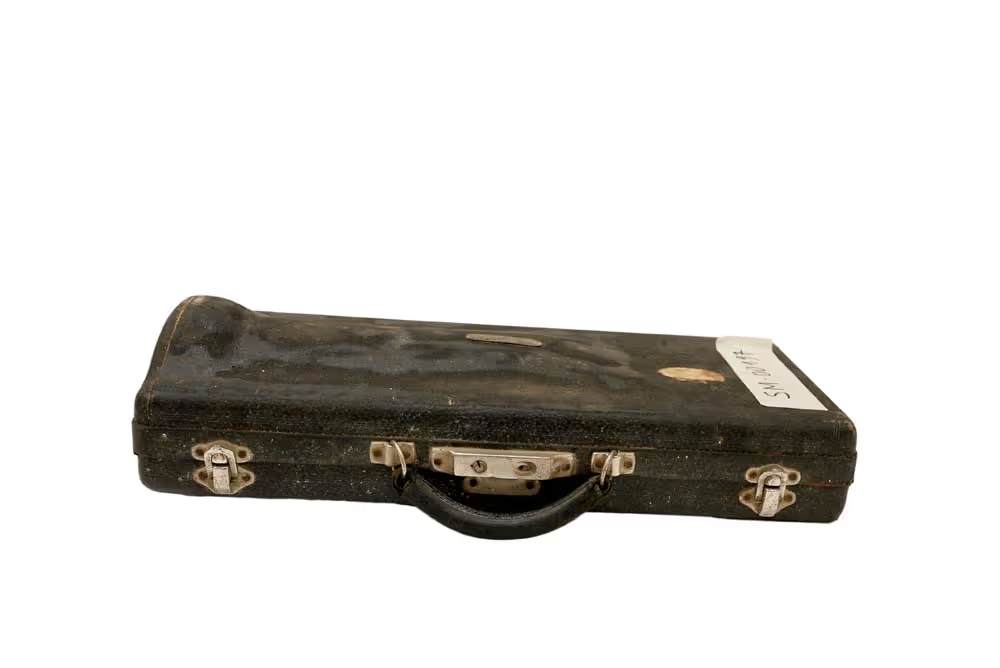
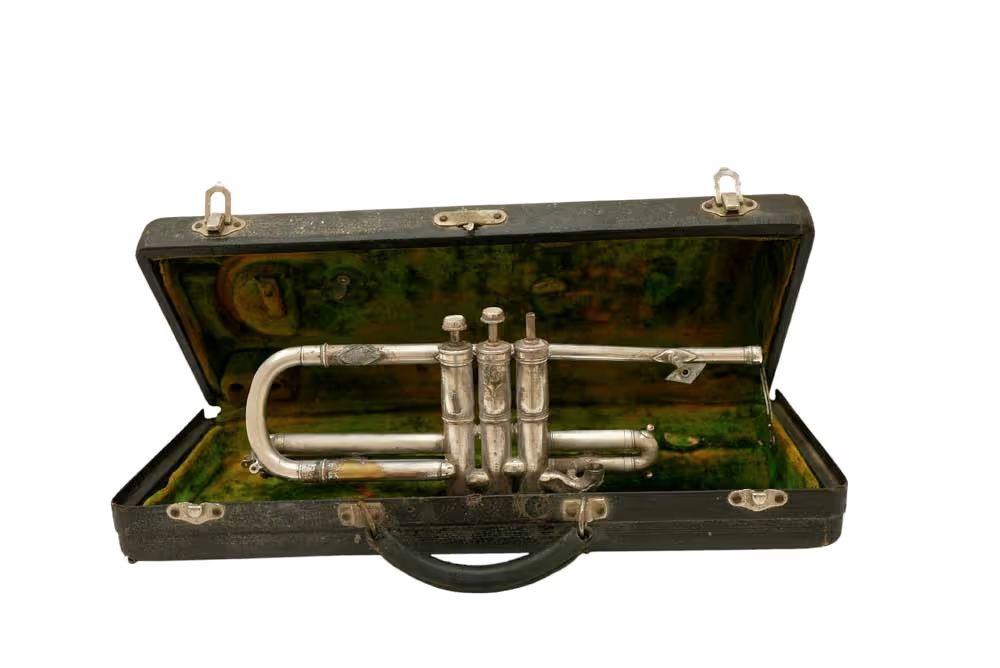
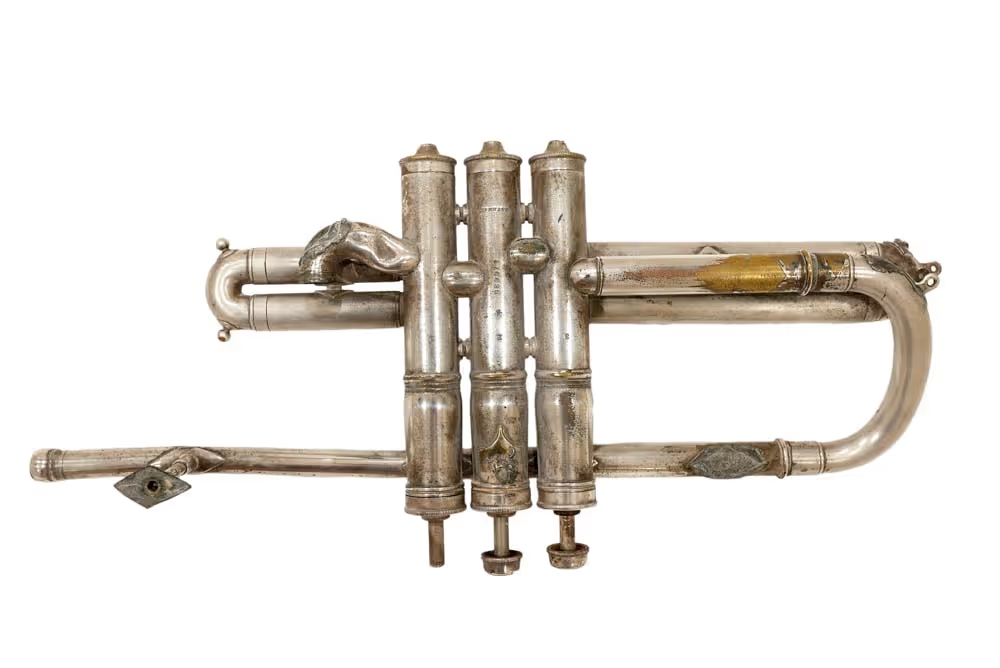
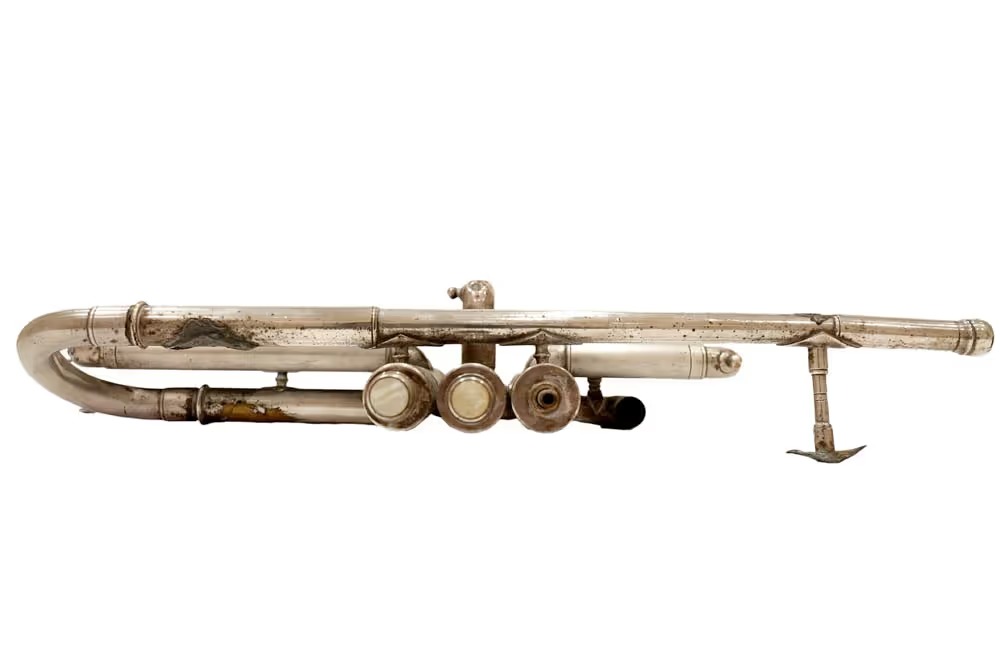
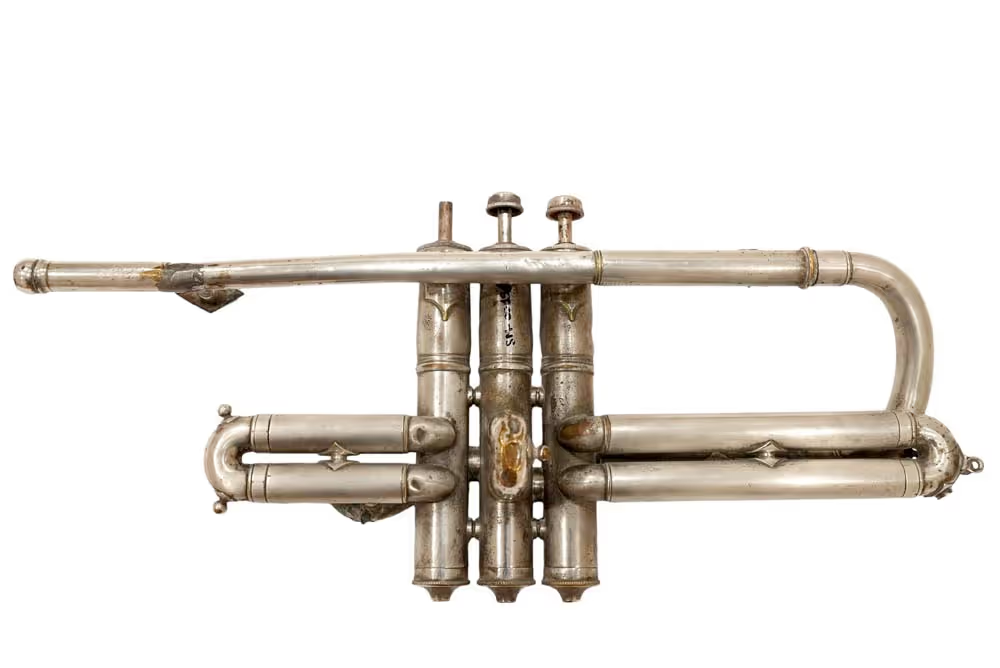
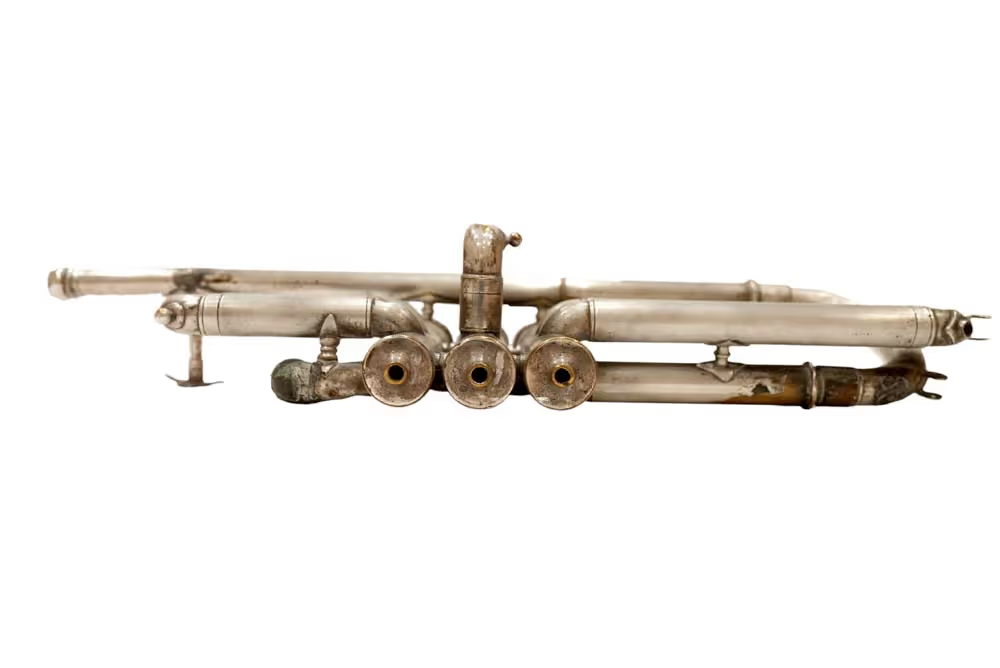
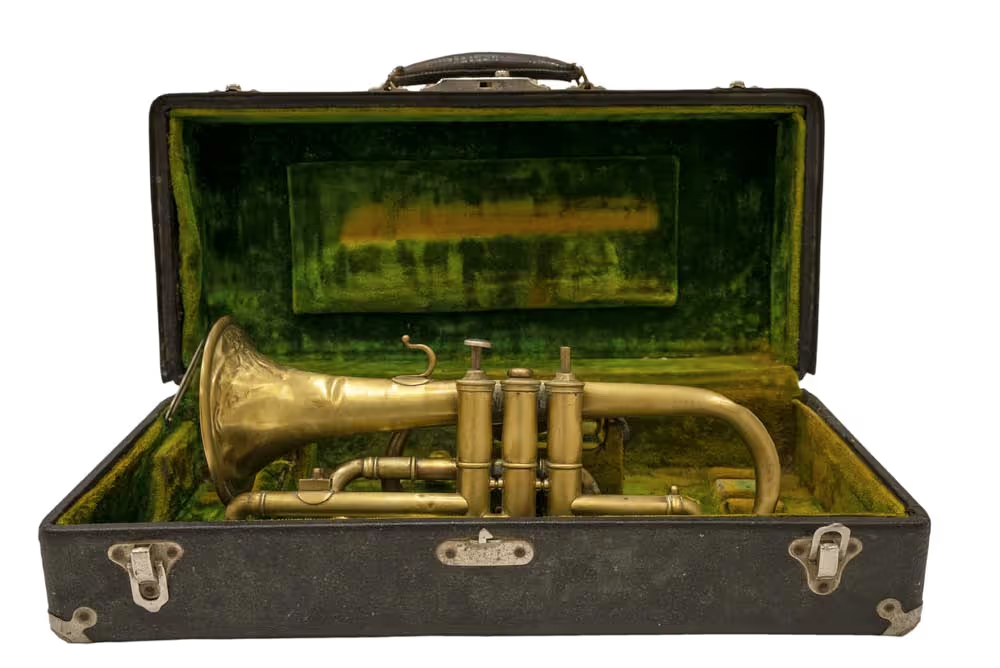
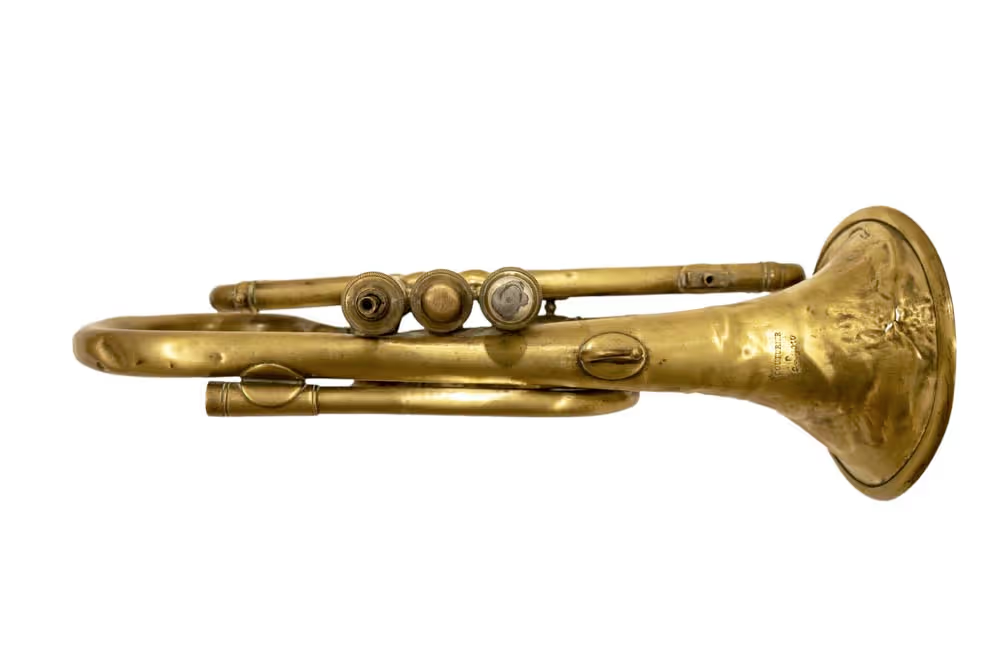
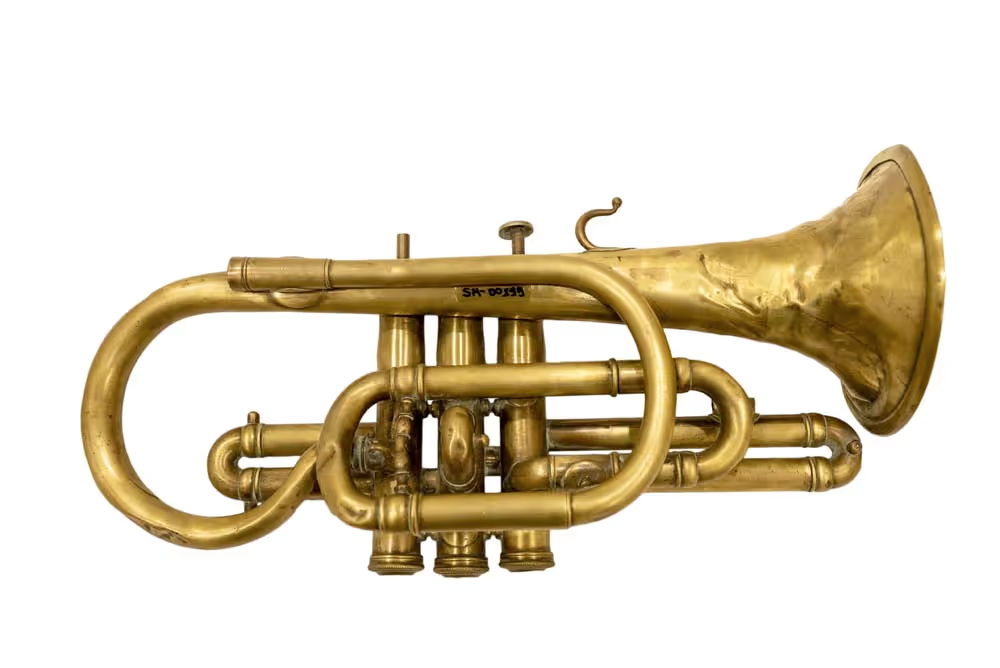
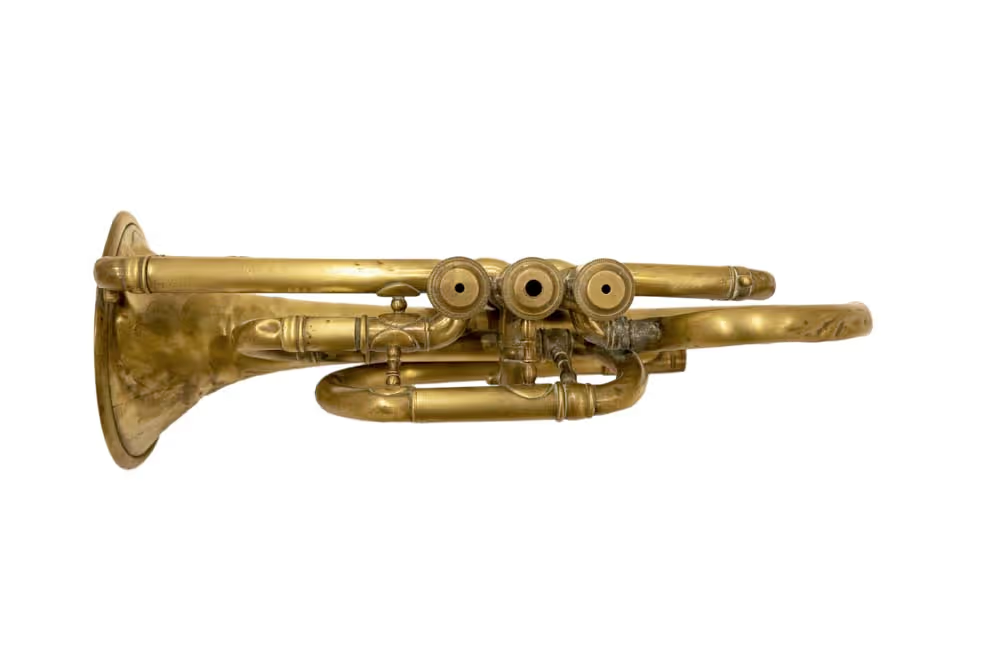
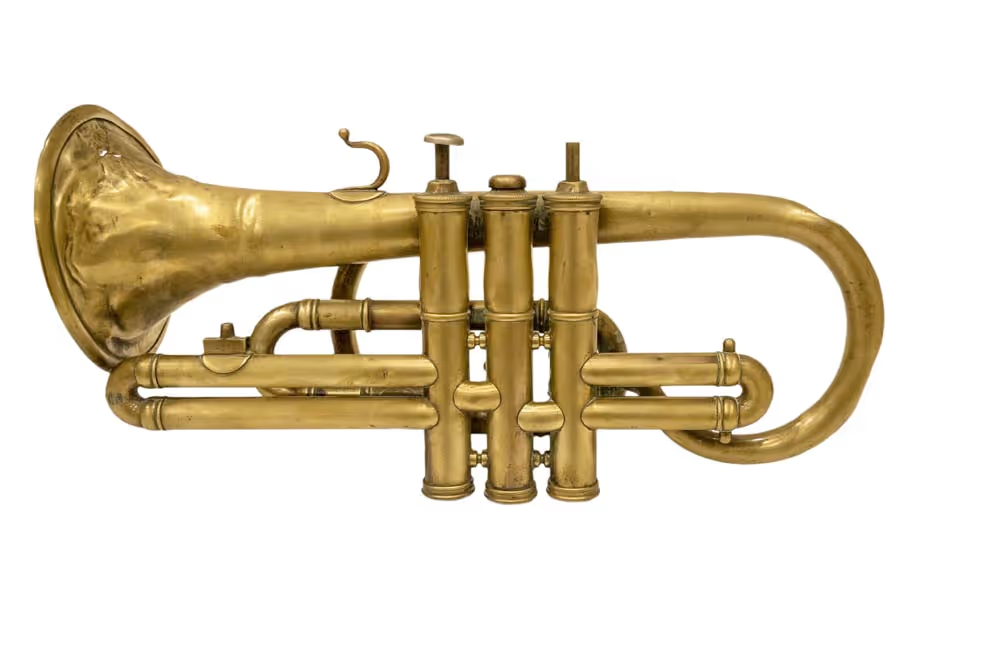
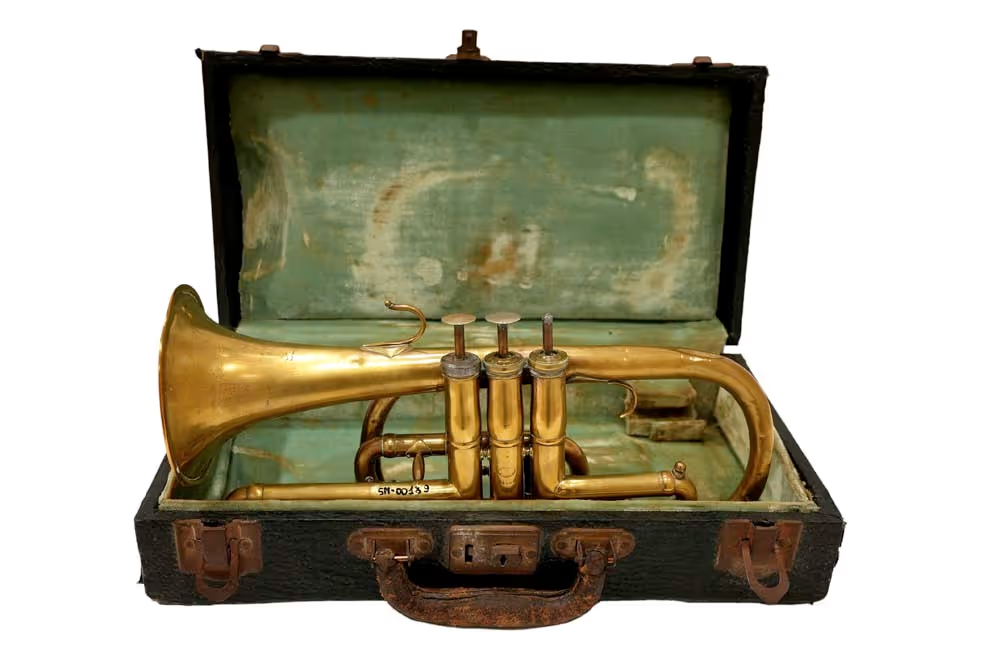
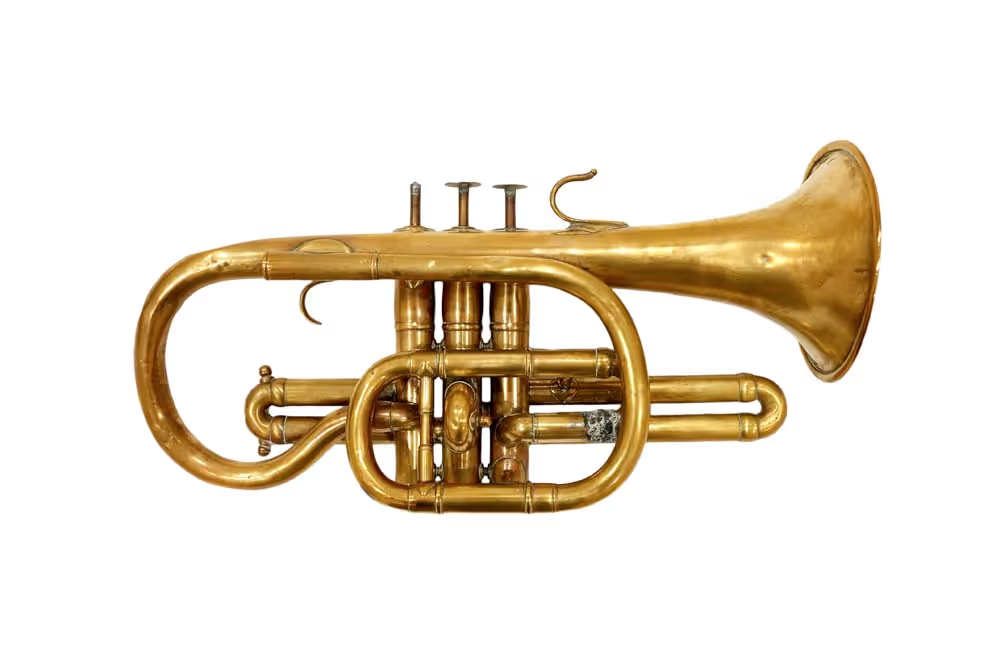
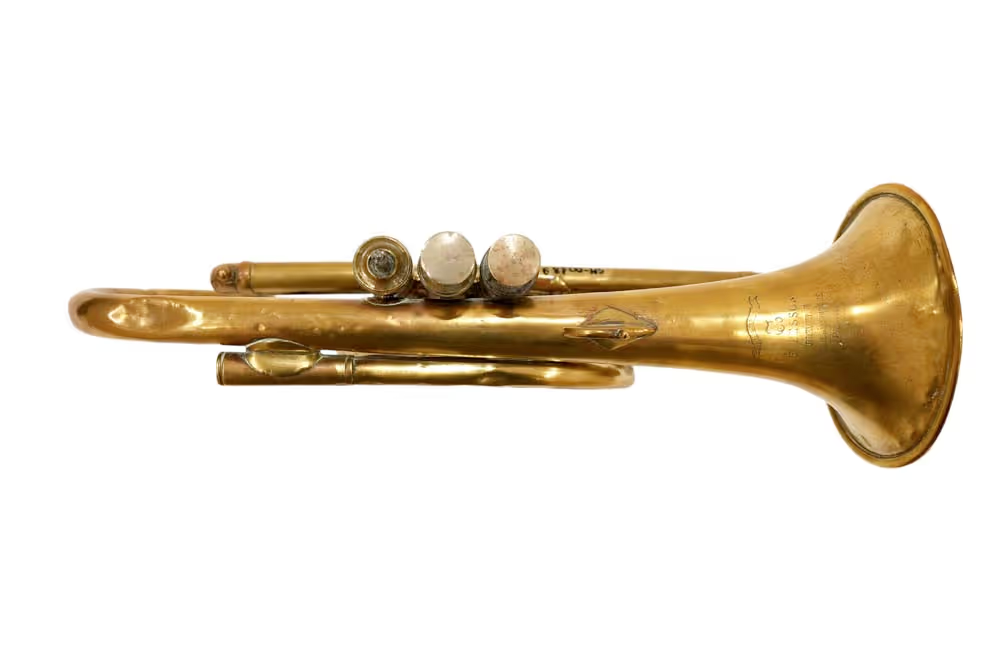
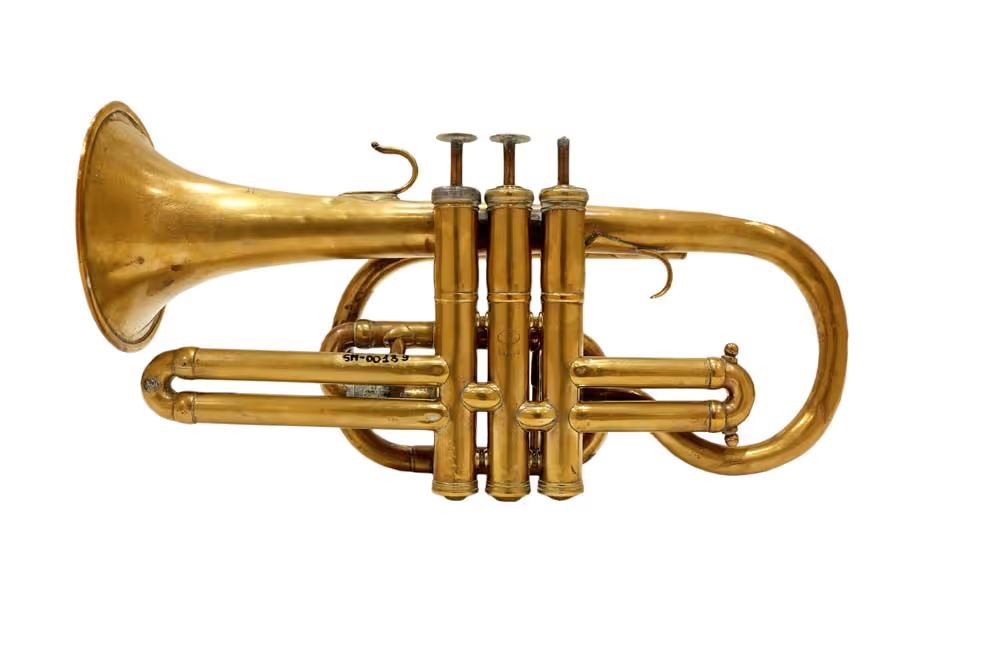
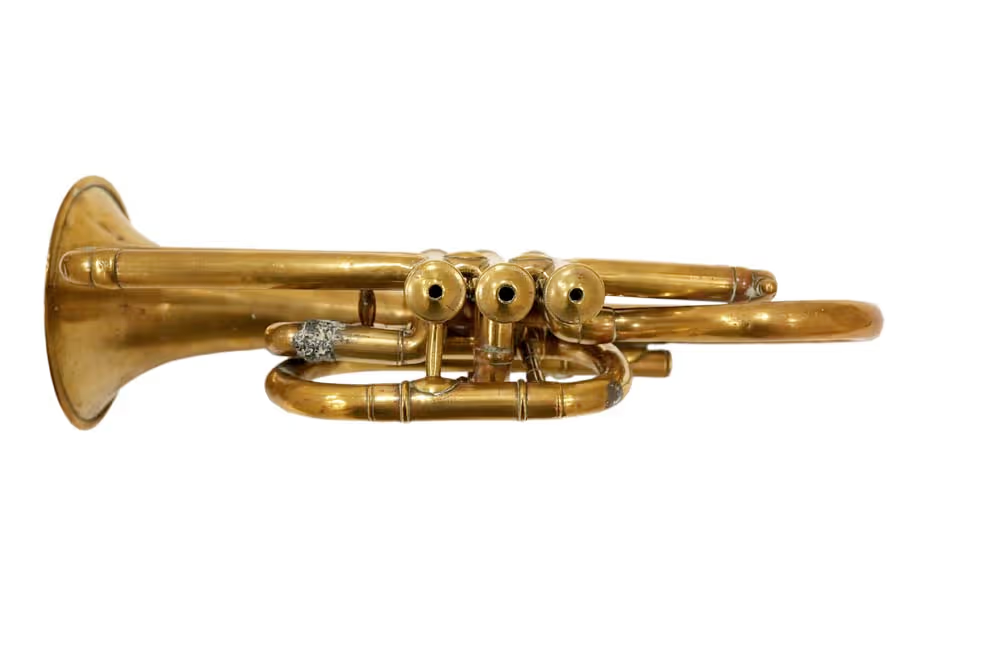
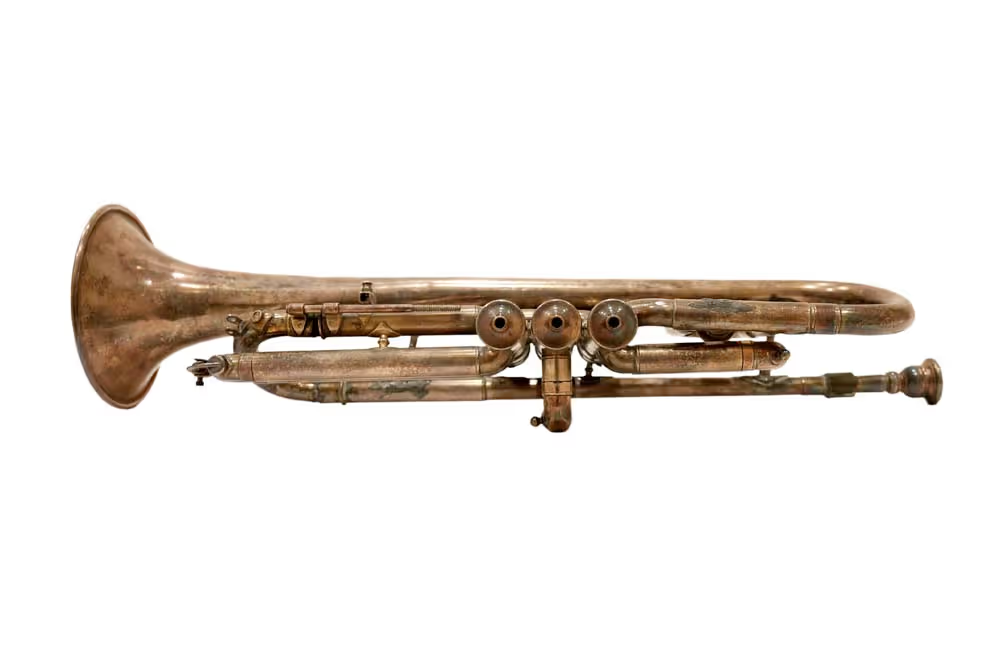
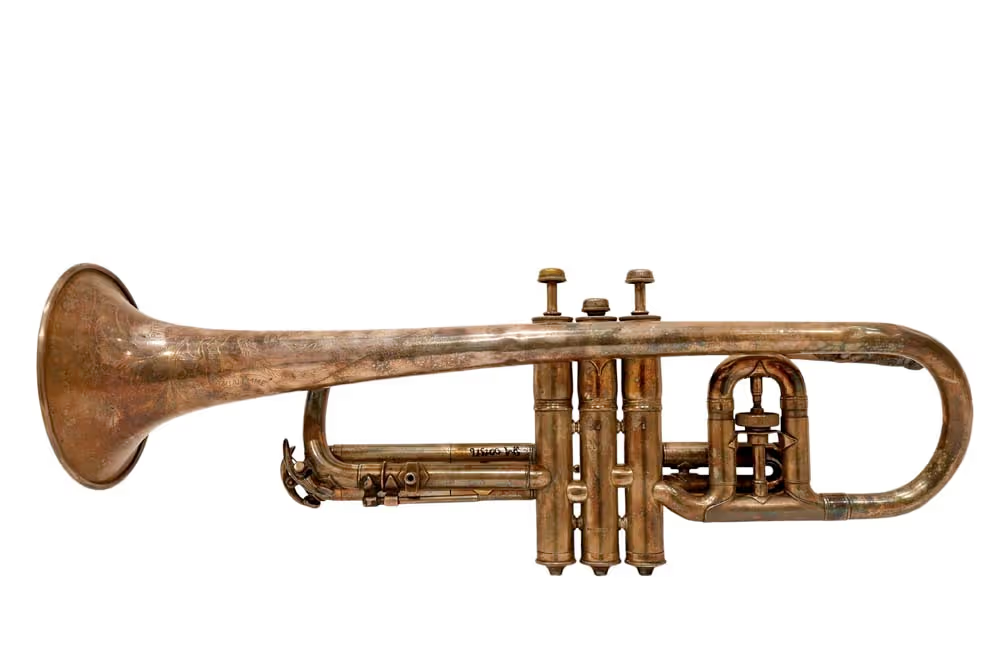
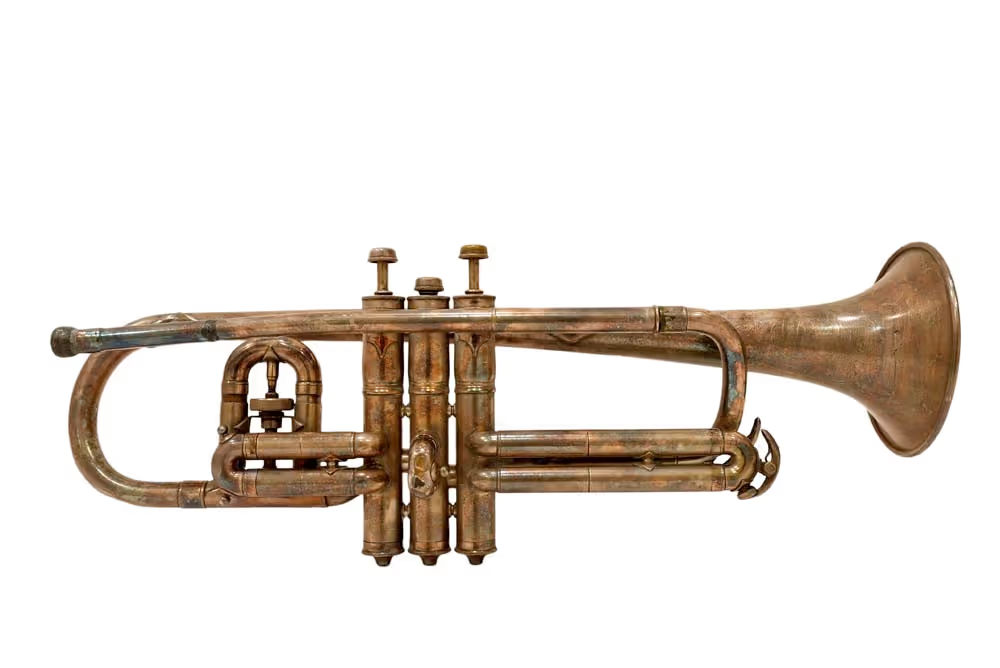
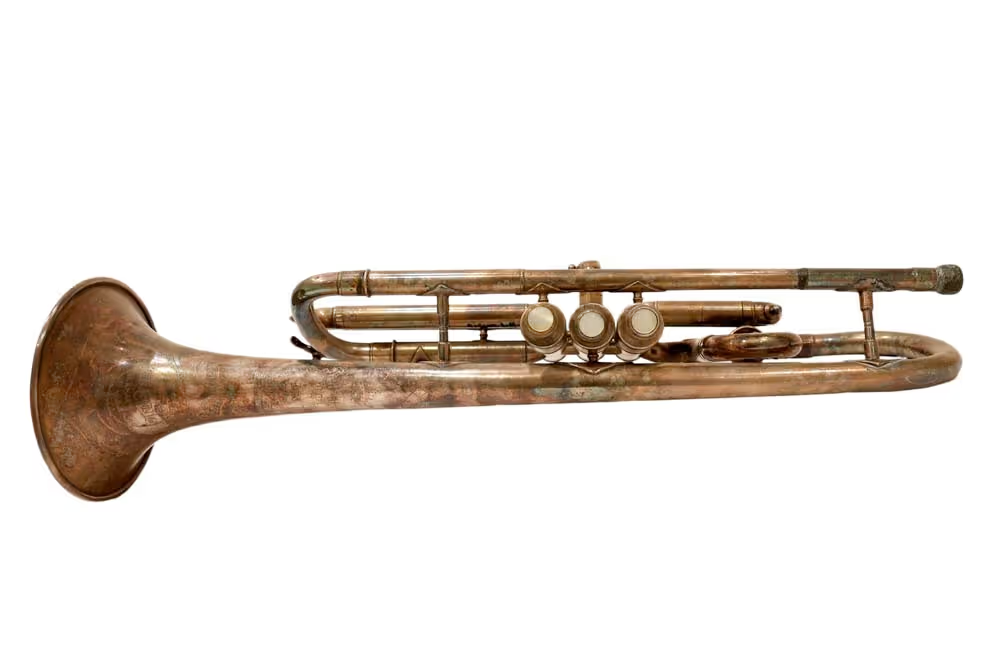
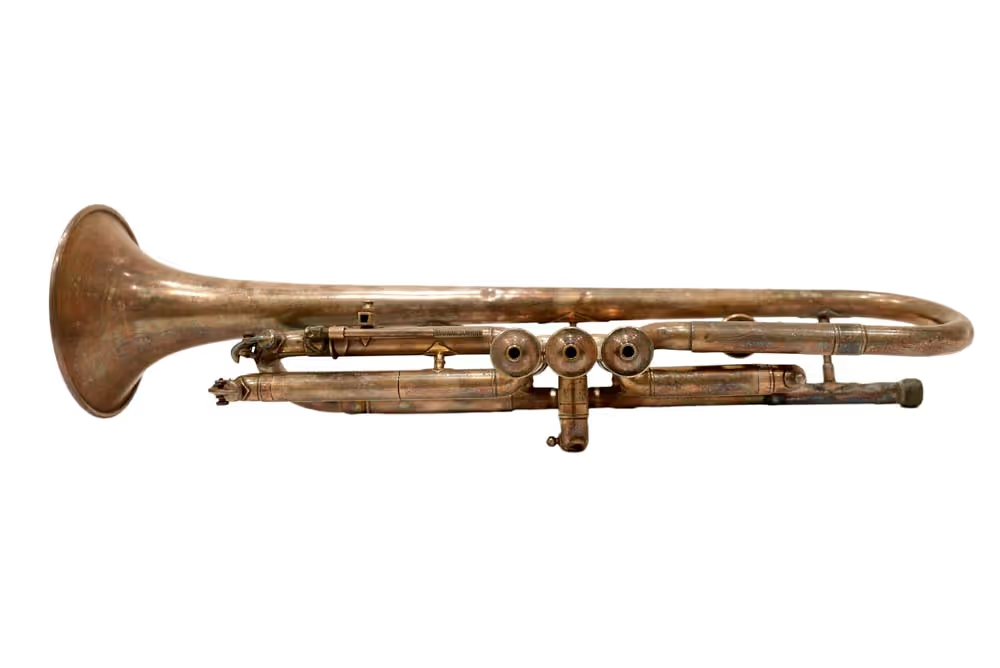
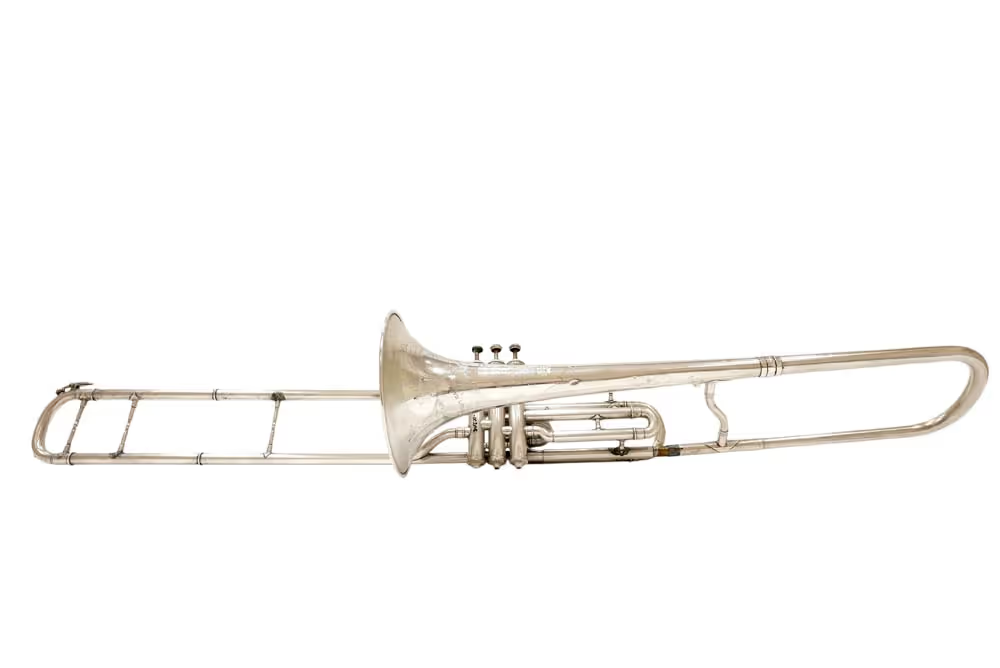
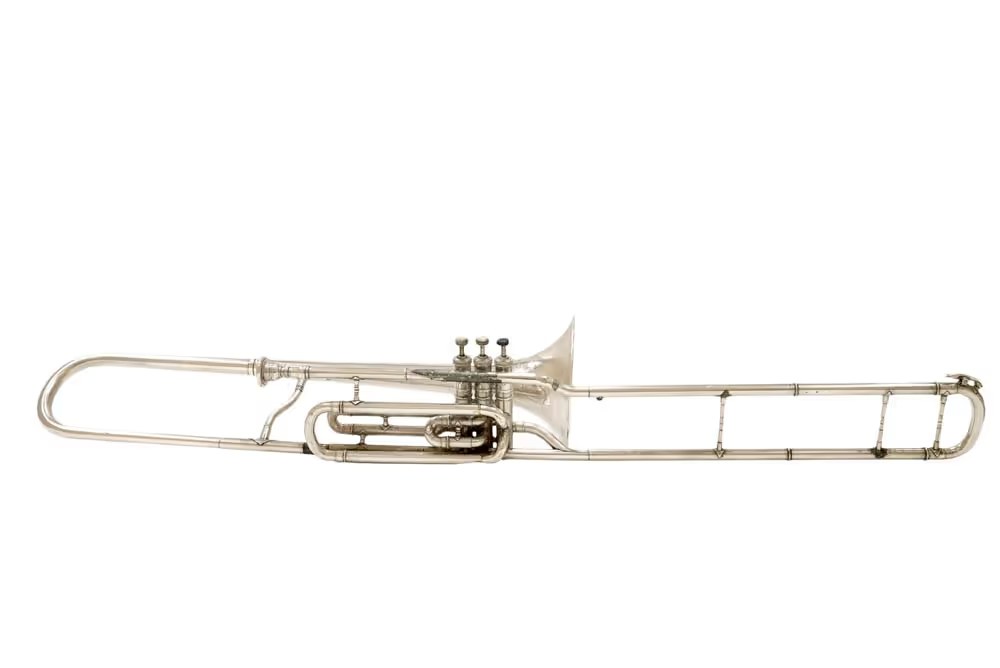
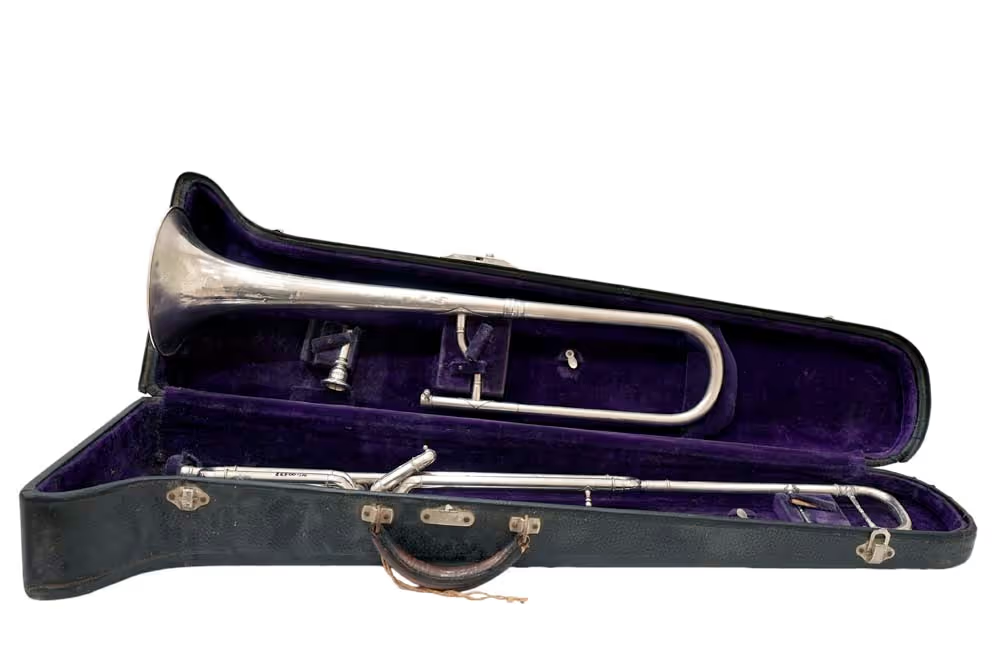
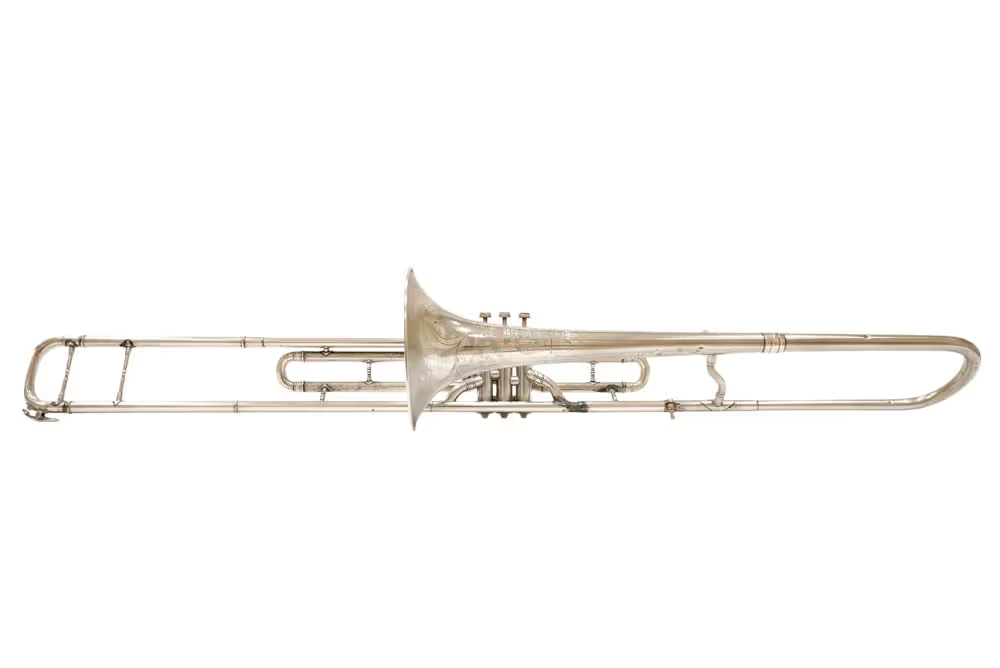
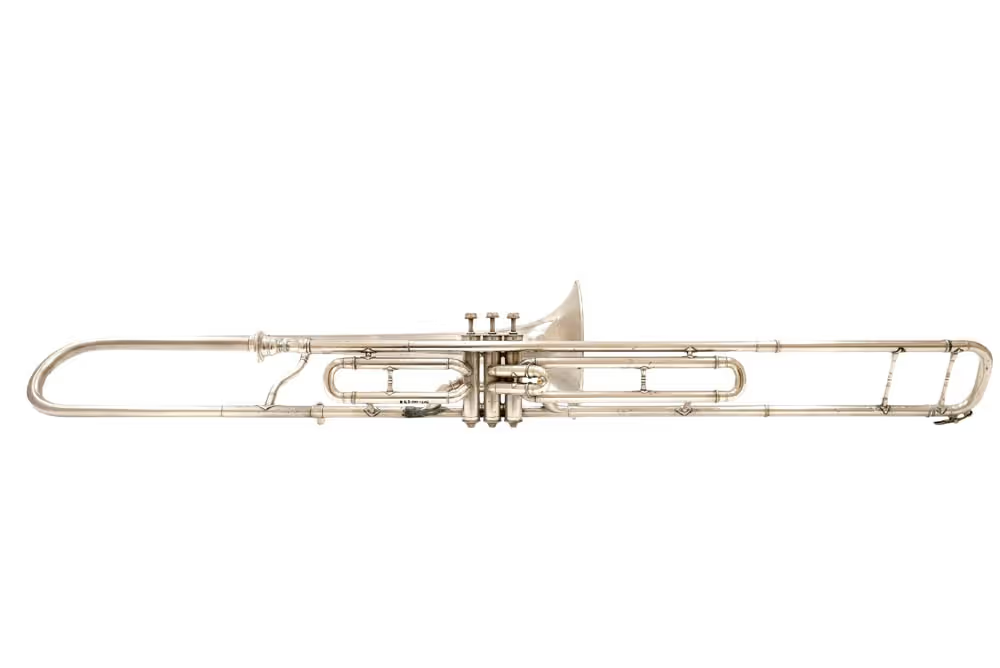
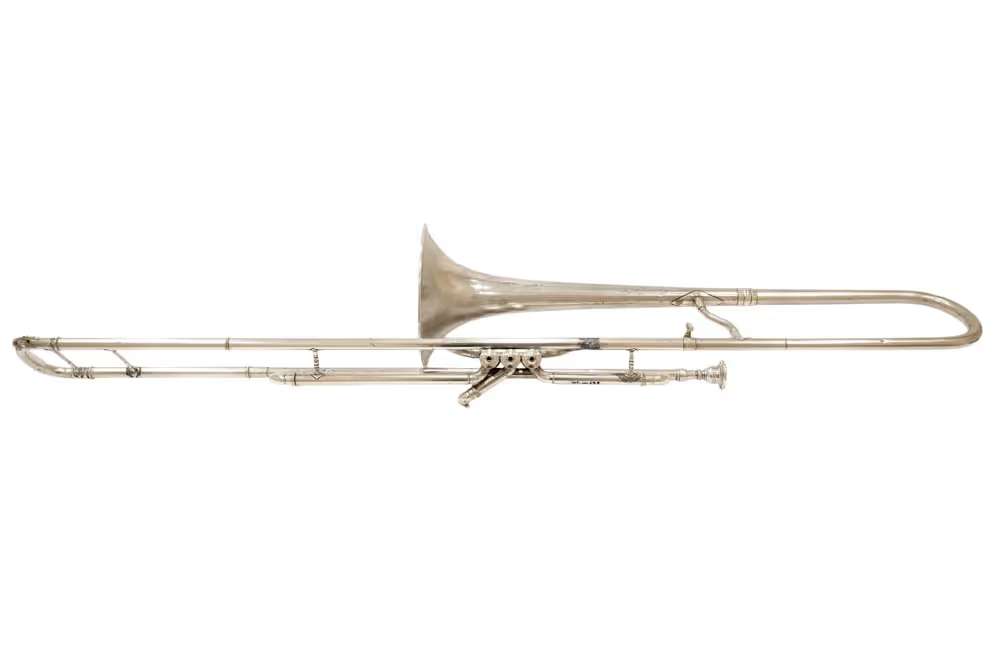
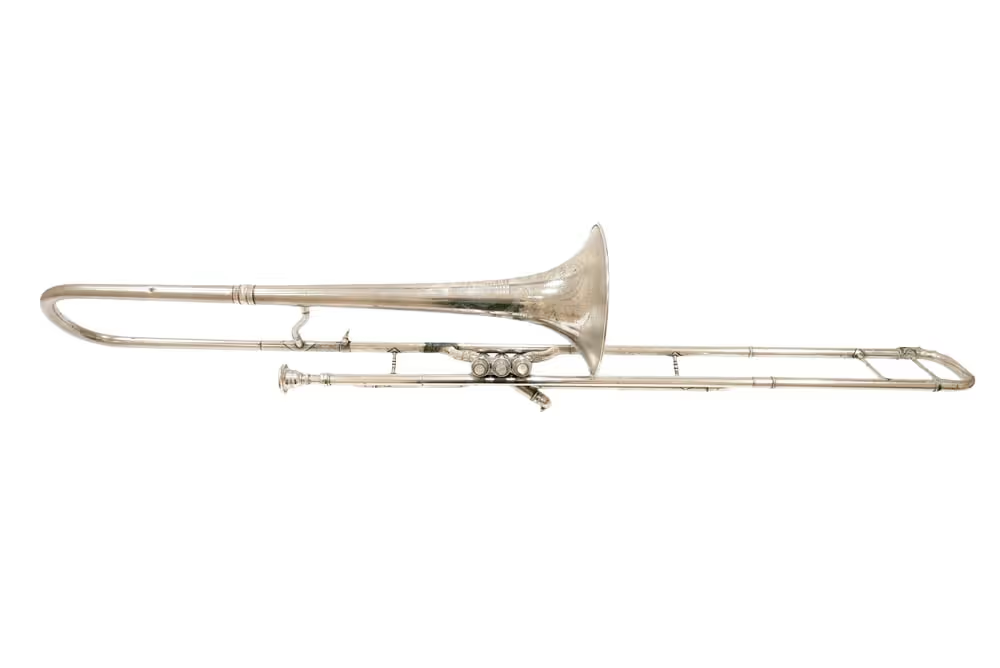
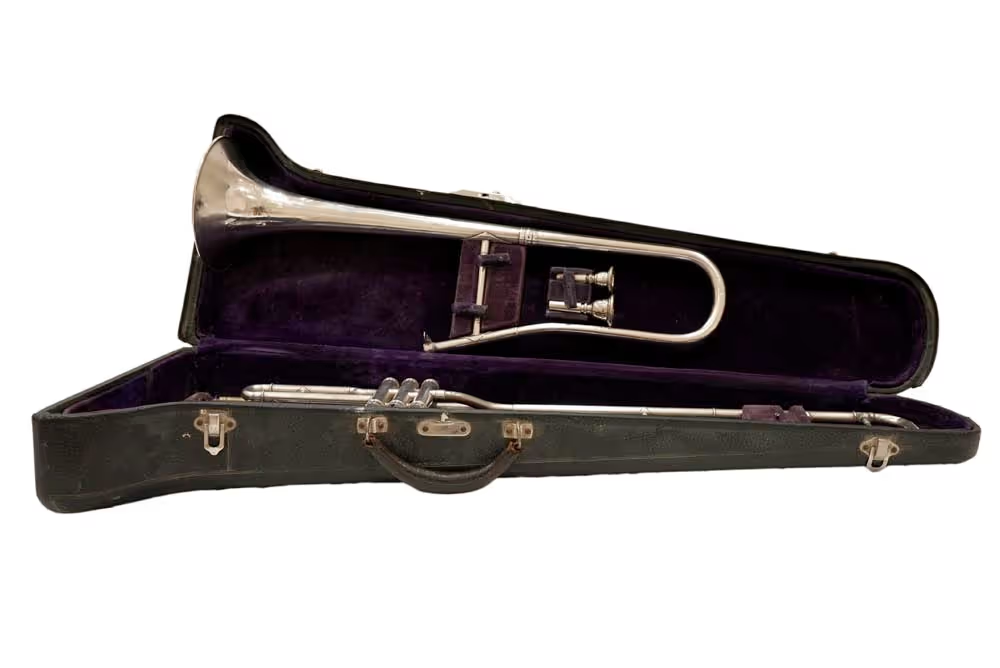
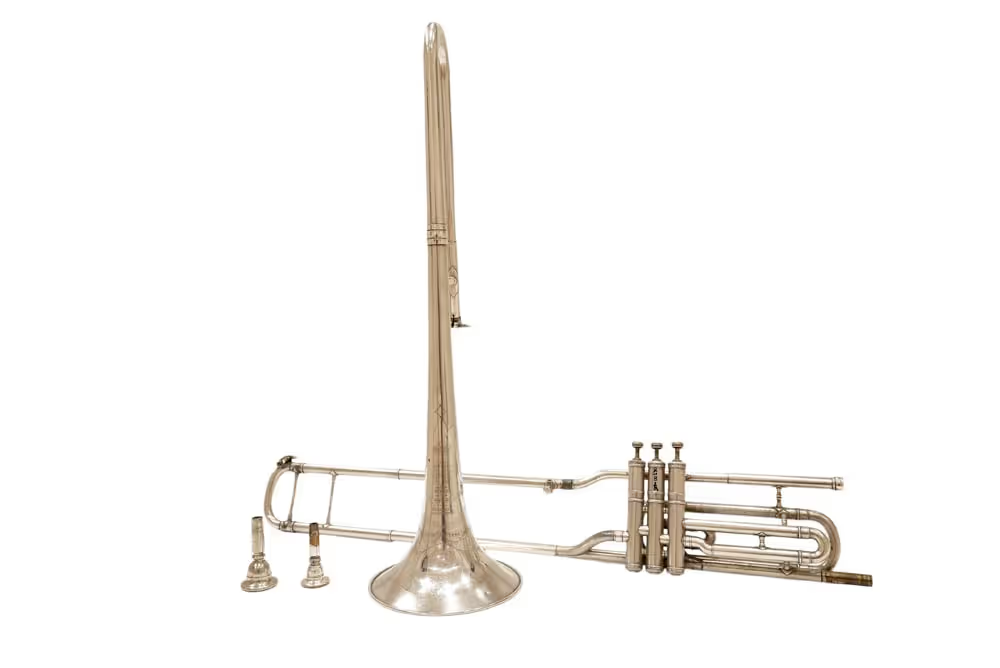
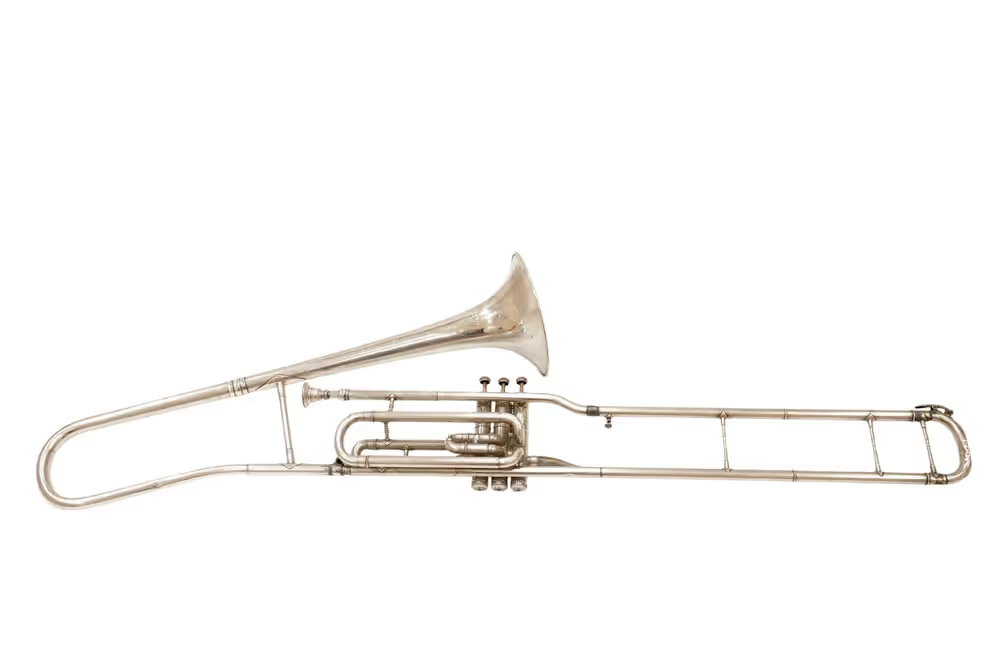
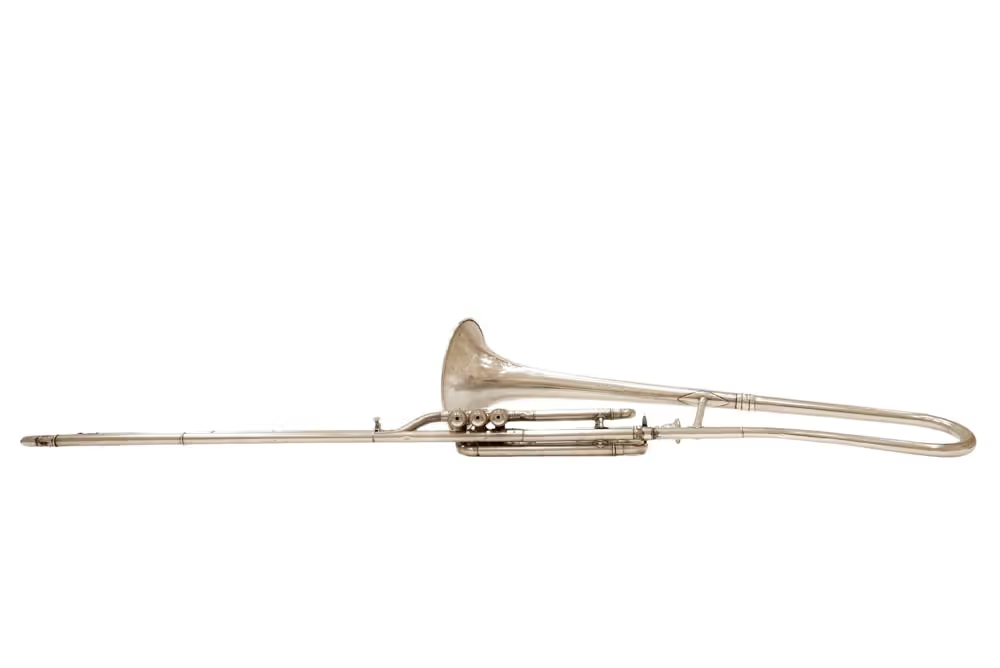
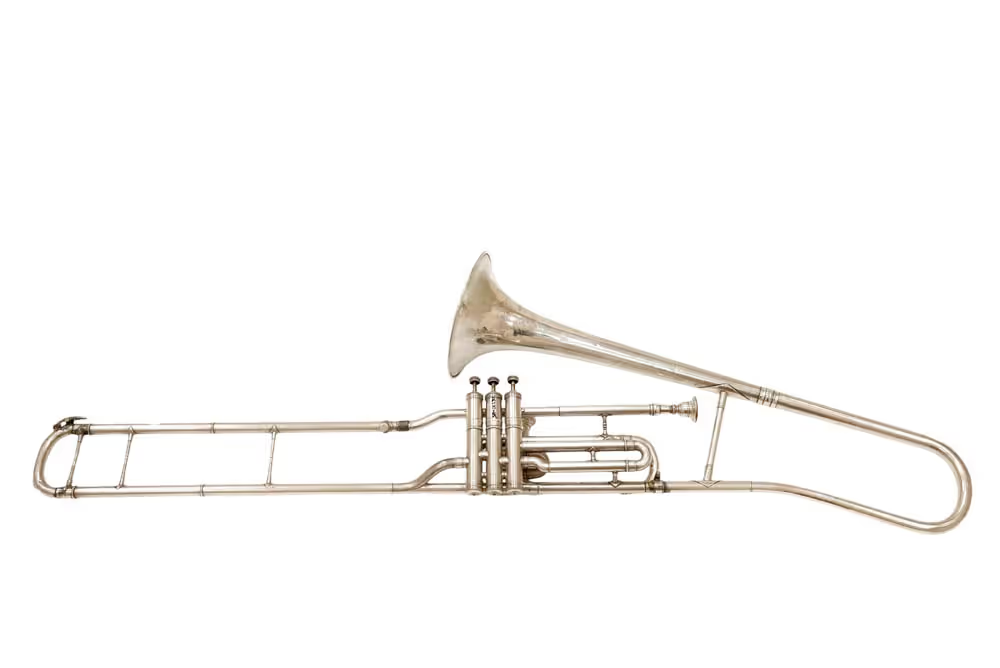
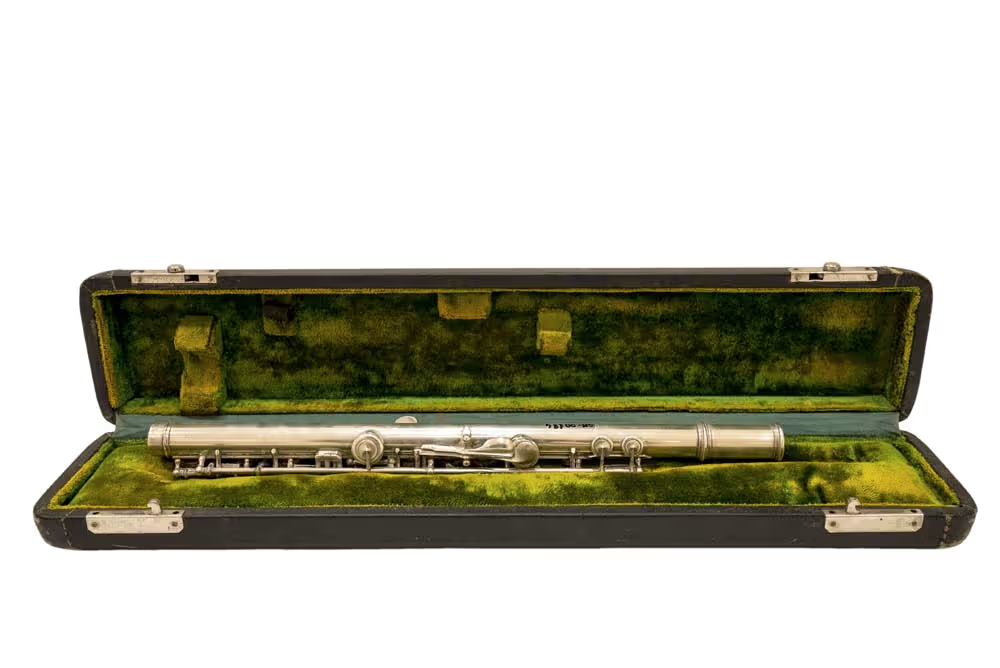
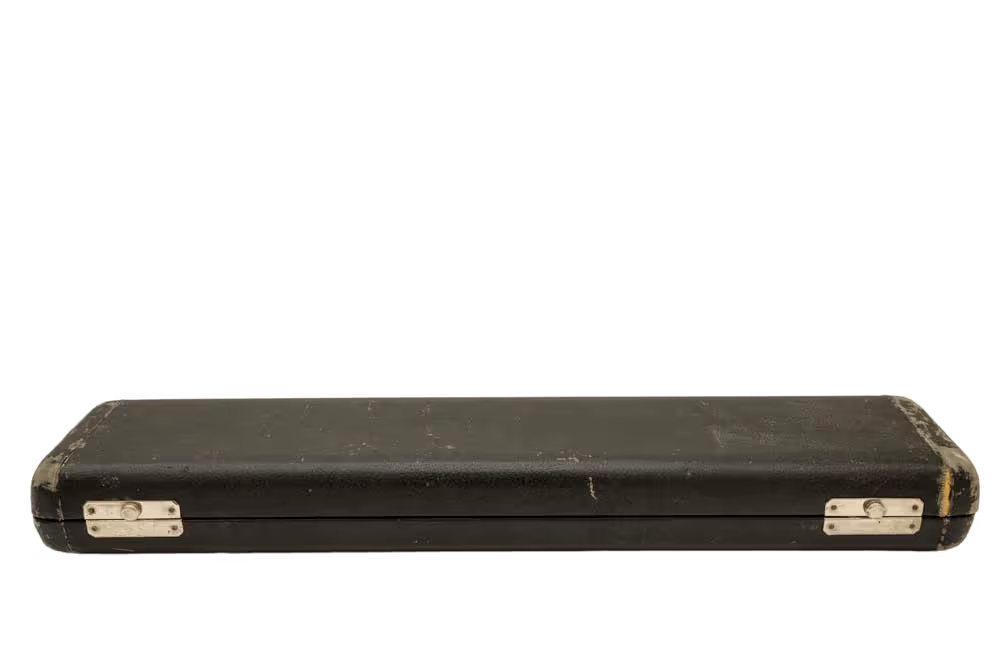
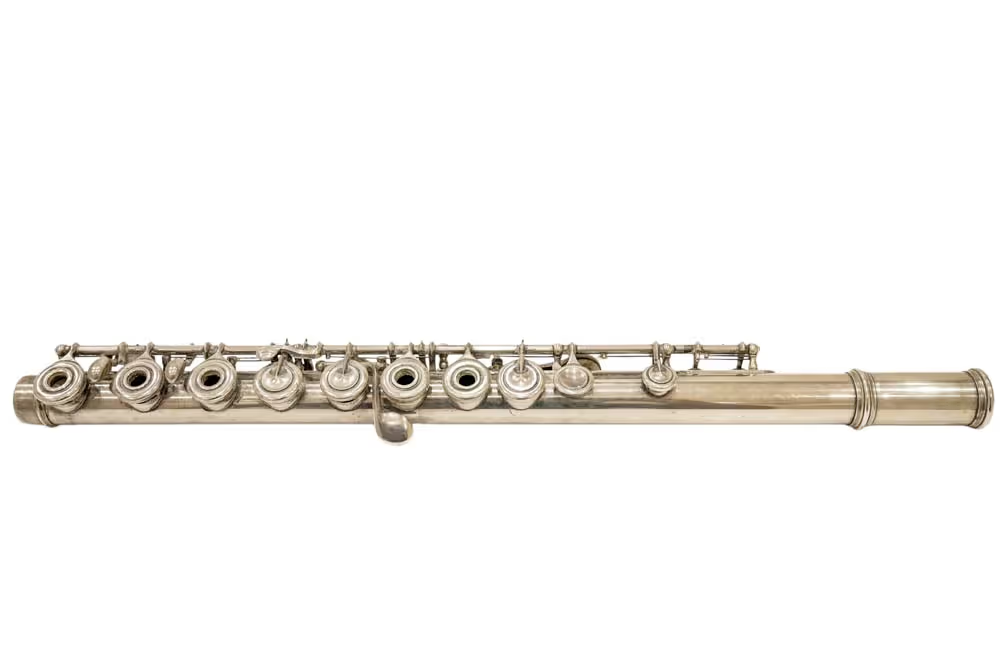
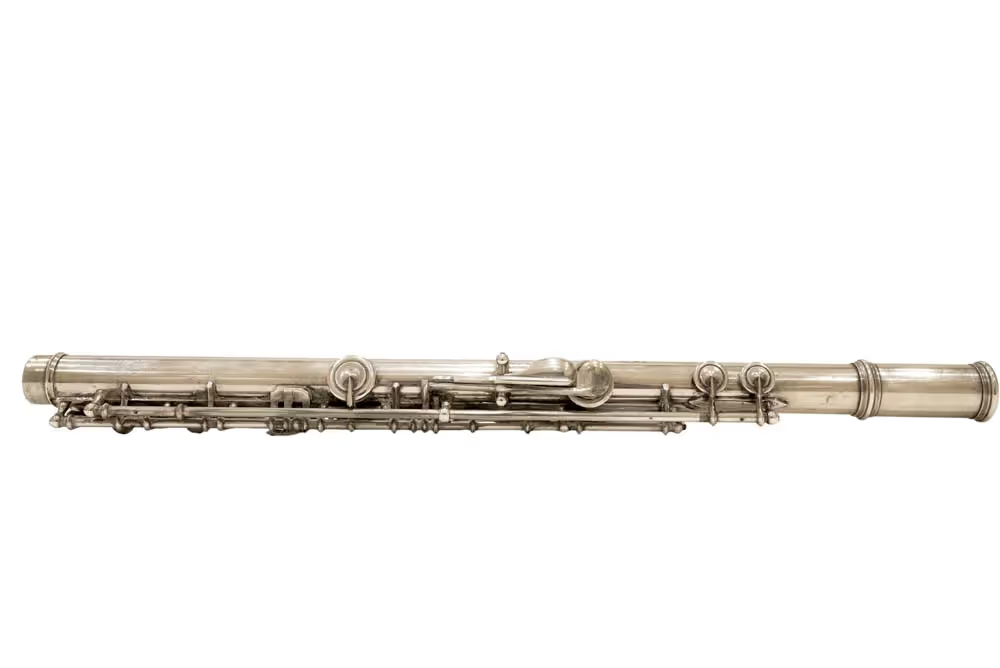
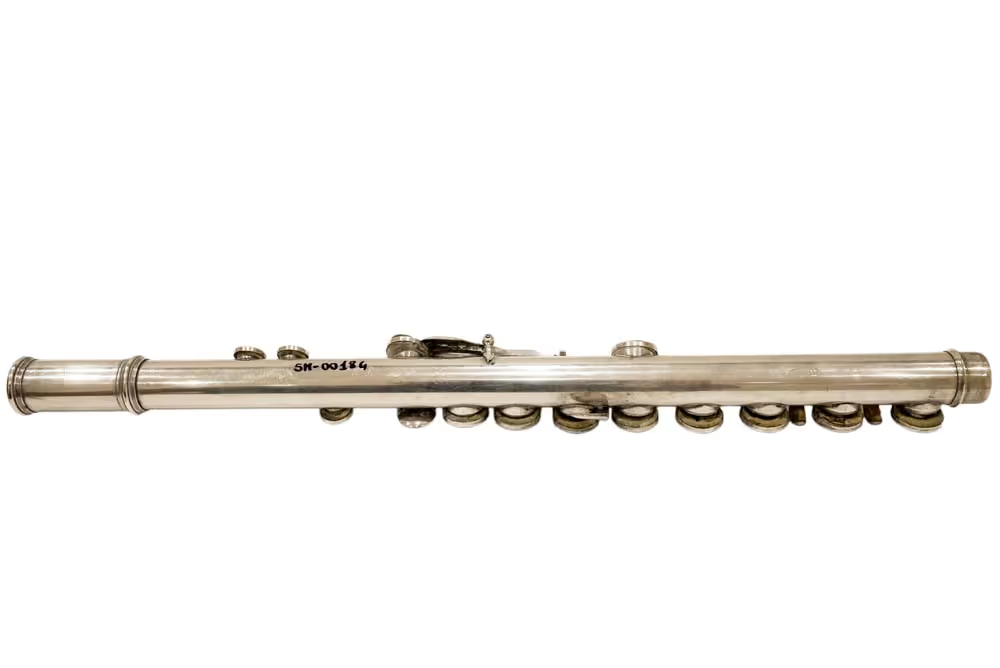
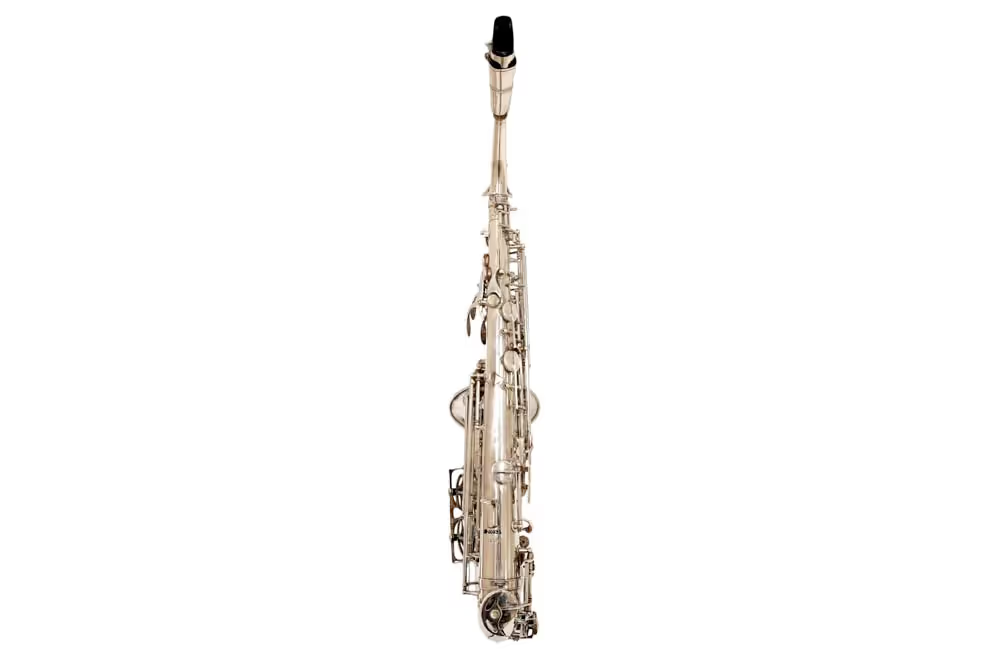
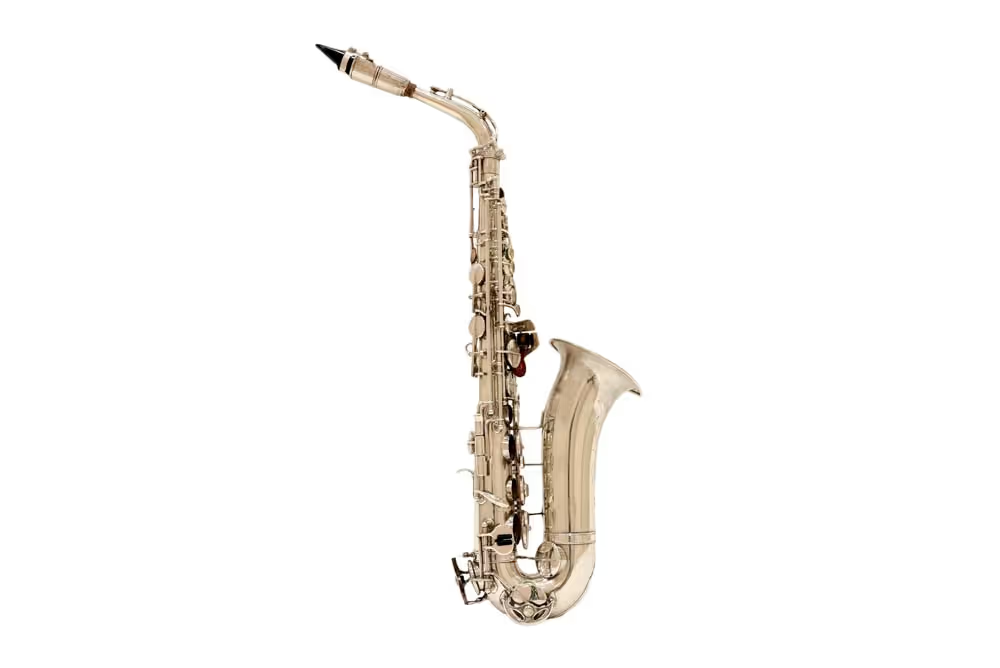
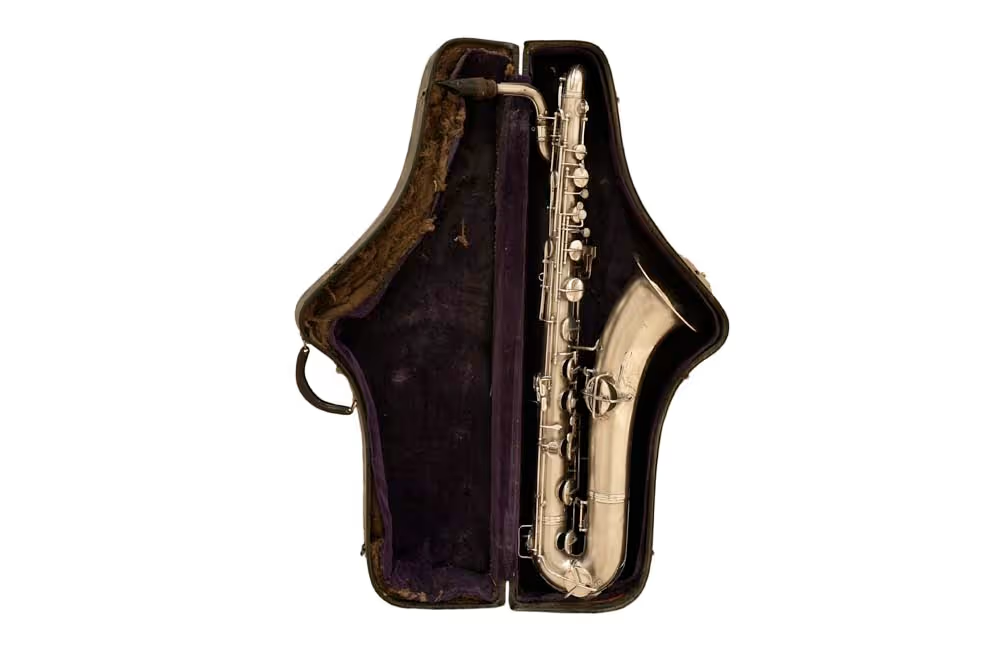
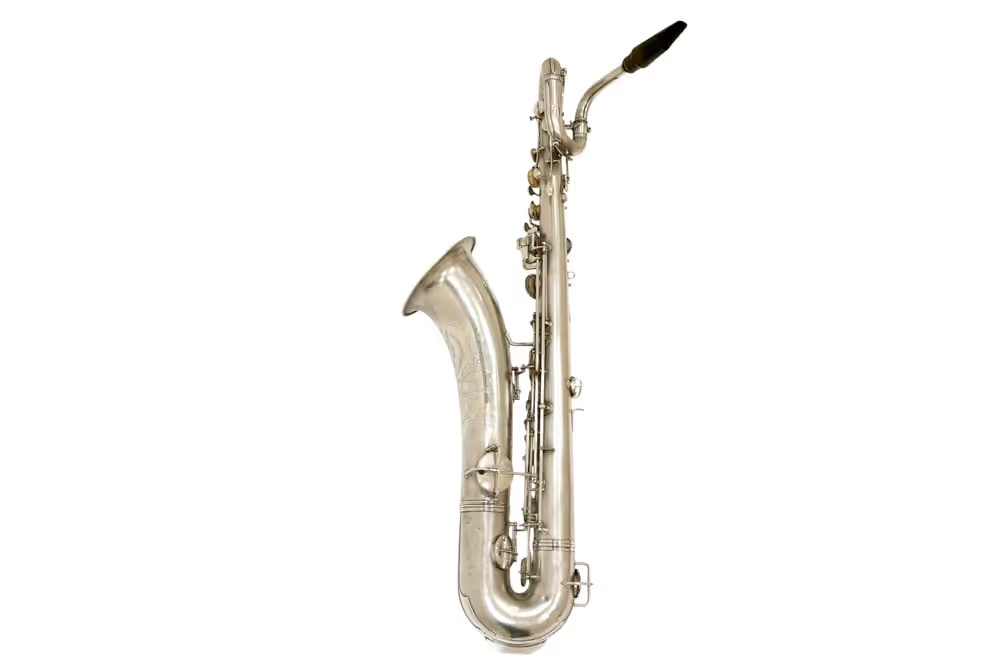
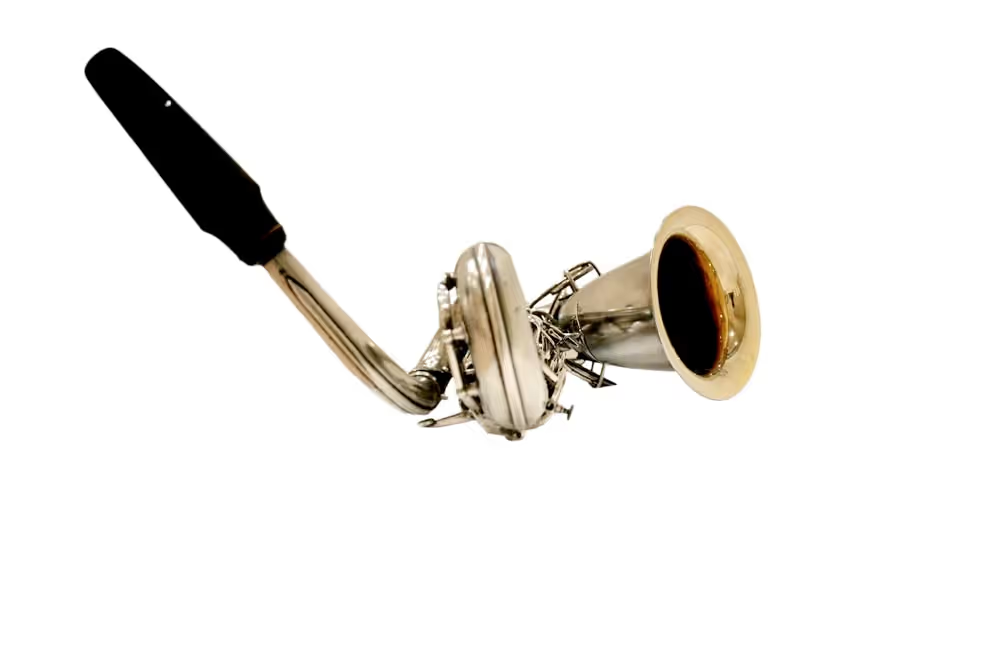
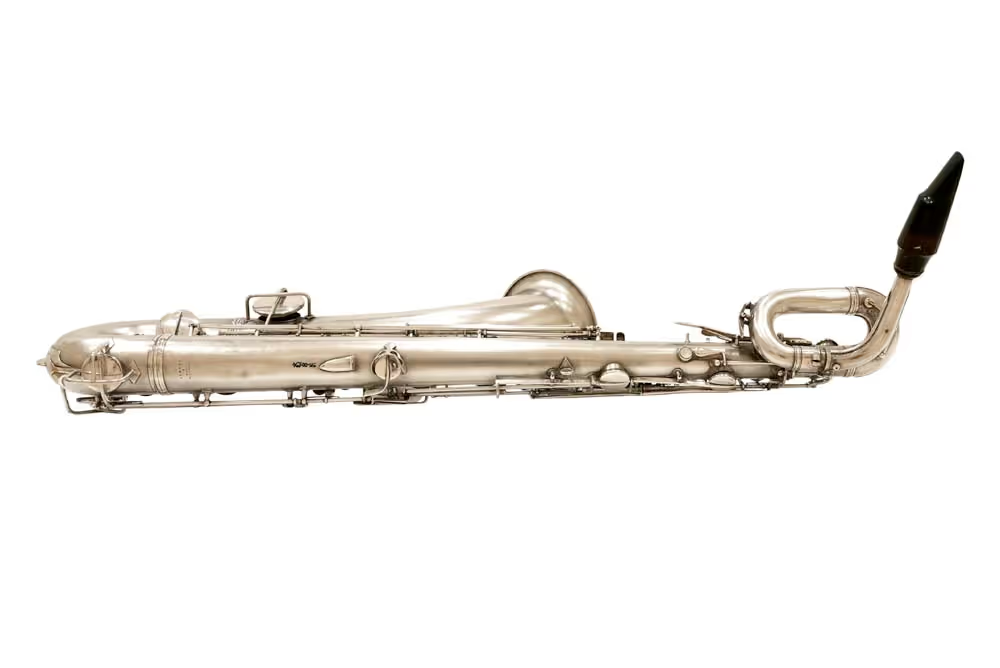
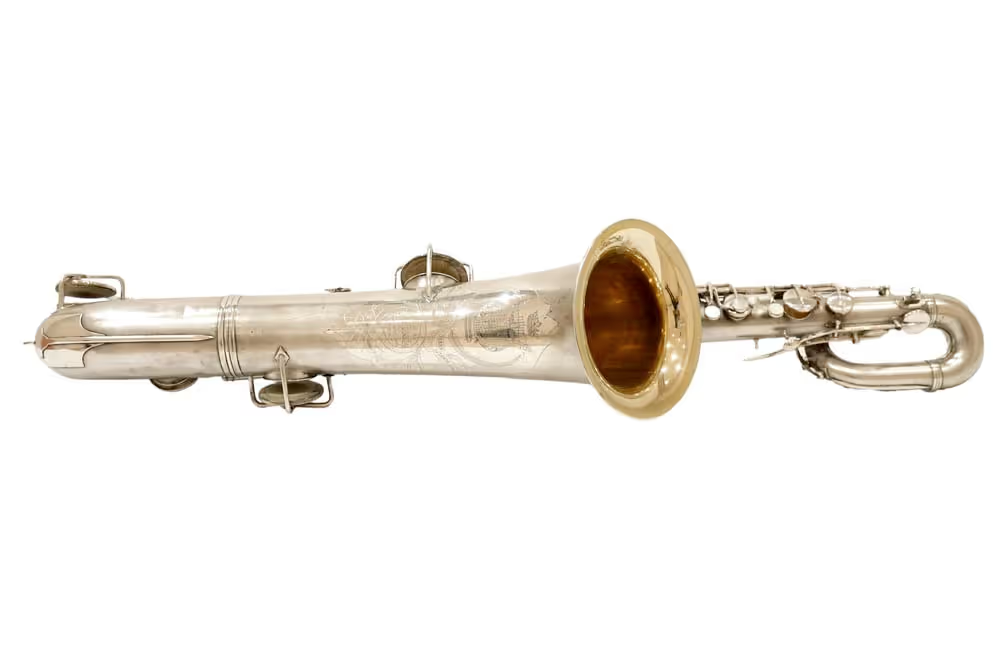
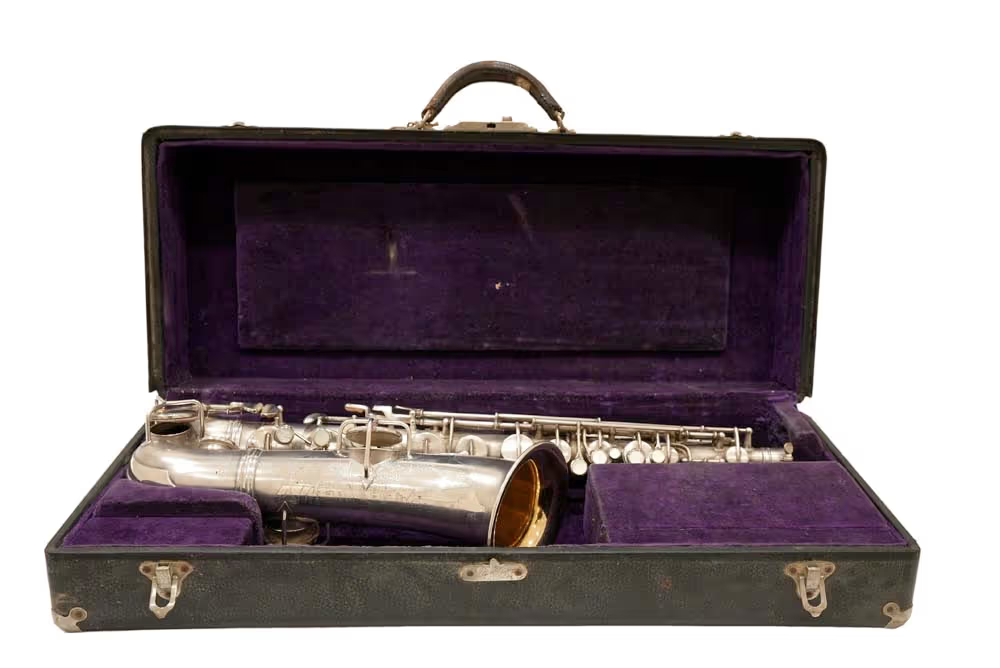
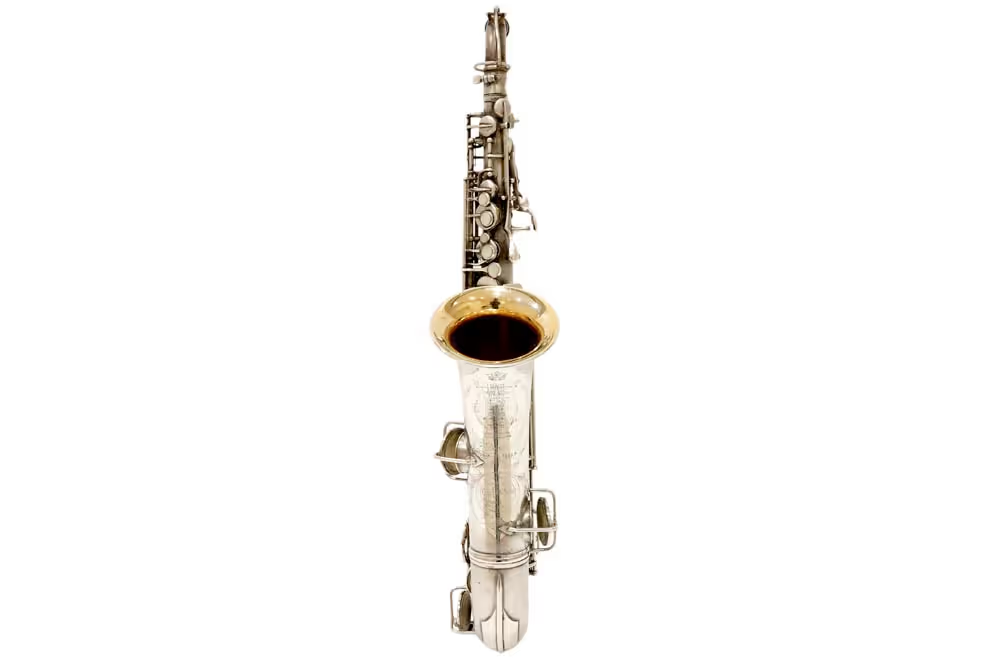
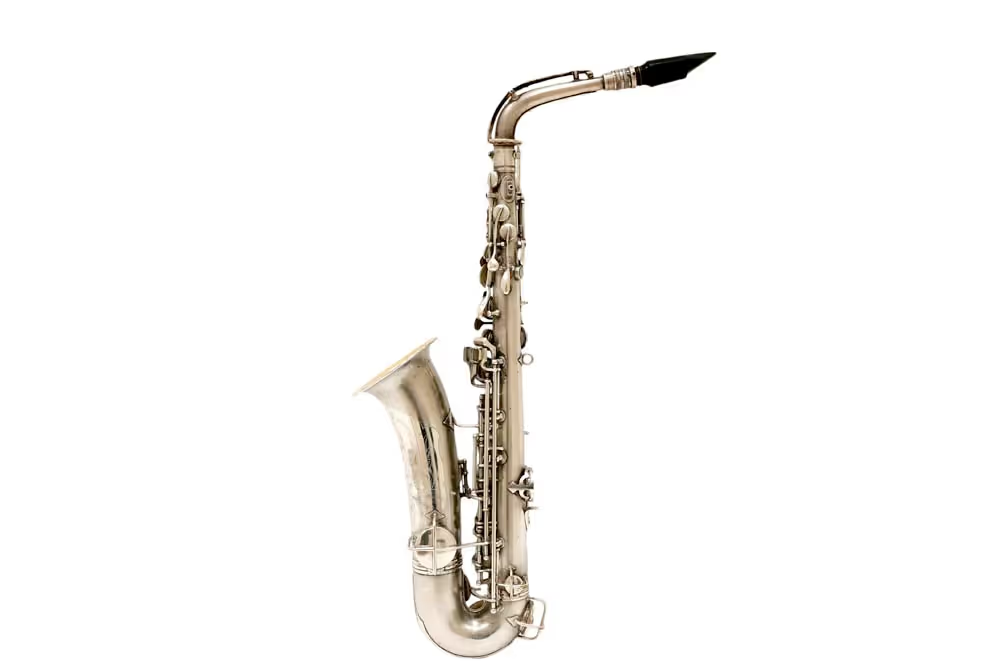
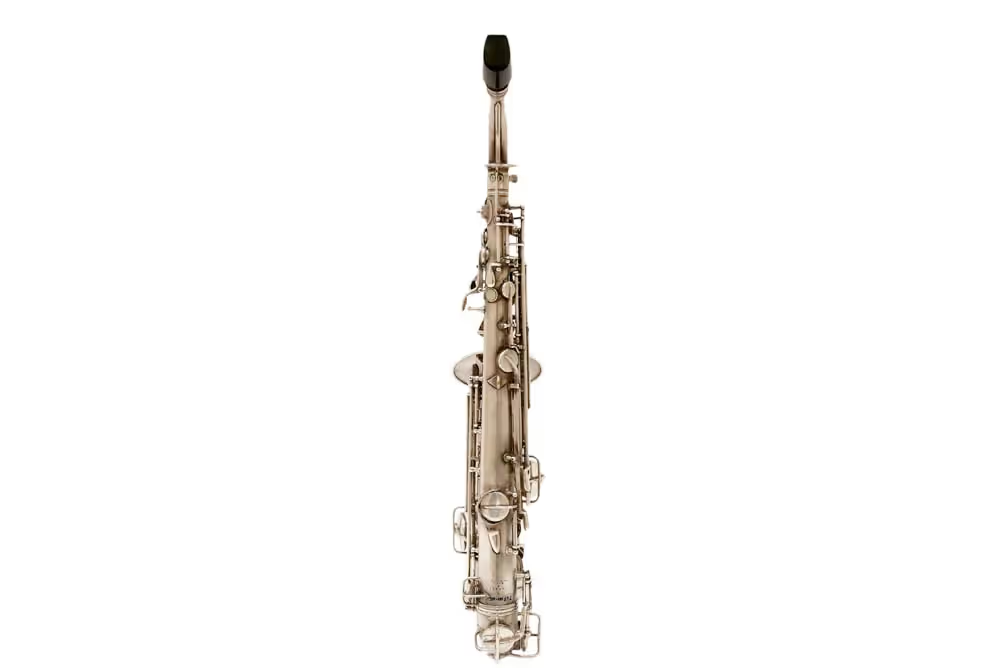
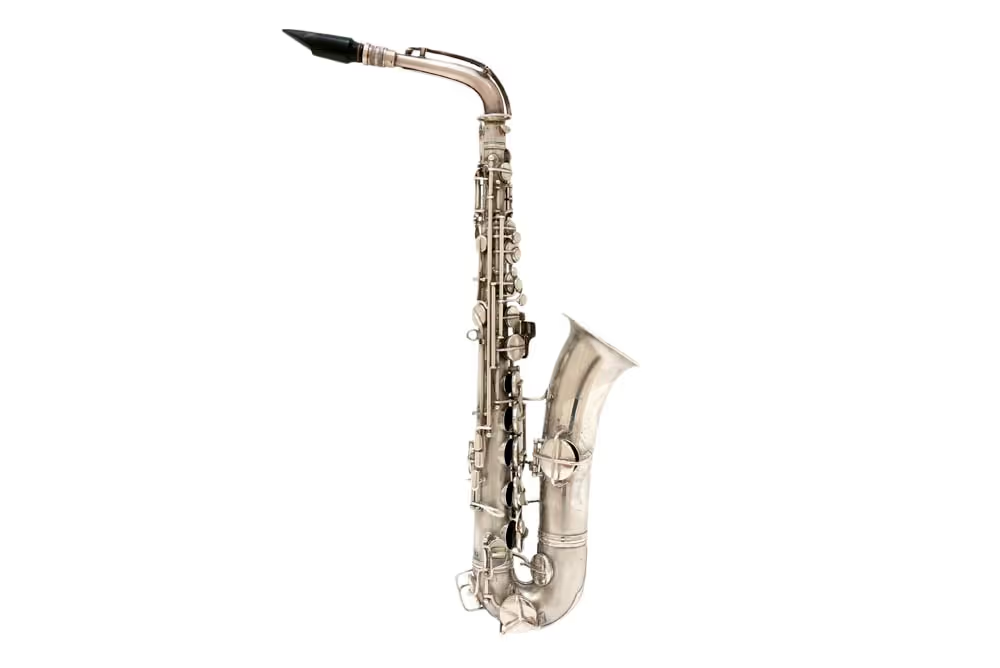
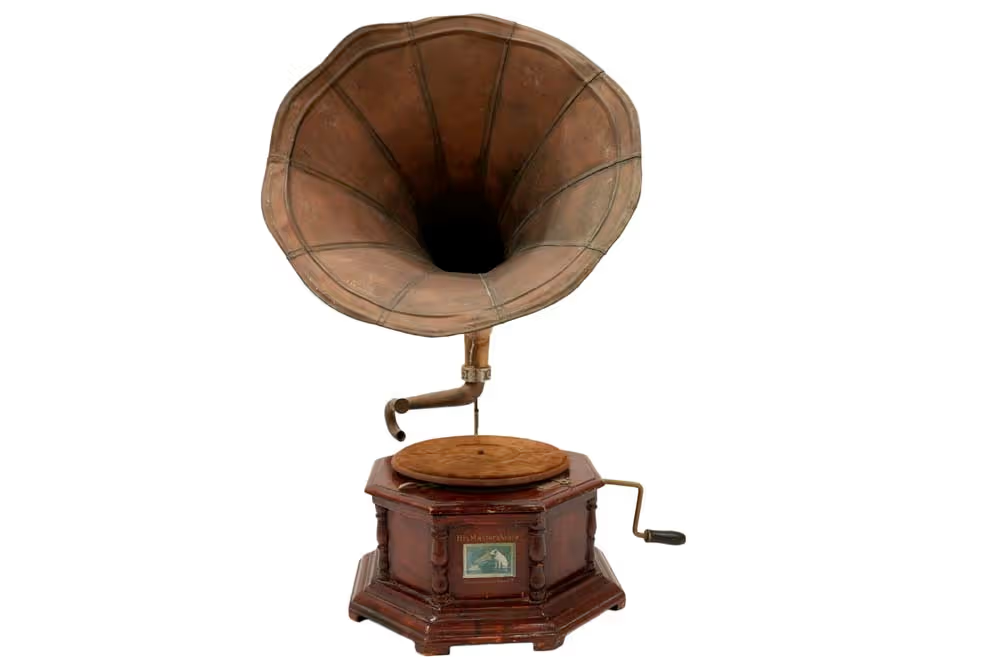
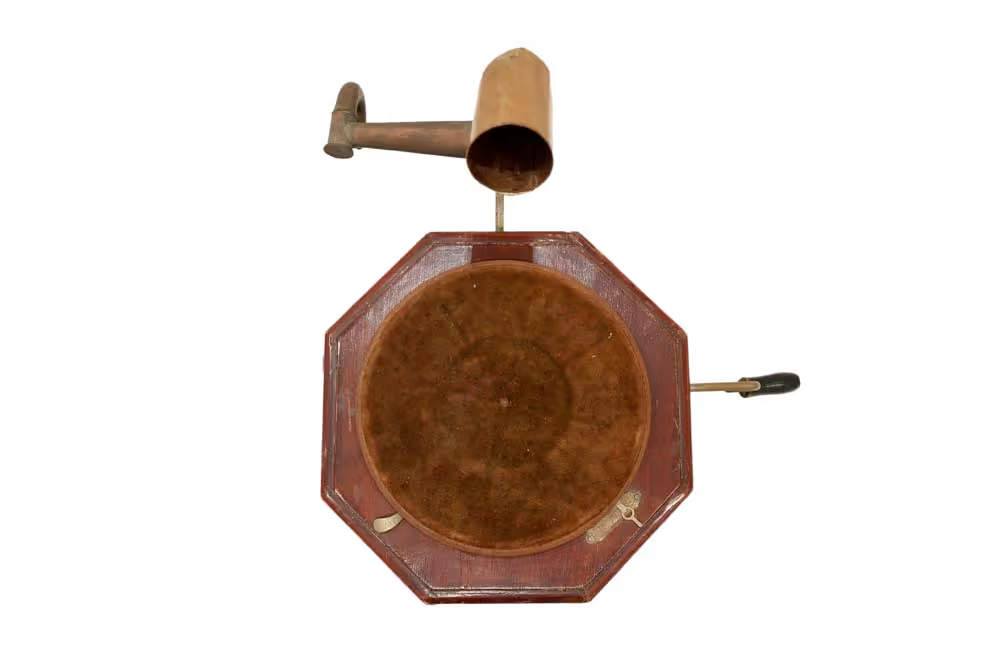
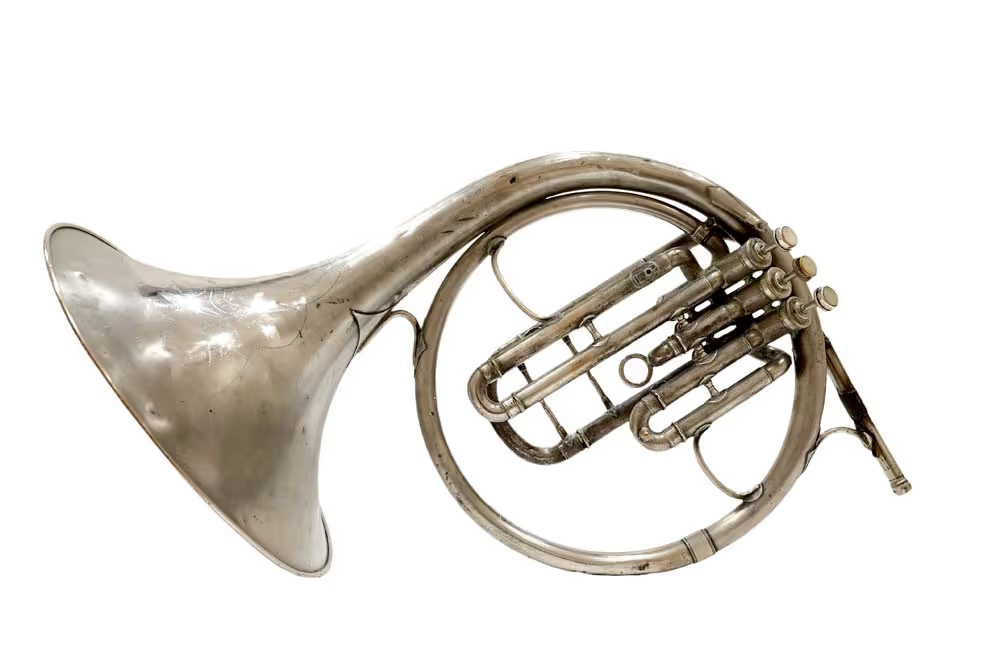
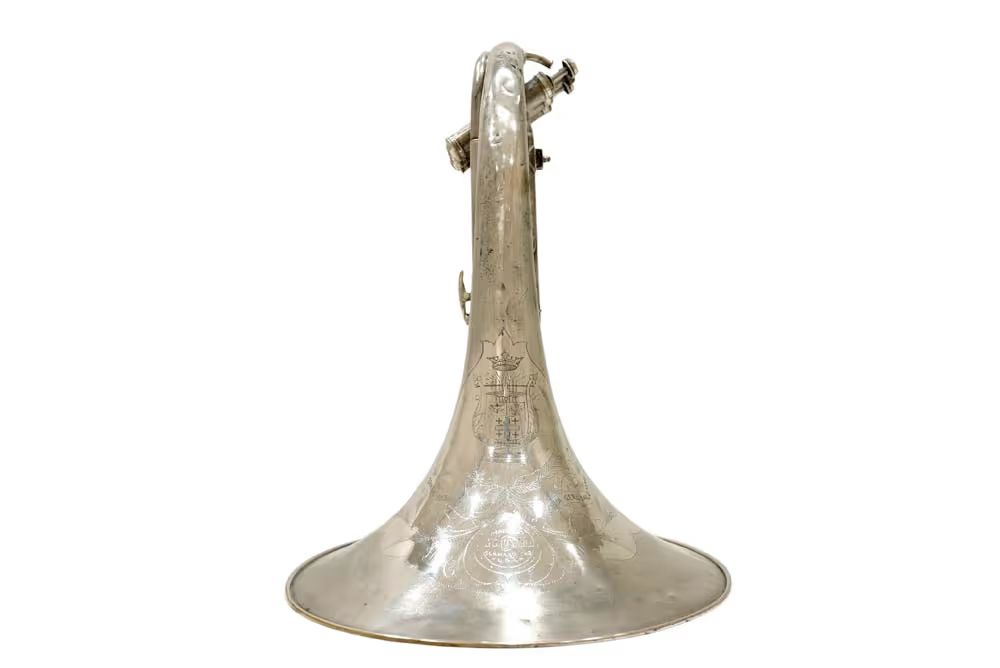
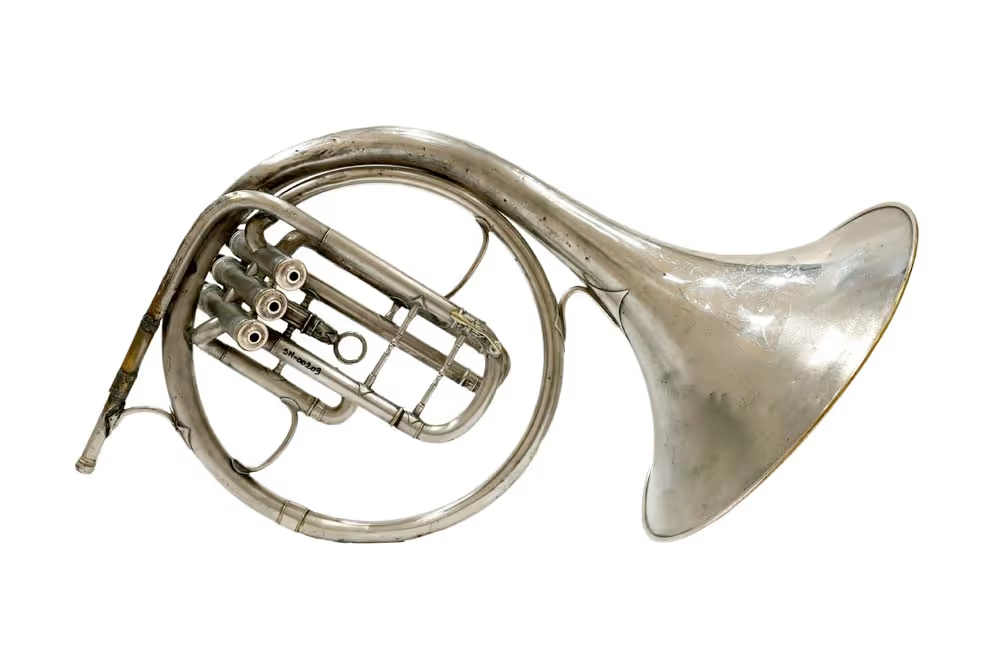
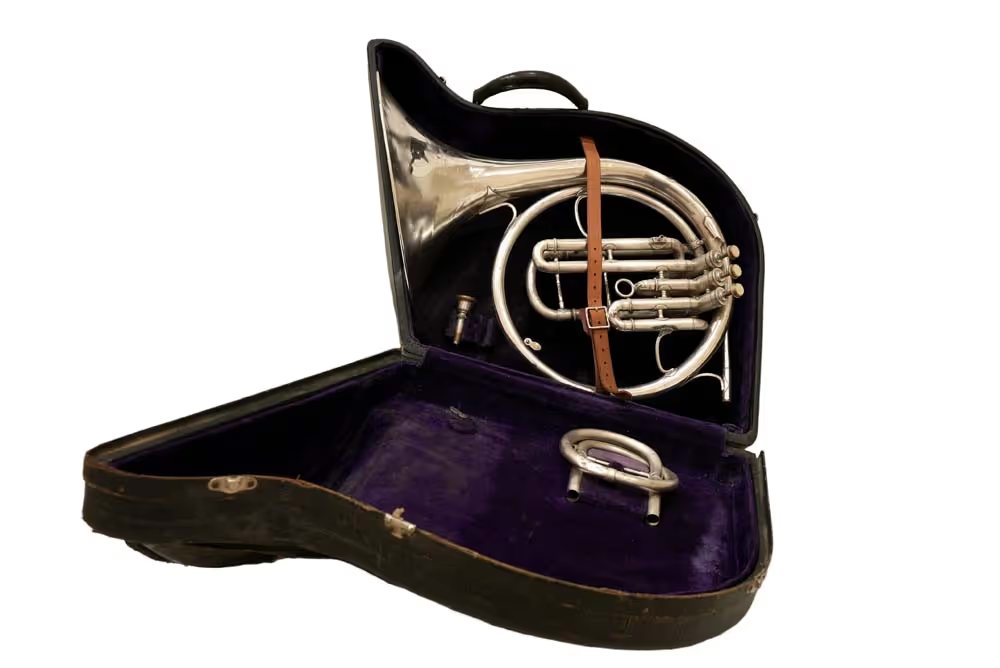
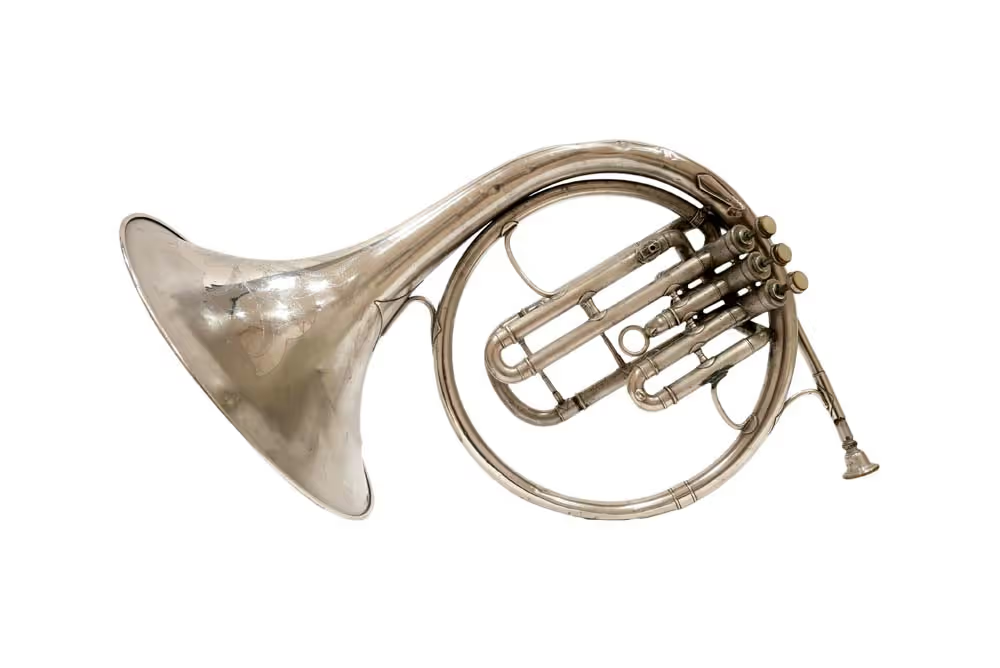
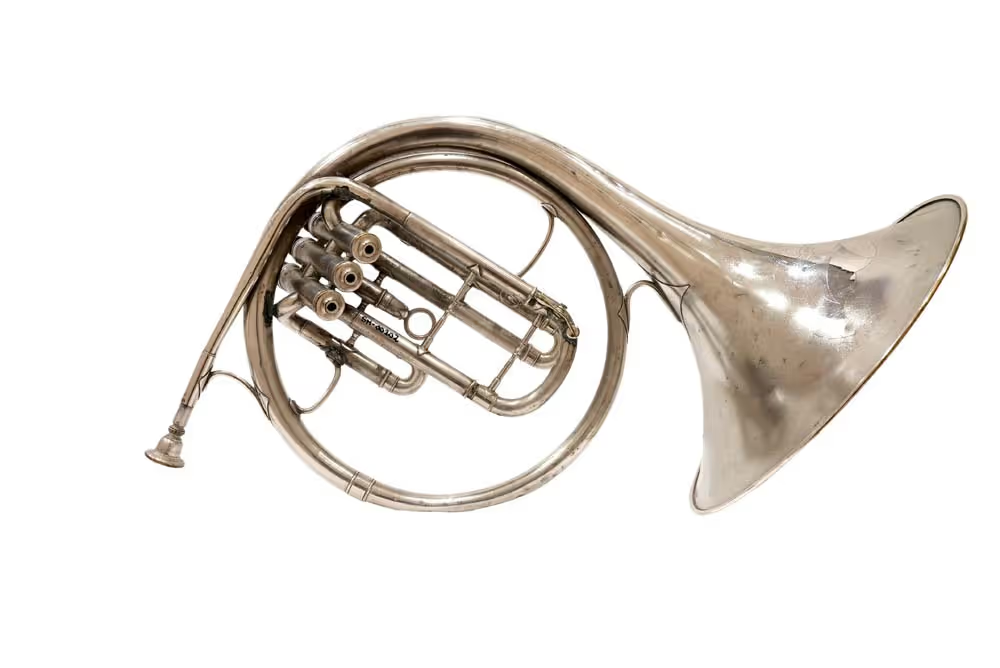
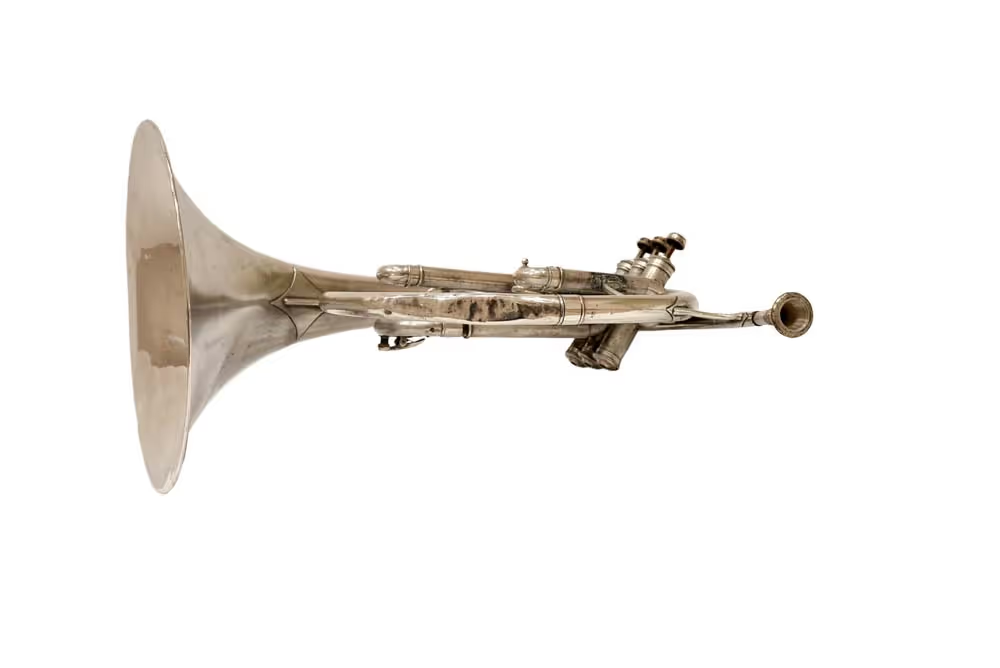
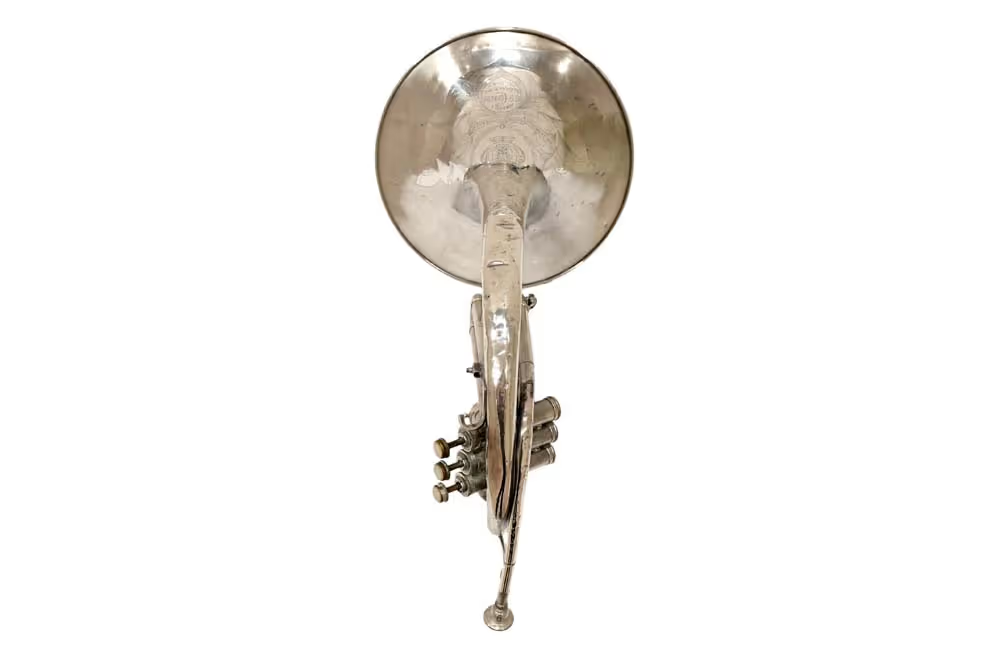
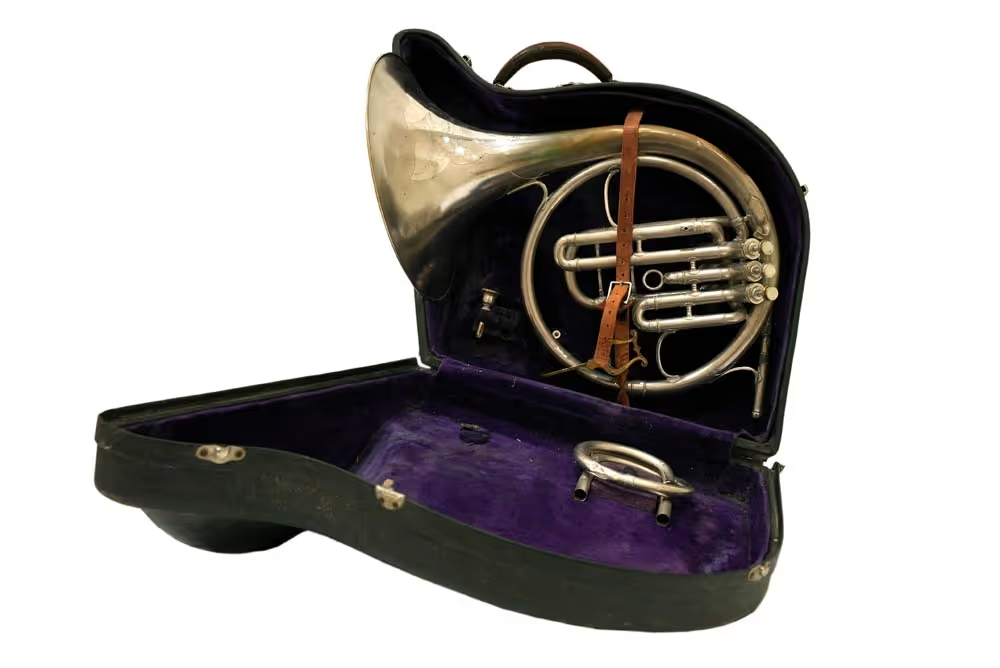
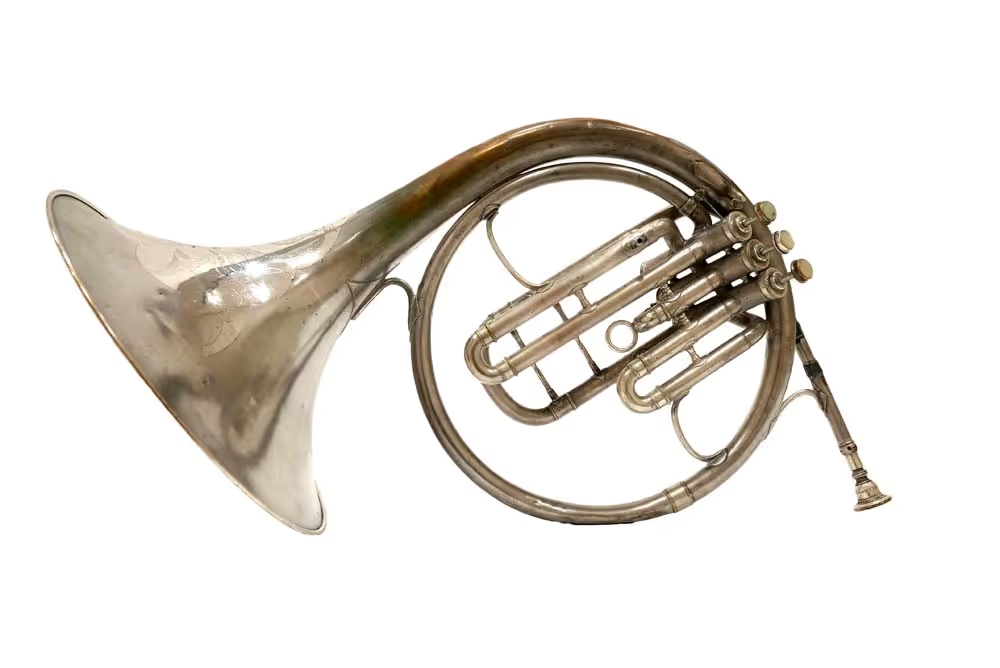
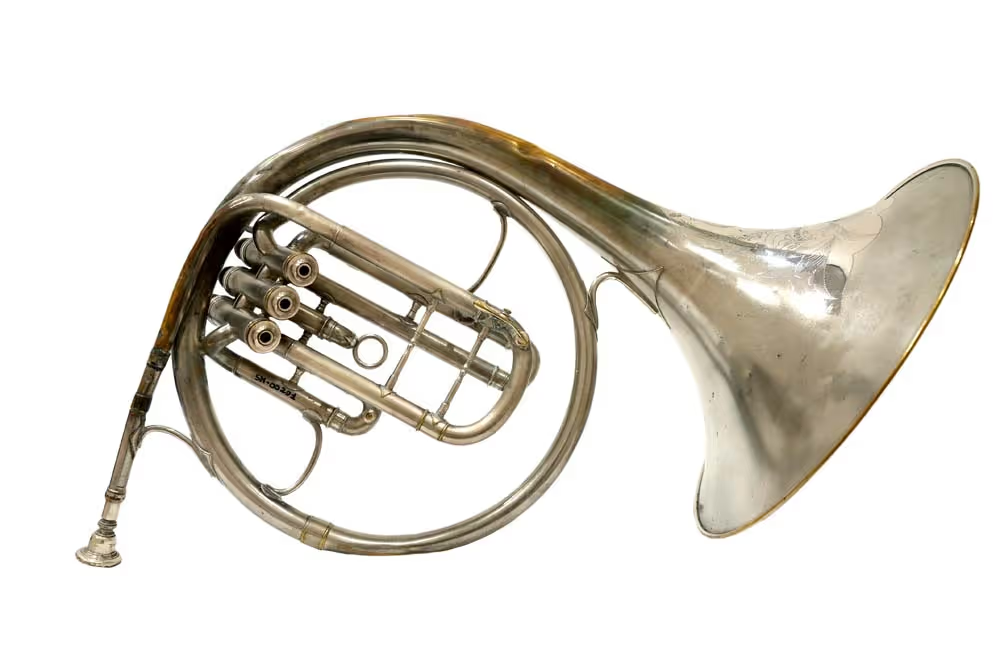
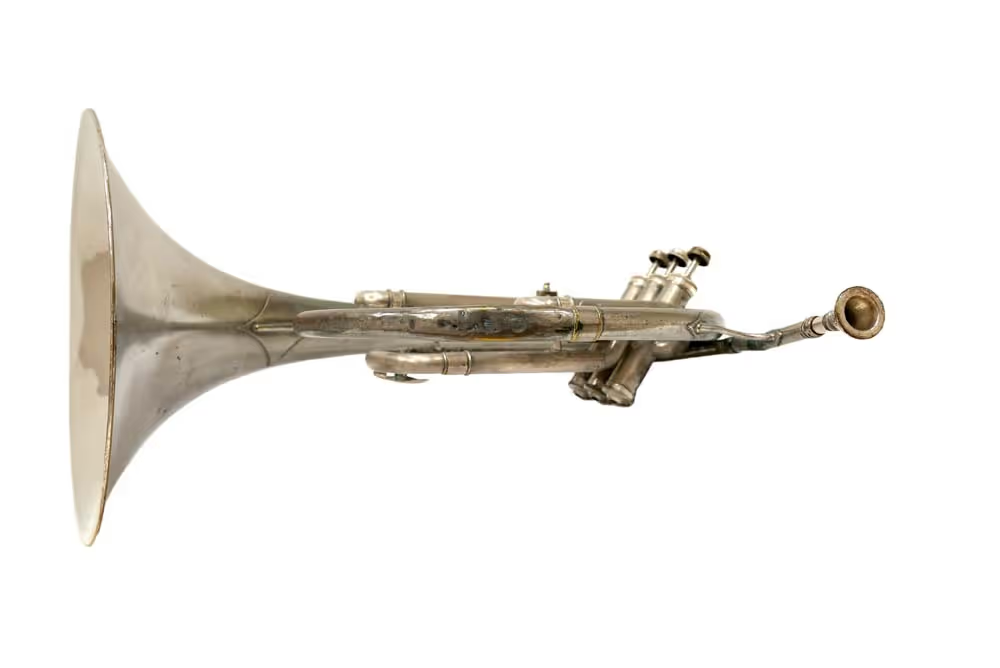
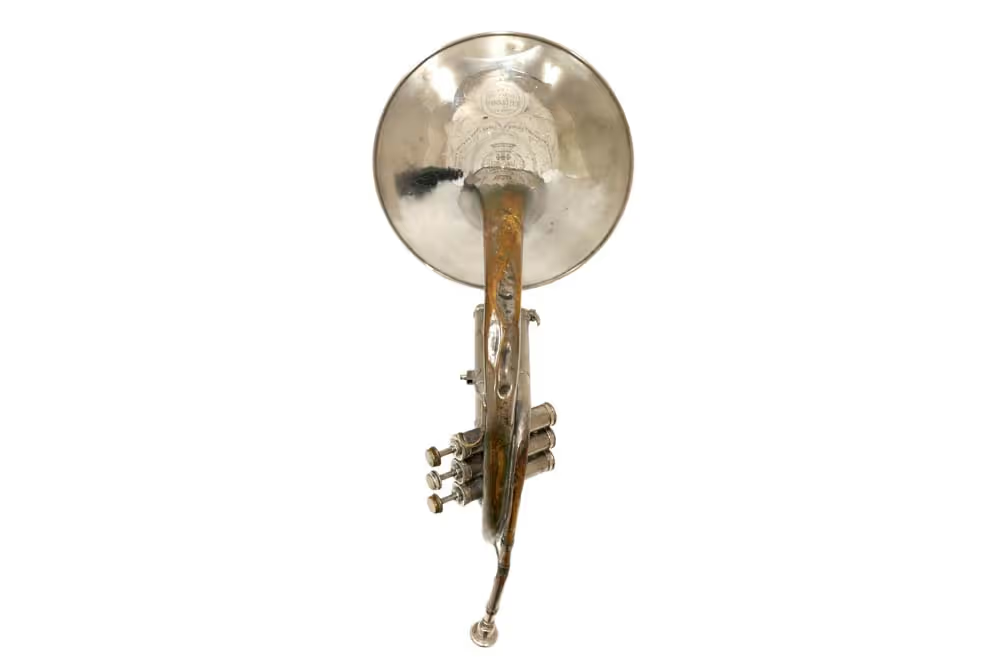
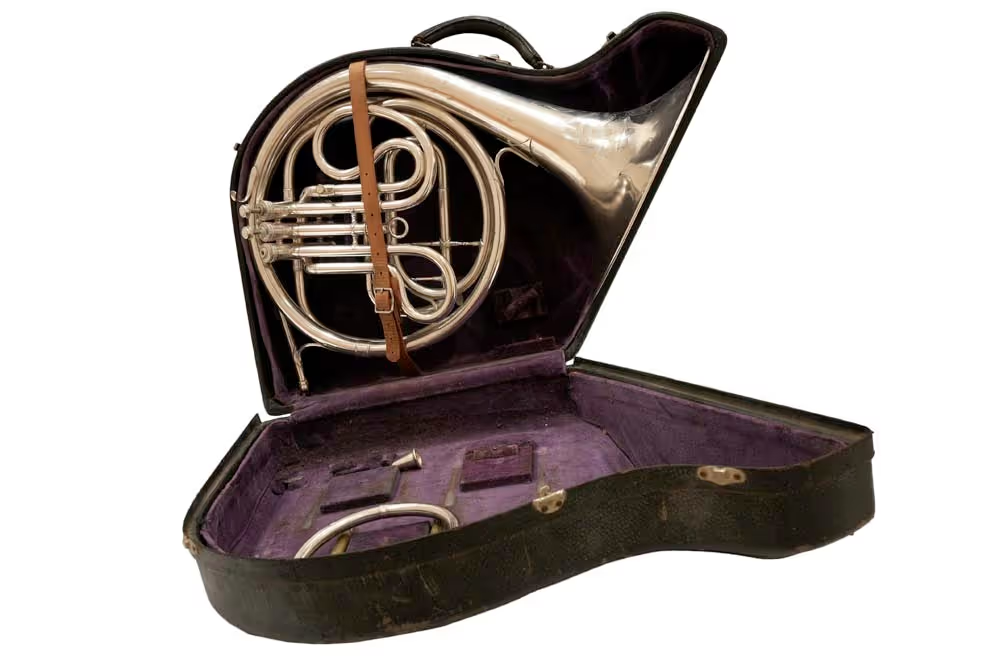
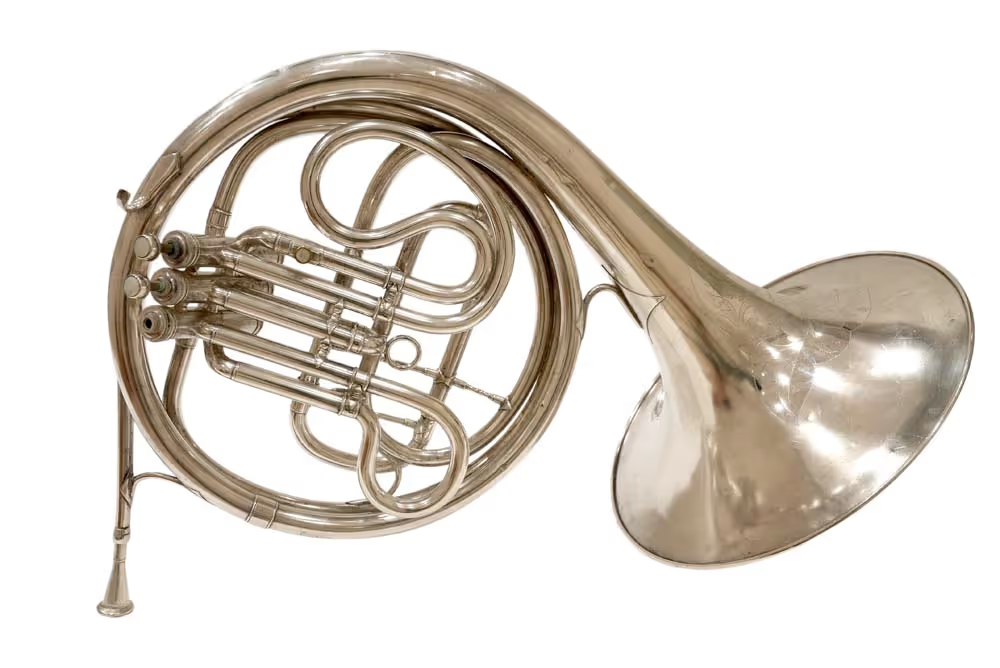
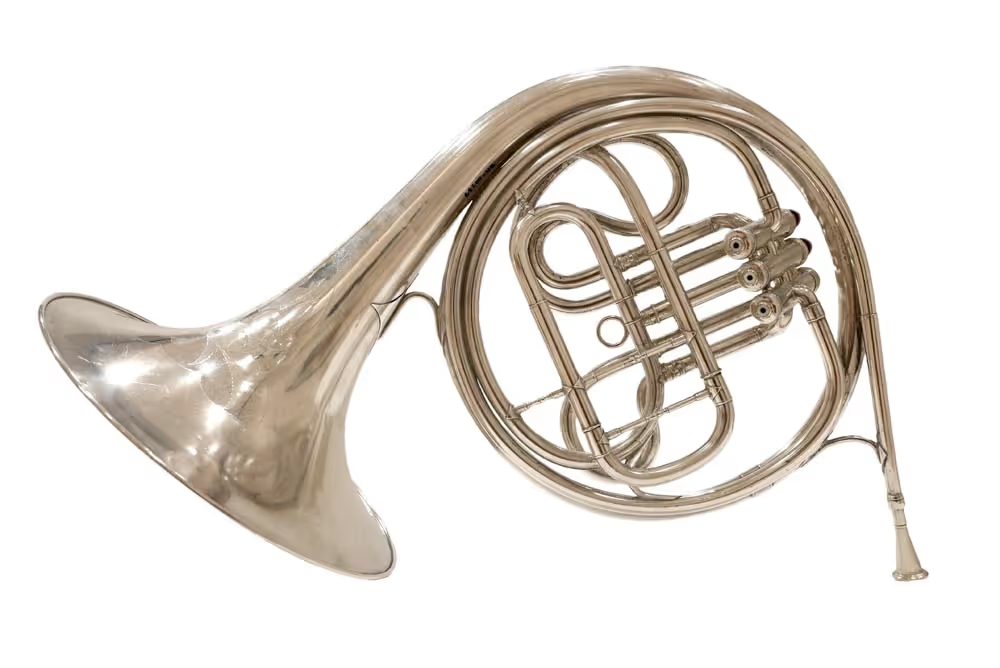
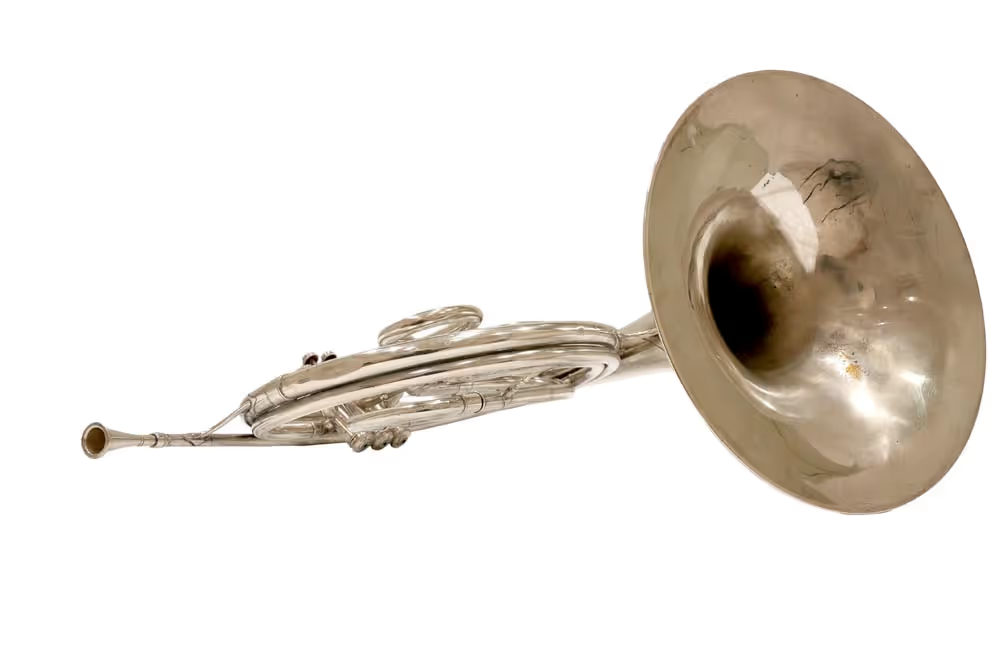
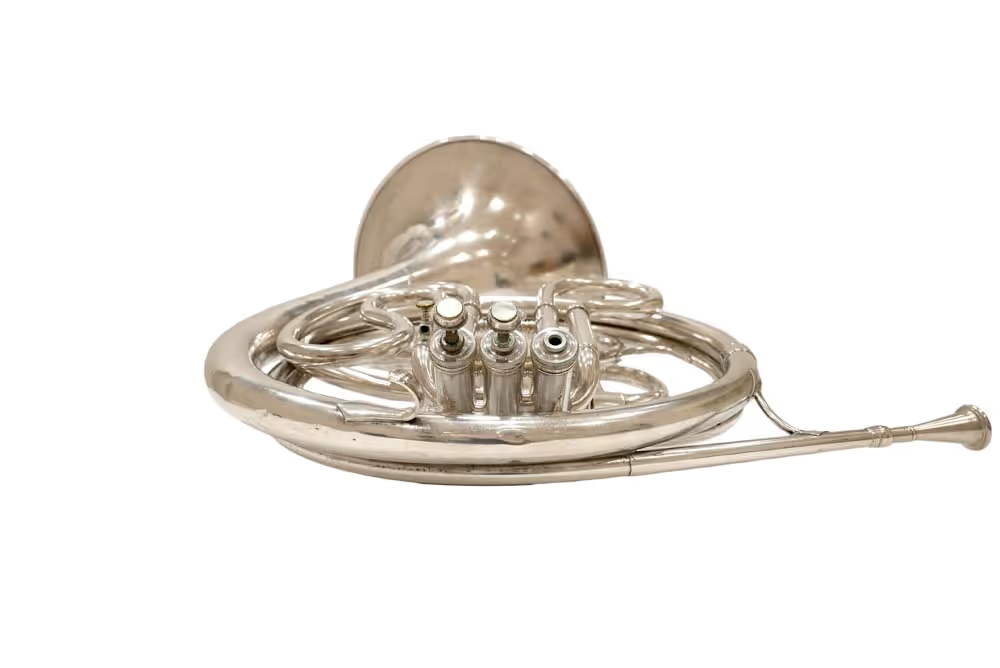
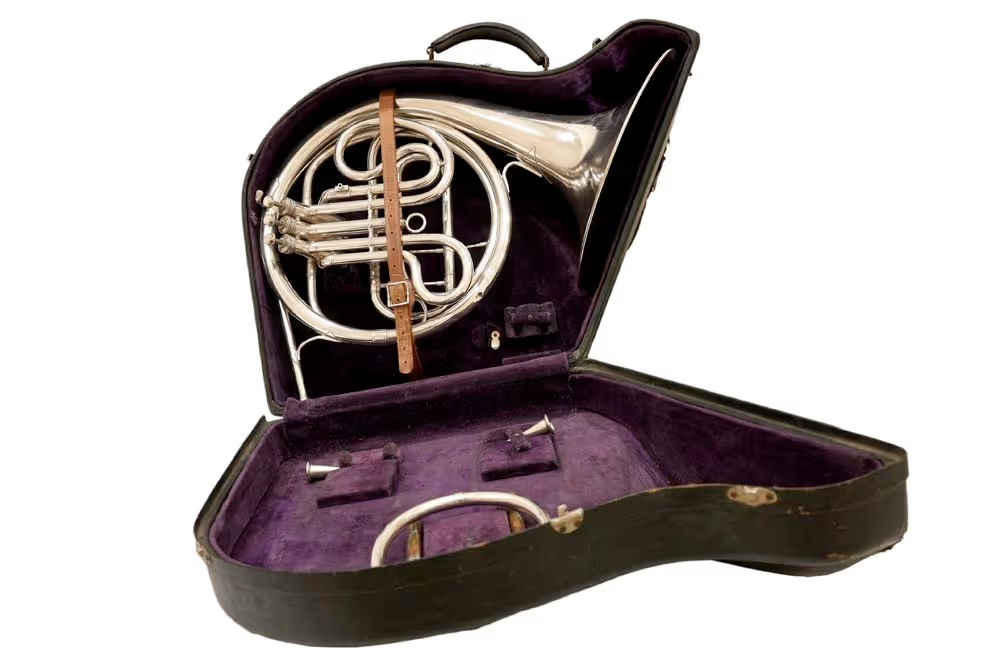
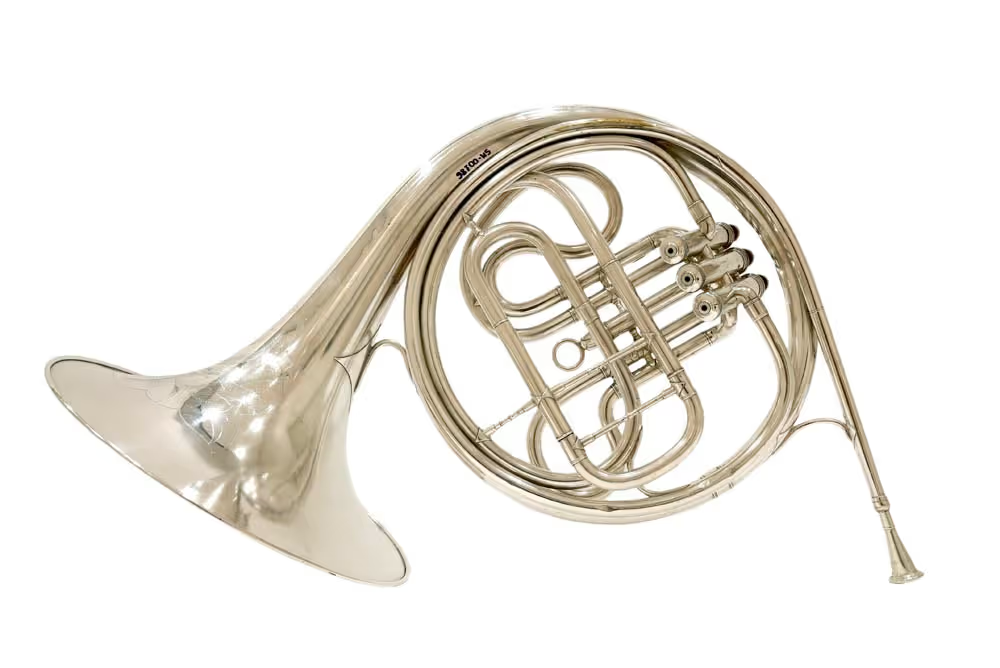
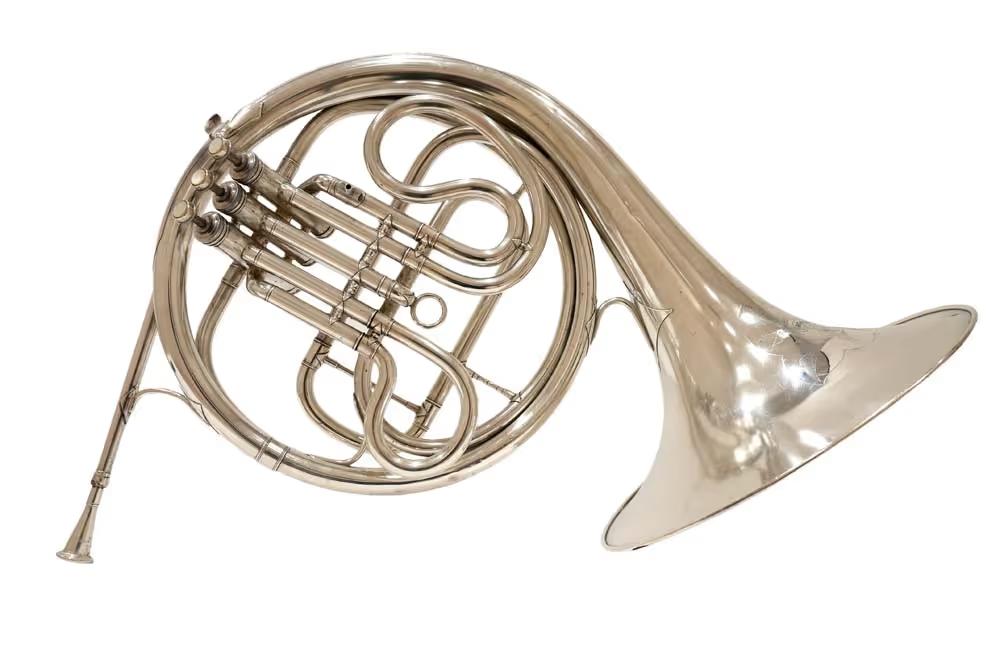
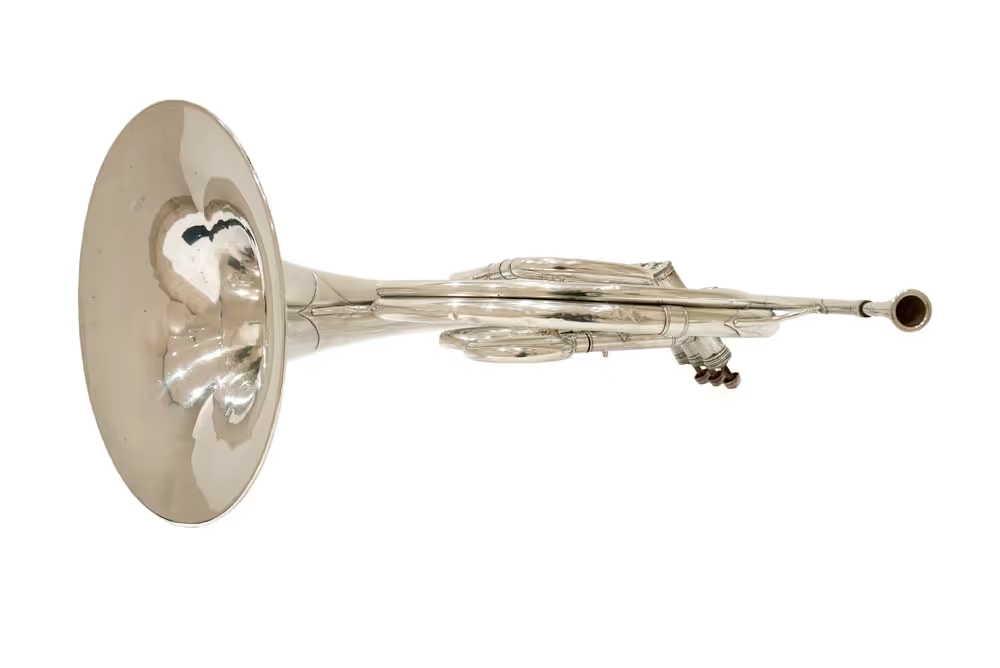
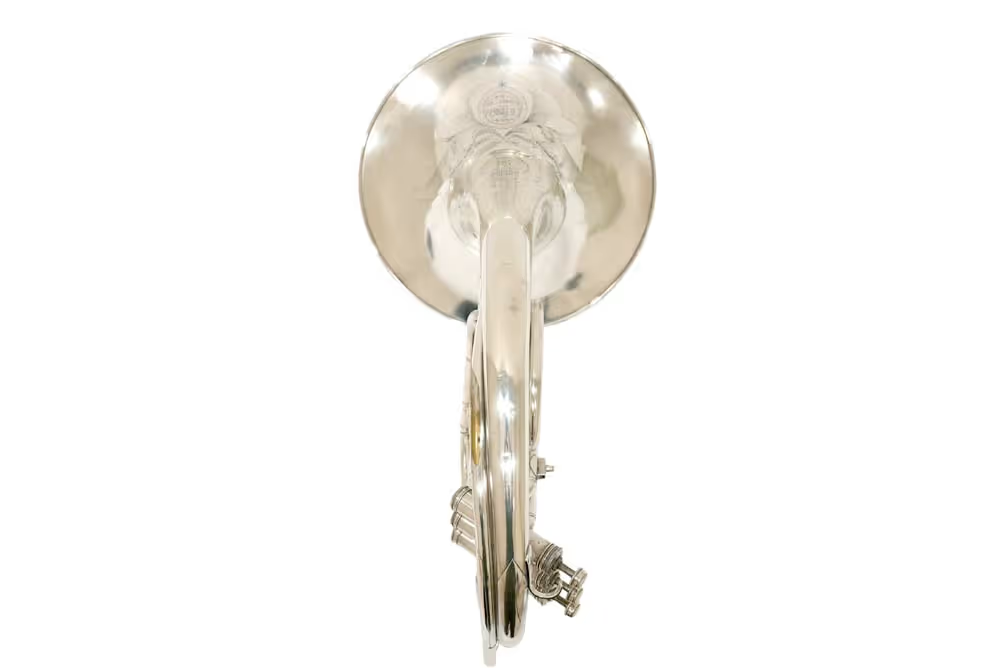
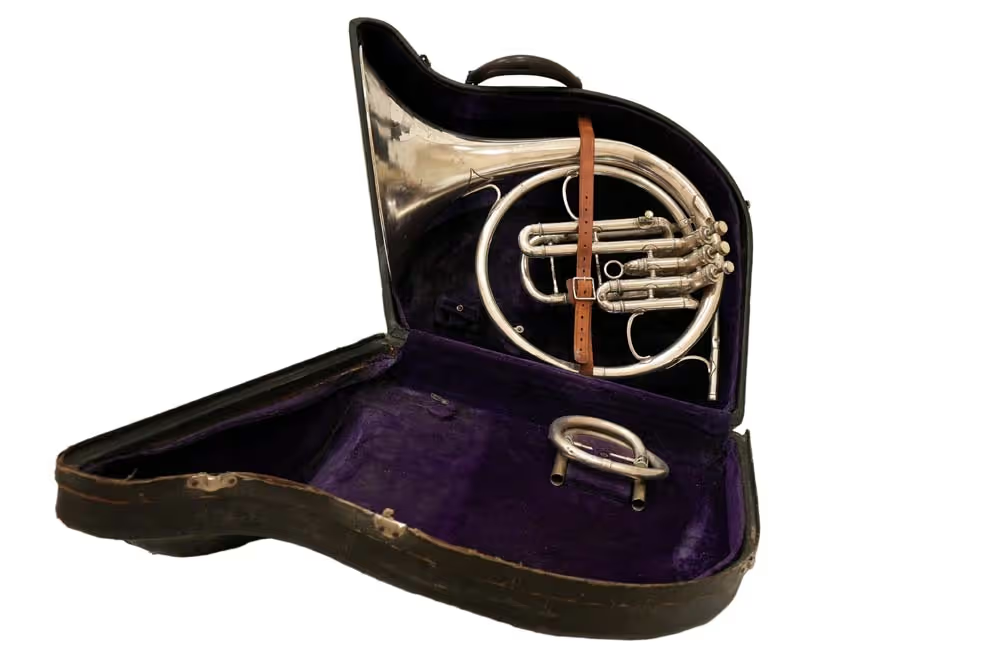
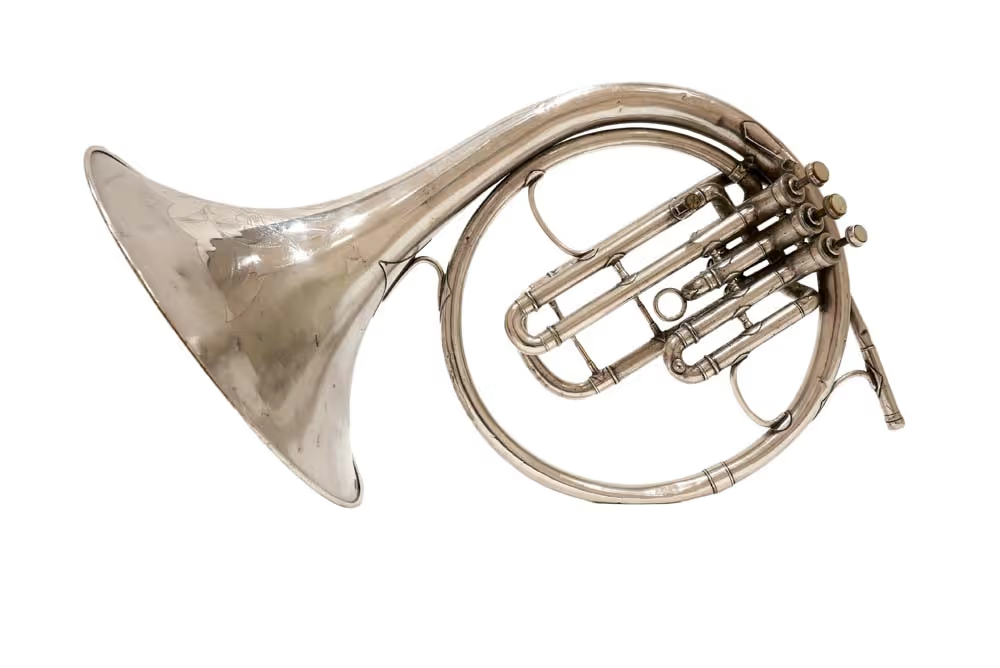
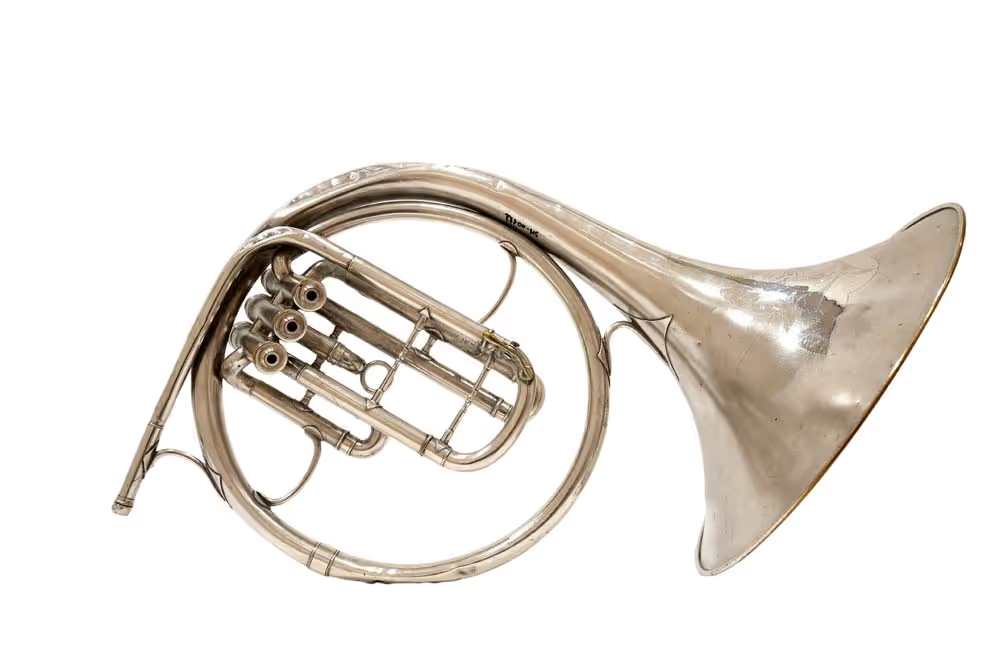
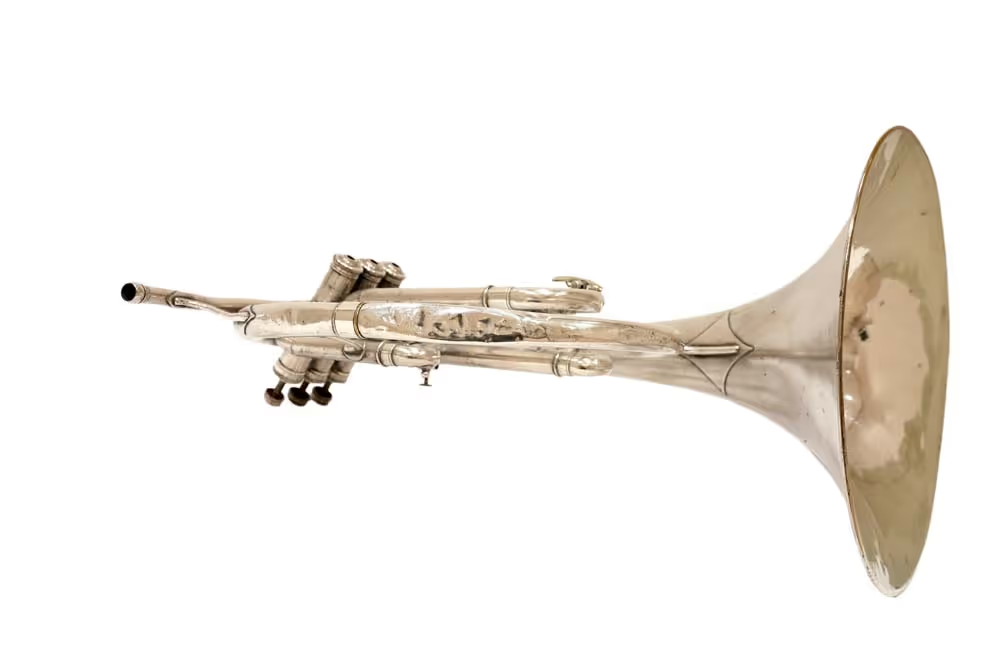
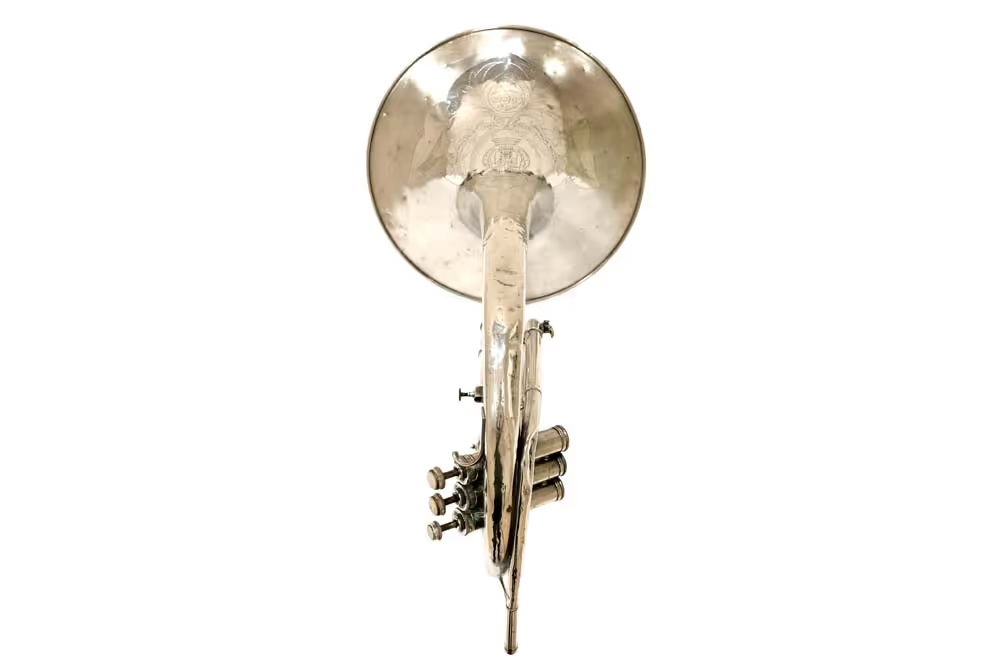
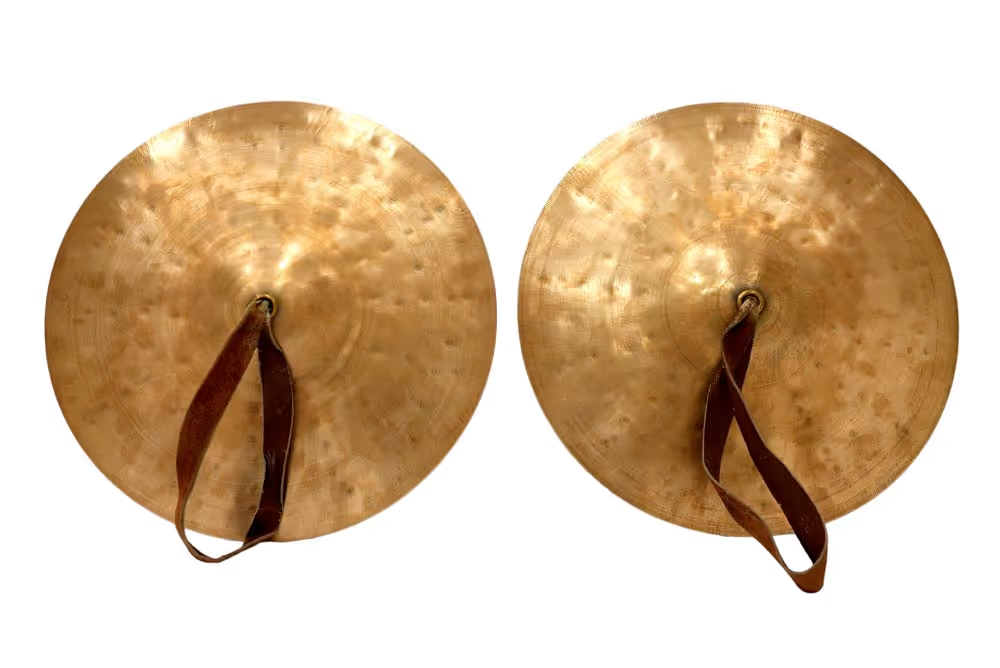
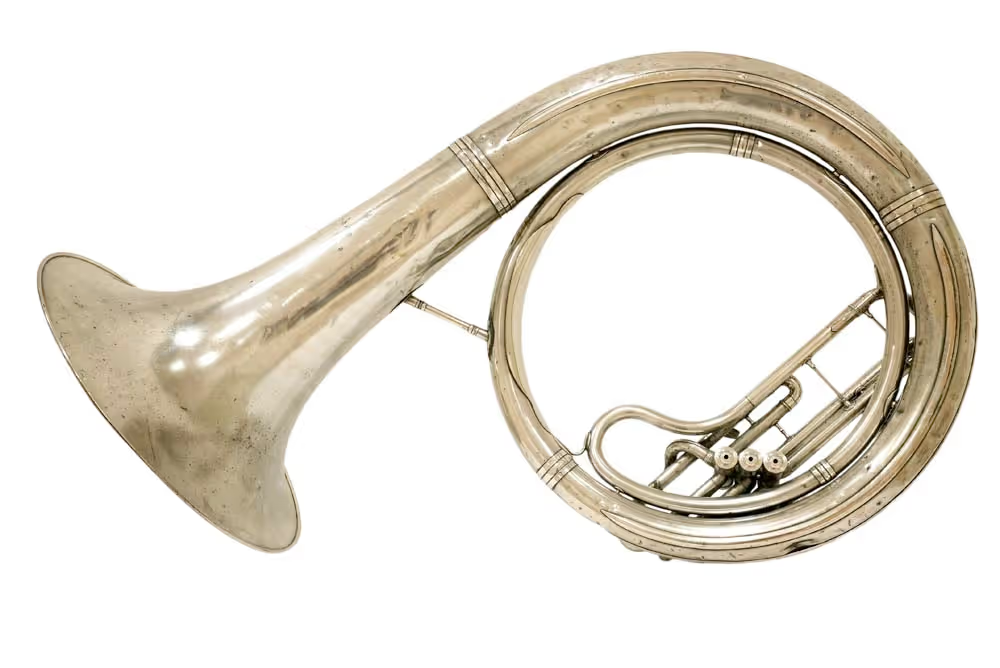
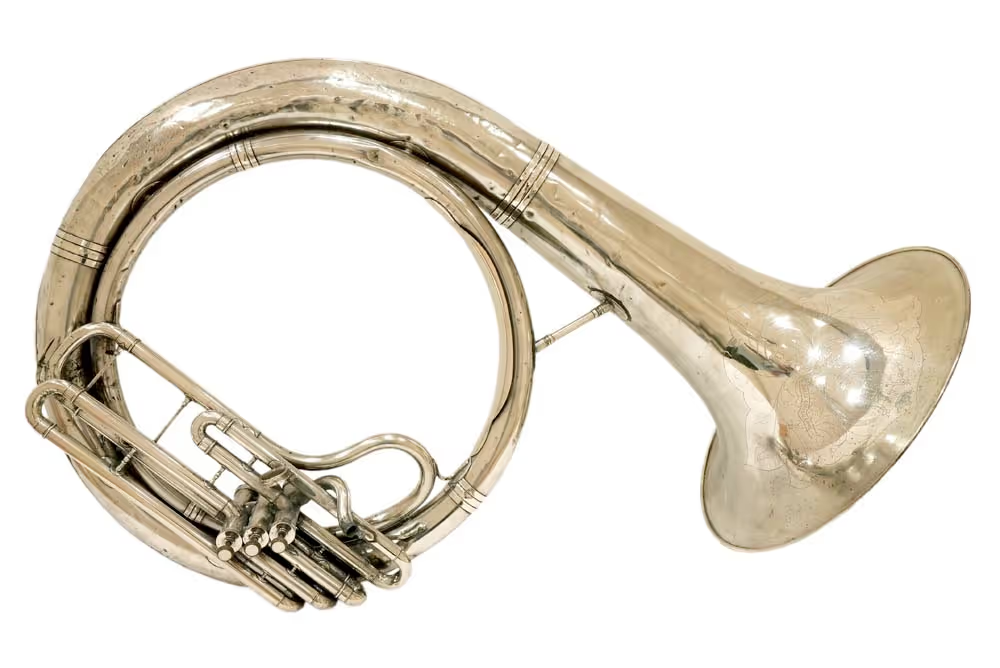
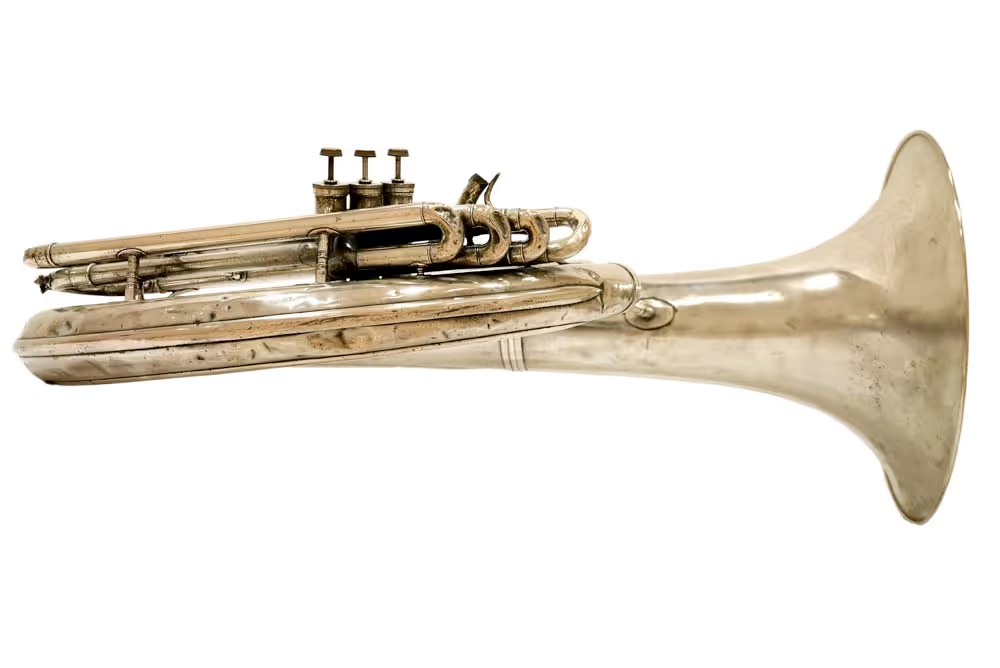
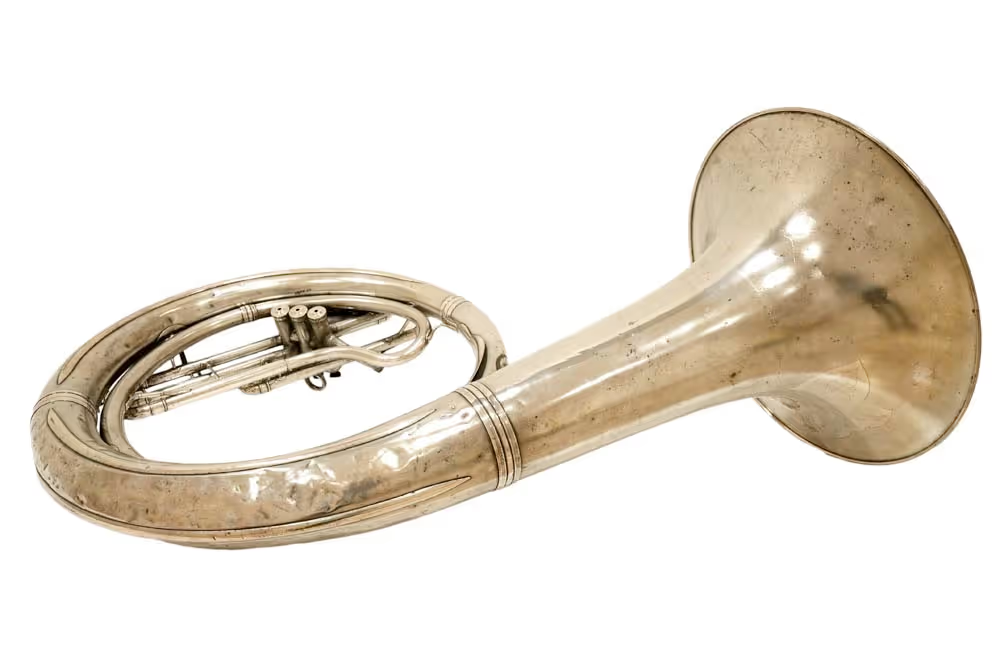
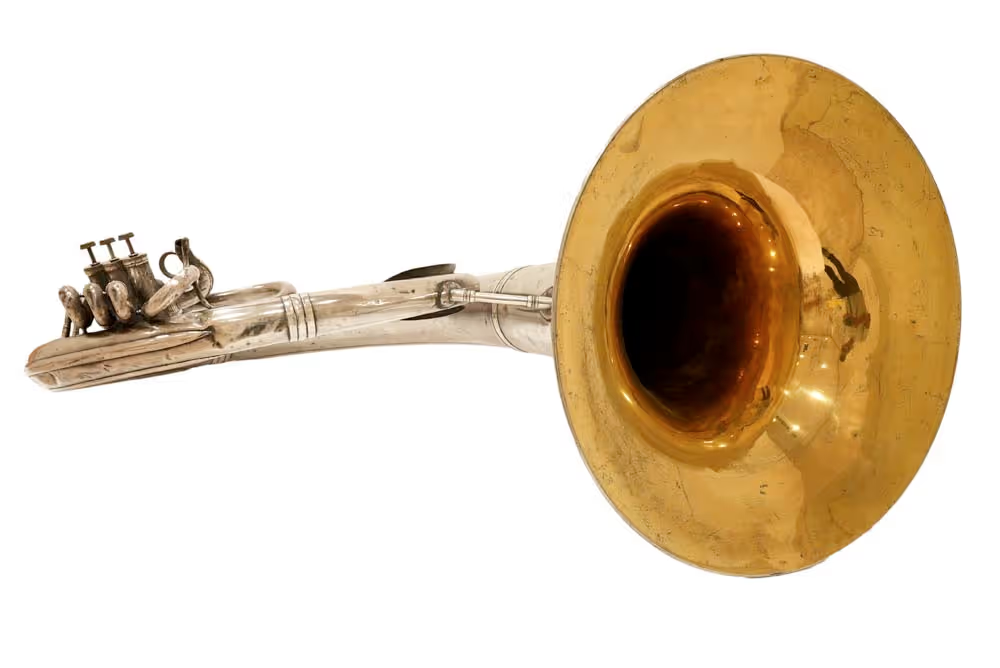
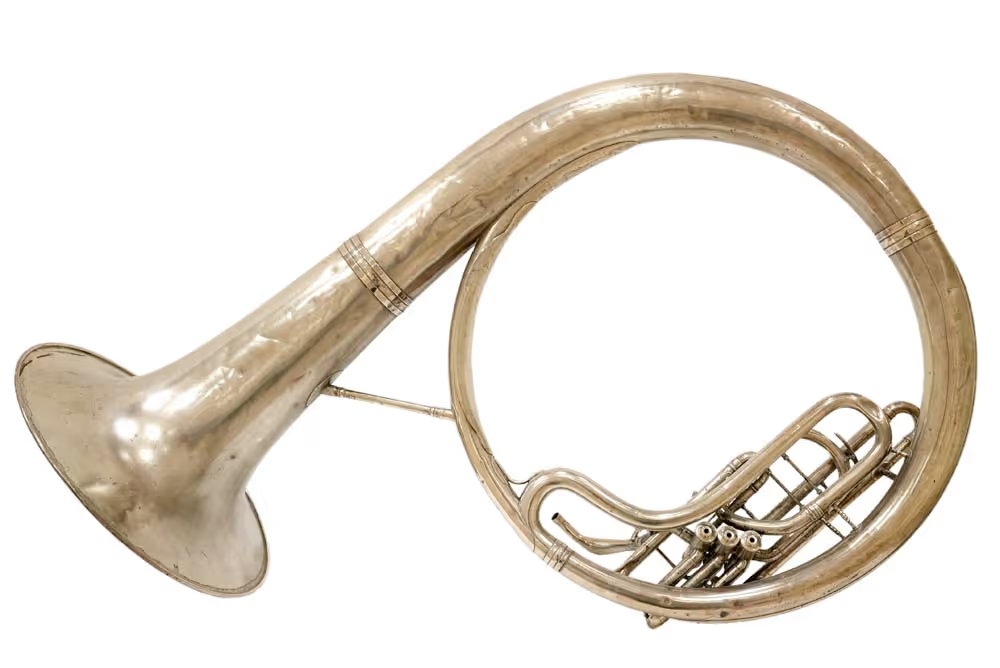
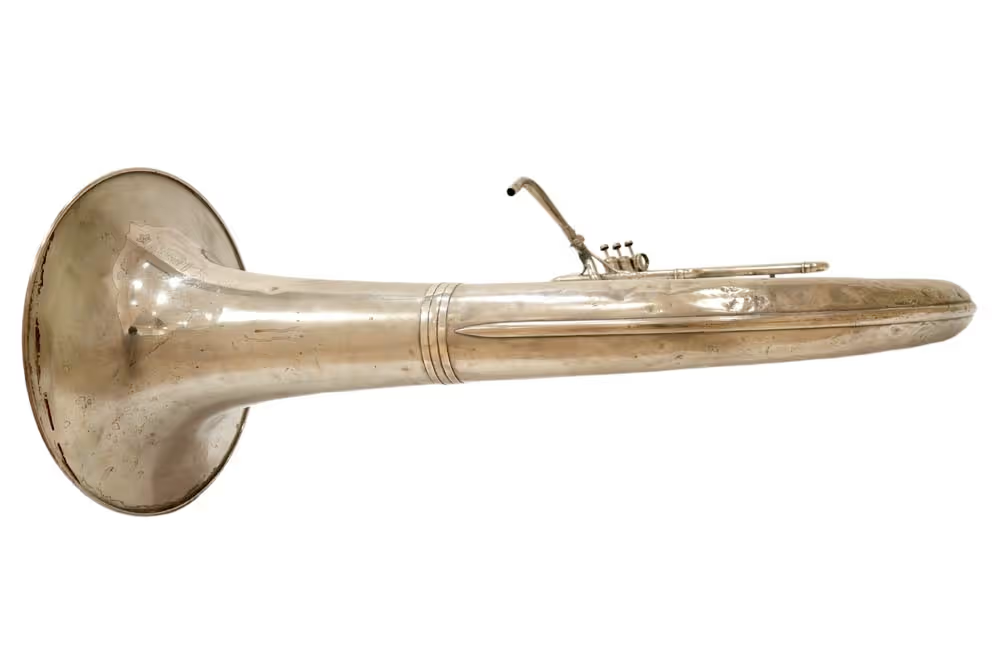
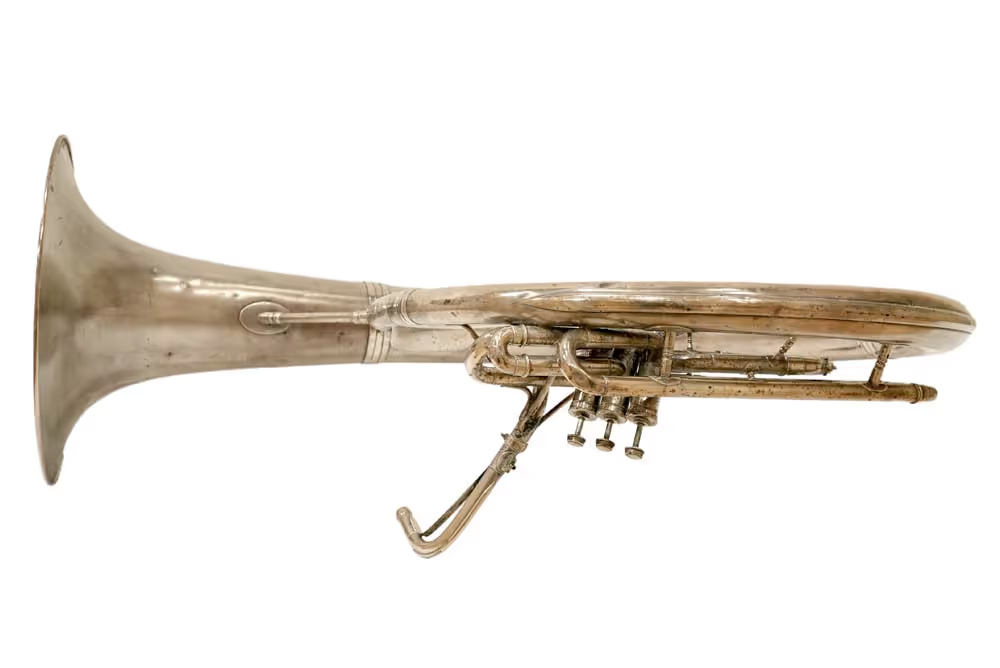
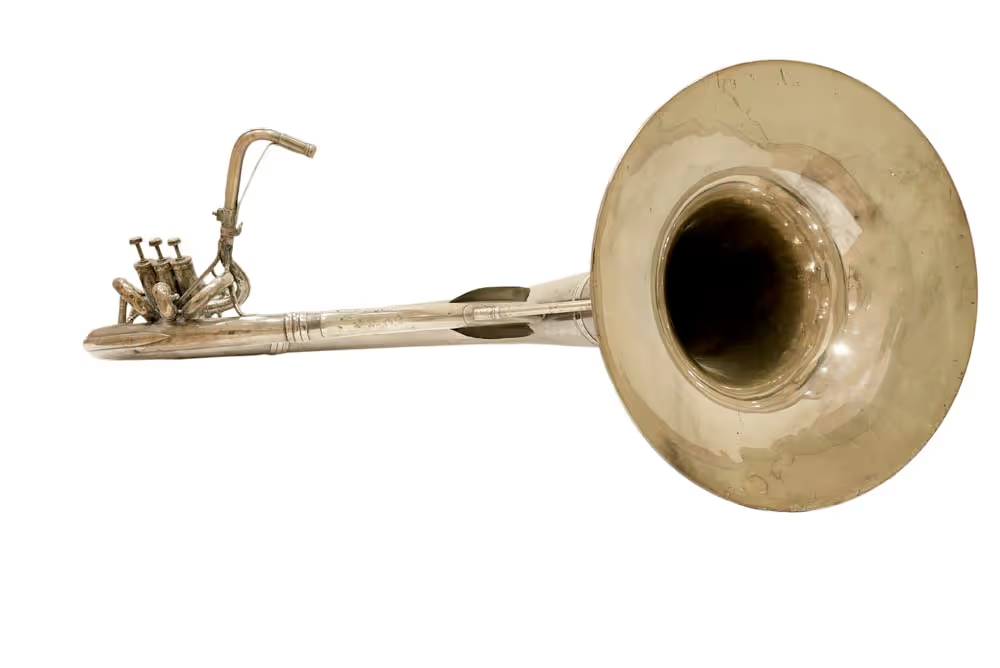
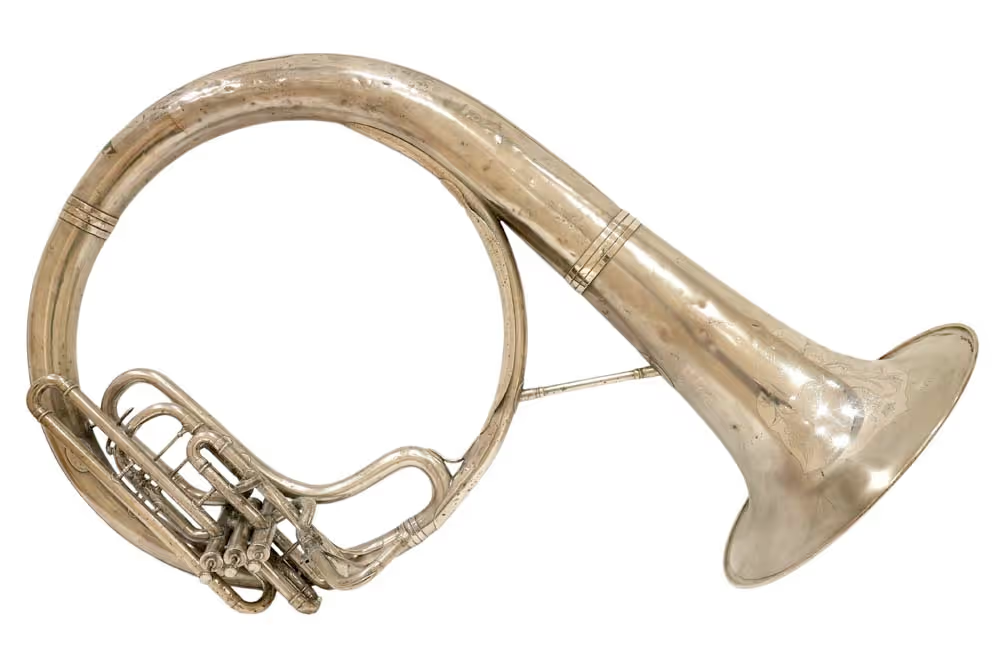
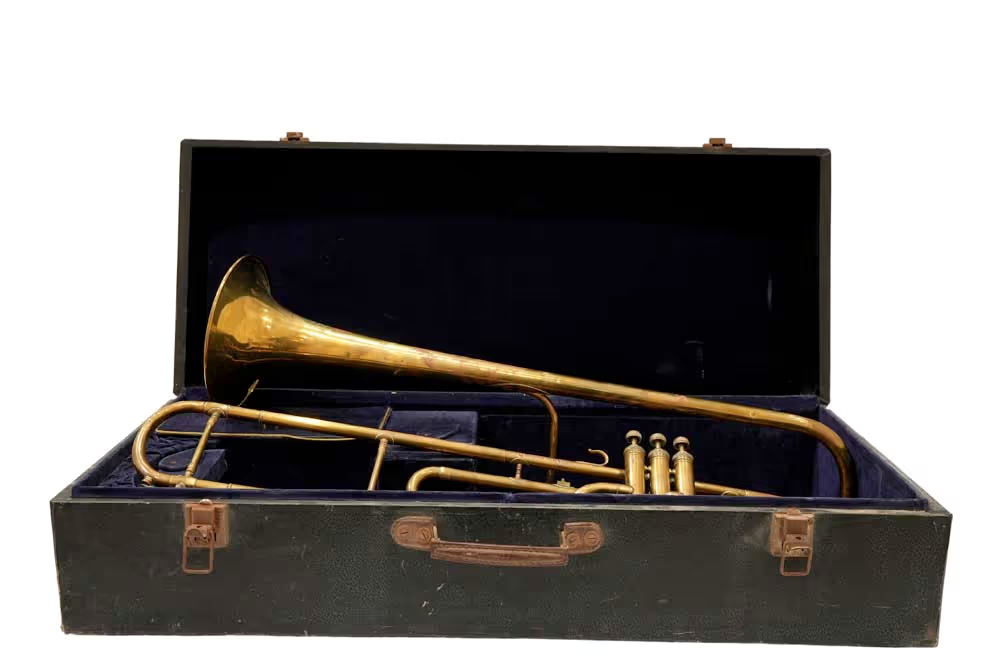
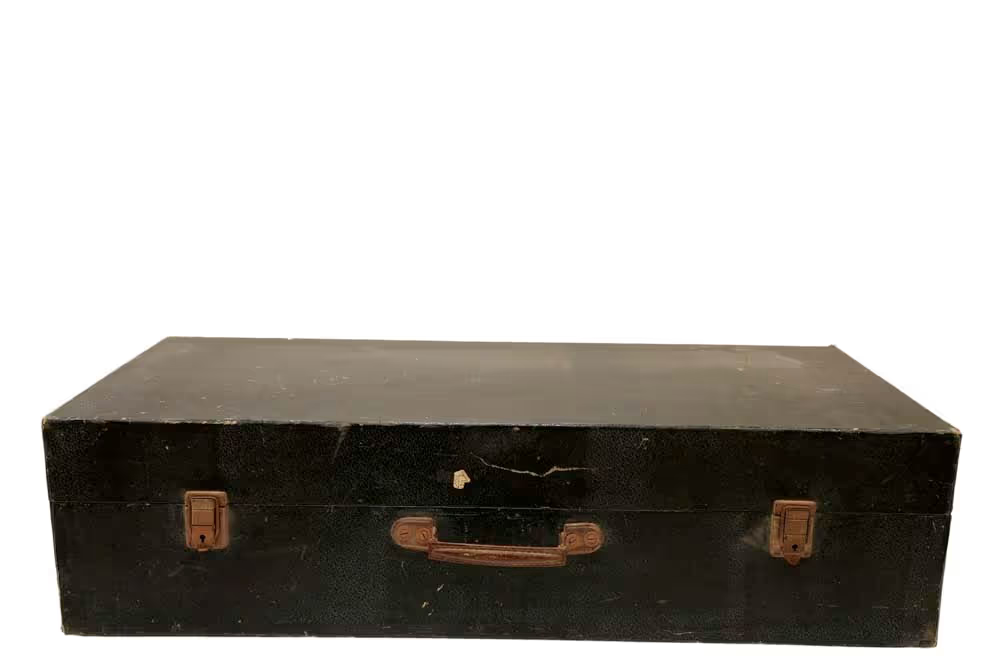
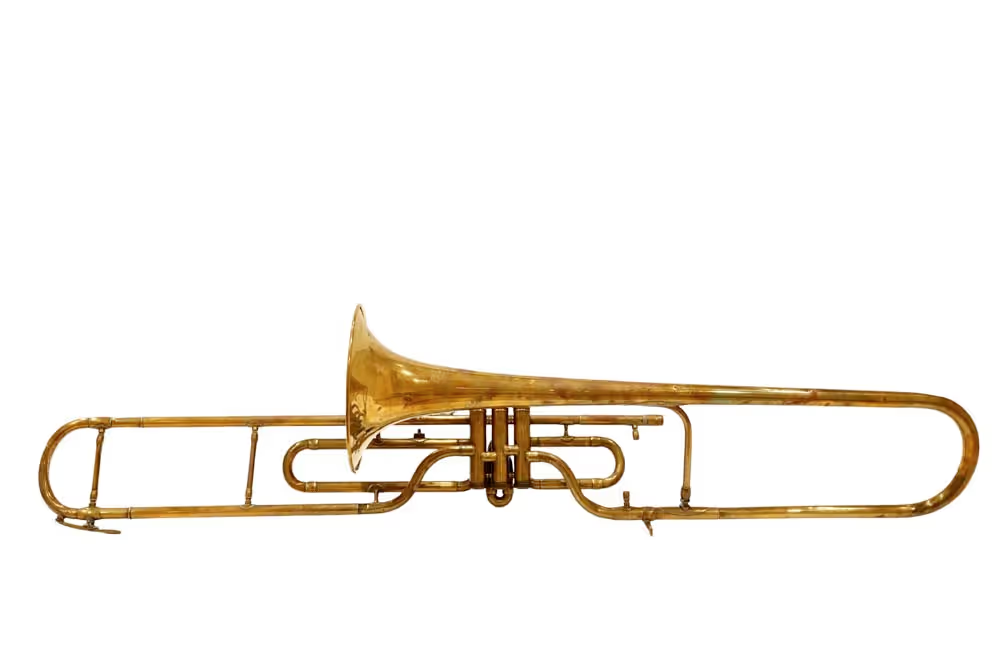
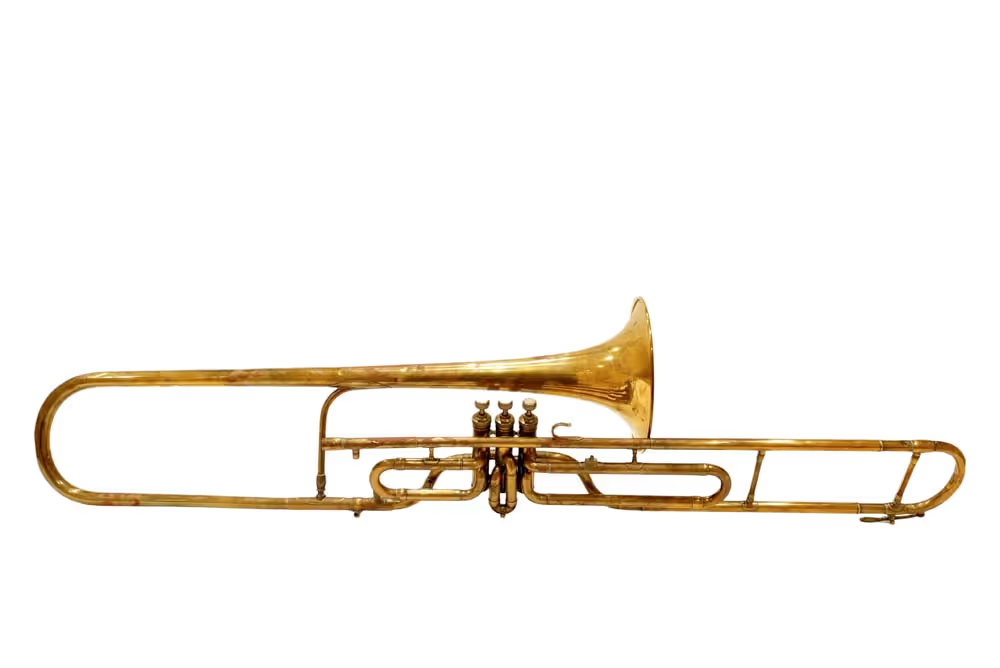
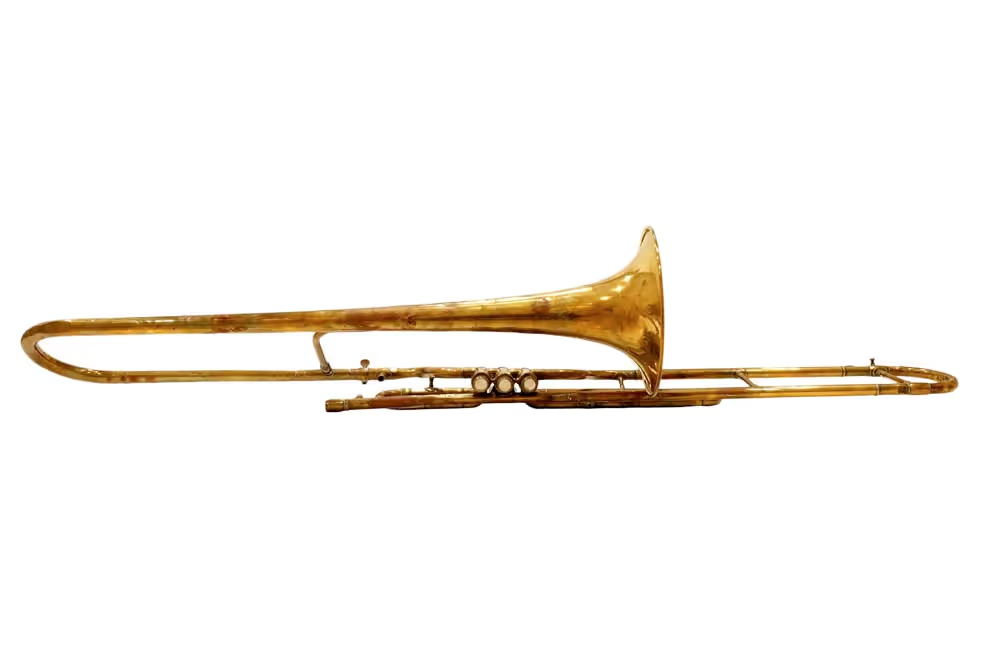
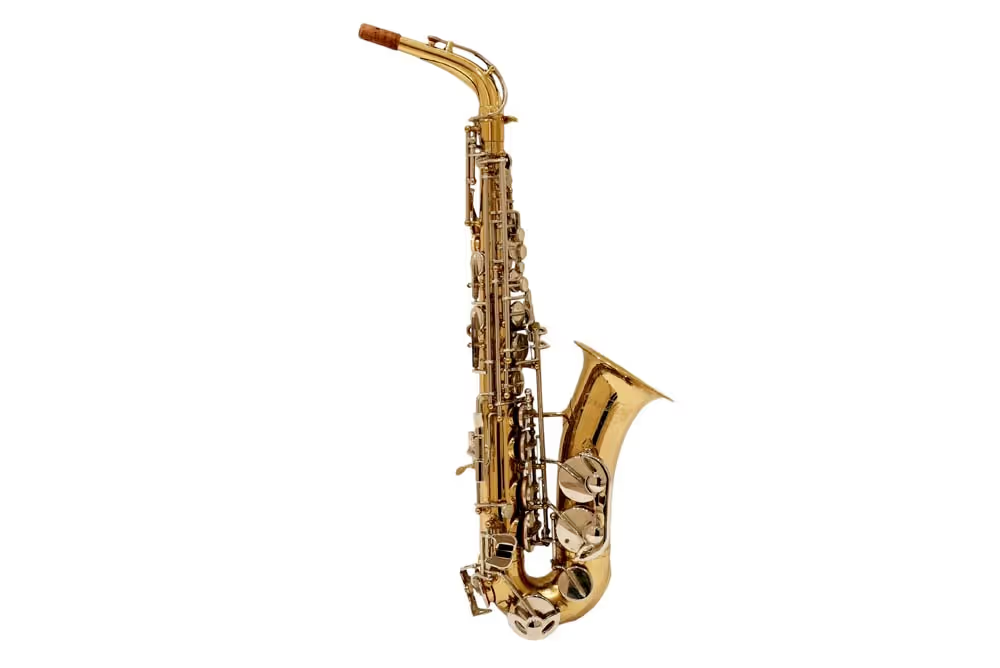
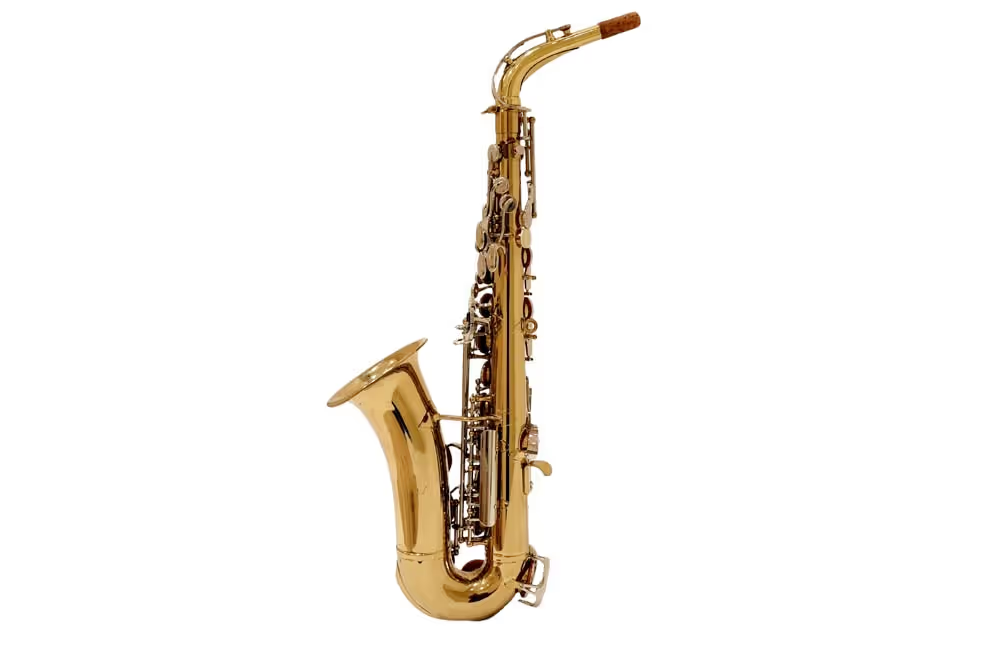
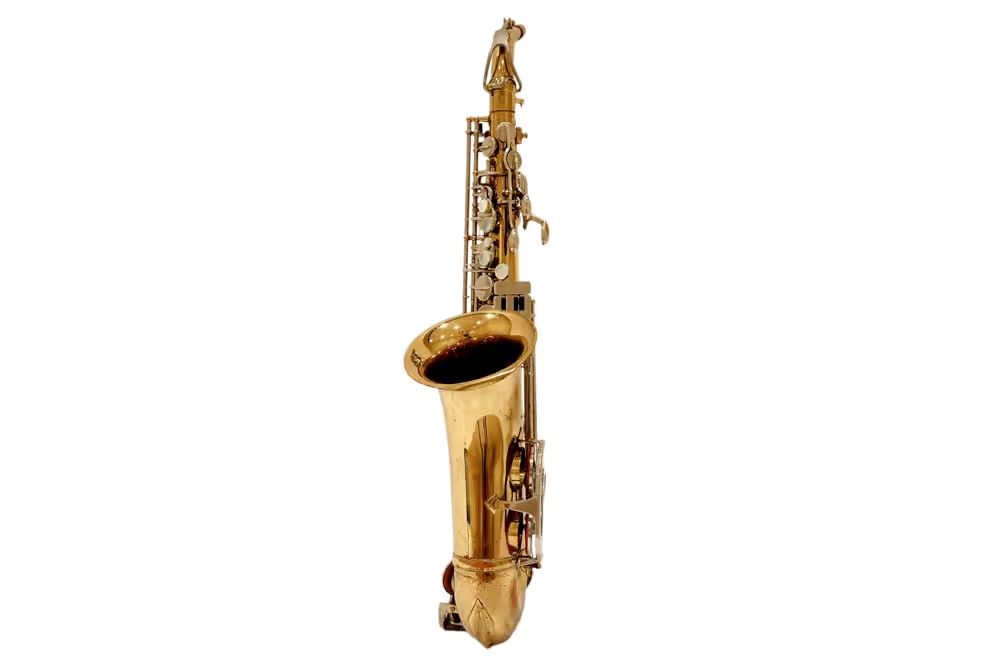
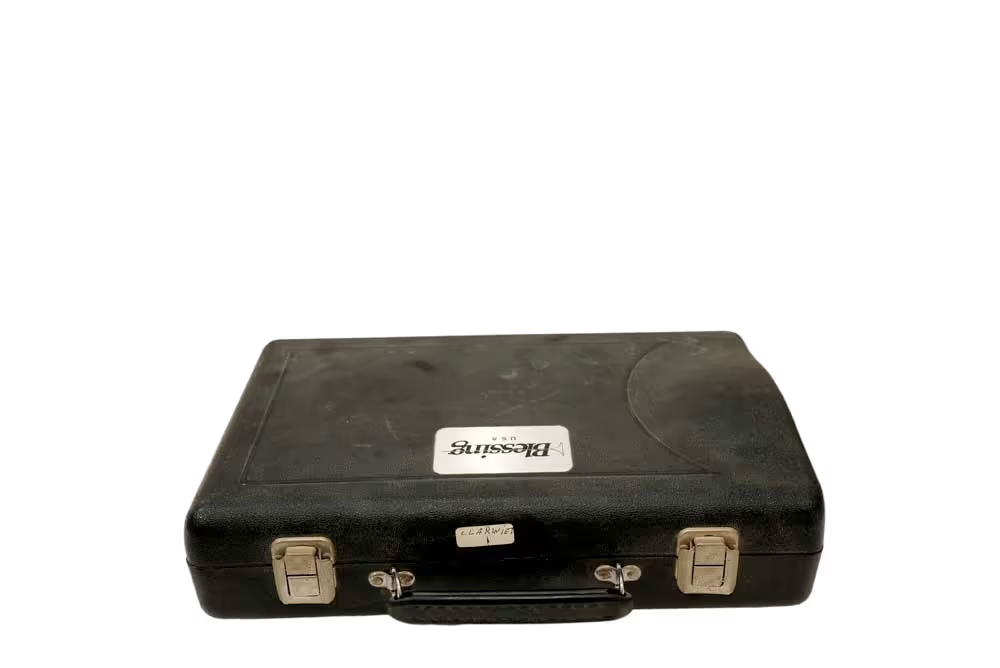
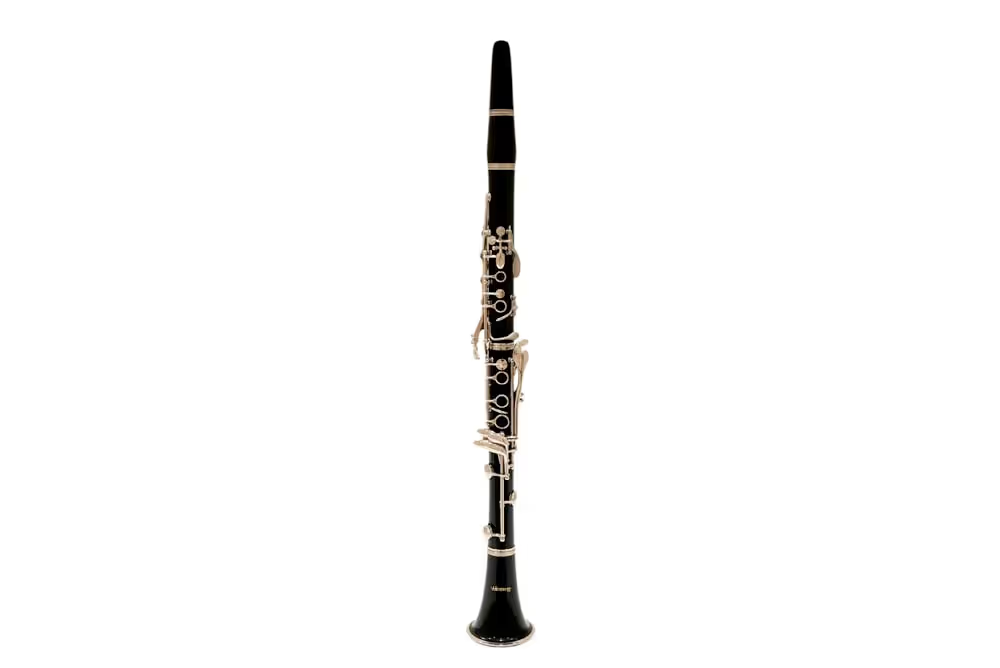
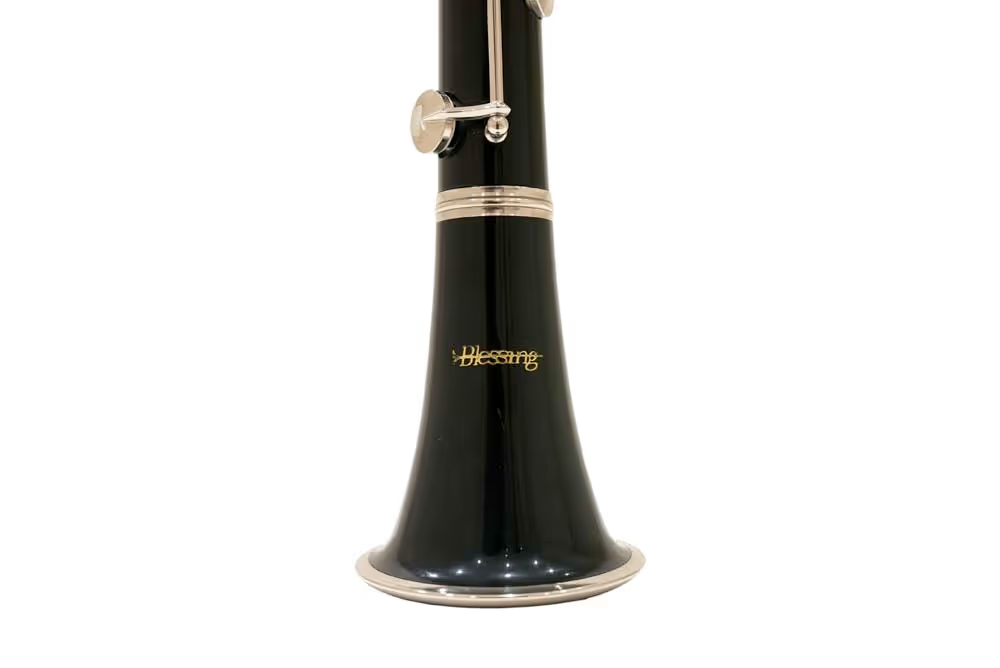
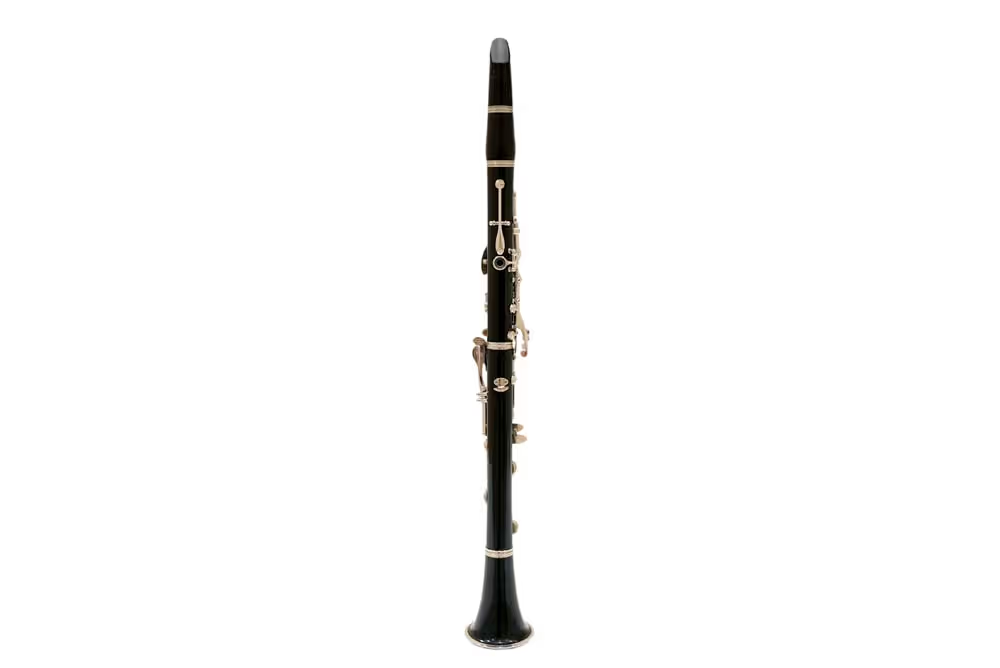
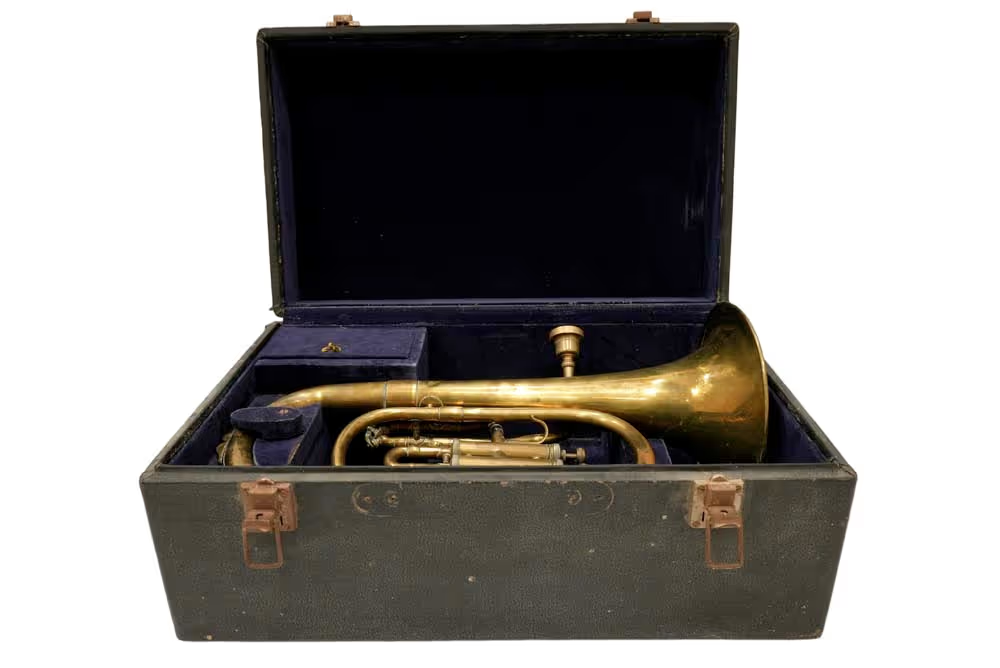
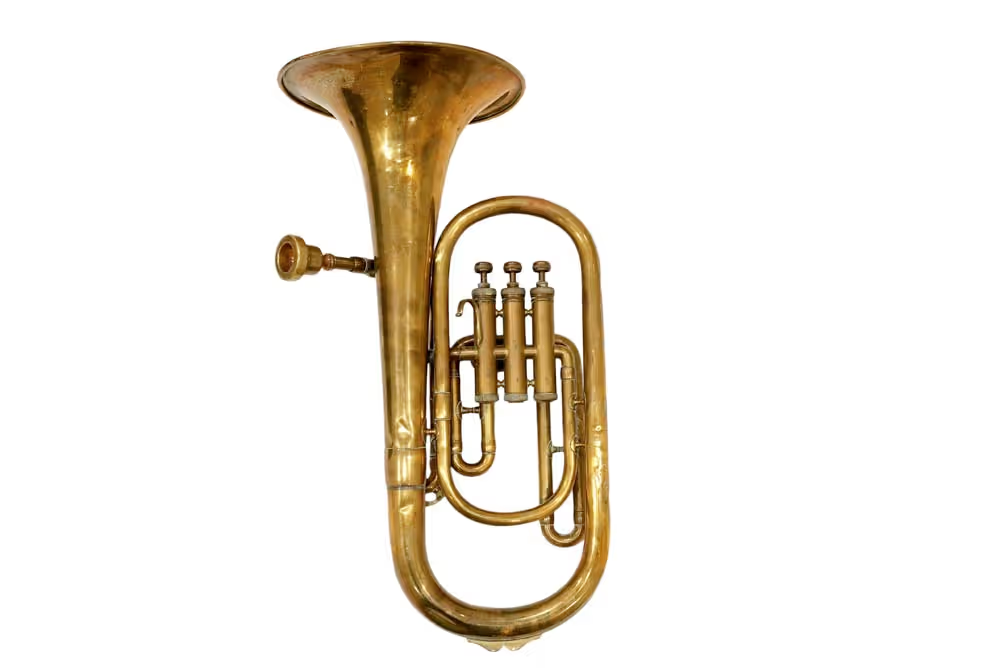
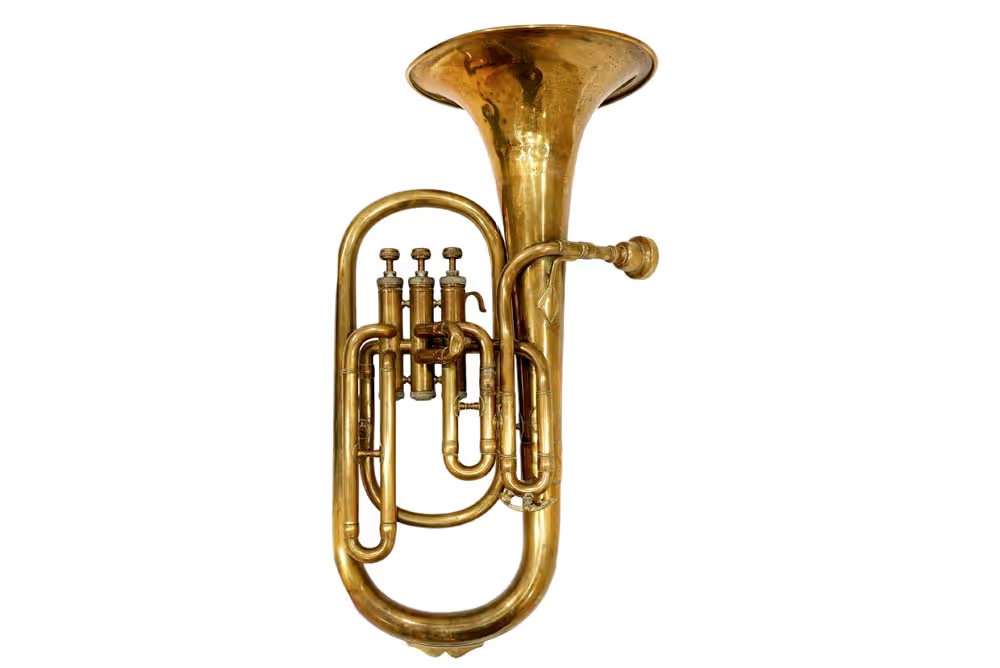
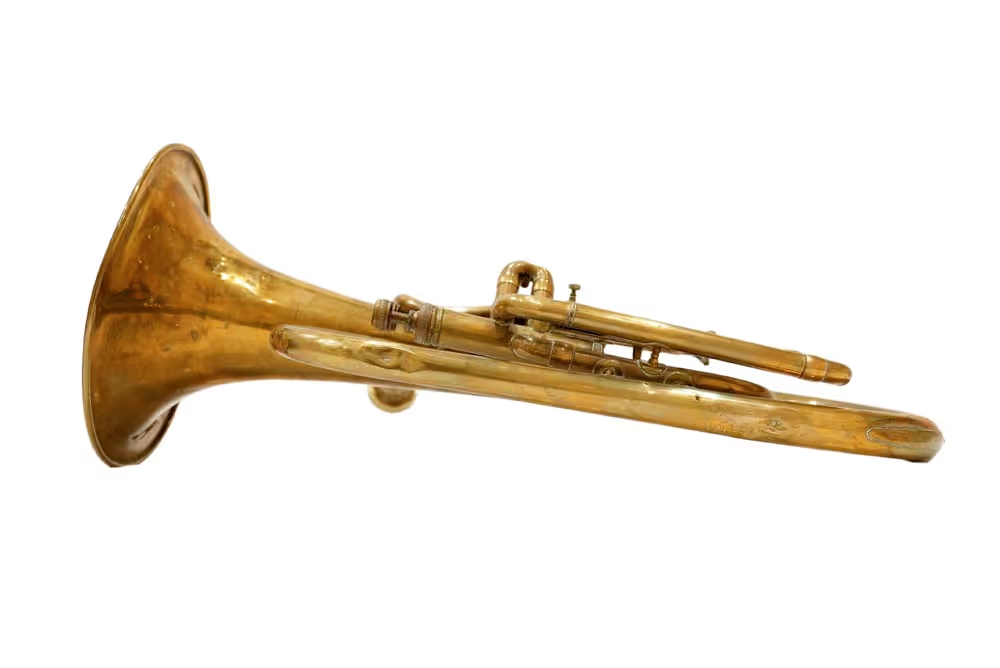
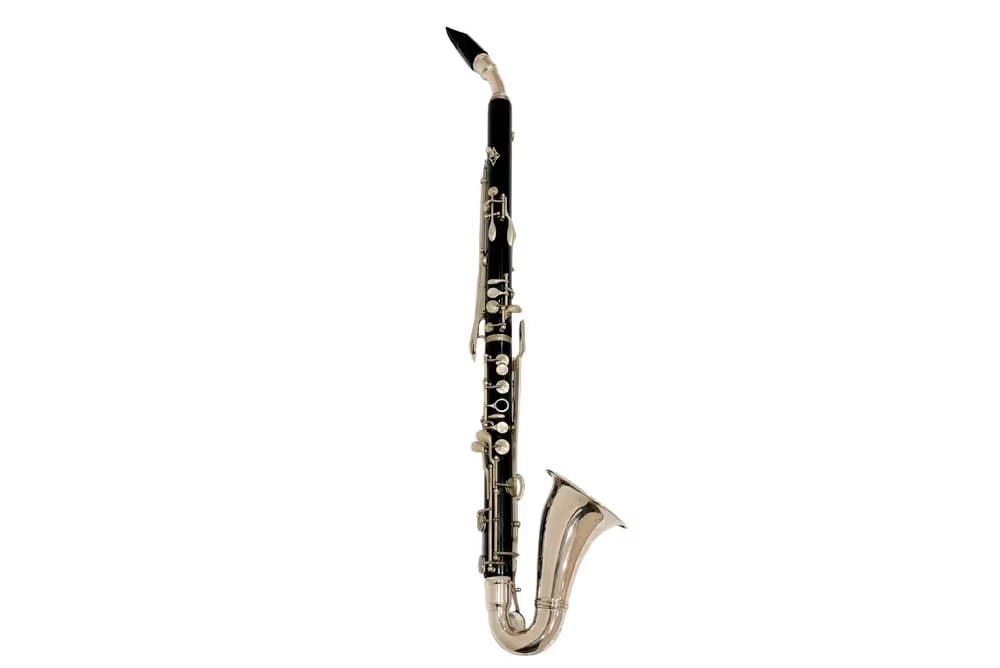
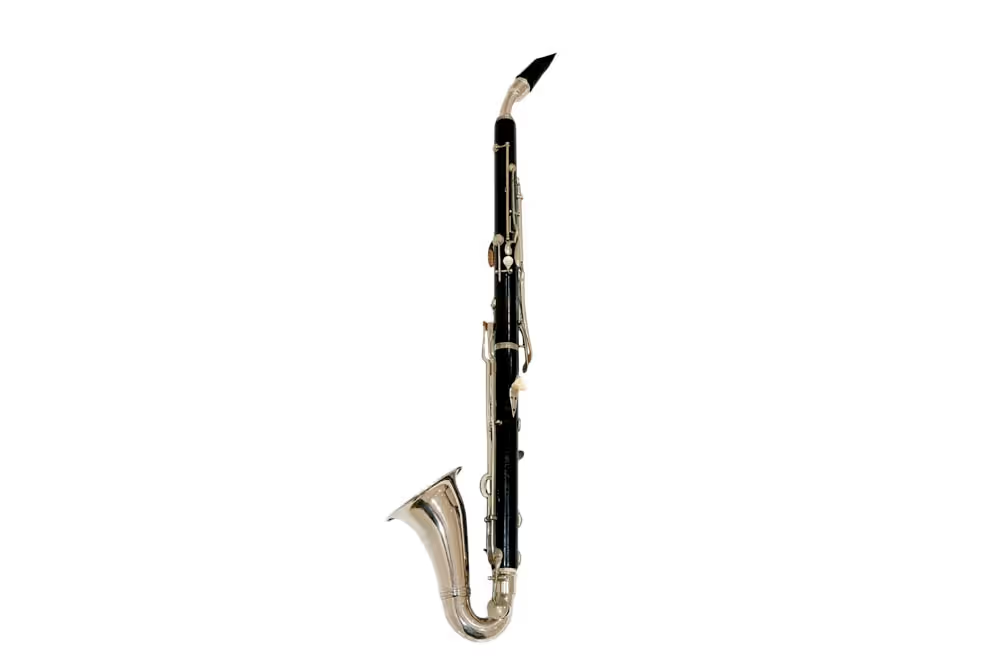
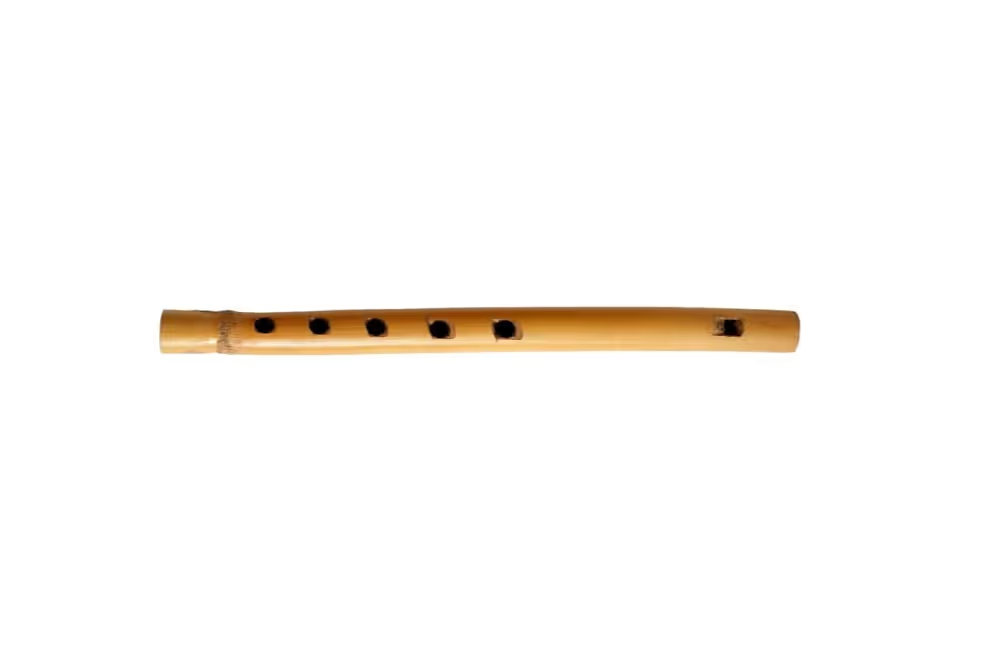
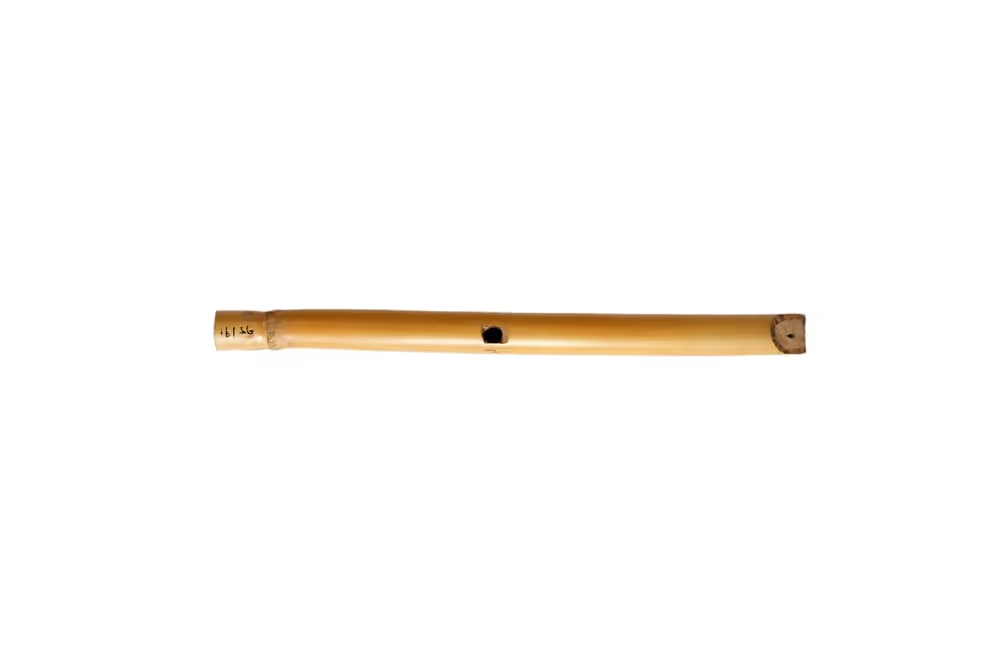
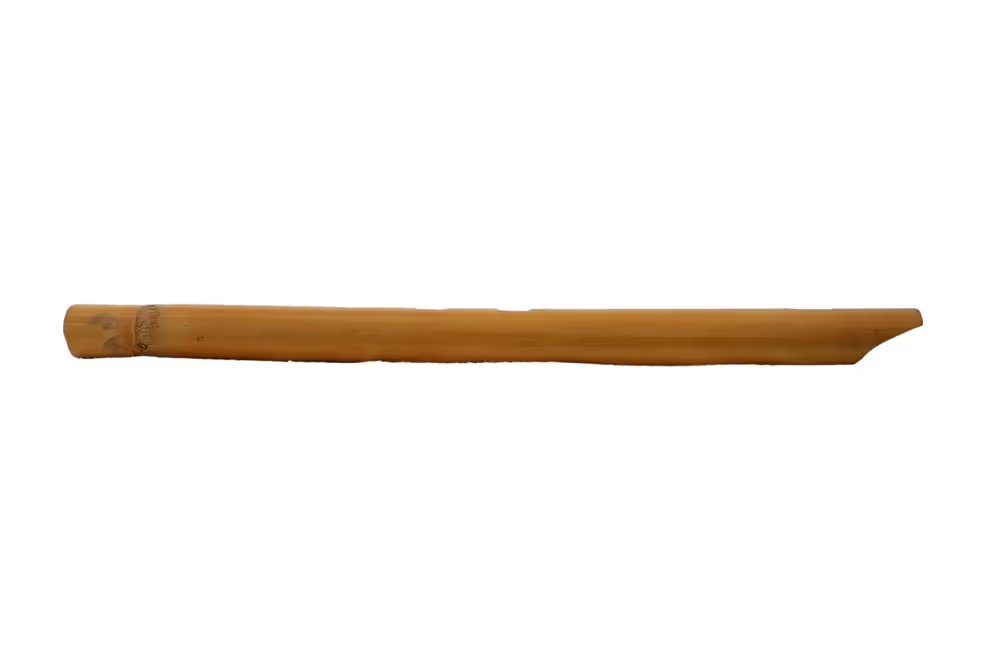
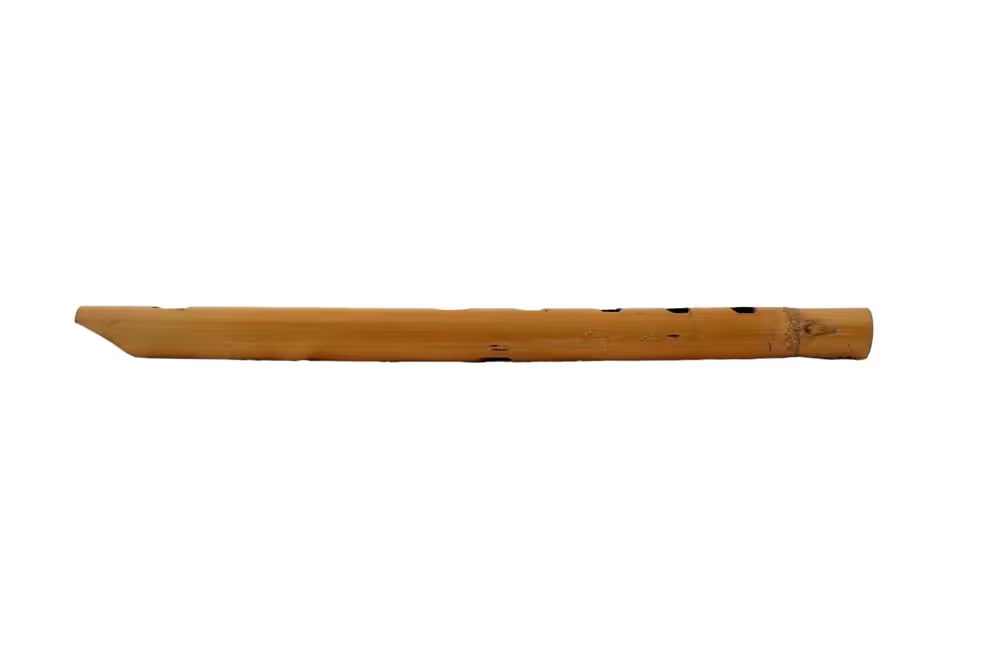
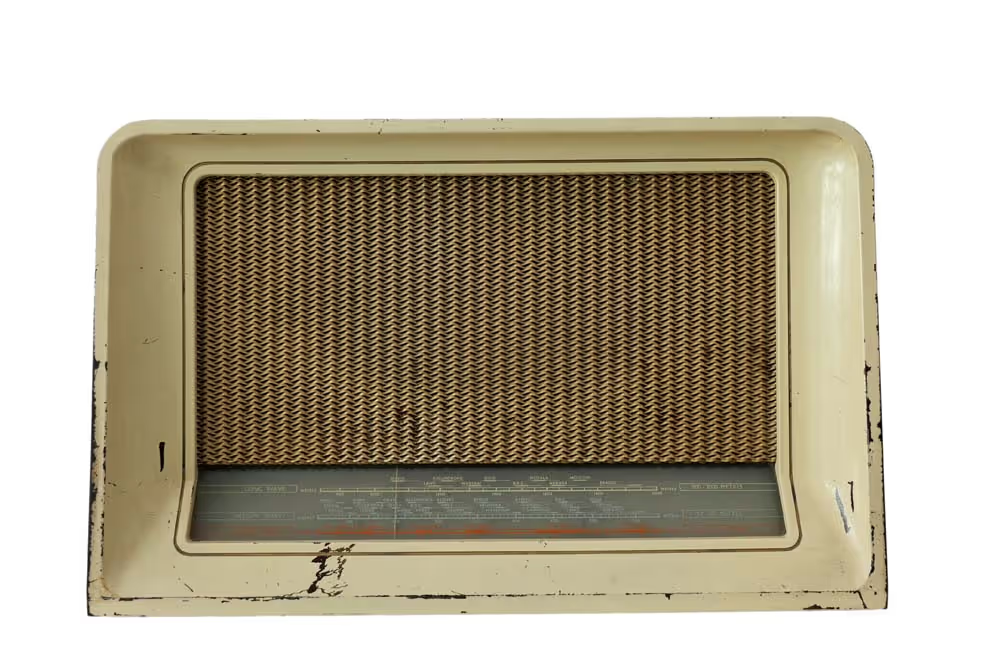
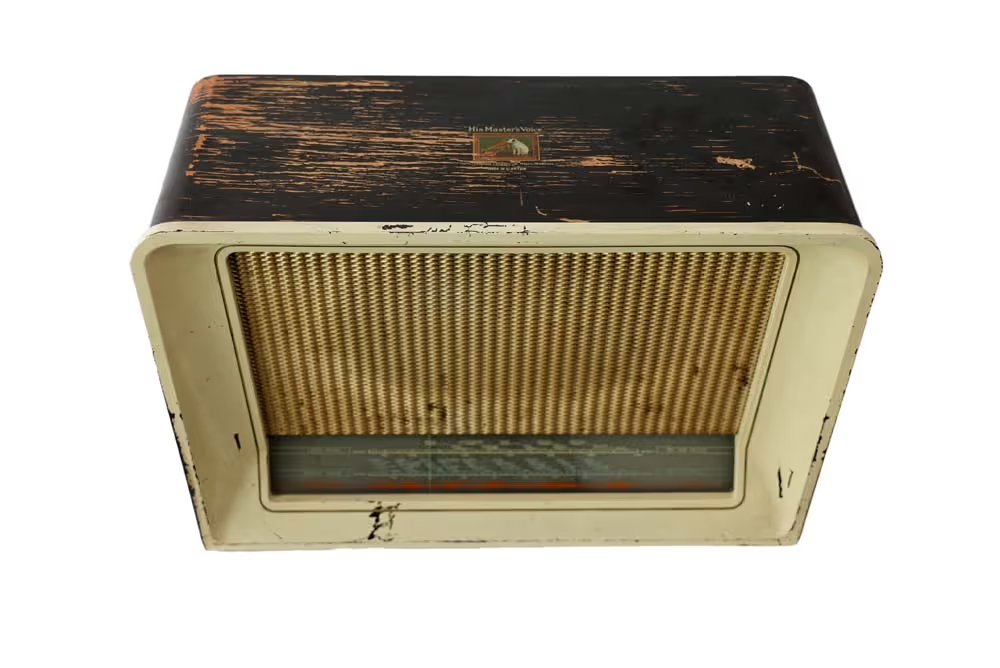
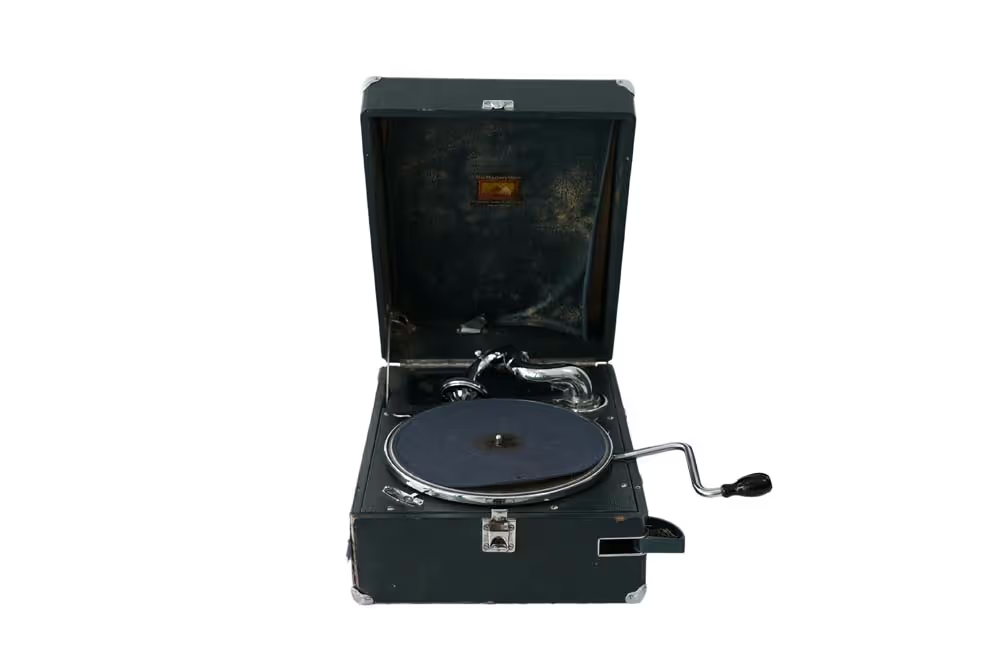
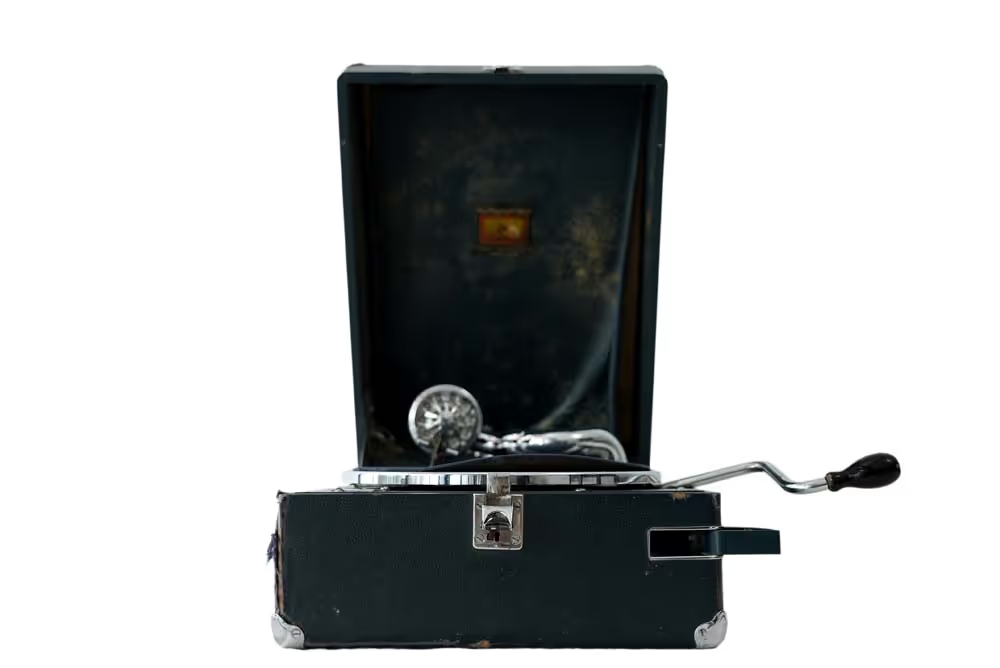
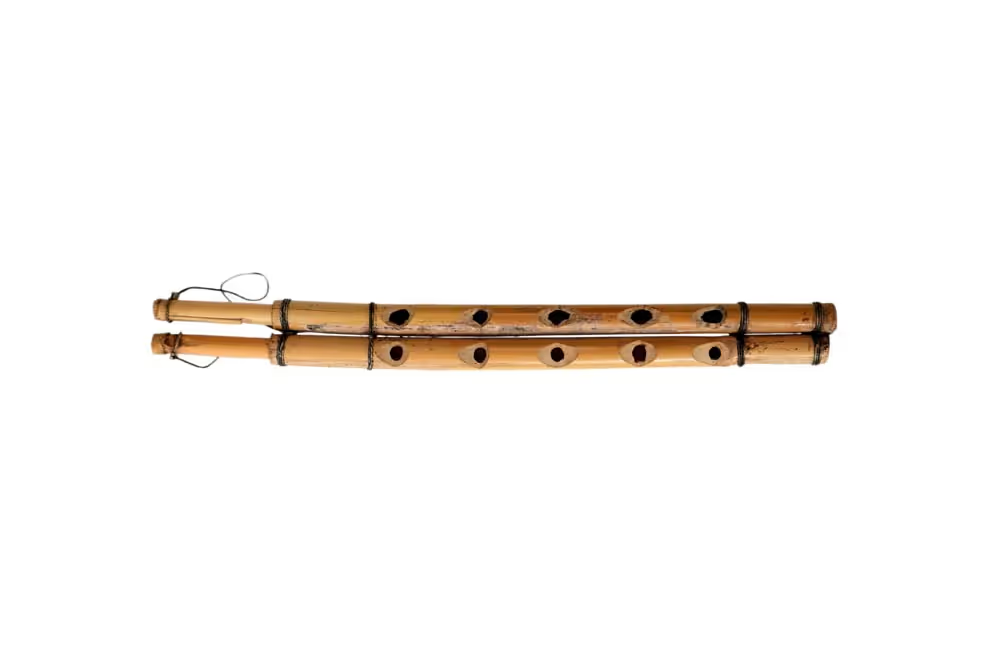
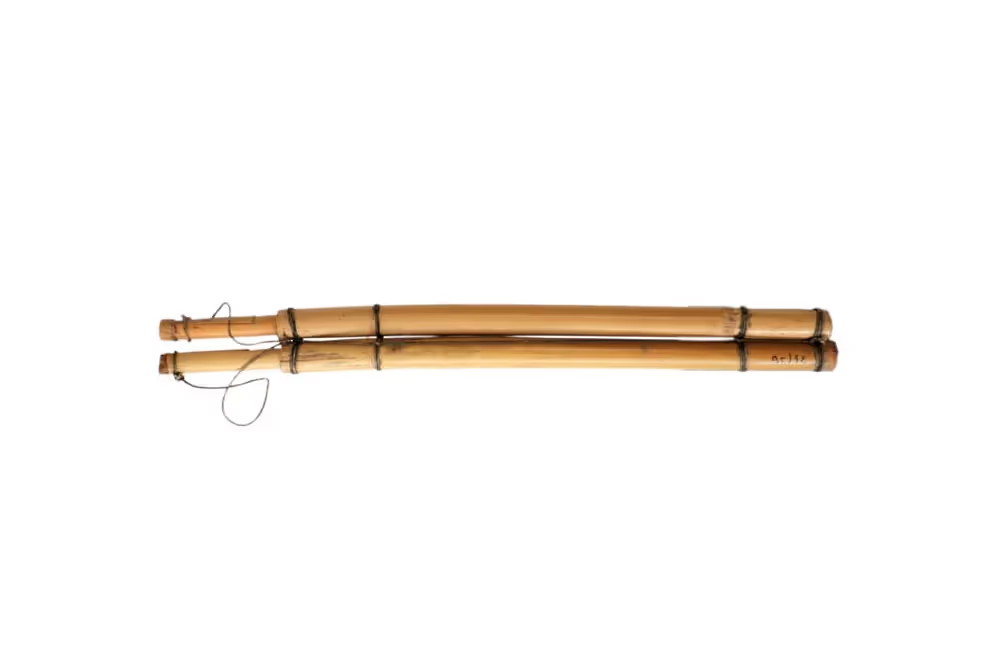
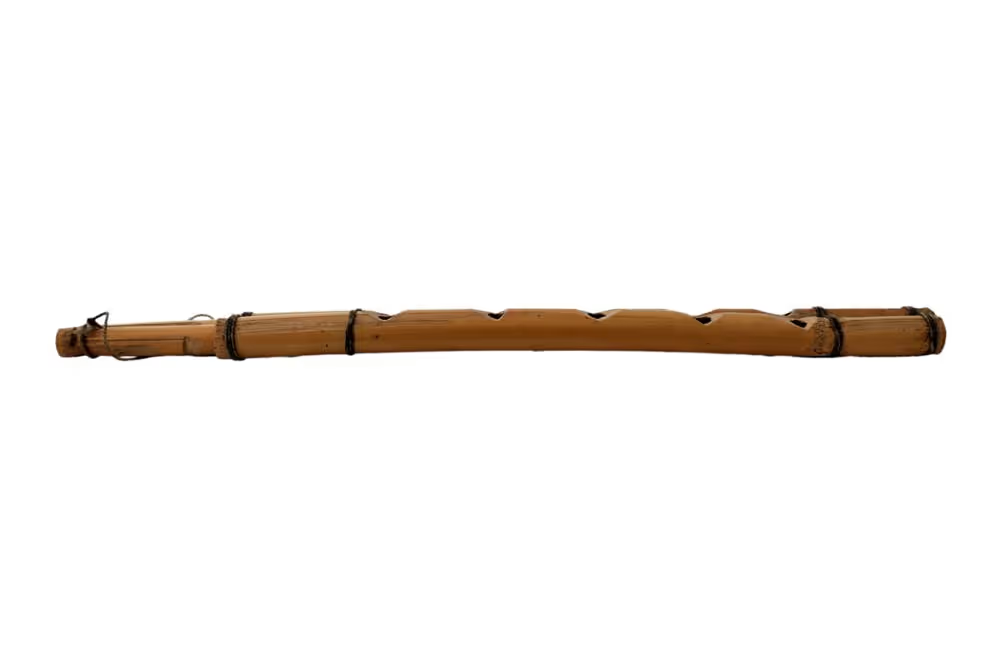
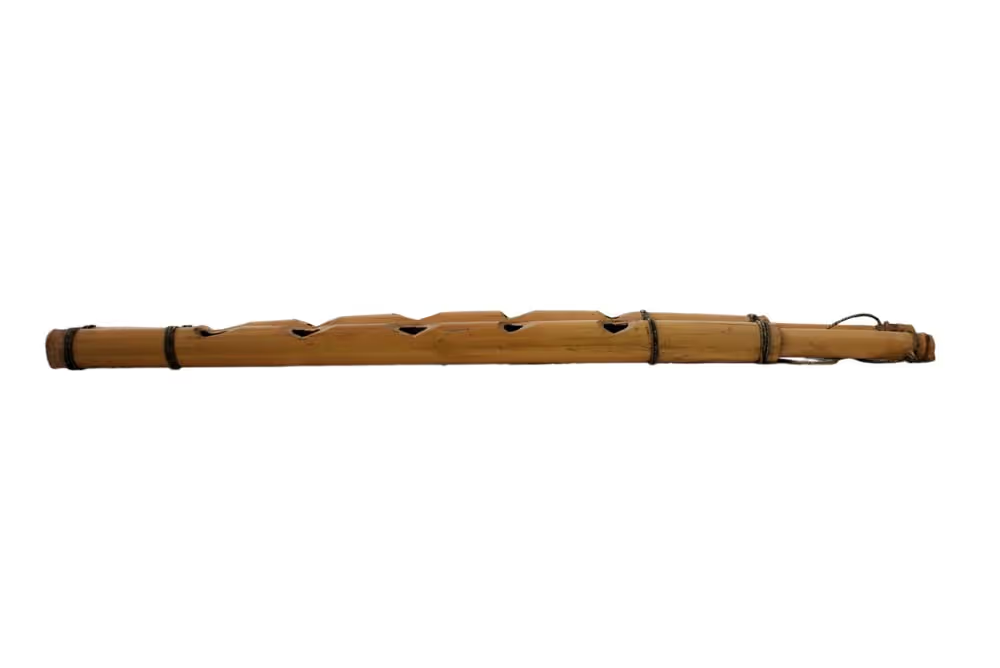
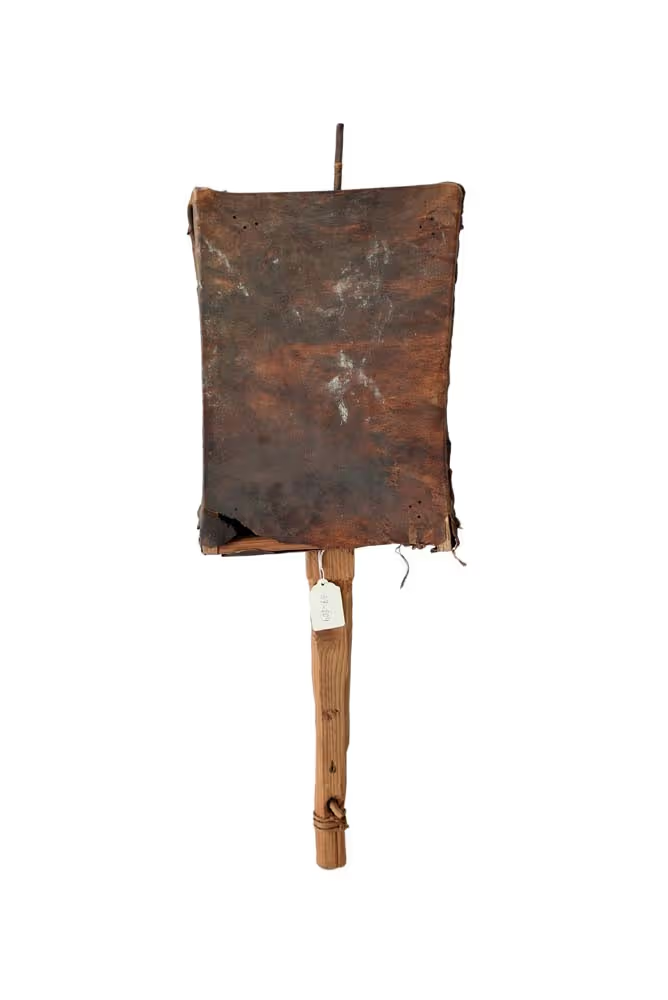
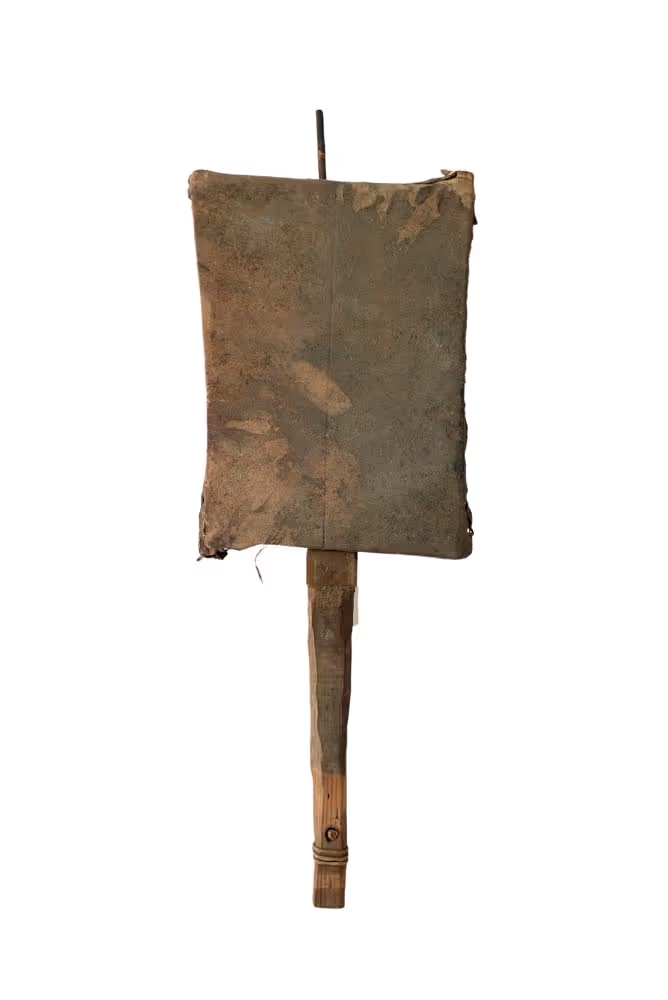
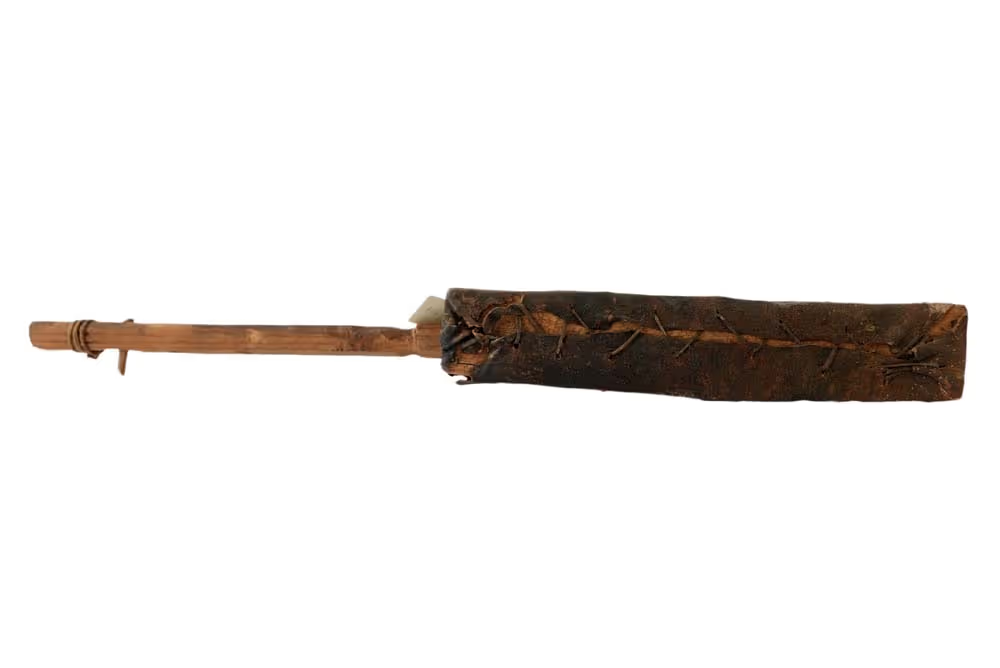
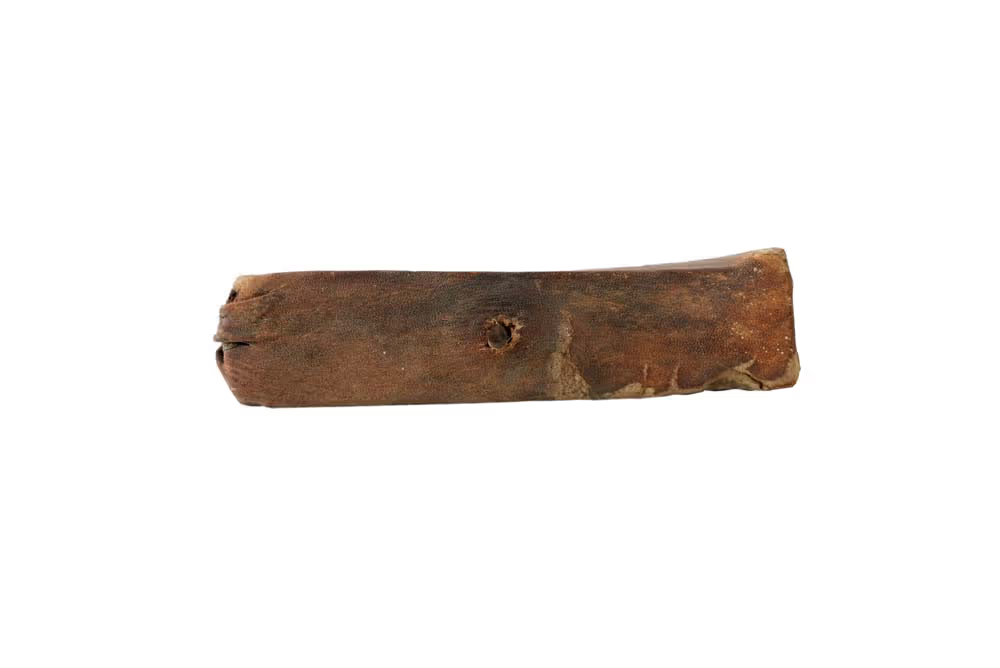
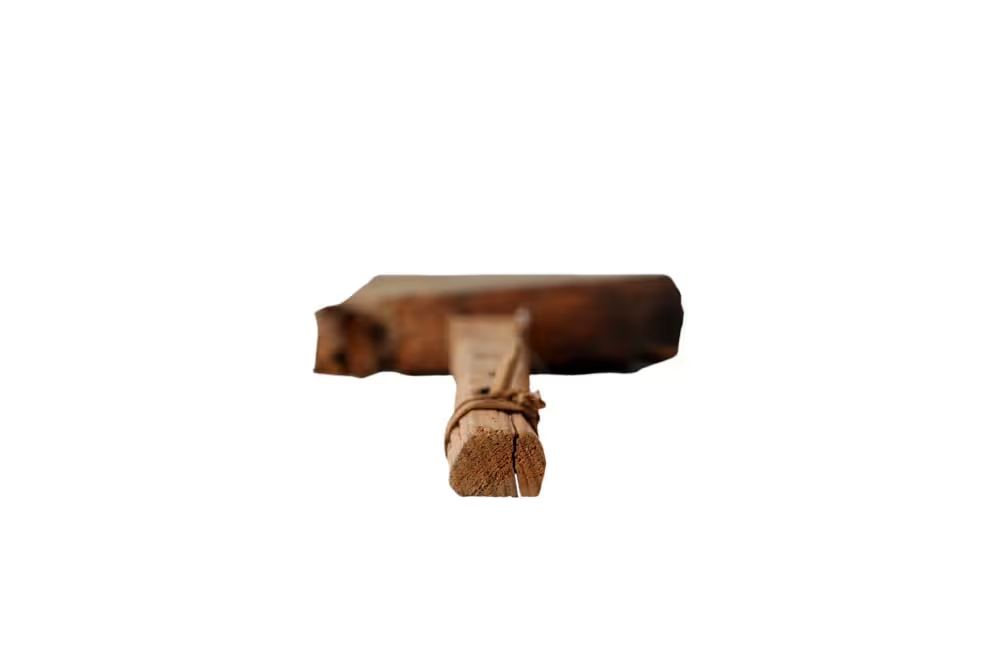
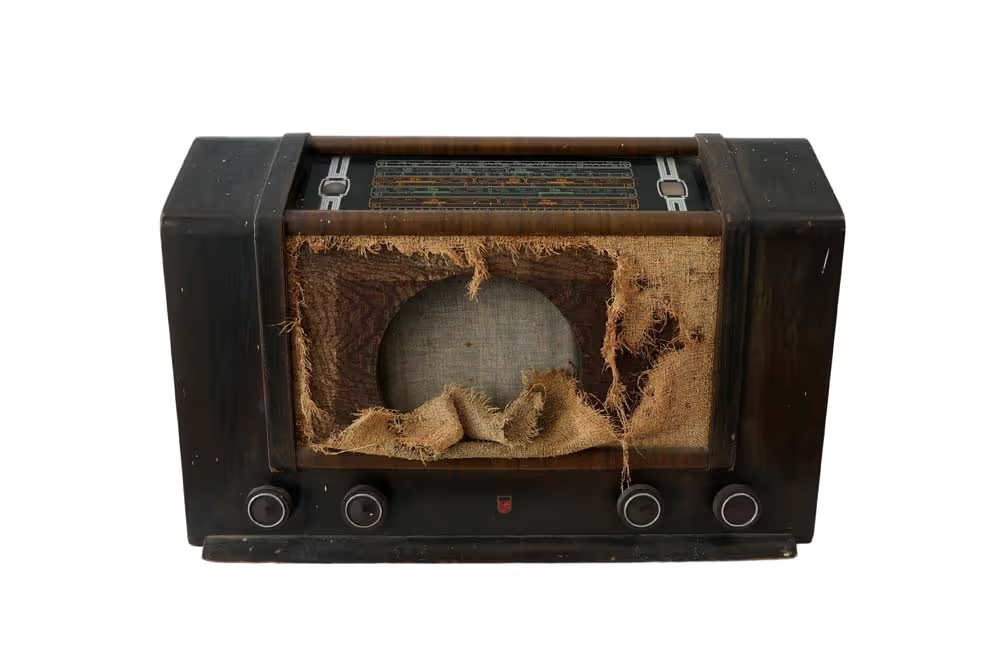
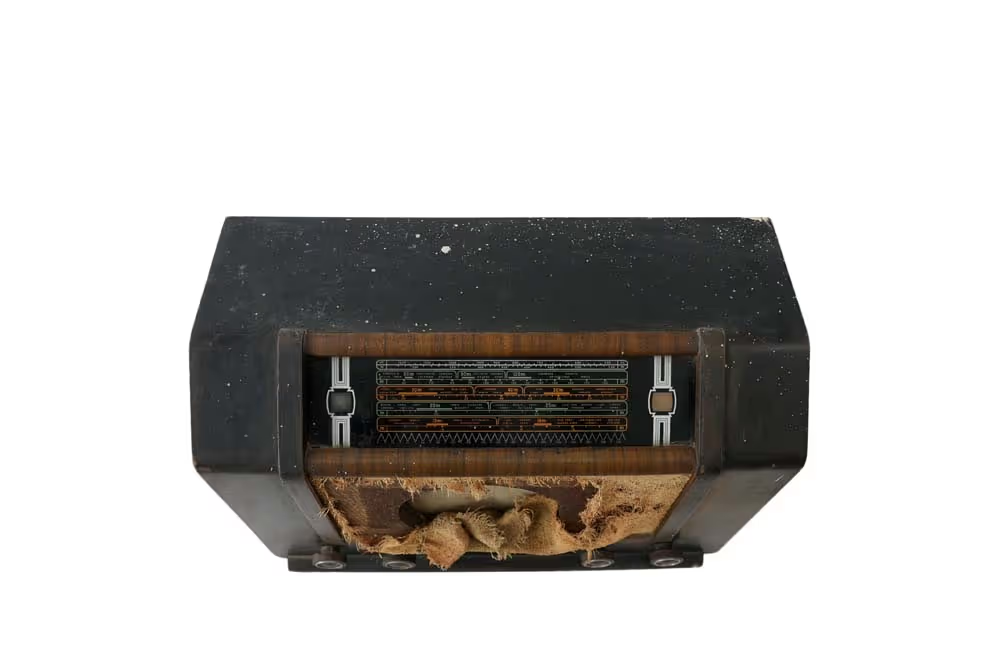
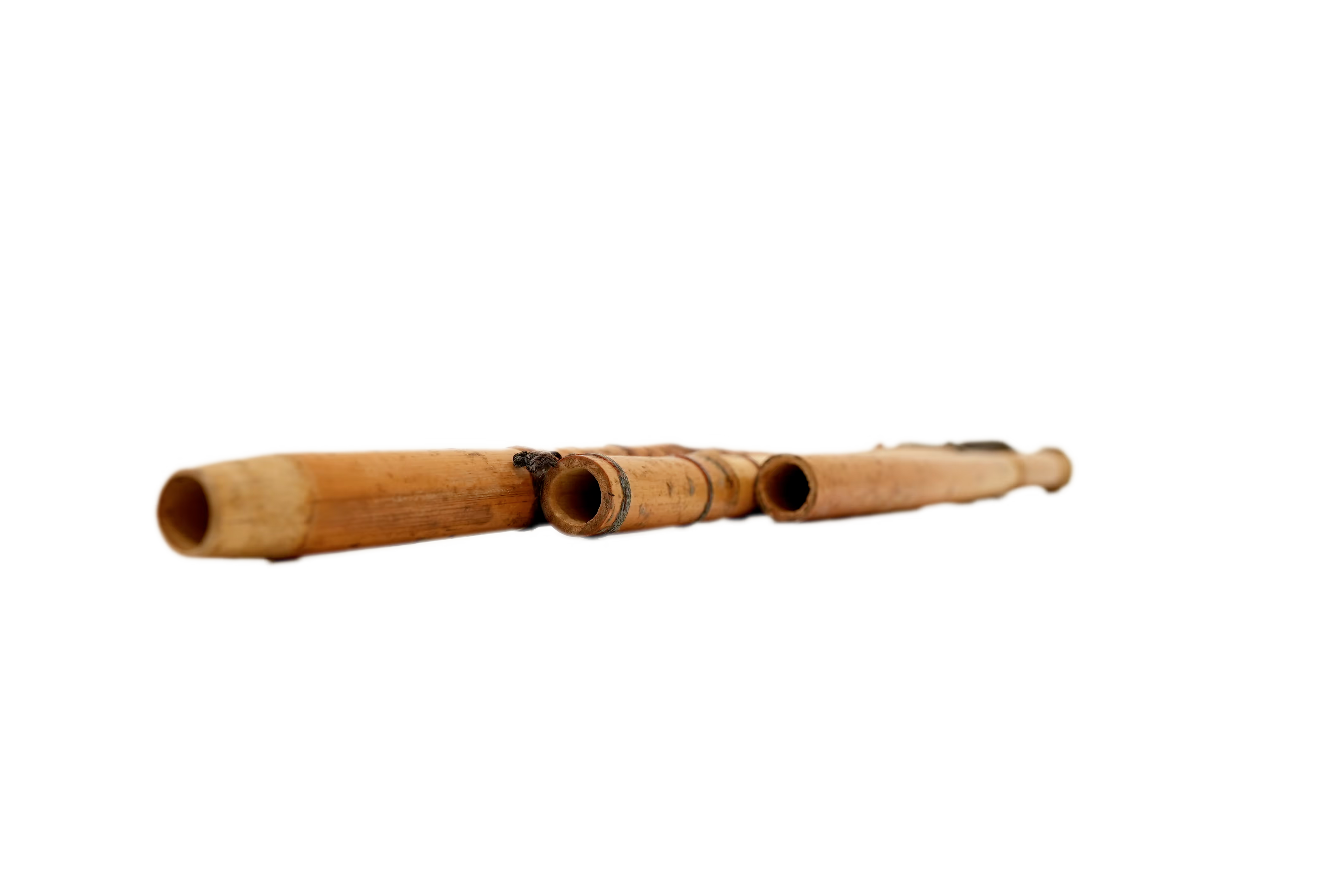
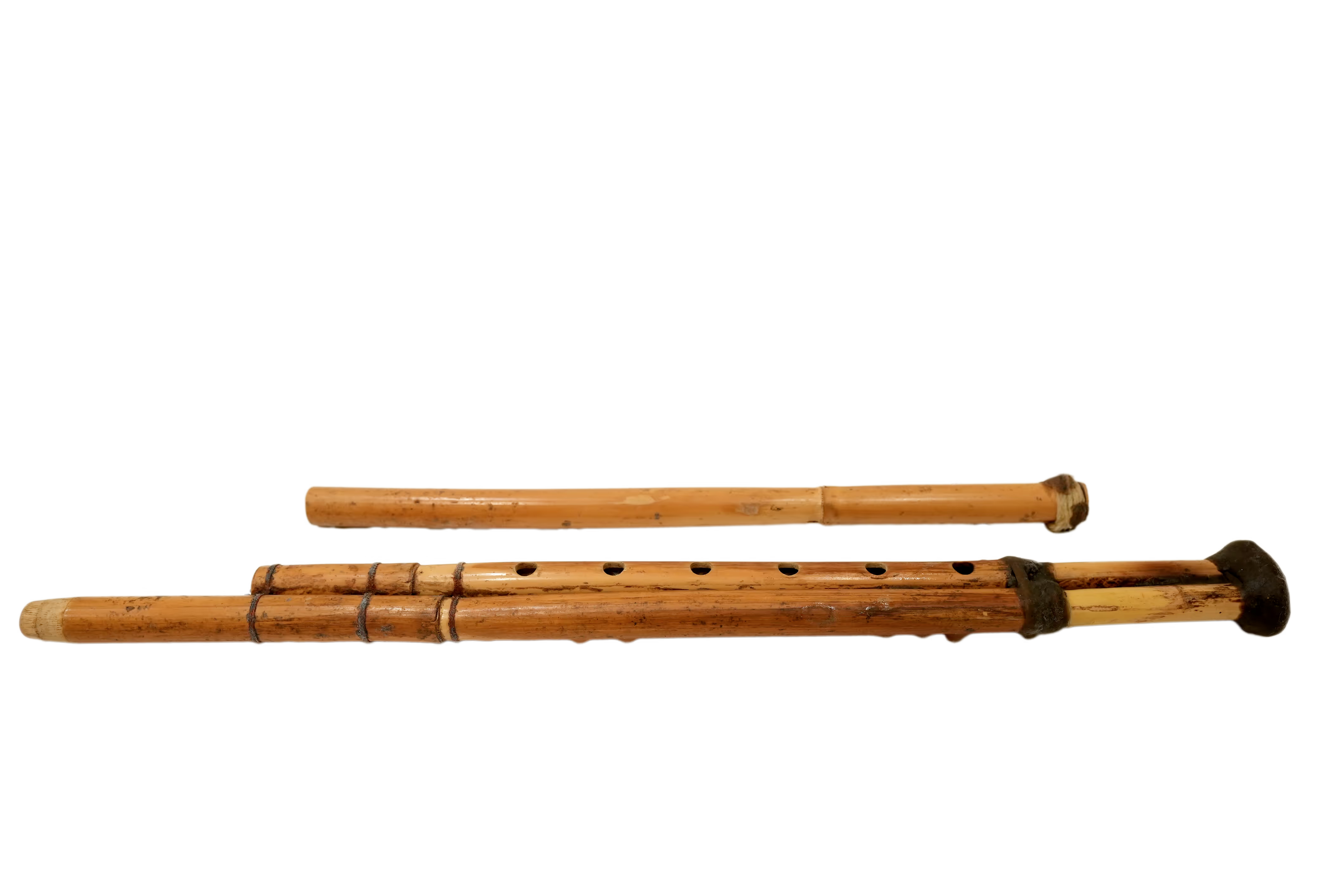
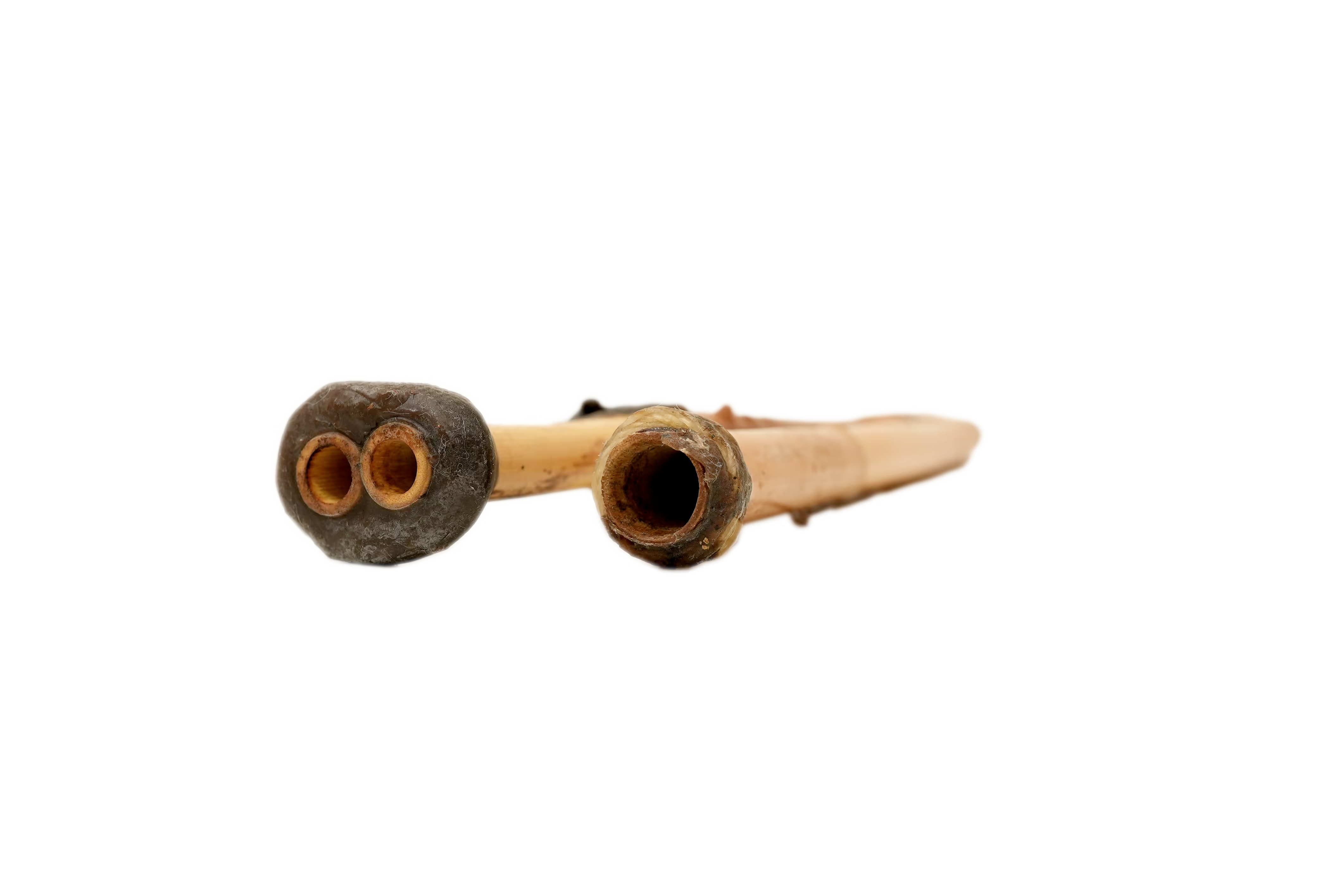
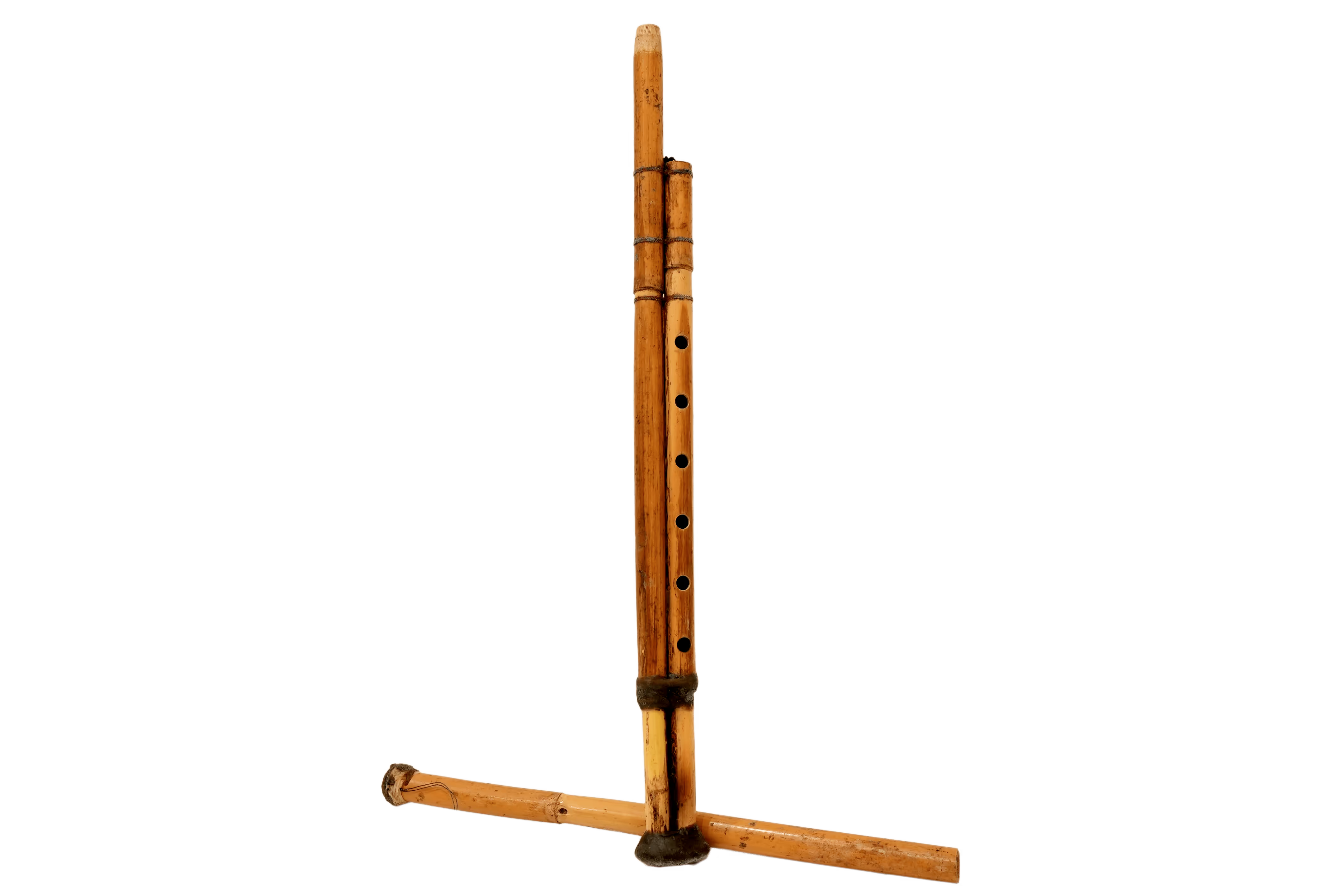
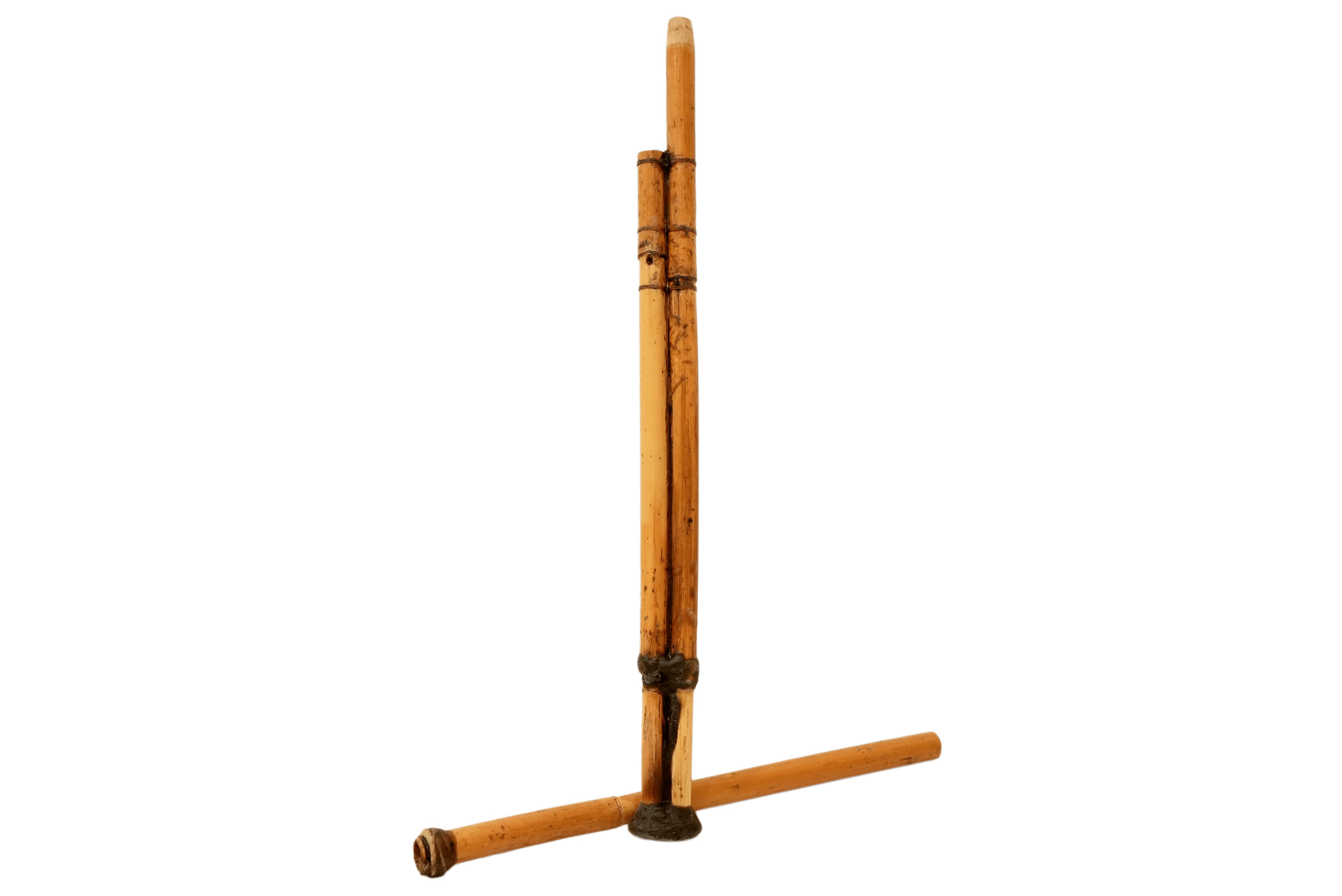
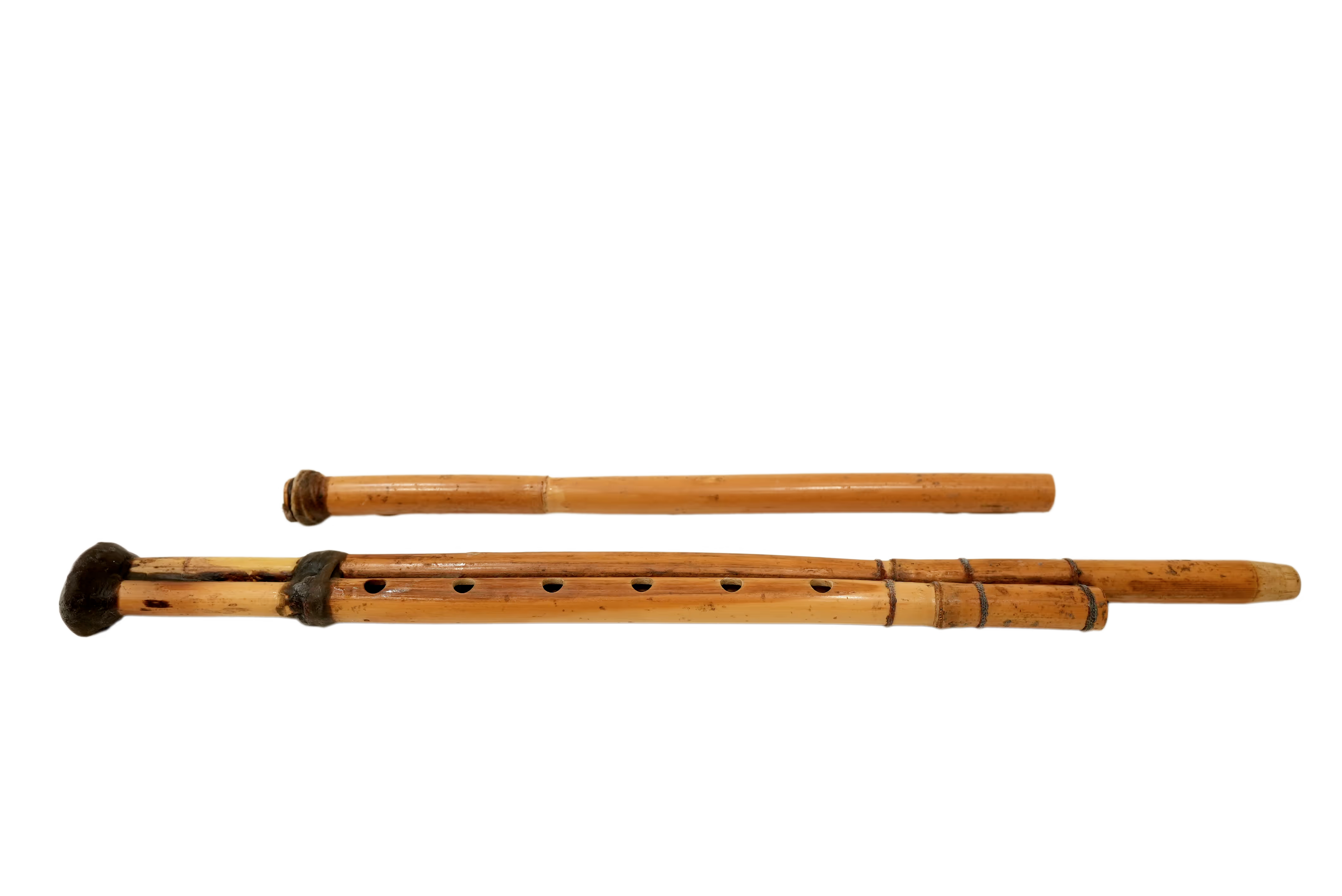
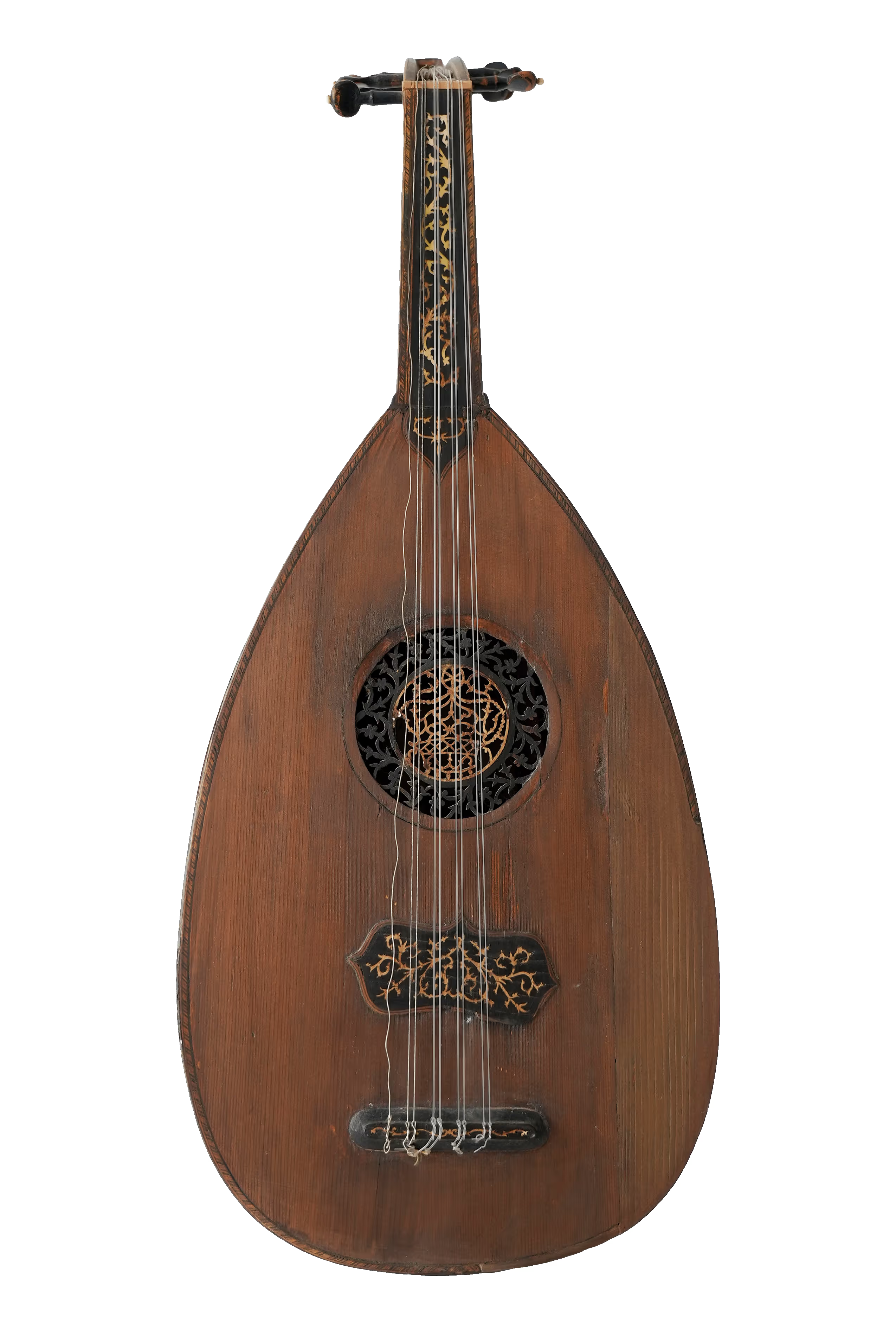
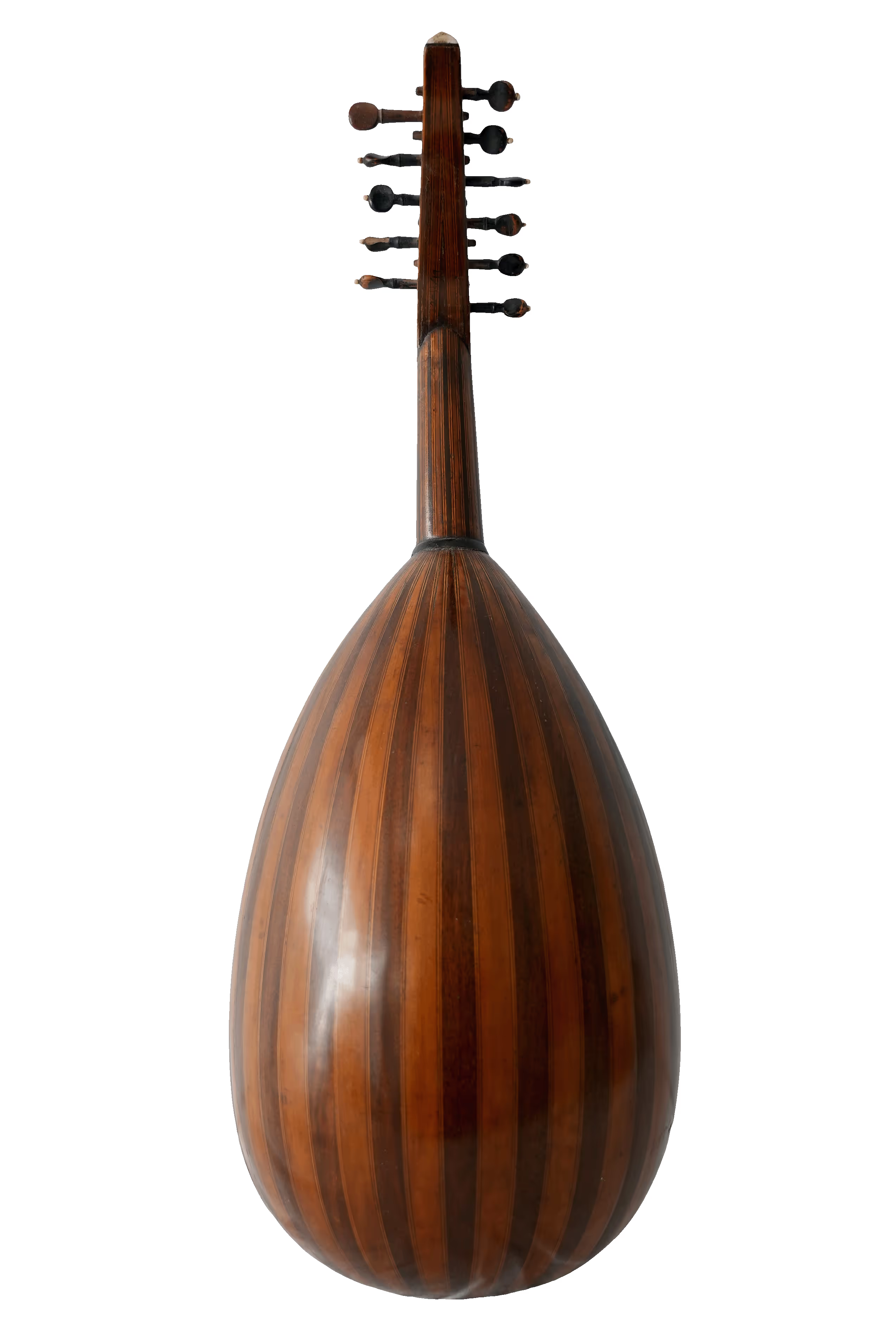
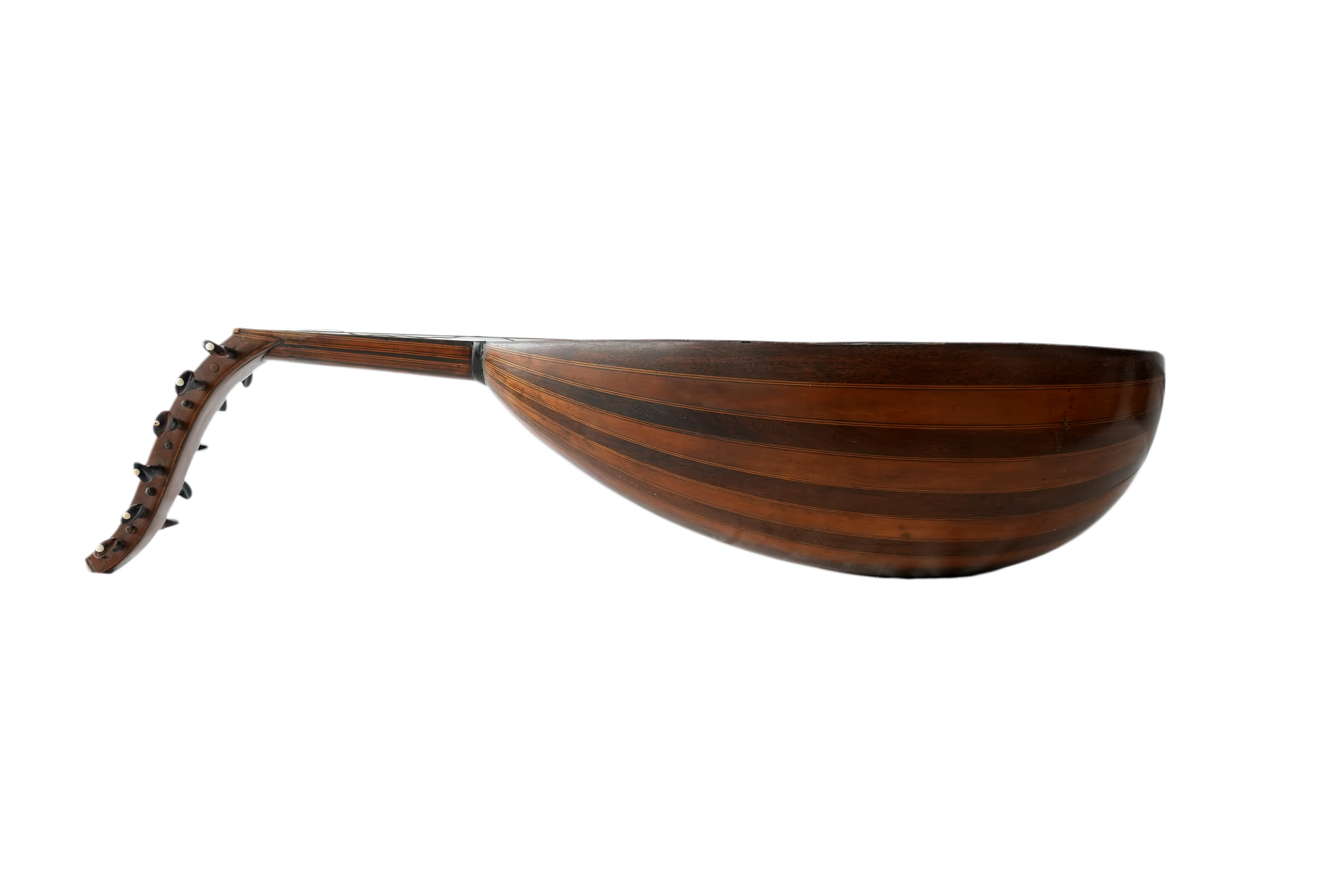
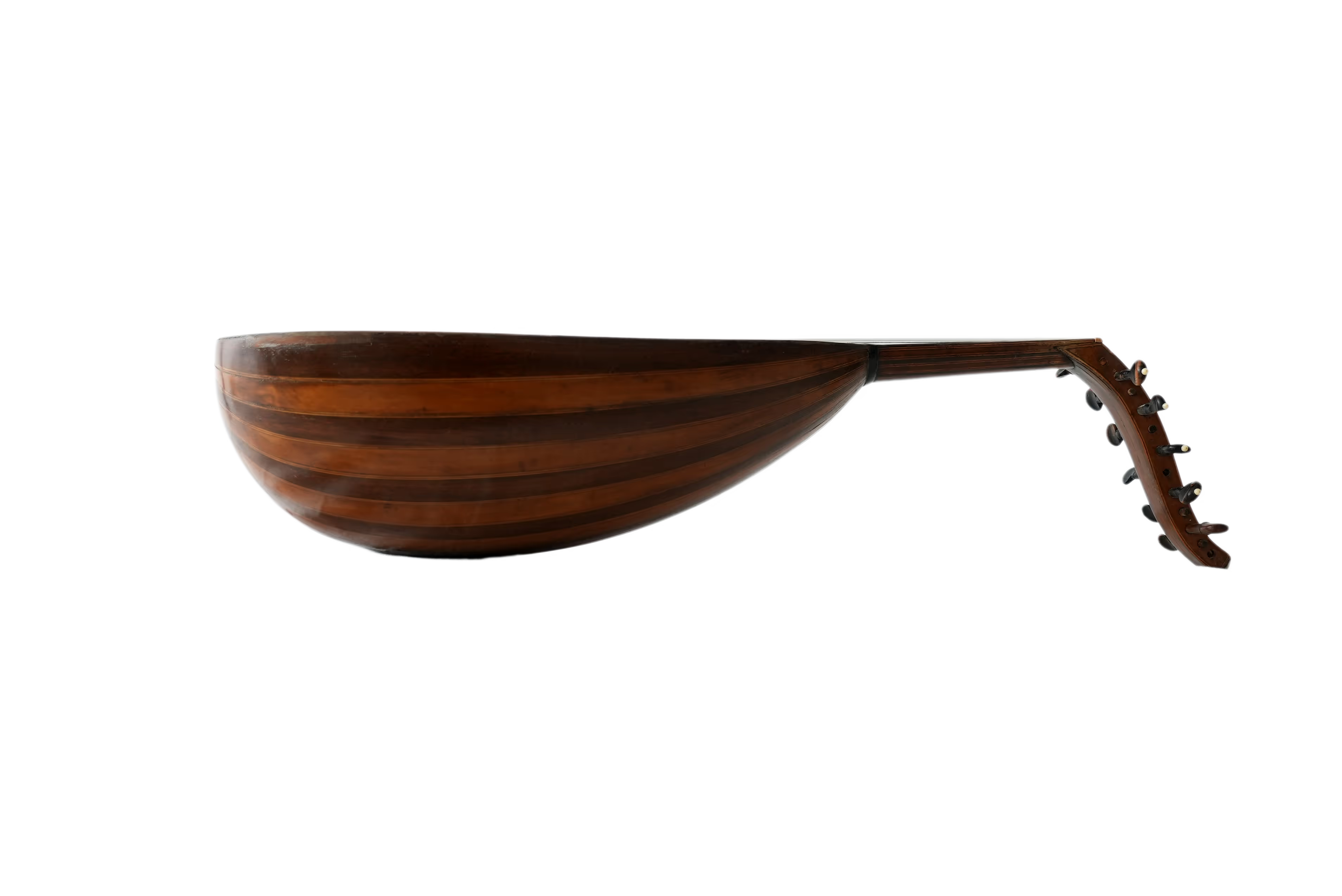
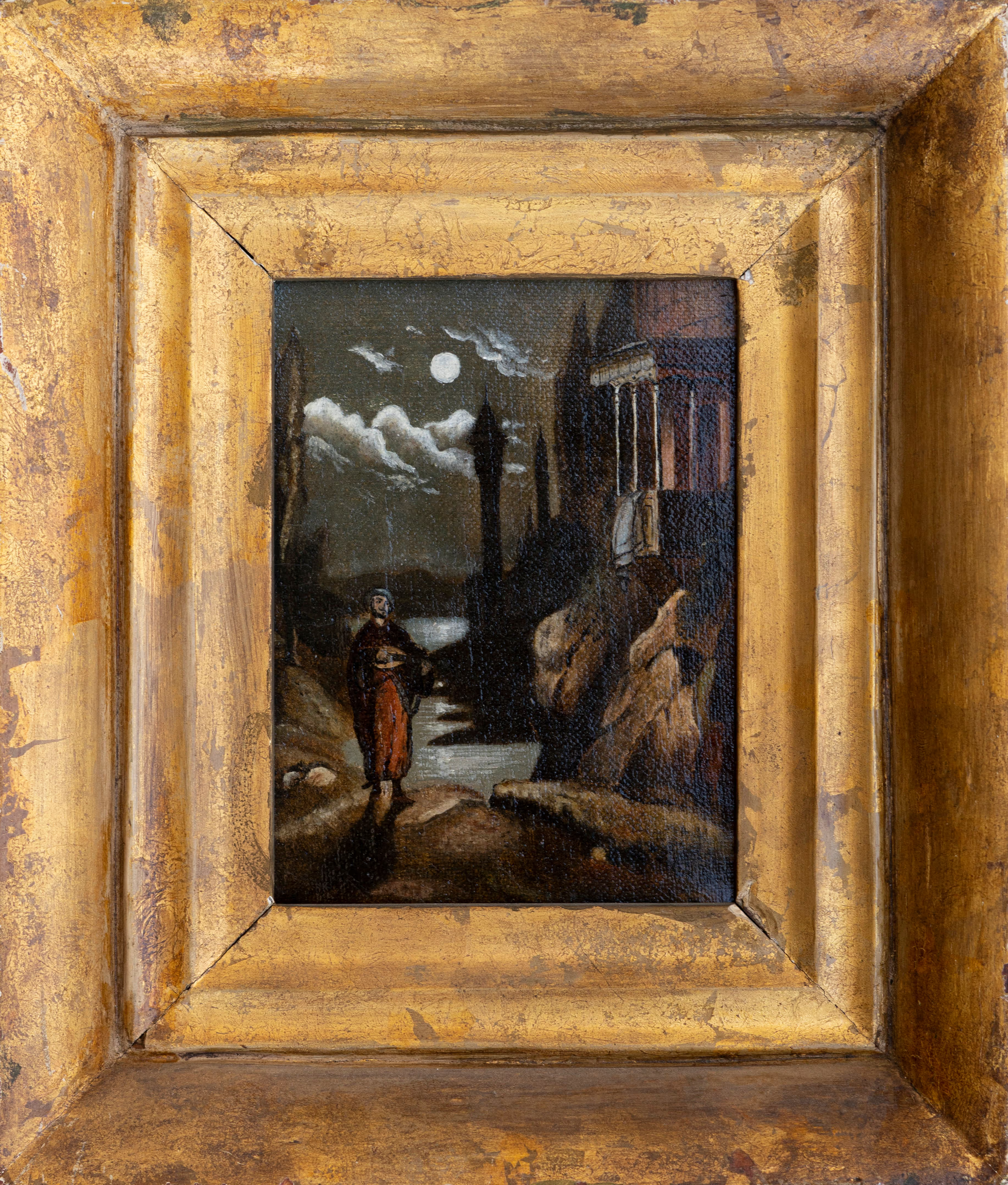
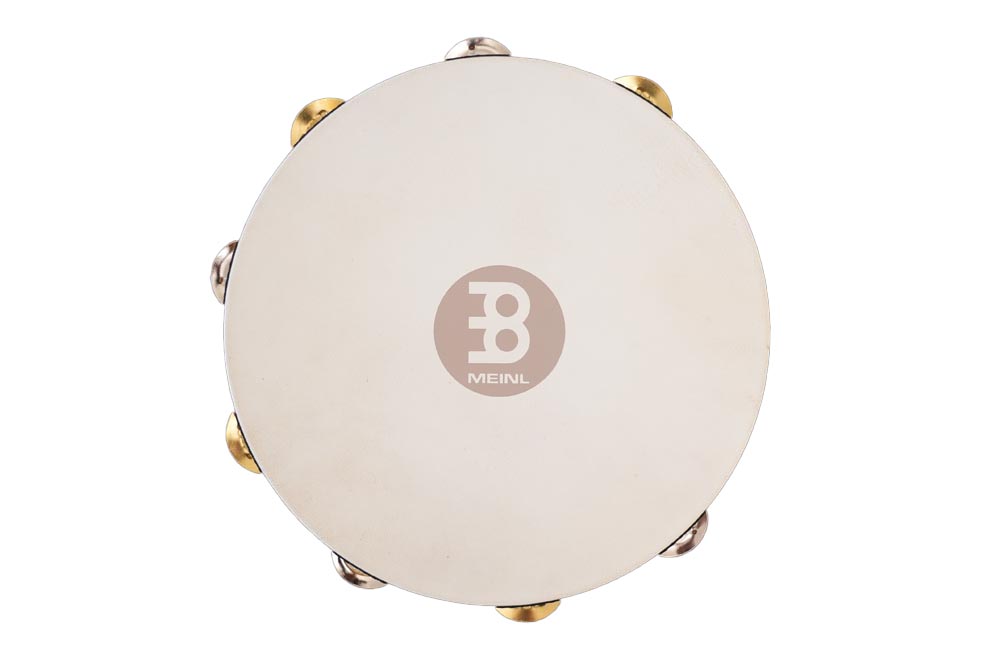
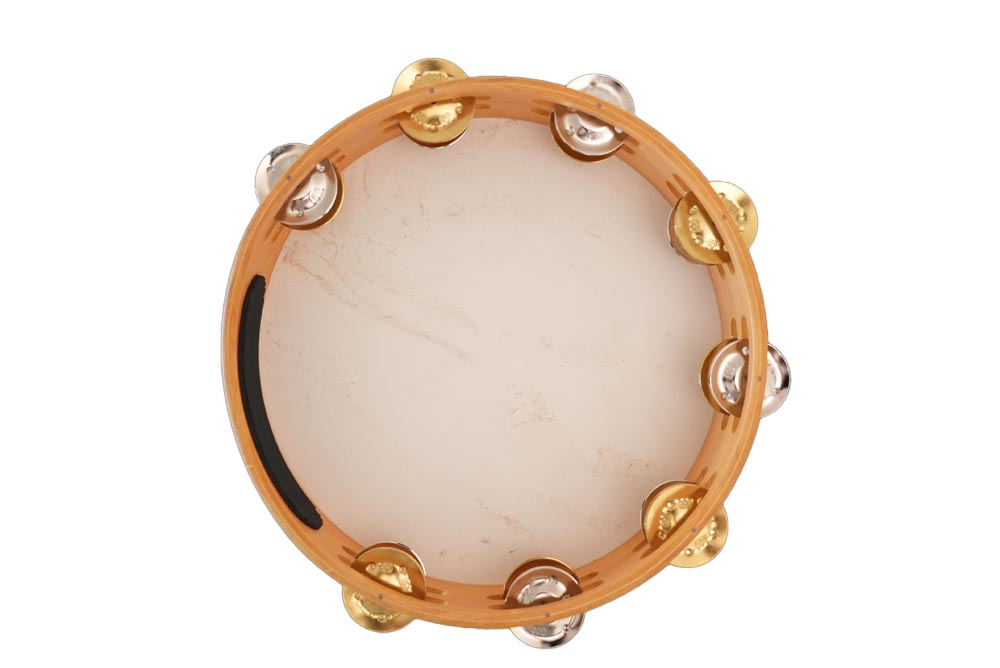
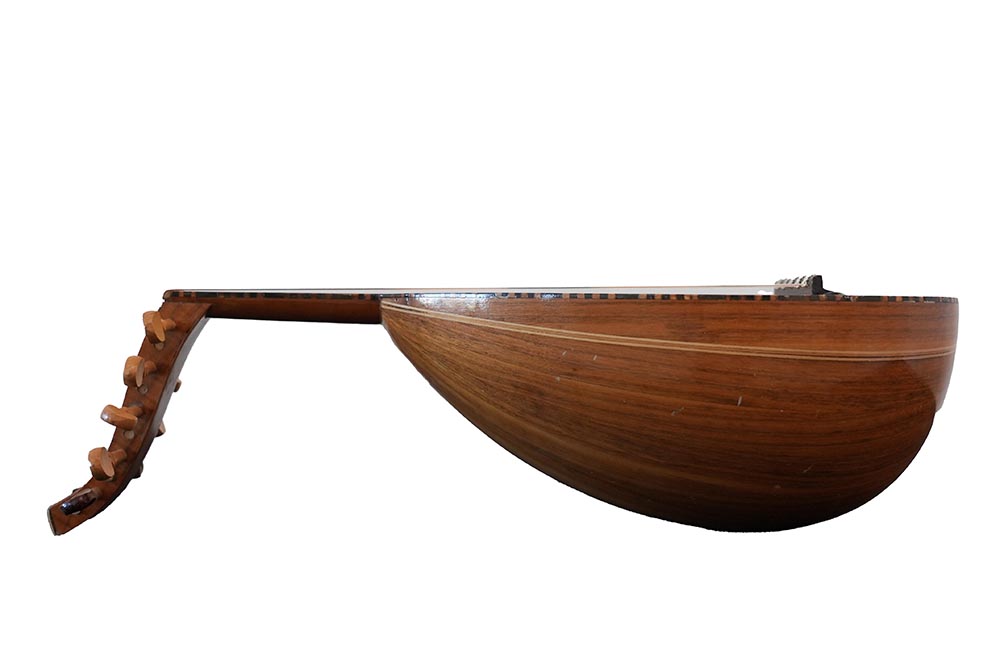
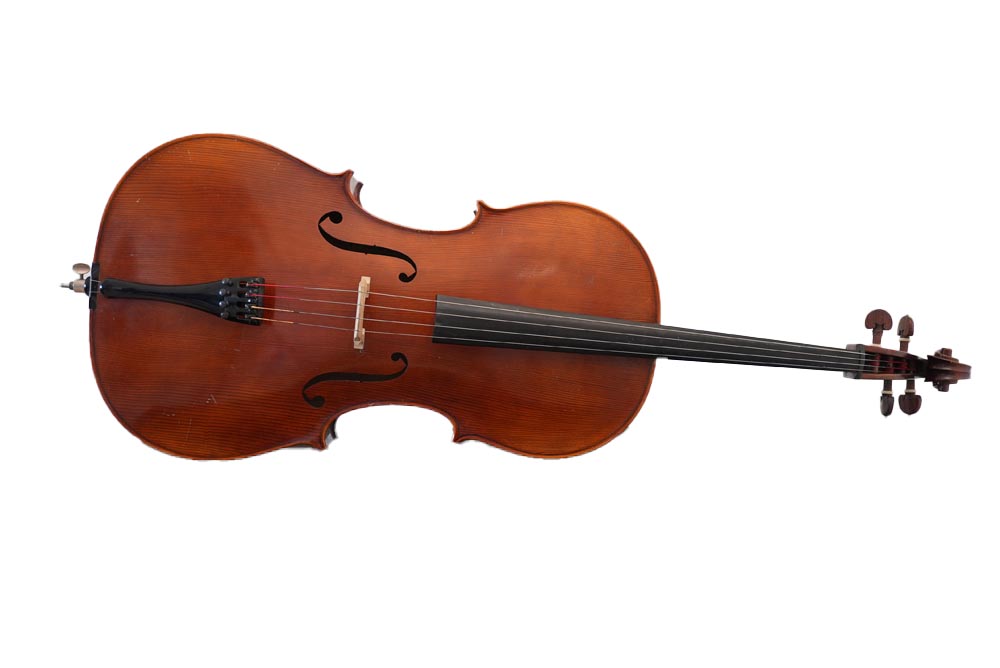
An original yarghoul, a traditional double-pipe wind instrument widely used in Levantine folk music. Typically associated with rural celebrations and Dabke performances, the yarghoul produces a continuous drone alongside a melodic line. This piece reflects the enduring presence of oral musical heritage in Palestinian cultural identity.
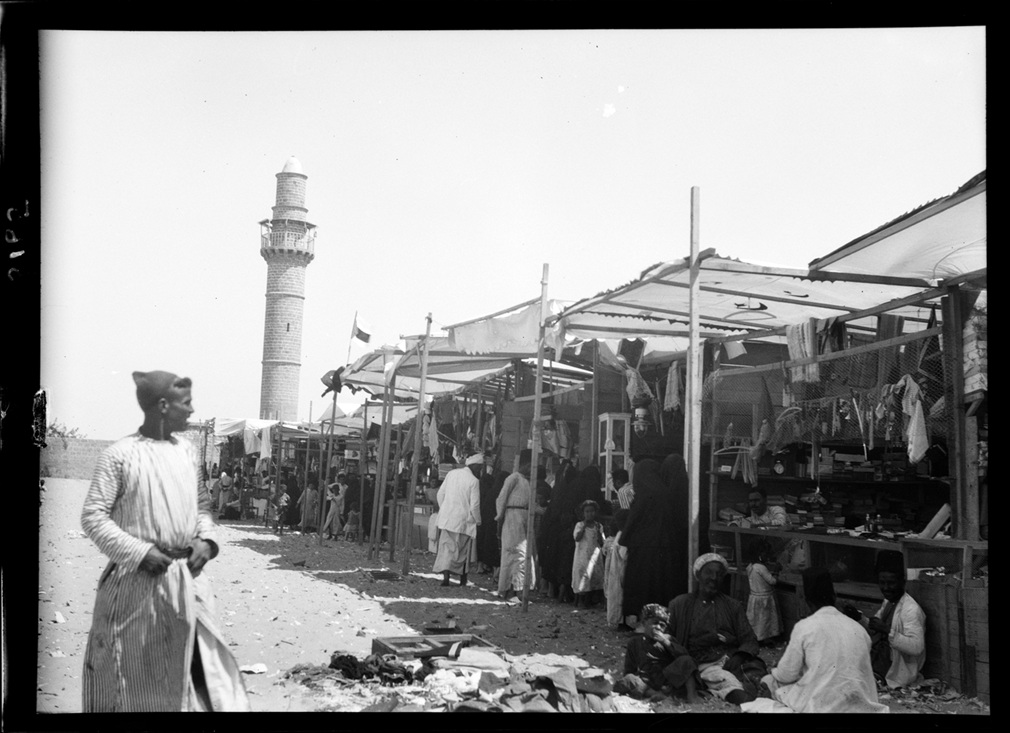

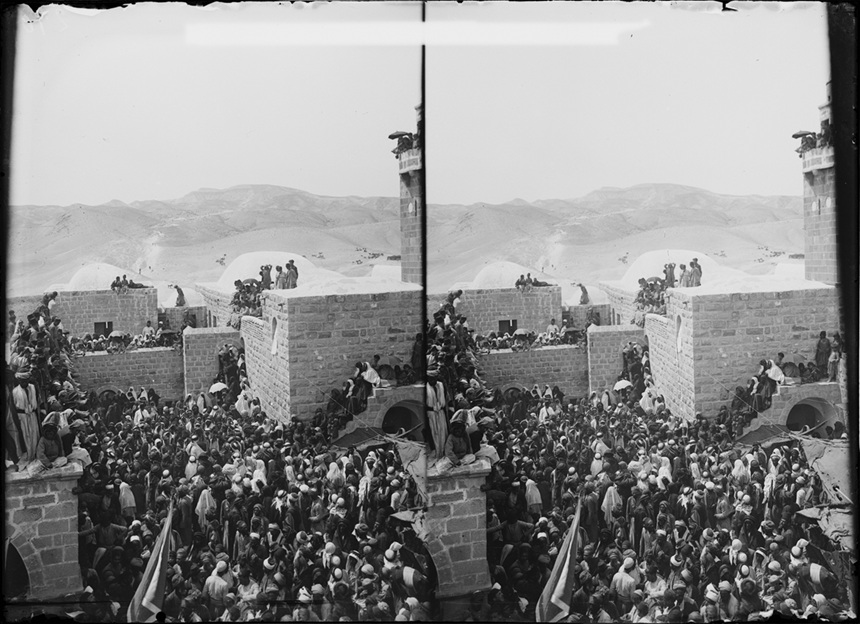
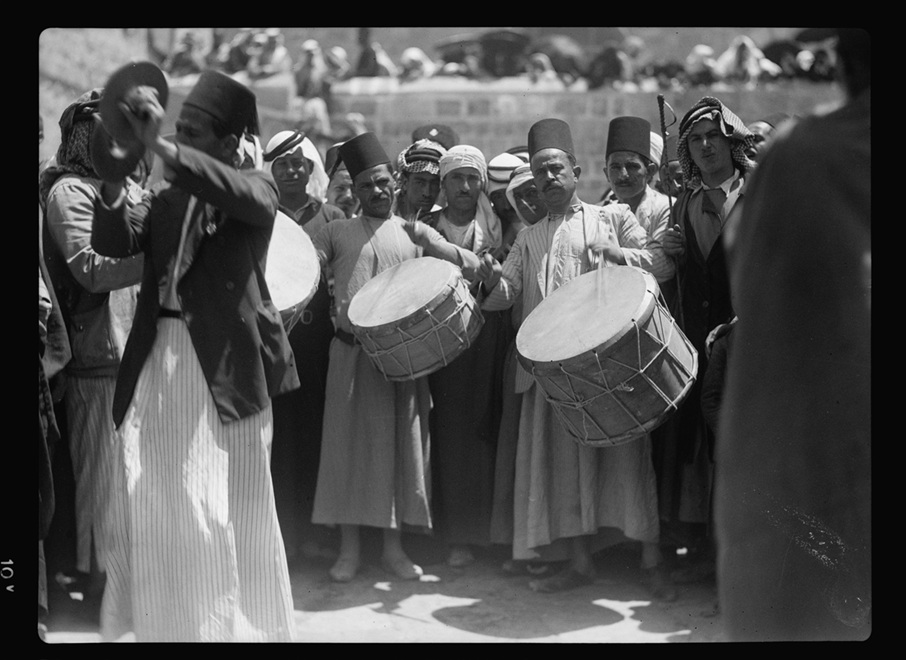
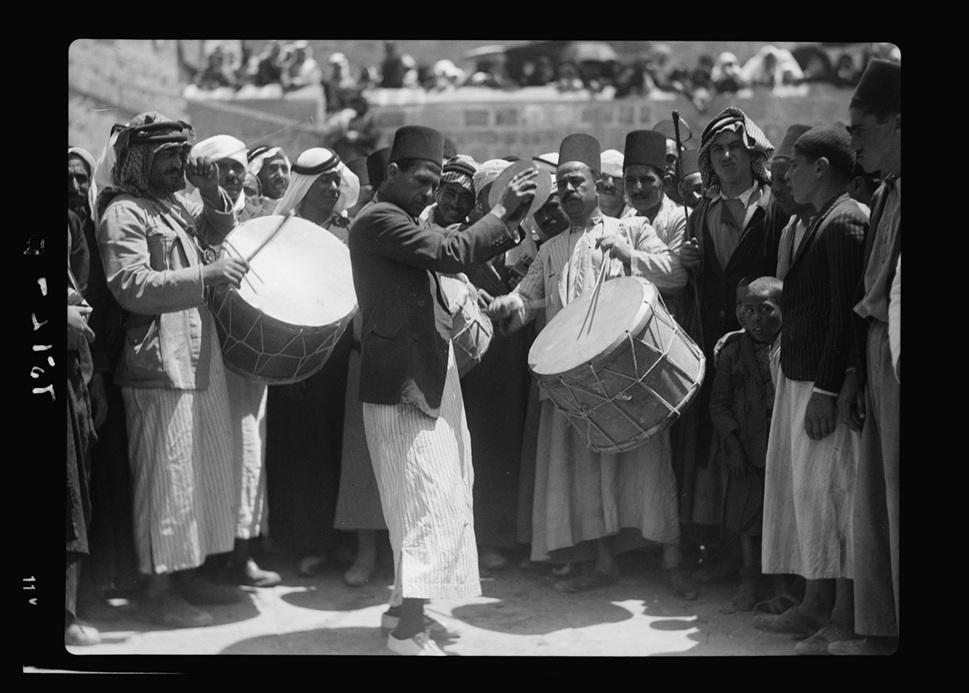
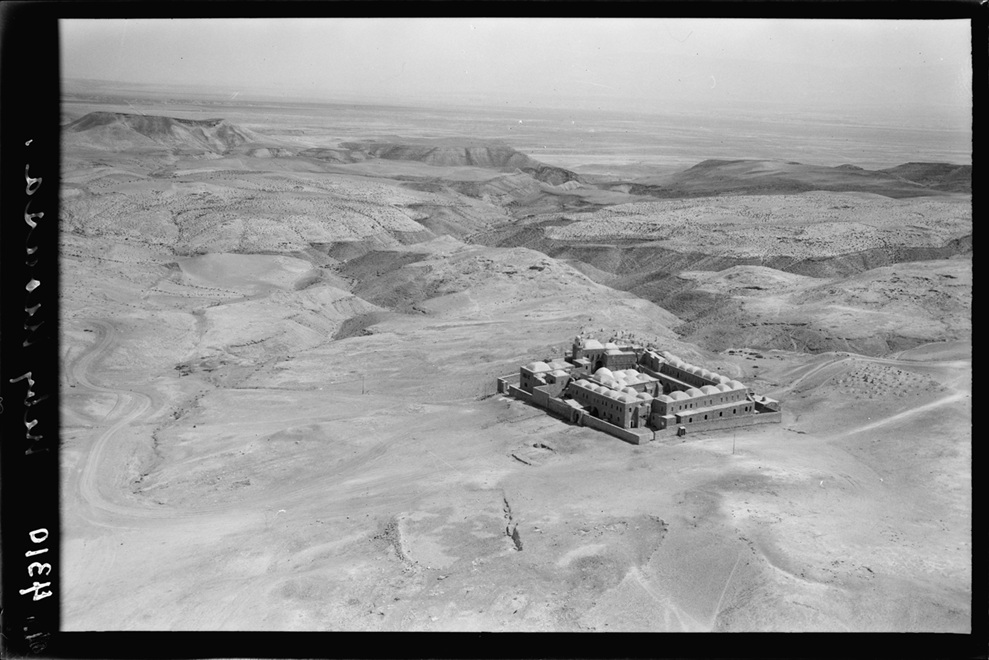
The festival market at Nabi Rubin, with the minaret and stalls visible, south of Jaffa, c. 1920–33. © Library of Congress, G. Eric and Edith Matson Photograph Collection.
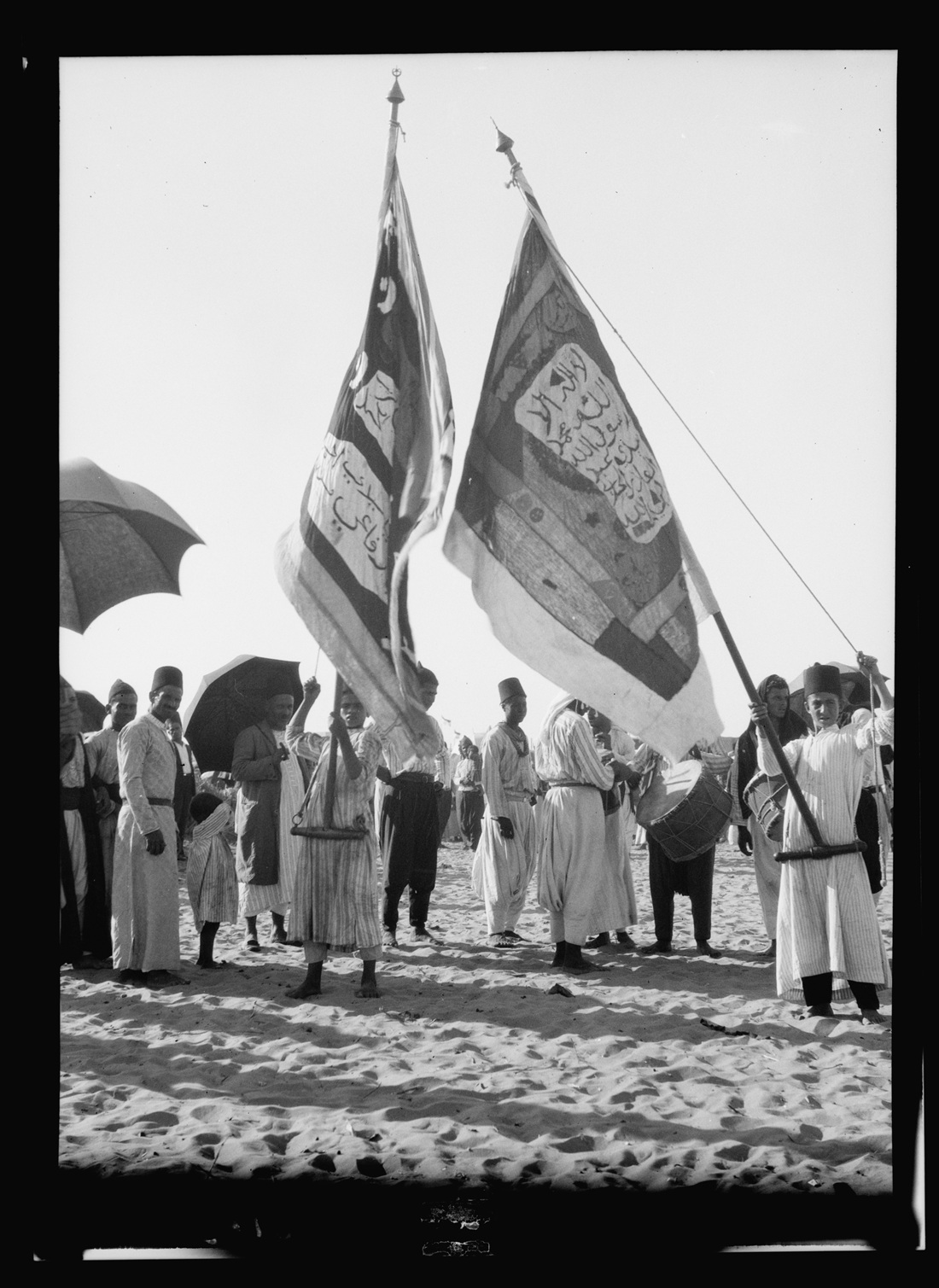
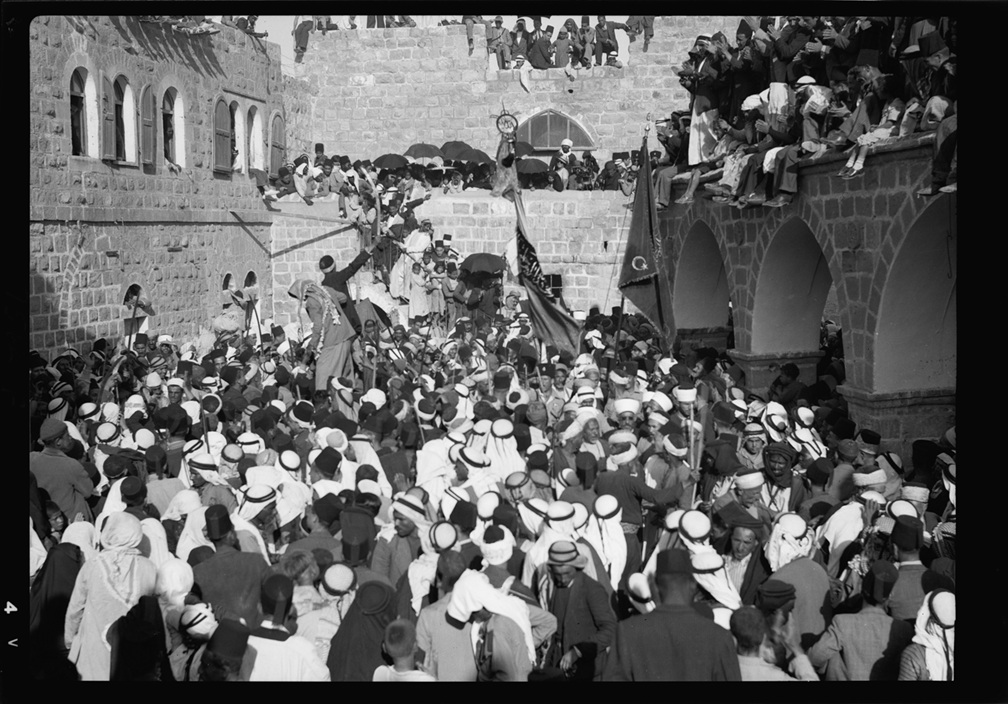
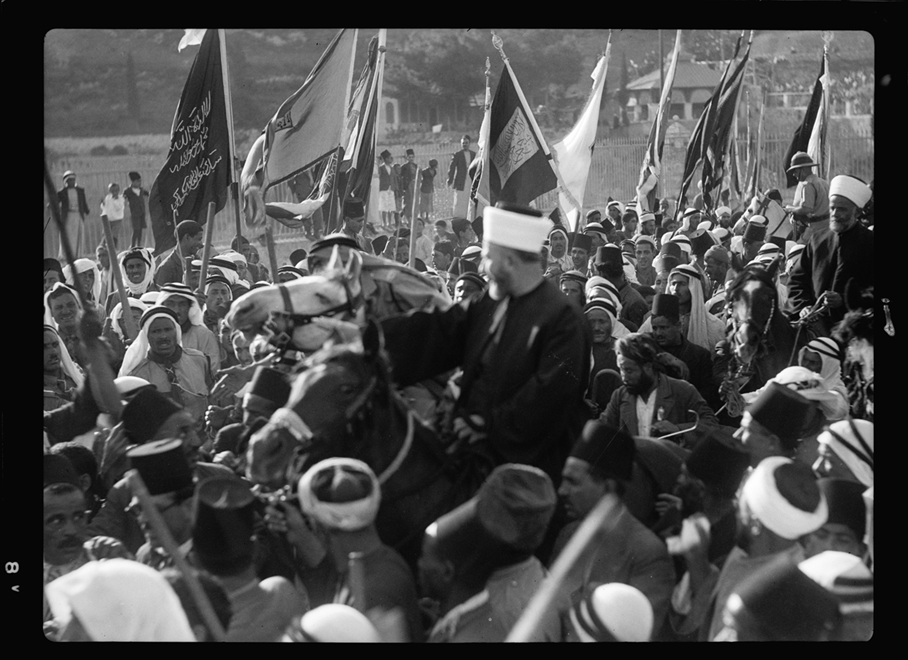
Banners in one of the daily processions at the Nabi Rubin festival, south of Jaffa, c. 1920–33. © Library of Congress, G.Eric and Edith Matson Photograph Collection.
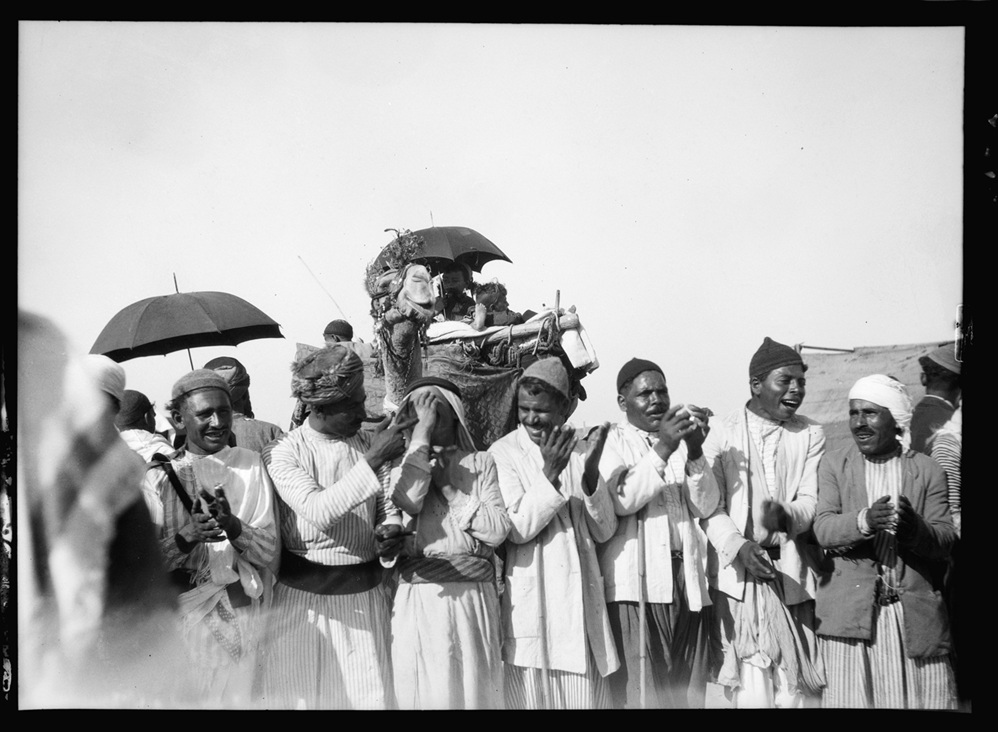
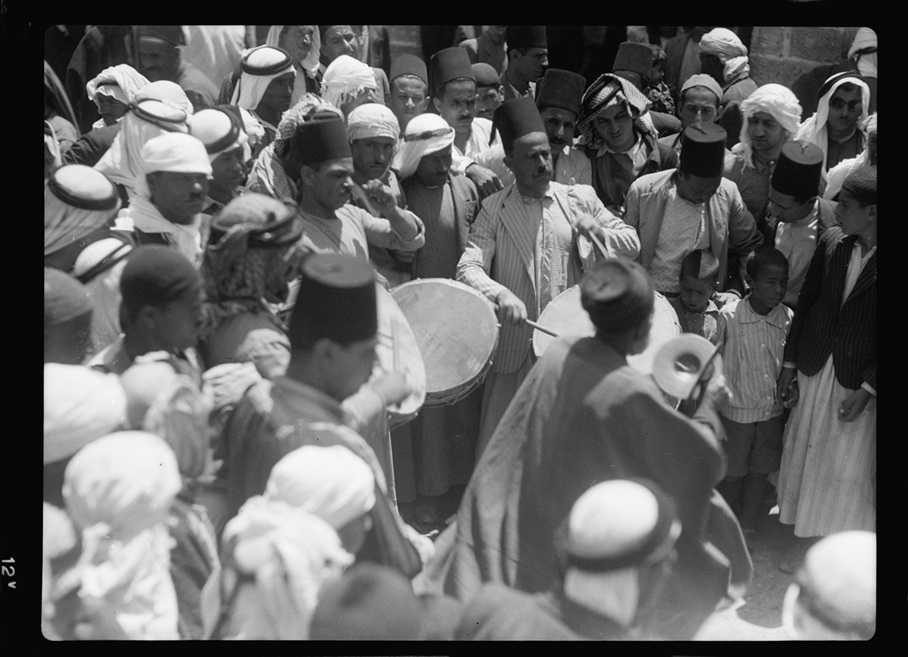
A boy carried in a procession for a circumcision ceremony during the Nabi Rubin festival, south of Jaffa, c. 1920–33. © Library of Congress, G. Eric and Edith Matson Photograph Collection.

A street of tents at the Nabi Rubin festival, part of the temporary town set up each year to receive thousands of visitors, south of Jaffa, c. 1920–33. © Library of Congress, G. Eric and Edith Matson Photograph Collection.
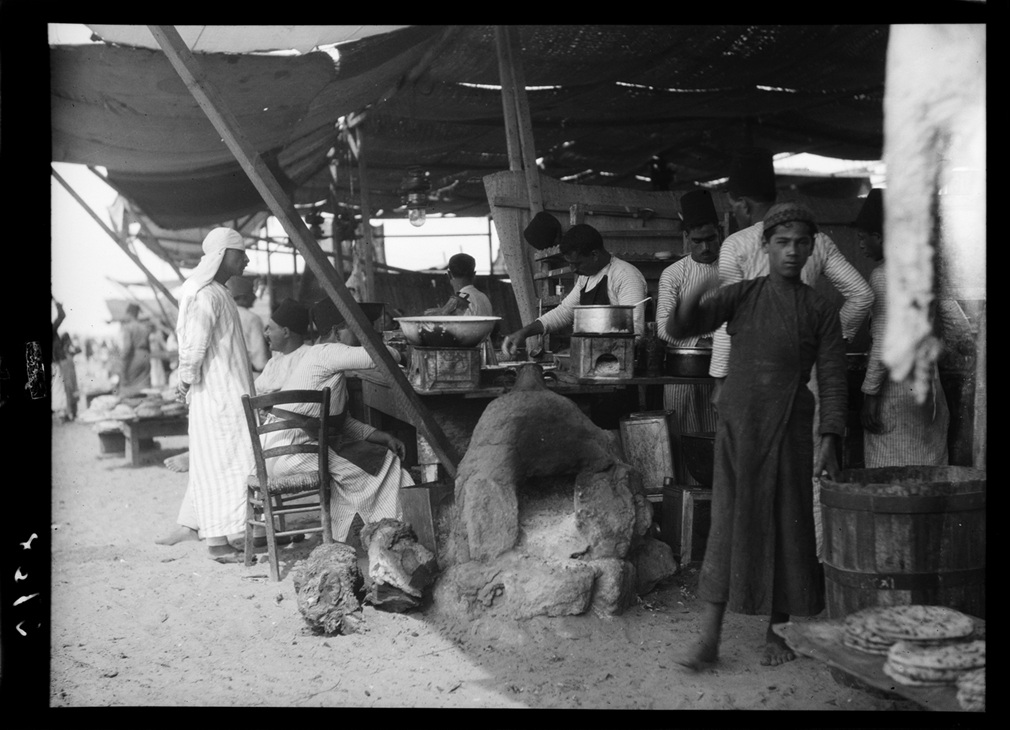
Food being prepared and sold at a temporary restaurant during the Nabi Rubin festival, south of Jaffa, c. 1920–33. © Library of Congress, G. Eric and Edith Matson Photograph Collection.
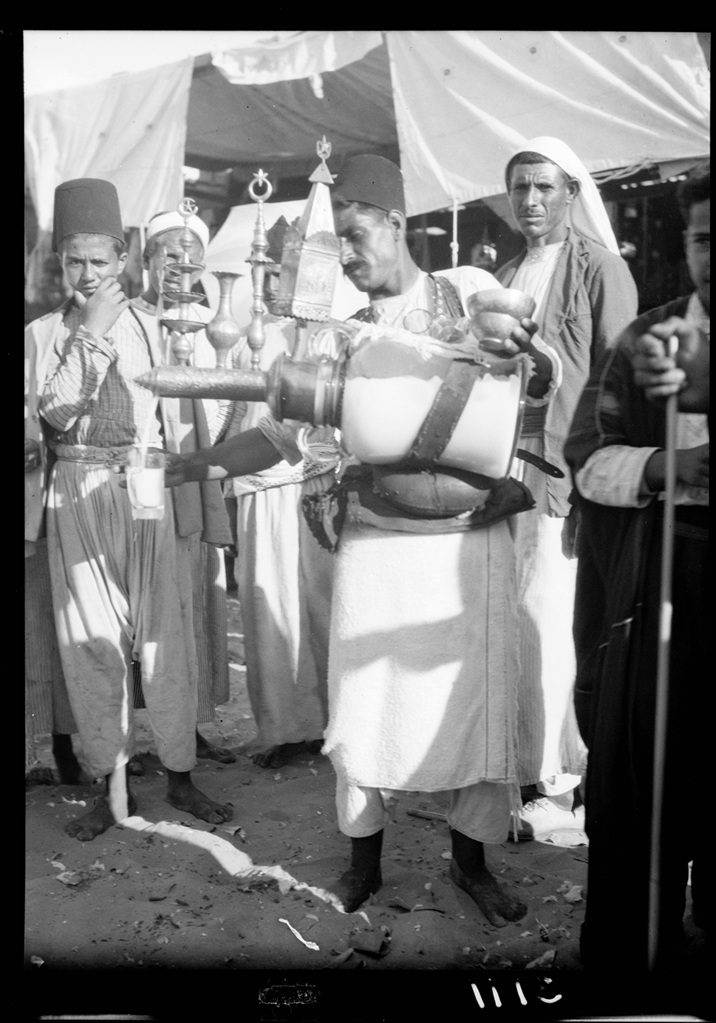
Lemonade vendor at the Nabi Rubin festival, south of Jaffa, c. 1920–33. © Library of Congress, G. Eric and Edith Matson Photograph Collection.
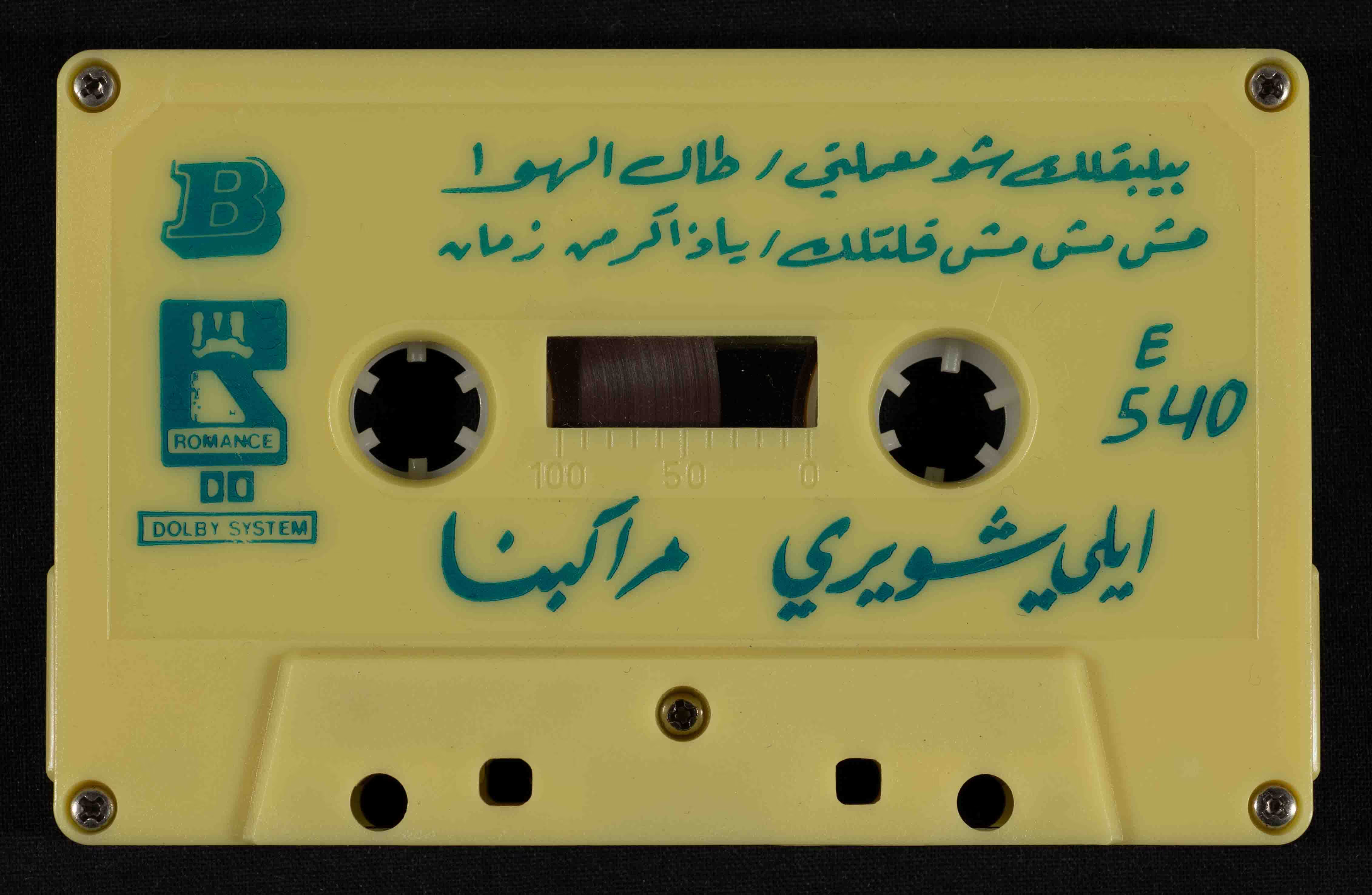
A Groom’s Zaffa in Qalansuwa, 1980s, video, 20 second, Jawad Maali Collection, the Palestinian Museum Digital Archive.
The 1980s footage shows a groom’s zaffa in the village of Qalansuwa, in the 1948 Palestinian territories, where young men and elders perform Palestinian dabke to traditional popular music in al-Bayader Square as villagers gather for the procession and shared celebration.
A Palestinian Wedding in New York, 1990s, video, 21 seconds, Jawad Maali Collection, the Palestinian Museum Digital Archive.
Women from Beit Hanina, dressed in Palestinian thobes, sing traditional wedding songs from memory at a Palestinian wedding in New York in the 1990s. As the wedding rites unfold, they follow inherited melodies, sharing the singing and repeated lines among them. They belong to one of the last generations to have preserved this repertoire and performed it in its traditional form.
Wedding Artworks
An original , a traditional double-pipe wind instrument widely used in Levantine folk music. Typically associated with rural celebrations and Dabke performances, the yarghoul produces a continuous drone alongside a melodic line. This piece reflects the enduring presence of oral musical heritage in Palestinian cultural identity.
Funeral Artworks
An original , a traditional double-pipe wind instrument widely used in Levantine folk music. Typically associated with rural celebrations and Dabke performances, the yarghoul produces a continuous drone alongside a melodic line. This piece reflects the enduring presence of oral musical heritage in Palestinian cultural identity.
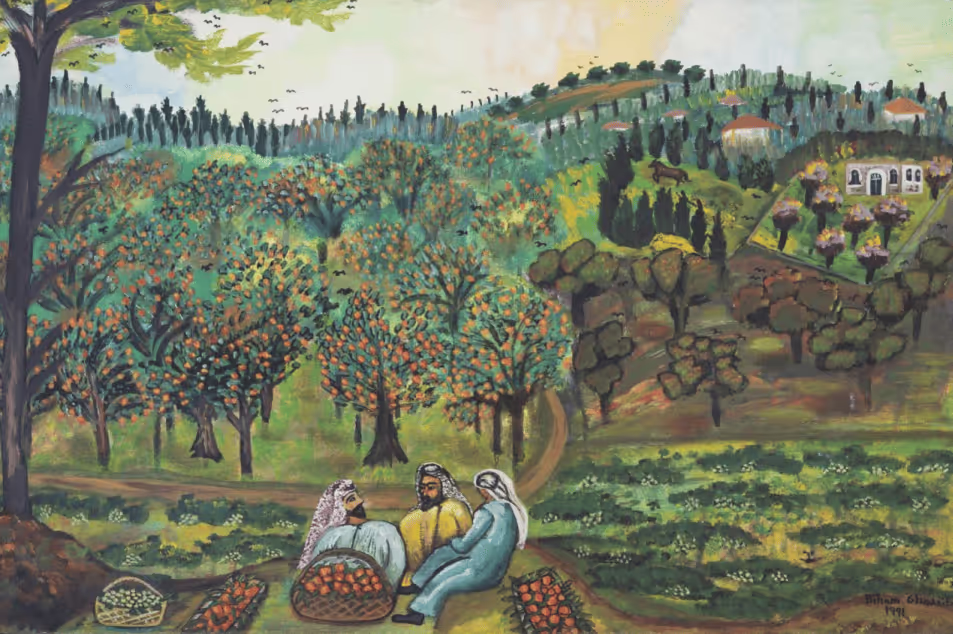
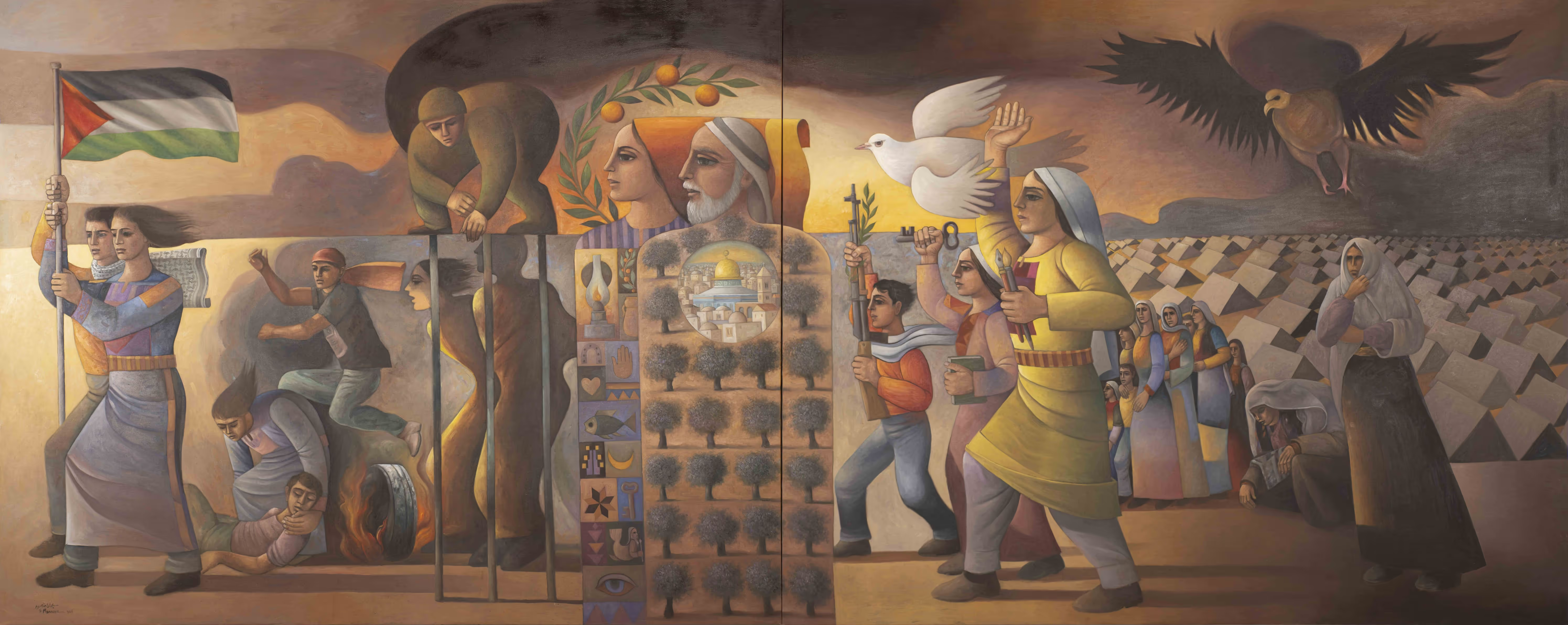
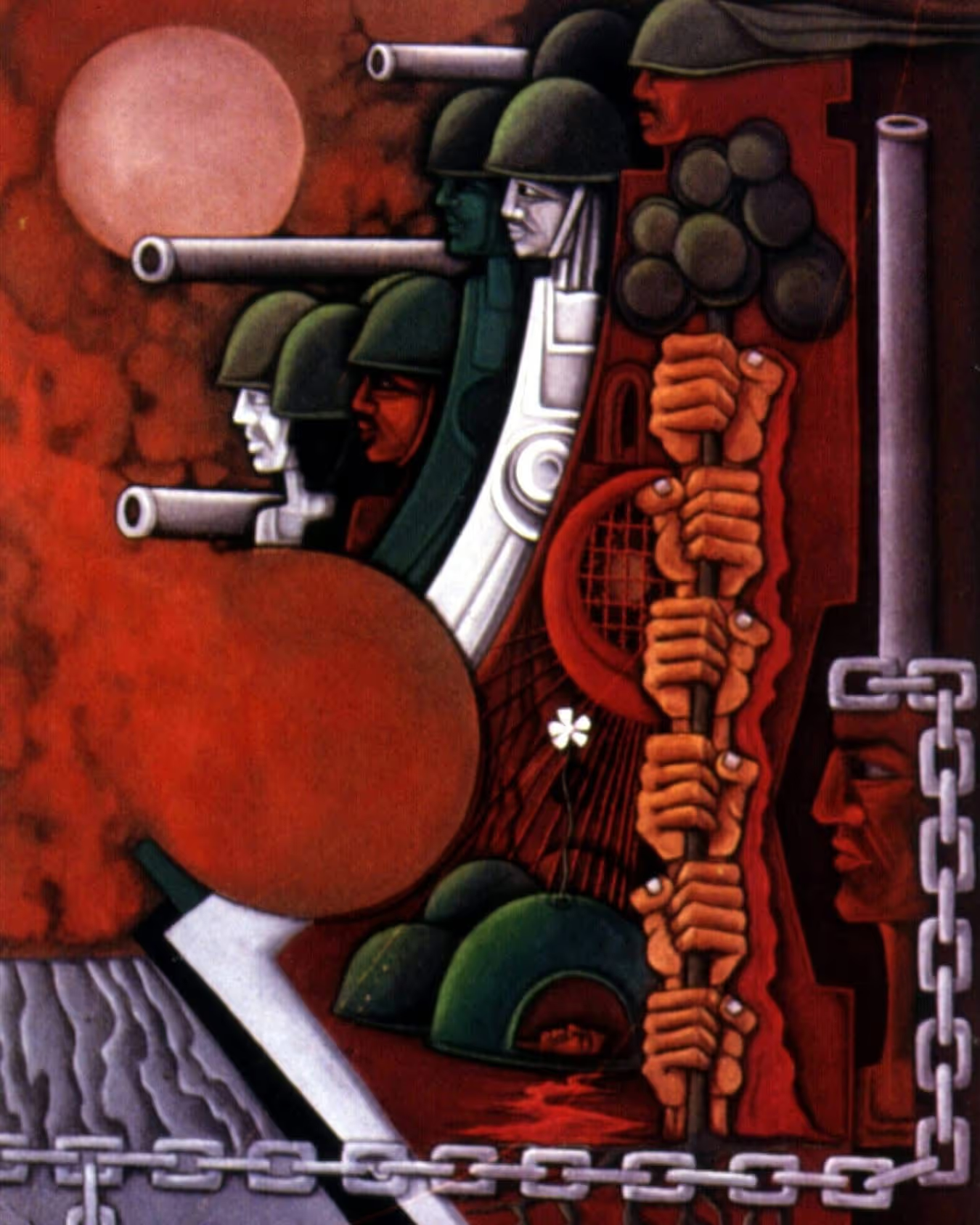
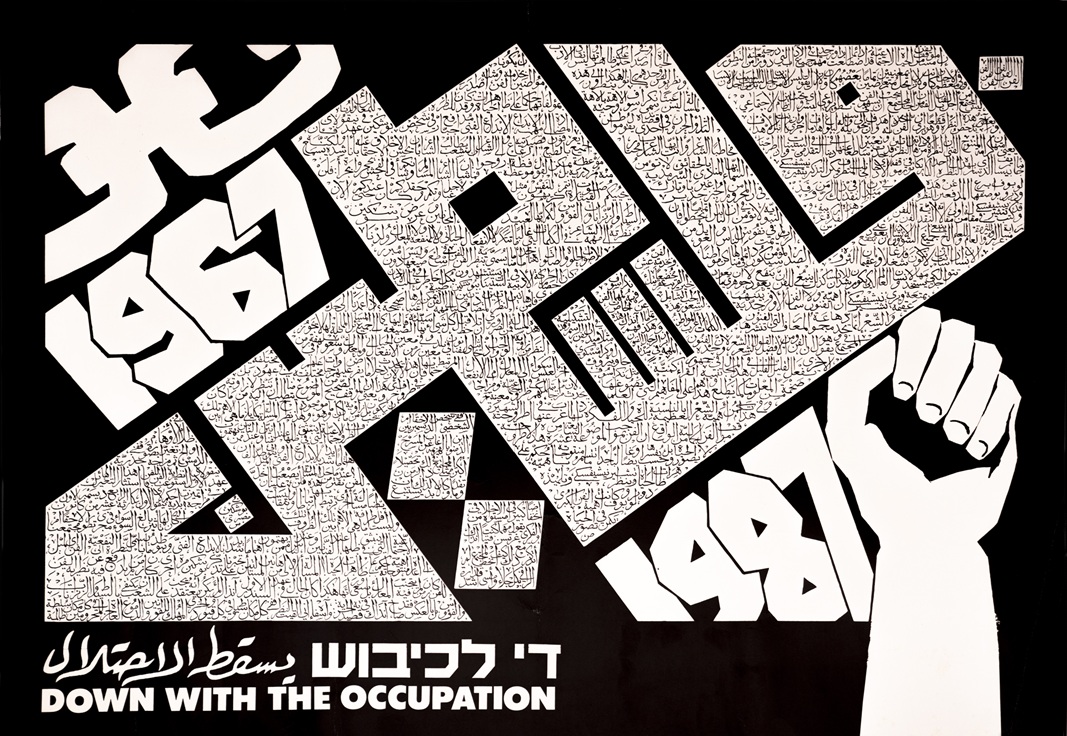
Riham Ghassib, "Untitled", 1991. Mixed media on canvas, 76 × 51 cm. The Palestinian Museum Permanent Collection.
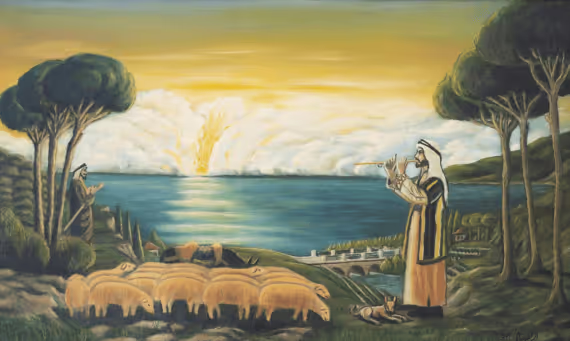
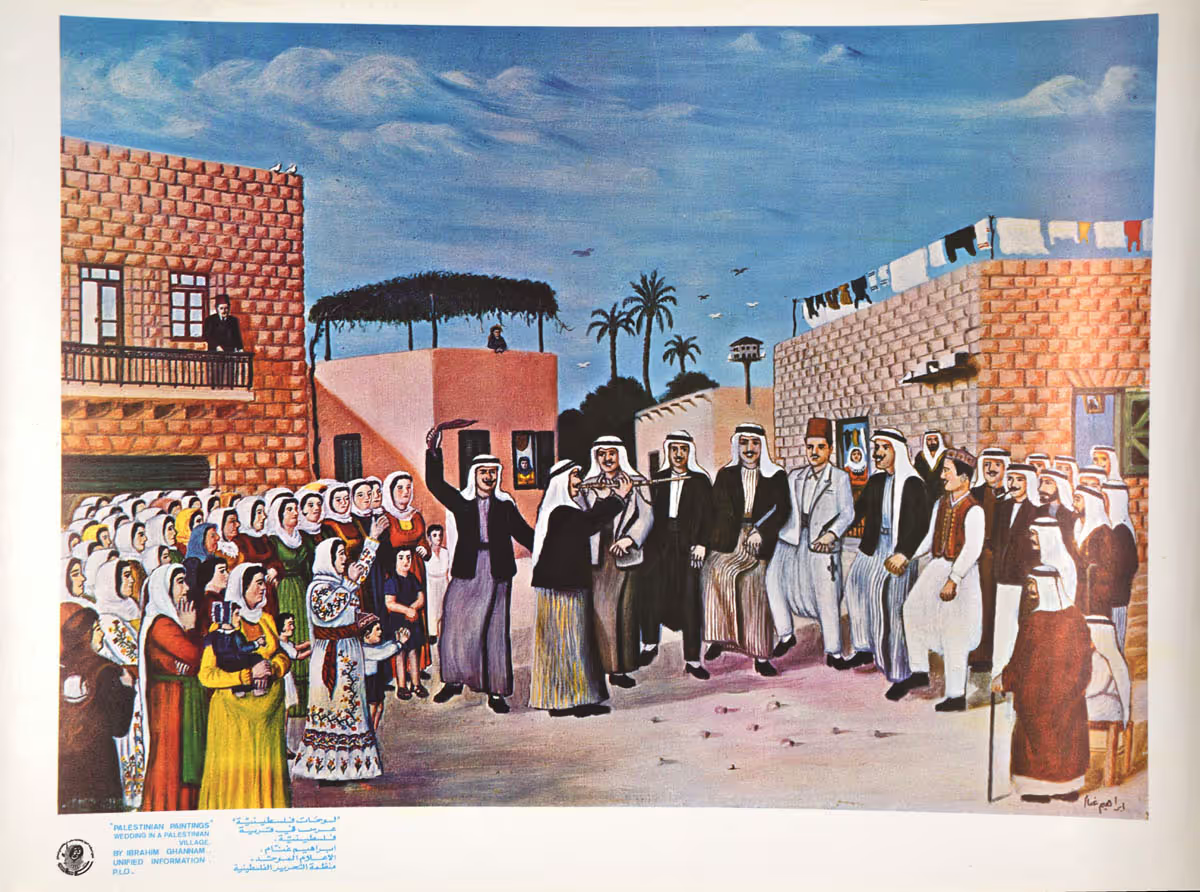
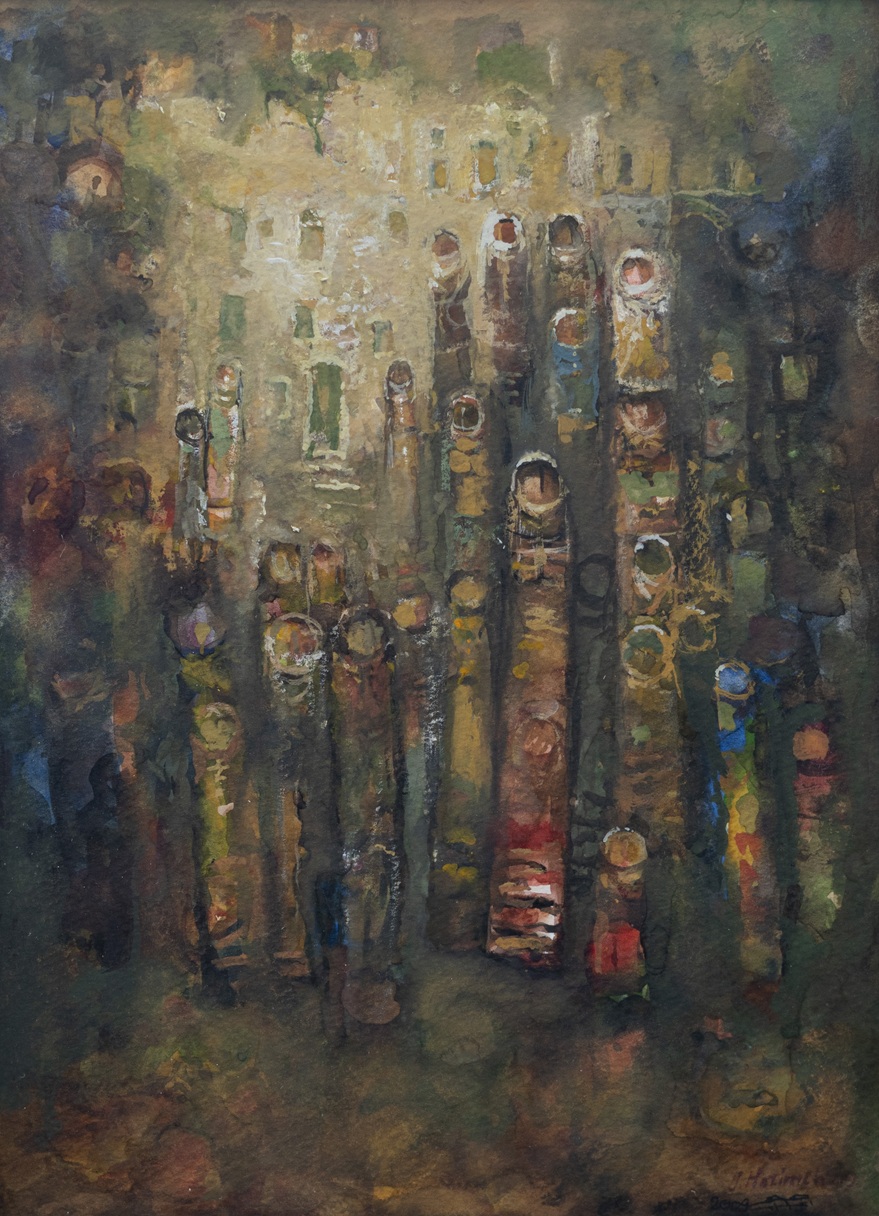
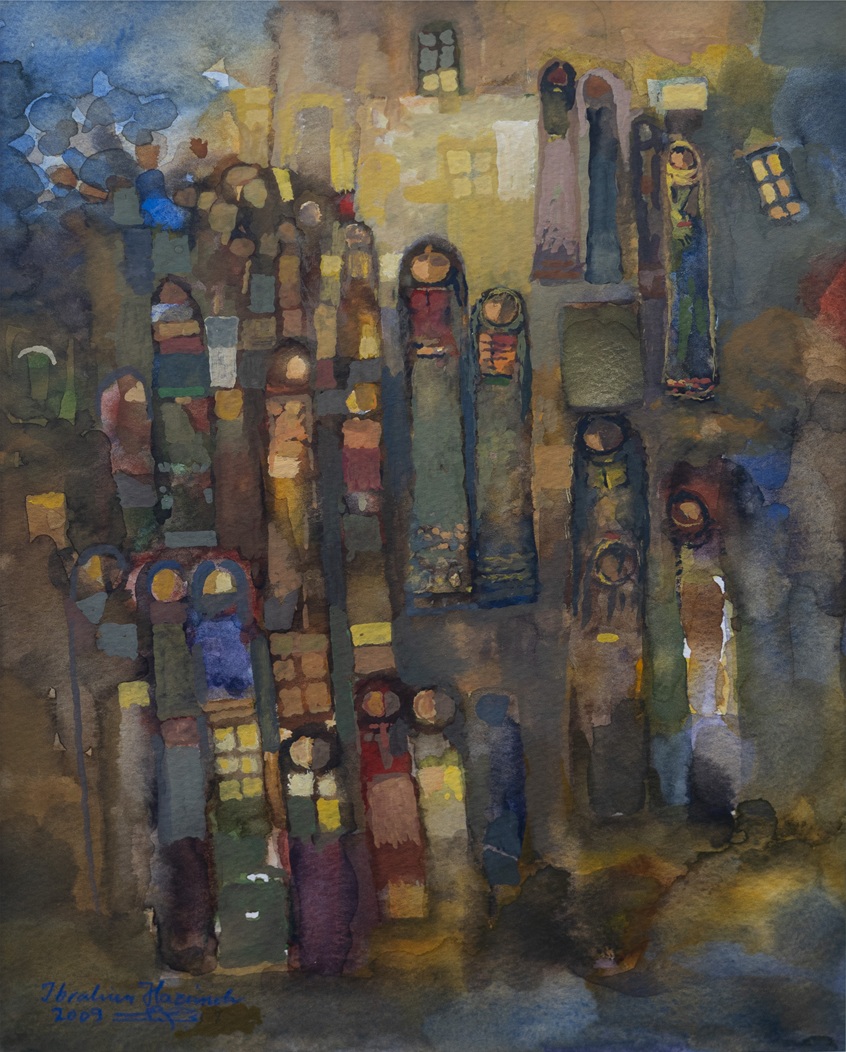
Ibrahim Ghannam, "Untitled", 1970. Oil on canvas, 75 × 45 cm. Courtesy of the Galia and Omar al-Qattan Collection.

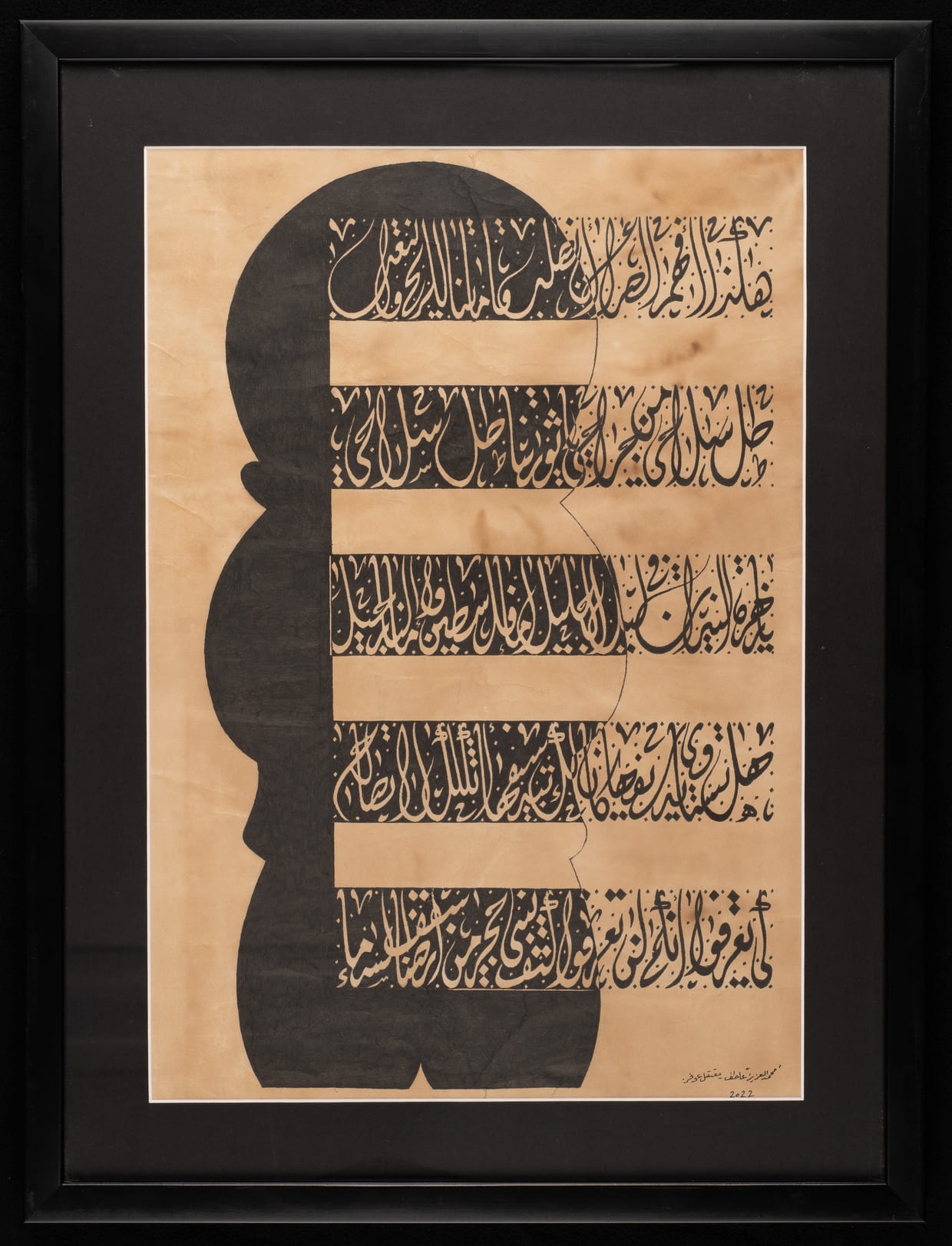
Abdul Hay Mosallam, "The Bride’s Chest", 1991. Acrylic and sawdust on wood, 107 × 78 cm. Courtesy of the George al-Ama Collection.
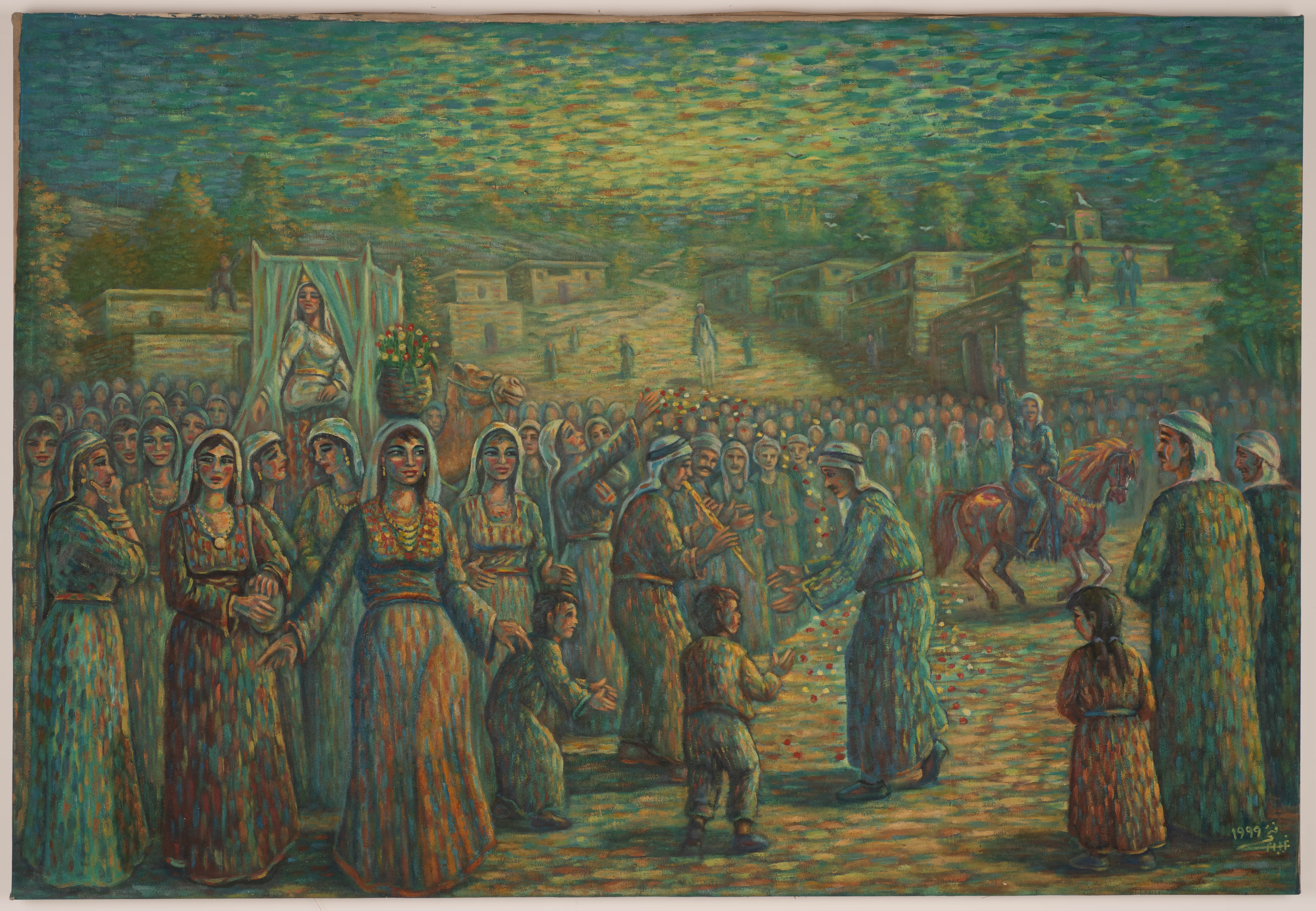
Fathi Ghaben, "The Palestinian Wedding", 1999. Oil on canvas, 143 × 97 cm. Courtesy of the Al-salam Gallery Collection.

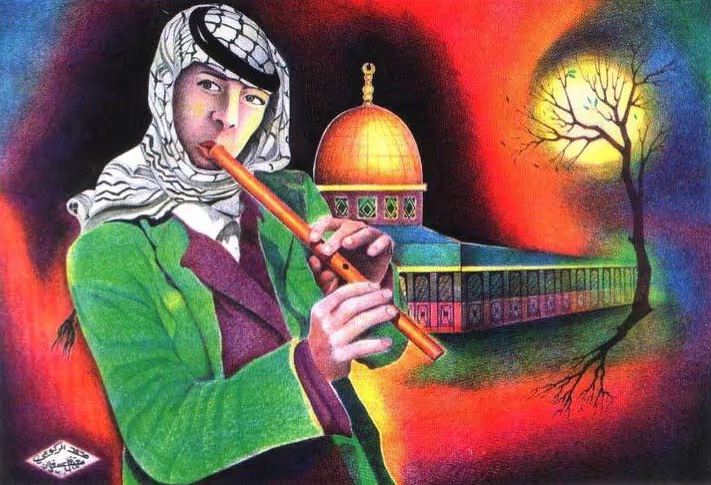
Sliman Mansour, "Tunes of Jerusalem", 1985. Oil on canvas, 80 × 100 cm. Courtesy of the Brigitte and Charlie al-Ama Collection.

Mustafa al-Hallaj, "The Martyr", 1969. Masonite engraving, 95 × 44 cm. Courtesy of the Ghalia and Omar al-Qattan Collection.

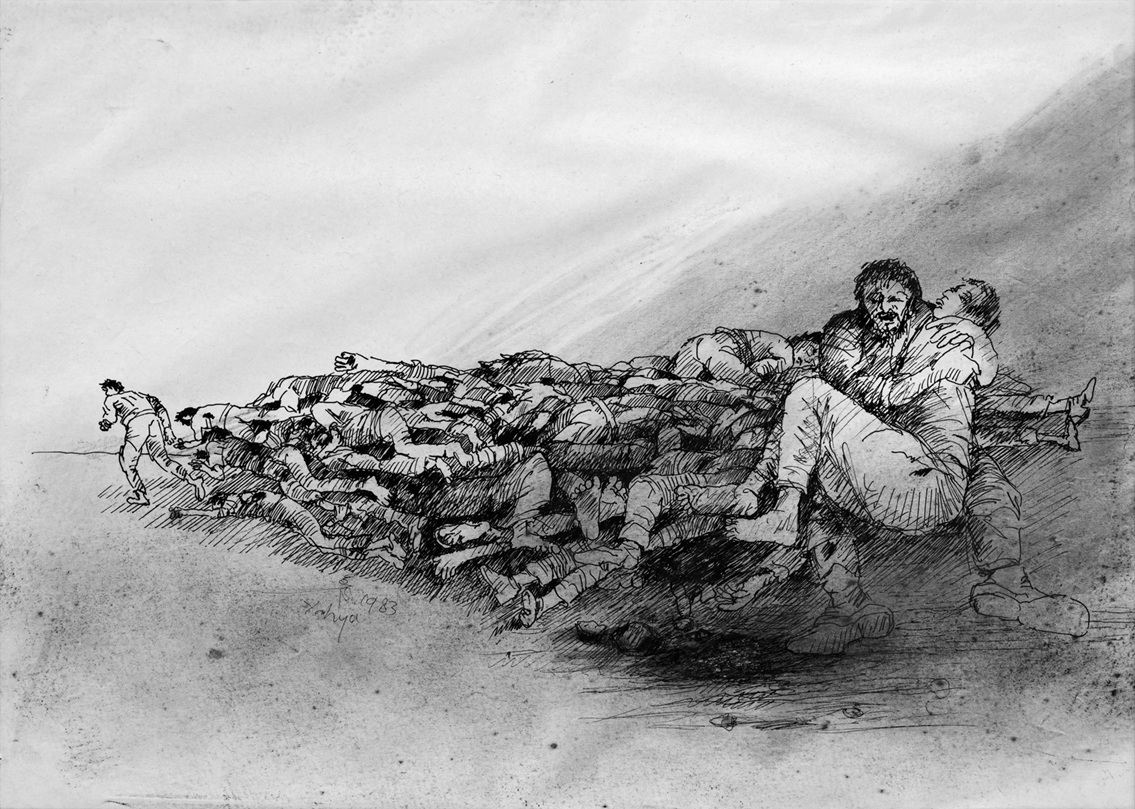
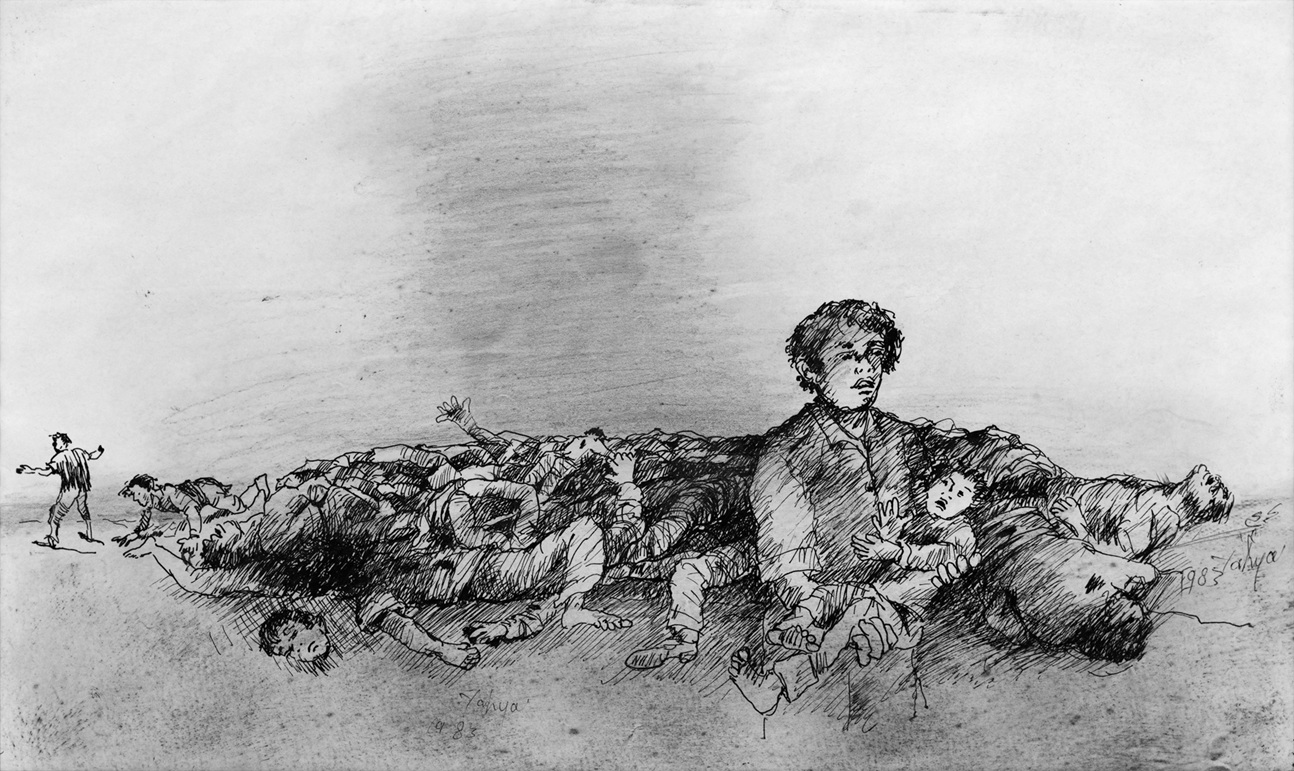
Ibrahim Abu-Rub, "Al-Shahid (The Martyr)", 1980. Oil on canvas, 79 × 103 cm. The Palestinian Museum Permanent Collection.
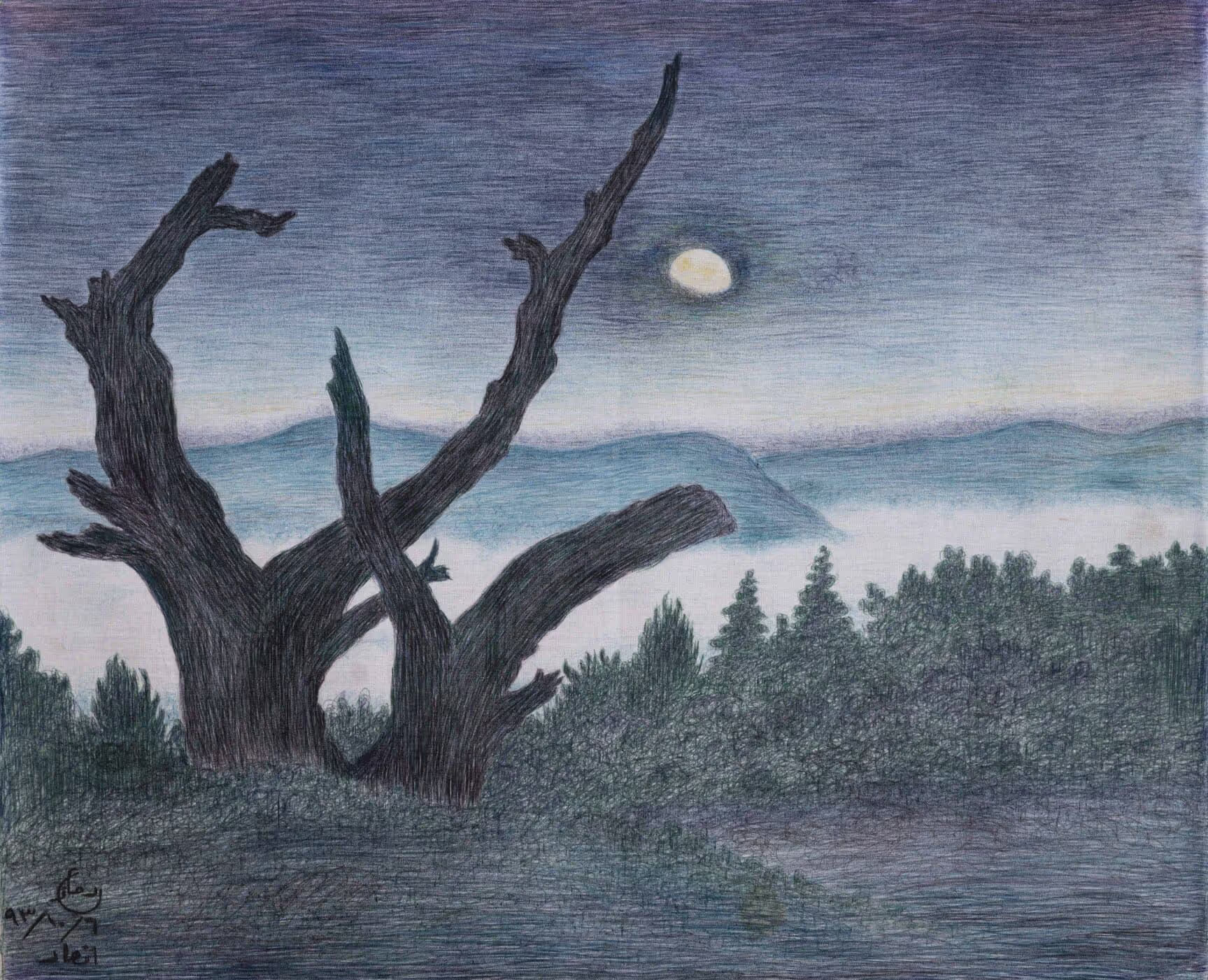
Remaz Alaraj, "Ansar", 1993. Ballpoint pen on fabric (pillowcase). Courtesy of the George al-Ama Collection.

Faten Toubasi, "The Martyr", 1989. Oil on canvas. Courtesy of the Faten Toubasi Collection.

Abed Abdi, "The Martyr", 1977. Pastel and gouache on cardboard, 78 × 58 cm. Courtesy of the George al-Ama Collection.

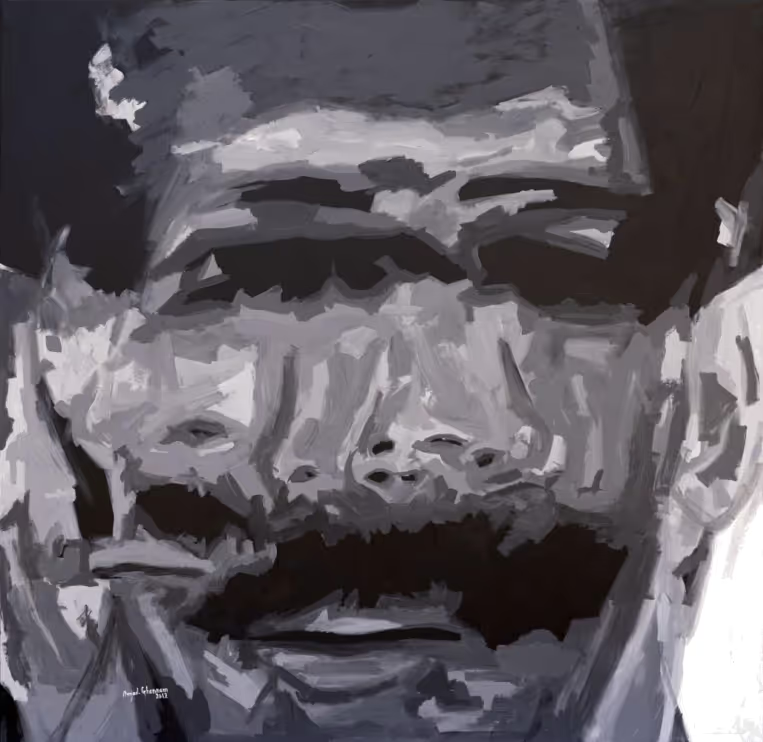
Naji al-Ali, "Untitled", 1980. Ink and mixed media on paper, 37 × 53 cm. Courtesy of the Ghalia and Omar al-Qattan Collection.
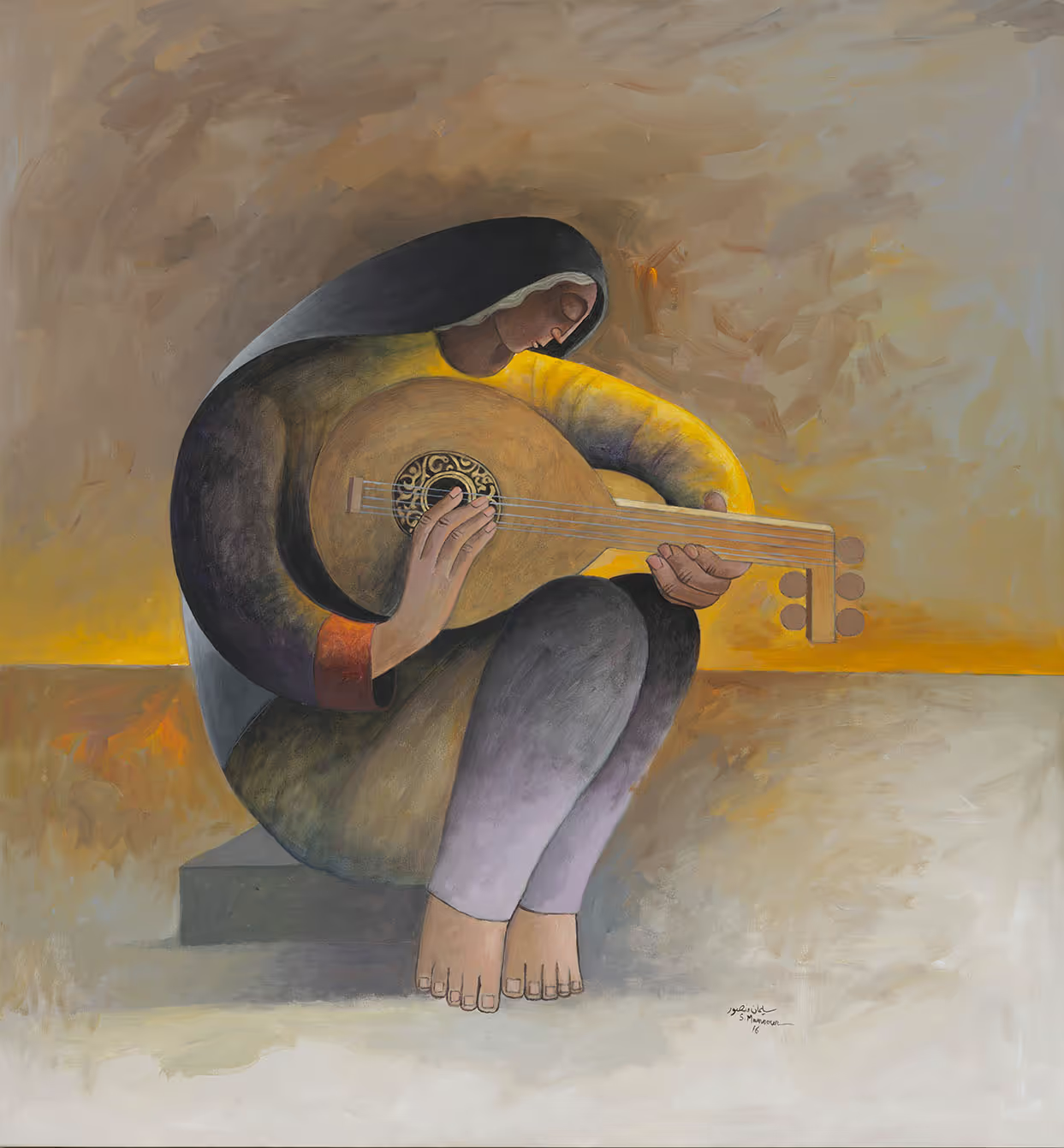
Sliman Mansour, "Jerusalem That Remains", 2016. Oil on canvas, 102 × 131 cm. Courtesy of the Yara Odeh Collection.
Lina Hassan Misbah Nabulsi
Born in Nablus in 1961, Lina Hassan Misbah Nabulsi was fifteen when, on 16 May 1976, the day after the Nakba anniversary, she led a student demonstration from Aishiyyah Secondary School for Girls into the city streets. Israeli occupation forces suppressed the protest. As Lina tried to take shelter in a nearby building, a soldier followed her and shot her at close range. She was martyred that day.
Palestinian memorial accounts place Lina as the second among Nablus’s martyred women and girls, after Shadia Abu Ghazaleh (1968), and as the second in the West Bank to be killed by Israeli occupation fire after 1967, following Muntaha al-Hourani of Jenin (1975). Her martyrdom reverberated across Nablus, and her funeral became one of the moments through which the city gave public form to its grief and political consciousness in the 1970s. That same year, remembrance also took armed form: On 18 October 1976, the Democratic Front for the Liberation of Palestine carried out a fedayeen operation in her name in the al-Jiftlik area; three fedayeen were martyred and several Israeli occupation soldiers were wounded.Lina’s memory did not remain confined to the record of her death. Artists returned to her image in paintings and posters, among them Sliman Mansour and Kamel Mughanni; her name was carried into song and poetry. Through these repeated acts of remembrance, Lina became an emblem of Palestinian student martyrs: the schoolgirl in her green-and-white uniform whose face came to hold the memory of a generation of boys and girls who stepped from the classroom into the street.
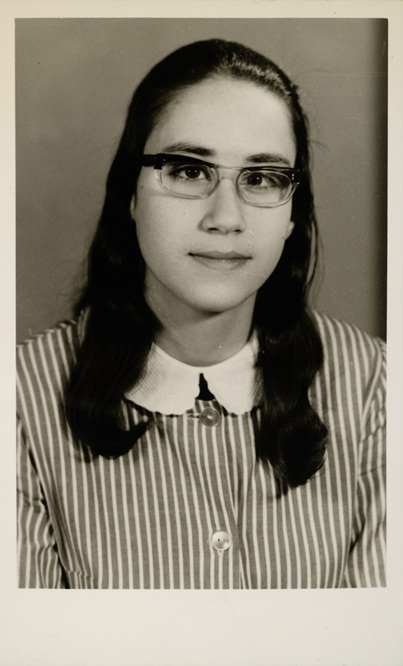
Lina Nabulsi in school uniform, 1973. Lina Nabulsi Collection, the Palestinian Museum Digital Archive.

“Bride of the Homeland”, a poster issued by El-Arabi Office, Acre, in 1976, featuring a reproduction of Sliman Mansour’s “Bride of the Homeland: Lina Nabulsi” (1976). Lina Nabulsi Collection, the Palestinian Museum Digital Archive.
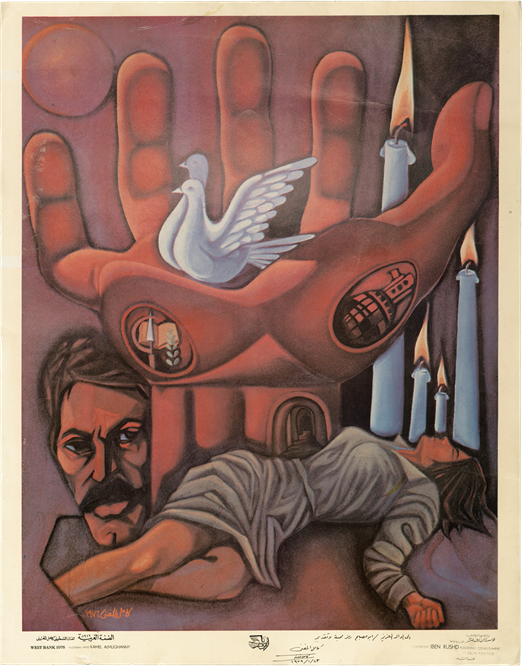
Poster issued by Iben Rushd Publishing and Distribution, featuring a painting by Kamel Mughanni of the martyr Lina Nabulsi. Mughanni signed and framed the poster before sending it to Lina’s father on 23 January 1979. Lina Nabulsi Collection, the Palestinian Museum Digital Archive.
Interview with Sliman Mansour on Lina Nabulsi. Video, 3 minutes 22 seconds. Produced by the Palestinian Museum.
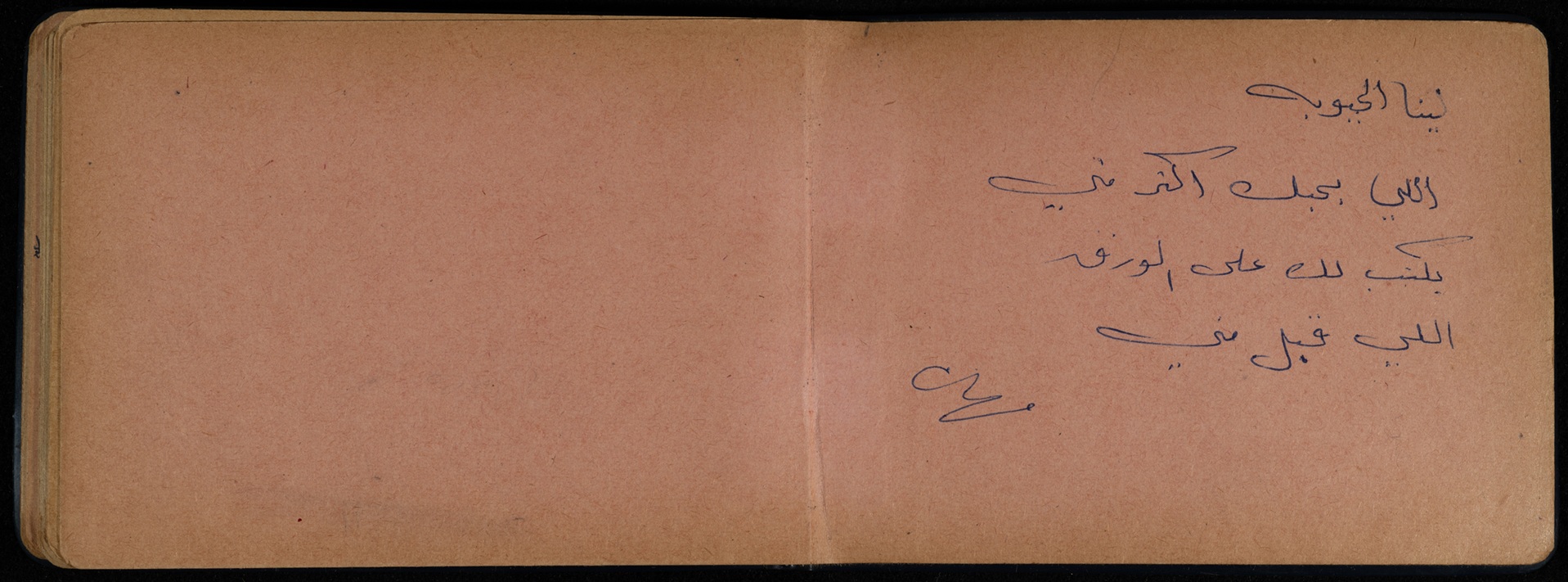

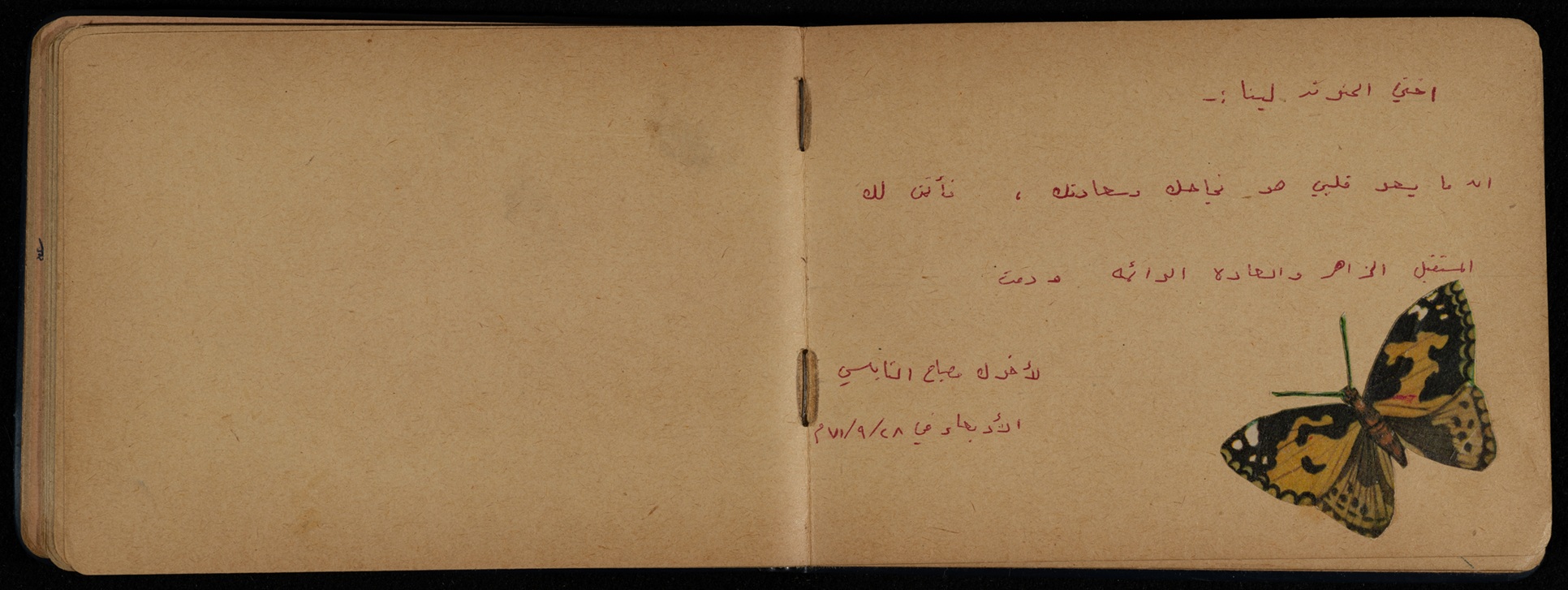

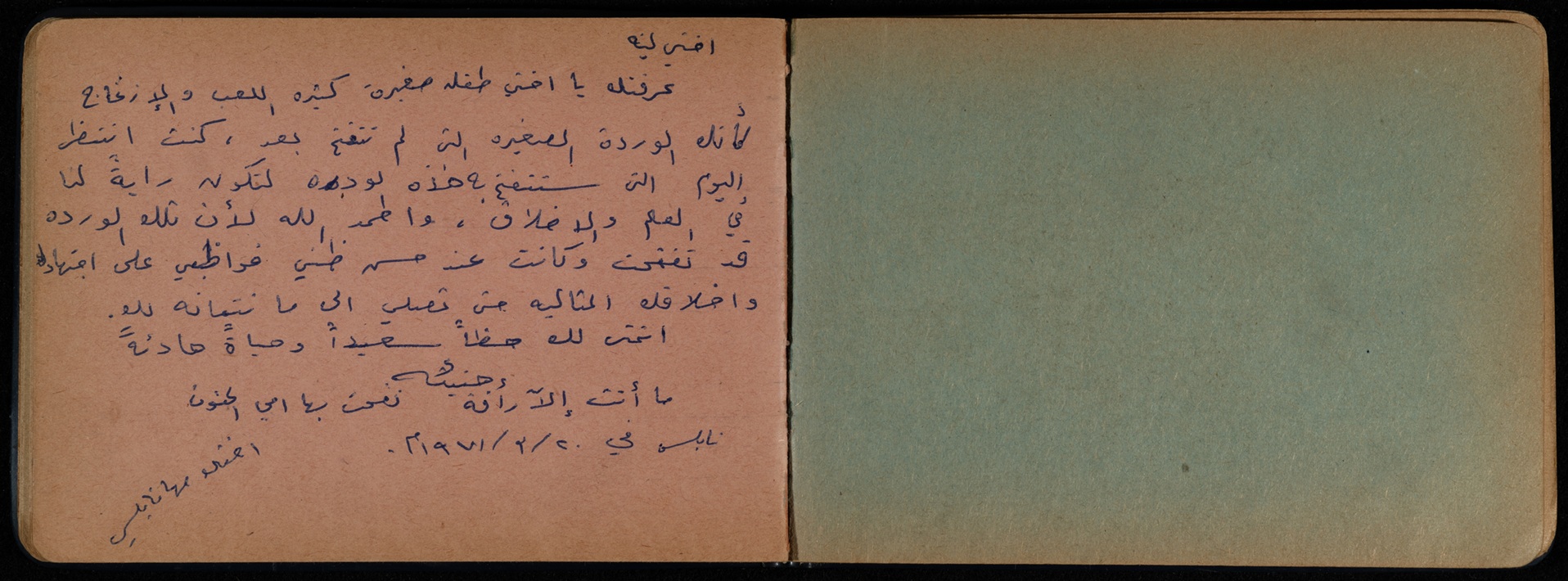
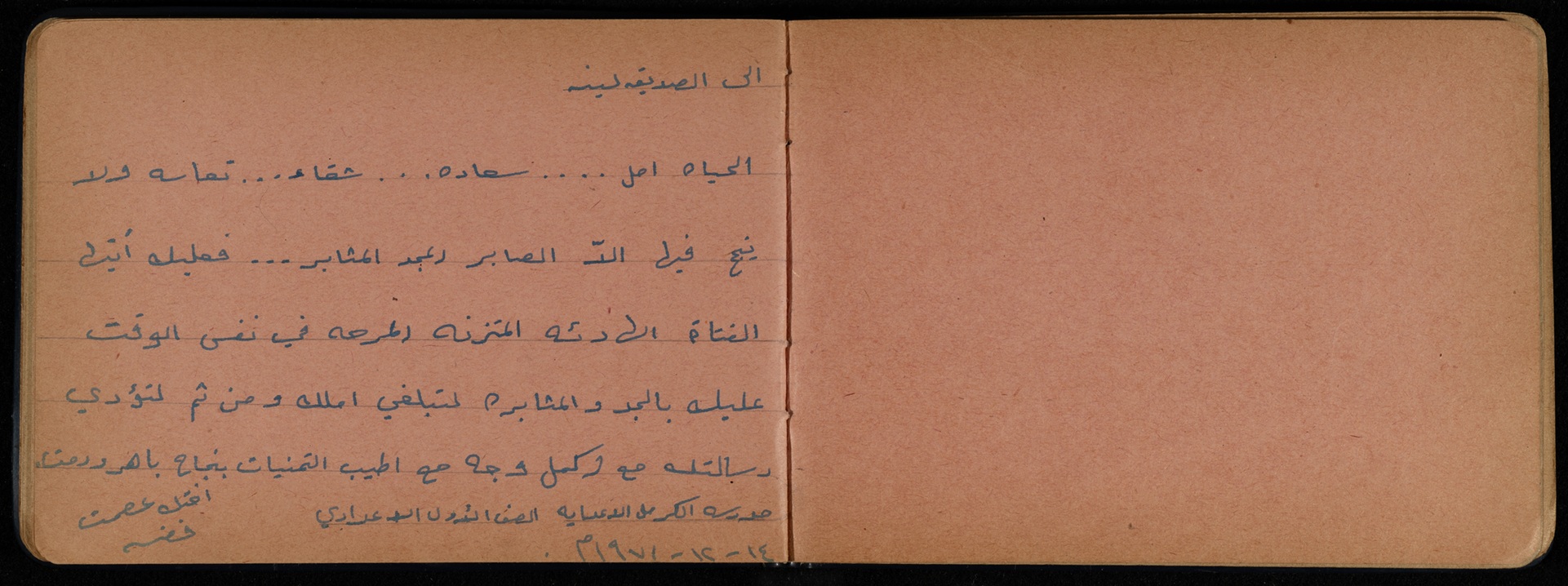
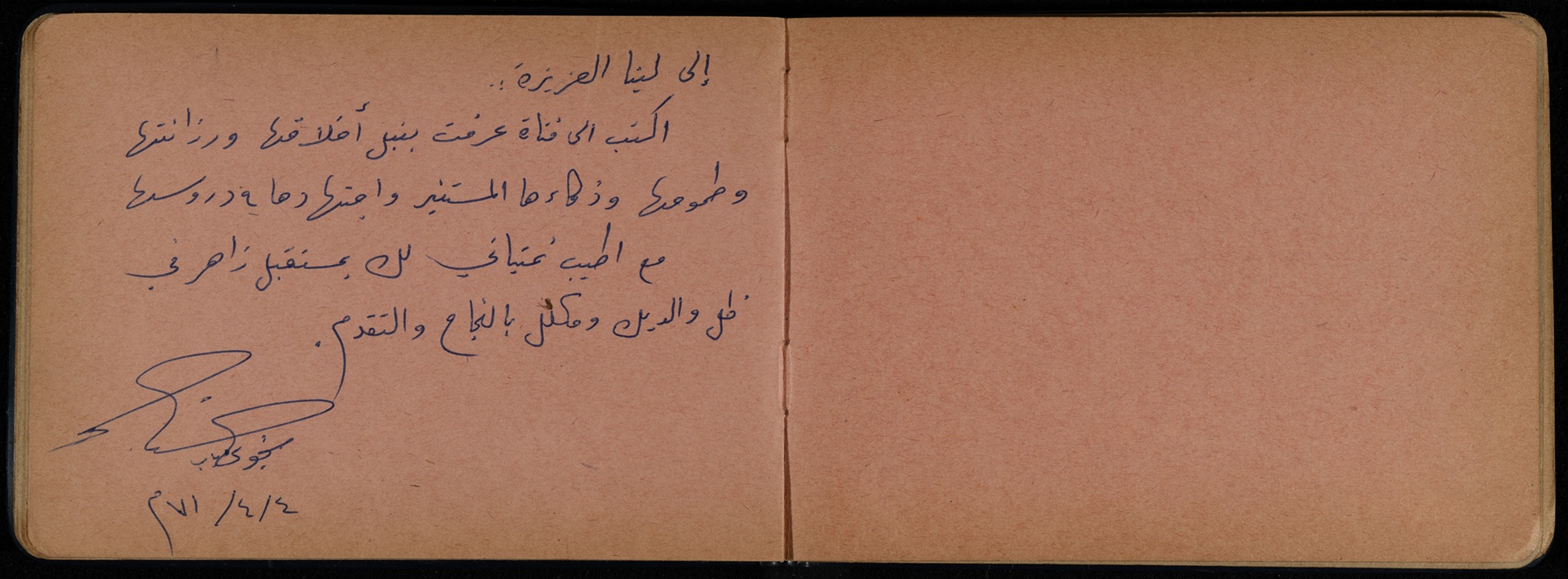
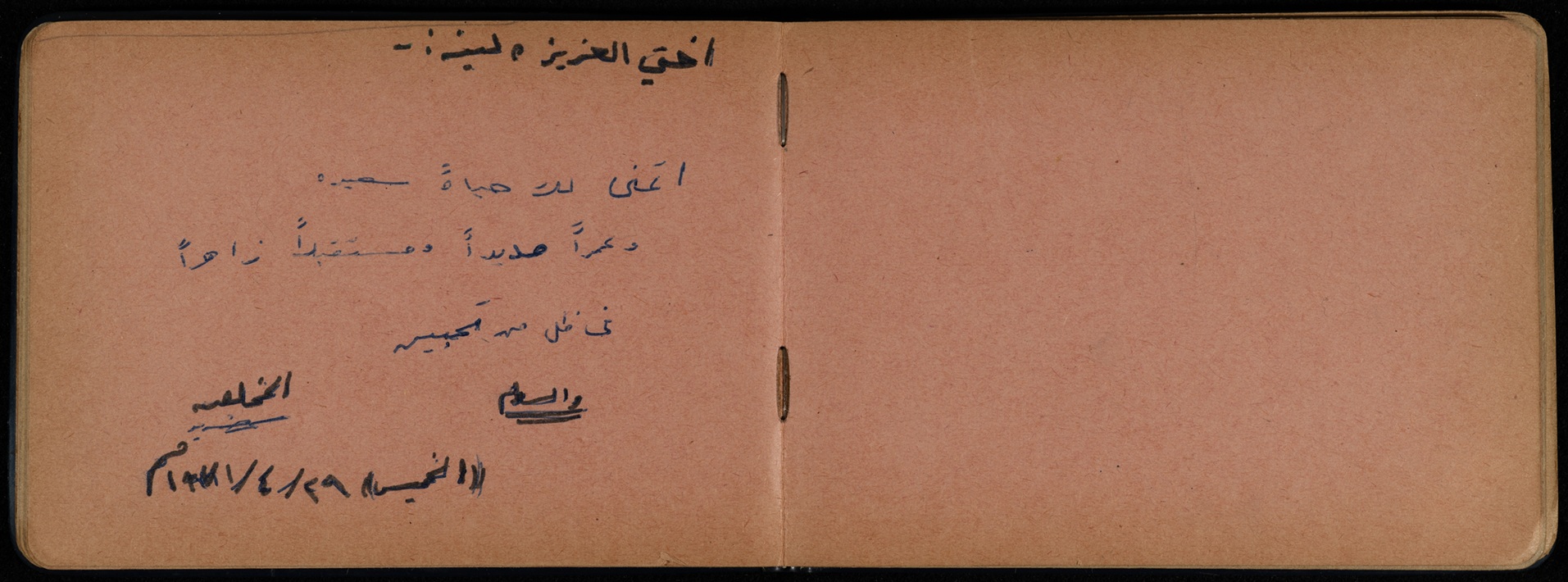
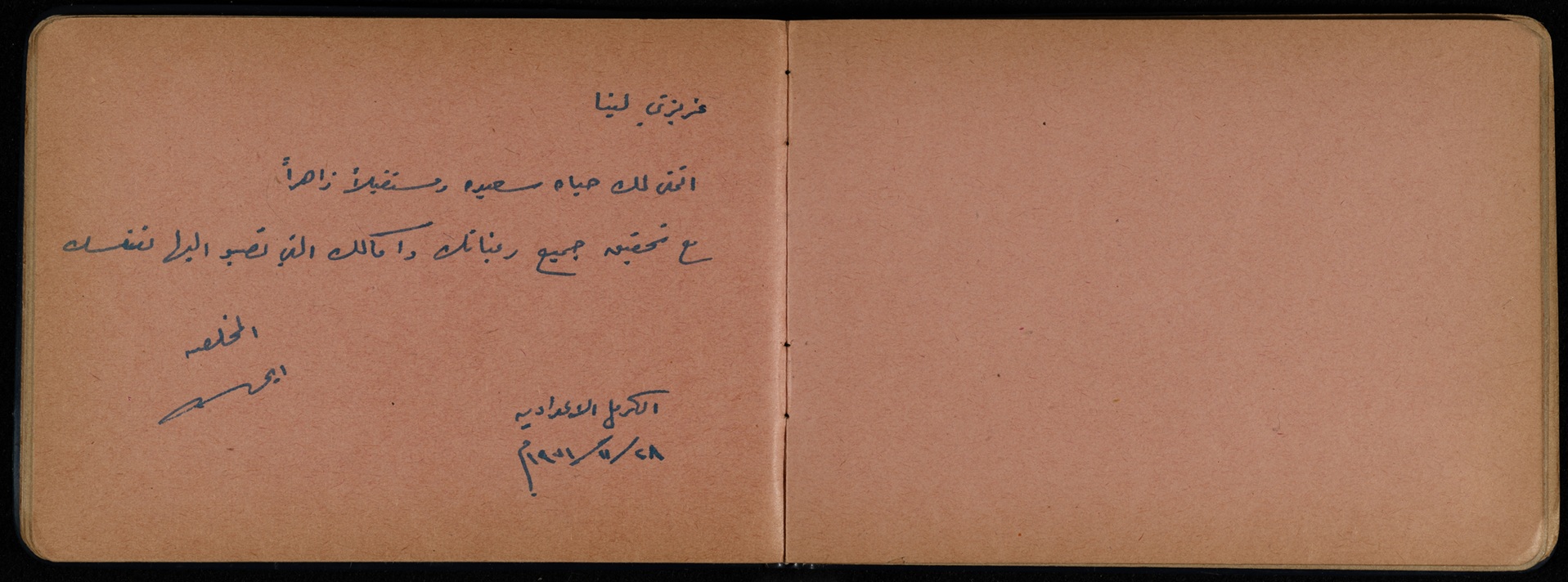
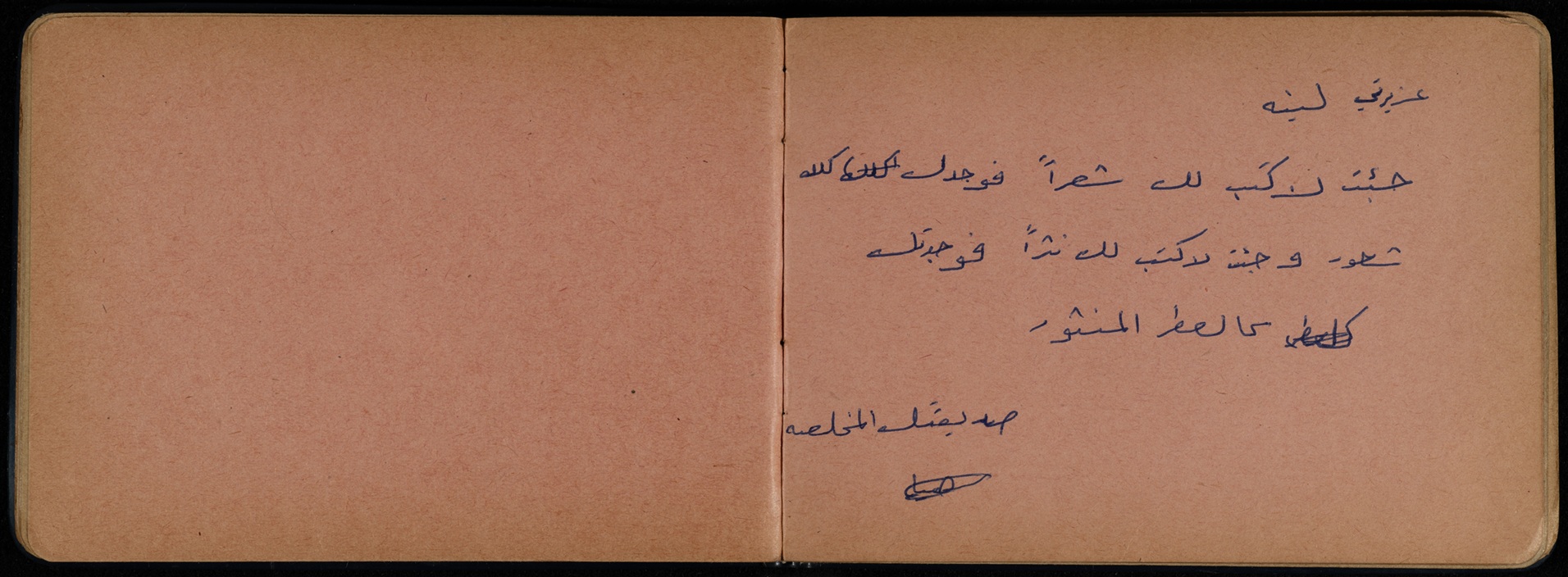
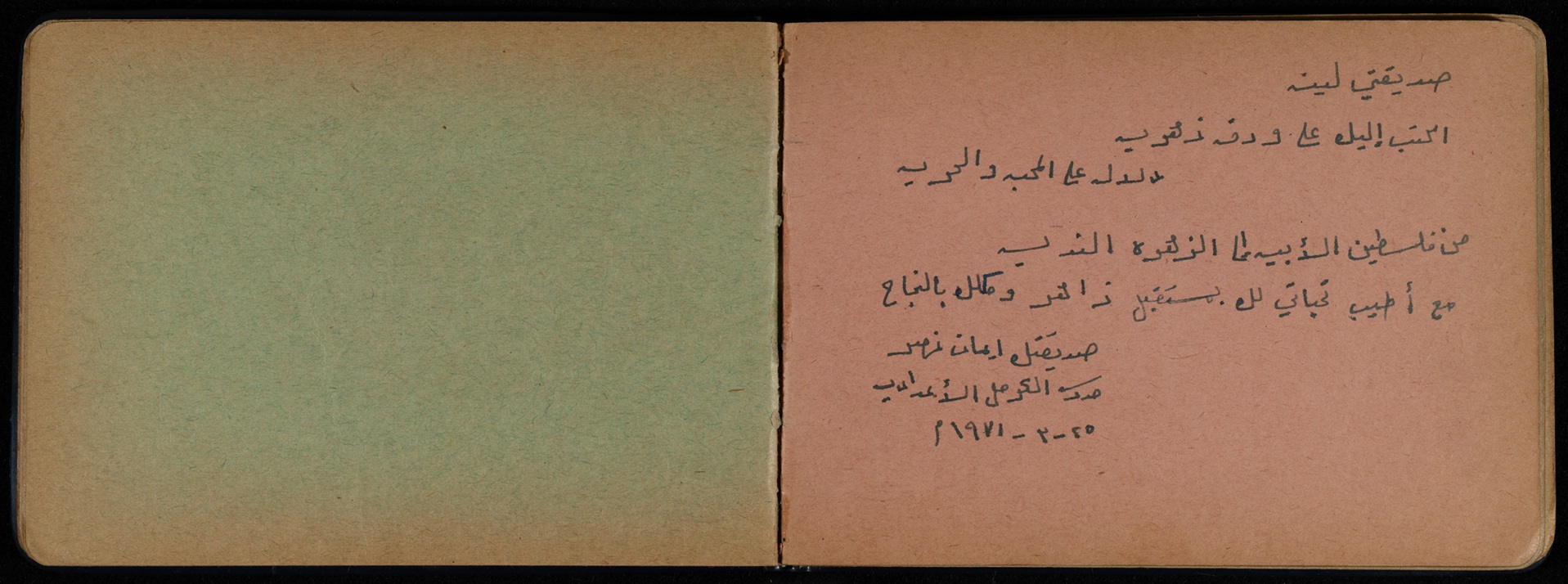
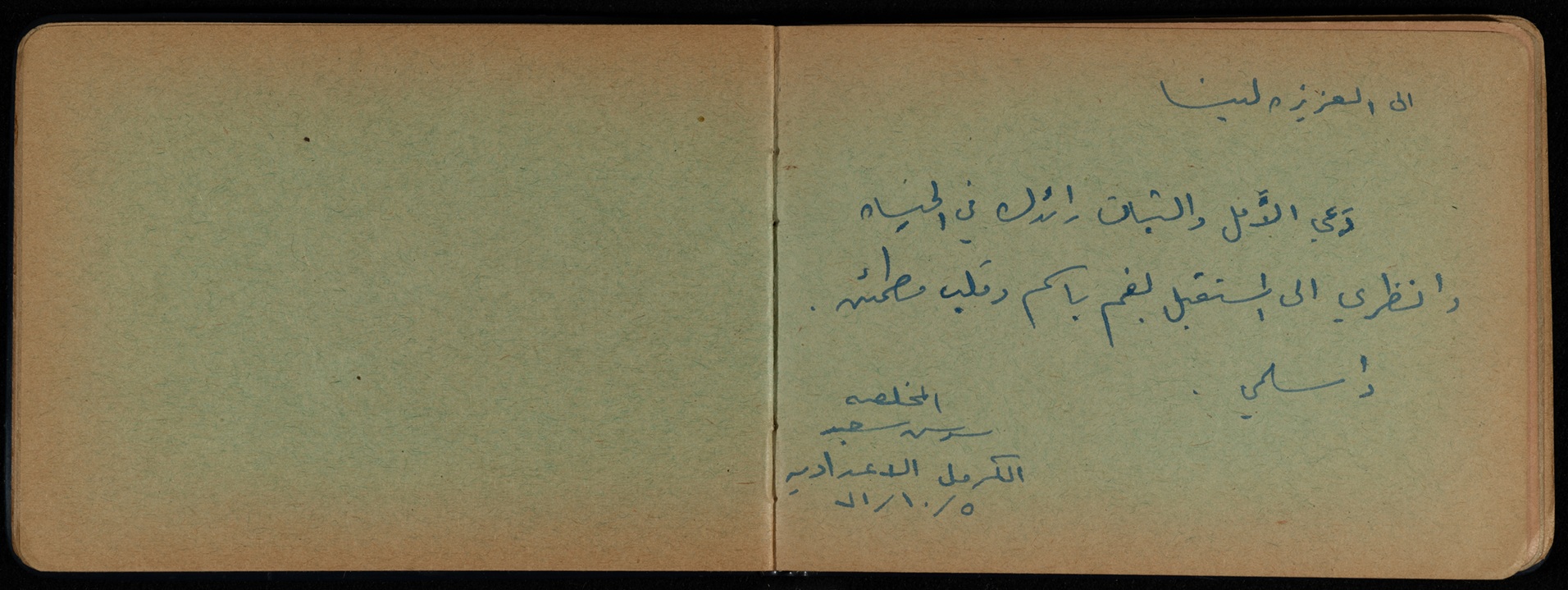
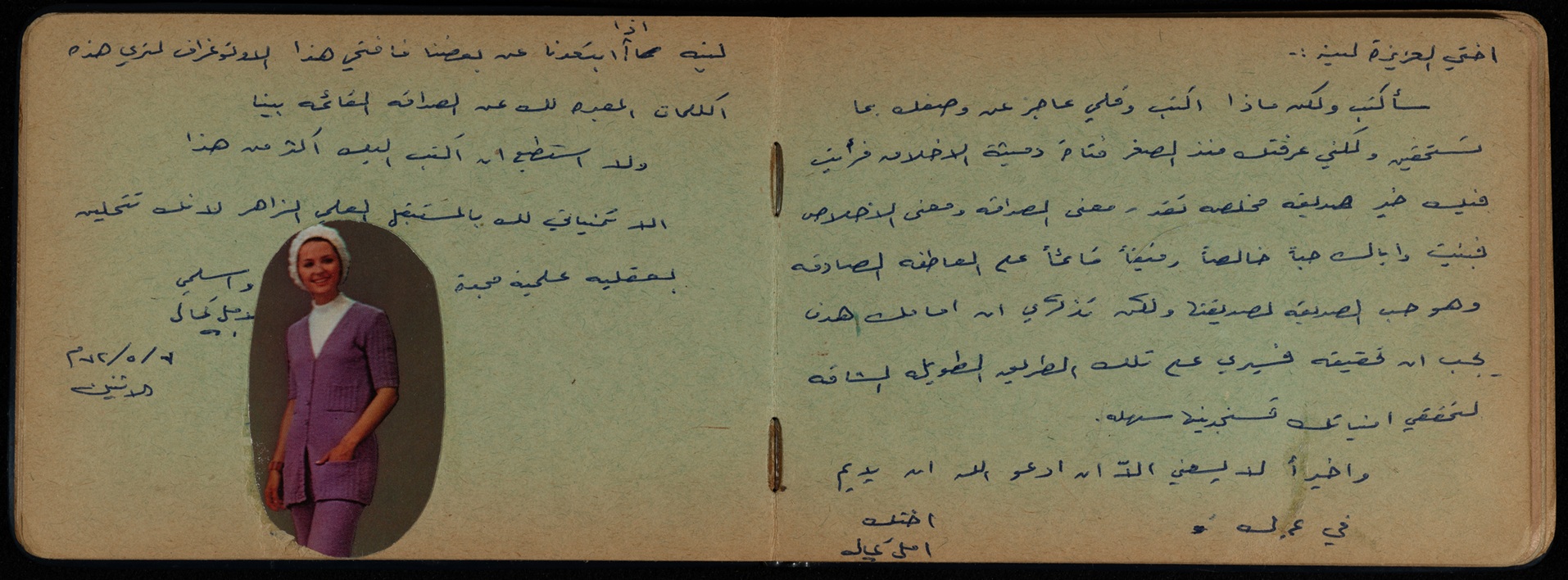
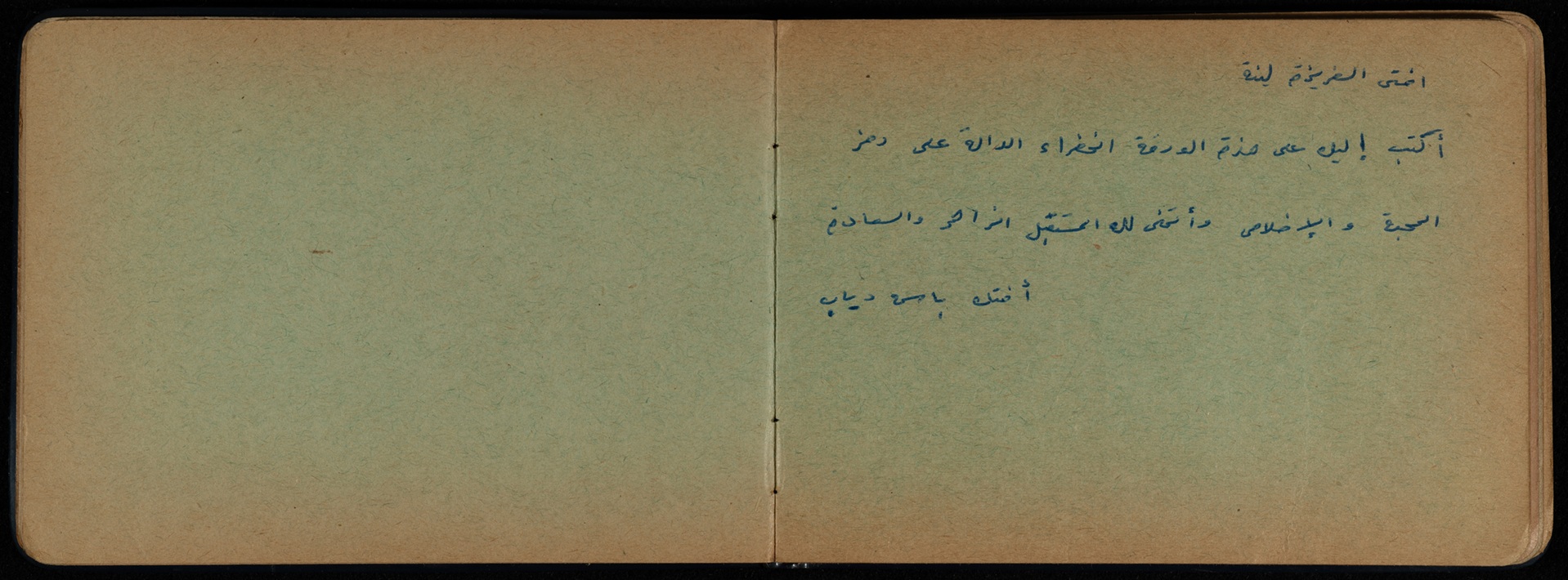
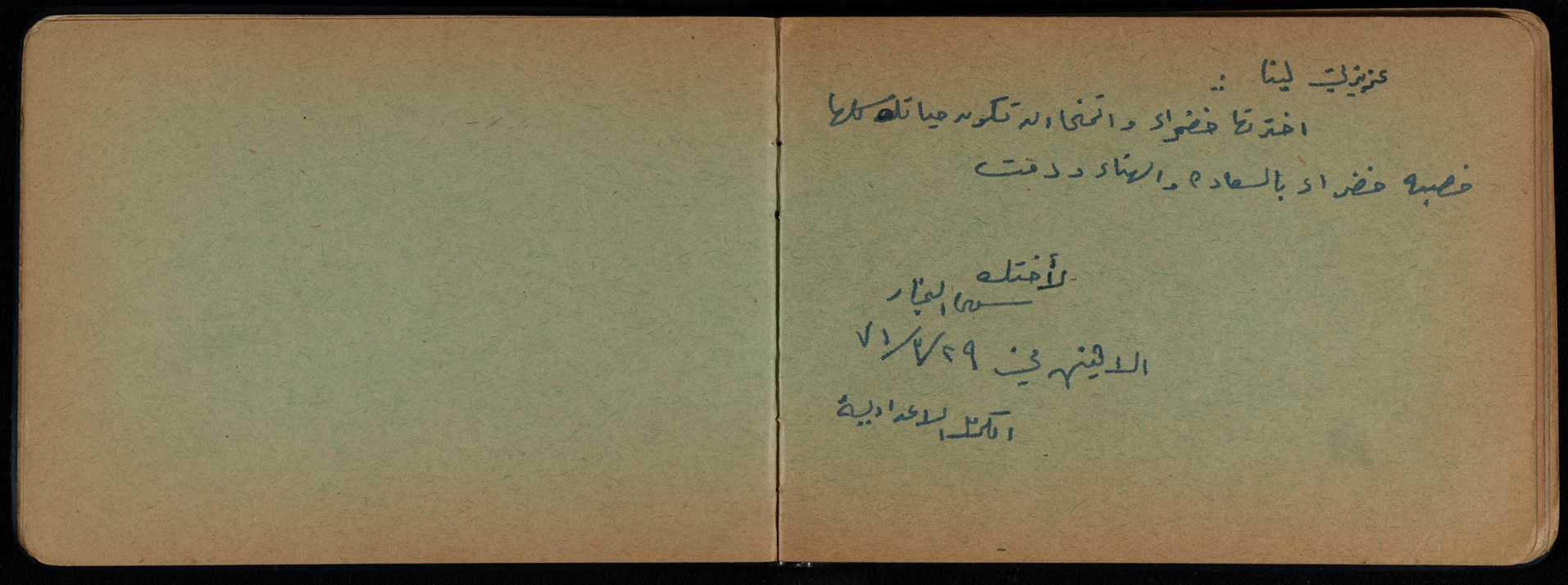
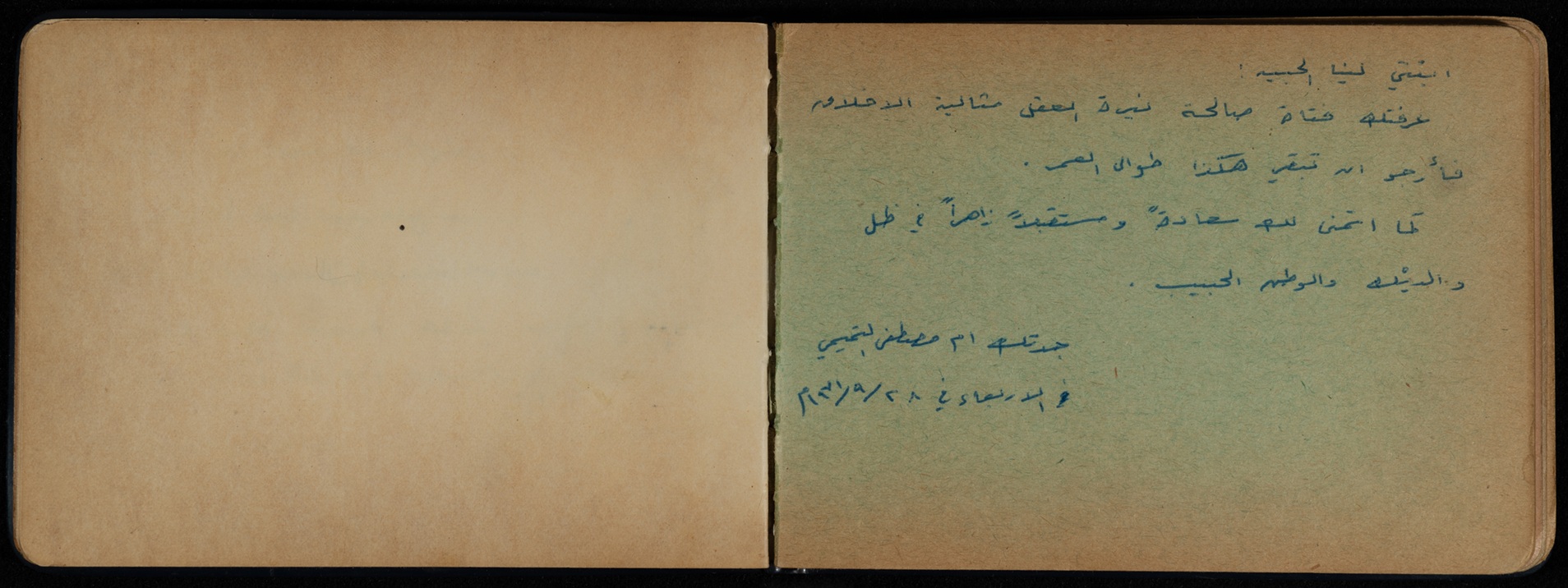
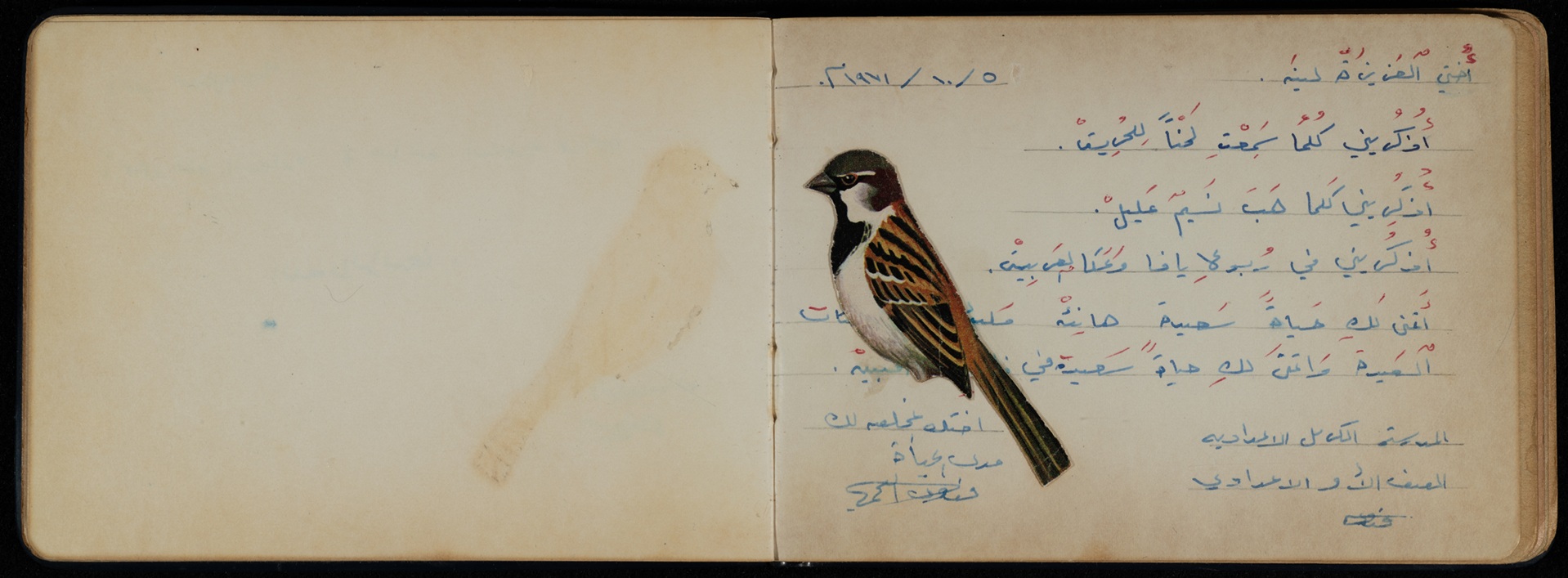


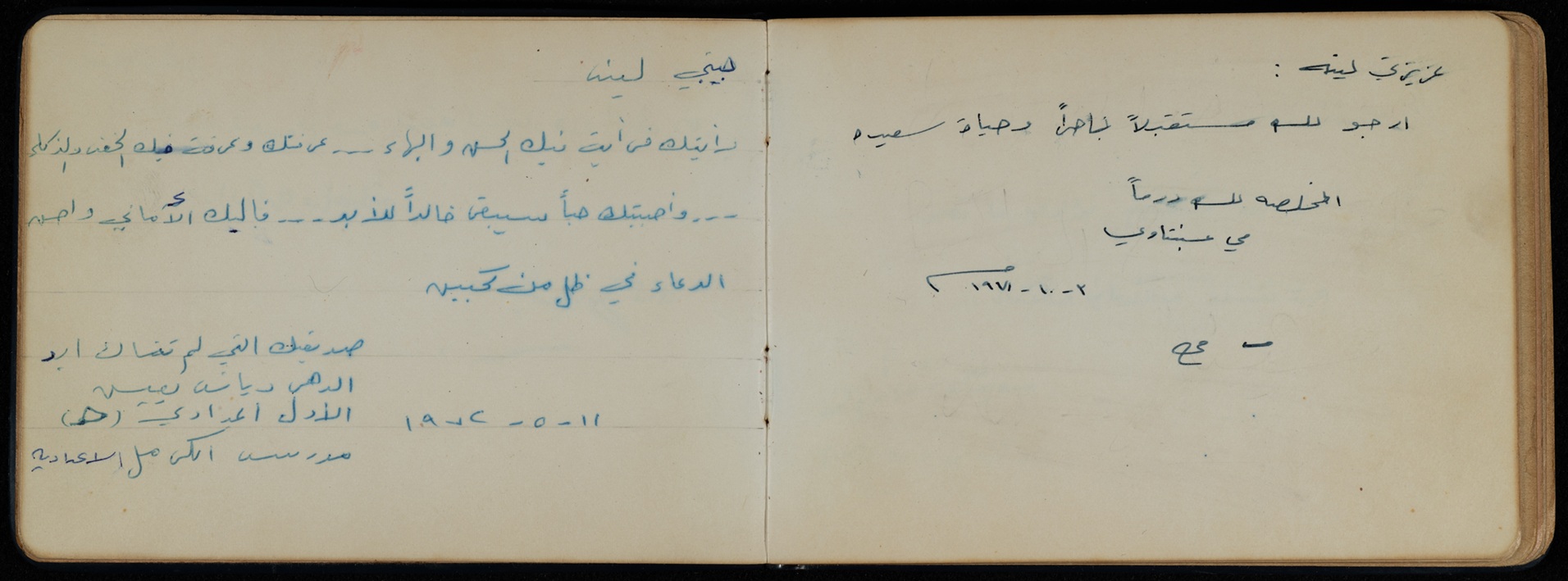
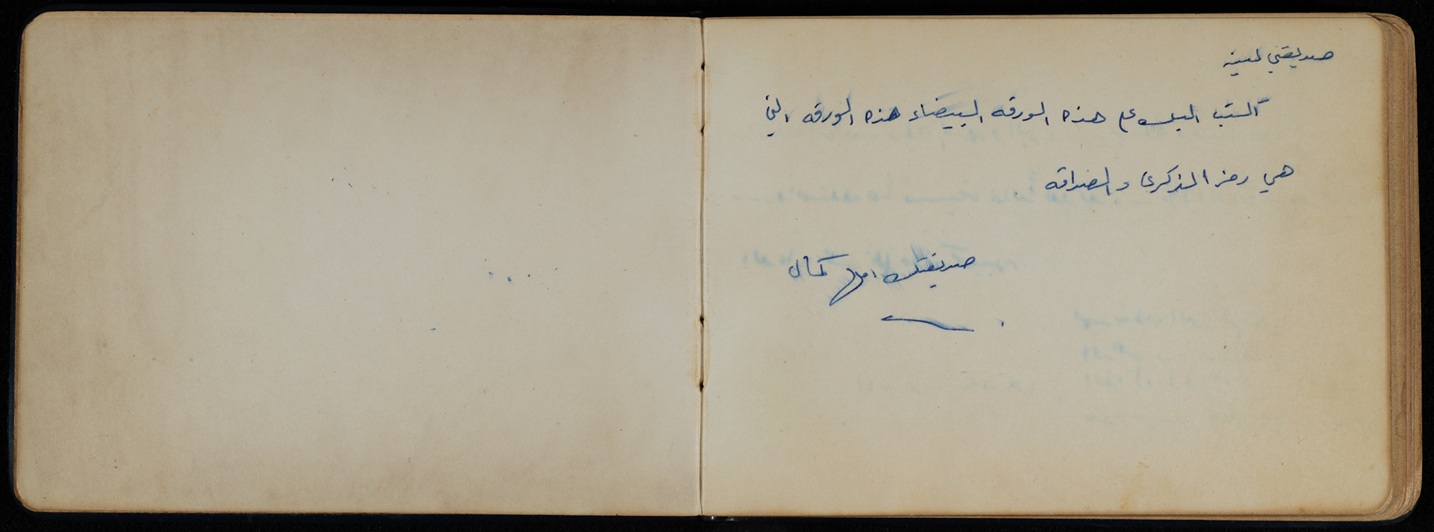
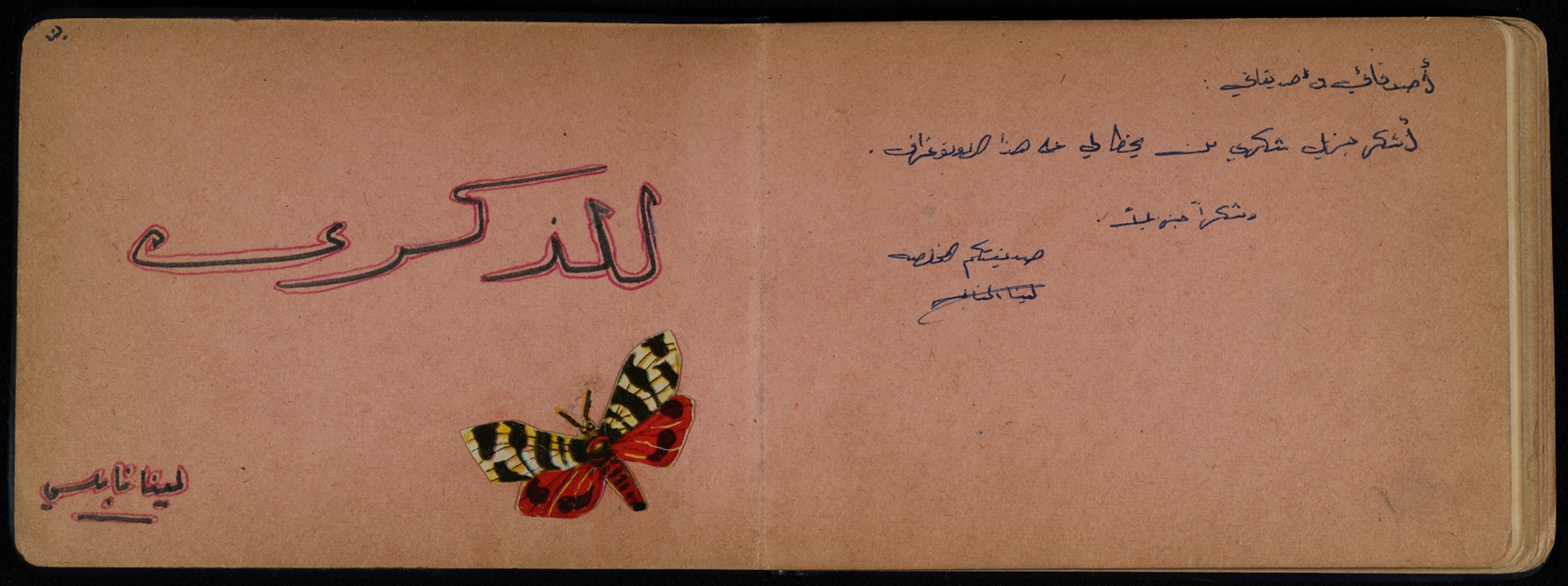
Lina Nabulsi Collection, the Palestinian Museum Digital Archive.
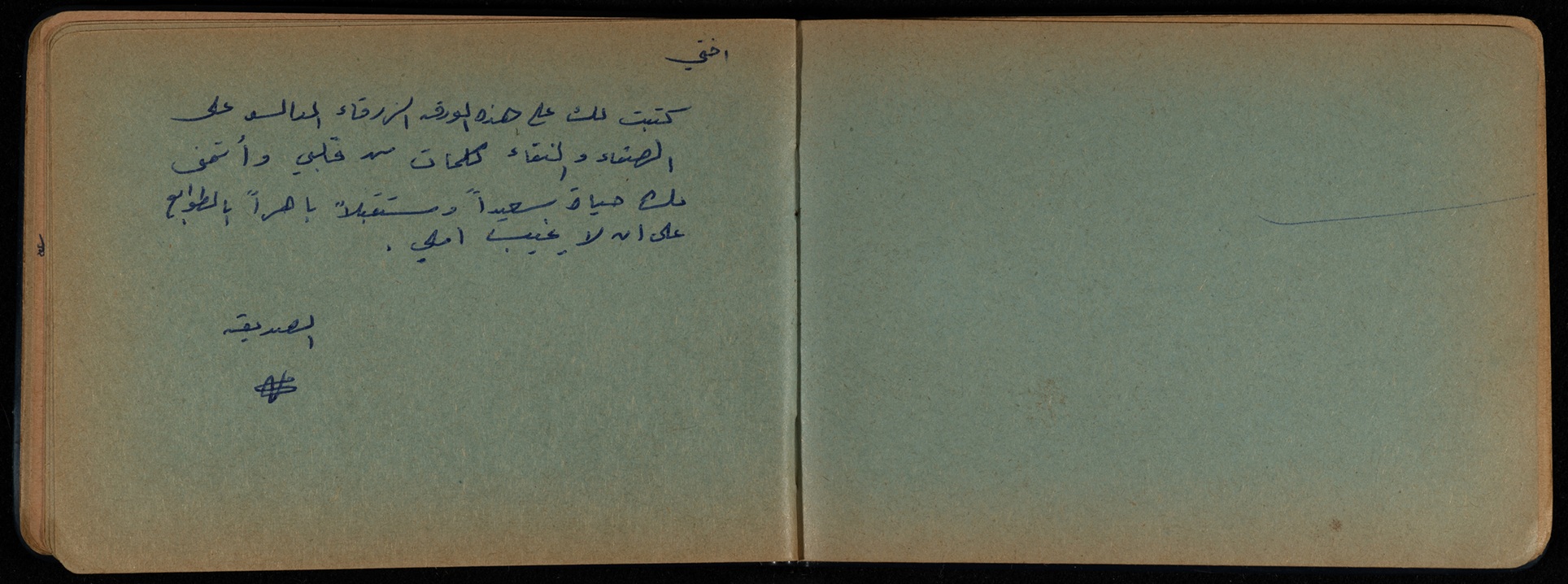
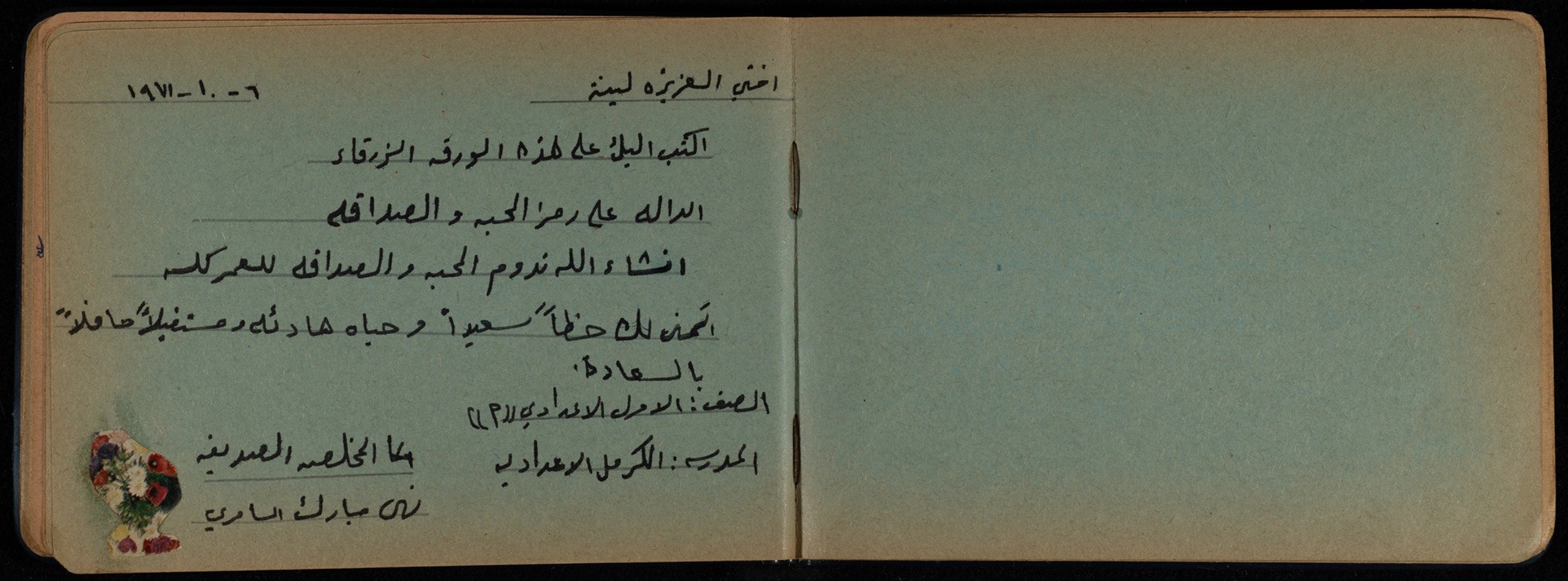
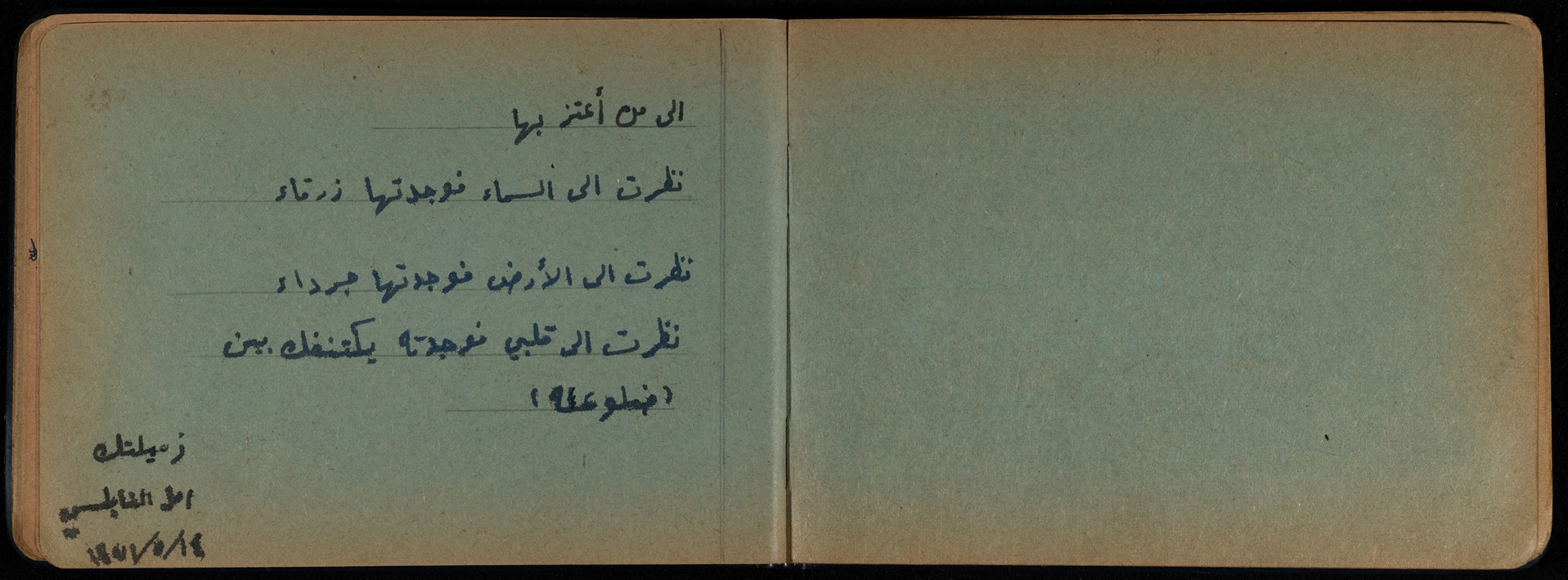
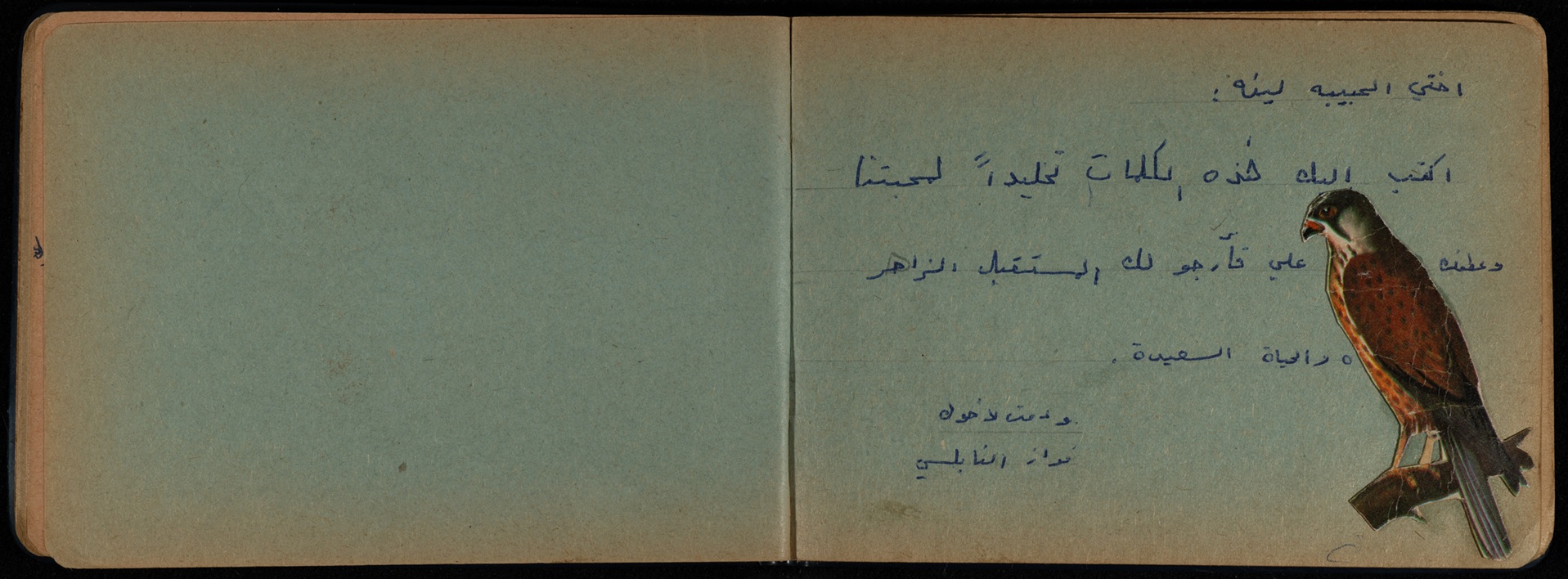
Autograph book kept by Lina Nabulsi, 1971. On the first page, she wrote in Arabic: “To everyone who pens me a line in this autograph book, my heartfelt thanks.” The book contains messages and texts written by her friends and family.